No, your teeth cannot grow back at age 16. Once your permanent (adult) teeth are in place, that is it biologically. There is no third set waiting in your jaw, and no natural process that will regenerate a tooth you have lost or rebuild enamel that has worn away. If you are asking about regrowing enamel or a missing permanent tooth at 14, the answer is generally no regenerate a tooth. This is true whether you are 16, 26, or 66. What can happen at 16 is that teeth you already had developing may still be erupting or shifting, and that can look and feel like something new is happening. But that is not regrowth. Understanding the difference matters a lot, because it changes whether you need to act fast or just wait.
Can Your Teeth Grow Back at Age 16? What’s Possible

Marcus Holloway
29 Apr 2026
What can and can't regrow in a teenager's mouth
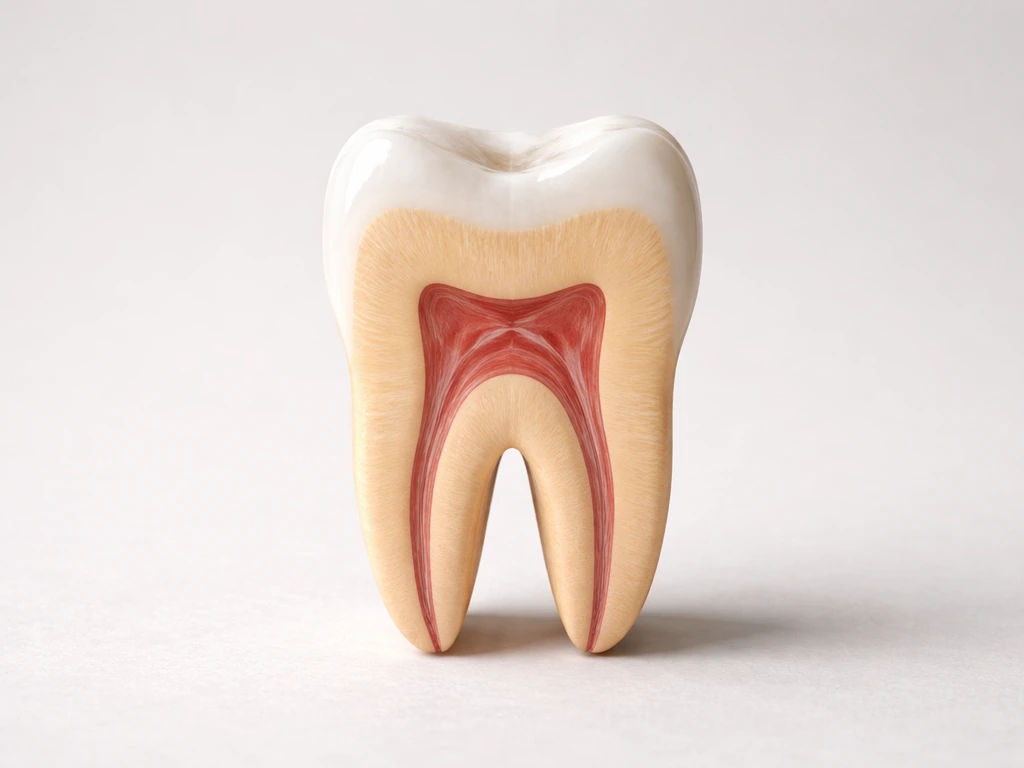
This is worth going through structure by structure, because people often lump everything together under "teeth." The biology is actually different depending on which part you are asking about.
Enamel
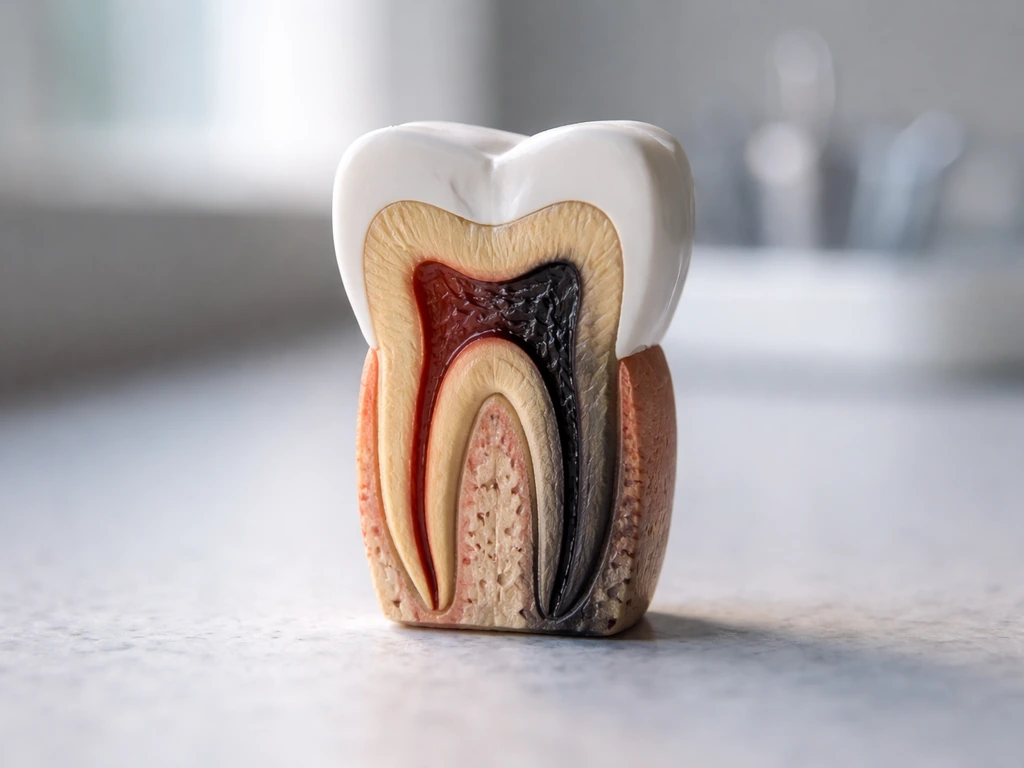
Enamel is the hardest substance in your body, and it absolutely cannot regenerate once it is gone. Enamel is built by specialized cells called ameloblasts during tooth development. Once a tooth erupts, those ameloblast cells are lost entirely. They undergo apoptosis (programmed cell death) and are not present in adult teeth. Without those cells, your body has no biological mechanism to rebuild enamel. Acids from food, drinks, and bacteria erode it permanently. Fluoride can help remineralize very early surface damage and slow further erosion, but it cannot replace enamel that has already been lost. This is one of the most important dental facts to understand at 16.
Dentin and pulp
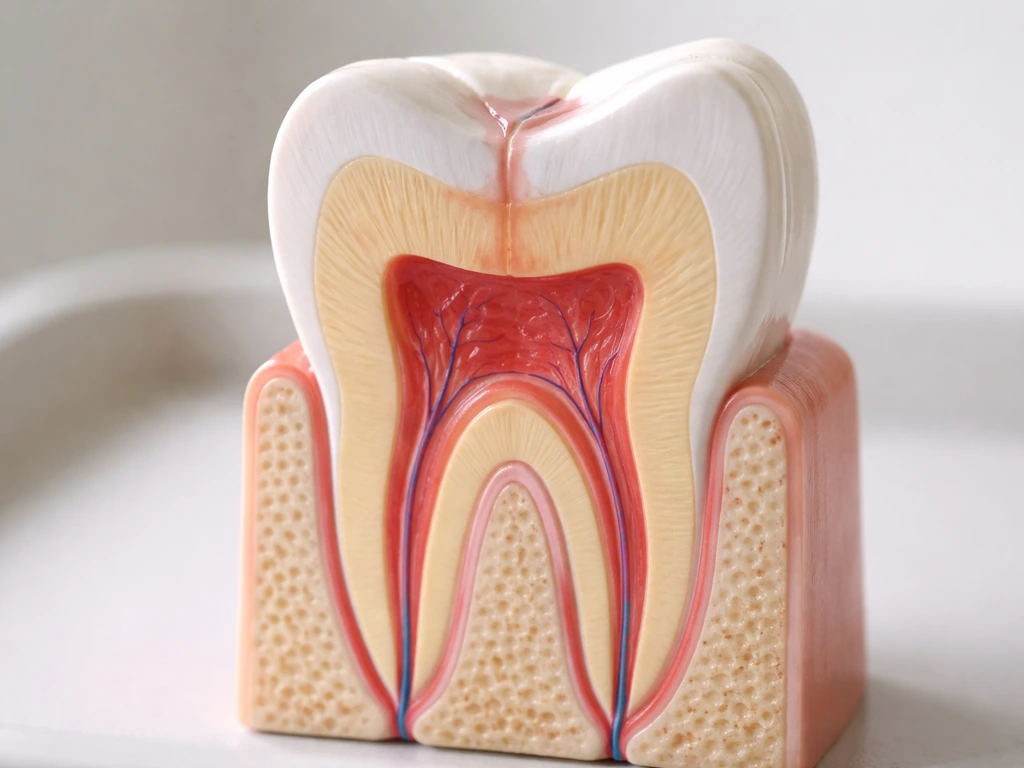
Dentin sits beneath enamel and is slightly softer. The good news here is that the pulp (the living inner chamber of the tooth containing nerves and blood vessels) can produce what is called reparative or tertiary dentin in response to certain kinds of irritation or damage. This is a limited, protective response, not a full repair. In younger patients with immature permanent teeth, the AAPD supports treatments like vital pulp therapy (indirect pulp capping, direct pulp capping, pulpotomy) specifically to preserve pulp vitality and encourage this reparative response. So there is some limited healing capacity inside the tooth, but it is a defensive biological reaction, not regeneration in any meaningful sense.
Roots and the periodontal structures
The root, cementum (the layer covering the root), and periodontal ligament (the fibrous tissue that anchors the tooth in bone) are active research topics in regenerative dentistry. Techniques like guided tissue regeneration and bone grafting can support some recovery of these structures in certain cases. But these are clinical procedures, not something that happens naturally on its own. For a 16-year-old who has lost a tooth, the root and its surrounding support structures are not coming back without professional intervention.
A completely missing tooth
If you have lost a permanent tooth, whether from a hit to the mouth, severe decay, or an extraction, it will not grow back. The ADA is clear on this: there is no currently available treatment that provides a permanent cure or biological regrowth of a missing tooth. Research into tooth regeneration using stem cells and bioengineered teeth is ongoing, but nothing like that is available in clinical practice today. What you can do is get the space restored, and there are good options for that at 16 (more on those below).
Why permanent teeth don't get a second chance
Humans are diphyodonts, meaning we get exactly two sets of teeth in a lifetime: baby (primary) teeth and permanent (adult) teeth. You had 20 primary teeth and will eventually have up to 32 permanent teeth, including wisdom teeth. The permanent teeth began forming in your jaw before you were born and have been slowly developing ever since. By 16, most of those teeth have fully erupted and matured. The biological "window" for forming new tooth crowns opened during fetal development and closed years ago. There is no dormant bud sitting in your jaw waiting to produce a third molar in place of one you lost. Once a permanent tooth is gone, the jaw bone in that area gradually resorbs over time without something filling that space.
The same developmental logic explains why enamel cannot come back. Enamel formation is tightly controlled by ameloblast cells during a specific window of tooth development. Once the tooth erupts, those cells are gone. Enamel is essentially a mineral crystal structure with no living cells inside it, which is why it is so hard but also why it cannot repair itself like bone or skin can.
Things at 16 that look like teeth "growing back" but aren't
This is where things get genuinely confusing for teenagers, and honestly for some adults too. There are several normal dental events at age 16 that can feel or look like new tooth growth.
Wisdom teeth starting to erupt
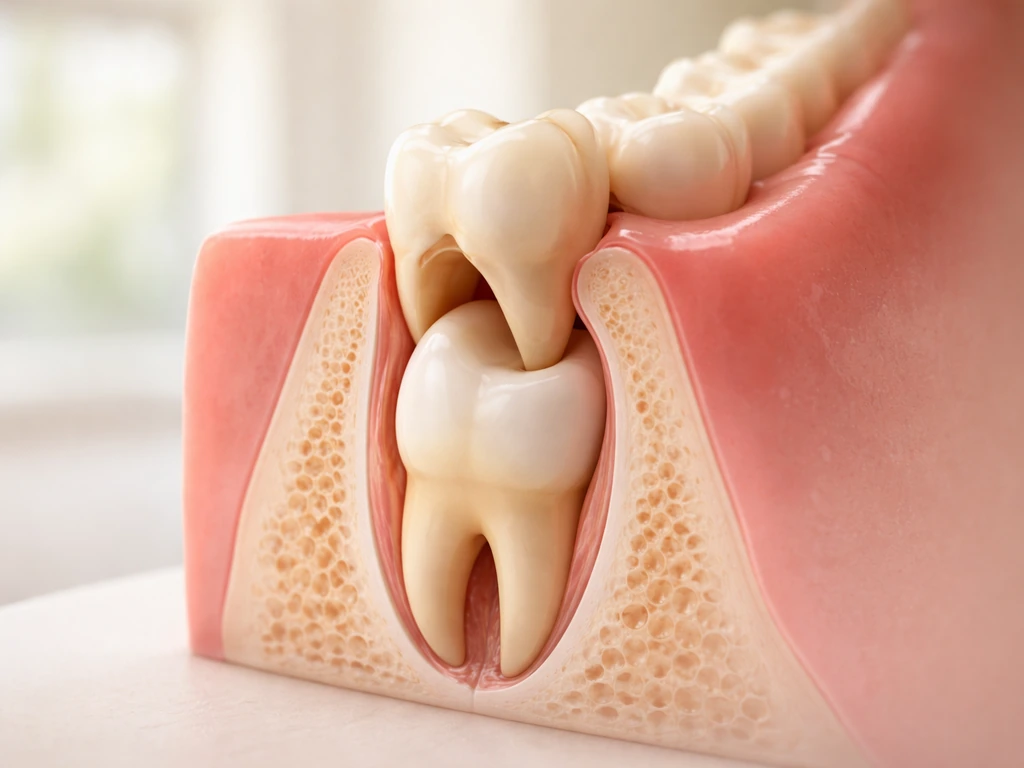
Wisdom teeth (third molars) are the last to arrive, and their eruption timing is highly variable. According to standard eruption timetables, they typically begin erupting anywhere from the mid-teens through the mid-twenties. At 16, it is genuinely possible to feel a new tooth pushing through your back gum for the first time. That is not your jaw growing new teeth out of nowhere. Those third molars have been developing in the bone for years. When they start pressing against the gum or partially breaking through, you may notice soreness, swelling, or even a bump. A condition called pericoronitis, inflammation around a partially erupted wisdom tooth, is common in late teens and can cause real pain and swelling that makes it feel like something dramatic is happening. None of this is tooth regrowth. It is just late-stage normal eruption.
Teeth shifting and becoming more visible
Teeth move. Jaw growth can continue through the mid-to-late teens, and as things shift, a tooth that was partially blocked or crowded can become more prominent or appear to "come in" more. If you are in orthodontic treatment, you will notice teeth moving significantly. None of this is new tooth growth. It is repositioning of teeth that were already there.
Delayed eruption of a permanent tooth
Some permanent teeth erupt later than average. If a tooth was impacted (blocked by bone or another tooth) or just developmentally delayed, it might finally push through during the mid-teens. This can genuinely seem like a new tooth appearing. It is actually just your pre-existing permanent tooth finally making its move. A dental X-ray can confirm this quickly.
Gum changes making teeth look different
Gum inflammation, recession, or changes in gum position can make existing teeth look longer or more prominent than before. This is not regrowth, and gum recession in particular is a reason to see a dentist, not a sign of anything positive happening.
When you should see a dentist or orthodontist right away
Some situations at 16 need urgent attention, not a wait-and-see approach. Do not put these off.
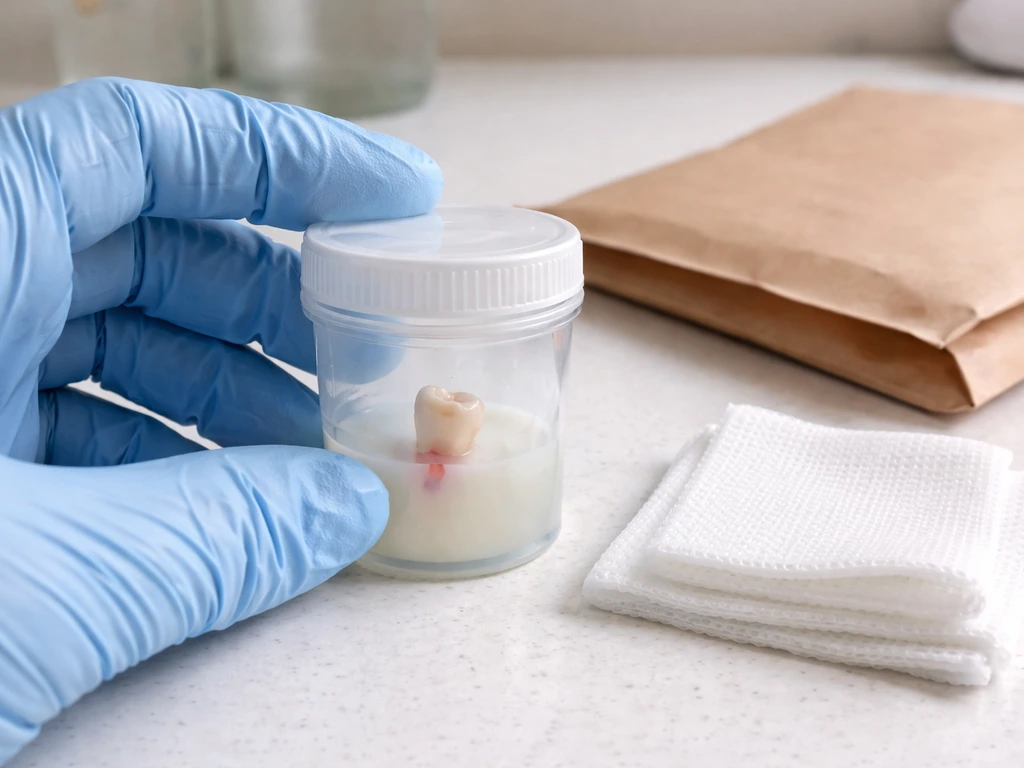
- Knocked-out permanent tooth: This is a dental emergency. The NHS and AAPD both emphasize that a knocked-out permanent tooth may be replantable if you act within about 30 to 60 minutes. Pick the tooth up by the crown (not the root), rinse it gently, keep it moist (ideally in milk or between your cheek and gum), and get to an emergency dentist immediately. Do not wait expecting it to reattach on its own.
- Severe or spreading pain in the back of your jaw: This may indicate pericoronitis or an infection around an erupting wisdom tooth. Infections in the jaw area can spread quickly and should be evaluated the same day.
- Visible swelling in the face, jaw, or gum: Swelling that is spreading or causing difficulty swallowing or opening your mouth is a medical emergency.
- A tooth that has been badly cracked or fractured: Fractures that expose the inner dentin or pulp are painful and susceptible to infection. The sooner they are treated, the better the outcome.
- A tooth that has been pushed into the gum or displaced: Dental trauma beyond a simple chip needs professional assessment quickly.
- Pain or sensitivity that has lasted more than a week or two: This is your body telling you something needs attention.
For less urgent but still important concerns, like a cavity you have noticed, early gum problems, or questions about a developing wisdom tooth, aim to get an appointment within a few weeks rather than ignoring it. What looks like a small problem at 16 can become a much bigger one by 18 or 20 if left alone.
What you can actually do to restore what's missing or damaged
The fact that teeth cannot grow back does not mean you are stuck with damage forever. Modern dentistry has solid, proven options for 16-year-olds depending on what the situation is.
| Situation | Likely Treatment Option | Notes for Age 16 |
|---|---|---|
| Small cavity or early decay | Filling (composite resin) | Quick, effective, preserves the natural tooth |
| Chipped or discolored front tooth | Dental bonding or veneer | Bonding is conservative and can be done in one visit |
| Badly broken or decayed tooth | Crown | Covers and protects the remaining tooth structure |
| Missing permanent tooth | Space maintainer now, implant or bridge later | Implants typically deferred until jaw growth is complete (usually 18+) |
| Crooked or shifted teeth after a gap | Orthodontics (braces or aligners) | Helps manage spacing and alignment |
| Wisdom tooth causing pain or crowding | Monitoring or extraction | Decision based on X-rays and symptoms |
If you have lost a permanent tooth, the most important short-term step is keeping the space maintained. Neighboring teeth will drift into the gap over time, which complicates restoration later. A dentist may place a temporary space maintainer or partial. Full implant treatment is generally delayed until jaw growth is complete, which is usually around 18 or sometimes later for some patients. Your dentist can do an X-ray to assess where your jaw development stands and plan accordingly.
Dental bonding is worth highlighting for front-tooth chips and cracks at 16. It is conservative (no drilling away healthy tooth structure), relatively affordable, and can be completed in a single visit. It is not as durable as a crown, but it is a practical and often excellent choice for a teenager.
How to protect your teeth from here and avoid making things worse
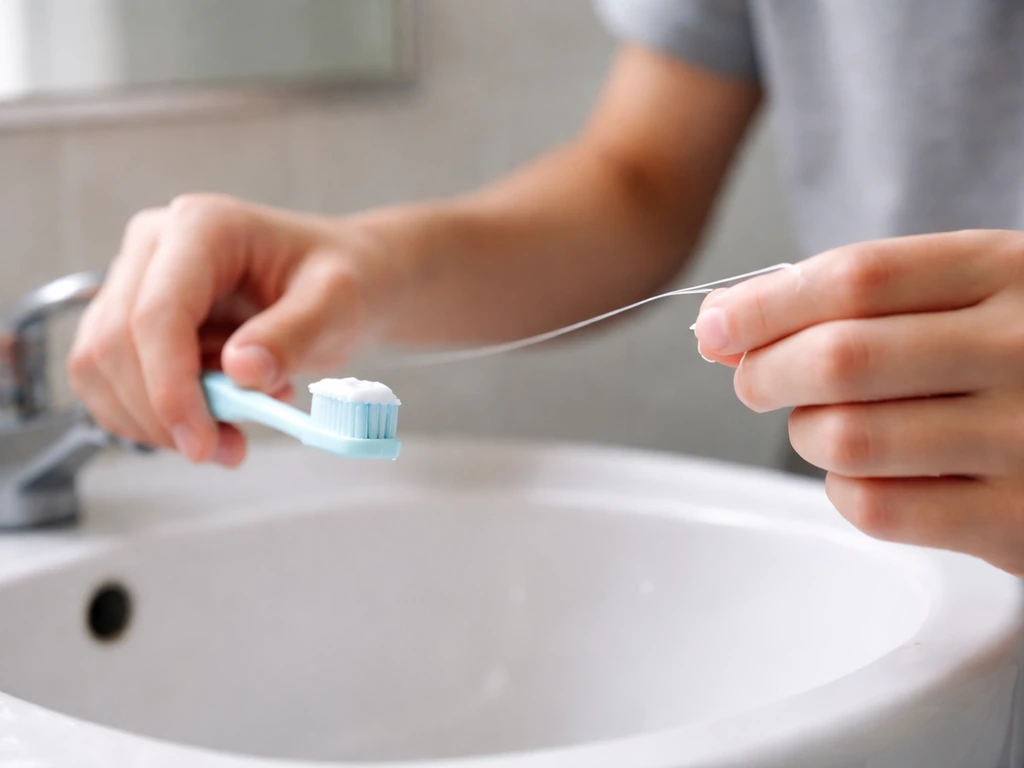
At 16, your habits right now will determine what your teeth look like at 36. The enamel you have is the enamel you are keeping for life. Here is what actually moves the needle.
Fluoride: use it consistently
Brush twice a day for two minutes with a fluoride toothpaste, as recommended by both the ADA and AAPD. Fluoride cannot rebuild lost enamel, but it strengthens existing enamel and can remineralize very early lesions before they become actual cavities. It is genuinely the most evidence-backed preventive tool available to you right now. Do not skip this because you think you are too old to worry about cavities. Cavities happen at every age.
Diet and acid exposure
Acidic drinks (sodas, sports drinks, energy drinks, citrus juices) are among the biggest causes of enamel erosion in teenagers. Sipping these throughout the day keeps your enamel under constant acid attack. Limit how often you have them, drink through a straw, and rinse with water afterward. Wait at least 30 minutes before brushing after consuming acidic food or drink, because brushing immediately can actually make erosion worse when enamel is temporarily softened.
Mouth guards for sport
If you play any contact sport or sport with projectiles (football, basketball, hockey, martial arts, even cycling), wear a mouthguard. Dental trauma is a leading cause of tooth loss in teenagers, and a knocked-out permanent tooth, despite urgent replantation, does not always survive long term. Prevention is the only guaranteed option here.
Night grinding (bruxism)
Teeth grinding during sleep is more common in teenagers than most people realize, and it wears enamel down significantly over time. Signs include worn-looking tooth surfaces, jaw soreness in the morning, or headaches. A night guard from your dentist can protect your enamel while you sleep.
Regular dental check-ups
Twice-yearly check-ups and cleanings are not just for kids. At 16, your dentist can catch developing problems early, monitor wisdom tooth development, check for signs of gum disease, and advise on any orthodontic concerns before they become complicated. Small problems caught early are almost always cheaper, faster, and less painful to fix.
If you are wondering whether similar rules apply at nearby ages like 15 or 17, the short answer is yes: the biology is essentially the same across the mid-teen years. The permanent teeth are set, enamel does not grow back, and the main variables are where wisdom teeth stand in their eruption timeline and whether jaw growth has fully finished. What matters most is acting on problems early rather than waiting to see if things improve on their own, because in the case of damaged or missing permanent teeth, they simply will not.
FAQ
If I lost a permanent tooth at 16, what should I do first before thinking about replacement options?
Ask your dentist to take an X-ray and focus on space maintenance right away. Without a spacer, neighboring teeth can drift into the gap, making later restoration (like bridges or implants) more complicated and sometimes requiring orthodontics.
Can knocked-out permanent teeth be reattached at my age, like they do in movies?
Sometimes, if the tooth is a true permanent tooth and it was replanted quickly, emergency reattachment can be possible. However, survival is unpredictable, especially after significant time out of the mouth, and replantation is not “regrowth,” it is a salvage attempt.
Does fluoride rebuild enamel that has already been worn away or is only prevention for early damage?
Fluoride can help remineralize very early surface mineral loss, it cannot restore enamel thickness once the enamel crystal structure is gone. If you have visible pits, rough patches, or sensitivity from enamel loss, you likely need a restorative plan, not just fluoride.
If a cavity is small, can it heal on its own at 16?
Early enamel “white spot” changes can sometimes be reversed with fluoride and improved home care, but a cavitated cavity (a hole or rough, stuck-on plaque area that has progressed) will not fully heal itself. A dentist can tell the difference using an exam and often X-rays.
How do I tell whether a tooth is coming in late (like wisdom teeth) versus something actually worsening?
Eruption often causes temporary gum tenderness around the specific tooth and may improve between flare-ups. Worsening pain, swelling that spreads, fever, or bad taste can signal pericoronitis infection. Those signs mean you should call your dentist promptly rather than waiting.
My gums look lower, does recession mean my teeth are “growing in” or getting worse?
Gum recession makes teeth look longer because the gum margin moves, not because the tooth grows. Recession can expose root surfaces that are more sensitive and more prone to decay, so it is worth evaluating soon, especially if you have sensitivity.
If my wisdom tooth is partially out, is it always something to treat?
Not always, but partially erupted wisdom teeth often trap debris and can trigger repeated inflammation. Treatment depends on factors like how much space there is, whether the tooth is angled, and whether there is decay or gum disease on the back of the second molar.
Are temporary space maintainers the same as braces, and do they affect my future treatment?
They are different tools. Space maintainers are designed to prevent drifting after a missing tooth, they do not straighten teeth. However, they can influence later alignment needs, so it is important to coordinate with your long-term orthodontic plan.
When can I get an implant if I lose a permanent tooth at 16?
Many implants are delayed until jaw growth is mostly complete to reduce the risk of misalignment as the jaw continues changing. Your dentist or oral surgeon will use X-rays to estimate growth status and decide timing, but it is commonly around late teens to later for some patients.
If enamel cannot regenerate, what are realistic ways to protect teeth at 16 right now?
Prioritize fluoride twice daily, reduce how often you sip acidic drinks, use a mouthguard for sports, and consider a night guard if you grind. Also, keep checkups because early cavities and gum issues can be treated before they require larger restorations.
I grind my teeth, should I stop brushing right after I wake up or when I feel tooth soreness?
No, keep brushing with fluoride, but avoid immediate brushing right after very acidic exposures. For grinding, the key is protecting enamel with a night guard and managing the habit. If soreness is significant, check with your dentist because it can affect your bite and jaw joints.
Next Articles
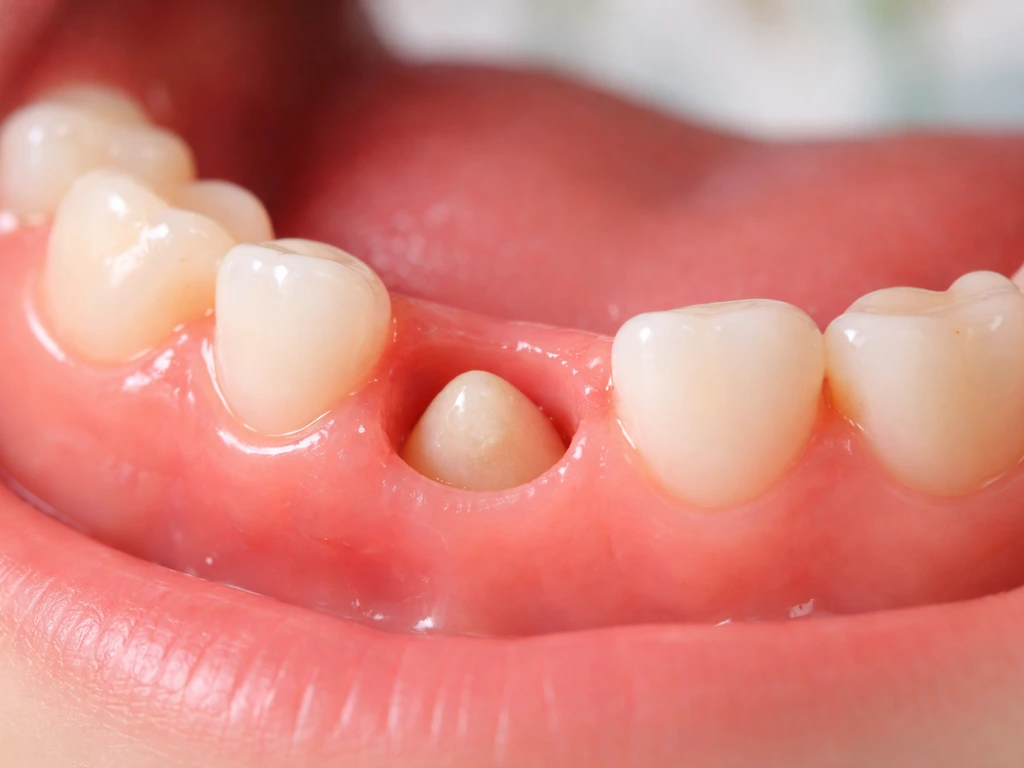
Do Milk Teeth Grow Back? Timelines, What to Do, Red Flags
Learn if milk teeth regrow, typical timelines for permanent teeth, what to do after loss or injury, and red flags.
Can Milk Teeth Grow Twice? Replacement vs True Regrowth
Can milk teeth grow twice? Learn why baby teeth usually only get replaced, not regrown, and what to do if one falls out
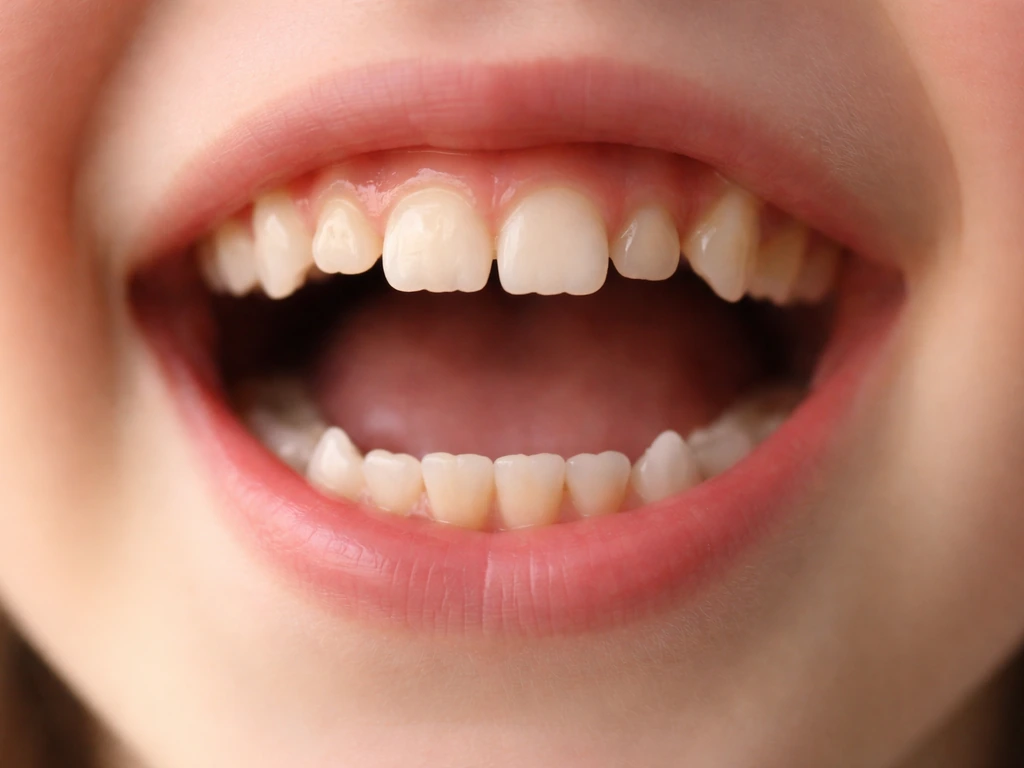
Why Do Teeth Only Grow Twice? Baby vs Permanent Explained
Why humans have only baby and permanent teeth: eruption timeline, limits of enamel regrowth, and common exceptions to kn