Around age 12, the teeth most likely coming in are the second molars (also called the 12-year molars) and, for kids who were a little slow earlier, possibly the upper canines or second premolars. At age 15, most people have already passed the main wave of new permanent teeth, though timing can still vary by child 12-year molars. At 14, the teeth that are still coming in are typically the second molars, along with any canines or premolars that were a little delayed. The second molar is the biggest milestone at this age: the upper ones typically erupt between 12 and 13 years, and the lower ones between 11 and 13 years. If your child is 12 and you can see a wide, flat tooth pushing through in the very back of each side of the mouth, that's almost certainly the second molar doing its job right on schedule.
What Teeth Grow In at 12: Timing, Signs, and Next Steps


Which teeth actually erupt around age 12
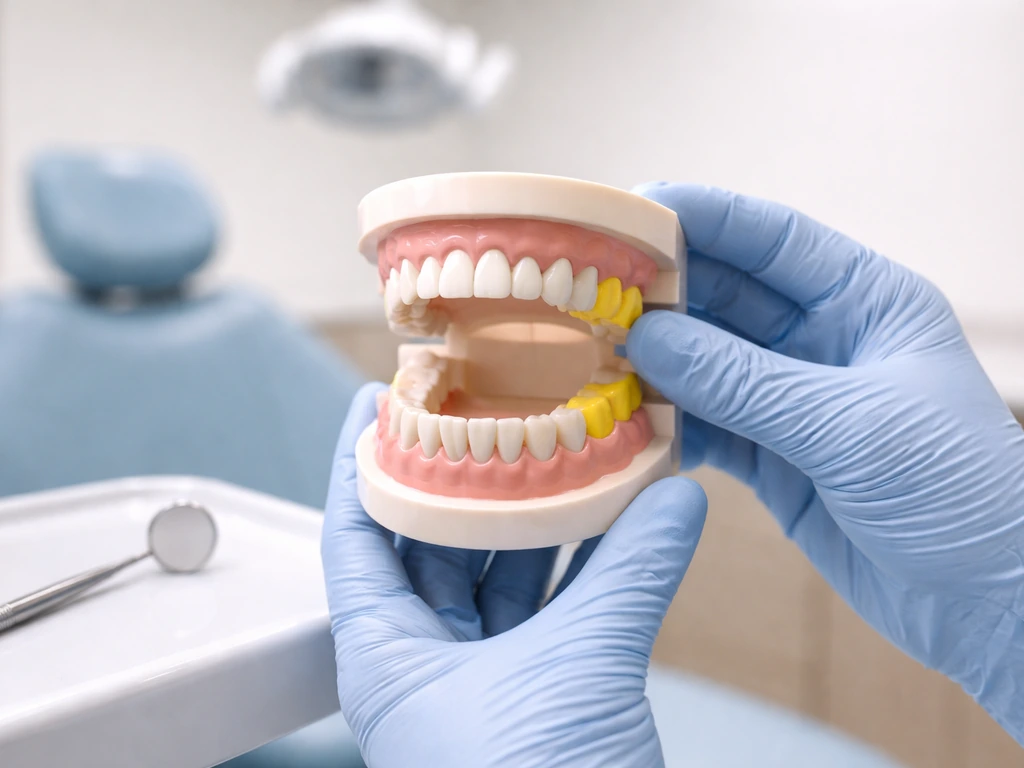
Age 12 sits at the tail end of what dentists call the mixed dentition phase, roughly ages 6 to 13, when permanent teeth are steadily replacing baby teeth. By the time a child turns 12, most of the front teeth and first molars have already come in years earlier. What's still arriving at 12 tends to be the back half of the mouth.
| Tooth | Upper Jaw Eruption | Lower Jaw Eruption |
|---|---|---|
| Second molar | 12–13 years | 11–13 years |
| Upper canine (cuspid) | 11–12 years | 9–10 years |
| Second premolar | 10–12 years | 10–12 years |
| First premolar | 10–11 years | 10–12 years |
The second molar is the real star of the 12-year-old show. The canines and premolars are technically finishing up their window around this time too, so a child who was running a little late with those teeth may see them arrive right around age 12 as well. The central and lateral incisors (the front four on top and bottom) should already be fully in by this point, having erupted between ages 6 and 9.
Typical eruption order and what varies by child
The general sequence for permanent teeth goes from the center of the mouth outward: central incisor, lateral incisor, canine, first premolar, second premolar, second molar, and eventually the third molar (wisdom tooth) years later. The lower teeth usually arrive slightly before their upper counterparts, which is why the bottom canines often show up as early as age 9 while the upper canines wait until 11 or 12.
That said, the order isn't completely fixed. Research has shown that some children swap the sequence between certain teeth, like a second premolar arriving before a canine, and still end up with a perfectly normal bite. Sex plays a role too: girls tend to hit eruption milestones slightly earlier than boys. Genetics, jaw size, and even ethnicity can all shift the timeline by several months in either direction. So if your 12-year-old's mouth looks slightly different from the chart, that alone isn't cause for alarm.
One thing worth knowing: the wisdom teeth (third molars) are not part of the age-12 picture. They typically appear between 17 and 21 years old, sometimes later, and are their own separate conversation. If you're trying to figure out what's coming next after the 12-year molars, the answer is essentially nothing for several years, until the wisdom teeth begin their (often complicated) arrival.
How to check if your child's mouth is on schedule
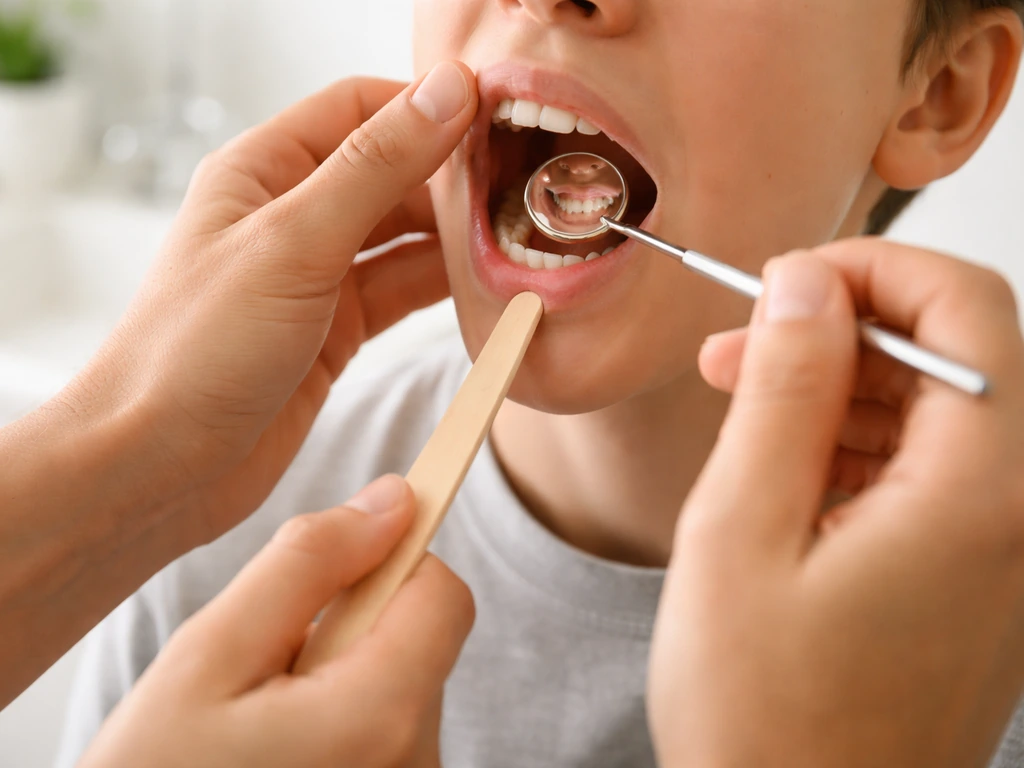
You don't need X-rays to get a decent sense of where things stand. A simple look in a well-lit bathroom is surprisingly informative. Here's what to check for:
- Count the permanent teeth visible in the mouth. By age 12, most kids have around 24 to 28 permanent teeth either fully in or visibly erupting, with only the wisdom teeth still missing.
- Look at the very back of the upper and lower arches. If you see a wide molar tooth emerging or already in place behind the first molar, the second molar has arrived or is arriving.
- Check whether any baby teeth are still lingering. A baby tooth that seems very firm and shows no signs of loosening while the area appears crowded could mean the adult tooth underneath is delayed or off-course.
- Feel for swelling or a soft, bluish bump on the gum where a tooth should be coming in. This is often an eruption cyst, a fluid-filled sac that forms when a tooth is about to break through. Most resolve on their own, but a dentist should know about it.
- Compare left and right sides. If a tooth has erupted on one side but the mirror-image tooth on the other side shows no sign of movement after six months or so, mention it to a dentist.
A loose baby tooth is almost always a good sign, it means the permanent tooth below is pushing up and doing its job. Pain or swelling without a loose baby tooth nearby is a different story and worth a closer look.
What to do if a tooth seems missing, delayed, or painful
Delayed eruption has a range of causes, and most of them are manageable when caught early. Local factors like a baby tooth that didn't fall out on its own (retained deciduous tooth), a supernumerary (extra) tooth blocking the path, or dense fibrous gum tissue overlying the eruption site can all stall a permanent tooth. Systemic factors are less common but possible.
If a tooth seems to be missing entirely and there's no baby tooth there either, that's worth investigating. A condition called hypodontia (congenitally missing teeth) affects a small percentage of people, and the second premolars and upper lateral incisors are the teeth most commonly absent. A missing permanent tooth will not eventually grow in on its own. It simply isn't there, and a dentist needs to confirm that with X-rays before anyone draws conclusions.
Do not try to accelerate eruption at home. Wiggling a gum or attempting to "pull" a tooth that isn't ready can cause injury, infection, or damage to the developing tooth. The same goes for any internet advice about supplements or techniques to "make teeth come in faster." None of that works, and some of it causes harm.
If your 12-year-old is experiencing real pain, significant swelling, or a visible bump that isn't resolving, call a dentist within a day or two rather than waiting for the next routine visit. Impacted teeth and eruption cysts that become infected need prompt attention.
Can teeth or enamel actually grow back? Let's clear this up
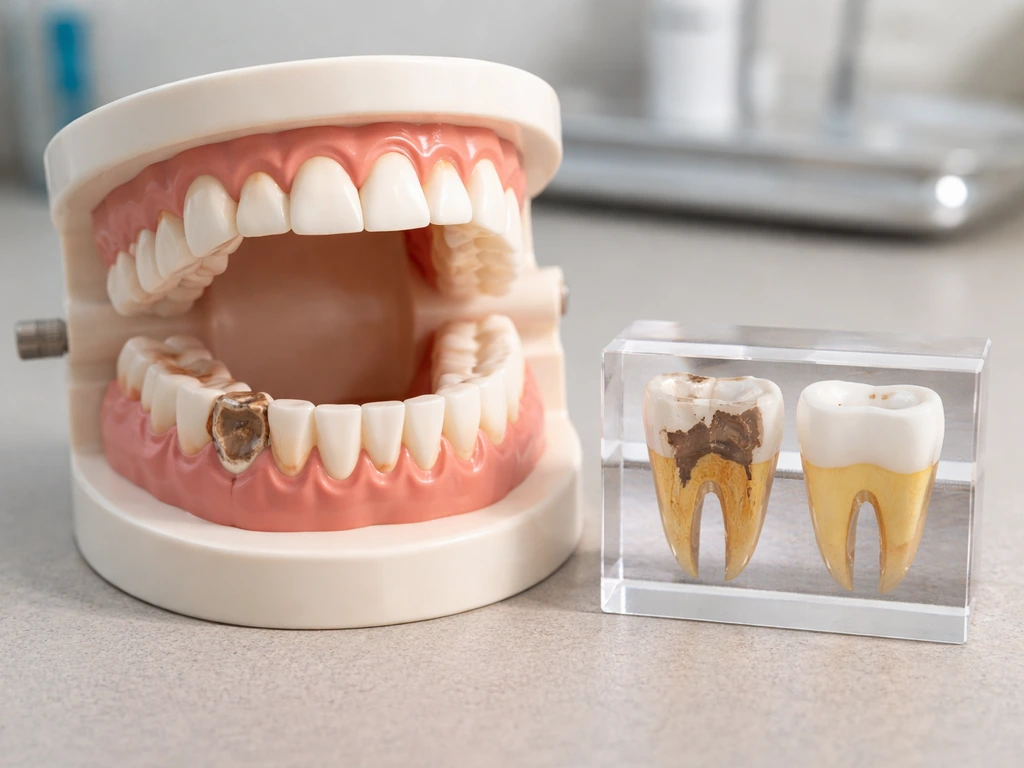
This is one of the most common misconceptions in dentistry, and it's worth addressing directly because it affects how parents and teens respond to dental problems. The short version: no, a permanent tooth that is lost or severely damaged does not grow back. Humans are diphyodonts, meaning we get exactly two sets of teeth (baby and permanent), and that's it. If a 12-year-old loses a permanent tooth to decay, injury, or extraction, there is no third set waiting in reserve. For most kids, the baby teeth stop and the permanent teeth keep coming in through childhood, so only some teeth are still erupting by age 4 permanent teeth coming in through childhood.
Enamel is the same story. Once enamel is gone, the body cannot regenerate it. The cells that build enamel (ameloblasts) are only active during tooth development and are gone by the time a tooth fully erupts. This is a hard biological limit, not a gap waiting to be filled by a supplement or special toothpaste.
Here's the important nuance though: early-stage enamel damage is not the same as enamel loss. When enamel starts to demineralize from acid exposure (the very beginning of a cavity), fluoride can actually help remineralize that weakened enamel and even reverse early decay before it becomes a true cavity. The AAPD describes this as fluoride strengthening enamel through a process called fluorapatite formation. So remineralization is real and useful, but it is not the same as regrowing enamel that has already been worn away or lost. The distinction matters a lot when you're deciding whether a small soft spot needs a filling or just better home care.
For kids who are 12 and have permanent teeth coming in right now, this means one thing practically: protect what's erupting. New molars are especially cavity-prone because they have deep grooves and kids often struggle to clean them well. Dental sealants placed on freshly erupted second molars have strong evidence behind them for cavity prevention.
When to see a dentist and what they'll actually do
Regular dental checkups around age 12 should already be happening at least once a year, ideally twice. But there are specific situations where you shouldn't wait for the next routine cleaning.
Call sooner if you notice any of these:
- A tooth that erupted on one side but not the matching tooth on the other side, after six months or more
- A visible bluish or translucent swelling on the gum (possible eruption cyst, especially if growing or tender)
- A baby tooth that appears stuck and shows zero mobility while the child is well into their 12th year
- Significant pain or sensitivity in the back of the mouth where the second molar should be arriving
- A gap where a tooth should have erupted but hasn't, with no baby tooth present either
When you bring a 12-year-old in for an eruption concern, the dentist will start with a clinical exam, checking which teeth are present, how the bite looks, whether any baby teeth are overly retained, and whether the gums show signs like redness, swelling, or that blank" rel="noopener noreferrer">bluish translucent tissue that can signal a tooth is trying to break through but is blocked. From there, a panoramic X-ray (a wide image that shows all teeth in both jaws at once) is usually the most useful tool. It shows whether a missing tooth simply hasn't erupted yet, is impacted, is present but off-course, or is genuinely absent. That one image changes the whole management plan.
Depending on what the X-ray shows, the dentist might recommend watching and waiting, extracting a retained baby tooth to clear the path, referring to an orthodontist if a tooth is significantly out of position, or, in the case of a truly congenitally missing tooth, discussing longer-term options like a space maintainer, bridge, or implant (the last of which isn't placed until jaw growth is complete, usually the late teens or early twenties). The important point is that none of these decisions can be made well without proper imaging and a clinical exam, so the at-home check is a starting point, not a diagnosis.
If your child is 12 today and you're worried about what's coming in or what seems to be missing, the most useful thing you can do right now is book a dental appointment and ask specifically for an eruption assessment. Bring up any specific teeth you've noticed or haven't noticed. The dentist can tell you in one visit whether things are on track, slightly delayed but normal, or worth investigating further.
FAQ
If my 12-year-old doesn’t have a tooth visible in the back yet, should I assume something is wrong?
Not necessarily. The second molars typically erupt over a window (often around 11 to 13), and the early stage may look like only a slight gum bump. If there is no sign at all by age 13, or if a baby tooth is still holding back the area, ask the dentist for an eruption assessment, sometimes a panoramic X-ray is needed to confirm whether the tooth is present and just delayed.
How can I tell whether the “wide tooth” in the back is an eruption of the second molar versus something else?
Second molars usually come in as flat, broad chewing surfaces near the very back of each side, and they feel like a new permanent tooth rather than a baby tooth fragment. If what’s coming in looks too far forward, or the bite seems crowded, the dentist can use a clinical exam and X-ray to confirm location and whether it’s actually the second molar or a displaced premolar.
My child has pain and swelling at the back, but no baby tooth is loose. Is that automatically serious?
Pain without a nearby loose baby tooth can still be related to eruption, but it raises the urgency to get checked. Eruption cysts and impacted teeth can become infected, and waiting can let the problem worsen. If swelling is significant, spreading, or accompanied by fever or bad taste, call promptly (same day or within 24 hours if severe).
What if a tooth looks like it’s coming in crooked at age 12, can it straighten on its own?
Sometimes minor angling or rotation corrects as the mouth fills in, but not always. If a second premolar or canine is erupting off-course, the dentist may recommend orthodontic guidance or monitoring, especially if there is crowding, a retained baby tooth, or evidence on X-ray that the tooth is impacted.
Is it normal for the lower second molars to come in before the upper ones?
Yes, timing is often slightly staggered, and lower teeth frequently erupt earlier than upper teeth. The more useful question is whether both sides are progressing within the expected range and whether the bite looks stable. If one side is delayed much more than the other, request an eruption check.
Can sealants be placed on second molars that are still brand new, even if my child is sensitive?
Sealants are often most beneficial soon after the chewing surface erupts, but your dentist will still evaluate moisture control and comfort first. If there is active gum irritation or pain, the dentist may want to address inflammation before applying sealants, or it may be done once the tooth is fully accessible and the child can tolerate the procedure.
How do I know whether a “missing” tooth is actually missing versus just buried under gum?
The key distinction is whether there is a tooth underneath. If no baby tooth is present and the permanent tooth is not visible, it could be delayed eruption, impaction, or congenitally missing (hypodontia). You cannot confirm this reliably at home, a panoramic X-ray and bite assessment are the usual next step to decide between monitoring, clearing a blockage, or planning longer-term options.
What should I do if a baby tooth doesn’t fall out and a permanent tooth seems ready to erupt?
Ask the dentist about possible retained deciduous tooth. A baby tooth that stays can block the eruption path and contribute to crowding or abnormal angles. The dentist may recommend removing the retained baby tooth to clear space, then reassess eruption over the following months.
Are there any safe ways to help an erupting tooth feel better at home?
Avoid pulling or aggressively wiggling the gum. For comfort, follow your dentist or pediatrician’s guidance for age-appropriate pain relief, and focus on gentle oral hygiene around the area. If you see a clear gum bump that is becoming worse, or the pain is escalating, get evaluated rather than trying home “eruption” techniques.
If a permanent tooth is lost due to injury at age 12, can it regrow later?
No, permanent teeth do not regrow. After an extraction or severe damage, the next steps depend on the location and timing, the dentist may consider orthodontic space management, and implants or other options are usually delayed until jaw growth is complete.
How urgent is it to see a dentist if I’m worried about enamel damage on a newly erupting molar?
If there is early demineralization (a small chalky spot) the dentist can often focus on fluoride and remineralization strategies, but if there is a real cavity, the approach is different and typically involves restoration. Schedule an exam soon rather than waiting for the next routine visit, especially for newly erupted molars that are easier to manage while the enamel is still in the early stage.
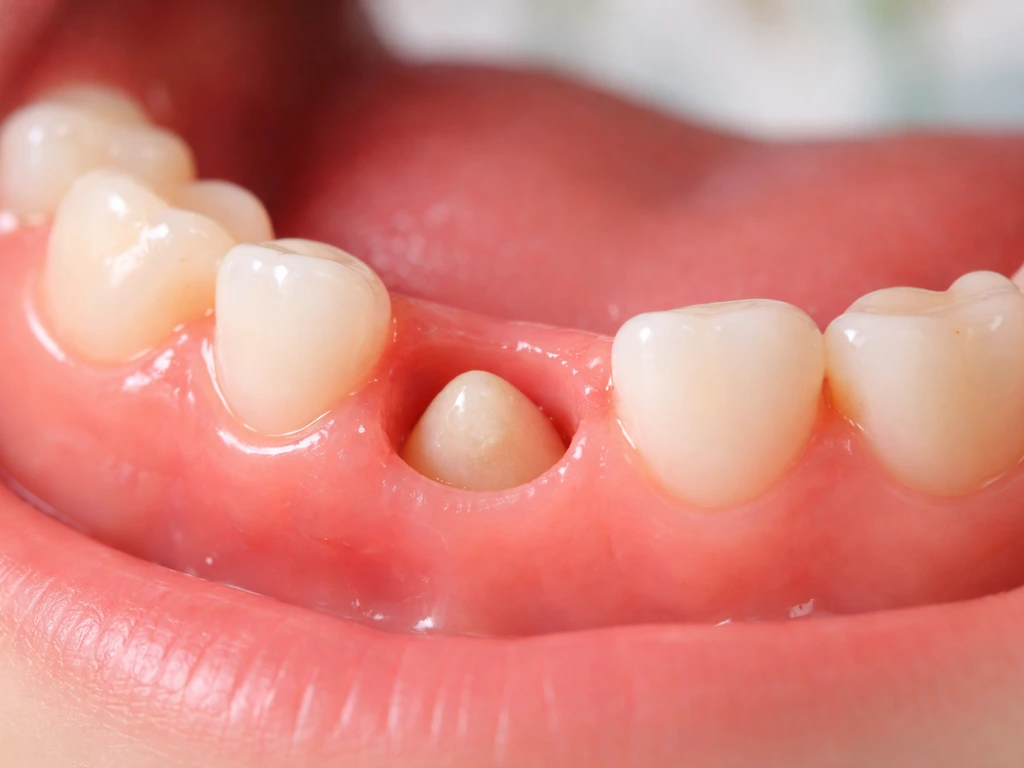
Learn if milk teeth regrow, typical timelines for permanent teeth, what to do after loss or injury, and red flags.
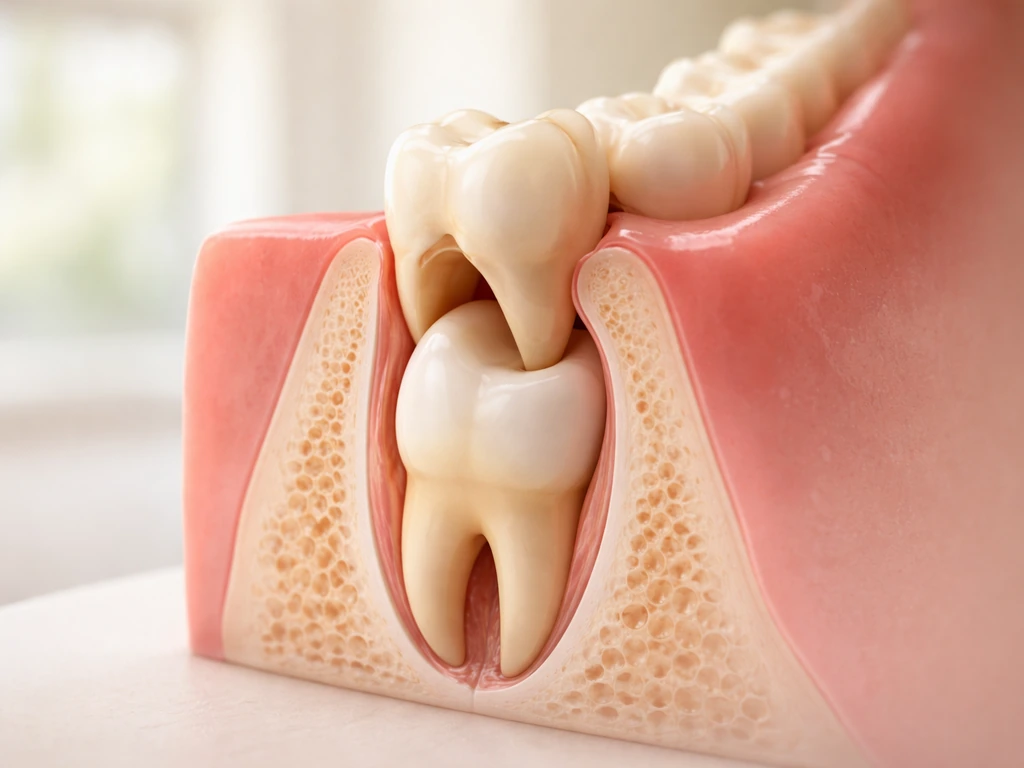
Can milk teeth grow twice? Learn why baby teeth usually only get replaced, not regrown, and what to do if one falls out
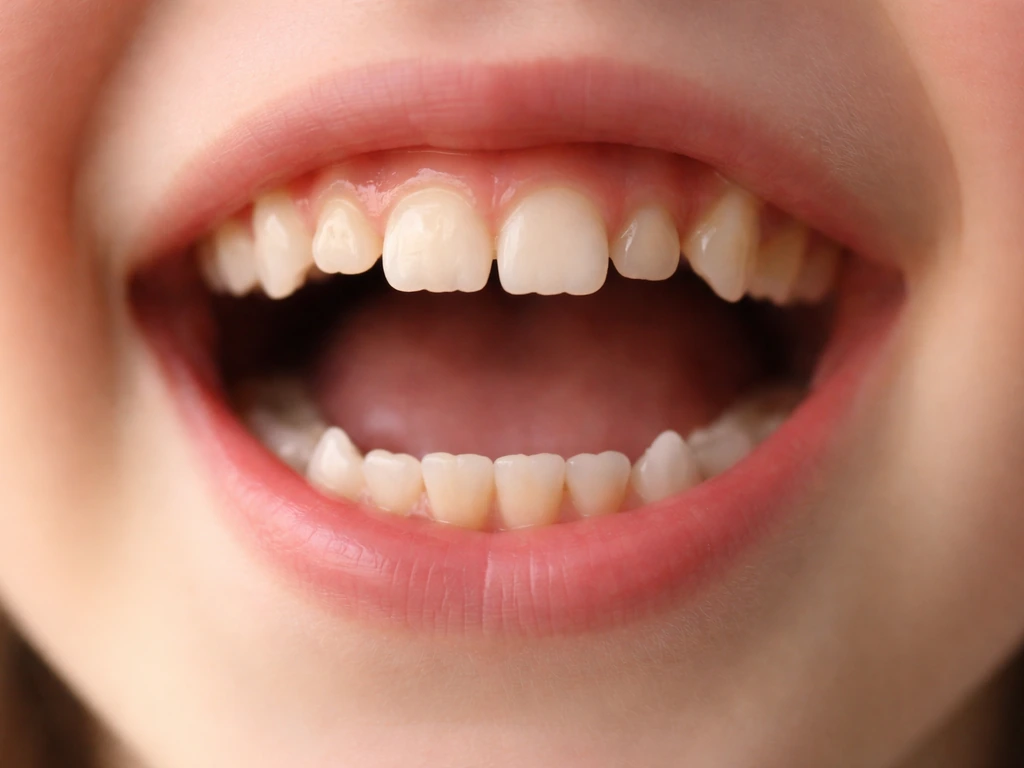
Why humans have only baby and permanent teeth: eruption timeline, limits of enamel regrowth, and common exceptions to kn