
Adult incisors do not grow back. Once a permanent incisor is lost, knocked out, or severely damaged, your body has no biological mechanism to replace it with a new natural tooth. For rabbits, the same idea applies: if teeth are lost, they do not simply regrow in the way people often assume replace it with a new natural tooth. That is the hard truth, and no supplement, oil pulling routine, or internet remedy changes it. The only exception worth knowing about is when a child still has baby incisors in place, because those are designed to fall out and be replaced by permanent teeth. But if you are an adult and you lose a front tooth, your options are all about restoration, not regrowth.
Do Incisors Grow Back? What to Expect and Next Steps

Marcus Holloway
17 May 2026
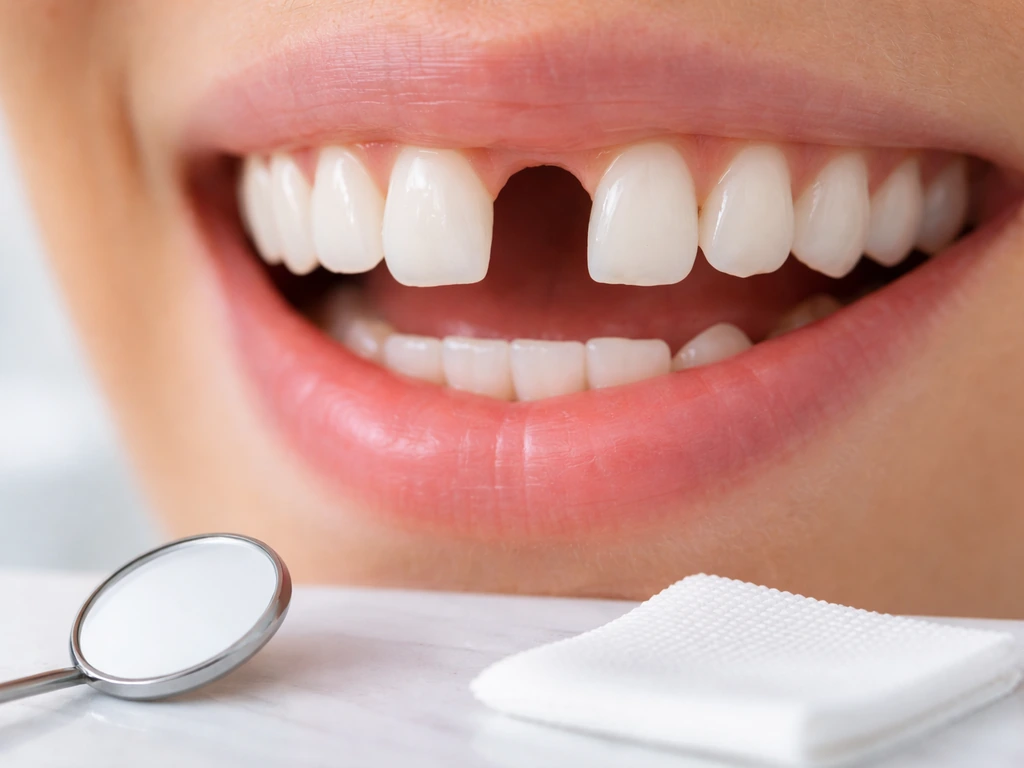
Adult incisors after loss or damage: what actually happens
When an adult incisor is lost, knocked out, or broken beyond repair, the gap it leaves is permanent unless you intervene with dental treatment. There is no stem cell reserve sitting in your jaw ready to rebuild a whole tooth from scratch. The cells responsible for forming enamel, called ameloblasts, do their job during tooth development and then die off before the tooth even erupts. By the time your permanent incisors appear in your mouth, those cells are gone. No enamel-producing cells, no enamel regrowth. End of story on the biological side.
The same logic applies to the whole tooth. Odontoblasts (the cells behind dentin) can produce a small amount of secondary or reparative dentin under certain conditions, and the pulp has some limited healing capacity, but none of these processes result in a new tooth forming after loss. The tooth you have is the tooth you keep or replace. This is why avulsion injuries (the clinical word for a completely knocked-out tooth) are treated as true dental emergencies with a ticking clock attached.
Baby incisors vs. permanent incisors: the one time replacement is natural
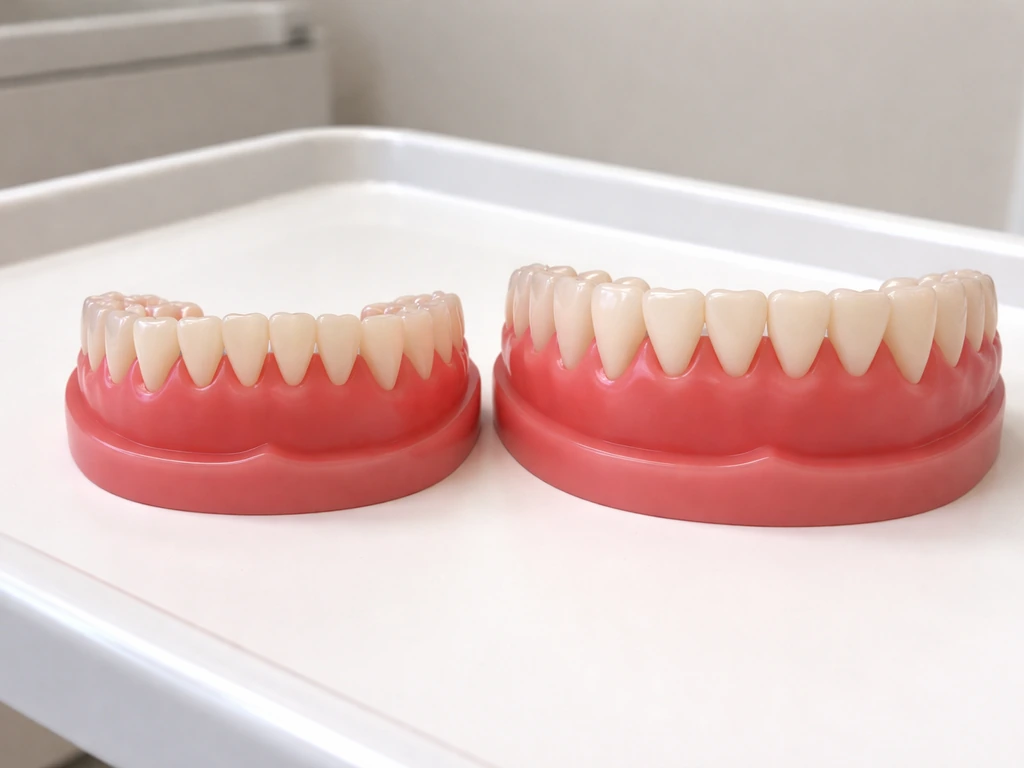
Here is where the confusion often starts. Children do experience incisor "replacement," but it is not regrowth. It is a pre-programmed developmental swap between two separate sets of teeth. Your child's primary (baby) central incisors typically erupt around 8 to 12 months of age. Those teeth shed around age 6 to 7, and the permanent central incisors that replace them generally erupt between ages 7 and 8. The permanent teeth were developing in the jaw the entire time, waiting their turn.
| Tooth | Primary Eruption | Primary Shedding | Permanent Eruption |
|---|---|---|---|
| Central incisors (upper) | 8–12 months | 6–7 years | 7–8 years |
| Central incisors (lower) | 6–10 months | 6–7 years | 6–7 years |
| Lateral incisors (upper) | 9–13 months | 7–8 years | 8–9 years |
| Lateral incisors (lower) | 10–16 months | 7–8 years | 7–8 years |
One important clinical note for parents: if your child knocks out a baby incisor, dentists do not replant it. Replanting a primary tooth can actually damage the permanent tooth bud developing underneath it. So unlike with permanent teeth, a knocked-out baby tooth is simply monitored, and the permanent tooth is expected to come in on its schedule. If a permanent incisor is knocked out in an older child or teenager, however, the situation is urgent and needs immediate action (more on that below).
What parts of a tooth can (and cannot) regenerate
Not all tooth structures are equally helpless when it comes to repair. Here is a plain-language breakdown of what is biologically possible:
- Enamel: Cannot regenerate at all. It is the hardest substance in your body and is formed by cells that no longer exist in the adult tooth. Once it is chipped, worn, or dissolved by acid, it does not come back on its own. Fluoride and remineralization treatments can strengthen weakened enamel or reverse very early-stage mineral loss, but they cannot rebuild a chip or fill a cavity.
- Dentin: Has limited, partial regenerative capacity. Odontoblasts lining the pulp can lay down secondary dentin slowly over time, and in response to injury, a thin layer of tertiary (reparative) dentin may form. This is protective, but it does not rebuild lost tooth structure in any meaningful clinical sense.
- Pulp: Can heal from mild trauma or early inflammation if conditions are right (small exposure, healthy tissue, treated promptly). Pulp capping procedures can preserve a living pulp in some cases. But once the pulp is dead or severely infected, it cannot regenerate on its own.
- Roots and periodontal ligament: Cannot regrow after avulsion. The periodontal ligament cells on the root surface are the key to a replanted tooth surviving, but even successful replantation is about preserving what you have, not regrowing new tissue.
- The whole tooth: Zero natural regrowth capacity in adults. No documented case of a human adult spontaneously growing a third set of teeth.
What to do right now if your incisor is chipped, decayed, or knocked out
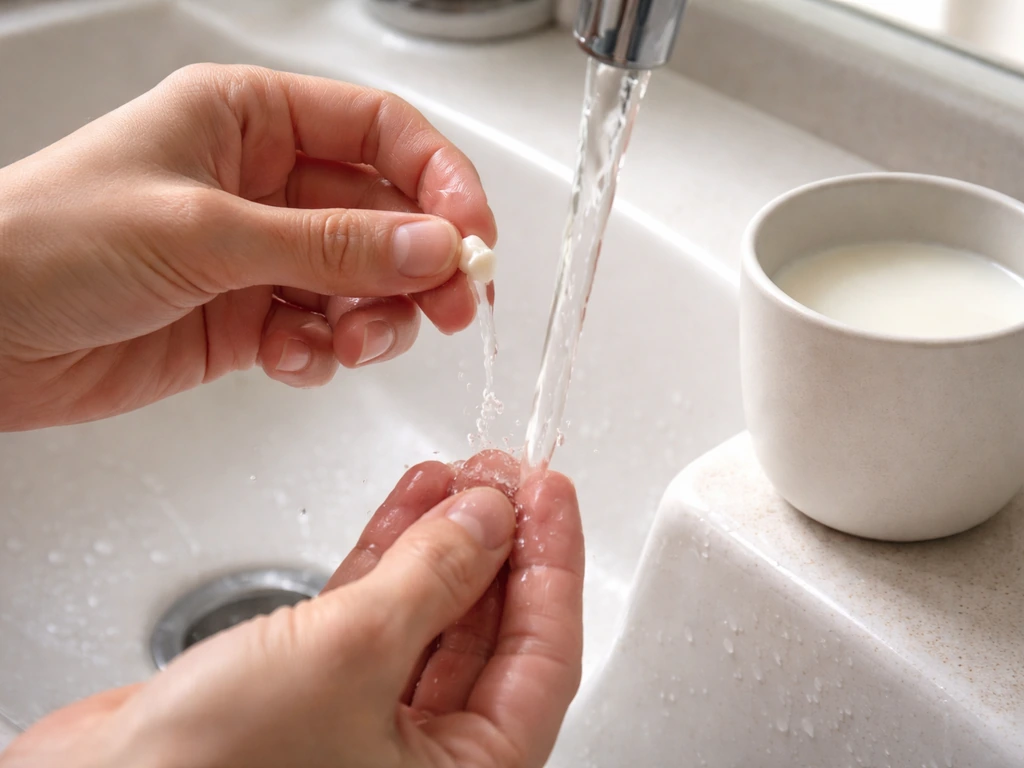
This is where timing matters enormously, so pay attention to which situation you are in.
Tooth knocked out completely (avulsion)
You have roughly a 30-minute window to get to a dentist for the best chance of successful replantation. Pick up the tooth by the crown only, never touch the root. If the tooth is dirty, rinse it gently with clean water for no more than 10 seconds. Then either try to place it back in the socket (if you can do so without forcing it) or store it in milk, saline, or between your cheek and gum to keep the root cells alive. Get to an emergency dentist or endodontist immediately. After 60 minutes of the tooth being dry, the periodontal ligament cells die and the chances of the tooth surviving long-term drop dramatically. This applies to permanent incisors only. For a knocked-out baby tooth, do not replant it and call your child's dentist for guidance.
Chipped or fractured incisor
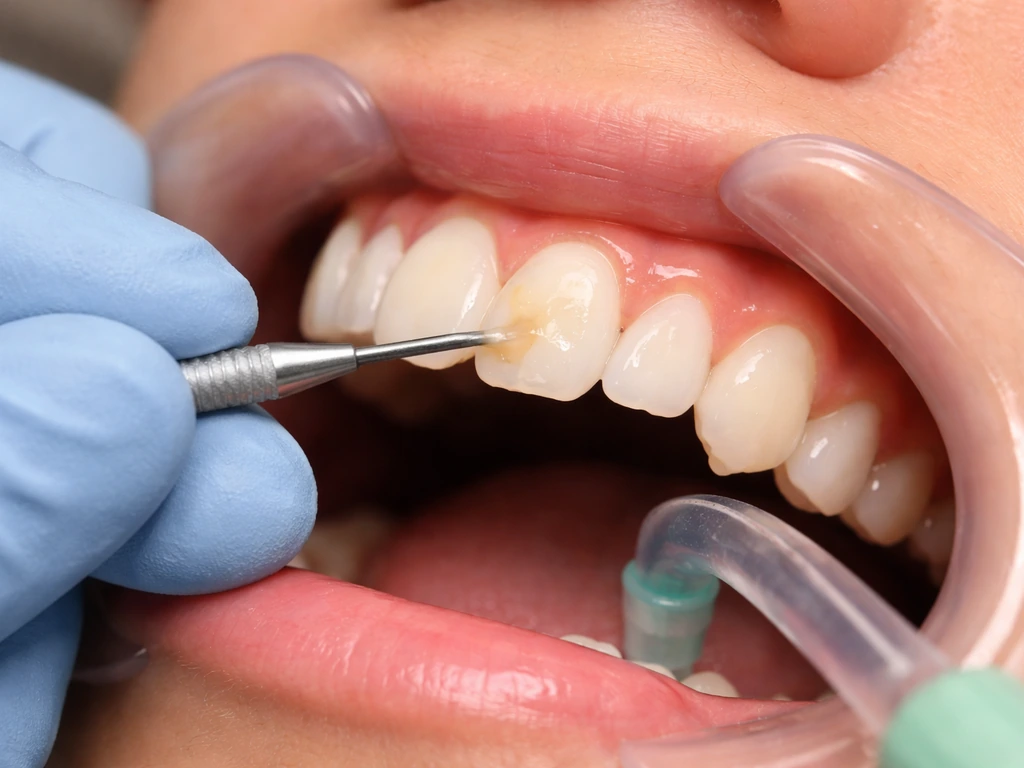
If only enamel is involved, the tooth may not even be painful, and a dentist can usually smooth or bond the chip at a non-emergency appointment. If the fracture reaches into dentin (you will likely feel sensitivity), get seen soon, within a day or two. If the fracture exposes the pulp (you may see a pink or red dot and feel significant pain), that is more urgent and may require pulp capping or root canal treatment, especially if the exposure is larger than about 1 mm or has been open for more than a few hours. A crack extending into the root is the worst-case scenario and may ultimately require extraction.
Decay that has destroyed the tooth
If a cavity has eaten through so much of the incisor that there is not enough structure left to restore, the tooth will likely need to be extracted. The sooner you see a dentist, the more structure they may be able to work with. Waiting almost always makes the situation worse and the options fewer.
Treatment options: from small fixes to full replacements
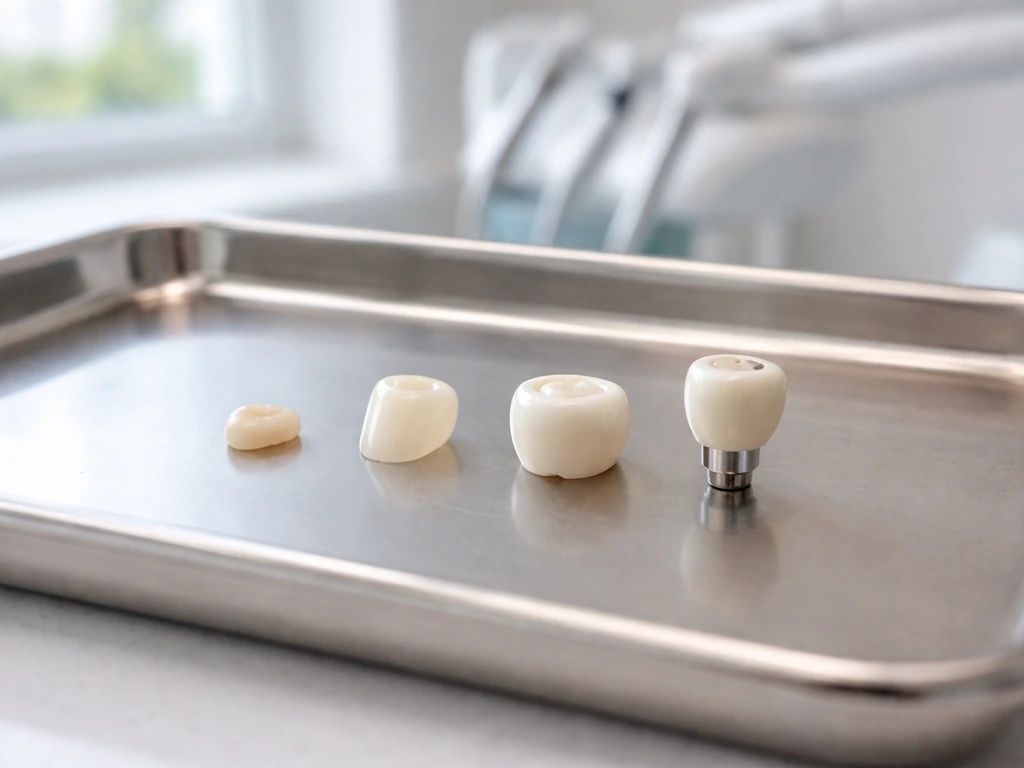
The right treatment depends on how much tooth structure is left, your age, and your overall dental health. Here is the realistic menu of options, from least to most involved:
| Treatment | Best For | Key Consideration |
|---|---|---|
| Dental bonding (composite resin) | Small chips, minor enamel loss | Quick and affordable; less durable than other options, may stain over time |
| Porcelain veneer | Larger chips, cosmetic coverage of the front surface | Requires some enamel removal; looks very natural |
| Dental crown | Severely damaged or cracked tooth with enough root remaining | Full coverage; protects what is left; root canal may be needed first |
| Root canal + crown | Fractured or decayed tooth with pulp involvement | Saves the natural root; crown restores function and appearance |
| Dental implant | Fully lost tooth in an adult with adequate bone | Best long-term replacement; requires sufficient jawbone; not suitable during jaw growth |
| Resin-bonded bridge (Maryland bridge) | Missing tooth, especially in adolescents or as a provisional | Less invasive than a traditional bridge; good temporary or medium-term option |
| Traditional dental bridge | Missing tooth with healthy adjacent teeth | Requires crowning neighboring teeth; permanent solution |
| Orthodontic space closure | Missing incisor in younger patients where bite allows | Can eliminate the gap naturally using existing teeth; requires orthodontic planning |
For younger patients and adolescents who lose an incisor, orthodontic space closure with the patient's own teeth is often considered first to avoid committing to lifelong restorations at a young age. Resin-bonded bridges serve well as a provisional solution while the jaw finishes growing. Dental implants are generally postponed until the jaw has stopped developing, usually after age 18 to 20 or later in some cases.
Regenerative dentistry: what it can actually do right now
You may have seen headlines about scientists regrowing teeth, and some of those stories are genuinely exciting at the research level. But here is an honest reality check on where things stand in 2026.
Regenerative endodontics is a real and growing clinical field, but it focuses mainly on encouraging the pulp-dentin complex to heal in specific situations, particularly in young patients with immature teeth and open root apices. In these cases, the open apex allows blood supply to re-enter and support some degree of tissue regeneration inside the root canal. Research published in 2024 showed promising results using materials like Biodentine to promote pulp-dentin healing in mature teeth with pulp necrosis, with more than 70 percent of treated teeth regaining sensibility in some studies. That is genuinely encouraging, but it is still regenerating tissue inside an existing tooth, not growing a new one. This is why questions like whether a lost adult incisor can regrow come up, but the typical answer is no.
Stem cell-based approaches to pulp regeneration are in early clinical stages. Pilot studies have transplanted dental pulp stem cells into teeth with irreversible pulpitis, but these remain small-scale investigations rather than routine treatments available at your dentist's office. Researchers are working with scaffolds, growth factors, and platelet-rich preparations (PRP, PRF) to promote healing in the dentin-pulp complex. The science is real and moving forward, but the honest answer for 2026 is that you cannot walk into a clinic and have a new incisor grown for you. If you are asking how did Genya’s tooth grow back, the most accurate answer is that true regrowth is not something adult incisors do naturally after loss or damage. For example, anime like One Piece depicts Luffy regrowing a tooth, but that is fiction and does not match how adult incisors regrow in real life. This is why the idea that do bear teeth grow back is generally not realistic for adult incisors after loss. Conventional restorations (bonding, crowns, implants) remain the standard of care for tooth loss.
Which path applies to your situation
Your age and the specifics of the injury determine everything here. Use this as a starting framework:
- Child under age 6 with a damaged or missing incisor: This is almost certainly a baby tooth. If knocked out, do not replant. See a pediatric dentist to check that the permanent tooth bud underneath was not damaged and to get guidance on a space maintainer if needed.
- Child or teen aged 6 to 17 with a knocked-out permanent incisor: This is an emergency. Follow the replantation steps immediately and get to a dentist within 30 minutes. Treatment decisions will depend on whether the root is fully formed (closed apex) or still developing (open apex), because open apex teeth have better prospects for pulp revascularization. Implants are not appropriate until jaw growth is complete.
- Adult (18 and up) with a missing or severely damaged incisor: Replantation is still possible if you act fast after a knock-out. For already-lost teeth, a dental implant is usually the gold-standard long-term solution if bone is sufficient. Bridges and orthodontic options are also on the table depending on the neighboring teeth and bite.
- Adult with a chipped or decayed incisor (tooth still present): Bonding, a veneer, or a crown can restore function and appearance. A root canal may be needed if the pulp is involved. Get an evaluation soon rather than waiting.
- Anyone curious about regrowing teeth like animals: Some animals do regenerate teeth throughout their lives (rodents like hamsters and rabbits have continuously growing incisors, for instance, which is a completely different biology from ours). Humans are diphyodonts, meaning we get exactly two sets of teeth and nothing more. Our biology simply does not include the machinery to build a third.
If you are unsure where you fall, a dentist is the right first call. A quick X-ray can confirm root development, bone levels, and what structure remains, giving you a clear picture of your actual options. The one thing that consistently makes outcomes worse is waiting.
FAQ
If my adult incisor only has a small chip, should I treat it as an emergency like a knocked-out tooth?
Usually no. A chip limited to enamel can often wait for a routine visit because there is no loss of the whole tooth structure. However, if you notice sensitivity that lingers, a visible crack line, or any pink/red tissue, treat it as urgent and get seen within 24 hours so the dentist can assess whether the pulp is involved.
I knocked out my permanent incisor. What’s the single most important thing to do in the first 30 minutes?
Preserve the periodontal ligament cells. Hold the tooth by the crown only, rinse with clean water briefly if it is dirty (do not scrub), and keep the tooth moist in milk, saline, or between your cheek and gum while you head to urgent dental care. Avoid letting it dry out, and do not try to “sterilize” it with alcohol or chemicals.
Is it ever okay to brush the root of a knocked-out adult tooth?
No. Brushing or scrubbing the root can damage the delicate ligament cells you need for the best chance of successful reattachment. If you must clean it, a gentle rinse with clean water for a few seconds is the safer approach.
If a knocked-out permanent incisor can be replanted, will I still need a root canal?
Often, yes. Even when reattachment succeeds, the pulp can become inflamed or necrotic because of the trauma. Your dentist may recommend monitoring first, then a root canal if symptoms develop or imaging shows the pulp has failed.
What if I lost an incisor but I do not know whether the root is still in the gum?
Do not guess. You need a dental exam and X-rays to check for retained root fragments, bone damage, and whether a reimplantation approach is possible. Searching around the area or trying to remove anything yourself can worsen infection risk.
Can I get orthodontics to move neighboring teeth and close the gap instead of getting a permanent replacement?
Yes, that’s sometimes a good plan, especially for younger patients and adolescents. Your dentist or orthodontist may consider space closure if enough tooth structure remains and your bite can be maintained. For adults, closure is more limited depending on crowding and the health of adjacent teeth, so imaging is key.
When is an implant realistic after a permanent incisor loss?
In most cases, implants are delayed until jaw growth is complete, commonly after around age 18 to 20. If you are younger, the dentist usually starts with temporary options like resin-bonded bridges while you wait, then reassesses implant timing with updated measurements.
If my child knocks out a baby incisor, why shouldn’t it be replanted?
Replanting a primary tooth can interfere with or injure the developing permanent tooth bud underneath. Instead, the standard approach is to monitor the area and follow your child’s dentist guidance so the permanent incisor can erupt on schedule.
My child knocked out a permanent incisor. Does the same 30-minute rule apply?
Yes, for a knocked-out permanent tooth, timing is critical. The same goal applies, keeping the tooth moist and getting to emergency dental care quickly. Because kids still have growing jaws, treatment planning may differ after stabilization, but the replantation urgency remains.
If the tooth is dry for more than an hour, is replantation pointless?
It becomes much less likely to succeed long term, but it is not automatically “no.” The decision still depends on how long it has been dry, the storage method used before it arrived, and the condition of the tooth and socket. An emergency dentist should evaluate promptly so you do not lose any remaining options.
What should I do right after a fracture that exposes the pulp, and what should I avoid?
Treat it as urgent. If you see exposed pink/red tissue or have severe pain, get seen within hours. Avoid delaying with home remedies, and do not put irritating substances on the area. A dentist may need pulp capping or root canal therapy depending on exposure size and time since injury.
Can tooth regrowth happen from supplements, oil pulling, or home remedies after an adult incisor is lost?
No. Once a permanent incisor is gone or the tooth-forming cells have been lost, those approaches cannot restore the missing tooth. They also can delay appropriate care, which reduces the chances of keeping more options available.
How do I choose between a bridge and an implant for an adult incisor replacement?
It depends on adjacent tooth condition, bone levels, overall dental health, and your treatment timeline. A bridge relies on neighboring teeth for support, while an implant depends on sufficient bone volume and healing. Your dentist can compare options using X-rays and planning imaging, then factor in cost, maintenance, and your preferences.
What’s the fastest next step if I am not sure how bad my tooth loss or damage is?
Book an urgent dental appointment and ask for imaging. An X-ray can confirm root development and bone levels, and it shows whether the situation is repairable or needs reconstruction. Waiting is the factor that most consistently worsens outcomes, so prompt evaluation is the best decision aid.
Citations
Primary (baby) teeth should NOT be replanted because replantation can damage the underlying permanent tooth germ; this highlights that tooth “replacement by regrowth” is not a natural option in humans for avulsion injuries, even though replantation is sometimes considered for permanent teeth.
https://www.ncbi.nlm.nih.gov/books/NBK539876/
In IADT guidance endorsed by AAPD, the choice of treatment for an avulsed permanent tooth is related to root maturity (open vs closed apex) and periodontal ligament (PDL) condition; replantation may be used, but this is not described as natural regrowth of the original tooth.
https://www.aapd.org/media/policies_guidelines/e_iadt-avulsion.pdf
IADT-informed decision analysis notes that while the original blood supply cannot be re-established after avulsion, under special circumstances a replanted tooth can become revascularized—again indicating treatment is about saving the tooth, not regrowing a new one.
https://www.aapd.org/globalassets/media/publications/archives/lee-23-04.pdf
Radiographic evidence after replantation may show resorption (inflammatory or infection-related, or ankylosis-related replacement resorption), reinforcing that outcomes after avulsion/replantation depend on tissue viability and are not “natural regrowth.”
https://www.dental.umaryland.edu/media/sod/dental-public-health/deans-faculty/ebd/iadt/Avulsion-of-permanent-teeth.pdf
During tooth development ameloblasts create enamel matrix and then withdraw/die after eruption; mature enamel has no living cells left to heal/regrow, explaining why enamel cannot regenerate on its own.
https://scielo.org.za/scielo.php?pid=S0011-85162025000900001&script=sci_arttext
Review evidence explains roles for odontoblasts/dentin–pulp biology (e.g., odontoblast processes detect stimuli) and discusses regenerative capacity of dentin/pulp-related pathways versus enamel limitations.
https://pmc.ncbi.nlm.nih.gov/articles/PMC7312198/
Common clinical teaching is that adult teeth/enamel do not “regrow”; the source states that stem cells needed to regenerate a tooth primordium are not demonstrated as present in a way that recreates a whole new tooth in adults.
https://www.healthline.com/health/dental-and-oral-health/regrowing-teeth
A 2020 perspective article highlights the complexity/challenges of pulp/dentin regeneration rather than claiming routine whole-tooth regeneration is clinically achieved.
https://pubmed.ncbi.nlm.nih.gov/32950184/
Dentalcare’s chart lists central incisor eruption around 8–12 months and exfoliation around 6–7 years for primary central incisors—useful for the “transition” from deciduous to permanent incisors timeline.
https://www.dentalcare.com/en-us/ce-courses/ce542/primary-teeth
Merck Manual’s eruption-times table gives primary incisor timing in childhood and notes permanent incisors erupt at roughly ages 6–8 years (and provides age context for incisor transition by age).
https://www.merckmanuals.com/home/multimedia/table/tooth-eruption-times
A cited summary on maxillary central incisors states the deciduous tooth appears around 8–12 months, sheds at about 6–7 years, and is replaced by the permanent tooth around 7–8 years.
https://en.wikipedia.org/wiki/Maxillary_central_incisor
Dentalcare provides a broader eruption-sequence overview: primary dentition begins erupting around ~6 months and continues until around age ranges culminating in primary molars; it also includes a permanent dentition eruption sequence table (timelines relevant to incisors and shedding transition).
https://www.dentalcare.com/en-us/ce-courses/ce651/primary-permanent-dentition-eruption-sequences
Review evidence emphasizes that ameloblasts leave mature enamel with no living cells, so enamel lacks intrinsic regenerative capacity.
https://scielo.org.za/scielo.php?pid=S0011-85162025000900001&script=sci_arttext
The tooth-enamel overview states mature enamel is not renewed and is essentially without regenerative capacity, supporting the clinical distinction between enamel and living tissues (pulp/dentin).
https://en.wikipedia.org/wiki/Tooth_enamel
AAE explains tooth layers and notes that cracks can extend into dentin/pulp; depending on crack extent, endodontic management may be required.
https://www.aae.org/patients/dental-symptoms/cracked-teeth/
AAE states that capping is recommended only for small pulp exposures (e.g., less than 1 mm) and when the exposure is treated shortly after the accident; vital pulp therapy can preserve function when the pulp remains vital.
https://www.aae.org/specialty/traumatic-pulp-exposures-a-quick-review/
Merck Manual advises that if a fracture involves only enamel, it may be asymptomatic; if extensive, a composite resin restoration or a dental crown may be needed to cover exposed dentin, reflecting non-regenerative repair rather than regrowth.
https://www.merckmanuals.com/professional/dental-disorders/dental-emergencies/fractured-and-avulsed-teeth
AAE advises handling an avulsed tooth by the crown only (never the root) and, when feasible, seeing an endodontist/dentist within 30 minutes of injury.
https://www.aae.org/patients/dental-symptoms/knocked-out-teeth/
The endorsement PDF describes physiologic storage media including milk and HBSS, and states that immediate replantation is the best treatment when possible.
https://www.aapd.org/globalassets/media/policies_guidelines/e_iadt-avulsion.pdf
AAPD’s avulsed-tooth decision tree describes management differences based on “closed apex” and “open apex” and indicates splinting time (about ~2 weeks) can depend on dry time (e.g., longer when extraoral dry time exceeds 60 minutes).
https://pre-prod.aapd.org/globalassets/media/policies_guidelines/r_traumaflowsheet.pdf
The decision tree indicates splinting duration differs by extraoral dry time; it also provides timing/steps for follow-up and endodontic initiation depending on scenario (e.g., delayed presentation/resorption considerations).
https://pre-prod.aapd.org/globalassets/media/policies_guidelines/r_traumaflowsheet.pdf
AAE notes that cracked teeth may require root canal treatment and a full coverage crown when the crack extends into the root, showing that restoration choices depend on whether the fracture extends into deeper structures.
https://www.aae.org/patients/dental-symptoms/cracked-teeth/
AAE states that cracked tooth management can include restorative and endodontic approaches and that injury factors include nature of injury and time from injury to treatment—key variables that determine treatment path (repair vs endodontics vs extraction).
https://www.aae.org/specialty/clinical-resources/treatment-planning/traumatic-dental-injuries/
A dentistry/trauma prosthodontics paper states that in children/adolescents with anterior tooth loss, space closure with the patient’s own teeth is often considered the first choice to avoid lifelong restorative needs; it also discusses postponing single-tooth implants until adulthood.
https://www.sciencedirect.com/science/article/abs/pii/S0022391314005319
The space-closure overview discusses that orthodontic space closure can be done using adhesive resin composite strategies and notes that planning must consider pros/cons and root position/favorability.
https://www.sciencedirect.com/topics/medicine-and-dentistry/orthodontic-space-closure
A 2023 BDJ article describes adolescent/young-patient options such as resin-bonded bridges as provisional restoration strategies within restorative-orthodontic planning frameworks.
https://www.nature.com/articles/s41415-023-6330-7
The American Dental Association’s MouthHealthy teen guidance provides general age-appropriate counseling context for dental treatment planning (useful background when writing age-dependent decision guidance, though not incisor-specific trauma algorithms).
https://coda.ada.org/sitecore/content/ADA-Organization/ADA/MouthHealthy/home/life-stages/teens
A clinical randomized controlled trial in 2024 reports outcomes for regenerative endodontics approaches in mature teeth with pulp necrosis/apical periodontitis using Biodentine compared with MTA, including a measure of regained sensibility (>70% sensibility regained in the Biodentine group per the abstract).
https://pubmed.ncbi.nlm.nih.gov/39475095/
A pilot clinical study enrolled patients (ages 20–55) with irreversible pulpitis and used autologous mobilized dental pulp stem cells with G-CSF within a defined protocol; this supports that some cell-based pulp regeneration remains early-stage (pilot) rather than routine standard of care.
https://stemcellres.biomedcentral.com/articles/10.1186/s13287-017-0506-5
A clinical perspective article notes lack of convincing evidence for true pulp regeneration in a way that fully restores tissue architecture/function (contrasting symptomatic/periapical healing with true organized pulp regeneration).
https://pubmed.ncbi.nlm.nih.gov/23914150/
A 2021 review summarizes that regenerative approaches use dental stem cells plus scaffolds and growth-factor/platelet concentrates (PRP/PRF/C‐GF) that are used to promote healing, clarifying current translational focus areas.
https://stemcellres.biomedcentral.com/articles/10.1186/s13287-021-02446-y
IADT-based guidance emphasizes that replantation choice and prognosis depend on (1) root maturity (open vs closed apex) and (2) periodontal ligament status, tying treatment decisions to biological staging rather than “time alone.”
https://www.aapd.org/media/policies_guidelines/e_iadt-avulsion.pdf
AAPD’s decision-tree flow sheet provides an age/injury algorithm using apex status and time variables to determine steps like splinting duration and endodontic timing.
https://pre-prod.aapd.org/globalassets/media/policies_guidelines/r_traumaflowsheet.pdf
StatPearls emphasizes treatment as a true dental emergency and discusses viability of periodontal ligament cells after storage in media such as milk/saliva and how outcomes depend on extraoral time and handling—core criteria clinicians use to select replantation vs other restoration paths.
https://www.ncbi.nlm.nih.gov/books/NBK539876/
Decision analysis highlights that prognosis varies with factors including extraoral time and whether revascularization can occur; it also describes replantation as a strategy to avoid complications rather than natural regrowth.
https://www.aapd.org/globalassets/media/publications/archives/lee-23-04.pdf
Next Articles
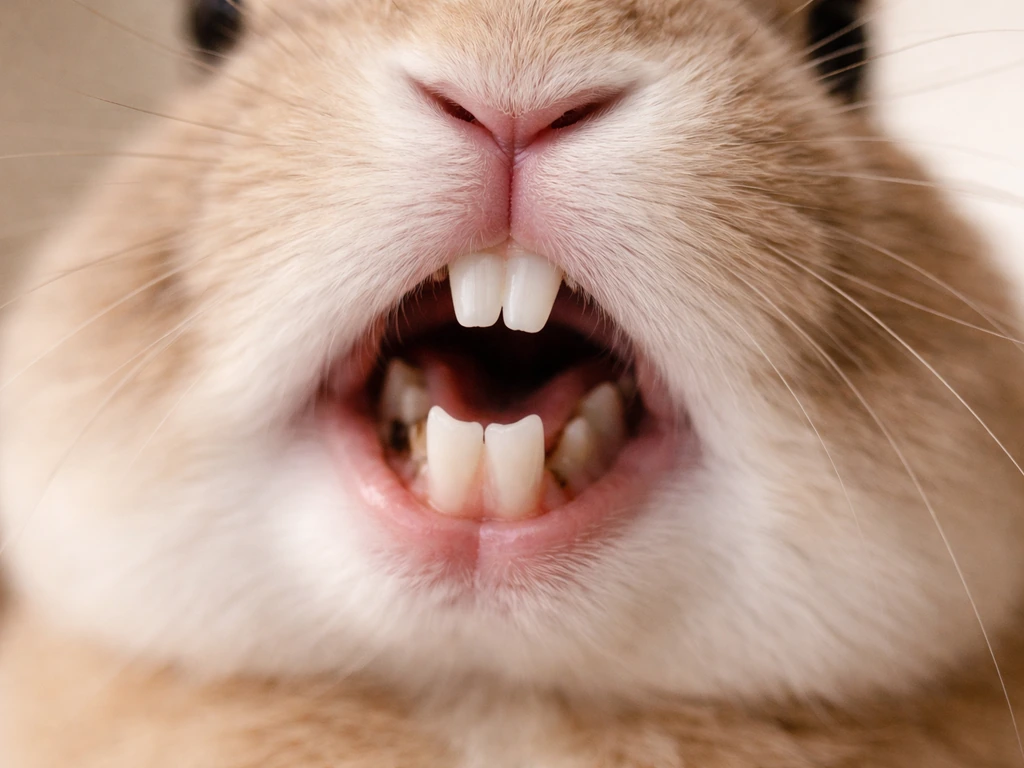
Do Rabbits Teeth Grow Back? Regrowth After Extraction
Learn if rabbit teeth grow back after extraction, why they grow continuously, and warning signs needing an exotics vet.
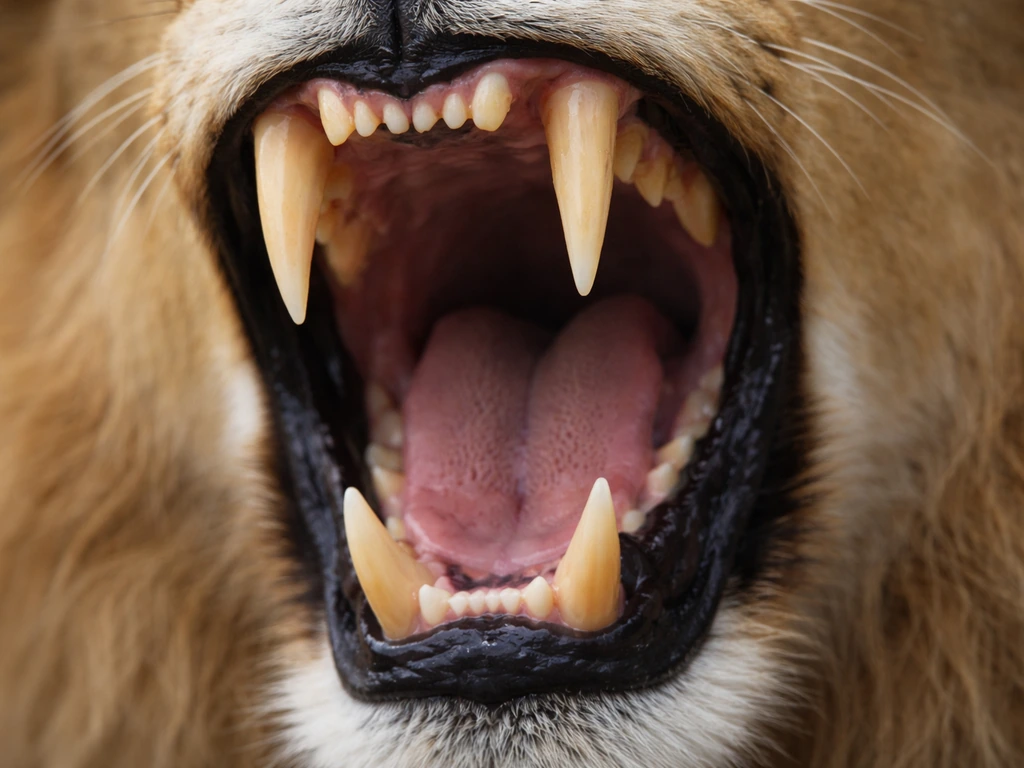
Do Lions Teeth Grow Back? Big Cat Teeth Explained
Do lion and tiger teeth grow back? Clear myth busting on big cat tooth replacement vs human regeneration.
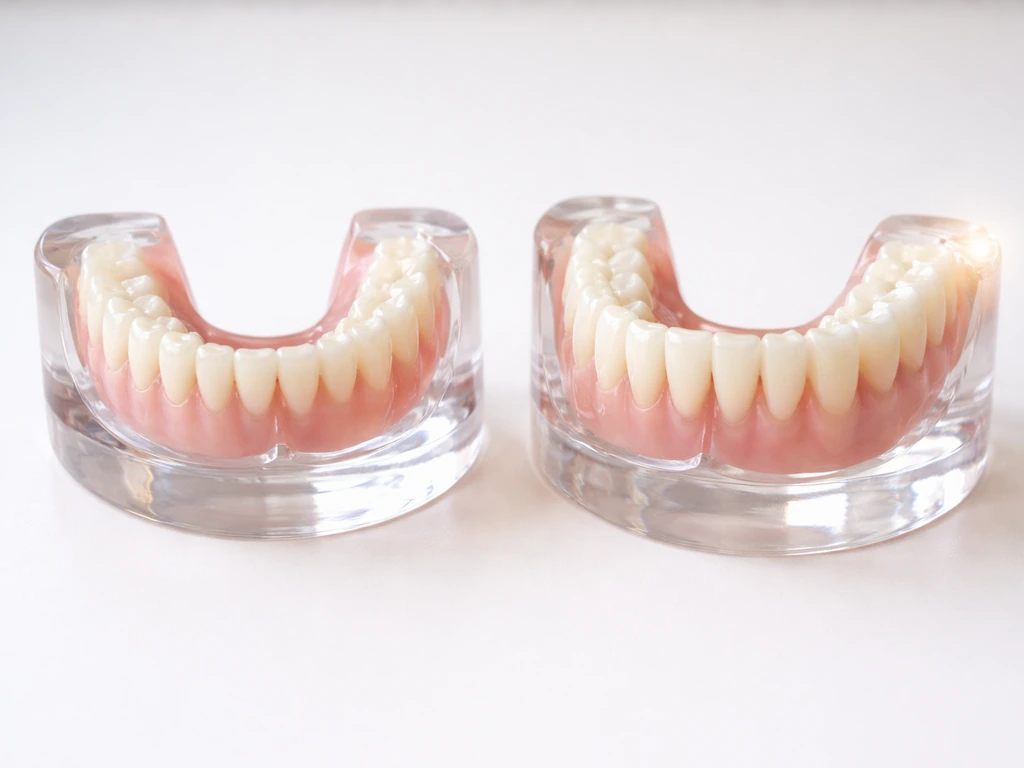
How Many Times Can Teeth Grow After Childhood
Teeth grow in two natural sets: baby then permanent. Regrowth after loss is rare; wisdom teeth are the exception.