
Tonsil stones form when dead cells, food particles, mucus, and bacteria get trapped in the small pockets (crypts) on the surface of your tonsils, slowly harden into calcified lumps, and cause that classic bad breath and throat discomfort. They don't "grow" the way a tooth or a tumor grows. They accumulate, layer by layer, the way mineral deposits build up inside a pipe. And once you understand that process, managing them gets a lot easier.
How Do Tonsil Stones Grow? Timeline and Recurrence Explained

Marcus Holloway
29 Apr 2026
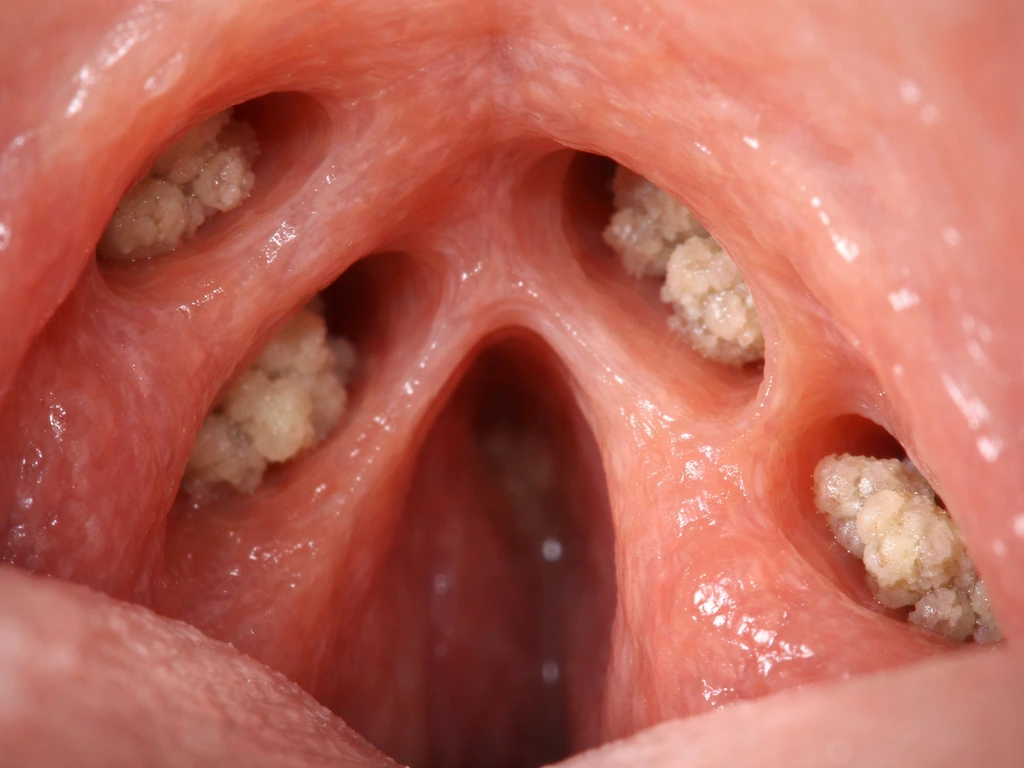
What tonsil stones actually are and where they come from
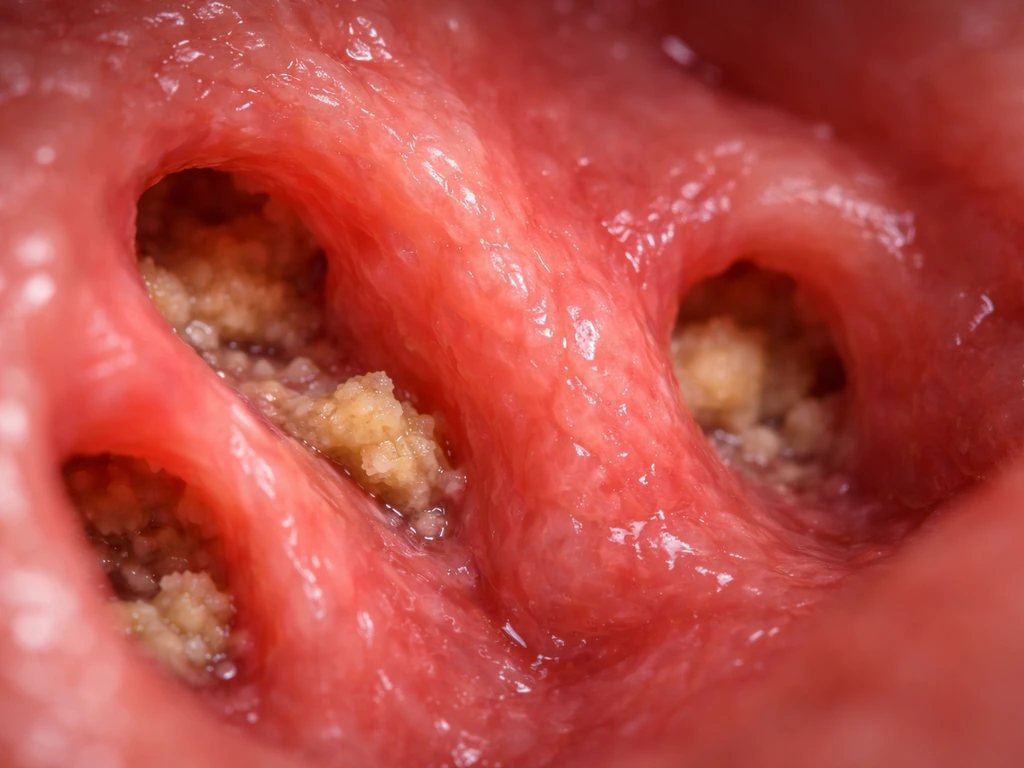
Your tonsils aren't smooth. They're covered in small folds, grooves, and tunnel-like pockets called crypts. Those crypts are part of the tonsil's immune function, helping trap pathogens and foreign particles before they travel deeper into your throat. The problem is they also trap everything else: bits of food, dead skin cells, mucus from post-nasal drip, and the bacteria that feed on all of it.
When enough of that organic material builds up in a crypt, it forms a soft, whitish or yellowish clump. Over time, calcium salts (mainly calcium phosphate and calcium carbonate) deposit onto that organic scaffold and harden the mass into what clinicians call a tonsillolith. The American Academy of Family Physicians describes them as calcified accumulations of food, cellular debris, and microorganisms lodged in deep tonsil invaginations. In plain terms: it's basically calcified gunk.
They're often small enough that you can't even see them, especially if they're sitting deep in a crypt. Some people only discover they have them when they notice a white spot in the mirror, feel a persistent lump sensation in the throat, or suddenly experience extreme bad breath that doesn't go away after brushing.
Step by step: how debris becomes a mineralized plug
The formation process isn't random. It follows a fairly predictable biological sequence.
- Debris accumulates in a crypt. Dead epithelial (skin) cells shed from the tonsil lining, food particles, and mucus collect in the base of a crypt. This is normal. The issue is when these materials don't get flushed out.
- Bacteria colonize the debris. Anaerobic bacteria (the kind that thrive without oxygen) move in quickly. Research confirms that tonsilloliths behave as a polymicrobial biofilm, meaning multiple bacterial species form a structured, sticky community on that organic material. This biofilm is part of what makes tonsil stones so persistent.
- The biofilm environment shifts pH. As bacteria metabolize trapped food and cellular material, they produce acidic byproducts and volatile sulfur compounds (that's the source of the foul smell). The local environment becomes ideal for mineral precipitation.
- Calcium salts begin depositing. Calcium phosphate and calcium carbonate from your saliva and surrounding tissue start crystallizing onto the biofilm and organic scaffold. Trace minerals including magnesium, chloride, sodium, potassium, and sulfate have been identified in tonsillolith composition, showing just how much the local biochemistry drives this process.
- The mass hardens over weeks to months. The outer layers calcify first, while the core may remain softer. As more debris adds to the top and more minerals deposit, the stone grows denser and larger.
This is a mineralization process, not a biological growth process. Tonsil stones don't have cells that divide or tissue that regenerates. That distinction matters, especially when comparing them to questions about whether dental structures like teeth or enamel can grow back, which is a fundamentally different biological question.
How long does this actually take?
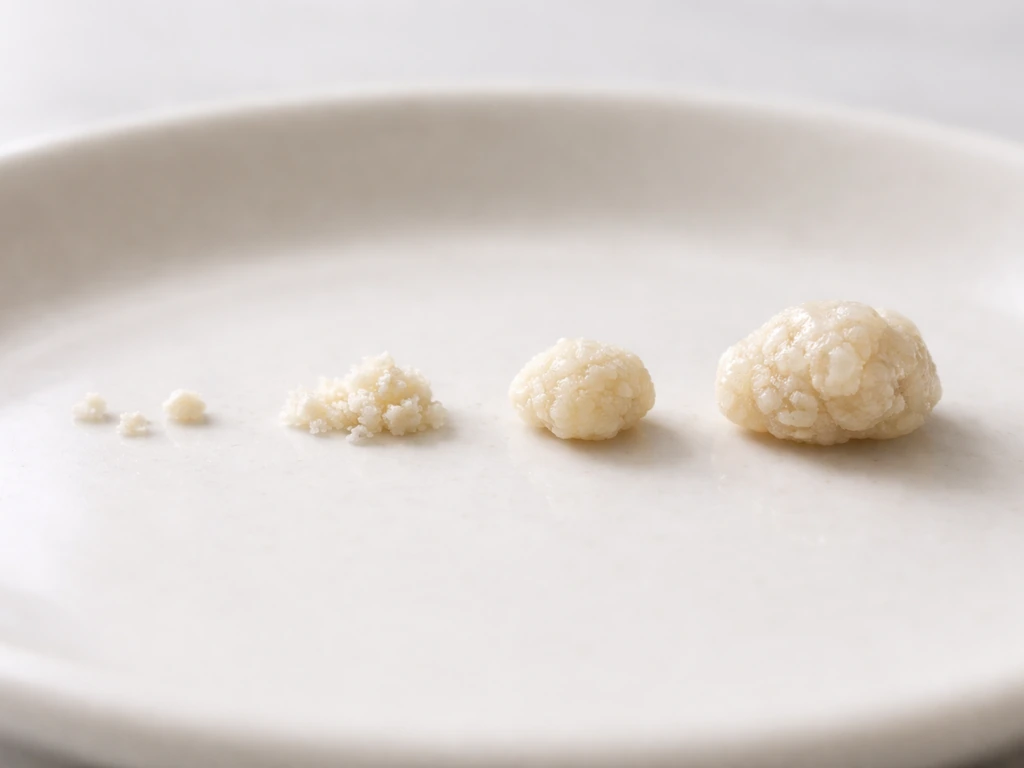
There's no fixed universal timeline, but in general, a noticeable tonsil stone takes anywhere from a few weeks to several months to form. Small ones can develop in as little as two to four weeks when conditions are right. Larger, deeply embedded stones that cause significant symptoms have often been building up for six months to over a year without the person realizing it.
Several factors can accelerate formation significantly:
- Large or numerous crypts: people with bigger, deeper tonsil crypts simply have more surface area for debris to get trapped and stay trapped
- Chronic tonsil inflammation: inflamed tonsil tissue swells and narrows crypt openings, making it harder for debris to be naturally expelled
- Dry mouth: saliva has antimicrobial properties and helps flush the throat; reduced saliva flow (from mouth breathing, certain medications, or dehydration) lets debris accumulate faster
- Smoking: reduces salivary flow, irritates tonsil tissue, and introduces additional particulate matter
- Post-nasal drip from allergies or sinus issues: constantly dripping mucus feeds the organic layer in the crypts
- Diet high in dairy or processed foods: dairy in particular increases mucus production and leaves protein-rich deposits that bacteria feed on
- Poor oral hygiene: more bacteria in the mouth means faster biofilm formation on trapped debris
Do tonsil stones actually grow back, or do they just recur?
This is one of the biggest misconceptions people have, so let's clear it up directly. Tonsil stones don't "grow back" after removal the way a tooth would erupt again or tissue would regenerate. What happens instead is that the same mechanism that created the stone in the first place is still there: the crypts still exist, debris still collects, bacteria still colonize it, and minerals still deposit. Remove the stone, but don't change any of those conditions, and a new stone will form just like the old one did.
Recurrence is about the environment, not about regrowth. If you pop out a tonsil stone tonight and do nothing else differently, you can expect a new one to start forming within weeks. This is why treating tonsil stones as a one-time fix doesn't work. The underlying process needs to be interrupted.
This also connects to a broader principle worth understanding: biological structures like teeth, enamel, and tonsil tissue operate by completely different rules than calcium deposits. Teeth don't regenerate in adult humans because of how tooth cells develop, not because of calcium levels. Tonsil stones aren't growing tissue at all. They're accumulated mineral deposits, full stop.
What makes you more or less likely to get them
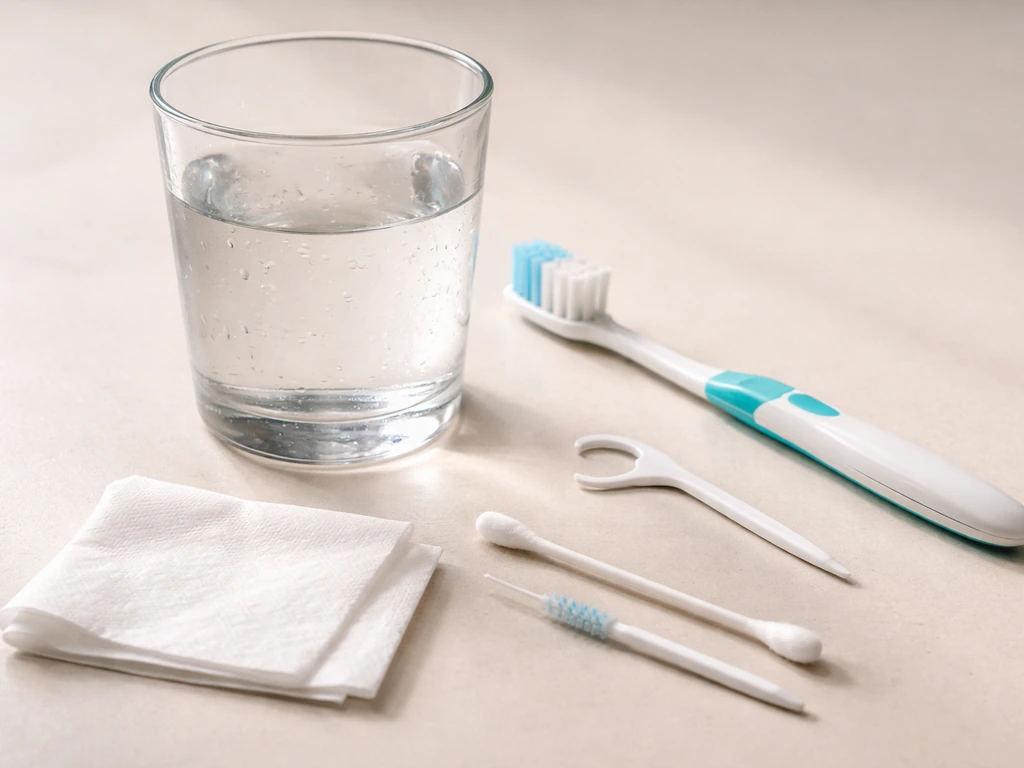
Some people are just more prone to tonsil stones than others, and that's largely structural. If your tonsil crypts are naturally deep or if you've had repeated tonsillitis (which causes scar tissue that deepens and distorts the crypts), you're at higher baseline risk. That's not something lifestyle changes will fully overcome, but lifestyle factors still move the needle significantly.
| Factor | Effect on Tonsil Stone Risk | What You Can Do |
|---|---|---|
| Dry mouth | High risk: reduces natural flushing and antimicrobial protection | Stay well hydrated; talk to a doctor if medications are causing dry mouth |
| Allergies / post-nasal drip | High risk: mucus constantly feeds crypt debris | Manage allergies with antihistamines or nasal rinses; treat underlying sinus issues |
| Smoking | High risk: reduces saliva, irritates tissue, adds particulates | Quitting reduces risk substantially; gargling more frequently helps short term |
| Poor oral hygiene | Moderate-high risk: increases oral bacterial load | Brush twice daily, floss, and use a non-alcohol mouthwash; consider tongue scraping |
| Dairy-heavy diet | Moderate risk: increases mucus and protein deposits | Reduce dairy, especially before bed; rinse mouth after eating dairy |
| Good hydration | Protective: helps flush crypts naturally | Drink water consistently throughout the day, not just at meals |
| Saltwater gargling | Protective: disrupts biofilm, dislodges loose debris | Gargle with warm salt water daily, especially after meals |
Safe ways to manage and remove them at home
For small, visible tonsil stones that aren't causing significant symptoms, home management is often enough. The key is being gentle. Tonsil tissue bleeds easily and is not something you want to poke aggressively.
Home removal methods that actually work
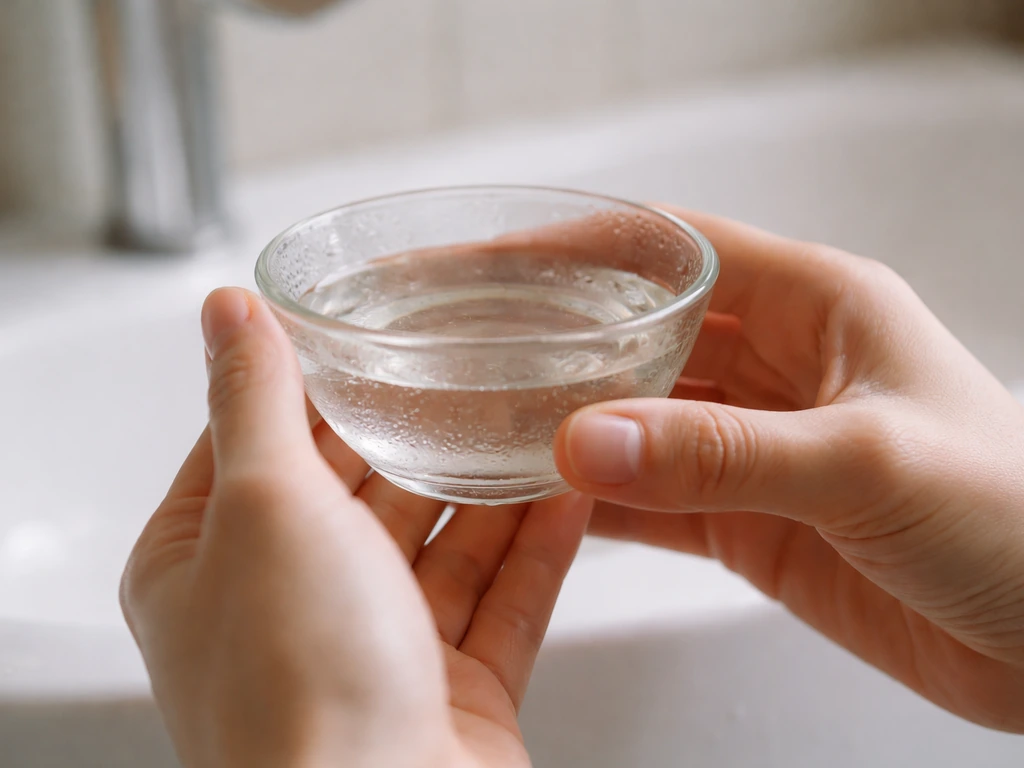
- Vigorous gargling with warm salt water: this is the gentlest and most effective regular maintenance step; it can dislodge small stones and disrupts the bacterial biofilm that drives formation
- Water flosser on low pressure: a gentle pulsed stream of water aimed at the crypt can dislodge visible stones without trauma; never use high pressure directly on tonsil tissue
- Cotton swab or clean finger: for visible stones at the tonsil surface, gentle pressure beside the stone (not directly on it) can pop it out; wet the swab first so it glides instead of drags
- Coughing: sounds too simple, but a forceful cough can dislodge a surface stone naturally
What to avoid at home
- Sharp objects like toothpicks or pins: one slip and you're dealing with a tonsil laceration
- Fingers with long nails: same risk plus you're introducing more bacteria
- Aggressive digging into deep crypts: you can push the stone deeper, cause bleeding, or trigger a gag reflex that makes things worse
- Alcohol-based mouthwashes: these dry out tissue further and can worsen dry mouth, which increases stone formation over time
When home removal isn't the right move
If a stone is too deep to see or reach comfortably, or if attempting removal causes pain or bleeding, stop. Deep or large stones are better handled by a professional. An ENT (ear, nose, and throat specialist) can remove them safely and assess whether the underlying anatomy is contributing to the problem.
When you should actually see a doctor
Most tonsil stones are annoying but not dangerous. That said, there are situations where getting checked isn't optional.
- You're having recurring tonsil infections (tonsillitis) alongside the stones: this may indicate a deeper biofilm problem that simple hygiene won't resolve, and it's worth discussing tonsillectomy with an ENT
- A stone is large, deeply embedded, or causing significant pain or difficulty swallowing: don't try to force it out at home
- You notice a persistent lump or swelling in the throat or neck that doesn't move with swallowing: this needs to be evaluated to rule out other causes
- Bad breath persists even after removing visible stones and improving oral hygiene: this can signal ongoing deep-crypt bacterial activity that needs professional management
- You're getting stones repeatedly every few weeks despite making lifestyle changes: this is a good conversation to have with an ENT about whether your tonsil anatomy makes long-term conservative management realistic
Tonsillectomy is a definitive solution because it eliminates the crypts entirely. It's generally reserved for people with frequent recurrences, significant symptoms, or recurrent tonsillitis. MedlinePlus lists common clinical indications for tonsillectomy, including patterns of frequent or severe tonsillitis with specific episode-frequency thresholds blank" rel="noopener noreferrer">It's generally reserved for people with frequent recurrences, significant symptoms, or recurrent tonsillitis.. A less invasive option called crypt ablation or tonsil cryptolysis uses a laser or radiofrequency tool to resurface the tonsils and close off the crypts without full removal. Worth asking your ENT about if you want a middle-ground option.
The practical takeaway for managing this long term
Tonsil stones aren't a sign that something has gone seriously wrong with your body. If you are wondering whether can worms grow in your teeth, the answer is no, because tooth decay and irritation are caused by bacteria, not worms. They're the predictable result of blank" rel="noopener noreferrer">anatomy (crypt-covered tonsils) meeting the right conditions (debris, bacteria, minerals). The growth process is mechanical and chemical, not biological regeneration. That means you can actually interrupt it with consistent habits: staying hydrated, gargling with salt water daily, managing post-nasal drip, cutting back on dairy, and keeping your oral bacterial load low with good brushing and tongue scraping.
If you've been wondering whether stones can grow back overnight after removal, the answer is no, a fully mineralized stone takes weeks to months to develop. But the conditions for a new one can be in place within hours of removing the old one. That's why the focus has to be on managing the environment, not just extracting the stones. Handle the process, and you handle the stones.
FAQ
If I remove a tonsil stone, how soon could I get another one? It feels like it comes back instantly sometimes.
No. A fully mineralized tonsil stone usually takes weeks to months to form, so you are not likely to see a brand-new hard “stone” immediately after removal. What can happen fast is the return of symptoms (odor, irritation) because debris, mucus, or bacteria are still sitting in crypts, and that material can start soft buildup right away.
Does reducing dairy really stop tonsil stones from forming?
Cutting back dairy is not a guaranteed fix. If it helps you, it is usually because dairy changes the amount or thickness of mucus for some people, which can make post-nasal drip-related debris worse. The practical approach is a short, personal trial (for example, a few weeks), track odor and throat discomfort, and stop the trial if you do not notice a clear difference.
What’s the most common mistake people make with oral hygiene for tonsil stones?
Relying on brushing alone often misses the main fuel source, which is material that collects on the tonsil crypt surface and around the back of the tongue. Tongue scraping (especially the back third) plus gentle gargling can reduce bacterial load and loose debris that otherwise feeds the buildup.
How can I tell tonsil stones from other causes of bad breath or throat lumps?
Yes, an ENT can sometimes tell the difference based on what you see and your symptom pattern. Tonsil stones are typically white to yellow and associated with halitosis or a “lump” sensation that comes and goes, while other causes of chronic throat discomfort (tonsillitis, reflux, persistent ulcers, or sleep-mouth breathing effects) need different treatment. If you have one-sided pain, persistent bleeding, or a growth that does not look like typical debris, get checked.
Is it safe to swallow tonsil stones or pieces that fall out?
You should not assume that swallowing stones is harmless for comfort. Small pieces that dislodge are usually not dangerous, but repeatedly gagging or swallowing large chunks can irritate your throat and worsen the feeling of obstruction. If you keep trying to dislodge stones and irritation escalates, switch to gentler home measures or professional removal.
Can I safely remove tonsil stones with a Q-tip or by digging at them?
Avoid aggressive poking with cotton swabs, sharp tools, or repeated forceful attempts if the stone is deep. Tonsil tissue bleeds easily, and trauma can deepen crypts or leave inflammation that increases debris trapping. A safer alternative is warm gargles and, if it is reachable, gentle irrigation with a low-pressure approach only.
How do I know if I have deep tonsil stones I can’t see?
There is no reliable at-home “detection” for deeply embedded stones. Because they can sit out of view in crypts, people may only notice odor, intermittent lump sensation, or taste changes. If symptoms persist despite consistent home care, an ENT exam is the next practical step.
When is it worth considering ENT procedures instead of only home management?
Yes. If you have frequent recurrences or recurrent tonsillitis, a procedure that closes or reduces crypt spaces can address the root environment instead of just clearing stones. ENT options include crypt ablation/tonsil cryptolysis, which targets the crypts, and tonsillectomy for more severe or repeated disease.
What symptoms mean my tonsil stones might not be the whole story?
Yes, certain red-flag symptoms mean you should get evaluated promptly rather than trying to manage it like a typical stone: trouble swallowing, fever, rapidly worsening one-sided throat pain, significant or recurrent bleeding, a persistent neck lump, unexplained weight loss, or a mass-like area that does not clear. Those patterns can indicate infections or other throat conditions that need different care.
Next Articles
Do Milk Teeth Grow Back? Timelines, What to Do, Red Flags
Learn if milk teeth regrow, typical timelines for permanent teeth, what to do after loss or injury, and red flags.
Can Milk Teeth Grow Twice? Replacement vs True Regrowth
Can milk teeth grow twice? Learn why baby teeth usually only get replaced, not regrown, and what to do if one falls out
Why Do Teeth Only Grow Twice? Baby vs Permanent Explained
Why humans have only baby and permanent teeth: eruption timeline, limits of enamel regrowth, and common exceptions to kn