
Adult teeth start growing in around age 6 and the process wraps up, for most people, somewhere between 17 and 25 when the wisdom teeth either come in or get removed. The overall timing can also be broken down as months of tooth growth for each stage, from first molars through wisdom teeth. If you mean a wisdom tooth or another permanent tooth, the next step is estimating how long it takes to erupt fully once it starts cutting through once tooth cuts how long to grow. That's a roughly 15 to 20 year window from your first permanent molar to your last third molar, and knowing where you or your child falls on that timeline can save a lot of worry and unnecessary dentist calls.
When Do Adult Teeth Grow? Ages for Erupting Teeth

Marcus Holloway
1 May 2026
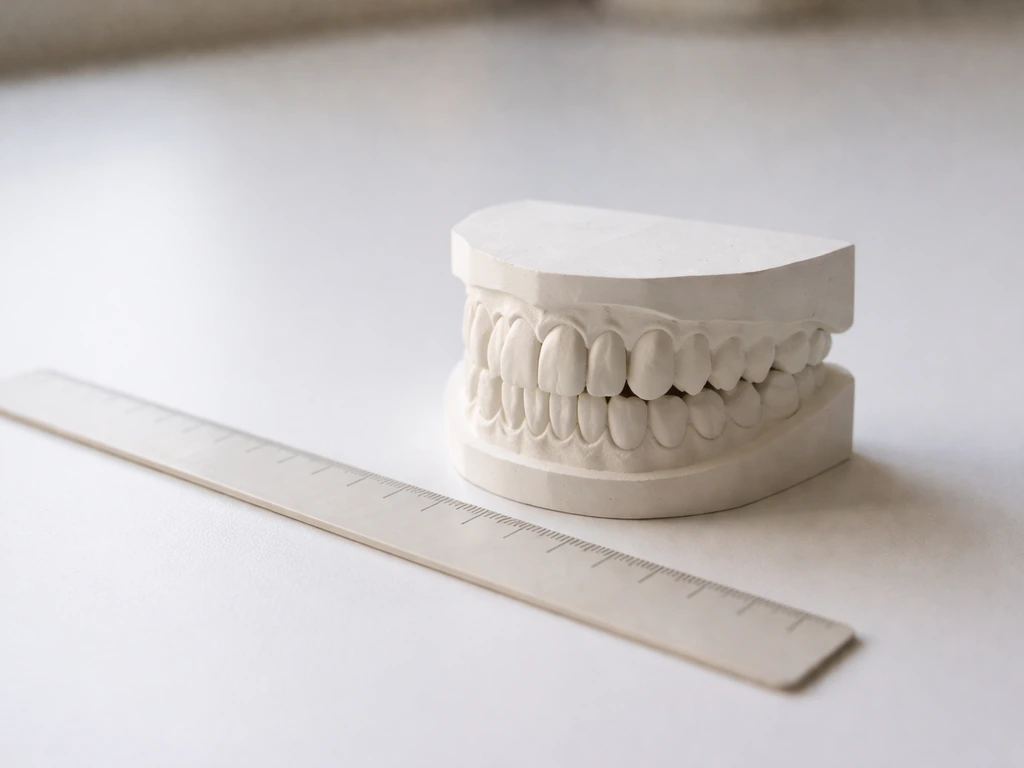
The adult teeth eruption timeline, age by age
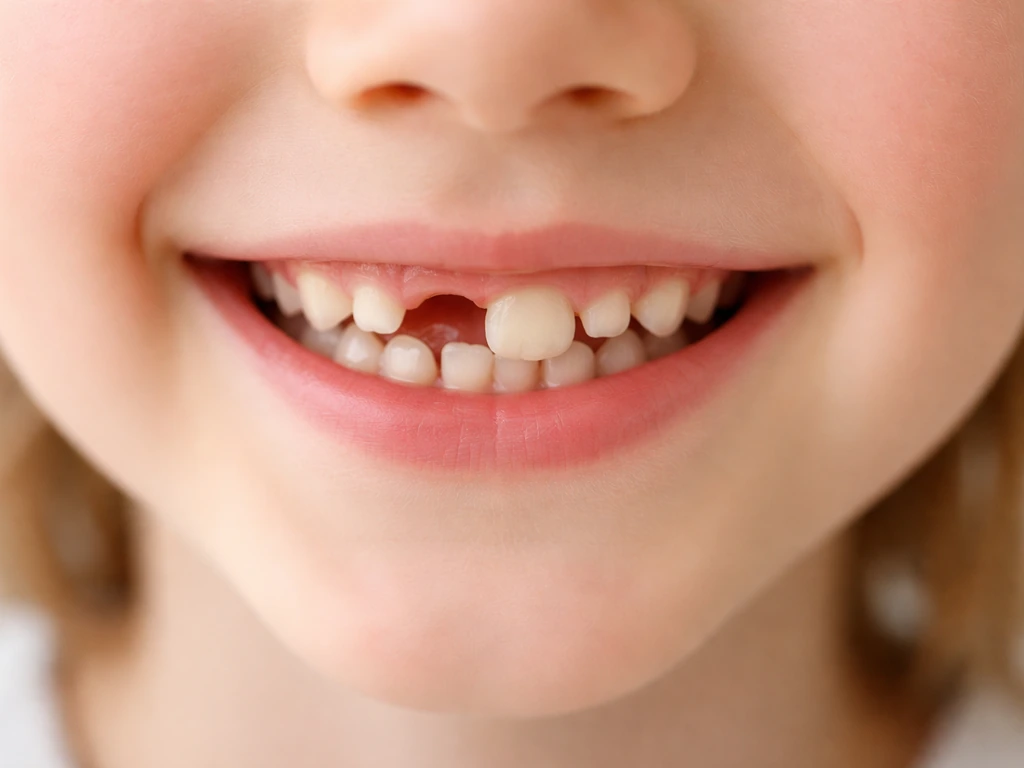
The moment that first wiggly baby tooth falls out and a permanent one pushes through is the official start of your adult set. That usually happens around age 6, and from there the process rolls forward in a fairly predictable order over the next decade-plus. Here's how it typically unfolds:
| Tooth Type | Expected Eruption Age | Location |
|---|---|---|
| Central incisors | 6–7 years | Front center, top and bottom |
| Lateral incisors | 7–8 years | Either side of center front |
| First premolars (bicuspids) | 10–11 years | Behind canines |
| Canines (cuspids) | 11–12 years | Corner teeth |
| Second premolars | 11–12 years | Behind first premolars |
| First molars | 6–7 years | Back of mouth, no baby tooth replaced |
| Second molars | 11–13 years | Behind first molars |
| Third molars (wisdom teeth) | 17–21 years | Furthest back, if they erupt at all |
One thing that surprises a lot of parents: the first permanent molars at 6–7 years don't replace any baby teeth. They just appear behind the existing teeth, which is why they're sometimes called the 6-year molars. Kids (and parents) can miss them entirely because nothing fell out to signal their arrival.
Which teeth are last, and why wisdom teeth are a special case
Wisdom teeth, or third molars, are officially the last adult teeth to grow in. They typically erupt between ages 17 and 21, though it's completely normal for them to show up a little later or to never fully break through the gumline at all. They sit at the very back of each jaw, one in each corner, and they're the reason people still associate their late teens and early twenties with dental drama.
Why do they cause so much trouble? By the time wisdom teeth are ready to erupt, your jaw is often already full. The other 28 permanent teeth are in place, and there's simply not enough space for four more molars to squeeze in comfortably. That's what leads to impaction, where the tooth gets stuck partially or fully under the gum or against the neighboring molar. It's worth noting that some people never develop wisdom teeth at all, and that's a normal genetic variation, not a problem.
Teeth grow till what age? Here's your clear answer
If you're looking for a firm number, here it is: for the vast majority of people, all adult teeth have either erupted or failed to erupt by age 21. The accepted clinical range for wisdom tooth eruption is 17–21 years. Some dentists extend that window to 25 in cases where wisdom teeth erupt very late, but beyond your mid-twenties, if a tooth hasn't come in, it's not coming in on its own. The tooth either never developed, is impacted, or has been there all along just waiting to be discovered on an X-ray.
So to map the full picture: adult teeth start arriving around age 6, the bulk of them are in place by age 13, and the final stragglers (wisdom teeth) close things out by the early twenties. That's the lifespan of natural tooth eruption in humans.
What's normal, what's delayed, and when to call a dentist
There's a decent amount of variation in what counts as normal, and you don't need to panic if your child's teeth are running a few months behind the average chart. That said, some gaps are worth getting looked at.
Signs that are totally normal
- A tooth running 6 to 12 months behind the average eruption age
- Wisdom teeth that haven't appeared by age 19 or 20
- Slight differences in timing between the left and right side
- Temporary soreness or gum tenderness when a tooth is pushing through
- No wisdom teeth developing at all (affects a significant portion of the population)
When you should actually book an appointment
- A permanent tooth is more than a year behind the expected eruption age
- A baby tooth fell out but no adult tooth has appeared after several months
- You're 18 or older and have never had wisdom teeth pain, shifting, or visible eruption, and haven't had a recent panoramic X-ray
- There's swelling, persistent pain, or crowding happening at the back of the jaw
- You can see or feel a tooth pushing sideways against another tooth
- A tooth appears to be erupting in an unusual position or angle
Impacted wisdom teeth are the most common late-eruption issue adults deal with. They don't always hurt right away, but they can silently damage the adjacent second molar or create pockets where bacteria collect. If a wisdom tooth is impacted, it can form a cyst, and the ADA explains it may need removal when there is evidence of changes in the mouth impacted wisdom tooth can form a cyst. Getting an X-ray in your late teens is a smart move even when there are no symptoms.
Can adult teeth grow back after they're lost? Let's clear this up
This is where a lot of confusion lives online, so let's be direct: once your permanent teeth erupt, that's it for natural tooth eruption. If you're wondering how many teeth do most adults grow, it usually comes to 28 to 32 permanent teeth, depending on whether wisdom teeth erupt once your permanent teeth erupt, that's it for natural tooth eruption. There is no third set of teeth waiting in the wings. If you lose an adult tooth to decay, injury, or extraction, your body cannot grow a replacement. The eruption you experienced between ages 6 and 21 was a one-time developmental process, not something your body can repeat.
It's worth separating two very different concepts here. Eruption is the process of a tooth that already exists inside the jaw pushing up through the gumline into the mouth. That's what this whole article is about. Regeneration, on the other hand, would mean the body actually building new tooth structure from scratch after loss. Humans cannot do this. We are what scientists call diphyodonts, meaning we get exactly two natural sets of teeth: the 20 baby teeth and the 28 to 32 permanent teeth. After that, no new teeth form.
What about enamel and dentin? Enamel, the hard outer layer of your teeth, cannot regenerate on its own once it's gone. Dentin, the layer beneath enamel, has a very limited capacity for repair but nothing close to full regrowth. Gum tissue can heal from minor wounds, but significant gum recession doesn't reverse itself without treatment. These biological limits are why fillings, crowns, implants, and dentures exist. Dental research into actual tooth regeneration is ongoing, but nothing is clinically available for humans right now.
How to figure out where you are in the timeline
If you're a parent tracking a child's dental development, the best starting point is counting the teeth present and comparing against the eruption chart above. Kids should have all 20 baby teeth by around age 3, and from age 6 onward you should start seeing them get replaced one by one. If a tooth is missing from the expected lineup and there's no sign of the permanent version coming through, that's worth mentioning at the next checkup.
For adults wondering about wisdom teeth, the most practical self-check is this: run your tongue along the back of your upper and lower jaw. If you feel a flat surface all the way at the back, a wisdom tooth may already be in. If the gum just ends and feels smooth or slightly raised, a wisdom tooth might be partially erupted, impacted, or absent. This is genuinely hard to assess without X-rays, so don't read too much into what you can feel.
What a dentist will actually do
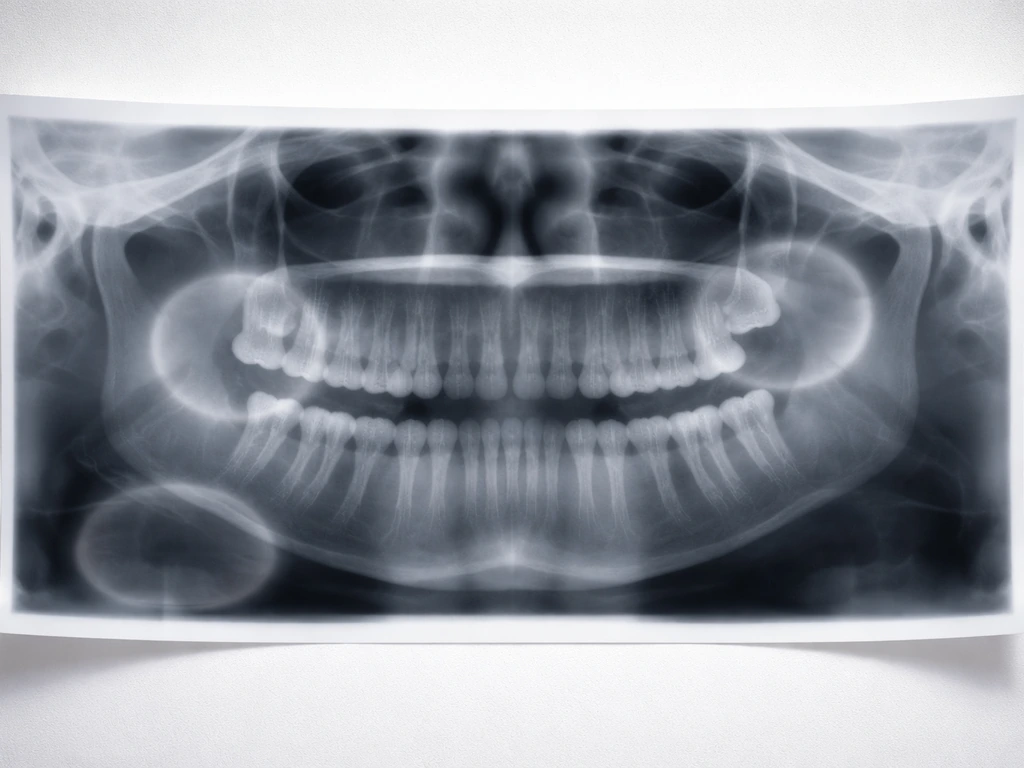
When you come in with questions about delayed or missing teeth, a dentist's first tool is almost always a panoramic X-ray, which shows all the teeth in both jaws at once, including any that are still under the gumline. This is how dentists confirm whether a wisdom tooth exists, where it's positioned, whether it's impacted, and whether any permanent teeth simply never developed. It's painless, takes about a minute, and gives you a complete picture of what's actually happening. From there, the dentist can tell you whether to wait and monitor, whether extraction is the better move, or whether you're simply someone whose wisdom teeth decided not to show up.
The short version of all this: don't wait until something hurts. If you're in your late teens or early twenties and have never had a panoramic X-ray, ask for one. It's the single best way to know what your adult teeth are doing and whether anything needs attention before it becomes an actual problem.
FAQ
When do adult teeth grow in if I had missing or delayed baby teeth?
Adult tooth eruption is usually tied to the permanent tooth itself, not the timing of baby tooth loss. If baby teeth were lost early or delayed, eruption can shift by months, but a tooth that is missing from the expected lineup for that stage should still be checked with a chart plus an X-ray, since early loss can also affect spacing and later eruption patterns.
Can adult teeth still grow after age 21 if I never noticed certain teeth?
For most people, natural eruption is essentially finished by the early 20s. If a tooth has not appeared by the typical window, common causes are impaction, delayed eruption that may still occur within an expanded range for wisdom teeth, or simply tooth agenesis (it never developed). An exam and panoramic X-ray are needed to tell which situation applies.
What should I do if my wisdom teeth never fully break through the gum?
Not fully erupting can still be a problem, even without pain, because a partially erupted tooth can trap food and bacteria around the gum flap (pericoronitis). Ask about taking a panoramic X-ray to check angulation, impaction level, and whether the neighboring second molar shows any damage.
Why do my 6-year molars feel like they appeared early or late?
Those molars erupt behind the existing baby teeth, so there is no “replacement” event that signals them. They can seem to appear suddenly, especially around ages 6 to 7, and parents sometimes miss them until a dentist notes them on an X-ray or until tooth brushing reaches that back area.
Is it normal for permanent teeth to come in crooked or with gaps even if they’re on time?
Yes, mild crowding or temporary spacing can be normal as the jaw finishes growing and as teeth erupt at slightly different speeds. The key is whether the pattern is stable, improving with age, and whether there are signs of missing teeth or impacted teeth, which are situations where an X-ray helps clarify what orthodontic planning should address.
If adult teeth do not regenerate, what happens to a permanent tooth that’s lost?
There is no natural replacement tooth if a permanent tooth is extracted or lost to injury. Treatment options depend on the situation, such as implant placement after healing, fixed bridges, or removable partial dentures, and the timing often affects eligibility and bone preservation.
How long does a permanent tooth take to finish erupting once it starts?
Eruption progress varies by tooth type. A tooth can begin cutting through the gum and then take additional time to become fully functional (chewing surface aligned and gumline settled). If you can see movement but it is not approaching a complete position after a reasonable period, ask the dentist how long the “settling” phase typically takes for that specific tooth.
Do gums and enamel change after adult teeth erupt, and can they repair themselves?
Gums can often heal from minor irritations, but enamel does not naturally regrow once it’s worn or decayed. Dentin has limited repair capacity, so sensitivity or visible surface damage usually needs restorative or preventive care rather than waiting for “regrowth.”
If my child is a few months behind the eruption chart, should I worry?
A small lag can be normal due to individual variation. The more important flags are multiple missing teeth in sequence, teeth that are not progressing as expected over time, or delayed eruption combined with pain, swelling, or abnormal spacing that suggests something may be blocking eruption.
What is the safest next step if teeth seem missing but there is no pain?
Ask for a panoramic X-ray (especially in the late teens and early 20s) so you can confirm whether the tooth exists, its position, and whether it is impacted or simply not developed. Even without symptoms, this can prevent later complications like damage to adjacent molars.
How can I check at home for wisdom teeth without overreacting?
Feeling along the back of the upper and lower jaw can help you notice a tooth present, but it cannot reliably confirm impaction or absence. Use it as a rough guide, then rely on a panoramic X-ray for a definitive answer, especially if you suspect swelling, recurring gum irritation, or you have never had imaging.
Next Articles
Do Milk Teeth Grow Back? Timelines, What to Do, Red Flags
Learn if milk teeth regrow, typical timelines for permanent teeth, what to do after loss or injury, and red flags.
Can Milk Teeth Grow Twice? Replacement vs True Regrowth
Can milk teeth grow twice? Learn why baby teeth usually only get replaced, not regrown, and what to do if one falls out
Why Do Teeth Only Grow Twice? Baby vs Permanent Explained
Why humans have only baby and permanent teeth: eruption timeline, limits of enamel regrowth, and common exceptions to kn