
Yes, wisdom teeth can technically be growing at 14, but "growing" here means something more specific than you might think. At 14, most people's third molars are developing inside the jawbone and haven't broken through the gum yet. A small number of people, particularly girls, can begin to see early gum-level emergence around 14 to 15, but full eruption into the mouth at that age is genuinely uncommon. If you or your teen is feeling back-of-mouth pain or pressure at 14, it's worth taking seriously, but it doesn't automatically mean a wisdom tooth is coming through. Here's what's actually going on and what to do about it.
Can Wisdom Teeth Grow at 14? What to Expect

Marcus Holloway
1 May 2026

What 'wisdom teeth growing' really means at 14
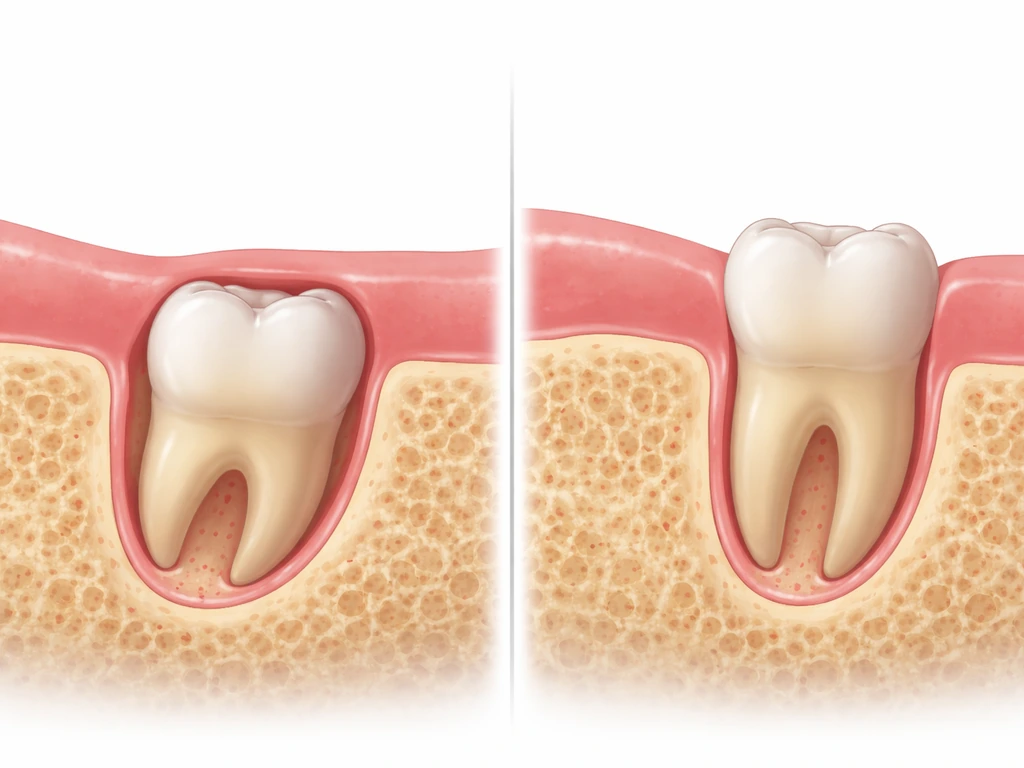
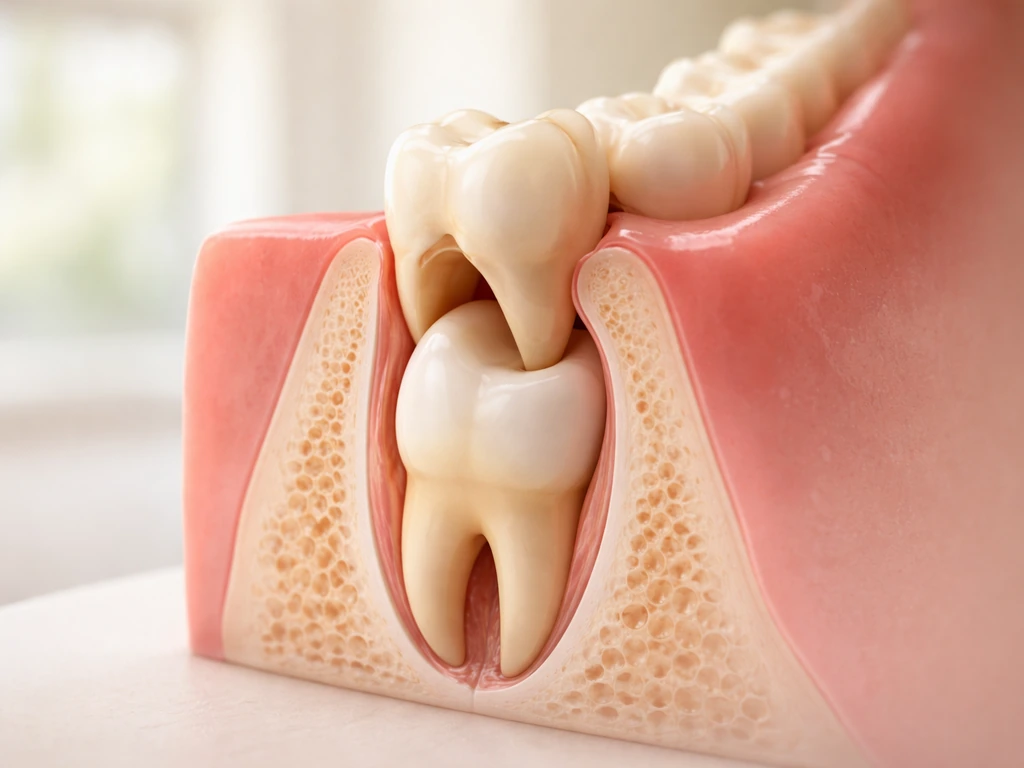
Dentists split tooth growth into two distinct phases: development and eruption. Development is what happens under the gum, inside the bone, while the tooth's crown and roots are still forming. Eruption is when the tooth physically moves upward through the bone and gum until it's visible and functional in the mouth. At 14, almost everyone's wisdom teeth are in the development phase. The crown may be fully formed, and the roots may be starting to grow, but the tooth is still sitting deep in the jaw. So when someone says their wisdom teeth are "growing" at 14, they're almost always describing development, not eruption. That distinction matters because development causes very different symptoms (often none) compared to eruption, which can cause pressure, swelling, and real discomfort.
The typical eruption timeline vs early eruption at 14
The standard reference range for wisdom tooth eruption is 17 to 25 years old. That's a wide window, and it reflects just how much normal variation exists. Most people start noticing their wisdom teeth somewhere between 18 and 22. But research on panoramic X-rays has shown that the earliest cases of gingival emergence (the tooth actually breaking through the gum tissue) can start as young as 14.6 years in females. For males, minimum gingival emergence tends to start later, around 19.5 years at the earliest in some studies. So eruption at 14 is not impossible, especially for girls, but it's clearly early. For most 14-year-olds, the tooth has not yet reached the gum at all, even if development is well underway.
| Stage | Typical Age Range | What It Means for a 14-Year-Old |
|---|---|---|
| Crown formation (development) | Mid-childhood to early teens | Usually complete or nearly complete at 14 |
| Root development (development) | Early to mid-teens | Often in progress at 14 |
| Alveolar emergence (approaching gum) | 14.6–18.3 years | Possible at 14, especially in females |
| Gingival emergence (breaking through gum) | 14.6–25 years | Possible but early; more common after 17 |
| Full clinical eruption | 17–25 years | Uncommon at 14 |
Why the timing varies so much
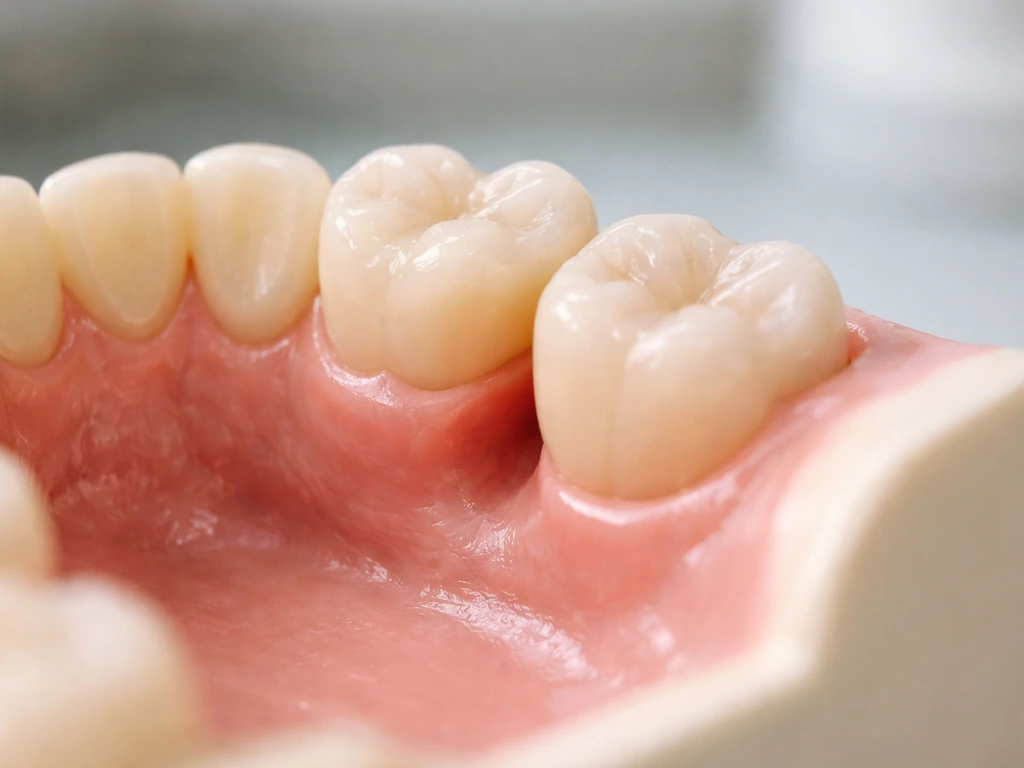
Genetics is one of the biggest factors. Twin studies have shown that genetic makeup influences third molar eruption, including the likelihood of impaction, the angle of the tooth, and how much space is available at the back of the jaw. If a parent had wisdom teeth come in early or had impaction problems, there's a real chance their child's teeth will follow a similar pattern.
Jaw space is the other major variable. The retromolar space (the gap behind the last molar where a wisdom tooth would need to emerge) determines a lot. Teenagers with smaller jaws or narrow dental arches often don't have room for wisdom teeth to erupt normally, which increases impaction risk. Research has directly linked the stage of third molar mineralization to the amount of available retromolar space, meaning that even if a tooth is developing on schedule, limited space can prevent it from erupting properly or at all.
Sex and biological development also play a role. Girls tend to reach dental maturity earlier than boys, which is why the research shows earlier minimum emergence ages for females. Ethnicity and overall skeletal development can also influence the timeline, though to a lesser degree. In short, there's no single "normal" schedule, and a dentist really can't predict what will happen without looking at an X-ray.
Signs you might be getting wisdom teeth at 14 (and what else it could be)
Back-of-mouth symptoms in a 14-year-old get blamed on wisdom teeth pretty frequently, but the reality is more complicated. Here are the common signs that can point toward wisdom tooth activity, followed by what else might actually be going on.
- Dull pressure or aching at the very back of the jaw, behind the second molars
- Swollen, tender, or red gum tissue in that area (this is called pericoronitis when it's directly over an erupting tooth)
- Jaw stiffness or difficulty opening your mouth fully
- Unpleasant taste or a small amount of discharge from the gum
- Mild earache or jaw pain that doesn't trace back to a specific tooth
The tricky part is that several of these symptoms are shared with other conditions. Temporomandibular joint disorder (TMD) can cause jaw pain and limited mouth opening that feels almost identical to wisdom tooth pericoronitis. Clinical guidelines specifically note that TMD should be considered when a partially erupted tooth is present but there are no signs of infection. A second molar cavity can also cause back-of-mouth pain. So pain alone cannot confirm that a wisdom tooth is erupting. An exam plus an X-ray is the only reliable way to know.
How to confirm: what the dentist or orthodontist looks for
The go-to tool for evaluating wisdom teeth at any age is a panoramic radiograph (sometimes called a panorex or OPG). This is the X-ray where the machine rotates around your head and captures all your teeth, both jaws, and the surrounding bone in one image. At 14, a panoramic X-ray can show exactly where each wisdom tooth bud is sitting, how developed the crown and roots are, the angle of the tooth, and how much space exists between the tooth and the back of the jaw.
When the panoramic X-ray shows that a lower wisdom tooth's roots are very close to the inferior alveolar nerve (a major nerve running through the lower jaw), the dentist may recommend a CBCT scan. CBCT is a 3D imaging tool that shows the exact vertical, lateral, and depth relationship between the tooth roots and the nerve, which a flat 2D panoramic image can't fully capture. This extra information matters a lot if extraction is being considered, because nerve proximity is one of the main surgical risks. Specific warning signs on a panoramic image, including root darkening, canal diversion, or narrowing of the root tip, are used as triggers for requesting that additional CBCT.
If your teen is already in orthodontic treatment, their orthodontist may already have a panoramic X-ray on file. It's worth asking whether wisdom tooth positions are visible on it and what they show.
Your options at 14: monitor, treat, or extract early
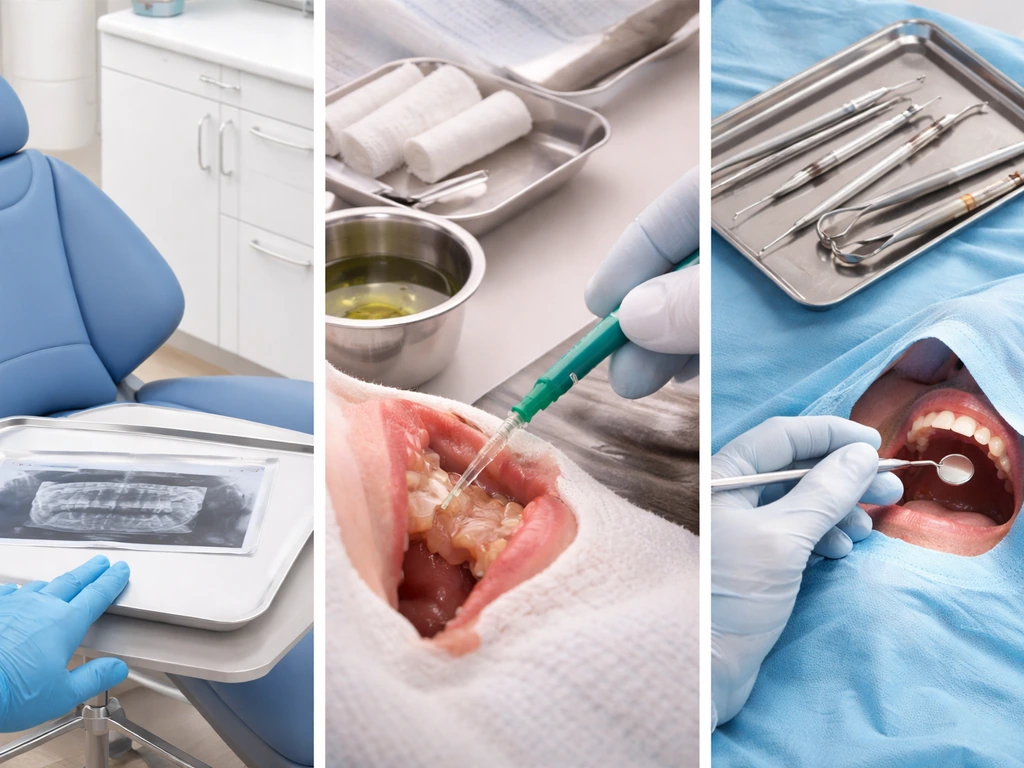
At 14, the most common recommendation is watchful waiting with periodic panoramic X-rays every year or two to track development. Most clinicians don't rush to extract wisdom teeth at this age unless there's a clear problem. Roots are often still forming at 14, and extractions are generally safer and easier when roots are about two-thirds developed but not yet fully formed, which often puts the ideal extraction window in the mid-to-late teens for those who do need removal.
If there's active pericoronitis (infected or inflamed gum over a partially erupted tooth), the first-line treatment is conservative: thorough cleaning of the area, improved oral hygiene around the site, and sometimes a short course of antibiotics if infection signs are present. This condition, pericoronitis, is inflammation of the gum tissue around a partially erupting wisdom tooth, and it is typically evaluated through symptom history and a dental exam. The gum flap itself isn't surgically addressed unless the problem keeps recurring.
Early extraction at 14 does get recommended in specific situations. If imaging shows the tooth is clearly impacted at a severe angle, if there's an active cyst forming around the tooth, or if the wisdom tooth is threatening the root of the adjacent second molar, a dentist or oral surgeon may suggest removing it before the roots fully develop. Kids who are in active orthodontic treatment may also have this conversation earlier, since wisdom teeth can affect the stability of tooth movement. That said, prophylactic extraction (taking out wisdom teeth just in case) at 14 without a specific clinical reason isn't standard practice.
It's also worth knowing that the same questions apply at nearby ages. Whether wisdom teeth appear at 13 or whether symptoms show up at 15 or 16 involves the same biology, just at slightly different stages of the timeline. If you’re asking whether wisdom teeth can grow at 13, the timing works the same way as at 14, just earlier in the eruption timeline wisdom teeth appear at 13. The approach is always the same: X-ray first, then decide.
Wisdom teeth vs tooth regrowth: clearing up a real confusion
A lot of people search about wisdom teeth "growing" because they've heard or hoped that teeth can somehow regrow or regenerate. It's worth being direct here: wisdom teeth erupting is not the same as tooth regrowth. Eruption is the normal movement of a tooth that was always there, just developing inside the bone. Regrowth would mean producing a brand-new tooth structure after loss or damage, and that is something the human body cannot do on its own.
Once enamel is fully formed, the cells that made it (ameloblasts) are gone. Enamel cannot repair itself after it's lost. Dentin has very limited remodeling capacity in adults, and it's nowhere near full regrowth. Research on dental regeneration using biomaterials and stem cells is genuinely exciting, but it remains experimental. There's no established clinical treatment today that regrows a missing tooth or restores lost enamel from scratch.
So if someone is hoping that back-of-mouth pain at 14 means a new tooth is regenerating to replace a damaged one, that's not how it works biologically. What is possible, and what is happening when people experience wisdom tooth activity, is the eruption of a tooth that formed during early childhood and has been quietly developing in the jaw for years. It's new to the mouth, but it's not a regenerated tooth. That's a meaningful difference.
What to actually do right now
If you're a parent or a 14-year-old dealing with back-of-mouth symptoms, here's a practical checklist for next steps.
- Book a dental appointment and specifically mention back-of-mouth pain or pressure. Ask whether a panoramic X-ray has been taken recently and whether wisdom tooth development is visible on it.
- Don't assume pain means eruption. Let the dentist rule out TMD, second molar cavities, or gum issues before concluding wisdom teeth are the cause.
- If orthodontic treatment is ongoing, ask the orthodontist whether wisdom teeth are visible on their most recent panoramic X-ray and whether they see any concerns.
- For mild gum soreness over a back tooth, keep the area clean with gentle brushing and a warm salt-water rinse while you wait for the appointment. Don't poke at it.
- If there's significant swelling, limited mouth opening, fever, or pus, treat it as urgent and see a dentist the same day or go to an urgent care dental clinic.
- At the appointment, ask three specific questions: Where are my wisdom teeth right now? Is there enough space for them to erupt? Do we need to do anything now, or just monitor?
The bottom line is that wisdom teeth growing at 14 is biologically plausible in the early-emergence sense, but full eruption at that age is uncommon. Development is almost certainly happening. A panoramic X-ray gives you real answers instead of guesswork, and in most cases the right plan at 14 is simply to watch, track, and stay informed rather than rush into treatment.
FAQ
If my 14-year-old’s wisdom tooth isn’t visible yet, does that mean nothing is happening?
Not necessarily. At 14, most third molars are still in the development phase under the gum, so you might feel pressure or irritation without seeing a tooth. The only way to confirm stage and position is a panoramic X-ray.
How can we tell the difference between wisdom tooth pain and TMD or a second-molar cavity?
Pain pattern alone is unreliable. TMD often comes with jaw clicking, stiffness, or limited opening, while cavities are related to one specific tooth and may respond to cold or sweetness. A dentist exam plus X-ray is what rules in or out wisdom-tooth activity.
Is it safe to wait and “see” if symptoms are mild at 14?
Mild, intermittent discomfort can sometimes be watched, but the safe approach depends on imaging and red flags. If there is fever, facial swelling, worsening pain, pus, or trouble swallowing, waiting is not appropriate and an urgent dental evaluation is needed.
Does orthodontic treatment at 14 change whether we should image or treat wisdom teeth?
Yes. Orthodontists often have panoramic or other records already, and wisdom tooth angulation can influence how much space is available behind molars. If you are midway through braces, ask the orthodontist specifically whether the plan accounts for potential late space loss or impaction.
Will a panoramic X-ray at 14 always be enough, or will we need CBCT?
Panoramic imaging is usually the first step, but CBCT is more likely when the lower wisdom tooth appears close to the inferior alveolar nerve or when extraction planning is being considered. It can add detail about root-to-nerve proximity that a 2D image may not capture.
If my teen gets antibiotics for gum inflammation, does that mean the problem is cured?
Antibiotics can reduce infection-related symptoms, but they don’t fix the underlying cause if the tooth is partially erupted and trapping debris. Recurrence is possible, and follow-up dental care and hygiene around the area matter for long-term resolution.
What are signs that wisdom tooth pericoronitis is becoming urgent?
Seek prompt care if pain rapidly worsens, swelling extends beyond the gum, there is fever, pus or a bad taste persists, or the teen develops difficulty opening the mouth (trismus) or swallowing. These suggest spreading inflammation rather than simple irritation.
Is extracting wisdom teeth at 14 riskier or easier than later?
It can be easier when roots are not fully formed, but it may be harder if the tooth is positioned in a way that increases nerve or adjacent-tooth risk. The deciding factor is the imaging relationship, especially for lower teeth near the nerve, not just age alone.
Can wisdom teeth affect braces results or tooth alignment at 14?
They can. If there is limited back-of-jaw space or an unfavorable eruption angle, wisdom teeth may contribute to late crowding or changes in molar support. That’s one reason clinicians often track positions during orthodontic treatment rather than ignoring them.
If wisdom teeth can “appear” at 14 to 15, could they also fully erupt earlier than expected?
Full eruption at 14 is uncommon, even though early gum-level emergence can occur. When someone says they are “fully through” at 14, confirm on exam and imaging, because partially erupted teeth can mimic full eruption symptoms.
Can wisdom teeth regrow if they were removed or damaged?
No. Wisdom teeth do not regrow or regenerate like a replacement tooth structure. What can happen is that a different tooth becomes symptomatic later, or residual tissue near an extraction site causes ongoing symptoms, which should be evaluated separately.
Next Articles
Do Milk Teeth Grow Back? Timelines, What to Do, Red Flags
Learn if milk teeth regrow, typical timelines for permanent teeth, what to do after loss or injury, and red flags.
Can Milk Teeth Grow Twice? Replacement vs True Regrowth
Can milk teeth grow twice? Learn why baby teeth usually only get replaced, not regrown, and what to do if one falls out
Why Do Teeth Only Grow Twice? Baby vs Permanent Explained
Why humans have only baby and permanent teeth: eruption timeline, limits of enamel regrowth, and common exceptions to kn