If your smiley rips, whether that means a torn piece of gum tissue, a cut inside your lip, a chipped front tooth, or a broken fragment of enamel, some parts can heal on their own and some absolutely cannot. Soft tissue like your gum or lip lining can close up and recover within days to a couple of weeks. But enamel, dentin, and actual tooth structure do not grow back in adults. Once that hard tissue is gone, it is gone, and no amount of waiting will change that. The good news is that there are solid treatment options for almost every scenario, and the sooner you act, the better your outcome.
If Your Smiley Rips Will It Grow Back? What to Do Now

Marcus Holloway
24 Apr 2026

What 'smiley rips' probably means and why it matters
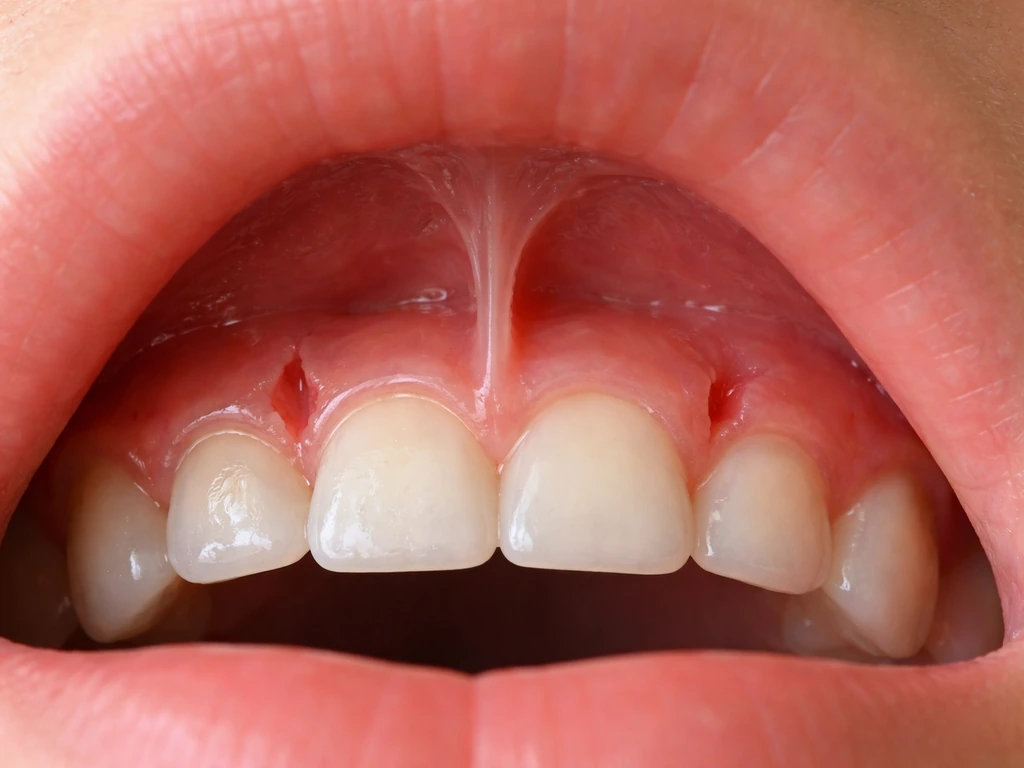
The phrase 'smiley rips' gets used in a few different ways, and which one applies to you changes everything about what to expect. The most common interpretations include a torn frenulum (the small fold of tissue connecting your upper lip to your gums), a laceration or cut inside your cheek or lip, a chip or crack in a front tooth, or a piece of tooth that has broken off. Sometimes people also mean a gum flap that has pulled away from a tooth, especially around a wisdom tooth or after an injury.
The reason this distinction matters is that each of those tissues behaves completely differently when damaged. Soft tissue like the frenulum or lip lining has a blood supply and can heal. Hard tooth structure, including enamel and dentin, has no living cells on its outer surface that can rebuild lost material. Treating them the same way is where most of the confusion and false hope comes from.
Will it grow back: the honest breakdown by tissue type
Here is the direct answer sorted by what actually got damaged. Adult humans have two sets of teeth, and once the permanent set is in, there is no biological backup plan for regrowing tooth structure. This is not a myth or an oversimplification; it is the biological reality confirmed across dental science. The American dental community is consistent on this point: adult enamel and tooth structure do not naturally regenerate once lost.
| What ripped or broke | Can it grow back? | What actually happens |
|---|---|---|
| Frenulum or soft gum tissue | Yes, partially to fully | Soft tissue heals by scarring and regrowth; minor tears close in 1 to 2 weeks |
| Lip or cheek lining (mucosa) | Yes | Oral mucosa heals quickly, often within 7 to 14 days with basic care |
| Gum tissue around a tooth | Partially, depending on cause | Mild gum trauma can heal; recession from disease or bone loss typically does not reverse without treatment |
| Enamel (chipped or cracked) | No | Enamel has no living cells capable of regeneration; it cannot rebuild itself |
| Dentin or inner tooth | No | Dentin can form a thin protective layer internally, but lost dentin does not replace itself externally |
| Baby tooth (in a child) | Depends on age | If the permanent tooth is developing underneath, it will eventually erupt; the baby tooth itself does not grow back |
| Adult tooth (missing) | No | Permanent teeth do not regrow; replacement requires dental intervention |
How fast healing actually happens, and what 'grow back' really means
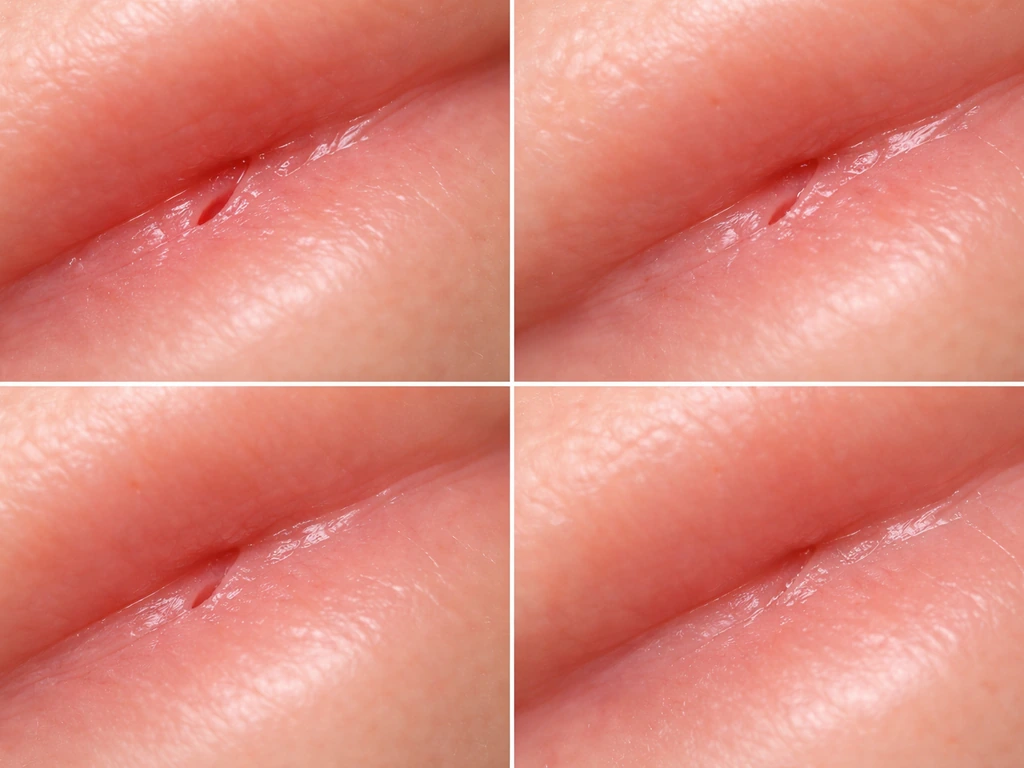
When people say 'will it grow back,' they usually mean one of two very different things: will the area look and feel normal again, or will the actual lost tissue regenerate? Those are not the same question. Soft tissue healing after oral injury follows a well-documented process. Initial clotting happens within the first few hours, early tissue repair begins within a couple of days, and wound closure typically completes within one to two weeks for minor injuries. Stronger tissue reorganization continues for weeks beyond that.
For a torn frenulum or a small gum tear, that timeline is fairly realistic. The area will likely close, become less sensitive, and stop bleeding within a week or two without any special intervention beyond keeping it clean. For most minor gum tears, the area closes first and the gum tissue typically settles over about one to two weeks how long does it take for gum to grow back.
For a torn gum, the area often closes without regrowing the tissue you lost, which is why it helps to know what affects healing time chunk of gum missing will it grow back. For a chipped tooth or a piece of enamel that broke off, no amount of time produces regrowth.
What you might notice is that the sharp edge feels smoother over time as your tongue and food naturally wear it slightly, but the structure is not coming back.
Children are a different case. If a child chips or loses a baby tooth, the underlying permanent tooth is still developing and will erupt on its own schedule. That is not the tooth regenerating; it is a separate tooth that was always planned by biology. Once a kid's permanent teeth are all in, the same rules as adults apply: no natural regeneration of enamel or tooth structure.
Things that look like regrowth but are not
A few common situations convince people that a tooth or gum is 'growing back' when something else is actually happening.
- A child loses a front baby tooth and a new tooth appears: this is the permanent tooth erupting, not the baby tooth regenerating. It was always there, just developing under the gum.
- Swollen gum tissue around a crack or chip: inflammation can make the gum look fuller or raised, creating the illusion that tissue is growing back over a gap. It is actually just swelling.
- A wisdom tooth gum flap: the gum around a partially erupted wisdom tooth sometimes looks like it is tearing and regrowing repeatedly. That is the tooth slowly pushing through, not the gum healing in any meaningful way.
- Calculus or tartar buildup near a damaged area: hard mineral deposits can fill in spaces near a chip or crack, sometimes looking like tooth material. It is not; it is calcified plaque and it does not protect the tooth the way enamel does.
- Gum recession appearing to reverse: if you address the cause of recession (usually gum disease or aggressive brushing), the inflammation goes down and the gum can look slightly fuller. But actual lost gum tissue that has receded due to bone loss does not truly grow back without a graft.
What to do today: home care and when to call a dentist
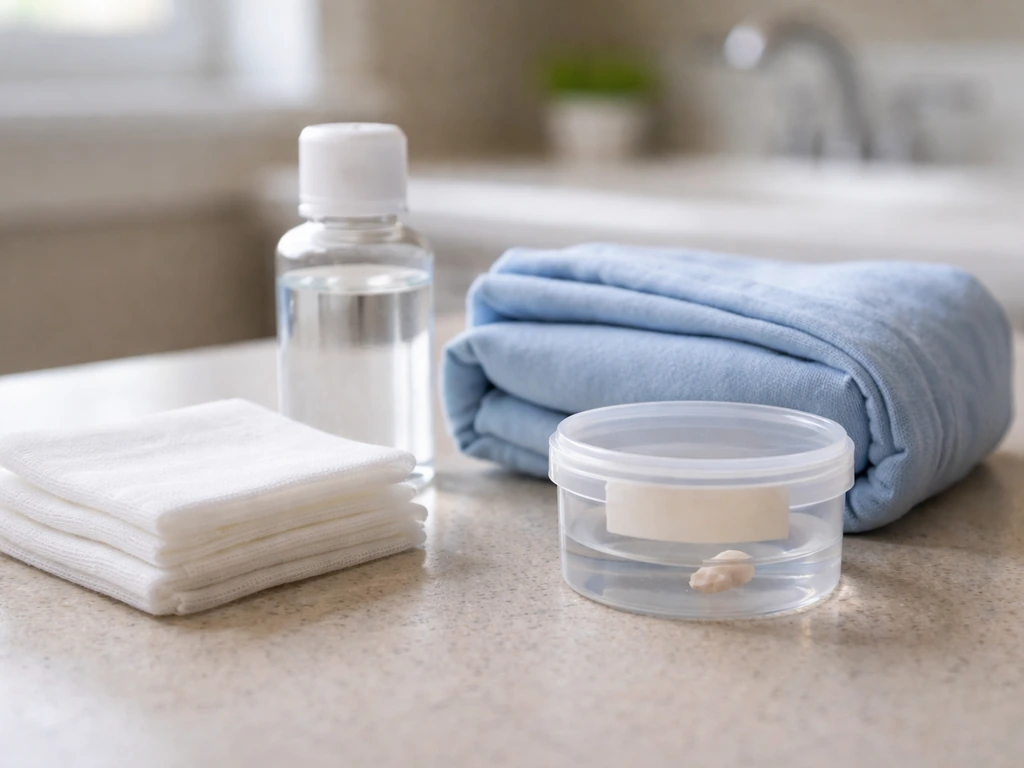
If the injury just happened, your first priority is controlling bleeding and protecting the area. For a soft tissue tear like a frenulum or lip cut, apply gentle pressure with clean gauze or a damp cloth for 10 to 15 minutes. Rinse carefully with warm salt water to keep the area clean, and avoid picking at it or pulling the tissue. Cold applied on the outside (an ice pack wrapped in cloth) helps reduce swelling and discomfort. Over-the-counter pain relievers like ibuprofen or acetaminophen at the recommended dose handle most of the pain while healing begins.
For a chipped or broken tooth, save any piece of the tooth if you can find it. For knocked-out or broken teeth, the sooner the tooth is re-implanted, the more likely it is to embed back into the gum, which is why this is treated as a dental emergency according to NHS inform Sooner re-implantation of a knocked-out/broken tooth makes it more likely to embed back into the gum. Keep it moist in milk or saliva (not water) and bring it to your dentist. Rinse your mouth gently with warm water to clear debris. If there is a sharp edge irritating your tongue or cheek, dental wax (available at most pharmacies) can cover it temporarily.
Call a dentist today, or go to an emergency dental clinic, if any of these apply:
- Bleeding that does not slow down after 20 minutes of firm pressure
- Severe or worsening pain, especially pain that throbs or keeps you awake
- Visible damage to a permanent tooth including a large chip, crack extending to the gumline, or a tooth that feels loose
- Swelling spreading to your jaw, cheek, or under your chin (this can indicate infection)
- A tooth that has been knocked out completely (time is critical; the tooth needs to be reimplanted within 30 to 60 minutes ideally)
- A child under 12 with any injury to permanent teeth
- Numbness or a tooth that no longer responds to temperature
What the dentist will do and which treatments to expect
When you get to a dentist, they will start with a visual exam and almost certainly take X-rays. This matters more than it might seem. If a piece of tooth has broken off, X-rays help locate fragments that may be embedded in soft tissue, especially important if there was also a lip or cheek laceration. X-rays also reveal whether a crack extends below the gumline or whether the nerve is involved, which completely changes the treatment plan.
Depending on what they find, treatment typically falls into one of these paths:
- Bonding or composite filling: for minor chips or small enamel loss on a front tooth, tooth-colored composite resin is applied and shaped to restore the tooth's appearance and function. It is the fastest and least invasive fix, often done in a single visit.
- Dental veneer: for larger cosmetic damage on a front tooth where the underlying tooth is still structurally sound, a porcelain veneer can cover the damaged surface.
- Dental crown: when a significant portion of the tooth is missing, cracked deeply, or when the structural integrity is compromised, a crown caps the whole tooth to protect it.
- Root canal: if the crack or chip has reached the pulp (the nerve and blood supply inside the tooth), a root canal is needed before placing a crown. This is not a punishment; it is what saves the tooth.
- Gum treatment or graft: if the injury involves gum tissue recession or a significant frenulum tear that is affecting tooth alignment or hygiene, a periodontist may recommend soft tissue grafting. This is particularly relevant for cases similar to what comes up with gum loss from other causes.
- Orthodontic evaluation: in some cases, especially in teenagers, a chipped or shifted tooth may also affect bite alignment, and a referral to an orthodontist is part of the treatment plan.
- Tooth extraction and replacement: if the tooth cannot be saved, the options are a dental implant, bridge, or partial denture depending on age, bone density, and budget.
The real limits of dental regeneration, by age and structure
Research into dental regeneration is active and genuinely interesting, but as of right now in clinical practice, it is not something you can access at a regular dental office. Adult humans do not regenerate enamel. Enamel is produced by cells called ameloblasts that are only active during tooth development and are gone by the time a tooth fully erupts. Once the tooth is in your mouth, those cells are no longer present to rebuild lost enamel. This is a hard biological limit, not a gap in dental technology that will be filled next year.
Dentin, the layer beneath enamel, behaves slightly differently. The pulp can produce what is called tertiary or reparative dentin as a defensive response to slow decay or minor trauma. But this is a thin protective layer laid down internally, not a rebuilding of lost outer tooth structure. It does not replace what broke off.
For children who still have baby teeth in place, the situation is more forgiving simply because permanent teeth are coming regardless. A knocked-out or badly damaged baby tooth in a young child is still worth a dental visit because early loss can affect spacing and the eruption path of the permanent tooth beneath it. If you have a child who has had a tooth injury, the dentist may place a space maintainer to protect that path.
Gum tissue sits somewhere in the middle. Minor soft tissue injuries and post-surgical gum healing follow a real regenerative process with well-defined stages, from initial clot formation through tissue maturation and reorganization. However, gum recession tied to bone loss or advanced periodontal disease does not reverse naturally. The bone that supports the gum has its own limits, and without bone there is nothing for the gum to sit on.
This is a similar biological boundary to what applies when asking whether gum tissue grows back after an extraction or other procedure. If you are wondering whether gum tissue grows back after an injury, note that it is not the same as gum regrowth from bone loss or advanced gum disease do your gums grow back from dipping.
If you are trying to compare your situation with common experiences people discuss, this is also the kind of question that shows up in threads like "can gums grow back reddit". In extraction sites, the gum and bone can heal, but whether gum tissue fully grows back depends on the amount of tissue and bone involved does gum tissue grow back after extraction.
In those cases, soft tissue closes over the socket, but the height and volume of gum and bone is not fully restored without intervention.
The practical takeaway: if you are young, the injury is to soft tissue only, and it is minor, natural healing is genuinely on your side. If any hard tooth structure is involved in an adult, do not wait and hope. Get in to see a dentist, describe exactly what happened, and let the X-rays and exam tell you what you are actually dealing with. The sooner a chipped or cracked tooth is treated, the simpler and less expensive the fix usually is.
FAQ
If your smiley rips, does it always mean your tooth will grow back?
Not necessarily. Soft tissue tears (frenulum or lip/cheek cuts) often close, but a “growing back” feeling can happen even when nothing regrows, for example when swelling goes down and the surface smooths from normal chewing. If you can see exposed tissue, persistent bleeding, or you have a sharp tooth edge, treat it as a real injury needing a dentist evaluation.
How soon should I see a dentist if my smiley ripped and a tooth chipped?
If the tooth break includes any part at or below the gumline, you should not wait. Cracks can extend under the gum and may involve the nerve, and treatment timelines shift quickly to prevent infection or worsening damage. A same-day dental visit is safest if there is throbbing pain, visible fracture near the gum, or sensitivity that lasts.
Should I bring the broken tooth piece with me?
Yes, saving the broken piece helps, even if the tooth cannot regenerate. Keep it in milk or saliva and bring it to the dentist, because the fragment can sometimes be bonded back, and a matching piece can improve accuracy of shape and bite alignment.
What should I do at home right after the rip to avoid making it worse?
For soft tissue tears, gentle salt-water rinses and keeping the area clean are usually better than aggressive swishing. Avoid picking at tissue or pulling the area to “check it,” because that reopens the wound. If bleeding keeps starting again after pressure, that is a sign to get checked rather than assuming it will settle.
If it was a gum flap that pulled away, will it heal on its own?
Do not assume a ripped gum flap will heal perfectly. If it is attached to a tooth (especially around wisdom teeth) or there is underlying gum disease, the flap can reattach partially but may leave pockets or recession. X-rays and a gum exam tell whether this is just a superficial tear or a periodontal issue.
Can I use dental wax until I see my dentist?
Temporary dental wax can protect your tongue if a sharp edge is irritating, but it is not a long-term fix. Replace it as it loses grip, and seek dental treatment promptly, since sharp edges can fracture further or irritate the tooth surface and gumline.
Is it okay to just take painkillers if it hurts a lot?
Pain relief depends on the tissue involved. For gum or lip cuts, ibuprofen or acetaminophen can help while healing begins, but if you have swelling of the face, fever, or worsening pain, that suggests infection or deeper tooth involvement. Those situations require urgent dental care rather than continued home pain control.
Will braces or a retainer affect how fast my smiley rip heals?
Yes, but the location matters. If the injury is to the upper lip tissue or frenulum, orthodontic braces can rub and delay comfort, so you may need temporary wax on brace wires and extra cleanliness. If the injury is to the tooth itself, braces do not stabilize a fracture, so you still need dental evaluation.
If this happened to my child, does that mean it will grow back for real?
Children’s injuries are often different because permanent teeth are developing, but “grow back” still depends on what got damaged. Baby teeth cannot regrow as teeth, although the permanent tooth will erupt later. If a baby tooth is knocked out or badly damaged, it is still worth a dentist visit to reduce spacing and eruption problems.
What should I ask the dentist after X-rays for a chipped front tooth?
A dentist will use X-rays not only to look for extra fragments but also to check crack depth and nerve involvement. Ask specifically whether there is any fracture line below the gumline or any retained tooth fragment, because those two findings change urgency and the choice between bonding, crown, root canal, or extraction.
Next Articles
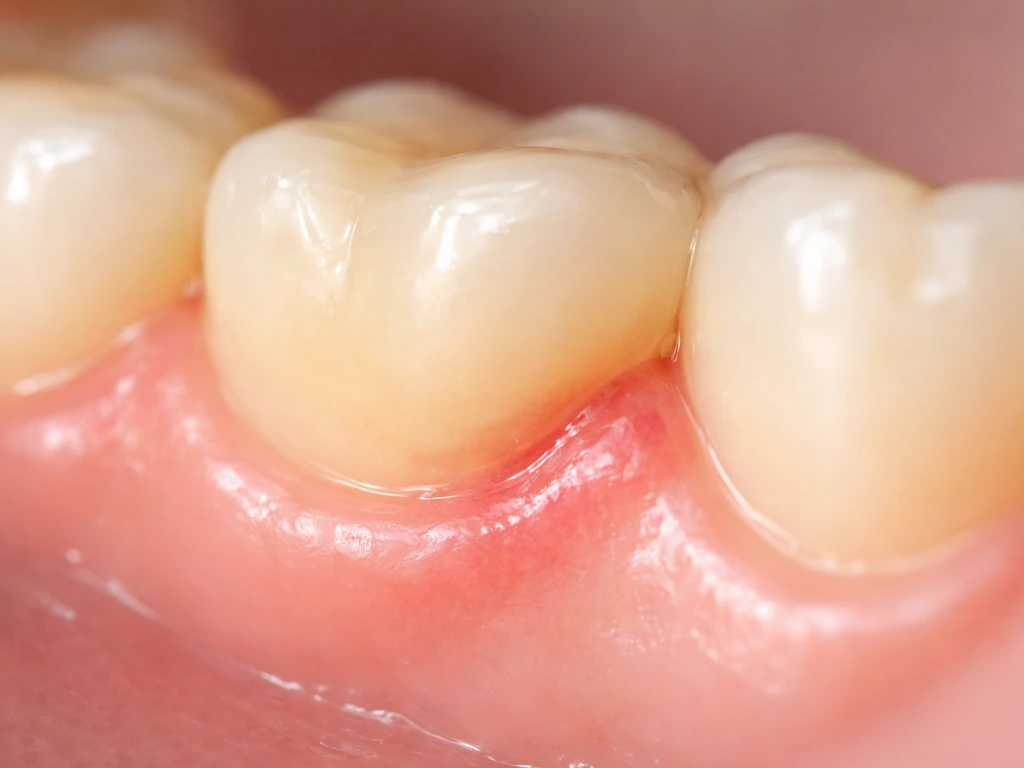
How Long Does It Take for Gum to Grow Back?
Timeline for gum healing after recession or injury, factors affecting regrowth, and when you need dental care
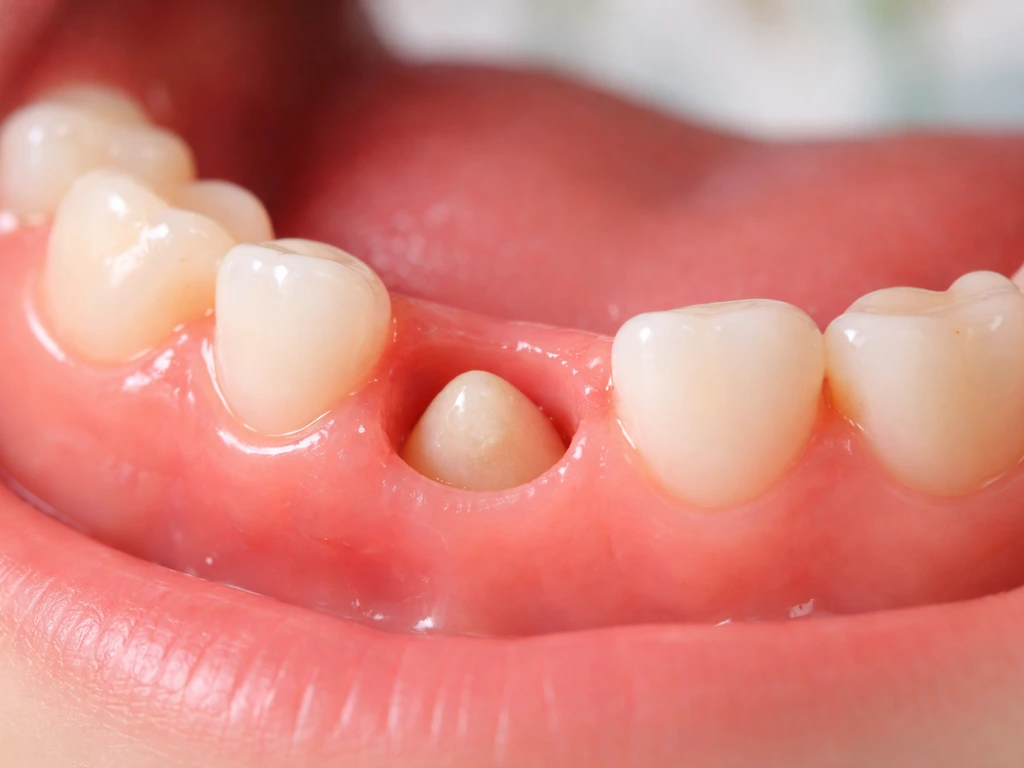
Do Milk Teeth Grow Back? Timelines, What to Do, Red Flags
Learn if milk teeth regrow, typical timelines for permanent teeth, what to do after loss or injury, and red flags.
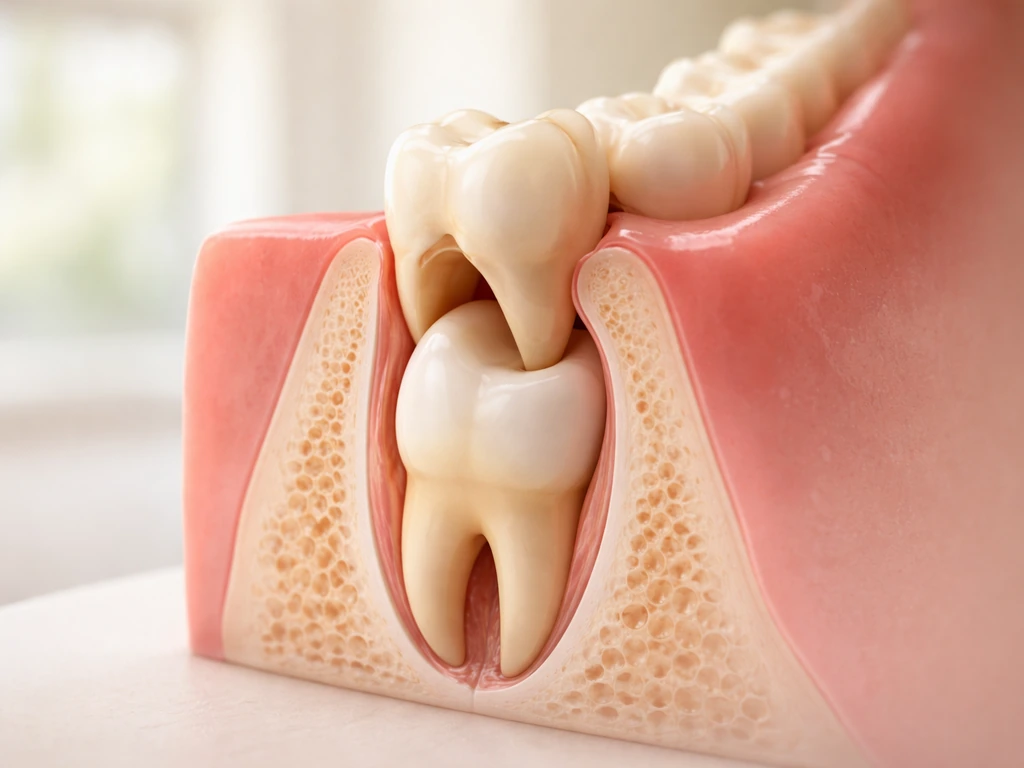
Can Milk Teeth Grow Twice? Replacement vs True Regrowth
Can milk teeth grow twice? Learn why baby teeth usually only get replaced, not regrown, and what to do if one falls out