
Here's the short answer: puppies can grow back teeth, adult dogs cannot. Once your dog's permanent teeth are in, those are the only ones they get. There's no biological reset button, no backup set waiting in the gums. If an adult dog loses, chips, or breaks a tooth, that damage is permanent and needs veterinary treatment, not watchful waiting. The situation is completely different for puppies still in the teething phase, which is why the age of your dog is the single most important piece of information when answering this question.
Do Dogs Teeth Grow Back? Puppy and Adult Tooth Regrowth

Marcus Holloway
2 Apr 2026
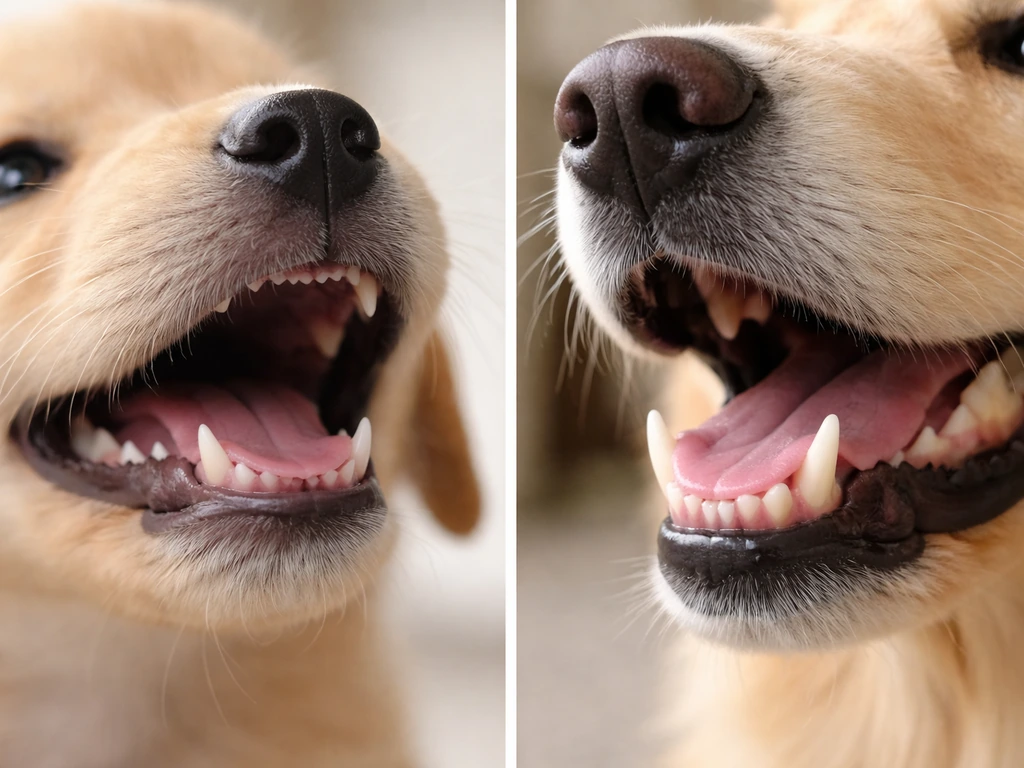
Tooth regrowth basics in dogs vs puppies
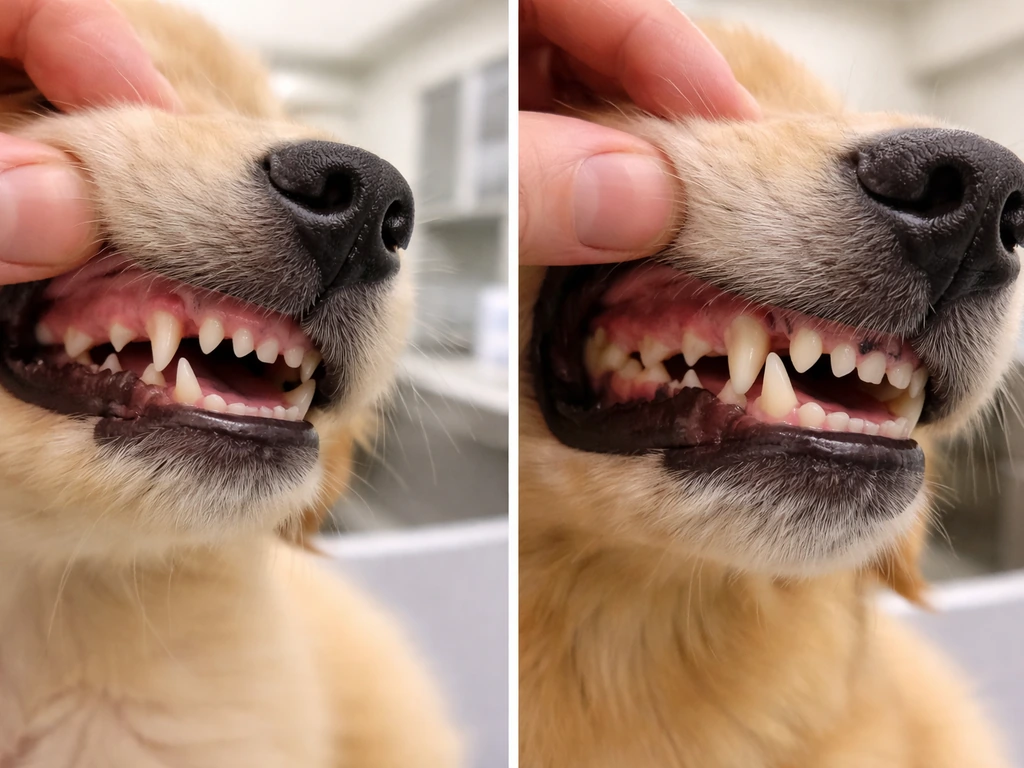
Dogs, like humans, are diphyodonts, meaning they get exactly two sets of teeth over their lifetime: a deciduous (baby) set and a permanent set. That's it. There is no third set, no regenerative reserve hiding in the jaw.
Puppies are born toothless. Their first set, the deciduous teeth (also called milk teeth or baby teeth), starts coming in around 3 to 5 weeks of age. This set contains 28 teeth in total. Then, starting around 4 to 5 months of age, permanent teeth begin pushing through, and by about 7 months, the full adult set of 42 teeth is typically in place. During that transition window, a lost or shed baby tooth will be replaced by the permanent tooth underneath it, because that permanent tooth was already developing and on its way up. That process is not "regrowth" in the magical sense. It's normal, scheduled development.
The mechanism behind natural puppy tooth loss is actually pretty elegant. The crown of the developing permanent tooth pushes upward and puts pressure on the root of the baby tooth above it. That pressure triggers root resorption, which is basically the body dissolving the baby tooth's root so it loosens and falls out. No permanent tooth pushing from below? No resorption. That's exactly why some puppy teeth don't fall out on their own and have to be extracted by a vet.
When a dog tooth can grow back (puppy vs adult)
The only time a dog's tooth can "grow back" is during the deciduous-to-permanent transition, and even then, it's not the same tooth regrowing. It's the permanent successor erupting. If your puppy loses a baby tooth during normal teething, between roughly 4 and 7 months of age, a permanent tooth should follow within days to a few weeks, assuming normal development is happening.
For adult dogs, once all 42 permanent teeth are in, that's the final set. There are no more tooth buds waiting. If an adult dog knocks out a tooth, fractures one, or loses one to decay or gum disease, that space stays empty unless a vet intervenes with a prosthetic or implant (which is possible in veterinary dentistry but not common). The biology simply doesn't support regrowth. This is worth knowing if you're also wondering about other pets: whether cats' teeth grow back follows a very similar diphyodont pattern, while some other species work very differently.
What about the canine teeth specifically? Dog canine teeth, those long pointed fang-like teeth, follow the same rule. A puppy's deciduous canines are usually shed around 5 to 6 months of age (roughly 20 to 24 weeks), and permanent canines replace them as part of normal eruption. If you're specifically asking about whether a dog's K9 teeth grow back in an adult, the answer is no. Once the permanent canines are in, any damage to them is permanent damage.
Timelines: how fast puppy teeth regrow and when to expect results

If your puppy loses a baby tooth during the normal teething window, here's what to expect in terms of timing:
| Tooth Type | Baby Teeth Start Erupting | Baby Teeth Typically Lost | Permanent Teeth In Place |
|---|---|---|---|
| Incisors (front teeth) | 3–4 weeks | ~12–16 weeks (3–4 months) | ~12–16 weeks onward |
| Canines (fangs) | 3–5 weeks | ~20–24 weeks (5–6 months) | ~16–20 weeks onward |
| Premolars | 4–6 weeks | ~16–24 weeks | ~16–24 weeks onward |
| Molars (permanent only) | N/A – no deciduous molars | N/A | ~4–7 months |
| Full permanent set complete | — | — | By ~7 months of age |
The gap between a baby tooth falling out and the permanent tooth becoming visible is usually quite short, often just a few days. If a spot stays empty for more than a couple of weeks during the active teething period, it's worth a vet visit to confirm the permanent tooth is developing normally and isn't impacted or embedded in the jaw. A quick set of dental x-rays can give you the full picture. The permanent incisors generally arrive between about 12 and 24 weeks, while canines and premolars follow through the 4 to 7 month window.
One thing to watch for: sometimes a permanent tooth starts erupting but the baby tooth above it hasn't fallen out yet. When both teeth are present in the same spot for more than a few days, that's a retained deciduous tooth and it needs veterinary attention. VCA Animal Hospitals describes a retained (persistent) deciduous tooth as one that remains when the permanent tooth erupts, and it notes adult dogs have 42 permanent teeth, with extraction or referral to a veterinary dental specialist sometimes needed blank" rel="noopener noreferrer">retained deciduous tooth. Leaving it in place causes crowding, misalignment, and can interfere with normal jaw development. Your vet will likely recommend extracting the baby tooth to clear the path.
What to do right now if a tooth is knocked out, chipped, or broken
This is where age really matters for what you do next.
If it's a puppy and the tooth is a baby tooth
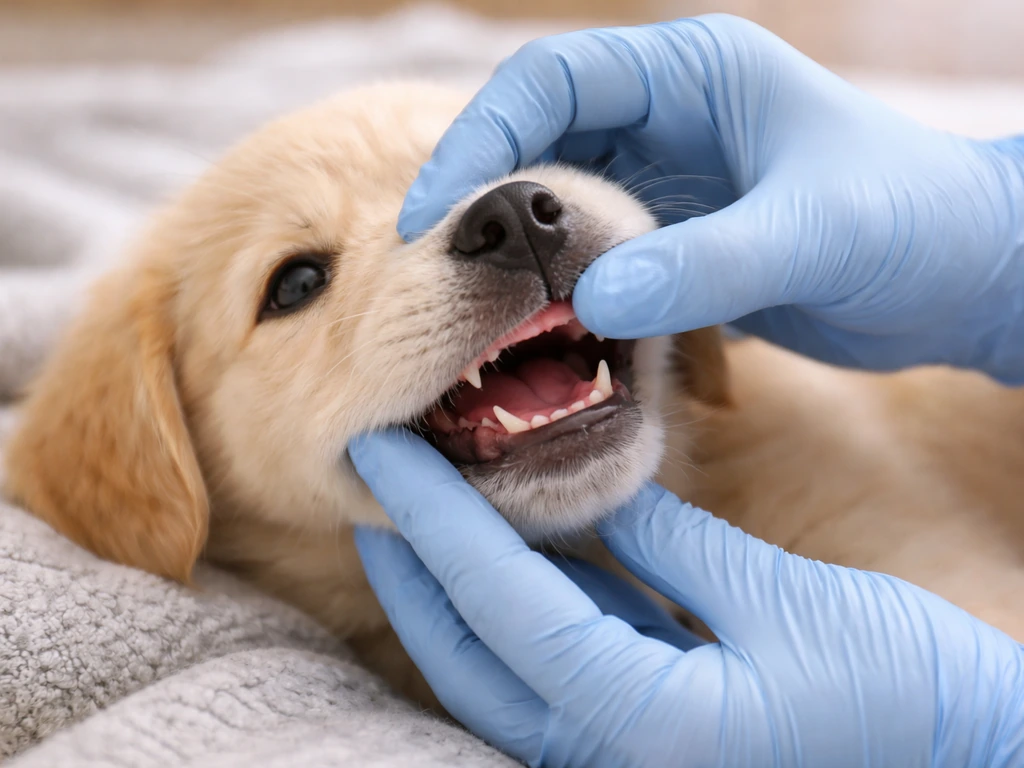
Relax a little, but still call your vet. If the lost tooth is a deciduous tooth and your puppy is between 3 and 7 months old, a permanent replacement should be on the way. However, trauma to the mouth during this stage can sometimes damage the developing permanent tooth underneath, so it's worth getting it checked. Your vet can confirm with x-rays that the permanent tooth bud is intact.
If it's a knocked-out adult tooth
This is a genuine dental emergency. Unlike a puppy tooth, a knocked-out adult dog tooth will not grow back. The question becomes whether the tooth can be reimplanted by a veterinary dentist if you act fast enough. If you find the tooth, do not let it dry out.
The best immediate step is to place it in fresh whole milk, which helps keep the periodontal ligament cells on the root surface alive for up to roughly 6 hours. UPenn’s Ryan Veterinary Hospital also advises that an avulsed tooth be placed in a transport medium such as fresh milk, which helps keep periodontal ligament cells vital for up to about 6 hours until arrival [place it in fresh whole milk](https://www. vet. upenn.
edu/veterinary-hospitals/ryan-veterinary-hospital/services/dentistry-oral-surgery/research). Saline works as a secondary option. Do not wrap it in a dry cloth, do not clean it with soap or chemicals, and do not handle the root portion more than necessary. Get to a veterinary emergency clinic or a veterinary dentist as fast as possible.
Reimplantation isn't always successful or even attempted in dogs, but acting quickly gives you the best possible chance of having options.
If the tooth is chipped or fractured
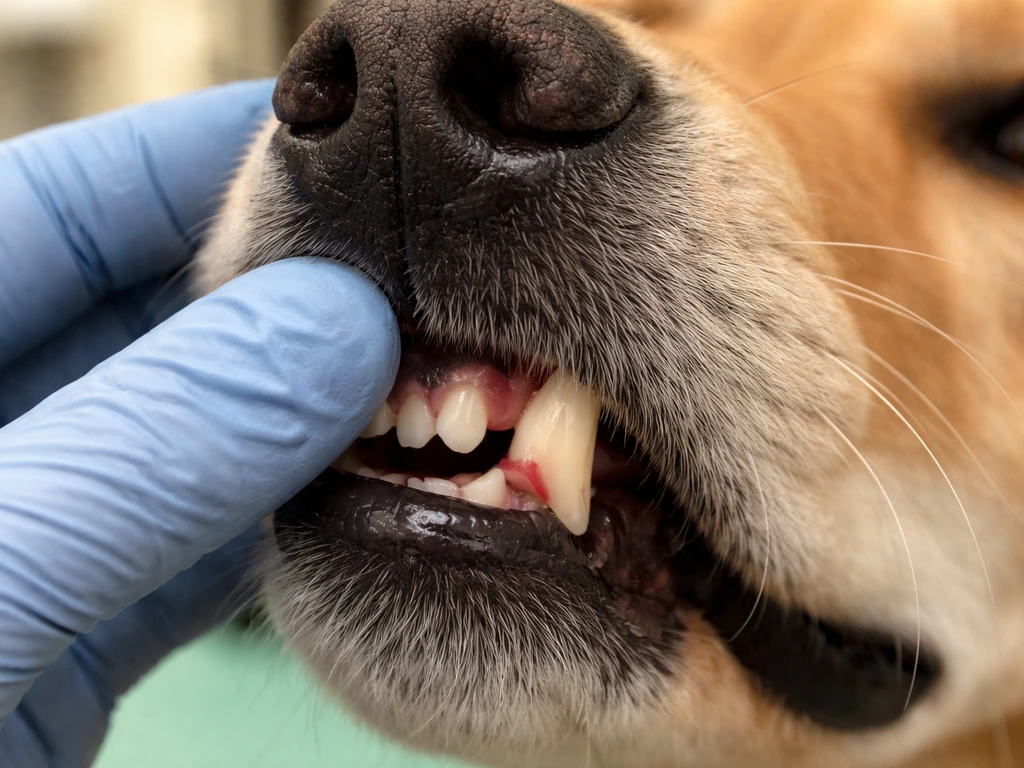
A chipped or fractured tooth needs a vet to assess it, even if your dog seems fine. The critical question is whether the fracture has reached the pulp, which is the innermost part of the tooth containing nerves and blood vessels. A fracture that exposes the pulp is painful and is an open pathway for bacteria to enter and cause infection.
Signs to watch for include reluctance to chew, pawing at the mouth, hypersalivation, a discolored tooth (pink, purple, or grey), facial swelling, or a visible draining tract near the tooth. Even a fracture that looks minor can involve the pulp, and only a dental examination (often with x-rays) can tell for sure. Untreated fractures can lead to pulp necrosis, bone involvement, and tooth loss, so "wait and see" is not a safe approach here.
Treatment options for fractured adult dog teeth include vital pulp therapy (if caught very quickly and the pulp is still healthy), root canal treatment, dental bonding or a crown to protect the remaining tooth structure, or extraction if the tooth is too damaged to save. The vet will recommend the right option based on the extent of the fracture, the dog's age and health, and whether the pulp is still vital.
Do dog gums grow back, and does enamel regrow?
Two questions that come up a lot alongside tooth loss, so let's tackle them directly.
Can dog gums grow back?
Gum tissue has some limited capacity to heal after minor injury, but receded gum tissue caused by periodontal disease, aggressive brushing, or trauma does not reliably grow back on its own. Once the attachment between the gum and the tooth is lost to periodontal disease, that tissue and the underlying bone that supports the tooth are generally gone for good without surgical intervention. Keeping your dog's gums healthy in the first place, through regular dental cleanings and home brushing, is far more effective than trying to recover lost tissue later.
Can tooth enamel regrow in dogs?
No. Enamel is formed before the tooth erupts, during tooth development. Once the tooth has erupted and enamel formation is complete, the cells responsible for producing it (ameloblasts) are gone. As one veterinary dentistry reference puts it plainly: enamel is created prior to tooth eruption and cannot be naturally repaired after teeth erupt.
This means a chipped enamel surface, a worn tooth, or enamel hypoplasia (underdevelopment of enamel) cannot heal itself. Vets treat enamel problems with dental bonding, composites, or protective sealants, not because these regenerate enamel, but because they physically cover and protect the exposed tooth surface underneath. If you've noticed rough, pitted, or discolored patches on your dog's teeth, that's a reason to book a dental exam, because those areas are vulnerable to bacterial infiltration and decay.
Myths and human comparisons: about those "canine teeth" that grow back
Here's something that trips people up: the word "canine" in dentistry refers to the pointy tooth type, not just to dogs. Humans have canine teeth too (one in each corner of both arches), and searches about "canine teeth growing back" sometimes blend dog questions and human questions together. Let's be clear on both.
In dogs, as covered above, puppy canine teeth are replaced by permanent canines during normal development. That replacement is biological and expected. Adult dog canines cannot regrow after loss or damage.
In humans, the situation is identical in terms of limits: adult canine teeth cannot naturally regrow. A human child who loses a baby canine will have a permanent canine come in, just as a puppy does. But an adult who loses or damages a permanent canine has no biological replacement coming. A dentist can restore, crown, or replace that tooth with an implant, but the body will not regenerate it. This is a common misconception, and it's worth setting straight, because the logic of "dogs grow replacement teeth so maybe humans can too" doesn't hold up once you understand that both species get exactly two sets and no more.
It's also worth knowing that the rules change dramatically across species. Curious about how dogs compare to other animals? Which animals' teeth actually grow back is a genuinely interesting topic, because some species (like sharks and crocodilians) can cycle through many sets of teeth throughout their lives, something neither dogs nor humans can do. And if you have a small animal household, you might be surprised to learn that guinea pigs' teeth grow back under very different biological rules than dogs, since guinea pigs have continuously growing (hypsodont) teeth that work nothing like canine dentition.
When to call the vet: a quick reference
- Your puppy loses a baby tooth and no permanent tooth appears within 2 to 3 weeks: check for impaction or development issues with x-rays.
- Your puppy has both a baby tooth and a permanent tooth in the same spot for more than a few days: retained deciduous tooth, needs extraction.
- Your adult dog knocks out a whole tooth: dental emergency, find the tooth, place it in milk, and get to a vet immediately.
- Any tooth is fractured or chipped, especially if the tooth looks discolored, the dog is reluctant to chew, or there is swelling near the jaw: vet exam with x-rays as soon as possible.
- You notice pitted, brown, or rough enamel on your dog's teeth: book a dental exam to assess for enamel hypoplasia or early decay.
- Receding gums, loose teeth, or bad breath that won't resolve: signs of periodontal disease that need professional dental cleaning and evaluation.
The bottom line is straightforward. If your dog is a puppy still going through teething, a lost tooth is likely part of normal development and a replacement is coming. If your dog is an adult with a full permanent set, any tooth loss or damage is permanent, and the right move is to get a vet involved quickly rather than waiting to see if anything grows back. The biology is clear on this, and the sooner a fractured or avulsed tooth is assessed, the more treatment options are on the table.
FAQ
How can I tell if my dog is still teething versus already an adult?
A practical check is age plus timing of eruption. If your dog is roughly between 3 and 7 months old, they are often in the baby-to-adult transition, and a missing baby tooth should usually be followed by a permanent tooth within days to a few weeks. If your dog is closer to 8 months or older and has a full adult dentition pattern, treat any knocked out or chipped tooth as permanent damage unless a vet confirms otherwise.
What if my puppy lost a baby tooth late, for example after 7 months, will it still grow back?
Replacement is most reliable during the active teething window, roughly 4 to 7 months. If a tooth is missing or shed after that range, do not assume a replacement will follow. Schedule a dental exam and x-rays to confirm the permanent tooth is developing normally and not impacted.
Is it normal for a baby tooth to stay in place while the permanent tooth is already coming in?
Sometimes it happens briefly, but if both teeth appear in the same spot and remain there for more than a few days, it can indicate a retained deciduous tooth. That scenario often requires extraction of the baby tooth to prevent crowding, misalignment, and delayed eruption.
My adult dog’s tooth looks loose. Could it still regrow if I wait?
A loose tooth in an adult dog is usually a sign of periodontal disease, trauma, or infection, not a missing tooth bud that will regrow. Waiting can worsen attachment and bone loss, so a dental exam is important even if the tooth is not fully broken.
What should I do if a dog loses a permanent tooth and I cannot find the tooth root?
If the tooth is missing, or you cannot retrieve it, the emergency step shifts from reimplantation to evaluation. Veterinary dental assessment is still important to check for retained fragments, soft tissue trauma, and infection, which can occur even when the crown is gone.
For a knocked-out adult tooth, is whole milk really safe to use immediately?
Yes, whole milk can be used as an emergency transport medium. The key is keeping the tooth from drying out and getting to a veterinary emergency clinic quickly. Do not use soap, do not scrub the tooth, and do not handle the root more than necessary.
Can dental x-rays wait until the next scheduled appointment?
If your dog has a fractured tooth, retained deciduous tooth, or a suspicious delayed eruption, x-rays are often time-sensitive because pulp exposure, impacted teeth, and root problems cannot be reliably judged by sight. For best decision-making, ask the vet about obtaining dental radiographs promptly rather than waiting weeks.
How do I know if a chipped tooth in my adult dog is just superficial enamel versus a pulp injury?
Look for red flags rather than relying on appearance alone. Pain behaviors like reluctance to chew, pawing at the mouth, hypersalivation, discoloration (pink, purple, or grey), and facial swelling suggest pulp involvement or infection risk. Only an exam with imaging can confirm, because seemingly small fractures can reach the pulp.
Does aggressive brushing or dental treats ever cause teeth to recede and “grow back”?
Receded gum tissue does not reliably regenerate once the attachment and supporting bone are lost, so the goal is prevention and stabilization, not regrowth. If you see bleeding gums, persistent bad breath, or recession, switch to a vet-guided dental plan rather than trying to reverse it at home.
My dog has brown or yellow spots and rough enamel. Does enamel regrow if I improve brushing?
Enamel does not naturally repair after the tooth has erupted, and color or roughness can reflect wear or early decay pathways. Better brushing helps slow progression and reduce bacterial load, but it does not rebuild enamel, so a dental exam is still recommended if you notice pitted, rough, or discolored areas.
Next Articles
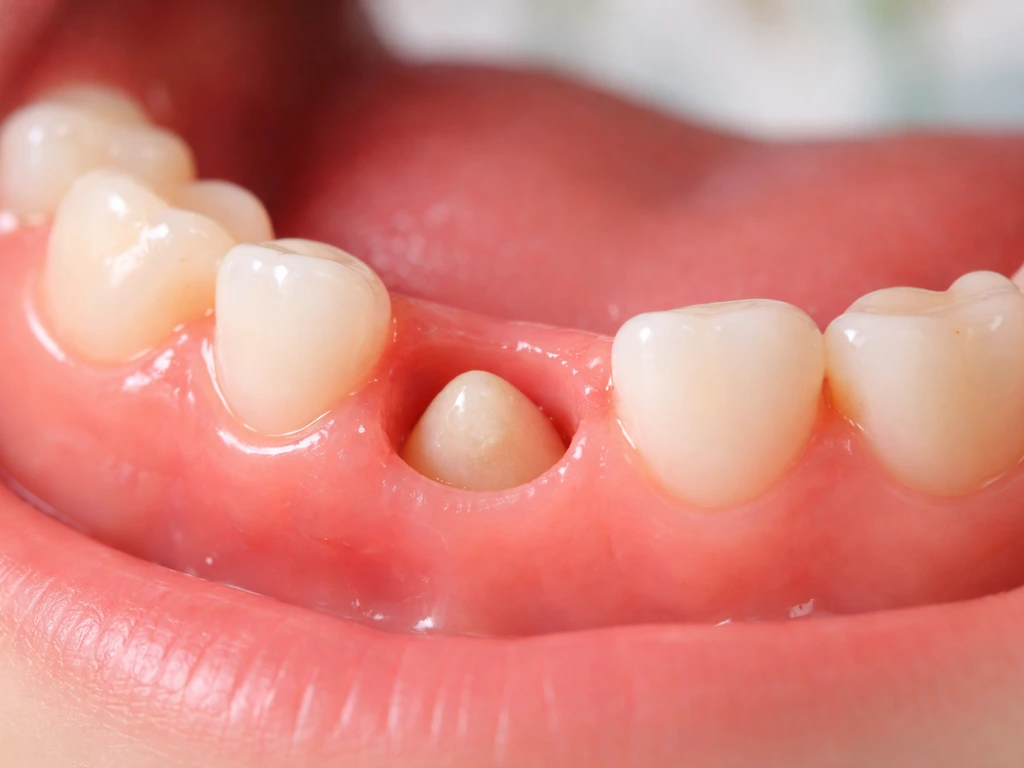
Do Milk Teeth Grow Back? Timelines, What to Do, Red Flags
Learn if milk teeth regrow, typical timelines for permanent teeth, what to do after loss or injury, and red flags.
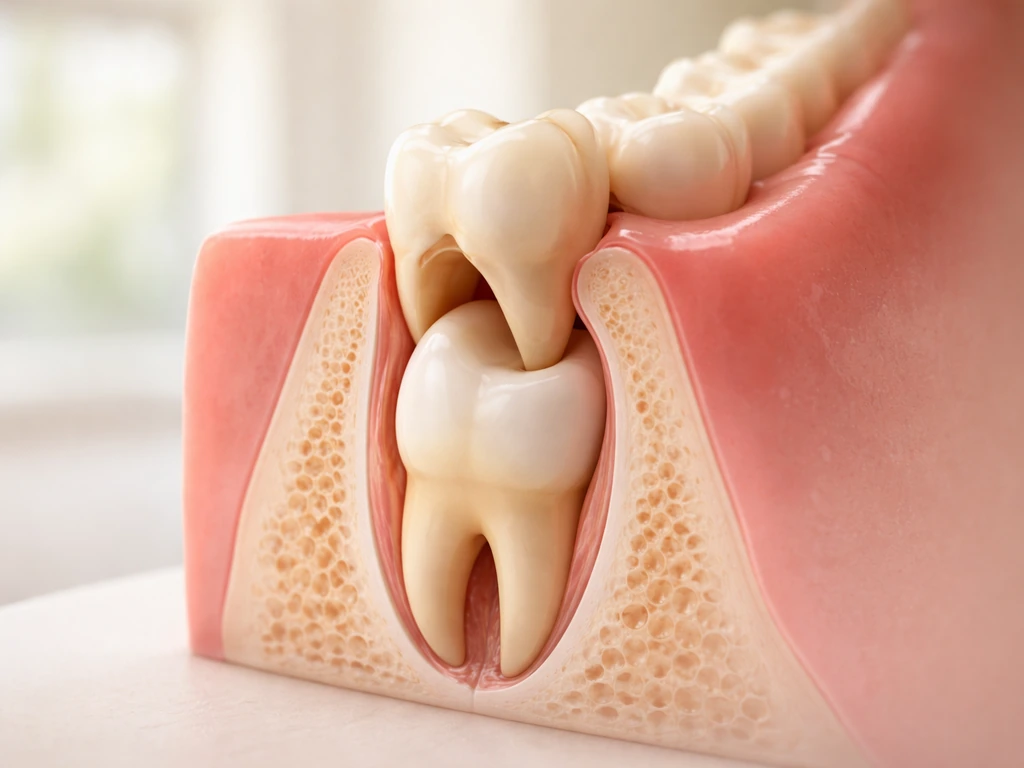
Can Milk Teeth Grow Twice? Replacement vs True Regrowth
Can milk teeth grow twice? Learn why baby teeth usually only get replaced, not regrown, and what to do if one falls out
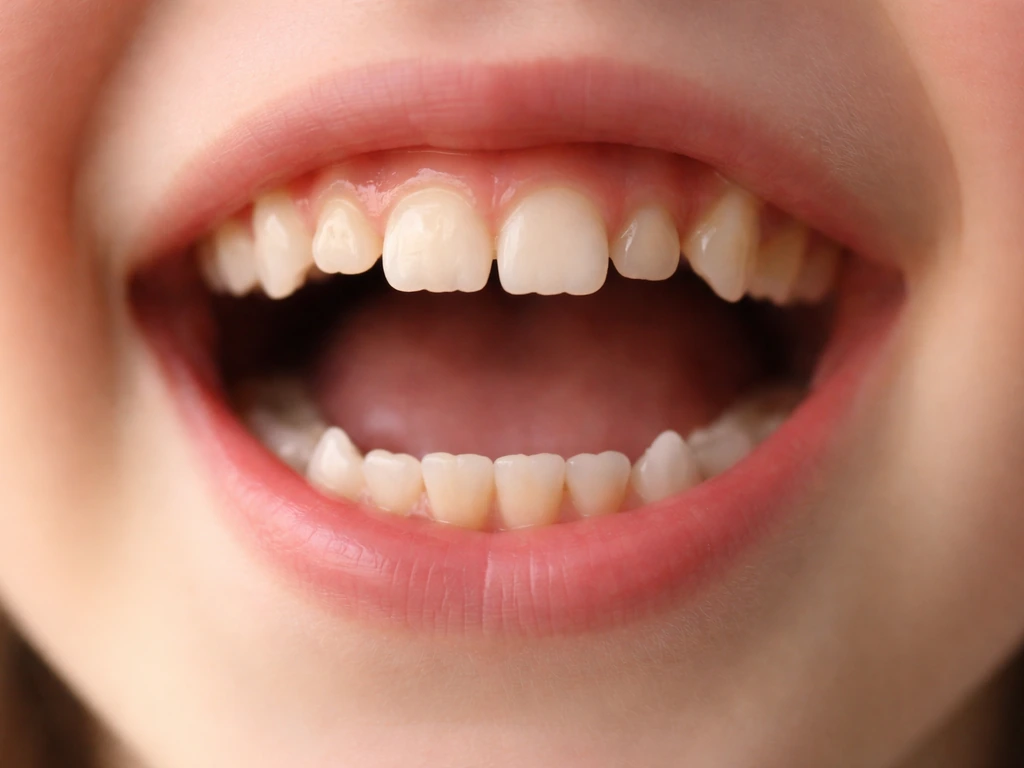
Why Do Teeth Only Grow Twice? Baby vs Permanent Explained
Why humans have only baby and permanent teeth: eruption timeline, limits of enamel regrowth, and common exceptions to kn