
No, adult lion and tiger teeth do not grow back. Once a big cat loses a permanent tooth, that tooth is gone for good, exactly the same as it is for adult humans. What lions and tigers do have is one round of tooth replacement early in life, where baby teeth (deciduous teeth) are swapped out for permanent adult teeth. After that window closes, there is no second chance. A damaged or missing adult canine on a wild lion is a permanent, life-altering injury.
Do Lions Teeth Grow Back? Big Cat Teeth Explained

Marcus Holloway
11 May 2026
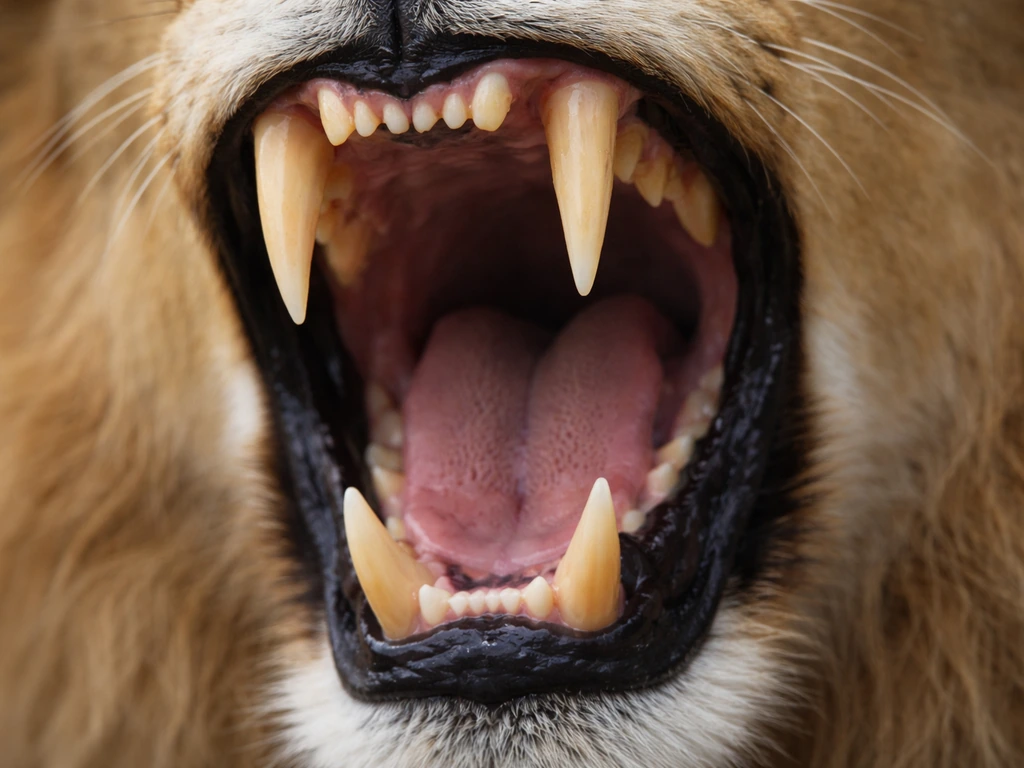
The lion answer: one replacement, then that's it
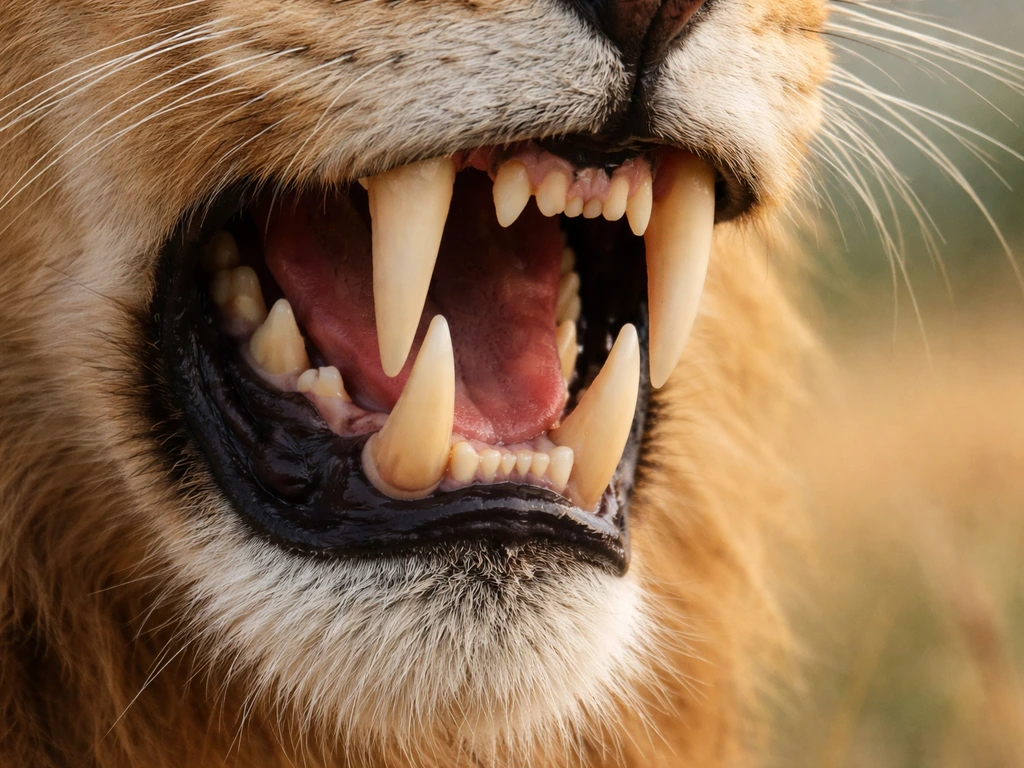
Lions are diphyodonts, which means they get exactly two sets of teeth across their lifetime: a set of deciduous (milk) teeth as cubs, and a permanent set that replaces them during their first two to three years of life. Research on African lions published in peer-reviewed zoology literature shows that permanent dentition is largely complete by around age two, with one notable exception: the iconic canine teeth, which are not fully erupted until roughly three years of age. Once those canines are in, there is no further tooth development happening. An adult lion that cracks or loses a permanent tooth does not generate a replacement. Zoo veterinarians and wildlife managers treat tooth damage in adult big cats as an injury requiring veterinary intervention, not a condition that resolves itself.
This matters practically for wild lions because their canines are critical for hunting and killing prey. A lion that loses a canine tooth in adulthood has genuinely reduced hunting ability for the rest of its life. The tooth does not regenerate. Tooth wear and condition are actually used by researchers as aging tools precisely because the deterioration is a one-way process: teeth only wear down and don't renew.
The tiger answer: same biology, same limits
Tigers follow the same diphyodont pattern as lions. Documented tooth eruption sequences in tigers show a clear transition from deciduous to permanent teeth during early development, and that pattern is used for age determination in both wild and captive populations. The AZA Tiger Care Manual, which guides veterinary care in accredited zoos, includes routine dental examinations specifically because tooth problems in adult tigers are treated as medical issues. Zoo staff are not waiting for new teeth to appear. Broken or missing permanent teeth in adult tigers get the same professional attention a human would need: veterinary dental procedures, not natural regrowth.
The structural dental biology of lions and tigers is very similar. Both are large felids, both follow the standard mammalian two-set pattern, and neither retains any biological mechanism to generate a third set of teeth in adulthood.
"Grow back" vs. tooth replacement: these are not the same thing
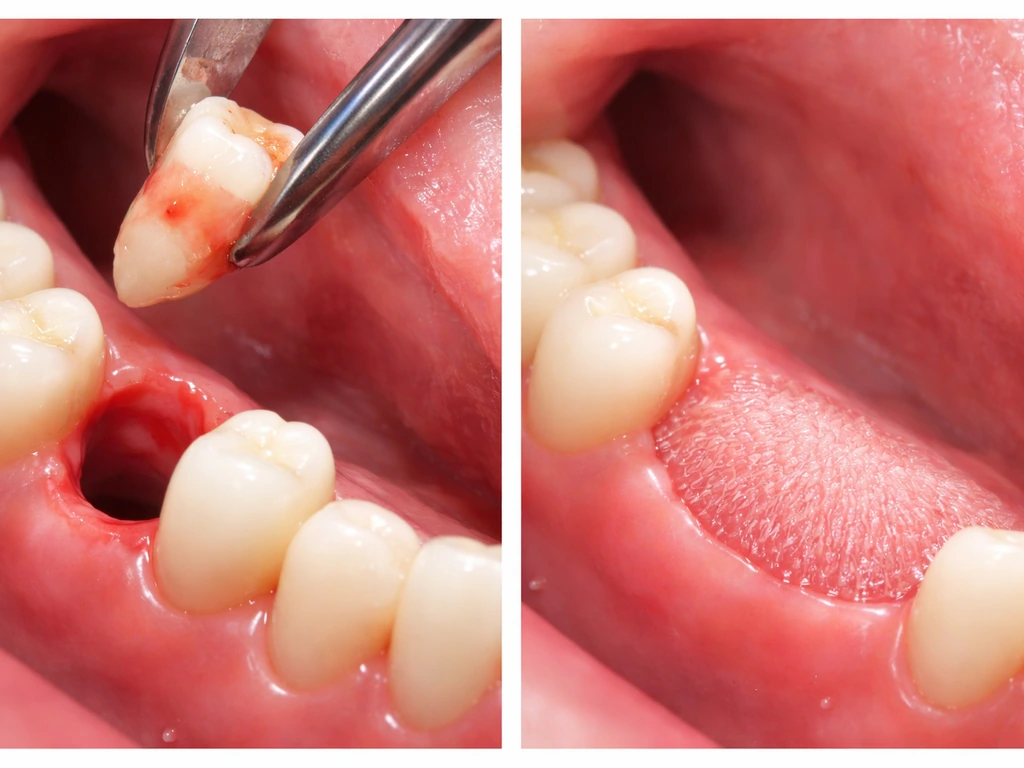
Here is where a lot of confusion starts. When people ask whether lion or tiger teeth "grow back," they sometimes mean two very different things, and the answer depends on which one you mean.
- Tooth replacement: a pre-programmed developmental event where one tooth type (baby teeth) is replaced by another (permanent teeth). This happens in all mammals, including lions, tigers, and humans. It is not regrowth, it is a scheduled swap that happens during a fixed developmental window.
- True regrowth or regeneration: the ability to produce an entirely new tooth after the permanent set is lost. This requires a maintained population of dental stem cells or progenitor tissue capable of forming a new tooth germ on demand. Mammals, including big cats and humans, have largely lost this capacity over evolutionary time.
- Remineralization: a surface-level process where minerals are deposited back into early enamel lesions. This is real and useful for preventing cavities from progressing, but it is not the same as regrowing a tooth or even rebuilding lost enamel in bulk.
Scientific reviews on tooth replacement in amniotes (the group that includes reptiles, birds, and mammals) make this distinction clearly. Fish and many reptiles are polyphyodonts: they can cycle through multiple sets of teeth throughout life because they maintain the progenitor tissue needed to keep making new teeth. Mammals evolved away from this. The working explanation in developmental biology is that mammals traded repeated tooth generation for more complex, precisely shaped permanent teeth better suited to their diets. The cost is permanent vulnerability in adulthood.
Cubs vs. adults: how age changes everything
A lion cub or tiger cub losing a baby tooth is not a crisis. It is supposed to happen. The deciduous teeth come in first, serve the animal while it is nursing and learning to eat solid food, and then the permanent teeth push through and replace them. For lions, this process is mostly wrapped up around age two, with canines completing the picture around age three. During this developmental window, you could reasonably say a tooth is "replaced," but that is not the same as a lost permanent tooth growing back.
Once a big cat has cleared that developmental window and its permanent dentition is in place, the equation changes completely. If you are wondering how did genya tooth grow back, it is usually a misunderstanding of early tooth replacement versus true adult tooth regrowth. Tooth loss after that point is an adult problem with no biological solution built into the animal's development. This is the same rule that applies to humans: a child losing a baby tooth will be fine, but an adult losing a permanent molar is facing a permanent gap unless a dentist intervenes.
Why mammal teeth don't just regenerate like other tissue
Tooth formation is one of the most complex developmental processes in vertebrate biology. Teeth are not built from one tissue type. They involve enamel (the hardest substance the body makes), dentin, cementum, and the pulp, each produced by different specialized cell populations that do their job during development and then largely disappear or become inactive.
Enamel is the clearest example of this biological dead end. The cells that build enamel, called ameloblasts, produce the enamel matrix during tooth development and then withdraw and die after the tooth erupts. Once you are past that stage, there are no living ameloblasts left to produce new enamel. The enamel on an adult lion's canine, or your own back molar, is a fixed amount. It can undergo minor mineral exchange on the surface (remineralization), but bulk enamel loss is permanent. This is why a cavity that breaks through the enamel surface requires a filling: the body genuinely cannot repair it on its own.
For the whole tooth to regrow, the body would need to re-activate the original developmental signaling pathways, form a new tooth germ, cycle through the entire development process again, and erupt a new tooth into the jaw. Mammals simply do not have the biological machinery to do this after the permanent dentition is established. Stem-cell and dental tissue research is exploring whether tooth regrowth could be re-engineered, but it is not something that naturally helps adult animals regain lost teeth like a specific character would. Stem-cell and dental tissue research is actively exploring whether this capacity could be re-engineered, and as of 2025 and into 2026, the NIDCR frames dental regeneration work as experimental and future-facing, not something that happens naturally or is available clinically today.
How to find credible sources and read claims about tooth regrowth
If you are researching this topic and want to evaluate what you find online, a few things to watch for:
- Look for the distinction between "replacement" and "regeneration." A source that conflates the two is usually not reliable. Replacement is a developmental event in juveniles. Regeneration is an active re-creation of a tooth from scratch in an adult.
- Check whether the claim applies to juveniles or adults. Many accurate statements about big cat teeth (like "lions grow new teeth") refer specifically to the baby-to-permanent transition in cubs. That same statement applied to adult lions is false.
- Check the species carefully. Claims about polyphyodonts (sharks, crocodilians, some lizards) are real and accurate for those species. Applying that biology to lions, tigers, or humans is a category error.
- For zoo and captive animal claims, the AZA species care manuals are high-quality sources. Peer-reviewed dental anatomy and tooth eruption studies are available through PubMed/PMC for both lions and tigers.
- For human dental claims, the NIDCR (National Institute of Dental and Craniofacial Research) and peer-reviewed journals in oral science are the most reliable baselines.
Be skeptical of social media posts or general wildlife sites that say adult big cats "can regrow teeth" without specifying the developmental context. The accurate version of that claim is narrow: cubs replace baby teeth with permanent teeth during a fixed developmental window. That's it.
How this compares to humans: the same limits, the same frustrations
Humans are in exactly the same biological boat as lions and tigers. You get baby teeth (20 of them), you get a permanent set (up to 32, including wisdom teeth), and after that the system is closed. The adult enamel you have is the enamel you will ever have naturally. A lost permanent tooth is a permanent loss without dental intervention. Enamel erosion, cavities that breach the enamel surface, and missing adult teeth all require professional treatment because the body genuinely does not have the tools to fix them on its own.
This comes up frequently in the same conversations as questions about whether gums can regenerate after recession (limited and tissue-type dependent), whether enamel can be rebuilt (surface remineralization only, not bulk regrowth), and whether the permanent teeth themselves can regrow (no, not with any current clinical method). Experimental research into dental stem cells and tooth bud regeneration is ongoing, and it is genuinely exciting science, but it is not available as a treatment today.
The parallel is worth remembering the next time someone says "animals can regrow teeth, why can't we?" Most mammals cannot. The ones that can, like sharks or crocodiles, are evolutionarily very distant from us and have entirely different tooth architectures and replacement mechanisms. Lions and tigers, despite being large powerful predators, face the same permanent consequences of adult tooth loss that humans do. For a wild lion, a broken canine can be fatal. For a human, it means a call to the dentist. The underlying biology is the same.
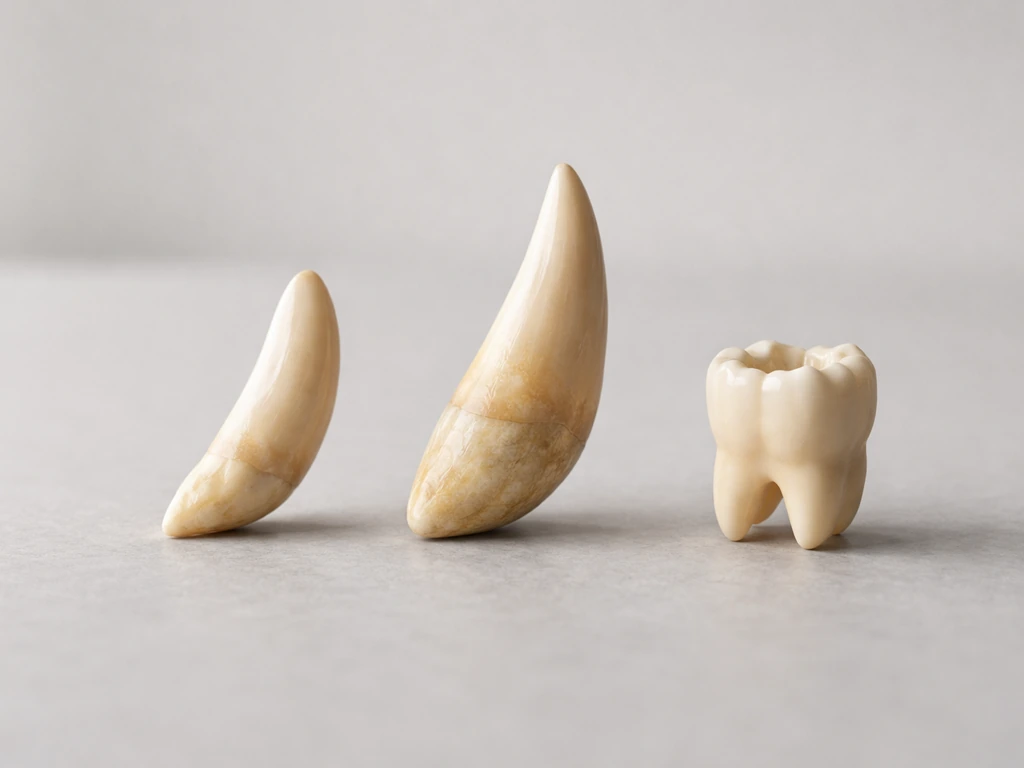
Quick comparison: lions, tigers, and humans side by side
| Feature | Lions | Tigers | Humans |
|---|---|---|---|
| Tooth sets in lifetime | 2 (deciduous + permanent) | 2 (deciduous + permanent) | 2 (deciduous + permanent) |
| Permanent dentition complete by | ~2 years (canines ~3 years) | Similar early developmental timeline | ~12-13 years (wisdom teeth up to ~25) |
| Adult tooth lost: natural regrowth? | No | No | No |
| Enamel rebuilds after loss? | No (surface remineralization only) | No (surface remineralization only) | No (surface remineralization only) |
| Tooth loss in adulthood treated as | Injury/veterinary case | Injury/veterinary case | Dental condition requiring professional care |
| Polyphyodont (unlimited cycles)? | No | No | No |
If you are curious how these questions play out across other animals, the biology gets genuinely varied. Rabbits, for instance, have continuously growing incisors (a different mechanism entirely from tooth replacement), while hamsters share some of the same continuously growing incisor biology. Unlike rabbits and some rodents, big cat incisors do not regrow after permanent tooth loss continuously growing incisors. That hamster tooth-growth system does not mean hamsters can regrow their teeth in the same way as people imagine for missing adult teeth hamsters teeth grow back. That means rabbits do not “grow back” lost teeth in the way people often imagine, even though their front incisors keep growing Rabbits, for instance, have continuously growing incisors. Bears are diphyodonts like lions and humans. Each of those comparisons has its own nuances, but the core rule for big cats stays consistent: one swap early in life, then the permanent teeth are all they get.
FAQ
Do lion cubs ever lose teeth that regrow, or is it only the normal baby-to-adult replacement process?
In lion cubs, the only natural “regrowth” is the planned switch from deciduous teeth to permanent teeth during early development. If a permanent tooth is already present and a later loss occurs, that tooth will not be replaced. A cub’s missing tooth is usually temporary because it is part of that normal developmental swap.
If an adult lion’s canine looks worn down, does that count as the tooth “growing back”?
No. Wear reduces the tooth’s height and structure, it does not regenerate. Lions can develop new surface mineralization, but it cannot rebuild lost enamel or recreate the original tooth shape, so aging based on teeth reflects a one-way deterioration.
Can adult lions regrow enamel if the surface gets eroded or chipped?
Surface mineral changes can happen, but bulk enamel loss and cracks through the enamel are permanent. That means a chipped canine tip or a cavity that breaches the enamel surface is unlikely to self-correct, and in managed settings it is treated as an injury or medical problem.
What should I conclude if I see a video claiming a “lion regrew its teeth” after an injury?
First, check whether the animal was still in the cub age range. If it was an adult with permanent dentition already erupted, the claim is almost certainly misleading or misinterpreted. Sometimes caregivers confuse shedding, minor debris, or changes in tooth position during healing with true tooth replacement.
Do tigers also replace teeth only once, or do they have any additional replacement later in life?
Tigers follow the same basic diphyodont pattern as lions: one early replacement window from baby teeth to permanent teeth, then no further natural replacement in adulthood. Adult tooth damage is therefore handled through veterinary dental care rather than expecting regrowth.
Are there any natural ways a wild lion might compensate if it loses an adult canine?
Behavioral adaptation can help, but it does not restore the missing tooth. Lions may alter hunting style, target selection, or rely more on group hunting when possible, yet tooth loss still reduces effectiveness because the canine’s role in killing and holding prey is not replaced biologically.
Does stem-cell or future tooth regeneration research mean adult lions could regrow teeth someday?
Research is exploratory and not a natural, automatic ability for adult mammals, including lions. Even in humans, regeneration approaches are not standard clinical treatments, and they would require reactivating complex developmental pathways and forming a new tooth germ.
In humans, what’s the closest real-world parallel to “baby tooth loss” versus “adult tooth loss”?
Losing a baby tooth during childhood is generally safe because the permanent tooth is already scheduled to erupt. Losing a permanent tooth in adulthood creates a permanent gap unless a dentist intervenes with options like implants, bridges, or dentures, because the natural replacement program is already closed.
Do big cats have continuously growing teeth like rabbits, so they could theoretically keep having new incisors?
No, big cats are not continuous-growers. Rabbits have continuously growing incisors due to a different tooth biology. Big-cat incisors, canines, and molars follow a fixed replacement window in early life, then stop, so lost adult teeth do not keep growing back.
Next Articles
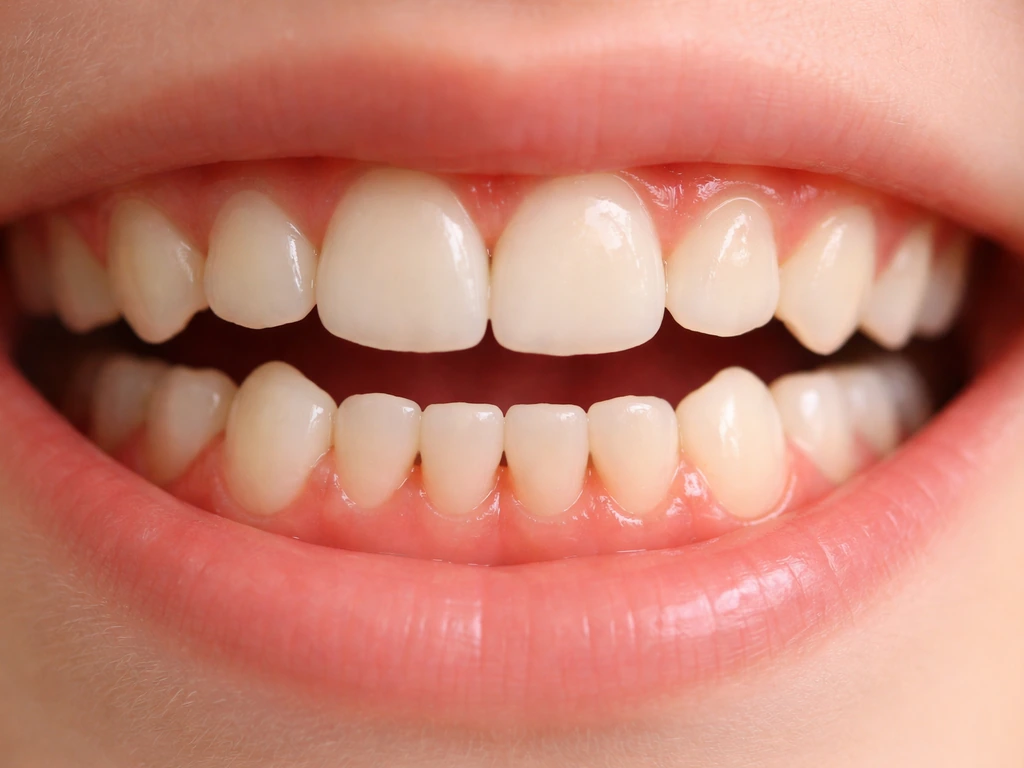
How Many Times Do Your Teeth Grow Back? Facts
Teeth rarely regrow after permanent set: most people get one replacement only. Learn limits, myths, and what to do next.
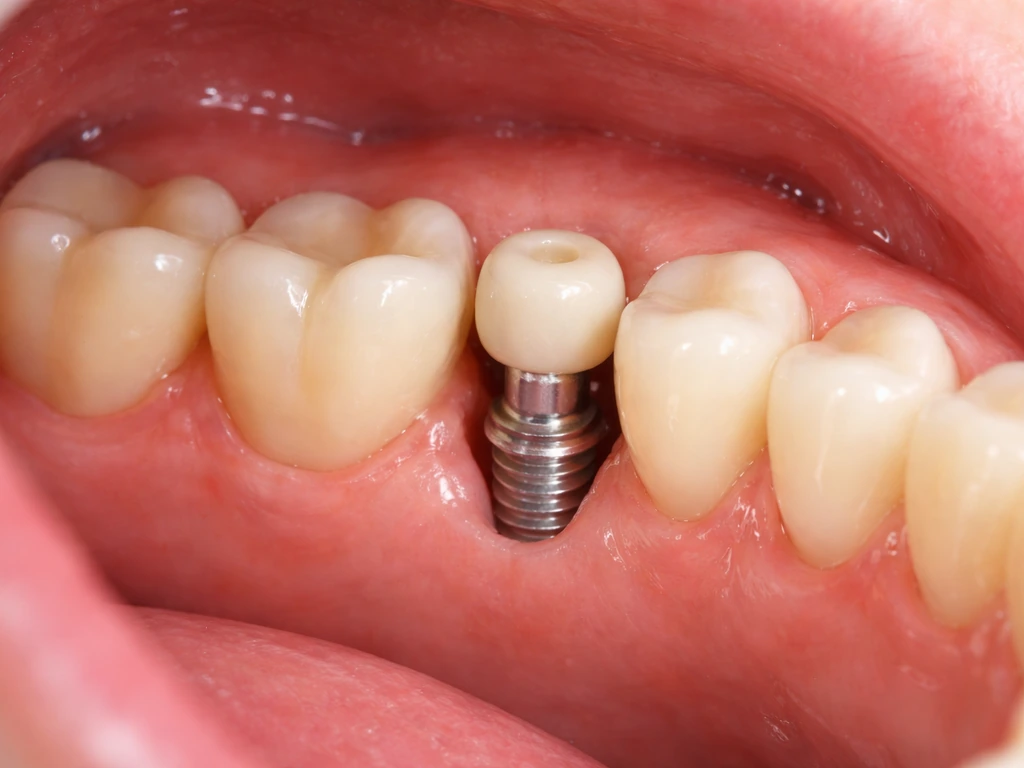
Can Humans Grow New Teeth Today? What Science Can Do
Can humans grow new teeth? Evidence on regeneration science, what works today, and realistic replacement options
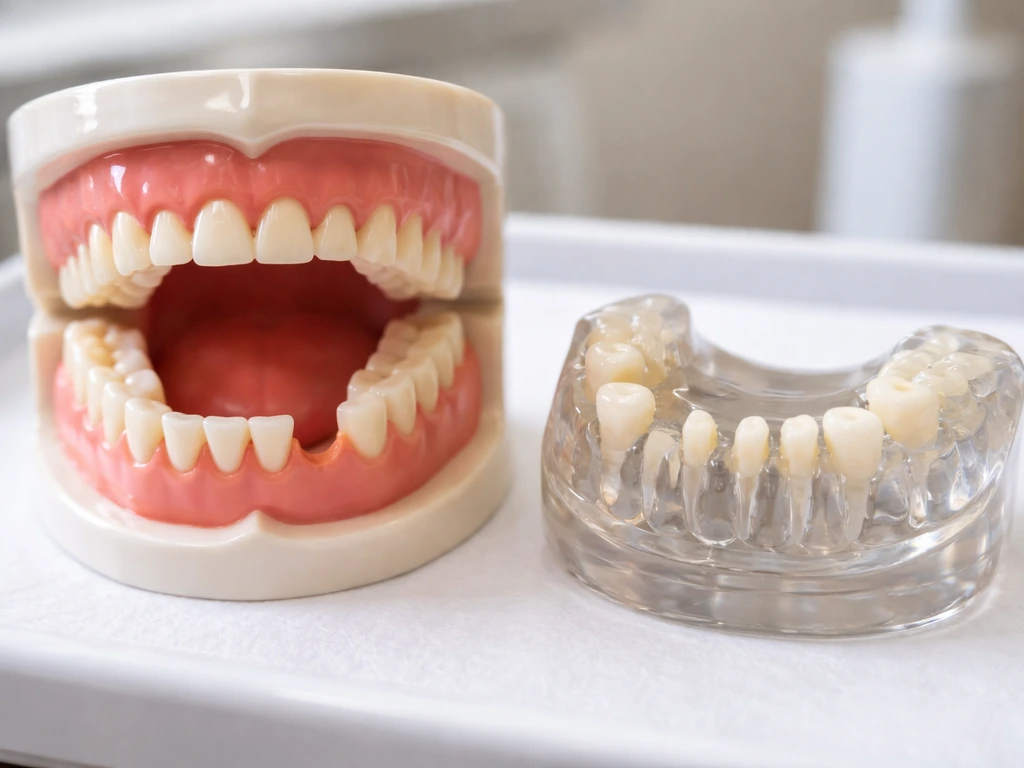
Why Can’t Humans Grow More Teeth and What to Do Now
Learn why humans don’t grow back adult teeth, what natural healing can do, and today’s options like implants and bridges