
Rabbit teeth do not grow back after extraction the way you might hope. Once a tooth is pulled, it is gone for good. But here is where it gets interesting: rabbits have continuously growing teeth, meaning the remaining teeth never stop erupting throughout their entire lives. So "do rabbit teeth grow back" actually has two very different answers depending on what you are really asking, and getting that distinction right matters a lot for how you care for your rabbit.
Do Rabbits Teeth Grow Back? Regrowth After Extraction

Marcus Holloway
12 May 2026
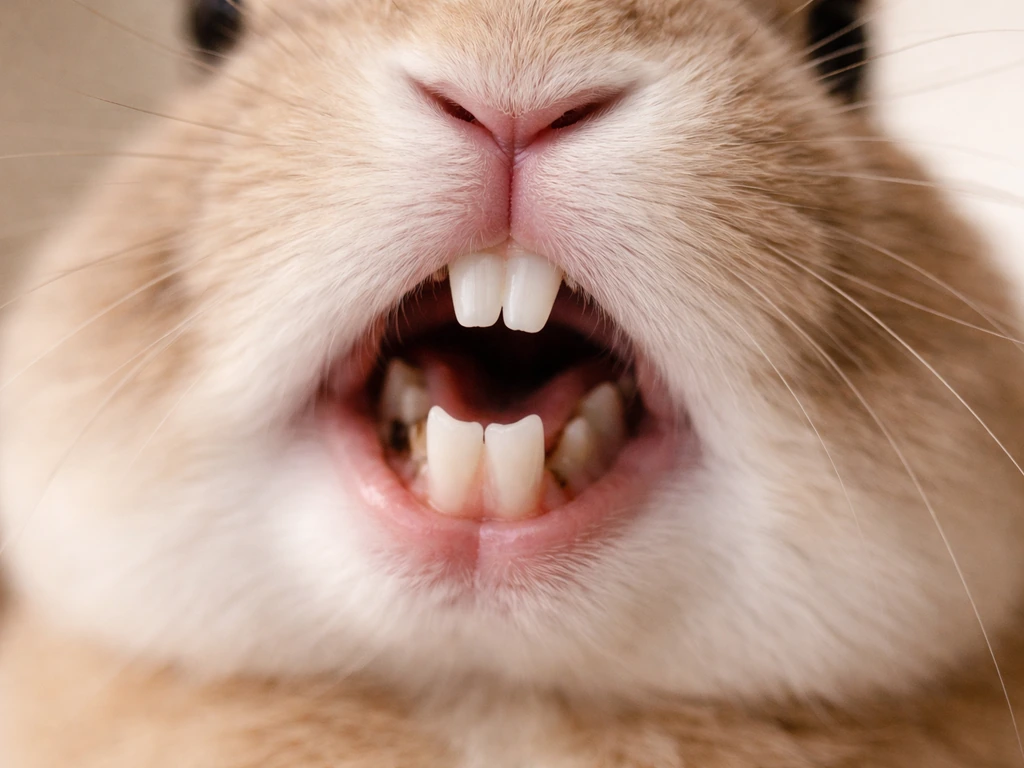
Rabbit teeth basics: what you are actually dealing with
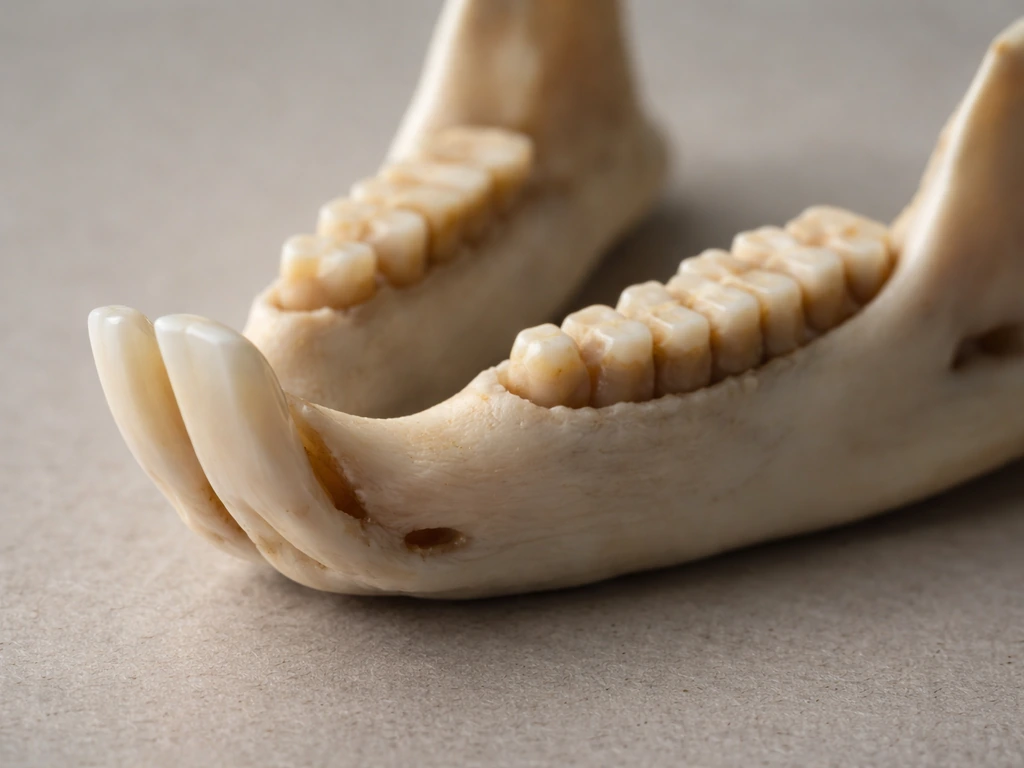
Rabbits belong to the order Lagomorpha, and like their rodent neighbors, they have what veterinary dentists call "blank" rel="noopener noreferrer">aradicular hypsodont" teeth. That phrase just means the teeth are open-rooted (no fixed anatomical root the way human teeth have) and high-crowned, with enamel extending well past the gum line. Because the roots stay open, germinal cells at the base of each tooth keep producing new tooth material for the rabbit's entire life. The result is a tooth that is always growing, always erupting upward, and entirely dependent on wear from chewing to stay at a functional length.
Rabbits have two types of teeth that matter here: incisors (the front teeth you can easily see) and cheek teeth (premolars and molars, hidden further back). Both sets grow continuously. Rabbit incisors grow at roughly 2 mm per week, which sounds slow until you realize that without proper wear, that adds up to serious overgrowth in a matter of weeks. The cheek teeth grow more slowly but can cause just as much trouble when they go wrong.
What "growing continuously" actually means (and what it does not)
This is where a lot of rabbit owners get confused, and honestly the confusion is understandable. When people hear "rabbit teeth keep growing," they sometimes picture the tooth regenerating after it is removed, like a reptile regrowing a limb. That is not what is happening. Continuous growth means the existing tooth structure erupts progressively from the jaw, compensating for the material worn away by chewing. The germinal cells at the base are not creating a brand-new tooth from scratch; they are extending the same tooth structure that is already there.
Think of it like a mechanical pencil. The lead (the visible tooth) gets worn down as you write (chew), and you push more lead up from inside the barrel (the jaw). If you snap the pencil in half and remove the lead, pushing the mechanism does not put lead back. The same logic applies to rabbit teeth: once extraction removes the tooth entirely, there is nothing left to push up. The germinal tissue may still be in the jaw socket after extraction, and in some cases a remnant or spur of tooth material can appear, but this is not a functional new tooth. It is essentially biological debris, not regrowth.
This is a meaningful contrast to animals like sharks, which cycle through completely new replacement teeth, or to humans losing baby teeth and growing a full permanent set. Rabbits only get one set of teeth. There is no second set waiting in reserve. This makes rabbit dental health especially high-stakes compared to, say, a hamster, whose incisor situation is similar but whose overall dental anatomy differs slightly. Because hamster incisors also grow continuously, the continuous-growth concept helps explain why overgrowth and wear issues can become a problem there too. Some readers curious about other small animals also ask whether hamster teeth grow back, and the continuous-growth model applies there too, though the specifics differ.
Can rabbit teeth grow back after extraction?
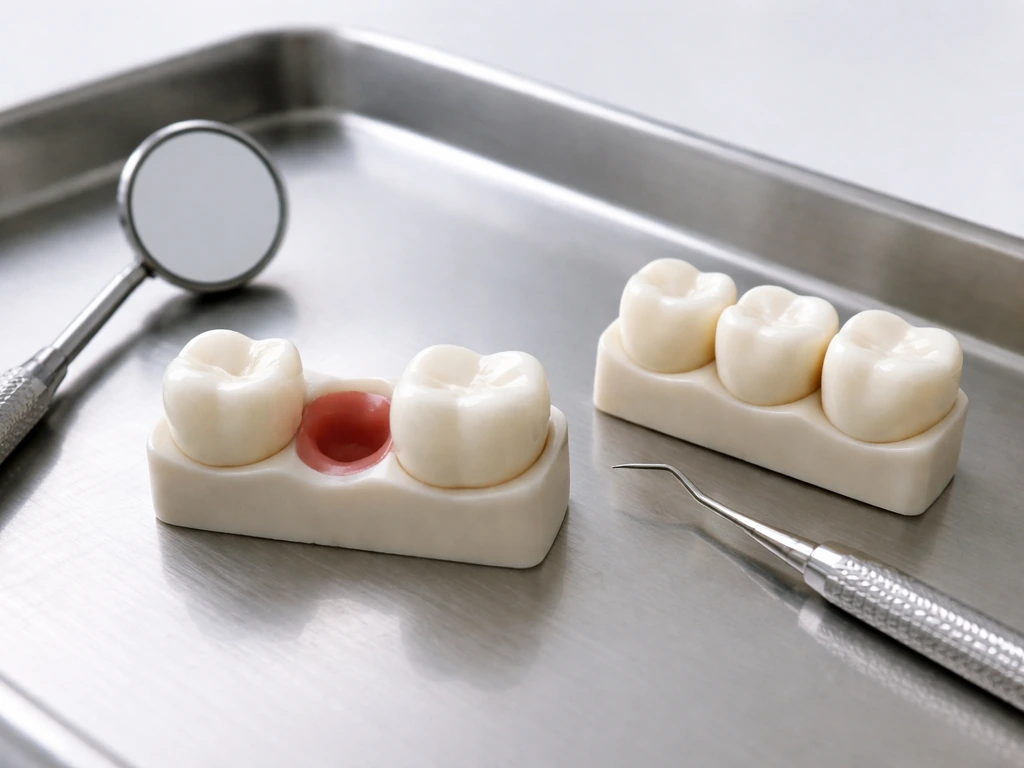
No. Cases like did Gypsy Rose's teeth grow back are common questions, but in general tooth extraction does not mean normal regrowth No.. If a rabbit's tooth is extracted, it will not regenerate. The tooth is gone. What happens next depends on which tooth was removed and the overall health of the remaining dentition.
For incisors specifically, extraction is actually a common and sometimes intentional treatment for malocclusion (misalignment). When the incisors do not meet correctly, they cannot wear each other down, and they overgrow into dangerous curved spikes. Vets sometimes extract all four incisors in severe cases. After extraction, many rabbits adapt remarkably well, using their tough lips and prehensile tongue to manage food. They can still eat hay, pellets, and leafy greens, though they may need some adjustments in how food is offered.
For cheek teeth, extraction is less common but does happen. Loss of a cheek tooth creates a gap that can allow the opposing tooth (the one it was wearing against) to overgrow, because now there is nothing to grind against. This is called a "step" in the dental arcade, and it typically requires ongoing veterinary management, including periodic filing (known as dental burring) to keep the remaining teeth at safe lengths.
The bottom line for extraction: expect no regrowth, plan for management of the remaining teeth, and work closely with a rabbit-savvy vet to monitor how the mouth adapts.
When tooth growth goes wrong
Because rabbit teeth rely entirely on wear, anything that disrupts the normal grinding motion creates a problem. Malocclusion is the main culprit. It can be congenital (the rabbit was born with a jaw shape that prevents correct tooth alignment), acquired (from trauma, infection, or metabolic bone disease), or progressive (teeth slowly drifting out of alignment as the animal ages).
Cheek tooth problems are particularly sneaky. Unlike incisor overgrowth, which you can sometimes spot by looking at your rabbit's face, cheek teeth issues hide in the back of the mouth. The first signs are often behavioral and physiological rather than visual.
- Reduced appetite or dropping food while trying to eat (called "quidding")
- Weight loss over days or weeks
- Drooling or a wet chin
- Runny or watery eyes (cheek tooth roots sit close to the tear ducts)
- Preference for soft food over hay
- Grinding teeth (bruxism) outside of normal light tooth purring
- Visible incisor spurs or curved teeth at the front of the mouth
- Reluctance to be touched around the jaw or face
Any combination of these signs is reason enough to call a vet. Dental disease in rabbits progresses fast, and waiting even a week or two can mean the difference between a straightforward burring procedure and a serious abscess requiring surgery.
What to do right now: vet visit vs. home observation
If your rabbit just had a tooth extracted and you are wondering what to expect, the immediate answer is: follow your vet's aftercare instructions exactly, offer softer food for the first few days, and monitor weight daily by gently feeling the spine and hip bones. A rabbit losing weight rapidly after dental surgery needs to go back to the vet, not be watched longer at home.
If you are reading this because you have noticed something off with your rabbit's teeth or eating habits, here is how to triage at home before you get to a vet:
- Look at the incisors in good light. They should meet evenly, be roughly the same length, and curve slightly inward. If they are crossing, look like curved fangs, or are wildly uneven, call a vet today.
- Check the chin and dewlap for wetness or fur loss from drool. Drooling in a rabbit is almost always a dental signal.
- Weigh your rabbit on a kitchen scale. Record it and weigh again in 24 hours. A drop of more than 50 grams in a day is a red flag.
- Watch your rabbit eat. Does it drop food? Does it chew on one side only? Does it approach the food bowl and then walk away?
- Do not try to probe or open the cheek area yourself. Rabbits have very small mouths and fragile cheek tissue, and you will not be able to see the cheek teeth safely at home.
Go straight to an emergency exotic animal vet (not a standard dog-and-cat clinic) if your rabbit has not eaten in more than 12 hours, has visible facial swelling, is showing signs of GI stasis (no droppings, hunched posture, bloated abdomen), or is in obvious pain. Rabbits that stop eating can develop gut stasis very quickly, which is a life-threatening condition. Dental pain is one of the most common reasons rabbits go off food.
Long-term care to keep teeth wearing down properly
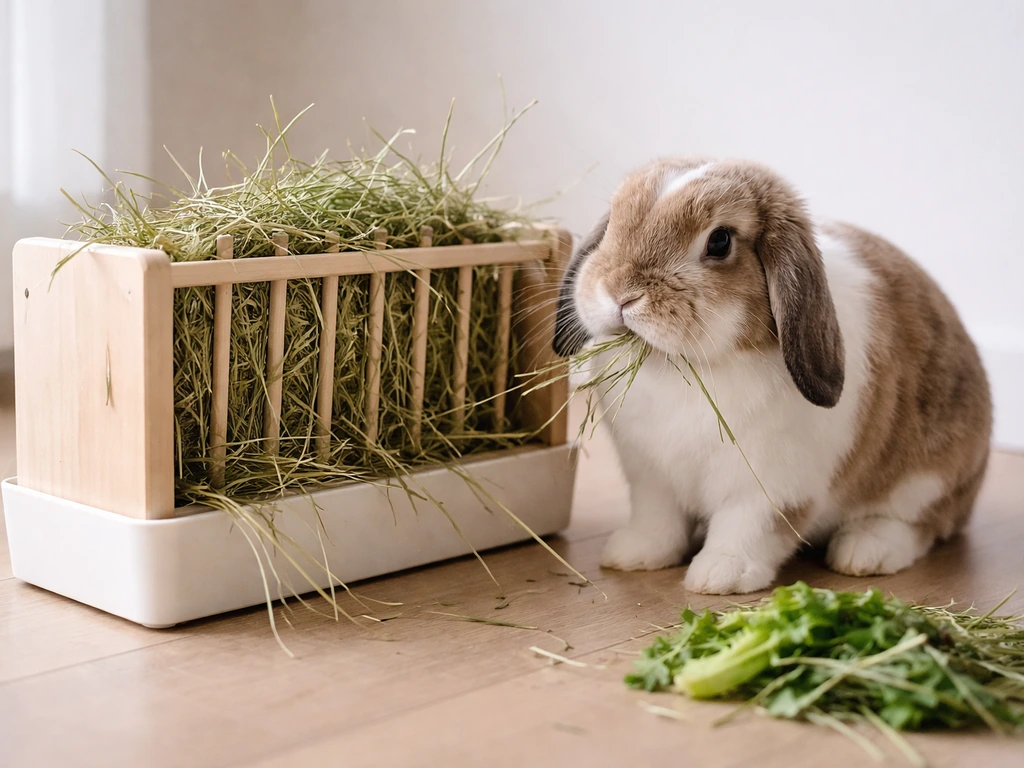
The single most important thing you can do for rabbit dental health is make unlimited grass hay (timothy, orchard grass, or meadow hay) the core of their diet. Hay is not optional. The lateral grinding motion rabbits use to chew long-strand hay is what files the cheek teeth down evenly and maintains proper occlusion. Pellets alone do not produce that motion. Soft treats and vegetables, while fine in moderation, do nothing meaningful for dental wear.
Beyond diet, here are the key habits that support healthy teeth long-term:
- Provide unlimited grass hay at all times, ideally making up 80 to 90 percent of total food intake
- Limit pellets to a small measured amount (about one quarter cup per 2 kg of body weight per day for adults)
- Avoid muesli-style mixed feeds, which allow selective eating of high-sugar pieces
- Offer safe wooden chews or untreated willow twigs for enrichment, though these help incisors more than cheek teeth
- Schedule annual dental checks with a rabbit-experienced exotic vet, even if your rabbit seems healthy
- Weigh your rabbit monthly at home to catch subtle weight loss early
- Check incisor alignment visually at least once a week during grooming sessions
Some breeds are genetically predisposed to dental problems. Dwarf breeds and lop-eared rabbits have compressed skull shapes that can cause crowding and misalignment from birth. If you have a Netherlanddwarf, Holland Lop, or similar breed, consider scheduling dental checks every six months rather than annually, and be extra vigilant about the warning signs above.
A quick comparison: rabbit teeth vs. other animals
| Animal | Tooth type | Do teeth regrow after loss? | Continuous growth? |
|---|---|---|---|
| Rabbit | Aradicular hypsodont (open-rooted) | No | Yes, all teeth throughout life |
| Human | Brachydont (rooted, two sets) | No (adult teeth only) | No |
| Hamster | Similar open-rooted incisors | No | Yes (incisors only) |
| Lion / large cats | Rooted, one adult set | No | No |
| Bear | Rooted, one adult set | No | No |
The continuous-growth model that applies to rabbits is biologically similar in some ways to what you see in hamsters, but the rabbit's entire dentition (not just the incisors) grows continuously, making total dental management far more complex. That also means their teeth do not regrow if a tooth is damaged or lost lions and bears. Large predators like lions and bears rely on a single set of permanent teeth, which is one reason a cracked canine is so serious for those animals and why their dental situations come up in similar conversations about whether animal teeth can grow back. If you are wondering do bear teeth grow back, it is helpful to know that bears rely on a single set of permanent teeth rather than a continuously regrowing system like rabbits have.
The realistic expectation
Rabbit dental disease is one of the most common and most preventable health problems in pet rabbits. The biology is not complicated once you understand it: teeth grow, wear keeps them in check, and anything that disrupts wear creates problems. Extraction removes a tooth permanently, and the remaining teeth need active management to compensate. Most rabbits with good husbandry, unlimited hay, and regular vet checks live long lives with healthy mouths. The ones that run into trouble usually do so because the diet lacked enough hay, because warning signs were missed, or because the wrong vet was consulted. Find an exotic animal specialist who sees rabbits regularly, not a generalist, and your rabbit's dental odds improve significantly.
FAQ
If a rabbit’s tooth is extracted, could the tooth regrow later if the germinal tissue is still in the jaw?
Usually no. Even if tooth-forming tissue remains in the socket, it does not recreate a functional replacement tooth after extraction. What may happen instead is a small spur or fragment that can still interfere with chewing, which is why follow-up exams are important.
How can I tell whether my rabbit has incisor overgrowth versus a cheek tooth problem?
Incisor issues often show up quickly as visible crooked or curled front teeth, but cheek tooth problems are more subtle. Look for changes like dropping food, chewing on one side, reduced hay intake, smaller droppings, or weight loss, even when the front teeth look normal.
What foods are safe right after a tooth extraction, and how soft should I go?
For the first few days, follow your vet’s plan, but many rabbits do best with soaked or chopped hay, softened greens, and careful pellet portions while they relearn normal chewing. Avoid relying on soft foods long-term, because limited chewing wear can make the remaining teeth overgrow again.
My rabbit is eating a little but not as much after dental work. Is that okay?
Partial eating can still become dangerous if it leads to less gut movement. Track intake closely and monitor droppings and weight daily. If there is no meaningful improvement within your vet’s timeframe, or you see fewer droppings, call the vet promptly.
Can I file, trim, or “burr” my rabbit’s teeth at home if I notice overgrowth?
Do not. Dental burring should be done by a rabbit-savvy clinician, because cheek tooth roots and pulp can be involved and rabbits can crack or fracture teeth during DIY trimming. Home attempts also tend to miss malocclusion causing the overgrowth.
What is a “dental arcade step,” and does it always require surgery?
It is the misalignment that develops when a cheek tooth is missing, so the opposing tooth keeps erupting without a matching surface to grind against. Many cases start with periodic burring, and surgery is considered if there is severe damage, abscessation, or failure of conservative management.
How soon after extraction should I expect my rabbit’s eating to normalize?
Some rabbits eat better within days, especially after incisor procedures, but pain, jaw soreness, or cheek tooth imbalance can slow things down. Your vet should give a specific timeline, and any persistent refusal to eat or rapid weight loss should trigger a quick recheck.
Is it ever safer to extract all four incisors than to try to file them back?
In severe malocclusion where the incisors cannot wear each other down, extraction can be a deliberate way to stop ongoing spike formation. Filing alone often does not correct the underlying alignment, so the decision depends on bite mechanics, x-rays, and how quickly overgrowth recurs.
How often should my rabbit have dental checks if they are prone to jaw or tooth issues?
If you have a high-risk rabbit (for example, lop-eared breeds or any rabbit with a history of malocclusion), many vets recommend checks about every six months. More frequent visits are warranted if symptoms recur, if burring has been needed, or if the rabbit has early chewing problems.
Next Articles
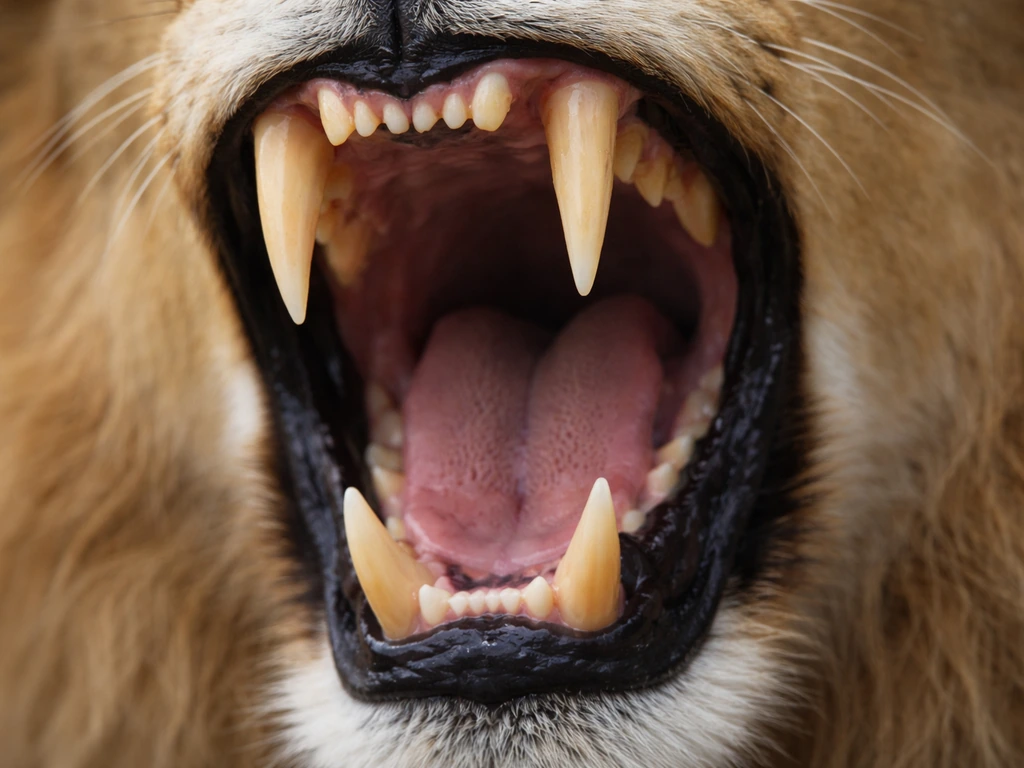
Do Lions Teeth Grow Back? Big Cat Teeth Explained
Do lion and tiger teeth grow back? Clear myth busting on big cat tooth replacement vs human regeneration.
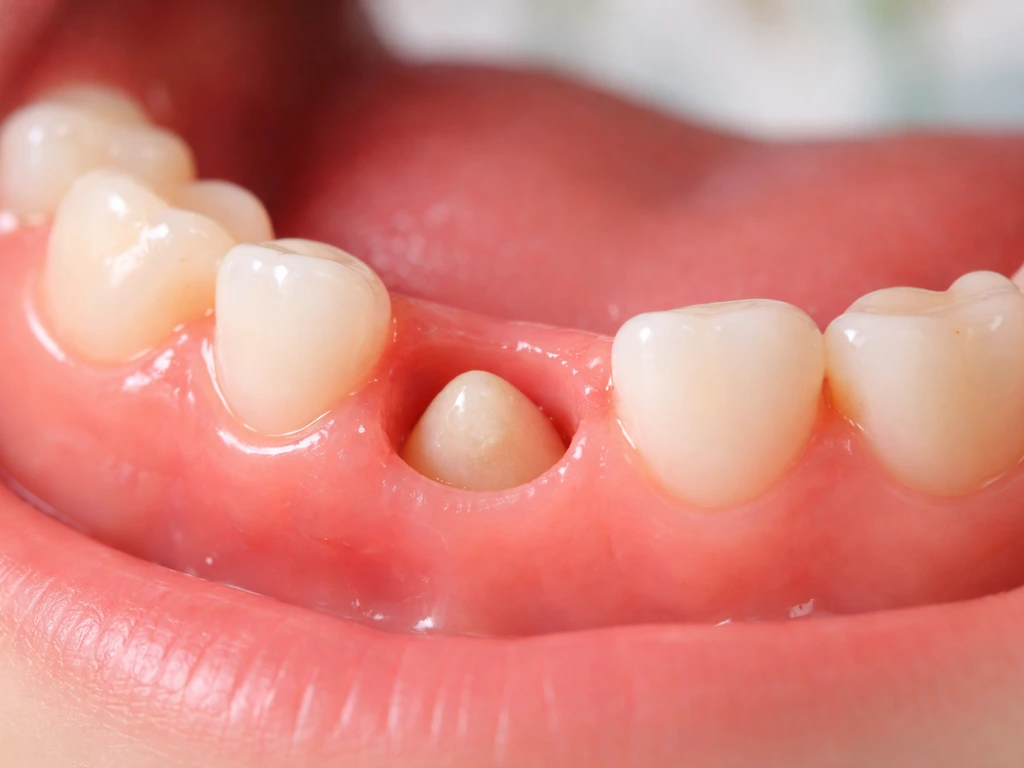
Do Milk Teeth Grow Back? Timelines, What to Do, Red Flags
Learn if milk teeth regrow, typical timelines for permanent teeth, what to do after loss or injury, and red flags.
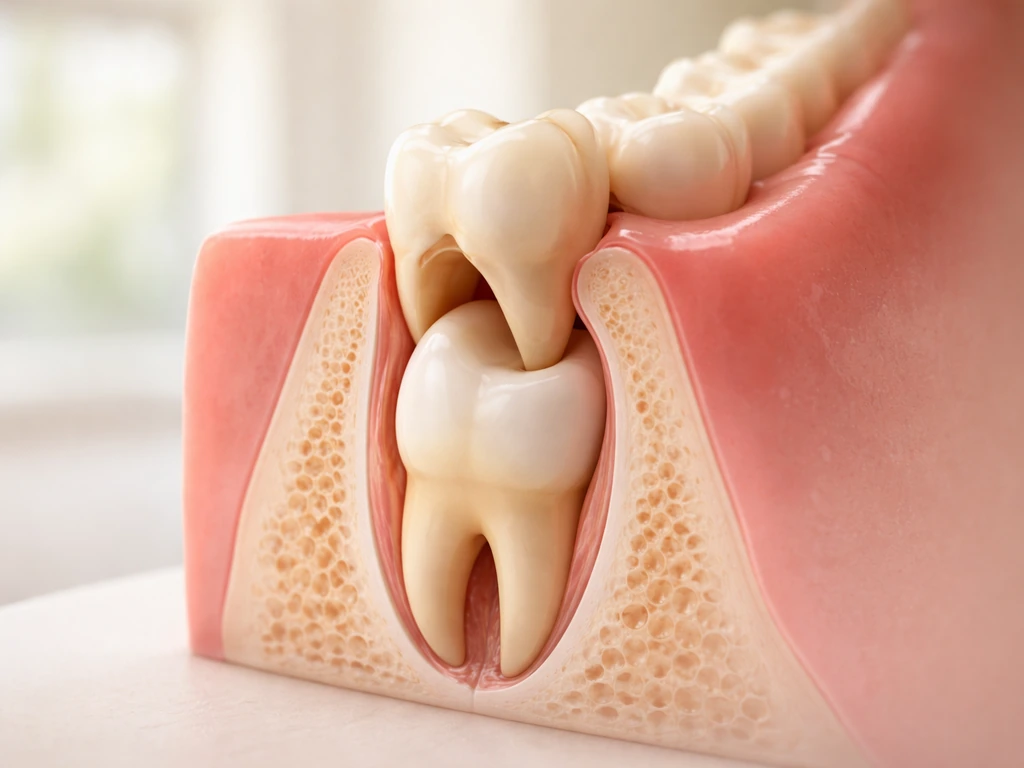
Can Milk Teeth Grow Twice? Replacement vs True Regrowth
Can milk teeth grow twice? Learn why baby teeth usually only get replaced, not regrown, and what to do if one falls out