No, humans cannot grow a true third set of teeth. This is not a matter of science not having figured it out yet or of some rare genetic quirk that might apply to you. As of today, the biology simply does not support it. You get two sets: the 20 primary (baby) teeth that start forming around 6 to 8 weeks in the womb, and the 32 permanent teeth whose buds appear around 20 weeks in utero.
Can Humans Grow a Third Set of Teeth? What’s Possible

Marcus Holloway
16 Apr 2026
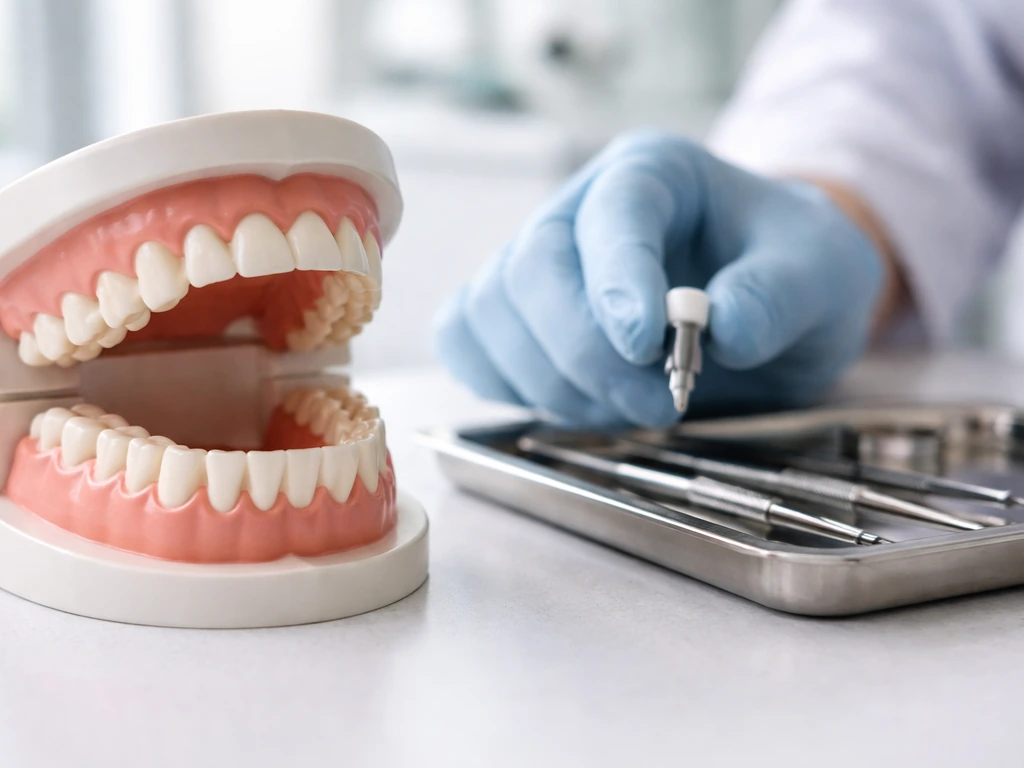
Once that second set is gone, there is no biological backup waiting in the wings. That said, there are some important nuances worth understanding, because not everything that feels like a "new" tooth is the same thing, and there are genuinely useful options for adults who need to replace missing teeth.
Can humans regrow teeth: myths vs. biology
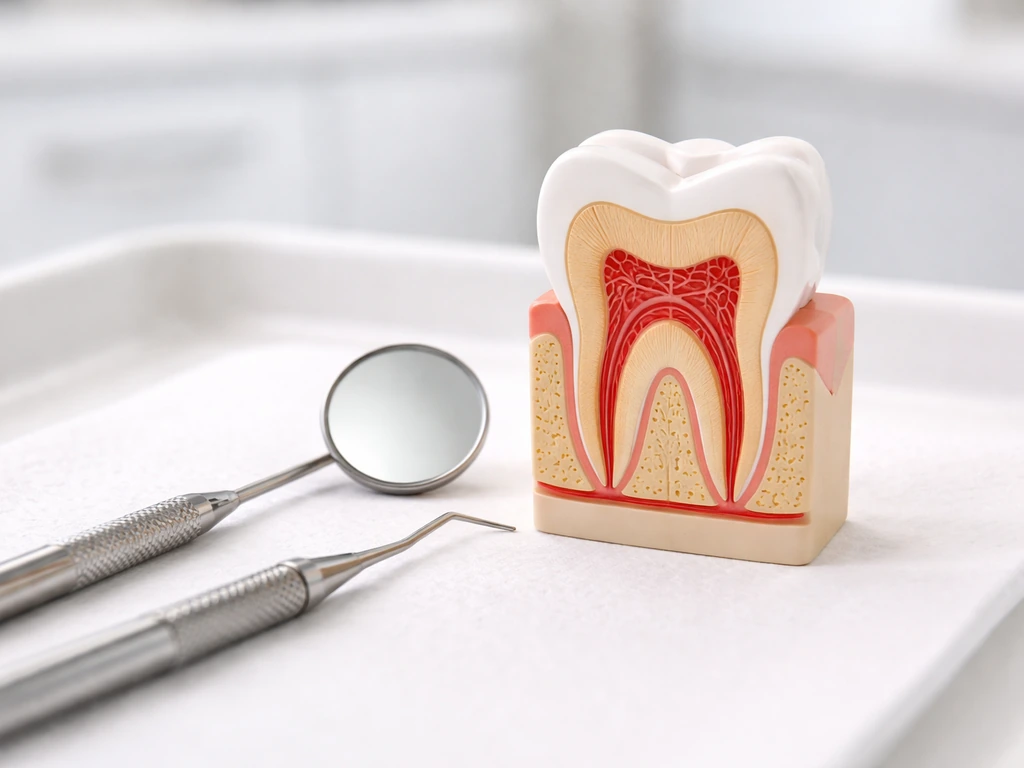
The internet is full of claims about regrowing teeth with oil pulling, special supplements, or remineralizing toothpastes. Let's be direct: none of these regrow teeth. What some of them can do is support enamel remineralization, which is a much narrower and more modest process. Fluoride, for example, helps minimize cavities by inhibiting demineralization and supporting mineral exchange in early enamel lesions, according to CDC guidance.
Similarly, CPP-ACP (casein phosphopeptide-amorphous calcium phosphate) has been studied for repairing early white spot lesions on enamel, meaning it can help rebuild mineral content in slightly damaged enamel. That is genuinely useful for preventing early decay from progressing. But it is not the same as growing a new tooth, a new root, or even a new layer of enamel where none exists. Remineralization patches up the surface; it does not create new dental tissue.
The deeper biological reason regrowth does not happen gets into tooth development itself. why humans only grow 2 sets of teeth comes down to the fact that odontogenesis (the process of tooth formation) is a tightly regulated developmental program that runs on a schedule set before you were born. Tooth buds require a precise sequence of signaling between epithelial and mesenchymal tissues.
Hertwig's epithelial root sheath, a bilayered structure at the cervical loop, guides root elongation and is typically complete about one year after the tooth erupts. Once that program has run its course, the cellular machinery that drove it is gone. There is no dormant tooth-forming tissue sitting in your jaw waiting to be reactivated by a supplement or technique.
Third set of teeth as an adult: what's possible and what isn't
Here is the honest picture: growing another adult tooth through natural biology is not currently possible for humans. As of November 2024, there is no treatment providing a permanent cure for tooth regrowth in adults; missing or broken teeth are treated with man-made solutions like dentures or implants, while stem-cell-based approaches remain a future possibility being explored in research settings. Tufts researchers studying dental stem cells describe these approaches as promising but not yet available as a clinical treatment. So if someone is selling you a protocol to regrow a third set of teeth today, that claim is not supported by evidence.
What is possible is a clear understanding of what "extra teeth" in adulthood actually means, and what modern dentistry can genuinely do. There is a significant difference between biological regrowth (which does not happen) and the appearance of teeth that were simply late to come in or that represent a developmental variation. Getting that distinction right shapes every practical decision you make from here.
Why teeth don't regrow naturally after childhood
The short version: humans can't grow more teeth because the cells responsible for forming them are no longer present in adult jaws. Tooth development depends on a precisely timed interaction between epithelial and mesenchymal cells during embryonic and fetal development. Once those developmental windows close and the permanent teeth have formed, the signaling pathways that created them are essentially switched off. Unlike some animals (sharks, for instance, cycle through dozens of tooth sets because they have persistent dental lamina that keeps generating new teeth), humans have a polyphyodont pattern reduced to just two sets during evolution.
There is also the question of what has to be present for tooth formation to work at all. Initiation of tooth development requires specific genetic signals, stem cell populations, and the right tissue environment at the right time. When those are disrupted congenitally, you get hypodontia (missing some teeth) or anodontia (missing all teeth). When they simply run their natural course and conclude, as they do in every healthy adult, there is no pathway to restart them. This is why dental research into tooth regeneration focuses on laboratory cultivation of tooth-forming cells or scaffolds, not on stimulating regrowth in situ.
What adult "extra teeth" could actually mean
Sometimes adults discover what feels or looks like a new tooth coming in. In most cases this is one of two things: wisdom teeth erupting on their normal schedule, or a supernumerary tooth that has been present since childhood but only becomes apparent later.
Wisdom teeth: your third molars, not a third set
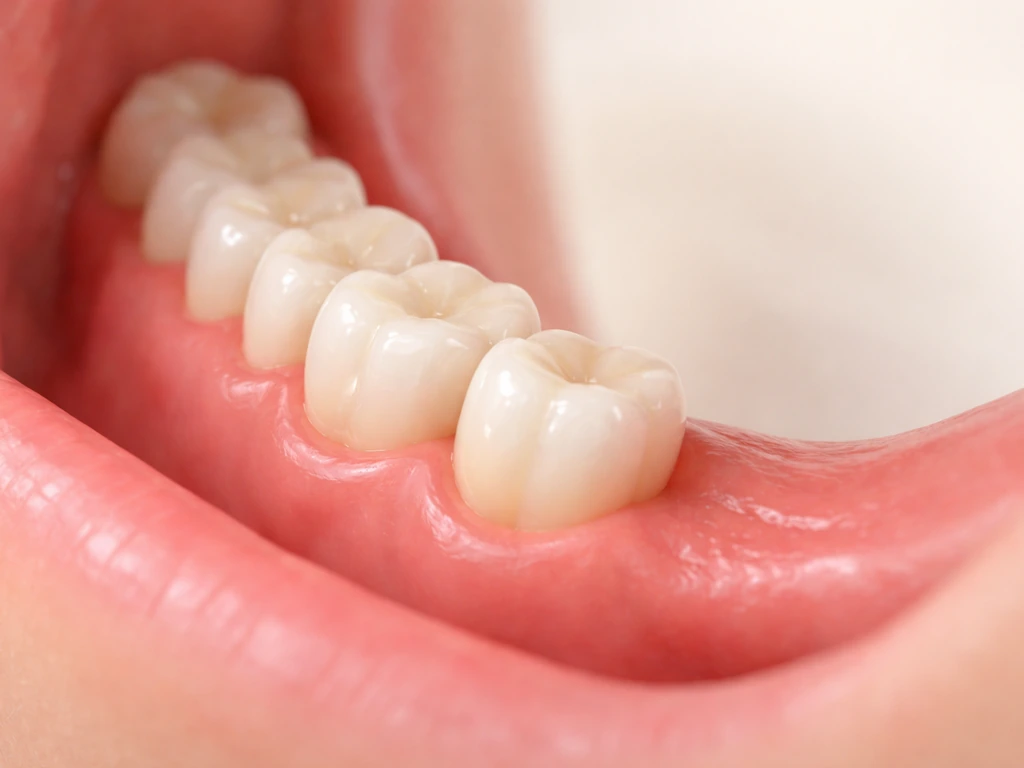
Wisdom teeth (third molars) typically appear between ages 17 and 21, according to the American Dental Association. The NICE guidelines note they usually emerge between 18 and 24.
These are not new teeth that grew from nothing; they are part of your original permanent set and were forming in your jaw during childhood. They just erupt later. For many people they cause no problems. For others they are impacted (meaning they do not have room to erupt properly), which can lead to pain, swelling, increased decay risk in neighboring teeth, and possible cyst formation.
The Mayo Clinic notes that impacted wisdom teeth causing problems are usually treated with surgical extraction, with typical post-operative symptoms of pain, bleeding, and swelling during healing. If you are feeling something moving in the back of your mouth in your late teens or early twenties, your dentist needs to evaluate it with X-rays.
Supernumerary teeth: extra teeth that can appear at any age
Supernumerary teeth are extra teeth that form due to developmental anomalies, not a new round of tooth formation. They are classified by location and shape: mesiodens appear in the upper front midline area, paramolars appear near the molars, and distomolars (or distodens) sit distal to the molars. An epidemiological survey of 5,000 people found mesiodens accounted for about 25. 8% of supernumerary teeth, paramolars 24.
1%, and distomolars 12. 5%. In a CBCT-based study of children and adolescents, 80. 8% had a single supernumerary tooth and 19.
2% had two. These teeth can remain impacted for years and only become symptomatic or visible in adulthood. Finding one does not mean you are growing a third set; it means you have a developmental variation that needs clinical management, including radiographic evaluation and often surgical removal if it is causing crowding or blocking normal tooth eruption.
How to pursue new teeth today: what dentists can actually do
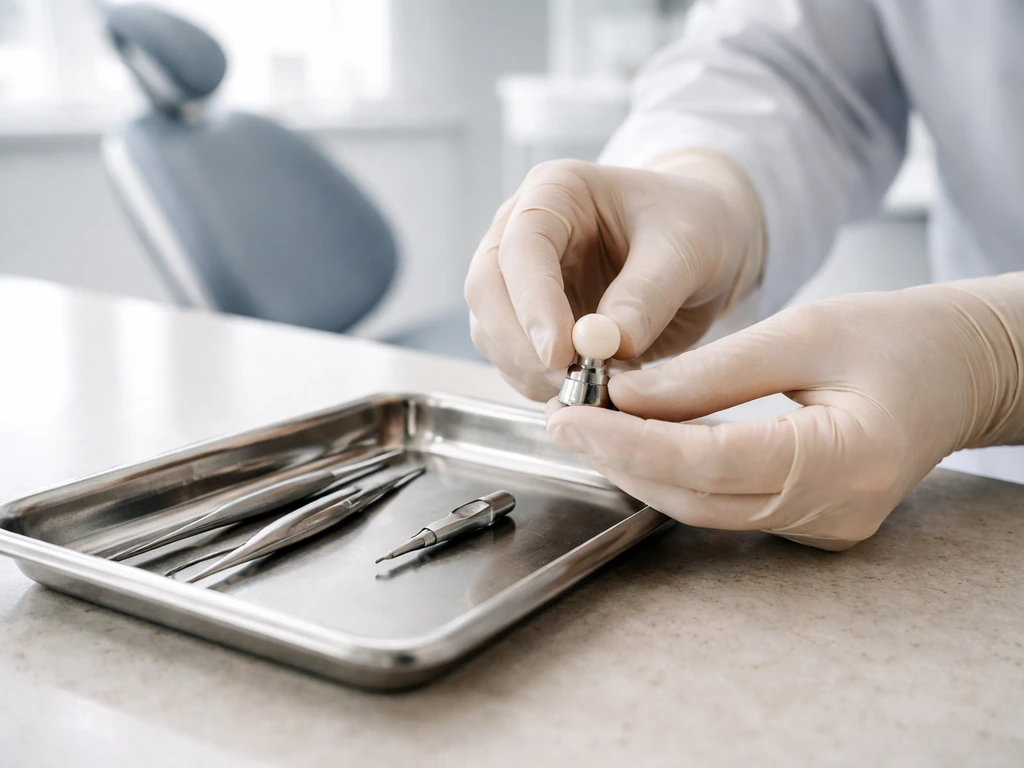
If you have missing teeth and want real solutions right now, you have several evidence-based options. None of them are biological regrowth, but several are excellent functional and cosmetic replacements. The right choice depends on how many teeth are missing, your jaw bone density, your budget, and your overall health. Here is a practical rundown of the main options:
| Option | Best for | Key consideration |
|---|---|---|
| Dental implants | Single or multiple missing teeth with adequate bone | FDA-regulated devices; require sufficient jaw bone; most durable long-term option |
| Implant-supported bridge | Multiple adjacent missing teeth | Fewer implants needed than individual replacements; fixed in place |
| Traditional bridge (tooth-borne) | One or two missing teeth with healthy adjacent teeth | Adjacent teeth must be prepared (shaped); no surgery needed |
| Partial denture (removable) | Multiple missing teeth when implants aren't viable | Less costly; removable; less stable than implants |
| Full denture | Complete tooth loss in one or both arches | Conventional solution; implant-retained versions are more stable |
| Orthodontics | Closing gaps or optimizing spacing before/after restoration | Used alongside implants or bridges to align remaining teeth |
Dental implants are the closest thing to a permanent tooth replacement currently available. The American College of Prosthodontists describes them as FDA-regulated medical devices that can support single teeth, multiple teeth, or full-arch restorations, with the specific plan determined by patient anatomy and the treating dentist. They integrate with your jaw bone over several months, providing a stable foundation that preserves bone volume in a way removable options do not. The clinical planning for implant-borne versus tooth-borne restorations differs significantly, so getting an evaluation from a prosthodontist or an implant-trained dentist is the practical first step.
Looking further ahead, when we will be able to grow new teeth through biological means is a genuine research question, with stem-cell-based approaches in active development. But for today, implants and restorations are your real options, and they work well.
When to see a dentist: symptoms, timing, and red flags
Some situations call for prompt professional evaluation rather than watching and waiting. If you are asking whether humans can grow new teeth because you are dealing with actual tooth loss, pain, or something unexpectedly erupting in your mouth, a dentist is the right next step, not internet research. Here are the scenarios that warrant a visit:
- Pain or pressure at the back of your jaw (possible wisdom tooth eruption or impaction): see a dentist promptly for X-rays
- A tooth or bony bump appearing in an unexpected location (possible supernumerary tooth): needs clinical and radiographic evaluation, often with a panoramic or CBCT scan for precise 3D localization
- A tooth that has been knocked out or is badly broken: timing matters greatly for treatment options, including whether an implant is appropriate
- A child who has lost a primary tooth with no permanent tooth erupting within a reasonable window: may indicate hypodontia or a blocked eruption that needs evaluation
- Any new swelling, numbness, or growth in the jaw: these can indicate impacted teeth, cysts, or other conditions that need imaging and often specialist involvement
- Visible white spots on enamel: early lesions that may benefit from remineralization therapy before they progress to cavities requiring restoration
For supernumerary teeth specifically, the AAPD recommends clinical and radiographic assessment using panoramic, occlusal, and periapical X-rays, with CBCT used when precise 3D localization is needed for surgical planning. For impacted or un-erupted supernumerary teeth, narrative review evidence notes that 3D imaging such as CBCT is often used for localization and dimensional evaluation to guide surgical planning. The AAOMS lists evaluation of supernumerary teeth that crowd or block normal eruption as a clear indication for CBCT. Early detection and management typically lead to better outcomes, especially in children and adolescents where space management in the developing dentition is critical.
Realistic expectations and what to do next
Here is what the evidence actually supports, summarized plainly:
- Humans have two sets of teeth. There is no third set coming. This is not a deficiency in human biology that supplements, diets, or techniques can overcome today.
- Enamel remineralization is real but limited: it repairs early surface mineral loss, it does not regenerate teeth or replace lost structure.
- Wisdom teeth are part of your permanent set, not new teeth; if they are causing issues, have them evaluated early.
- Supernumerary teeth are a developmental variation requiring professional management, not evidence of a new dental generation.
- Biological tooth regeneration is an active research area, but no clinical treatment offering true regrowth is available as of today.
- If you need to replace missing teeth, dental implants, bridges, and dentures are effective, well-supported options available right now.
- See a dentist if you have pain, unexpected eruptions, unexplained tooth loss, or gaps that are affecting function or alignment.
The most useful thing you can do today is book a dental evaluation if you have a concern. An X-ray and a conversation with your dentist will give you more actionable information than any amount of searching. If tooth replacement is your goal, ask specifically about implant evaluation or prosthodontic consultation, as these specialists are best positioned to map out your options based on your specific anatomy.
FAQ
If remineralizing toothpastes and CPP-ACP can strengthen enamel, why doesn’t that count as growing a new tooth?
Not in the way those claims suggest. Oils, supplements, and remineralizing toothpastes can help early enamel demineralization reverse, but they do not create new tooth structures like dentin, pulp, or roots. If you are missing a tooth or it is cracked to the point of tissue exposure, you will need restorative treatment, not “regrowth” protocols.
How can I tell whether something “new” in my mouth is a third set of teeth or something else?
A new tooth sensation can come from late-erupting wisdom teeth, a supernumerary tooth, or gum tissue changes around impacted teeth. In contrast, true “regrowth” would mean a previously formed tooth or its root is re-created, which does not happen in adults. If the change is in your late teens or early twenties, get X-rays to distinguish eruption from pathology.
What tests should I ask for if I think an extra tooth is appearing in adulthood?
The fastest way is radiographs. Many “extra tooth” cases cannot be confirmed with a visual exam alone because the tooth may be impacted or positioned behind existing teeth. Dentists typically start with panoramic and periapical imaging, and use CBCT when they need precise 3D location for treatment planning.
Is it safe to wait if my back molar area is sore or looks like a tooth is erupting?
Do not start self-treating an “extra tooth” as an infection or a cavity. Pain and swelling in the back of the mouth can be due to impacted wisdom teeth, partially erupted teeth with gum flap inflammation, or cyst-related issues. If symptoms are persistent, worsening, or accompanied by facial swelling, you should seek evaluation promptly.
Why do impacted wisdom teeth sometimes get removed, even if they do not hurt yet?
If a wisdom tooth is partially erupted, it can trap food and bacteria, increasing the risk of decay in neighboring teeth and gum inflammation around the flap. Some people are advised to remove them based on angulation, lack of room, and proximity to roots, while others are monitored if they are symptom-free and positioned well.
If supernumerary teeth can show up later, what problems can they cause in adults?
Supernumerary teeth can remain silent for years, then become symptomatic when they affect crowding, block normal eruption, or disrupt bite alignment. Adults may notice them as a delayed eruption, a new bump under the gum, or unexpected orthodontic issues. Treatment depends on position, whether the tooth is impacted, and how it affects surrounding teeth.
If implants are the closest option to a permanent replacement, am I still a candidate if my bone or gums are not ideal?
Implants are not automatically possible for everyone. Your bone volume and quality matter, so some patients need bone grafting or sinus-lift procedures first. Smoking, uncontrolled diabetes, and certain medications can affect healing and long-term success, so the right “first step” is an implant-trained evaluation with imaging.
Can people who already wear dentures switch to implant-supported teeth, and what affects the choice?
If you already have dentures or a removable partial, implants may still be an option, but your bone can change over time after tooth loss. A prosthodontist will often assess how long it has been since the missing teeth, current ridge shape, and your bite and jaw muscle dynamics to choose between implant-supported options and other restorations.
What are the biggest red flags in “third set of teeth” regrowth marketing?
If a seller claims they can regrow teeth today, treat it as a red flag. Look for whether they can explain the mechanism in terms of tooth-forming tissue, not just enamel surface effects, and whether they provide credible clinical outcomes for adults with missing teeth. In real clinical care, regrowth is still investigational, not a standard treatment.
Next Articles
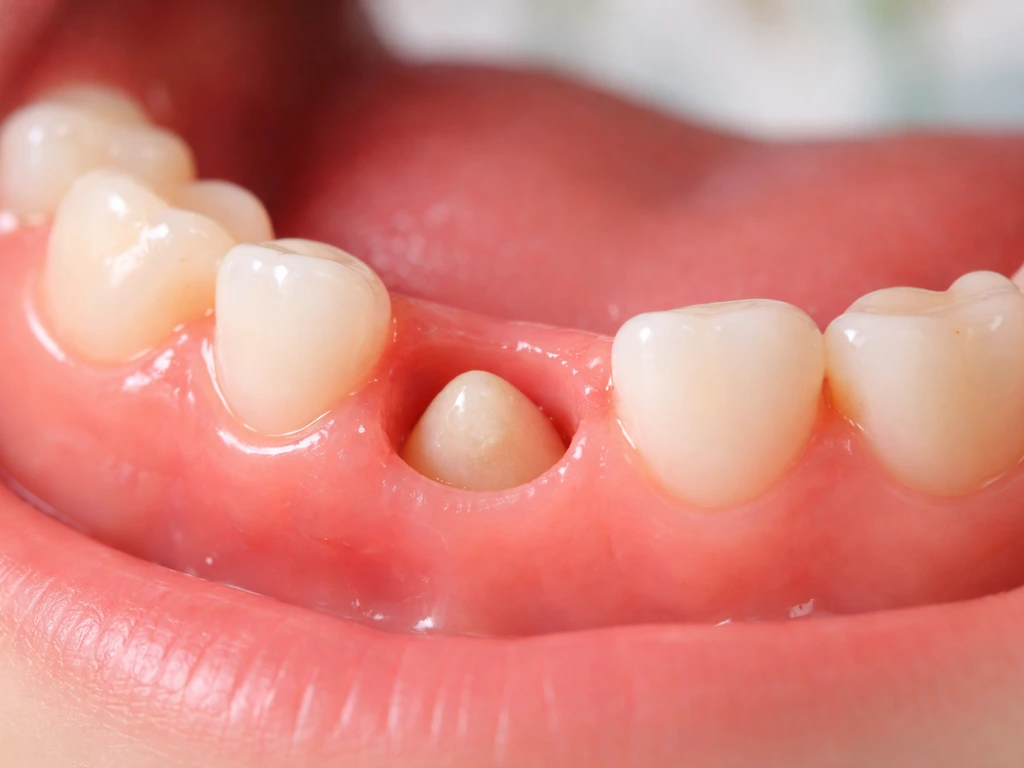
Do Milk Teeth Grow Back? Timelines, What to Do, Red Flags
Learn if milk teeth regrow, typical timelines for permanent teeth, what to do after loss or injury, and red flags.
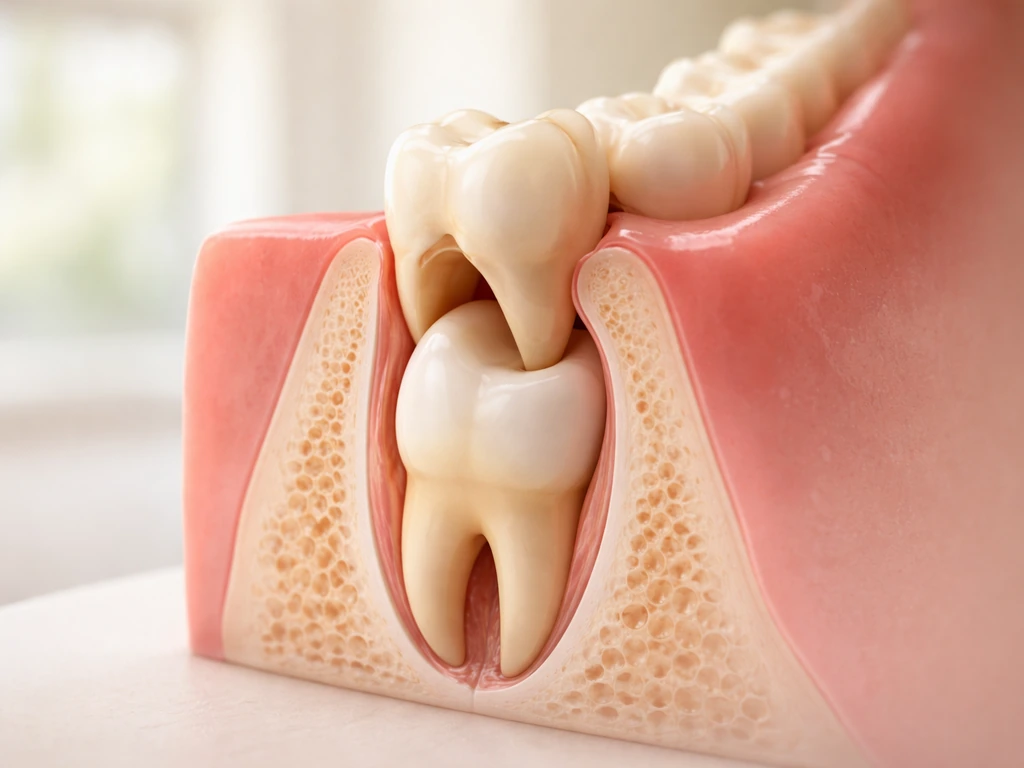
Can Milk Teeth Grow Twice? Replacement vs True Regrowth
Can milk teeth grow twice? Learn why baby teeth usually only get replaced, not regrown, and what to do if one falls out
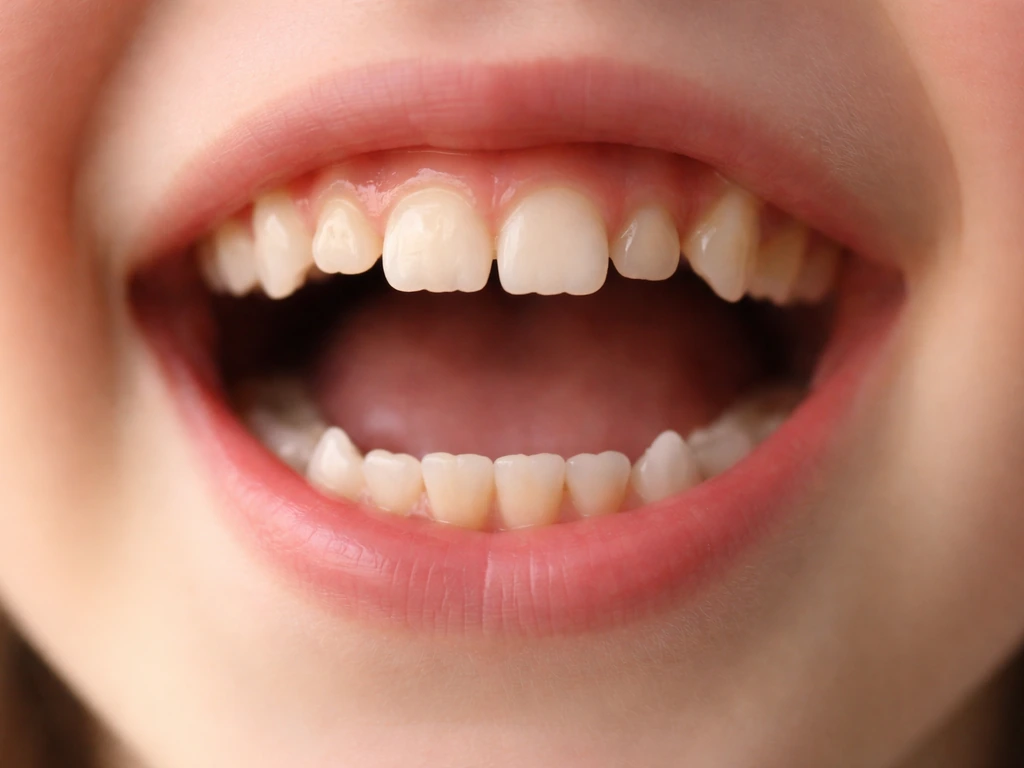
Why Do Teeth Only Grow Twice? Baby vs Permanent Explained
Why humans have only baby and permanent teeth: eruption timeline, limits of enamel regrowth, and common exceptions to kn