
Humans cannot naturally regrow whole adult teeth right now, and a widely available clinical therapy to make that happen is likely still 10 to 20 years away for most people. That said, real science is moving on this, one Japanese drug candidate (an anti-USAG-1 antibody called TRG035) entered human clinical trials in 2024, and limited forms of dental regeneration already exist today. So the honest answer is: not yet, but the science is no longer stuck at the "nice idea" stage.
When Will We Be Able to Grow New Teeth Again?

Marcus Holloway
26 May 2026
What "growing new teeth" can and can't mean
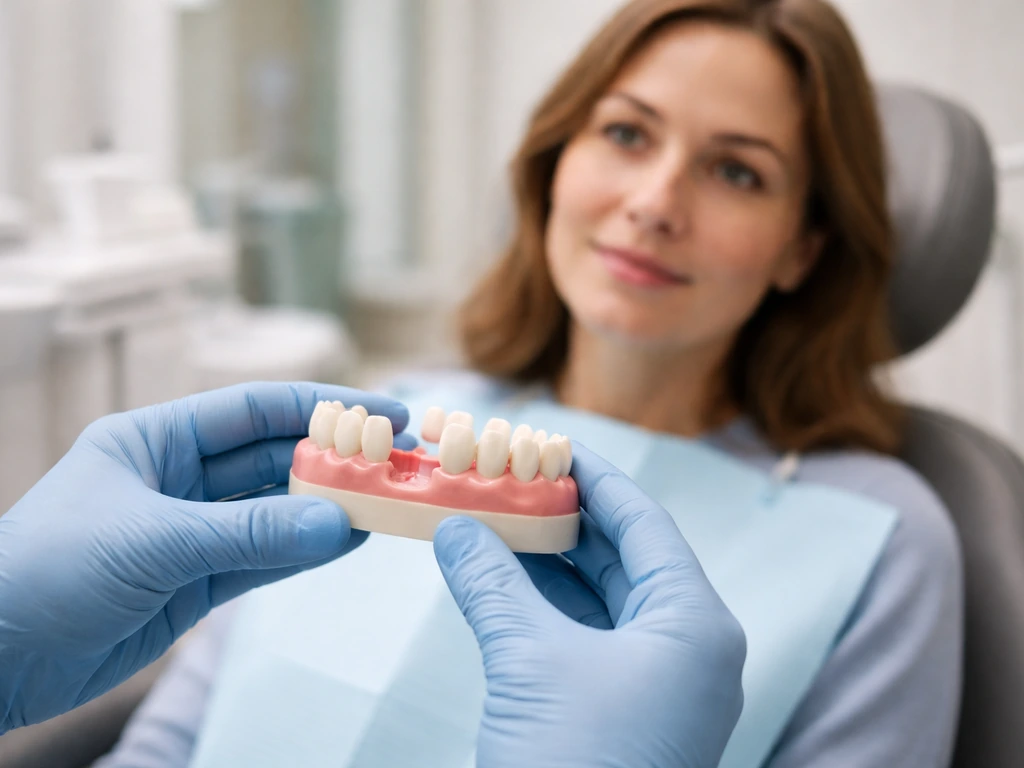
Before diving into timelines, it's worth being clear about what you're actually asking, because "grow new teeth" means very different things depending on context, and the research community uses the phrase differently than most people do.
- Whole-tooth regeneration (root to crown): Growing a fully functional new tooth from scratch, complete with enamel, dentin, pulp, root, and the periodontal ligament that anchors it in the jawbone. This is what most people picture when they imagine "regrowing" a lost molar. This does NOT happen naturally in adult humans.
- Component-level regeneration: Regrowing just one part of a tooth, like repairing dental pulp, regenerating cementum on the root surface, or stimulating new alveolar bone. These are more targeted research goals and closer to clinical reality in some cases.
- Enamel remineralization: This is the natural (and dentist-assisted) process of re-depositing calcium and phosphate minerals into early-stage enamel damage. It can reverse non-cavitated lesions. This is NOT regrowing a tooth. It is repairing microscopic crystal voids in surface enamel, and it has hard limits.
- Gum and periodontal healing: Gum tissue and the periodontal ligament have genuine regenerative capacity. Periodontal treatments using membranes, bone grafts, and tissue-stimulating proteins can restore some of the supporting structures around existing teeth. Again, this is not creating a new tooth.
Most of the excitement you'll read about online blurs these categories together. Enamel remineralization is real but modest. Periodontal regeneration is clinically available but limited in scope. Whole-tooth regrowth from nothing is the frontier everyone wants, and it's the hardest problem by a wide margin.
Why adult teeth don't naturally regrow
Growing a tooth from scratch requires running a tightly choreographed developmental program, the same kind of program that built your teeth while you were an embryo. That process involves dozens of signaling pathways (including BMP, Wnt, TGF-beta, Shh, and FGF), reciprocal conversations between epithelial and mesenchymal cells, and a specialized temporary structure called Hertwig's epithelial root sheath (HERS) that guides root formation. Once crown development is done, HERS wraps around the base of the developing tooth and instructs the root to grow in the right shape and length. Without it, you don't get a proper root. Without a proper root, you don't get a functional tooth.
The problem for adults is that this entire developmental architecture is dismantled after it does its job. There's no reservoir of tooth-forming cells sitting in your jaw waiting for a signal to start over. Adult humans simply lack a readily reactivated version of the developmental program that builds teeth. It's not that the genes are gone, it's that the cellular machinery and tissue environment needed to run that program no longer exist in your jaw. Recreating it therapeutically is genuinely complex, which is why this problem has resisted easy solutions for decades.
People sometimes wonder whether humans could ever grow a third set of teeth the way some animals cycle through multiple sets throughout their lives. That's a real biological question, and the short answer is that our genetics probably still carry some of the blueprint, but the practical barriers to unlocking it safely in adults are enormous.
Where regeneration actually does happen
In children: normal tooth development
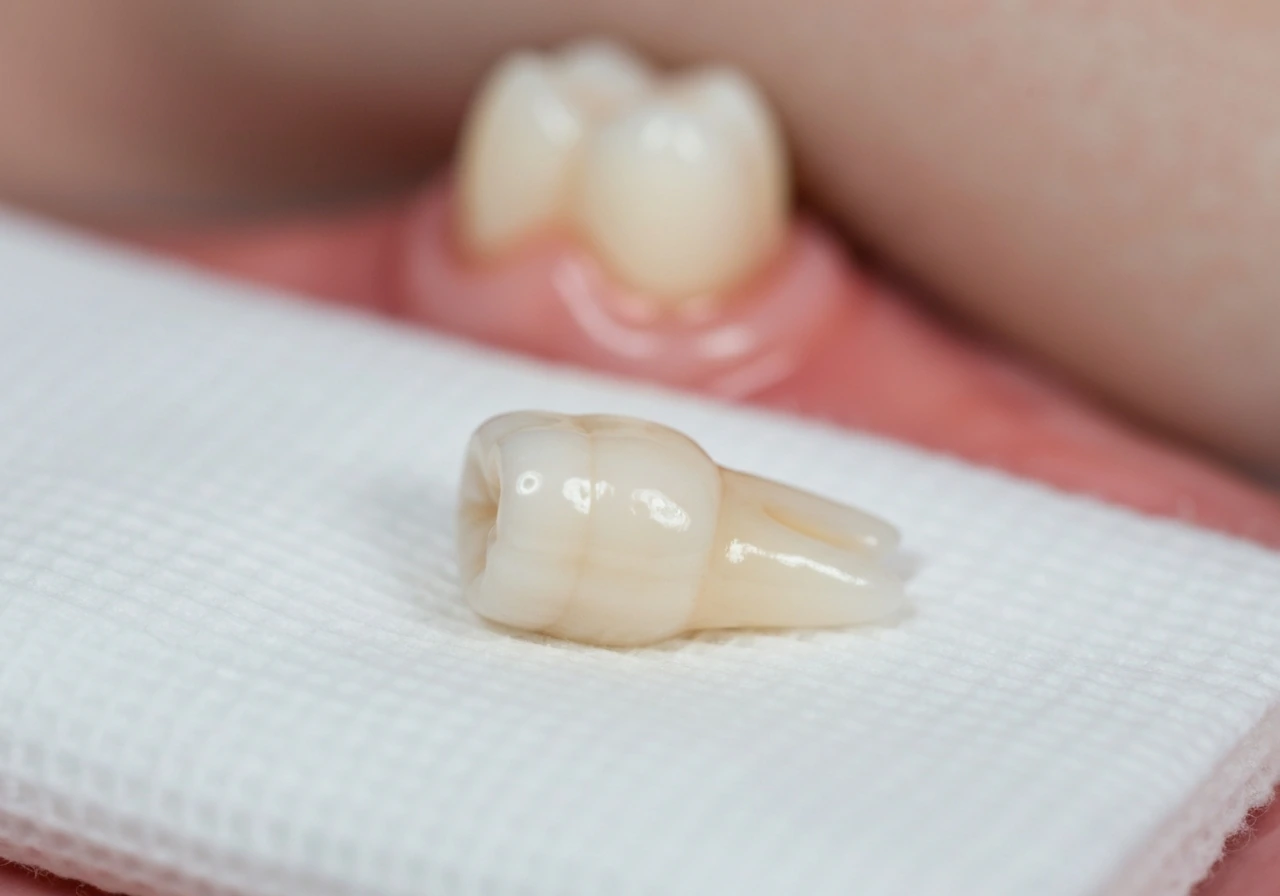
Kids are not "regrowing" teeth in the regenerative sense, but they are doing something that looks similar from the outside: losing a primary tooth and having a permanent one erupt in its place. This is programmed development, not regeneration. It's a second set that was already forming in the jaw, not a new one being built from scratch after loss. Once those permanent teeth are gone, there is no third developmental wave waiting.
Enamel: limited surface repair only
Enamel is the hardest tissue in the human body, but it's made by cells (ameloblasts) that are gone by the time a tooth fully erupts. Your body cannot regenerate enamel from scratch. What it can do is remineralize early lesions: calcium and phosphate ions from saliva (and fluoride from toothpaste or treatments) can fill in microscopic crystal voids in demineralized enamel. Enamel remineralization is the natural repair process for non-cavitated lesions via deposition of minerals such as calcium and phosphate, sometimes fluoride, into demineralized enamel crystal voids remineralize early lesions. This works for very early-stage decay (white-spot lesions) but not for cavities, cracks, or anything involving structural loss. Once enamel is physically gone, it's gone.
Gums and periodontal tissues: real but partial regeneration
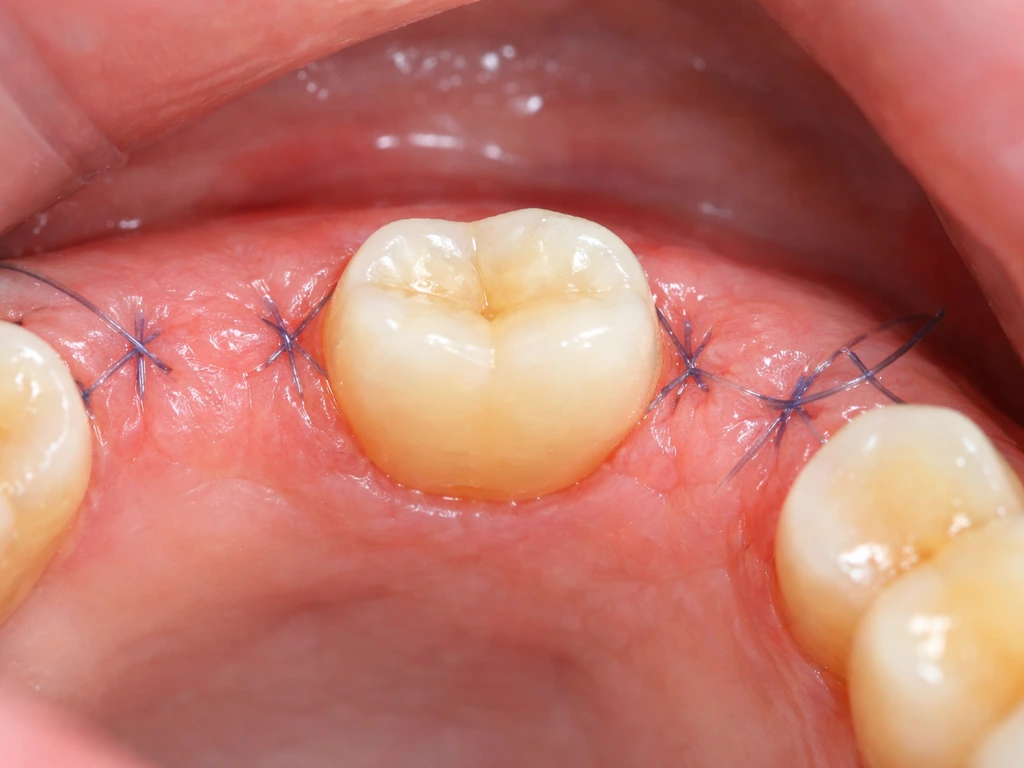
Gum tissue heals relatively well after injury or surgery. Periodontal regeneration, restoring the bone, cementum, and ligament that support a tooth, is a real clinical goal and has genuine (though limited) success. Periodontists can use barrier membranes, bone grafts, and proteins like platelet-derived growth factor to encourage regrowth of supporting structures around teeth that still exist. The ADA recognizes these approaches as part of active periodontal treatment. But this is about saving existing teeth, not generating new ones from nothing.
What science is actually working on right now
Tooth regeneration research has three main threads, and they're at very different stages of development.
1. Drug-based approaches: the USAG-1 antibody
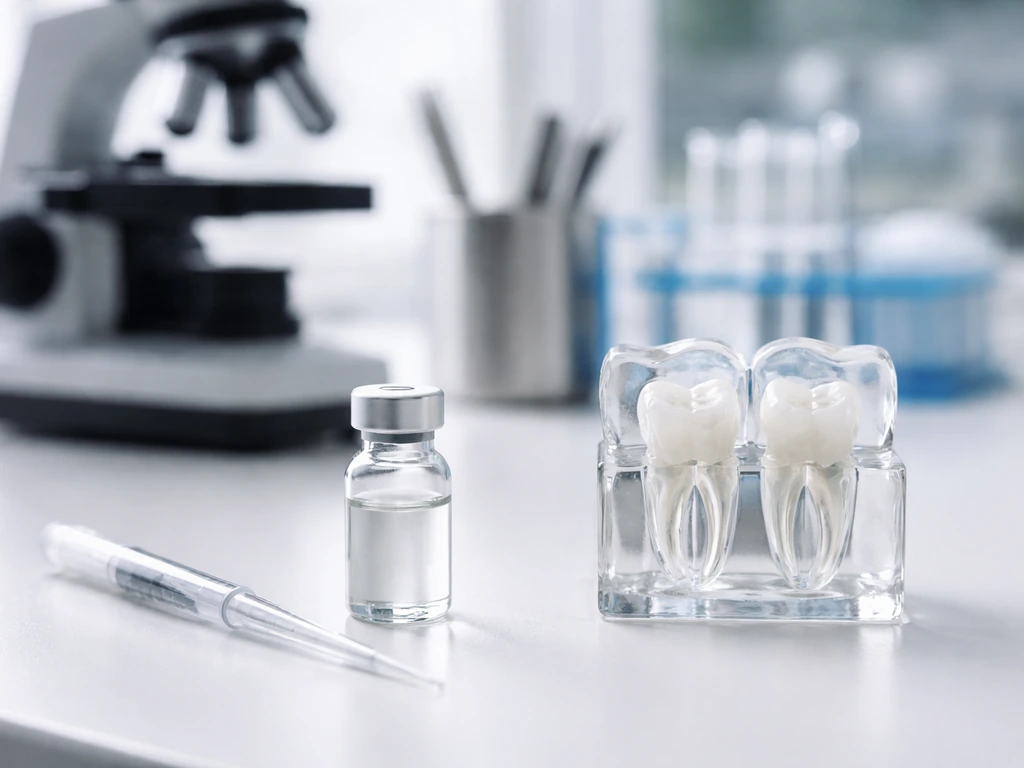
This is the most concrete near-term development. USAG-1 (uterine sensitization-associated gene-1) is a protein that suppresses tooth formation. In animal studies, blocking USAG-1 with an antibody allowed additional teeth to develop, including anatomically complete, functional ones. A Japanese company called Toregem BioPharma developed a humanized anti-USAG-1 antibody called TRG035. It was designated as an orphan drug (targeting patients with congenital tooth loss conditions), and Phase I clinical trials began at Kyoto University Hospital in 2024, primarily to evaluate safety and tolerability. This is a real, registered, human clinical trial. It is early-stage and focused initially on patients with congenital tooth agenesis (people born missing teeth), not average adults who've lost teeth to decay or injury.
2. Stem cell and tissue engineering approaches
Multiple research groups have explored using dental pulp stem cells, induced pluripotent stem cells (iPSCs), and scaffold-based tissue engineering to try to grow tooth structures in the lab. Some have produced tooth-like structures in animal models. The challenge is reproducibility, getting the size and shape right, ensuring the root forms correctly, and making sure the engineered tooth integrates with bone and achieves proper occlusion (fit with opposing teeth). None of these approaches have reached human clinical trials for whole-tooth replacement.
3. Component regeneration (pulp, root, PDL)
Regenerative endodontics, using biological approaches to restore pulp tissue in immature permanent teeth, is already a real (though specialized) clinical procedure for certain pediatric cases. Regenerating the periodontal ligament, cementum, or alveolar bone around existing teeth is an active clinical research area. These partial approaches are closer to practice than whole-tooth solutions but don't replace a missing tooth.
Realistic timelines: what to actually expect and when
Here's where it's important to separate genuine progress from hype. The USAG-1 trial is real and meaningful, but Phase I is just safety testing. Even if it goes perfectly, it would need Phase II (efficacy) and Phase III (large-scale) trials before regulatory approval anywhere. That pipeline typically takes 10 or more years from Phase I, and that's assuming no setbacks. The earliest realistic scenario for a drug-based tooth regeneration therapy reaching patients outside of clinical trials is the mid-2030s at the very optimistic end, and more likely late 2030s or 2040s for broad availability.
| Approach | Current Status (as of 2026) | Realistic Timeline to Availability |
|---|---|---|
| Anti-USAG-1 antibody (TRG035) | Phase I human trials (safety), Japan, 2024 | Earliest approval mid-2030s; broad availability likely 2035-2045+ |
| Stem cell / tissue-engineered whole tooth | Animal models only, no human trials for whole tooth | 2040s at earliest, highly uncertain |
| Component regeneration (pulp, PDL, bone) | Some already in limited clinical use (regenerative endo) | Available now in specialized settings |
| Enamel remineralization products | Clinically available (fluoride, casein phosphopeptide, etc.) | Available now |
| Periodontal regeneration | Clinically available with membranes, grafts, growth factors | Available now |
One thing worth noting: even if a tooth-growing drug becomes available, early versions will likely target specific populations first (children with congenital tooth agenesis, where dormant tooth buds may still be present to stimulate) before being studied for adults who've lost teeth through typical causes. Adults who've had teeth extracted for years, with bone resorption already underway, face a harder biological problem than children who never developed certain teeth. The path to a therapy that works for the average adult who lost a molar to decay is longer than headlines often suggest.
What to do right now if you've lost teeth
Waiting for regenerative dentistry to catch up is not a practical strategy for most people dealing with tooth loss today. The good news is that the current standard-of-care options are genuinely excellent.
Dental implants: the gold standard
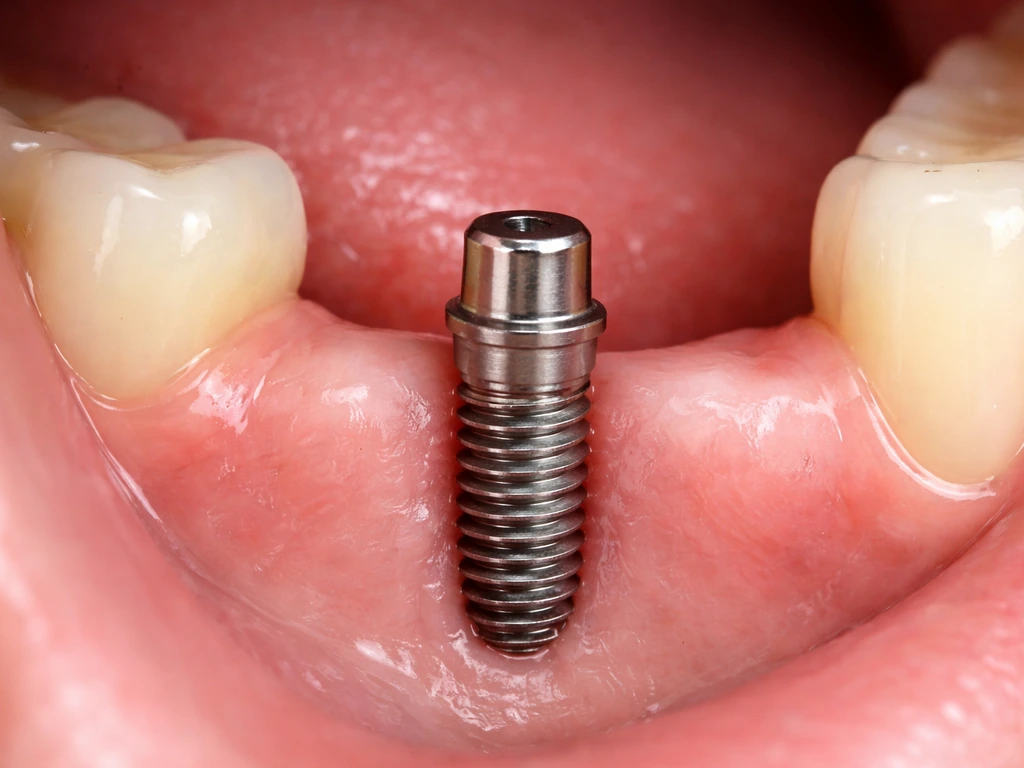
Dental implants are titanium posts placed into the jawbone that act as artificial roots, topped with a crown. blank" rel="noopener noreferrer">A systematic review with meta-analysis puts 10-year implant survival at 96.4% (95% CI: 95.2% to 97.5%), which is genuinely excellent long-term performance. Implants preserve jawbone, feel close to natural teeth, and don't require altering adjacent teeth. They are expensive and not suitable for everyone (you need adequate bone density and generally need to be done growing), but if you're a candidate, they are by far the closest thing to a natural tooth that exists today. If you're wondering why can't humans grow more teeth, it's also why dental implants are the closest thing to a natural tooth available today.
Bridges and partial dentures
A fixed bridge uses crowns on adjacent teeth to support a false tooth in the gap. It's more affordable than implants and doesn't require surgery, but it does require grinding down healthy neighboring teeth. Removable partial or complete dentures are the most accessible option cost-wise. The ADA notes that removable dentures should typically be replaced when more than about 5 years have passed since fabrication, since the jaw changes over time. Modern implant-retained dentures offer a significant improvement in stability and comfort over traditional removable ones.
How to consider clinical trials responsibly
If you're interested in being part of the science, clinical trials are a legitimate option, but approach them carefully. The FDA requires that any risks involved be reasonable relative to what's known and that you give legally effective informed consent before participating. Some practical steps:
- Search ClinicalTrials.gov (for the US) or the EMA's Clinical Trials Information System (for Europe) using terms like "tooth regeneration" or "tooth agenesis." These registries show verified, registered trials with eligibility criteria, locations, and status.
- Check that the trial is registered with a recognized regulatory body (FDA, EMA, PMDA in Japan). Unregistered "stem cell treatments" offered at private clinics overseas are a red flag.
- Read the eligibility criteria carefully. Most current regeneration trials target very specific populations (children with congenital tooth agenesis, not adults with typical tooth loss).
- Ask what phase the trial is in. Phase I is safety testing only. You are unlikely to receive a functional new tooth from a Phase I trial; you are contributing to safety data.
- Consult your dentist or an oral maxillofacial specialist before enrolling. They can help you evaluate whether a trial makes sense for your specific situation and whether standard care might serve you better in the meantime.
The bottom line
Regrowing whole adult teeth from root to crown is not possible today, and it won't be broadly available for at least another decade, probably longer. The science is real and moving, especially the USAG-1 antibody approach now in human trials, but there's a long regulated pathway between a Phase I safety trial and a dentist's office offering you a tooth-growing injection.
In the meantime, dental implants with their 96%-plus 10-year survival rate are an excellent solution if you're a candidate, and other replacement options have improved considerably. If you want to stay connected to the science, bookmark ClinicalTrials. gov and check in annually, but don't put off replacing a missing tooth while waiting for something that may still be years from reality.
FAQ
Does “grow new teeth” mean I can get a tooth replacement without implants or surgery?
Regenerative dentistry today is mostly about improving or restoring what already exists. If you lost a tooth to decay and the root and surrounding tissues are gone, most “regrowth” options you can access will focus on bone, gum support, or filling gaps with implants or bridges, not creating an entirely new tooth from scratch.
If a tooth-regeneration drug works in trials, will it automatically apply to adults who lost teeth years ago?
Trials are usually narrow. A therapy designed for congenital missing teeth may not work the same way in adults with long-standing extractions because the jaw bone and tooth-supporting environment change over time. When you look at a trial listing, check the eligibility criteria for time since extraction, age range, and whether you have congenitally missing teeth versus lost teeth.
Can I “re-grow” enamel if I already have a cavity?
Enamel remineralization can only help very early lesions. If you have a visible cavity, a chipped tooth with structural loss, or ongoing pain from pulp involvement, remineralization is unlikely to restore the missing structure, and you should treat the problem with standard dental care rather than waiting for future regeneration.
Is regenerative endodontics a way to regrow new teeth in adults?
Not typically. Current regenerative endodontics focuses on restoring pulp tissue in specific pediatric or immature permanent tooth situations, such as when the root is still developing. If the root is fully formed and the tooth is mature, the approach and expected outcomes can be different.
Should I delay tooth replacement until the first tooth-growing therapy becomes available?
You generally do not. The most relevant benefit of “tooth-growing” research for many people will come later through drug-like therapies, and those require multi-phase safety and efficacy testing, plus manufacturing and regulatory review. Realistically, your best plan is to treat the current tooth loss with today’s options and consider trials only if you meet criteria.
Can gum and bone regeneration help me avoid losing a tooth, even if it already has gum recession?
Sometimes, but it depends on the stage of the problem. In many cases, periodontal regeneration aims to rebuild the supporting structures around a tooth that can still be kept. If the tooth is hopeless due to severe damage or advanced infection, regenerative approaches may not be feasible, and extraction plus replacement becomes the safer route.
What questions should I ask before enrolling in a dental regeneration clinical trial?
If you want to join a study, the key is to compare the trial’s risk profile to your current standard-of-care options. Ask whether there is a placebo, what the potential side effects are, how long follow-up lasts, and whether you will receive any active treatment if you are randomized to a different arm.
How does the time since my tooth was removed change my options today?
Bone changes can affect eligibility and outcomes for replacement options. If you are years out from extraction, you may need procedures to rebuild adequate bone or modify the treatment plan before implant placement. This is one reason trials for congenital cases may not translate directly to long-term adult extraction scenarios.
Which existing option is most similar to a natural tooth, and what trade-offs should I expect?
If you have missing teeth but also want to avoid altering neighboring teeth, implants are usually the closest match to that goal. Bridges can work when you accept preparing adjacent teeth. Dentures can be an option for cost and accessibility, but they often require replacement as the jaw reshapes over time.
Next Articles
Can Humans Grow New Teeth Today? What Science Can Do
Can humans grow new teeth? Evidence on regeneration science, what works today, and realistic replacement options
Why Can’t Humans Grow More Teeth and What to Do Now
Learn why humans don’t grow back adult teeth, what natural healing can do, and today’s options like implants and bridges
Can Humans Grow a Third Set of Teeth? What’s Possible
Myth-busting answer on whether adults can regrow teeth, plus real options like implants, crowns, and orthodontics.