
Here is the honest answer: you cannot make teeth grow faster in the way most people imagine. You cannot speed up enamel regrowth because enamel does not regrow at all. You cannot force a new adult tooth to appear on demand. But you can remove obstacles that are slowing eruption down, support the biology that drives normal development, and use proven dental treatments to move things along safely. The difference between those two things, what is biologically fixed versus what is actually changeable, is what this guide is about.
How to Make Your Teeth Grow Faster: What’s Possible

Marcus Holloway
7 Apr 2026
The honest reality: what can and can't regrow
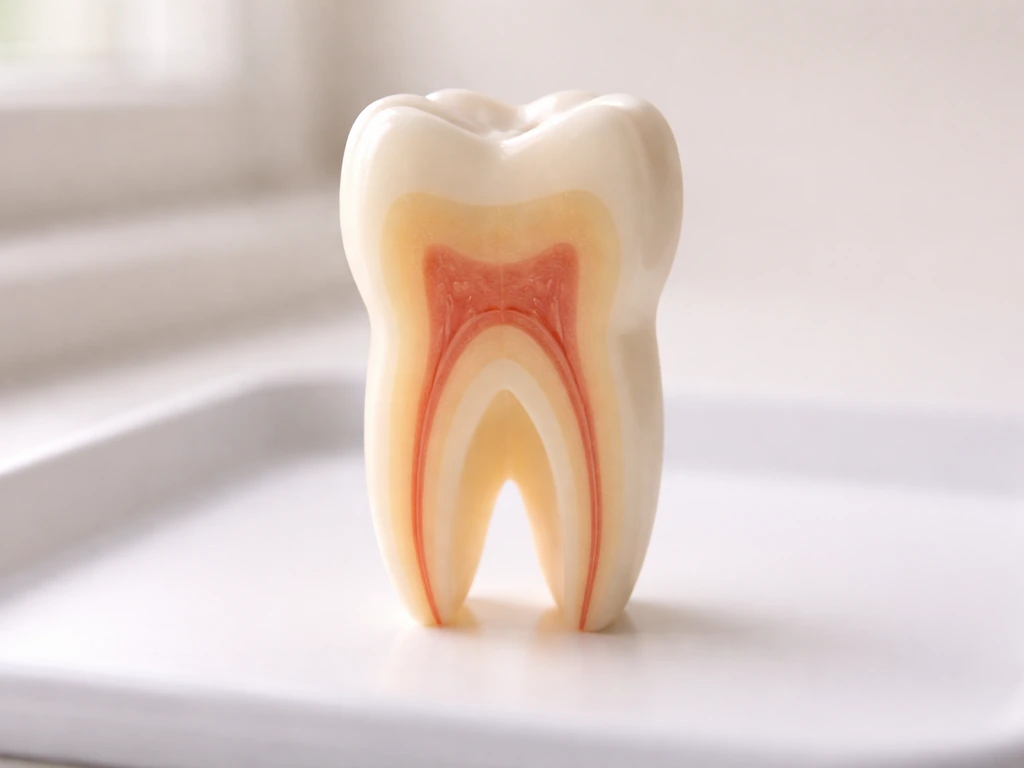
Let's get this out of the way first, because a lot of what you'll find online is misleading. Enamel, the hard outer layer of your teeth, is a non-living tissue. It contains no living cells. Once it's damaged or worn away, your body has no mechanism to replace it. Researchers at the University at Buffalo have stated it plainly: unlike bones, teeth do not regrow. The British Dental Journal has confirmed there is currently no solution available that can effectively regrow enamel tissue in patients, despite some promising early-stage research into enamel-repair materials. Remineralization, which fluoride and certain minerals support, is not the same as regeneration. It can strengthen weakened enamel or reverse very early decay, but it cannot rebuild enamel that is gone.
What about the deeper structures, like dentin and the dental pulp? Regenerative endodontic procedures do exist, and they are being used clinically, but expert consensus is careful here. Studies published in the International Journal of Oral Science note that true regeneration of the pulp-dentin complex does not occur consistently. The new tissue that forms may resemble bone, cementum, or periodontal ligament tissue rather than genuine pulp or dentin. Supporting structures like the bone around teeth and the periodontal ligament can regenerate to a degree with proper treatment, which is meaningful, but it is not the same as regrowing a tooth or its surface. If you want a deeper look at what is and isn't biologically on the table, how to make your teeth grow covers the biological foundations in more detail.
Tooth eruption timelines by age
Before you can judge whether something is wrong, you need to know what normal looks like. Eruption timing varies between individuals, but there are well-established reference ranges. The ADA MouthHealthy eruption charts also provide eruption timing reference ranges to help parents and clinicians judge what is typical reference ranges for tooth eruption timing. Here is a practical breakdown.
| Stage | Teeth Involved | Typical Timing |
|---|---|---|
| Infants/Toddlers | Primary (baby) teeth: central incisors through second molars | First teeth ~5–8 months; full primary set complete by ~25–33 months |
| Children (6–12) | Permanent first molars, central/lateral incisors, canines, premolars | First permanent molars and incisors around age 5–7; rest through ~age 12 |
| Teens (12–17) | Second permanent molars, remaining permanent teeth | Second molars typically by age 12–13; most permanent teeth in place by mid-teens |
| Late teens/Young adults | Third molars (wisdom teeth) | Typically between ages 17–21, with significant individual variation |
| Adults 21+ | No new teeth expected to erupt naturally | Eruption phase is complete; no new tooth growth occurs |
The mixed dentition phase, roughly ages 6 through 12, is when baby teeth and permanent teeth coexist. It can look confusing because a child may have gaps, loose teeth, and new teeth all at once. This is completely normal. If you are a parent worried about a child's permanent teeth not coming in after a baby tooth fell out, a wait of a few months is usually fine. Concern is warranted when a permanent tooth hasn't emerged well beyond the expected window for that specific tooth. If you're focused on a single tooth specifically, how to make a tooth grow in faster addresses individual tooth delays in more depth.
Wisdom teeth deserve their own mention because they cause so much confusion. They typically erupt between 17 and 21 years, but not everyone develops all four, and many that do develop become impacted. If your wisdom teeth are coming in and you want to understand what influences their path, there is specific guidance in how to make wisdom teeth grow in faster and on the related question of how to make your wisdom teeth grow straight, which explains why their angle of eruption is largely determined before they break through the gum.
Eruption vs. regeneration: they are completely different things
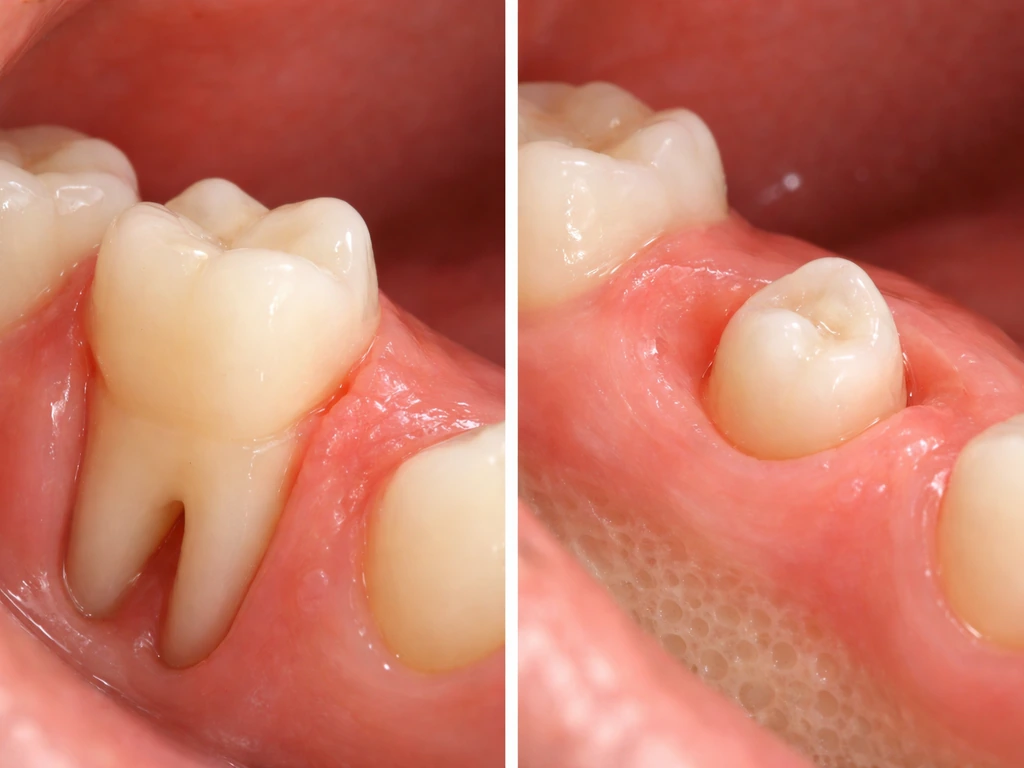
This is the distinction that clears up most of the confusion around this topic. Eruption is the natural process of a tooth moving through the jaw and breaking through the gum. It is driven by a complex, coordinated biological process involving the tooth follicle, surrounding bone, and neuromuscular signals. It happens on a developmental schedule. You can influence it by removing obstacles and supporting the body's overall health, but you cannot fundamentally accelerate the biology.
Regeneration, on the other hand, would mean growing new tooth tissue: enamel, dentin, or an entire tooth from scratch. Humans simply do not have this ability after the second set of teeth. You get two sets, that's it. Any product, supplement, or internet remedy claiming to regenerate a tooth or its enamel is making a claim that current dental science does not support. The two questions, 'why isn't my tooth coming in?' and 'can I regrow a damaged tooth?' have completely different answers, so it's worth being clear about which situation you are actually in.
What you can actually do today to support healthy development
Even though you cannot override the developmental clock, the environment you create in your mouth and body absolutely influences how smoothly eruption proceeds and how healthy developing teeth are when they arrive. These are the factors with real, evidence-backed effects.
Nutrition: calcium and vitamin D matter most

Teeth mineralize in the jaw before they erupt, meaning the nutritional environment during tooth development shapes the quality of the teeth that eventually come through. Calcium and vitamin D are the most critical nutrients. Calcium is the primary mineral in enamel and dentin, and vitamin D is required for the body to actually absorb and use calcium. Deficiencies in either can affect enamel quality and potentially contribute to developmental problems. Adequate protein, phosphorus, and vitamins A and C also support the connective tissues and bone that surround developing teeth. Getting these from whole food sources, dairy, leafy greens, fatty fish, eggs, is more reliable than supplementing without a known deficiency.
Oral hygiene and fluoride
Fluoride does not make teeth grow faster, but it makes erupting teeth more resistant to decay and supports remineralization of weakened enamel. The ADA's framework for non-restorative care prioritizes fluoride toothpaste and gel regimens as the most evidence-backed approach for managing enamel health. Using a fluoride toothpaste twice daily, and following your dentist's recommendations on fluoride treatments or supplements if you are in a low-fluoride water area, is genuinely useful. Keeping gum tissue healthy through brushing and flossing also matters: inflamed or infected gums can interfere with normal eruption.
Sleep, stress, and lifestyle
Growth and tissue development in children happen largely during sleep, driven by growth hormone release. Chronic sleep deprivation or high stress is not going to grind development to a halt, but it does not help either. Smoking and vaping have documented effects on gum tissue and blood flow to oral structures, which is directly relevant to how well teeth erupt and how well supporting structures stay healthy. If you are a teen or young adult whose wisdom teeth are still coming in, this matters more than people realize.
Timely treatment of primary teeth
One of the most practical things parents can do is take care of baby teeth. Losing a primary tooth too early (from decay or trauma) can cause neighboring teeth to drift and block the space the permanent tooth needs to erupt into. Treating cavities in baby teeth and using space maintainers when a primary tooth is lost early protects the eruption path for what comes next. The American Academy of Pediatric Dentistry also explains that when a tooth is lost prematurely, a pediatric dentist may recommend a space maintainer to help prevent future space loss and related dental problems space maintainers when a primary tooth is lost early. This is simple, affordable, and genuinely effective, and it's underutilized.
When a tooth not coming in is actually a warning sign
Delayed tooth emergence is a real clinical diagnosis, not just a description. The American Academy of Pediatric Dentistry defines it as a tooth that is overdue compared to population norms. When that threshold is exceeded, clinicians look for both local and systemic causes.
Local causes are more common and include crowding and lack of space, retained primary teeth that haven't fallen out and are blocking the path, supernumerary (extra) teeth crowding the normal tooth out, cysts or other lesions in the jaw, and physical malposition of the tooth itself. Dentigerous cysts, which form around unerupted teeth, are particularly worth knowing about because they can cause bone destruction and root resorption, and if left untreated can transform into more serious lesions. This is why a panoramic X-ray is often the right first step when a tooth is significantly delayed.
Systemic causes are less common but more important to catch. Endocrine disorders, genetic syndromes, and nutritional deficiencies can all affect the eruption timeline across multiple teeth. If a child is showing delays across several teeth rather than just one, that is a signal to include the pediatrician in the conversation, not just the dentist. Primary failure of eruption (PFE) is a recognized rare disorder where teeth simply fail to erupt despite no apparent obstruction, and it requires specialist evaluation.
- A permanent tooth is more than 6–12 months overdue based on normal eruption charts
- Multiple teeth are delayed at the same time with no obvious local cause
- A previously erupting tooth stops moving or seems to reverse
- The gum over a delayed tooth is swollen, discolored, or painful
- A child is past age 13 and still missing several permanent teeth
- Delayed dentition is accompanied by short stature, other developmental delays, or known genetic conditions
Any of these situations warrants professional evaluation, not home remedies. The same principle applies for adults asking about molars that have never fully erupted. For that specific scenario, how to make your molars grow in faster covers what's normal, what's not, and when to seek care.
Dental treatments that can actually speed outcomes
There are legitimate clinical interventions that move the process along when something is genuinely getting in the way, or when faster orthodontic movement is the goal.
Space management and interceptive orthodontics
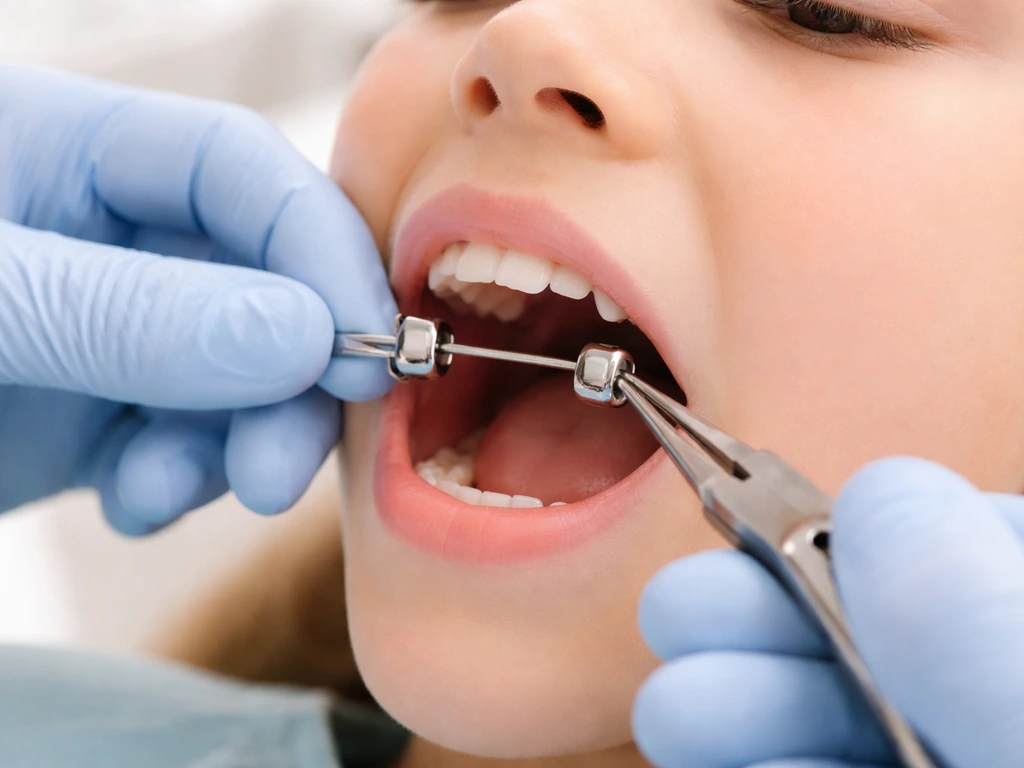
If a primary tooth is retained too long, a dentist can extract it to give the permanent tooth room to come through. If space has been lost due to early tooth loss or crowding, a space maintainer or early orthodontic intervention can reopen the path. The AAPD framework emphasizes assessing the developmental stage and timing interventions correctly. Acting too early or too late both have consequences, which is why an orthodontic evaluation around age 7 is recommended even if nothing looks obviously wrong.
Surgical exposure of impacted teeth
When a tooth is physically blocked by bone or soft tissue, an oral surgeon can expose it surgically and an orthodontist can then use braces or aligners to guide it into position. This is a well-established approach for impacted canines in particular, and it is far more effective than any supplement or home treatment.
Accelerated orthodontics
For people already in orthodontic treatment who want faster movement, there are evidence-based options. Corticotomy-facilitated orthodontics (a surgical procedure that creates small cuts in the alveolar bone to trigger a localized healing response) has been shown in systematic reviews to reduce overall treatment time significantly. One review reported mean treatment times of around 8.85 months in corticotomy cases versus roughly 16.4 months in controls. That is a meaningful reduction. However, it is a surgical procedure, it is not appropriate for everyone, and it needs to be done by a skilled clinician with careful patient selection.
Low-level laser therapy has also been studied as an adjunct to orthodontic movement, but systematic review evidence rates the overall certainty as very low, and clinical impact is inconsistent. It is not a reliable shortcut. What is clear from the orthodontic literature is that using higher forces to try to move teeth faster is counterproductive: it increases the risk of root resorption, not the speed of safe movement.
Periodontal and bone care
Healthy supporting structures, the gums and alveolar bone, are the foundation for everything. Treating gum disease actively improves the environment for both eruption and orthodontic outcomes. Regenerative periodontal procedures can restore some lost bone and periodontal attachment, which matters for teeth that are present but not fully supported. This is not regrowing a tooth, but it can make a significant difference to function and stability.
What doesn't work: supplements, home remedies, and things to avoid
This is where a lot of people spend money and time without results, or sometimes do actual damage. A few specific things are worth naming directly.
Supplements claiming to regrow teeth or enamel
No supplement on the market can regrow enamel or cause a new tooth to grow. If you are deficient in calcium, vitamin D, or another nutrient relevant to oral health, correcting that deficiency through diet or supplementation supports overall health, including dental health. But taking extra calcium or vitamin D when you are not deficient will not accelerate eruption or regenerate lost enamel. The biological limits here are not about nutrition: they are about the absence of enamel-producing cells once teeth have fully formed.
Oil pulling
Oil pulling is frequently recommended online as a way to improve oral health, whiten teeth, or stimulate tooth growth. The ADA does not recommend it as a dental hygiene practice, citing a lack of reliable scientific evidence. Some studies show a modest reduction in plaque or gingival scores, but the evidence quality is limited. It should not replace brushing and flossing, and it will not affect tooth eruption in any way.
Charcoal toothpaste and other dental fads
Charcoal toothpaste is widely marketed as a whitening or detoxifying product. Ohio State University's Wexner Medical Center has explicitly called it out as a dental fad. Charcoal-based products can be abrasive enough to damage enamel over time, which is the opposite of what you want if you are concerned about tooth health. These products do not stimulate growth or regeneration of any kind.
The 'longer teeth' misconception
Some people searching for ways to make teeth grow are actually hoping to make existing teeth appear longer, whether for cosmetic reasons or because gum recession has made teeth look shorter. These are different situations with different solutions, and neither involves making a tooth biologically grow longer. If you have questions specifically about tooth length, how to make teeth grow longer naturally and the related article on can teeth grow longer address what's actually possible there. Similarly, if you're wondering about the appearance of canine teeth specifically, how to make your canine teeth grow longer covers what dentistry can and cannot do for that.
Your practical next steps
Where you go from here depends on which situation you are actually in. Here is a direct breakdown.
- Child with a delayed permanent tooth: If the delay is within a few months of the expected window and there's no pain or swelling, monitor it. If it's significantly overdue (more than 6 months past the expected eruption time for that tooth), see a dentist for a panoramic X-ray to check for impaction, cysts, or supernumerary teeth.
- Child with multiple delayed teeth: See both a pediatric dentist and your pediatrician. Systemic and genetic causes need to be ruled out, not just local dental causes.
- Teen with wisdom teeth coming in slowly or crookedly: Get an evaluation from a dentist or oral surgeon around age 17–18. A panoramic X-ray will show the angle and available space. Many wisdom teeth need removal, not encouragement.
- Adult with damaged or worn enamel: Your options are remineralization for very early damage (fluoride, cutting acidic foods/drinks), and restorative dentistry (bonding, veneers, crowns) for more significant loss. There is no natural regrowth option.
- Adult with a missing tooth: Implants, bridges, and partial dentures are your realistic options. None of them involve biological regrowth, but modern implants function extremely well and can last decades.
- Anyone wanting faster orthodontic results: Talk to your orthodontist specifically about accelerated options, including corticotomy-facilitated treatment if you are a candidate. Do not try to speed things up by removing aligners less or requesting stronger forces, as this increases the risk of root damage.
The bottom line is that most of what drives 'faster tooth growth' is either already happening on a biological schedule you cannot override, or it is being slowed by a specific obstacle that a dentist can identify and address. Skip the supplements and hacks. Get a proper clinical assessment, ask the right questions, and work with the biology rather than against it.
FAQ
If teeth cannot regrow, what should I do if mine are delayed?
Most “faster tooth growth” claims target enamel regeneration or creating new teeth, neither of which is possible after the two adult sets. If your tooth seems delayed, the practical goal is to identify what is blocking eruption (space loss, retained primary tooth, extra tooth, cyst, or misalignment) and treat that specific cause.
When is a “delayed” tooth late enough to see a dentist?
The safe rule is: if a single permanent tooth is clearly outside the expected eruption window for its location, get evaluated rather than waiting for a miracle supplement. For children, call a dentist or pediatric dentist sooner if multiple teeth seem late, because systemic factors or rare conditions may need screening.
Does fluoride toothpaste help teeth come in faster?
Fluoride mainly strengthens teeth and helps prevent early decay, it does not speed up eruption timing. If you are using fluoride toothpaste, focus on consistent twice-daily use and any clinician-recommended fluoride varnish or gel, then address eruption barriers through an exam and X-rays.
How can baby tooth problems affect permanent tooth eruption time?
Baby teeth can affect eruption indirectly. If a primary tooth is lost early from decay or trauma, nearby teeth can drift and reduce space, making the permanent tooth take a longer, more difficult path. Treating cavities early and using a space maintainer when indicated helps protect the eruption route.
Can I change the direction of wisdom teeth eruption at home?
Yes, but it is not a DIY fix. Wisdom teeth angle is largely influenced before they break through, and once eruption begins, the key variables are space, jaw shape, and whether the tooth is impacted. If you have pain or trouble opening your mouth, a dentist can assess with imaging and discuss monitoring versus removal.
Will stronger braces make teeth move in faster safely?
Higher orthodontic forces are not the answer if you want “faster” without tradeoffs. Aggressive force increases the risk of root resorption, so orthodontists optimize for controlled movement, stable bone support, and monitoring with periodic imaging.
Is corticotomy-facilitated orthodontics a good option for any delayed tooth?
Corticotomy-assisted orthodontics can shorten overall treatment time in selected patients, but it is not universally appropriate. It typically requires careful selection, surgical risk assessment, and orthodontic planning, and it is not meant to fix a tooth that is blocked by a lesion or missing space that needs a different approach.
Does laser therapy reliably speed up orthodontic tooth movement or eruption?
Low-level laser therapy has been studied as an adjunct, but the evidence for consistent, meaningful clinical impact is weak. If a clinic presents it as a reliable shortcut to faster eruption, ask what standard measures they use to evaluate the actual barrier and how results are monitored.
Are oil pulling or charcoal toothpaste worth trying for tooth growth?
Oil pulling and charcoal products do not change eruption timing or regrow enamel. Charcoal toothpaste can be abrasive and may wear enamel over time. If you want an evidence-based routine, prioritize brushing with fluoride toothpaste, flossing, and professional cleanings.
What if my teeth look shorter, but the tooth is not actually delayed?
If your “delayed tooth” problem is actually gum recession or a cosmetic appearance issue, the approach is different. Eruption cannot lengthen a fully formed tooth beyond its normal biological limits, so options may involve gum treatment or cosmetic dentistry rather than supplements.
What should adults do if a molar never fully erupted?
For a single adult molar that never fully erupted, the most common next step is assessment with an exam and imaging to check for impaction, lack of space, or local obstructions. Treatment could involve exposure, orthodontic guidance, or surgical options depending on what is blocking eruption.
Should delayed eruption in kids trigger a medical workup too?
If the delay involves several teeth or is paired with other symptoms, it is reasonable to involve a pediatrician or physician. Dentists can do the dental assessment, but systemic causes like endocrine or nutritional issues may require broader evaluation.
If a tooth is blocked, how do clinicians confirm the cause?
If you have a retained baby tooth or an extra tooth (supernumerary), the treatment may be extraction or targeted orthodontic planning rather than waiting. A dentist may use radiographs to confirm the anatomy, then choose the timing carefully to avoid acting too early or too late.
Next Articles
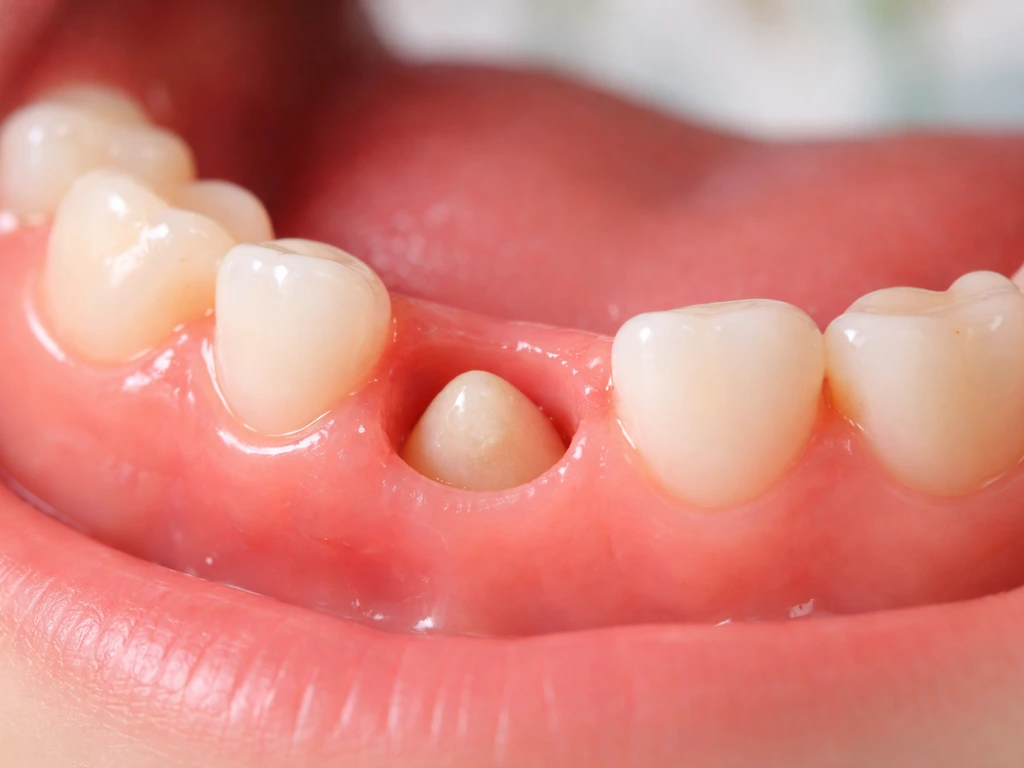
Do Milk Teeth Grow Back? Timelines, What to Do, Red Flags
Learn if milk teeth regrow, typical timelines for permanent teeth, what to do after loss or injury, and red flags.
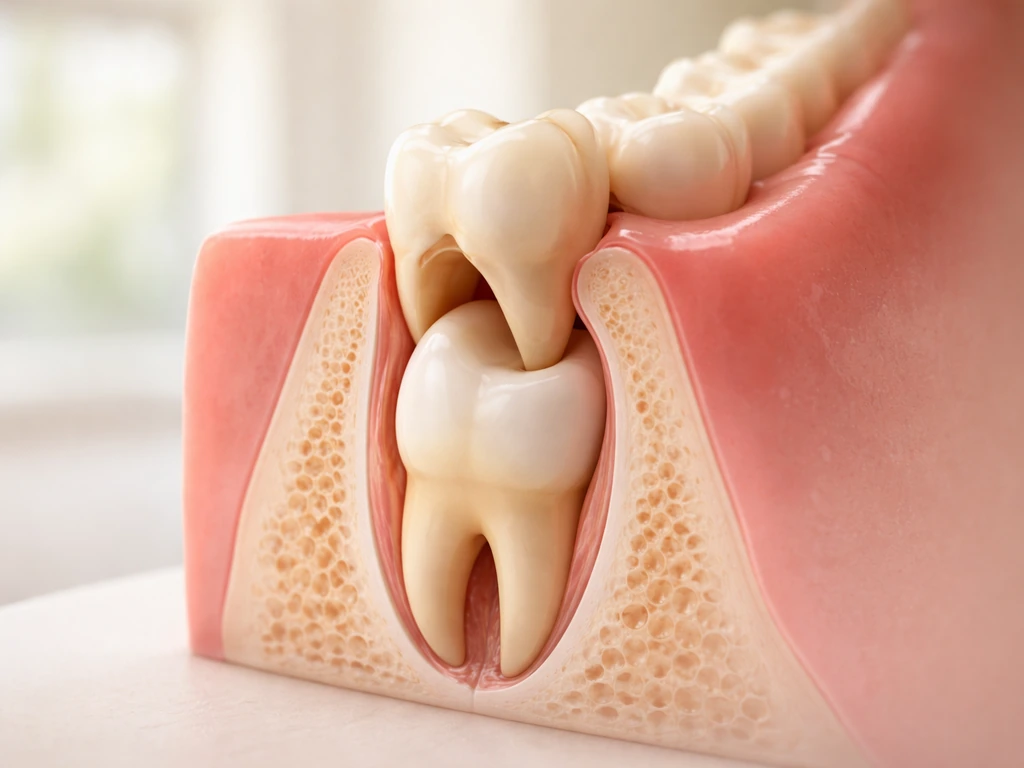
Can Milk Teeth Grow Twice? Replacement vs True Regrowth
Can milk teeth grow twice? Learn why baby teeth usually only get replaced, not regrown, and what to do if one falls out
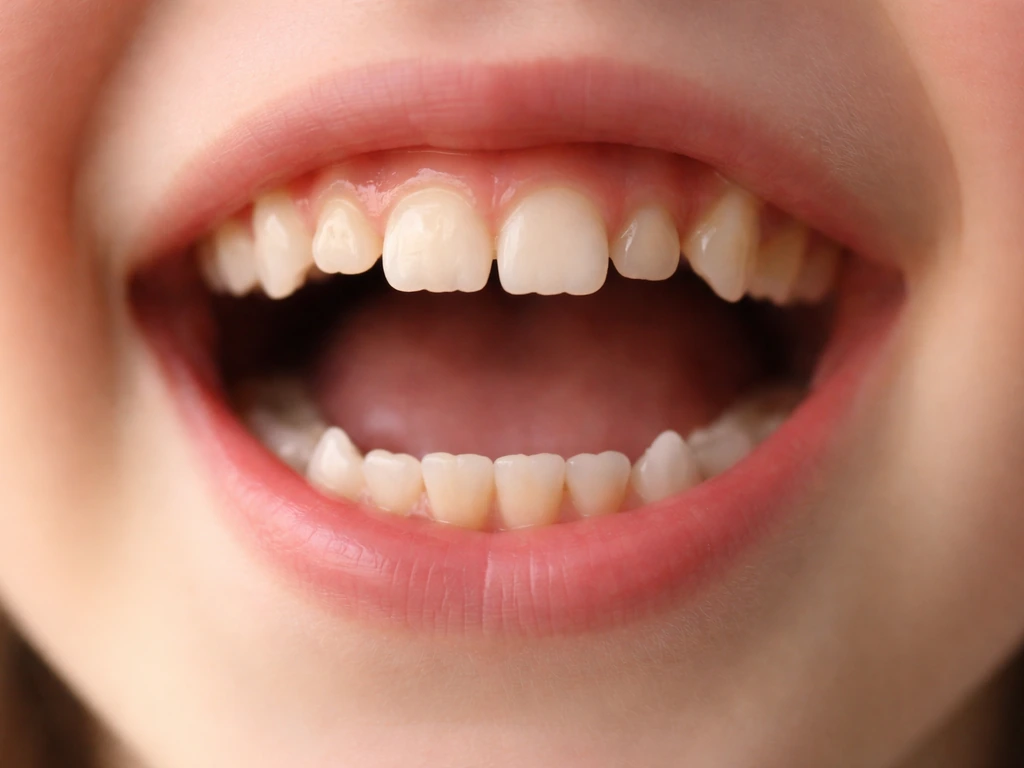
Why Do Teeth Only Grow Twice? Baby vs Permanent Explained
Why humans have only baby and permanent teeth: eruption timeline, limits of enamel regrowth, and common exceptions to kn