
The honest answer depends entirely on what you mean by "grow." If you're asking how long it takes for a tooth to erupt through the gums during normal development, we're talking months to years depending on which tooth and your age. If you're asking how long it takes for a lost or damaged tooth to grow back on its own, the answer for adults is: it doesn't. Human adults only get two sets of teeth, and once a permanent tooth is gone, biology does not replace it. That's not pessimism, it's just dental anatomy. But there's a lot of useful middle ground between those two answers, and that's what this guide is for.
How Long Does It Take Teeth to Grow? Timelines Explained

Marcus Holloway
4 Apr 2026
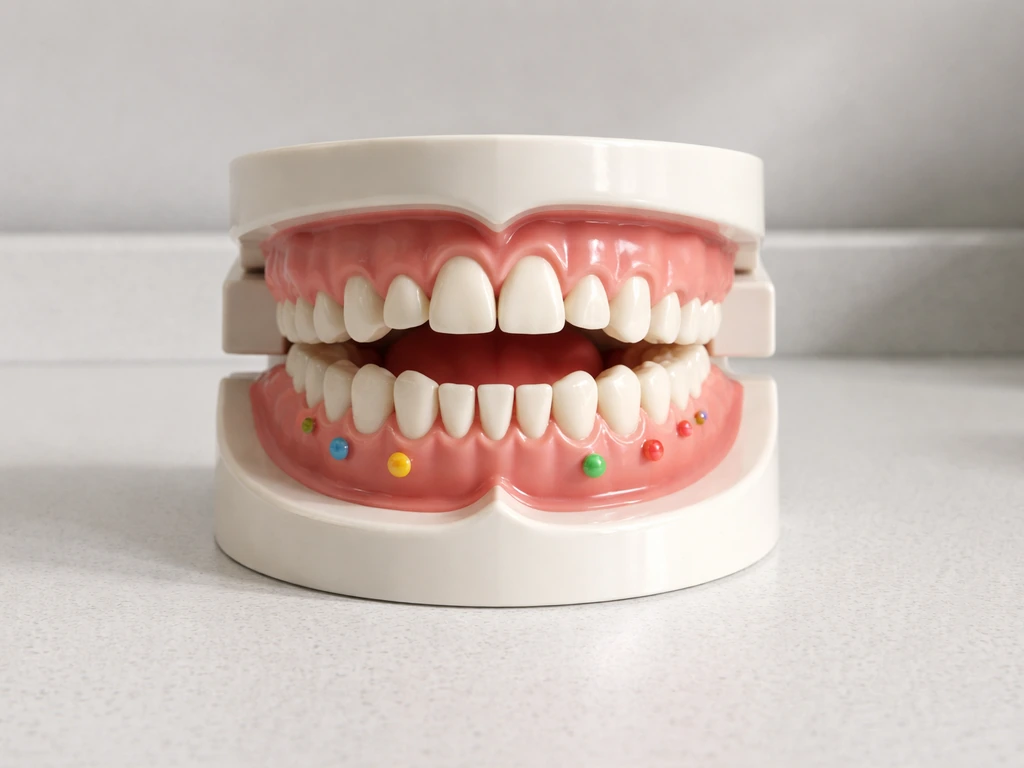
What "tooth growth" actually means
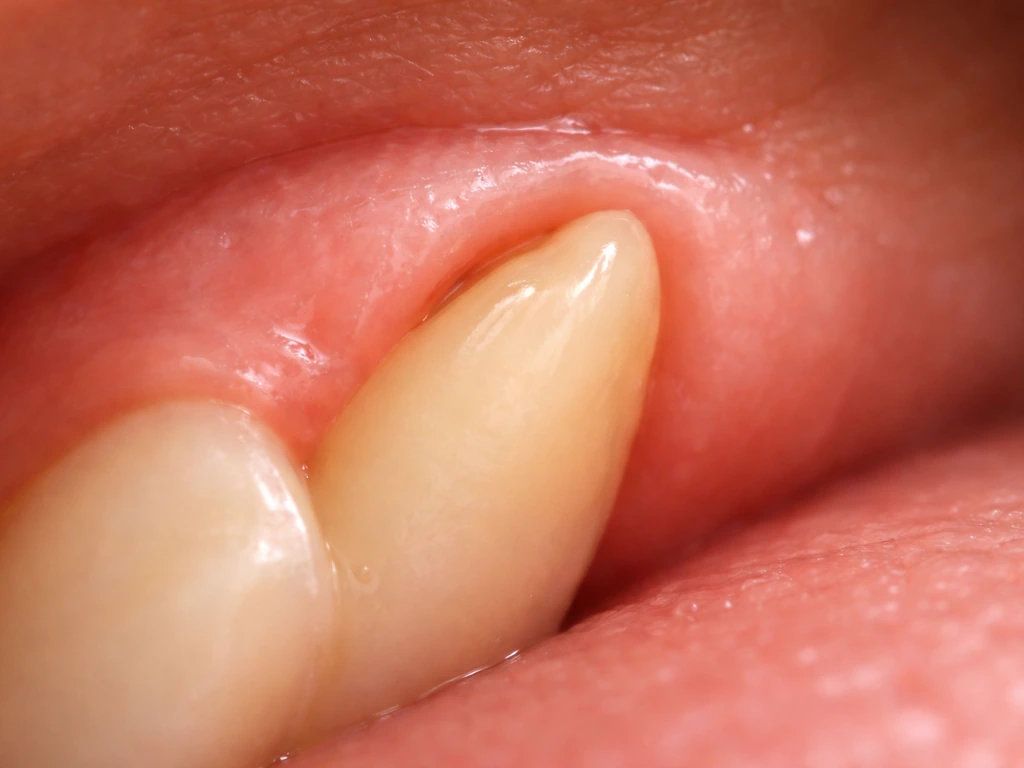
When dentists talk about teeth "growing in," they mean eruption: the process by which a developing tooth moves through the jawbone and gum tissue until it becomes visible in the mouth. The tooth itself is largely formed inside the jaw long before you ever see it. What you're watching, whether it's a baby's first tooth poking through or a teenager's wisdom tooth slowly emerging, is a coordinated movement, not a tooth sprouting from scratch. Roots develop during this process, which is part of what drives the tooth upward, but the crown (the white part you see) is already shaped before eruption begins.
There's also something called passive eruption, which is worth knowing about if you've ever wondered why teeth sometimes look longer as you age. Passive eruption refers to the gum tissue slowly migrating downward (away from the crown) after a tooth has already fully emerged. The tooth itself isn't growing, the gum is receding, exposing more of the crown. This is a completely different process from active tooth eruption, and it's relevant when people ask how to make their teeth look longer, which we'll get to shortly.
The normal timeline: baby teeth and permanent teeth
Tooth development follows a fairly predictable schedule, though there's meaningful variation between individuals. If you're a parent tracking your child's teeth, or an adult wondering what's normal, here's the broad picture.
Baby teeth (primary dentition)
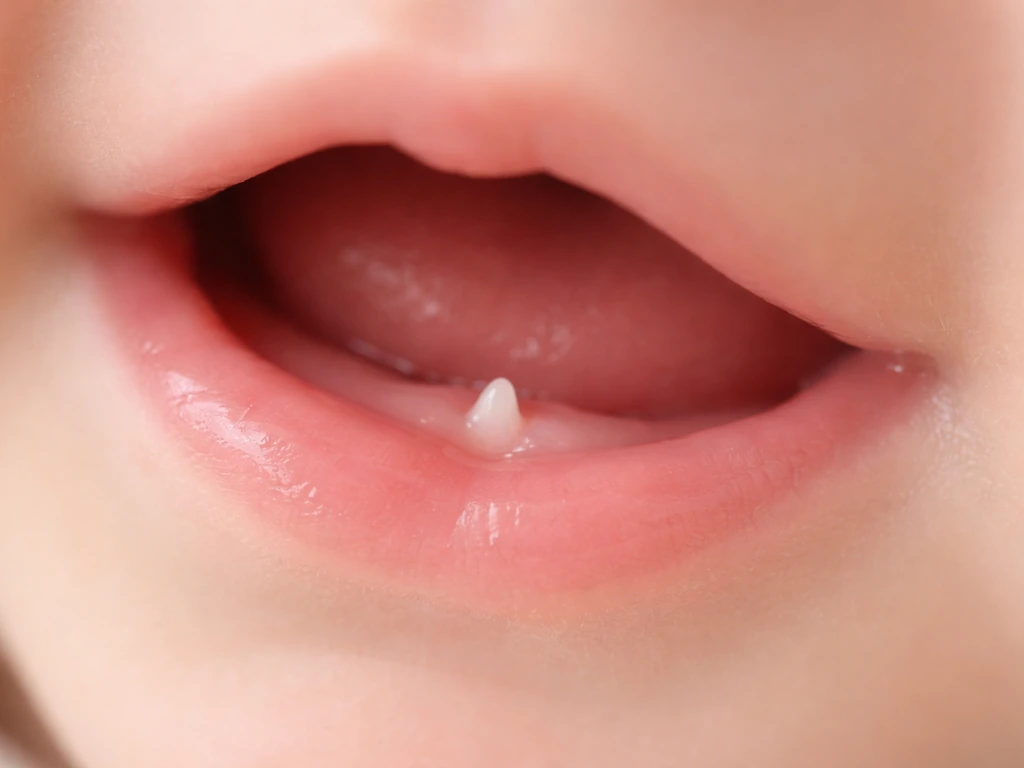
Most babies cut their first tooth around 6 months of age. The full set of 20 primary teeth typically finishes erupting somewhere between 25 and 33 months, so by the time a child is about 2. Dentalcare's eruption and shedding chart for primary teeth provides example eruption ages, including central incisors around 8 to 12 months and second primary molars around 25 to 33 months [full set of 20 primary teeth typically finishes erupting somewhere between 25 and 33 months](https://www.
dentalcare. com/en-us/ce-courses/ce542/primary-teeth). 5 to 3 years old, all the baby teeth are generally in place. If you're curious about when teeth grow in during infancy and early childhood, the short version is: the lower front teeth (central incisors) usually arrive first, and the upper and lower second molars are the last of the baby teeth to appear.
In terms of which teeth grow in first, the lower central incisors typically take the lead around 6 months, followed closely by the upper central incisors. There's a reason your pediatrician checks for these at the 6-month well visit. If teeth are significantly delayed beyond 12 to 15 months without any sign of eruption, that's worth mentioning to a dentist.
Permanent teeth
The permanent teeth start arriving around age 6 or 7, usually beginning with the lower central incisors and the first molars. This overlap with baby tooth loss is why 6-year-olds often look like they have a chaotic mix of tiny and large teeth at the same time. The full permanent dentition (excluding wisdom teeth) is generally in place by the early teens, around 12 to 13 years old.
| Tooth | Approximate Eruption Age |
|---|---|
| Lower central incisors (permanent) | 6–7 years |
| Upper central incisors (permanent) | 7–8 years |
| First molars | 5–7 years |
| Second molars | 11–13 years |
| Third molars (wisdom teeth) | 17–25 years (highly variable) |
If you're wondering about a specific tooth, like how long it takes for a front tooth to come in after a child loses a baby one, that process varies. How long it takes for a front tooth to grow in depends on how close to eruption the permanent tooth already is when the baby tooth falls out. Sometimes it's just a few weeks. Other times, especially if a baby tooth was lost early, it can take several months. A dental X-ray gives a much clearer picture than just waiting and watching.
Understanding when permanent teeth grow matters because delays can sometimes signal problems like ectopic eruption (where a tooth is growing in the wrong direction), crowding, or ankylosis (where a tooth becomes fused to the bone). These aren't emergencies to panic about, but they do warrant evaluation rather than indefinite waiting.
Can teeth actually grow back? What's realistic
This is where a lot of internet misinformation lives. Let's be direct: adult humans cannot regrow lost teeth. You don't have a third set waiting in reserve. When a permanent tooth is extracted or knocked out, it's gone unless a dentist replaces it with an implant, bridge, or denture. Period.
That said, there are limited situations where something close to "regrowth" is happening, and it's worth understanding what those actually are.
Early enamel remineralization (not the same as regrowth)
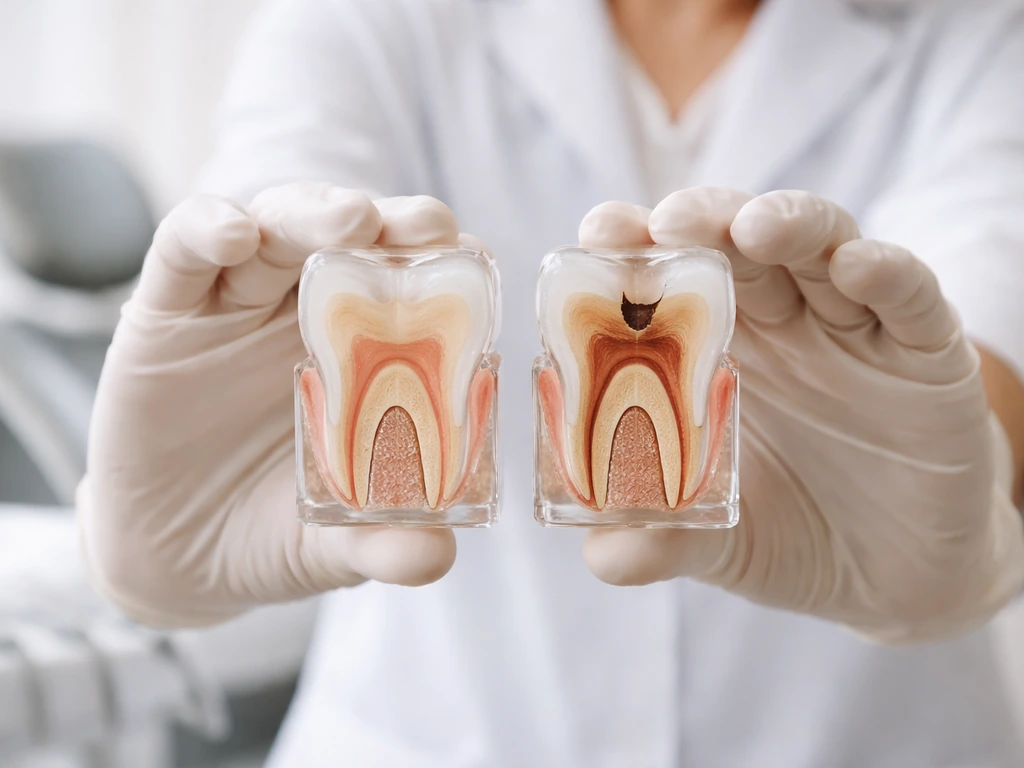
If a cavity is caught very early, before it breaks through the enamel surface into a full hole, it is possible for the enamel to remineralize with the help of fluoride and good oral hygiene. Fluoride can be detected in enamel tissue as early as 6 weeks after treatment and can persist for 18 months or longer. Early surface improvements can show up within weeks of consistent remineralization efforts. Deeper lesions take months. But this is mineral redeposition on a microscopic level, not true enamel regrowth. Once a cavity has formed an actual cavity (a hole), that lost enamel does not grow back on its own.
Regenerative endodontics for immature teeth
There is a real and growing area of dentistry called regenerative endodontics, but it applies in a very specific situation: young permanent teeth with immature roots that have had their pulp (the living tissue inside) become necrotic due to trauma or infection. The goal of these procedures is to encourage the root to continue developing and to rebuild the functional pulp-dentin complex inside the tooth. This is not a way to grow a new tooth or replace lost enamel. It's a way to salvage a young tooth that would otherwise be lost. It's also only an option for specific cases, not a general solution.
Knocked-out (avulsed) permanent teeth
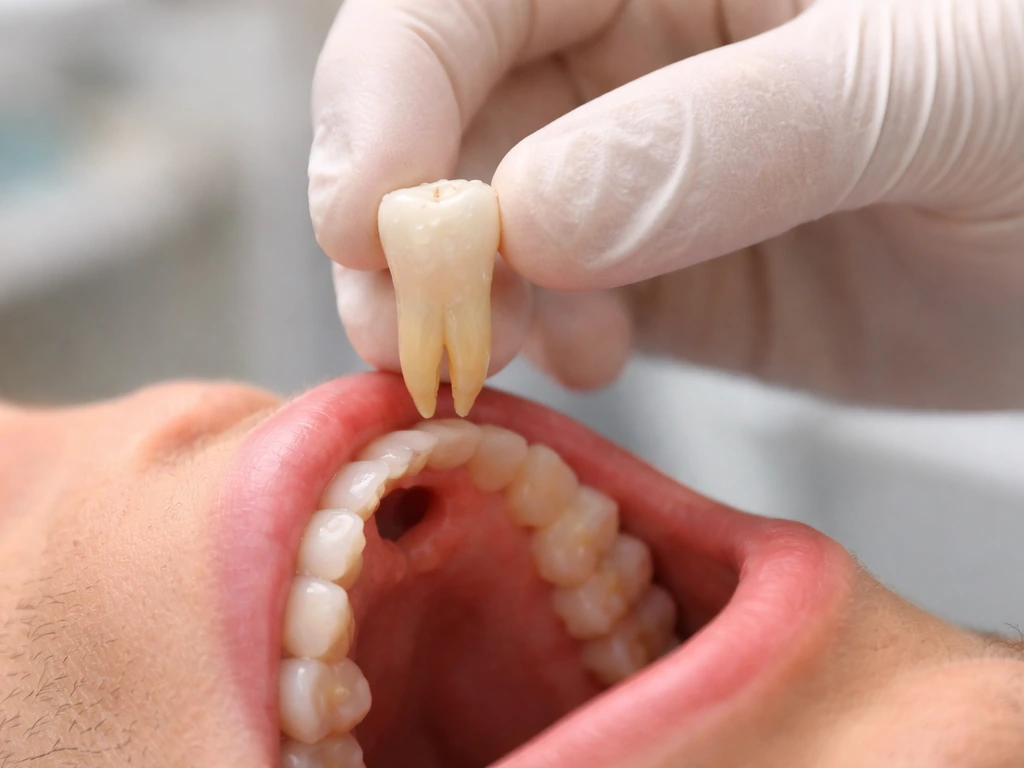
If a permanent tooth is knocked completely out of the socket, the only option that preserves any possibility of keeping the natural tooth is immediate replantation. Dental trauma guidelines emphasize that the periodontal ligament cells on the tooth root start dying quickly once the tooth is out of the mouth, and replantation within 15 to 20 minutes dramatically improves prognosis. Beyond that window, the risk of the tooth becoming ankylosed (fused to the bone with no living ligament) increases significantly.
The tooth doesn't "grow back" in any biological sense even in the best case. You're racing to preserve the ligament so the body accepts the reimplanted tooth rather than rejecting it. If you're ever in this situation: handle the tooth by the crown, rinse it gently, and get to a dentist immediately.
What teeth simply cannot do: enamel, dentin, and lost roots
Enamel is the hardest substance in the human body, but the cells that form it (ameloblasts) are lost once a tooth fully erupts. This means enamel cannot regenerate after it's worn down or dissolved by acid. What you see is what you have for life. Dentin, the layer beneath enamel, has slightly more capacity for self-protection: the pulp can deposit a thin layer called tertiary dentin in response to injury, essentially walling itself off. But this is a defensive response, not meaningful tooth rebuilding.
Pulp necrosis, where the pulp tissue inside the tooth dies due to decay or trauma, eliminates any further natural protective capacity the tooth had. Once the pulp is dead, the tooth cannot generate new tissue on its own, and treatment (typically a root canal or, in some cases, extraction) becomes necessary. There's no waiting it out and hoping for natural recovery.
Lost roots are equally irreversible. When a tooth is extracted, the socket will heal, but no new root forms. The bone that held the tooth will actually begin to resorb over time without a tooth in place, which is one of the reasons dentists recommend implants relatively promptly after extraction in appropriate candidates.
How to make teeth look or feel longer (safely)
If your teeth look shorter than they used to, or if a specific tooth seems to have shrunk, there are a few common culprits. Understanding the cause determines what can actually be done.
Gum recession
When gum tissue pulls back from the tooth, it exposes more of the root surface. Teeth can suddenly look longer, but they can also look shorter if the gums are swollen and covering more of the crown than they should. Gum recession caused by aggressive brushing, periodontal disease, or other factors can sometimes be addressed with soft tissue grafting, a procedure where tissue is used to cover exposed roots. This doesn't make the tooth biologically longer, but it restores gum coverage, reduces sensitivity, and protects the root from further damage.
Tooth wear from grinding or acid erosion
Bruxism (teeth grinding) is one of the most common reasons teeth appear shorter over time. Enamel gets worn down millimeter by millimeter, and since enamel can't grow back, the only way to restore lost tooth height is through dental treatment: bonding, veneers, crowns, or in severe cases, full-mouth reconstruction. Acid erosion from diet or reflux causes similar irreversible wear. The practical answer here is to stop the damage first (a night guard for grinding, addressing acid sources) and then discuss restoration options with your dentist.
Crown lengthening for short-looking teeth
Some people have teeth that are naturally covered by more gum tissue than average, making them look short even though the tooth itself is a normal size. This can be corrected with a dental procedure called crown lengthening, where the gum and sometimes a small amount of bone is reshaped to expose more of the natural tooth crown. This is a legitimate, common procedure, not cosmetic fluff. It can make a real difference in both appearance and function.
Wisdom teeth and other late arrivals
Wisdom teeth are the most dramatic example of late tooth eruption. These third molars typically erupt between ages 17 and 25, but that window is wide, and some people don't see movement until their late 20s or even early 30s. Some people's wisdom teeth never erupt at all, either because they're impacted (blocked by other teeth or bone) or because they were simply never there genetically.
If you're wondering how fast teeth grow when it comes to wisdom teeth, the process from first signs of movement under the gum to full eruption can take months to years, and partial eruption (where the tooth is only partway through the gum) is extremely common. Partially erupted wisdom teeth are prone to trapping food and bacteria, which leads to a painful infection called pericoronitis.
Wisdom teeth are also the answer to the question of what the final teeth to grow in the mouth are. They are the last teeth in the human dental sequence, and understanding when and whether they'll erupt is worth a conversation with your dentist around age 17 to 18 even if nothing hurts yet. An X-ray at that stage can show whether there's room for them to come in properly or whether extraction is likely in your future.
In terms of which teeth grow last, third molars are universally the answer for both the upper and lower jaw. The second molars arrive around age 11 to 13, and then there's often a multi-year gap before wisdom teeth make their appearance.
When wisdom teeth become a problem, the NHS advises seeking urgent dental attention for severe pain, facial swelling, fever, or difficulty opening the mouth. These are signs of infection, and waiting for the tooth to "finish growing" won't resolve an infection. It needs treatment.
There's a reason certain teeth come in a specific order
It's worth noting that the sequence of eruption isn't random. Teeth that are typically the first to grow in are positioned to help establish the jaw's basic functional relationship early. The lower central incisors start things off because the jaw needs biting function as soon as possible in infancy and early childhood. The sequence is coordinated with jaw growth, muscle development, and the position of incoming permanent teeth below the baby teeth. When eruption happens out of sequence or is significantly delayed, it often signals a local issue like a supernumerary tooth (an extra tooth blocking the path) or early loss of a baby tooth that's allowed shifting.
What to do right now depending on your situation
Rather than one generic "see a dentist" recommendation, here's how to think about urgency based on your specific situation.
| Situation | What to do | Urgency |
|---|---|---|
| Baby tooth lost early or adult tooth knocked out | Go to a dentist immediately; for avulsion, bring the tooth in milk or saline | Urgent (same day) |
| Wisdom tooth pain with swelling, fever, or trouble opening mouth | Seek urgent dental care or emergency services | Urgent (same day) |
| Child's permanent tooth delayed past 14 months after baby tooth loss | Schedule a dental visit for X-ray evaluation | Soon (within weeks) |
| Teeth appear shorter due to grinding or wear | See a dentist to discuss night guard and restoration options | Within a few weeks |
| Early cavity or white spot lesion noticed | Discuss fluoride and remineralization protocol with your dentist | At your next routine visit |
| Wisdom teeth present but not yet painful | Get an X-ray around age 17–18 to assess positioning | Routine timing |
On the prevention side, the habits that preserve your existing teeth are straightforward: fluoride toothpaste twice daily, limiting acidic food and drinks, wearing a night guard if you grind, and not skipping regular cleanings. None of these grow new tooth structure, but they protect what you have from the kind of irreversible loss that makes the "can teeth regrow?" question feel so urgent in the first place.
If you're a parent tracking a child's dental development, the most useful tool is an eruption timeline paired with regular pediatric dental visits starting around age 1. Most eruption concerns that parents worry about quietly resolve on their own, but when they don't, early identification of issues like ectopic eruption or ankylosis leads to much simpler interventions than waiting until the problem has caused collateral damage to neighboring teeth.
The bottom line: teeth erupt on a biological schedule you can predict, they cannot regrow once lost, and perceived changes in tooth length are almost always due to gum changes or wear rather than anything the tooth itself is doing. Understanding which of those categories your situation falls into points you directly toward the right solution.
FAQ
If my child’s tooth is taking a long time to come in, what’s the realistic timeline before I should worry?
It depends on whether you mean eruption or replacing a missing tooth. A baby tooth typically reaches the surface over months, but a permanent tooth after a baby tooth loss can be anywhere from a few weeks to several months. For anything beyond “normal waiting,” an X-ray is what confirms how close the permanent tooth already is under the gum.
How do dentists tell whether a delayed tooth will eventually erupt versus being blocked?
At- home signs like “no tooth yet” are not enough because tooth position under the gum matters. Dentists use bitewing or periapical X-rays to see whether a permanent tooth is present, angled, impacted, or delayed by space issues. That imaging can change management from “wait” to “treat” quickly.
Why can a tooth be “half in” and still cause pain or infection?
If a tooth got stuck under the gum, partial eruption is often the reason, especially with wisdom teeth. Partially erupted teeth can trap food and bacteria, causing inflammation and infection. This can happen even when the tooth still has months or years left to fully erupt.
What changes if a baby tooth is lost early (instead of falling out naturally)?
When a baby tooth is lost early, the permanent tooth may take longer to appear, and it can erupt in an altered direction if space closes or nearby teeth drift. Sometimes the remedy is monitoring, and in other cases it can include space management or orthodontic guidance rather than just waiting.
My teeth look shorter, how can I tell whether it’s gum recession or enamel wear?
“Teeth looking shorter” usually comes from gum recession or enamel wear, not the tooth shrinking. Gum recession may be addressable with soft tissue grafting, while enamel wear generally needs restorative options like bonding or crowns. The key step is identifying whether the root is exposed or the chewing surface is worn.
Is it possible to make teeth “grow longer” by improving gum position over time?
Passive eruption is not an active lengthening of the tooth, it is gradual gum position change after eruption. So you generally cannot “speed up” passive eruption, and trying to treat it without a diagnosis can miss conditions like periodontal disease. A dentist can differentiate normal tissue migration from active recession that needs treatment.
What should I do immediately if a tooth is knocked completely out?
If a tooth was knocked out completely, the critical factor is time, typically replantation within about 15 to 20 minutes for best odds. If the tooth cannot be replanted immediately, storing it properly and going to emergency dental care fast still matters. After longer delays, the prognosis drops substantially due to ligament death and increased ankylosis risk.
If I catch a cavity early, can my enamel grow back?
Teeth do not regrow enamel once a cavity has broken through to form a true hole. Early decay can sometimes be arrested or reversed at the surface with fluoride and improved hygiene, but that is remineralization, not replacement of lost tooth structure. Dentists will grade the lesion severity to decide between monitoring, non-surgical care, and fillings.
When does regenerative endodontics actually work, and is it for any tooth damage?
Regenerative endodontics is limited to specific young teeth with immature roots where pulp has become necrotic, most often after trauma or infection. It is not a general replacement for missing teeth, and it does not rebuild a mature root as it would in a young developing tooth. Your dentist or endodontist will confirm eligibility based on age, root development, and imaging.
If my wisdom teeth are coming in slowly, is it still worth getting checked at 17 or 18?
Wisdom teeth eruption speed varies, from subtle movement over months to full eruption over years, and some never fully emerge due to impaction or lack of room. “No pain yet” does not guarantee safety, so an evaluation with an X-ray around the late teens can show whether extraction is likely to be needed later.
If an adult tooth was extracted, can anything be done to regrow the root or tooth later?
If a permanent tooth is missing due to extraction, the question becomes replacement timing, not regrowth. Healing and bone changes start immediately, so dentists often discuss implant readiness based on your case and the healing timeline. Bridges and dentures have different timelines and considerations, but none are “natural regrowth.”
Next Articles
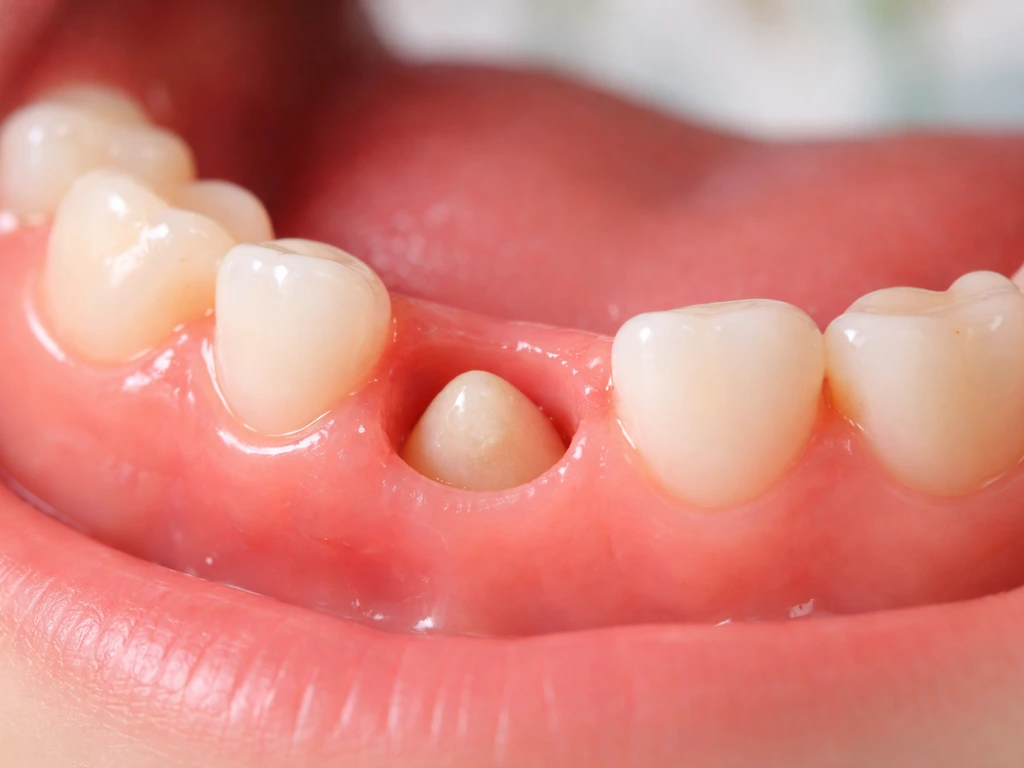
Do Milk Teeth Grow Back? Timelines, What to Do, Red Flags
Learn if milk teeth regrow, typical timelines for permanent teeth, what to do after loss or injury, and red flags.
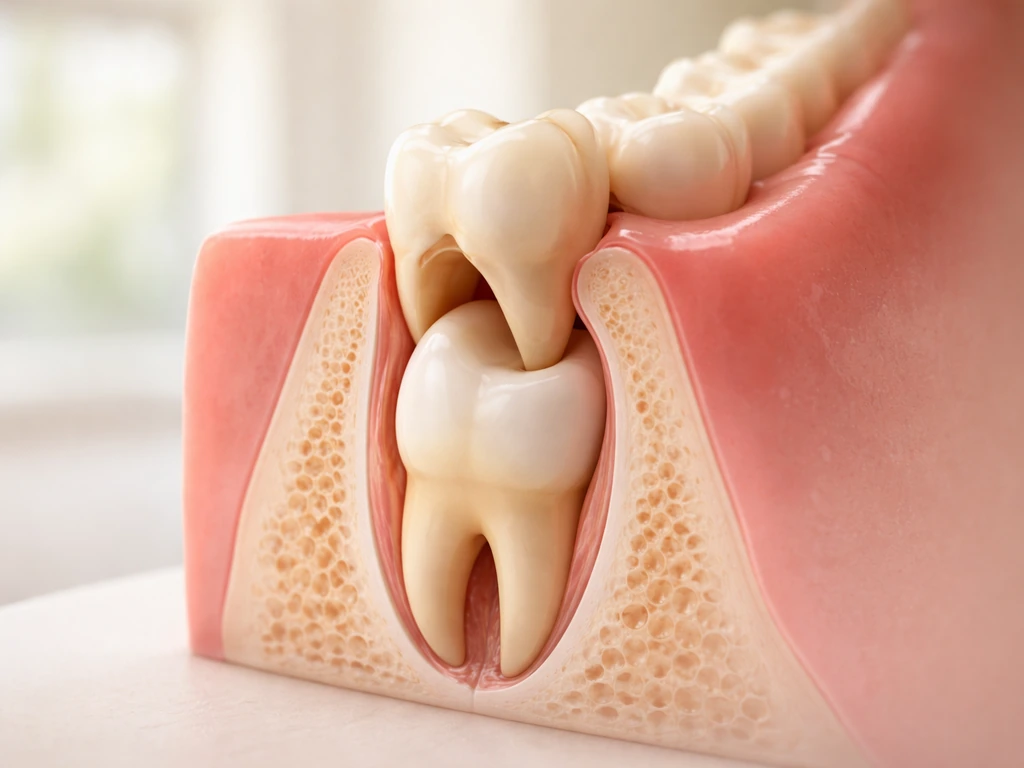
Can Milk Teeth Grow Twice? Replacement vs True Regrowth
Can milk teeth grow twice? Learn why baby teeth usually only get replaced, not regrown, and what to do if one falls out
Why Do Teeth Only Grow Twice? Baby vs Permanent Explained
Why humans have only baby and permanent teeth: eruption timeline, limits of enamel regrowth, and common exceptions to kn