
Here is the short answer: at age 12, a natural new tooth can still erupt, but only if that tooth was already developing in the jaw and simply hasn't come through yet. If a fully erupted permanent tooth is lost, knocked out, or extracted, it will not grow back on its own. Humans get exactly two sets of teeth, and once the permanent set is in, that is it biologically. What sometimes looks like 'growing back' at age 12 is really just normal eruption that was already in progress, not regeneration.
Can Your Teeth Grow Back at Age 12? What to Expect

Marcus Holloway
20 Apr 2026
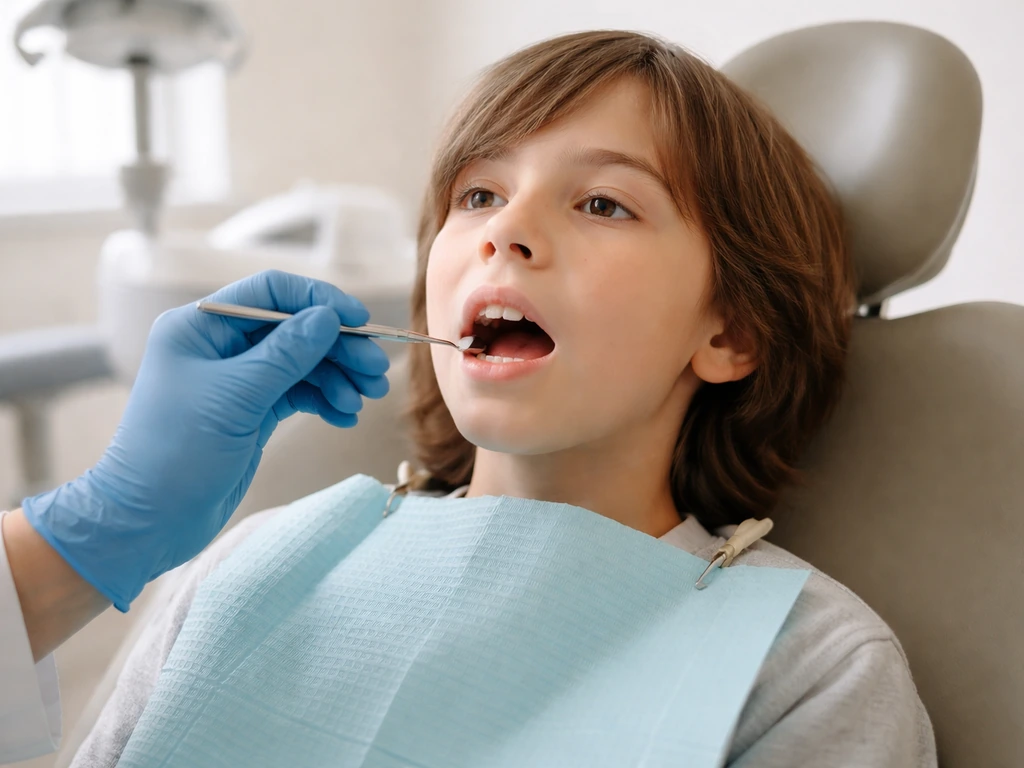
What 'grow back' really means at age 12
When people say they want a tooth to 'grow back,' they usually mean one of two very different things. The first is eruption: a tooth that was already forming inside the jaw finally pushes through the gum. The second is true regeneration: the body building a brand-new tooth from scratch to replace one that was lost. These are not the same process, and only the first one is possible in a living human at any age.
Tooth regeneration, in the way hair or skin regenerates, does not happen in humans. Once a permanent tooth is lost, the cells responsible for building it (the dental papilla, enamel organ, and related epithelial tissue) are gone. Research has confirmed that the stem cell populations needed for whole-tooth regrowth are simply not available postnatally in humans at a clinically useful level. So when a 12-year-old loses a molar in a sports accident, the body has no built-in repair program to replace it. What matters then is how fast you act and what a dentist can do.
Age 12 tooth timeline: baby teeth vs permanent teeth
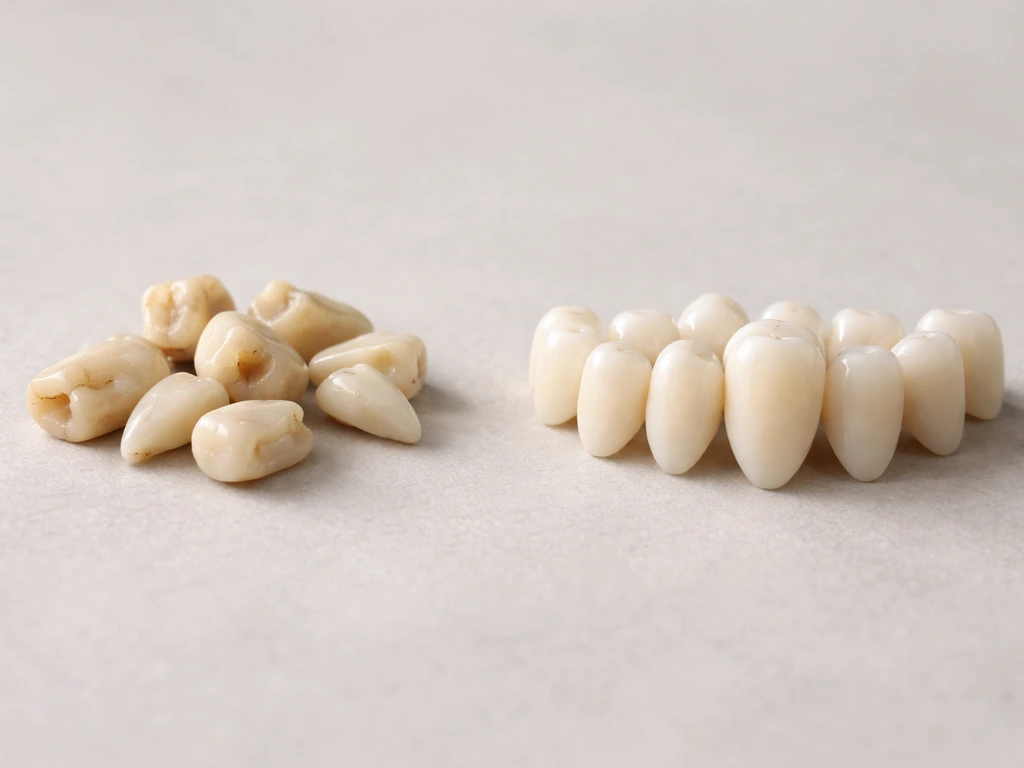
Age 12 sits right in the middle of what dentists call the mixed dentition period, which runs roughly from age 6 to 13. During this window, primary (baby) teeth are still shedding and permanent teeth are still erupting. It is a genuinely dynamic time, and a 'missing' tooth at this age is often just one that hasn't come in yet rather than one that is truly absent.
According to the blank" rel="noopener noreferrer">American Academy of Pediatric Dentistry (AAPD), primary second molars typically shed between about 11 and 13 years of age, and second permanent molars usually erupt somewhere in the 11 to 13 year range as well. That means a 12-year-old could easily still be losing baby teeth in the back of the mouth while permanent replacements are on their way up. This is completely normal and has nothing to do with tooth regrowth.
| Tooth | Primary Tooth Sheds (approx.) | Permanent Tooth Erupts (approx.) |
|---|---|---|
| Central incisors | 6–7 years | 6–8 years |
| Lateral incisors | 7–8 years | 7–9 years |
| Canines | 10–12 years | 9–12 years |
| First premolars | 10–12 years | 10–12 years |
| Second premolars | 10–12 years | 10–12 years |
| First molars | 9–11 years | 6–7 years (no primary replacement) |
| Second molars | 11–13 years | 11–13 years |
One thing worth knowing: permanent first molars come in around age 6 and have no baby tooth predecessor, so they are already 'senior' permanent teeth by the time a child is 12. If one of those is knocked out, there is no baby tooth version waiting behind it and no new one coming. Wisdom teeth are a separate category entirely. They typically do not erupt until the late teens or early twenties, so at age 12 they are nowhere near relevant to a missing tooth problem.
What can regenerate in humans (and what cannot)
Dentin (the layer beneath enamel) can produce a small amount of secondary or reparative dentin in response to mild irritation or slow cavity progression. The pulp inside the tooth has some repair capability. Gum tissue and bone can partially heal after trauma or disease, and periodontal regeneration therapies exist that target the supporting tissues around teeth, including the periodontal ligament, cementum, and alveolar bone. These are real, clinically available treatments.
Enamel is a completely different story. It is the hardest tissue in the human body, and it is also the only one produced exclusively by cells (ameloblasts) that die off once enamel formation is complete. Once your permanent tooth has erupted and the enamel is formed, there are no living cells left in that enamel to repair it. Research from UW Medicine confirms directly that the body has no way to repair or regenerate damaged enamel on its own. Remineralization (using minerals from saliva and fluoride) can harden the surface and reverse very early mineral loss, but that is not regrowing enamel. It is more like patching than rebuilding.
- Enamel: cannot regenerate once formed; no living cells remain to rebuild it
- Dentin: limited repair possible through secondary dentin production by pulp cells
- Pulp: some healing capacity, especially in younger teeth with open root apices
- Gum tissue: can heal and reattach after treatment, but does not fully regrow to original height on its own
- Alveolar bone: can regenerate with surgical assistance (bone grafts, guided regeneration)
- Periodontal ligament: can partially regenerate with appropriate periodontal therapy
- Whole tooth organ: not possible in humans with current biology or available clinical treatments
Common scenarios: missing tooth, delayed eruption, knocked-out tooth
A gap where a baby tooth fell out
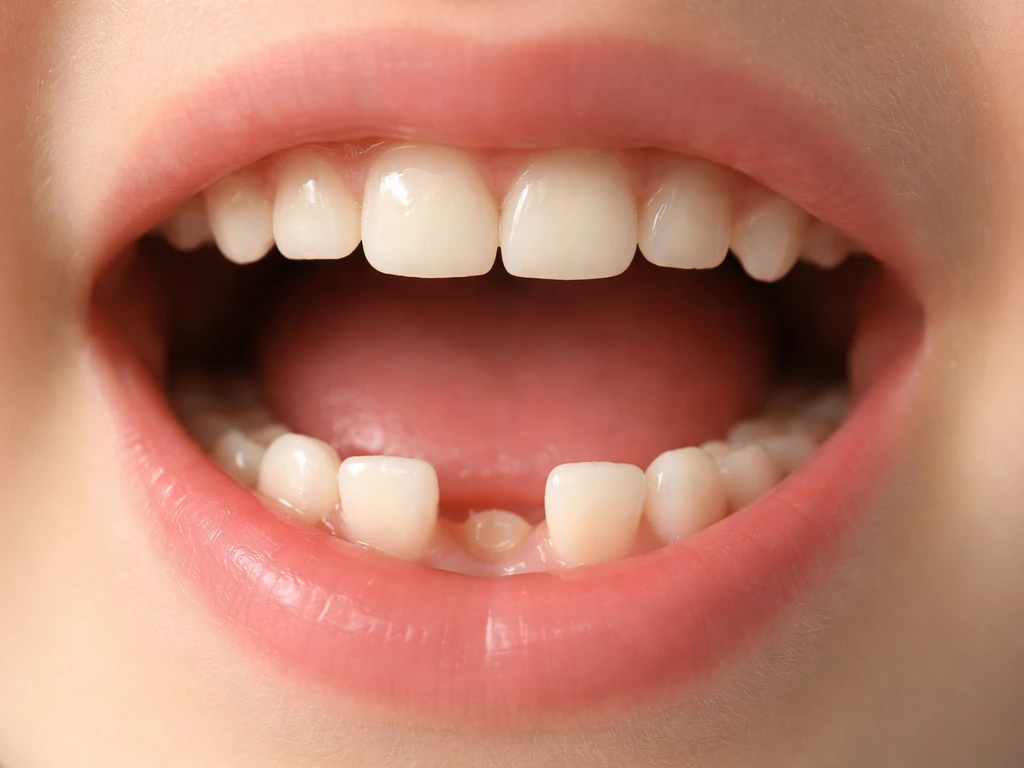
This is the most common and least alarming scenario. If a baby tooth came out recently and there is a gap, there is almost certainly a permanent tooth developing underneath it. The average time between baby tooth loss and permanent tooth eruption varies, but gaps can last several months. If the gap has been there for more than six months with no sign of eruption, that is worth mentioning to a dentist, because sometimes a tooth is blocked by a neighboring tooth, scar tissue, or simply developing on a different schedule.
Delayed eruption
Delayed eruption is when a permanent tooth is expected but hasn't arrived. Causes include crowding, a retained baby tooth that didn't shed properly, an impacted tooth (one that is blocked by bone or another tooth), or in rarer cases, a congenitally missing tooth (a tooth that simply never developed). An X-ray is the only way to know for certain which of these is happening. The AAPD emphasizes that management of eruption issues is stage-based, meaning what a dentist recommends depends heavily on where in development the child is, which is why evaluation matters more than guessing.
A knocked-out permanent tooth (avulsion)
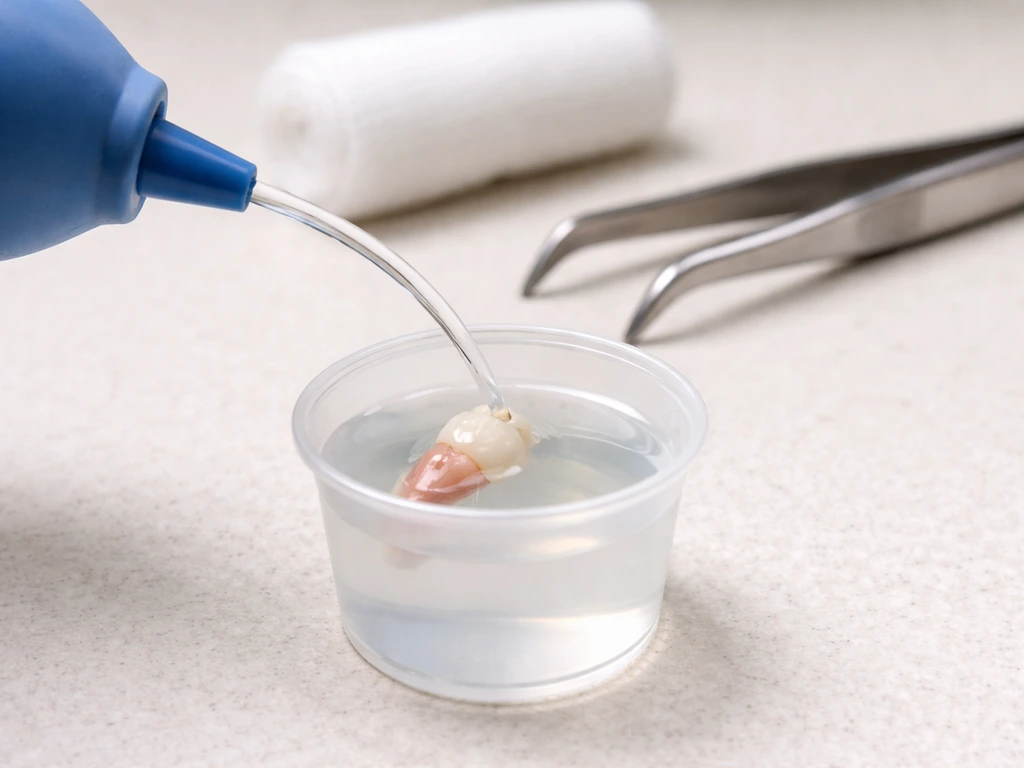
This is the most urgent scenario and the one where minutes genuinely matter. Tooth avulsion is a dental emergency, and the American Academy of Pediatrics notes that immediate action after an avulsed permanent tooth can preserve outcomes.
When a permanent tooth is knocked completely out of the socket (called an avulsion), the goal is to replant it as fast as possible. Research shows that immediate replantation (within five minutes) gives the best chance of the tooth surviving long-term. The cells on the root surface, specifically the periodontal ligament cells, begin to die the longer the tooth is out of the mouth and dry.
If replantation within five minutes is not possible, storing the tooth in cold milk or a purpose-made storage solution buys time, but the window for successful reimplantation narrows significantly [after 60 minutes of dry time](https://www. dental. umaryland. edu/media/sod/dental-public-health/deans-faculty/ebd/iadt/IADT-Dental-Trauma-Guidelines.
pdf).
When to seek urgent dental care and why
Not every dental concern at age 12 is an emergency, but some absolutely are. The clearest signal for same-day urgent care is a knocked-out permanent tooth. Call a pediatric dentist or emergency dental clinic immediately, bring the tooth stored correctly (in milk if you have it, not dry and not in tap water), and go right away. Do not scrub the root. Every minute of delay reduces the odds of successful replantation.
Other situations that warrant prompt care (within 24 to 48 hours rather than weeks away) include severe tooth pain that doesn't go away, a tooth that was pushed into the gum or displaced by impact, visible swelling of the gum or face, or a tooth that cracked deeply and is sensitive to temperature. These are not 'wait and see' situations.
Situations that can usually wait for a scheduled appointment include a gap from a normally shed baby tooth, mild sensitivity without visible damage, or a slightly wiggly baby tooth that hasn't fallen out yet. When in doubt, call the dental office and describe what you see. They will tell you how fast to come in.
What dentists can do: monitoring, space maintenance, orthodontics, restorations
The first thing a pediatric dentist will typically do is take X-rays. A panoramic X-ray (one that captures the full jaw) can show every tooth in development, including ones that haven't erupted yet, any that appear to be congenitally missing, and how the roots of existing teeth are forming. This gives a complete picture of what is actually happening versus what it looks like from the outside.
Monitoring and observation
If a tooth is developing on a slightly delayed schedule but is clearly present and moving in the right direction, the dentist may simply monitor it over several appointments. This is a legitimate treatment plan, not a brush-off. The AAPD notes that normal variation in eruption timing is real, and not every delay requires intervention.
Space maintenance
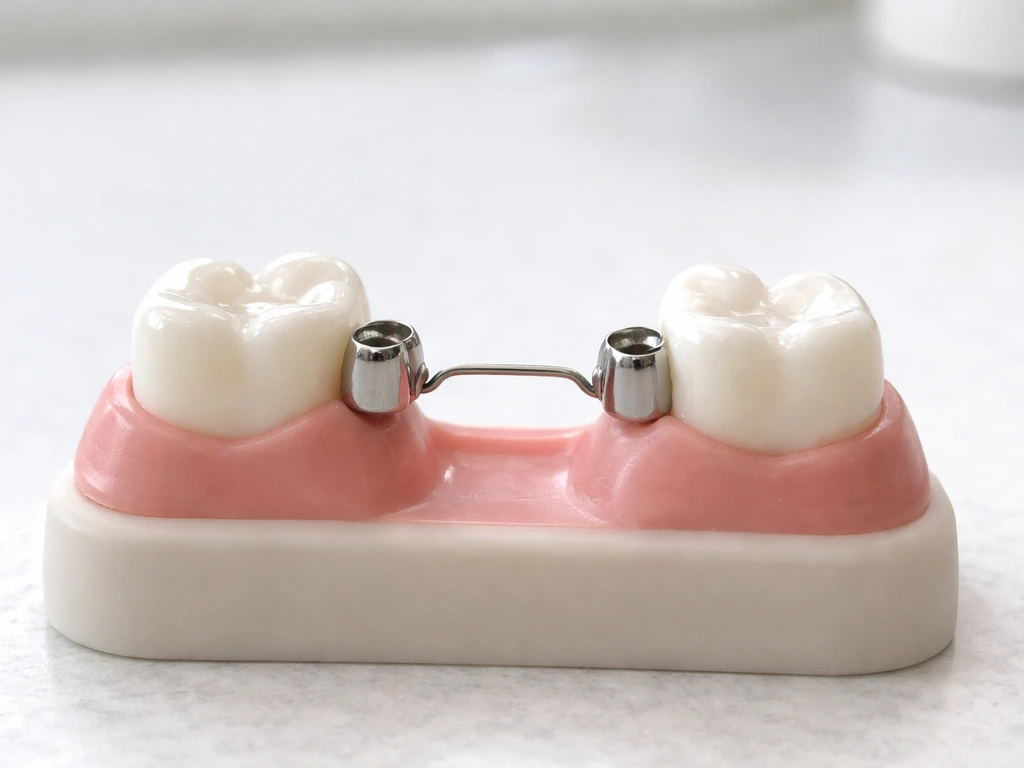
If a primary tooth is lost early (before the permanent replacement is ready to erupt), neighboring teeth can drift into the gap and block the incoming permanent tooth. A space maintainer is a simple dental appliance that holds that gap open until the permanent tooth is ready. The AAPD recommends considering space maintainers after early primary tooth loss specifically to protect future eruption. This is one of the most practical and underused interventions in early teen dentistry.
Orthodontics
If a tooth is impacted or erupting in the wrong direction, an orthodontist may work alongside an oral surgeon to expose and guide the tooth into place using braces and a small chain attachment. This is more involved but is a well-established way to bring an impacted permanent tooth into the arch without losing it. Age 12 is actually a good time to address these issues because the jaws are still growing and orthodontic movement is more efficient.
Restorative options for a lost permanent tooth
If a permanent tooth cannot be saved or was already lost, a dentist will not typically place a dental implant at age 12 because the jaw is still growing and an implant would not move with it. Instead, a temporary partial denture or a bonded bridge can hold the space and restore appearance and function until growth is complete (usually the late teens or early twenties). A dental implant becomes a realistic long-term option once jaw growth has finished.
Myths and what research says about true tooth regeneration
The internet is full of claims about regrowing teeth naturally, from oil pulling to certain supplements to stem cell toothpastes. None of these can regrow a lost tooth or rebuild enamel. Enamel remineralization, which fluoride toothpaste genuinely supports, is a real process, but it works only on early-stage, subsurface mineral loss. It cannot replace enamel that has been physically chipped away or decayed through.
As for stem cell research: yes, it is real and ongoing. Scientists have developed organoids (lab-grown tissue models) that can secrete tooth enamel proteins, and researchers are actively studying how dental stem cells might one day be used to regenerate tooth structures. But peer-reviewed reviews are clear that complete tooth regeneration is still a research goal, not a clinical reality. The stem cell populations needed are limited in adult and adolescent humans, and no approved clinical treatment currently regrows a whole tooth. Parents who come across headlines about 'tooth regrowth drugs' should know those are almost always early-stage animal studies, not treatments available at a dental office.
One myth worth specifically addressing: the idea that teeth grow back like hair because 'they're both dead tissue.' Hair follicles are alive and continuously active. The cells that built your enamel are not. They completed their job and died. That is why enamel damage is permanent without dental intervention, and why the comparison to hair simply does not hold up biologically.
The question of tooth regeneration looks very different depending on age. At age 10 or 11, a child is still firmly in the mixed dentition stage with more baby teeth left to shed and more permanent teeth yet to erupt. At age 10, tooth “growth back” usually means a tooth that was already developing is still erupting, not true regeneration At age 10 or 11.
If you are specifically asking, can your teeth grow back at age 11, the answer is essentially no, but delayed eruption can make it seem that way At age 10 or 11. By contrast, at age 21, the permanent dentition is fully established and wisdom teeth may already be present or removed.
By age 21, a lost or damaged permanent tooth cannot regrow on its own, so the focus is on dental options like preserving what remains and replacing the tooth if needed. Age 12 is a pivotal middle point where the distinction between 'eruption in progress' and 'permanent tooth at risk' matters enormously. If you are also curious about how this changes with age, the biological picture shifts meaningfully from early childhood through adulthood.
Practical next steps for parents and kids right now
If a permanent tooth was knocked out today: pick it up by the crown (not the root), rinse it gently if it is dirty, try to reinsert it into the socket if the child is calm enough, bite down gently on clean cloth, and get to a dentist or emergency room within the next 30 minutes. If you cannot reinsert it, put it in a cup of cold milk. Time is the variable you can actually control.
If there is a gap from a recently shed baby tooth with no sign of eruption after about six months, schedule a dental appointment and ask for a panoramic X-ray to check on tooth development. If there is pain, swelling, or any doubt about what caused a gap, call the dental office today and describe the situation. They will triage it appropriately.
If everything seems normal but you are just wondering whether all the permanent teeth will come in on schedule, a routine check-up with X-rays around age 12 is exactly what pediatric dentists and AAPD guidelines are designed for. It is the right age to assess the full developing dentition, identify any potential issues early, and make a plan. That appointment is genuinely worth scheduling even if nothing seems obviously wrong.
FAQ
If a permanent tooth was lost at age 12, can anything replace it permanently right away?
Usually not. Because the jaw is still growing at 12, permanent options like implants are typically delayed until growth is complete. In the meantime, dentists often use a temporary partial denture or a bonded bridge to preserve space, appearance, and bite stability.
How do I tell whether the gap at age 12 is normal eruption versus a tooth that is missing or blocked?
The most reliable clue is timing plus X-rays. If the gap has been present about six months with no eruption, ask for a panoramic X-ray to check for an impacted tooth, a retained baby tooth, or congenitally missing development.
What should I do if a tooth is knocked out but it is a baby tooth?
The goals are different. Baby-tooth avulsions generally do not require replanting because the permanent tooth is developing underneath, but you should still contact a pediatric dentist promptly to assess displacement, infection risk, and whether a space maintainer is needed.
Is it ever possible for a tooth that cracked at age 12 to “heal” without a filling or crown?
Sometimes, if the crack is very small and there is no pulp involvement, symptoms may settle with monitoring. However, cracks can extend deeper than they look, so dentists usually evaluate with an exam and X-rays, and treatment depends on whether the pulp is still healthy.
Does fluoride toothpaste help if enamel is already chipped or decayed?
Fluoride can help reverse early, subsurface mineral loss, and it can strengthen remaining enamel. It cannot rebuild enamel that has been physically lost from a chip or removed by a cavity, so those areas still typically need dental repair.
If my child’s tooth is delayed, will braces or extraction always be necessary?
Not necessarily. A delayed eruption can resolve with observation if the tooth is present and progressing. Dentists decide based on where the tooth is in development, space in the arch, and whether there is crowding or an obstruction.
What storage solution is best if we cannot replant a knocked-out permanent tooth immediately?
Cold milk is a common first choice when available. Avoid keeping the tooth dry, and do not soak it in tap water. A purpose-made tooth storage product is also acceptable, and you should still prioritize getting to urgent dental care fast.
Why do dentists recommend a panoramic X-ray at this age instead of only spot X-rays?
At age 12, a panoramic view shows the whole developing dentition in one image, including teeth that have not erupted yet and whether any appear missing. That helps catch issues that might not be visible if only one area is imaged.
If a tooth is “slightly wiggly” at age 12, should we avoid the dentist?
Not always. Mild looseness can be normal during mixed dentition, but the cause matters. If the tooth is painful, the gum looks abnormal, or it is displaced, get it checked sooner rather than assuming it will fall out on its own.
When should we ask about a space maintainer after a baby tooth is lost early?
Ask promptly after early loss, especially for back teeth, because neighboring teeth can drift into the gap and block the incoming permanent tooth. The dentist will determine need based on the child’s age, which tooth was lost, and what the X-rays show.
Next Articles
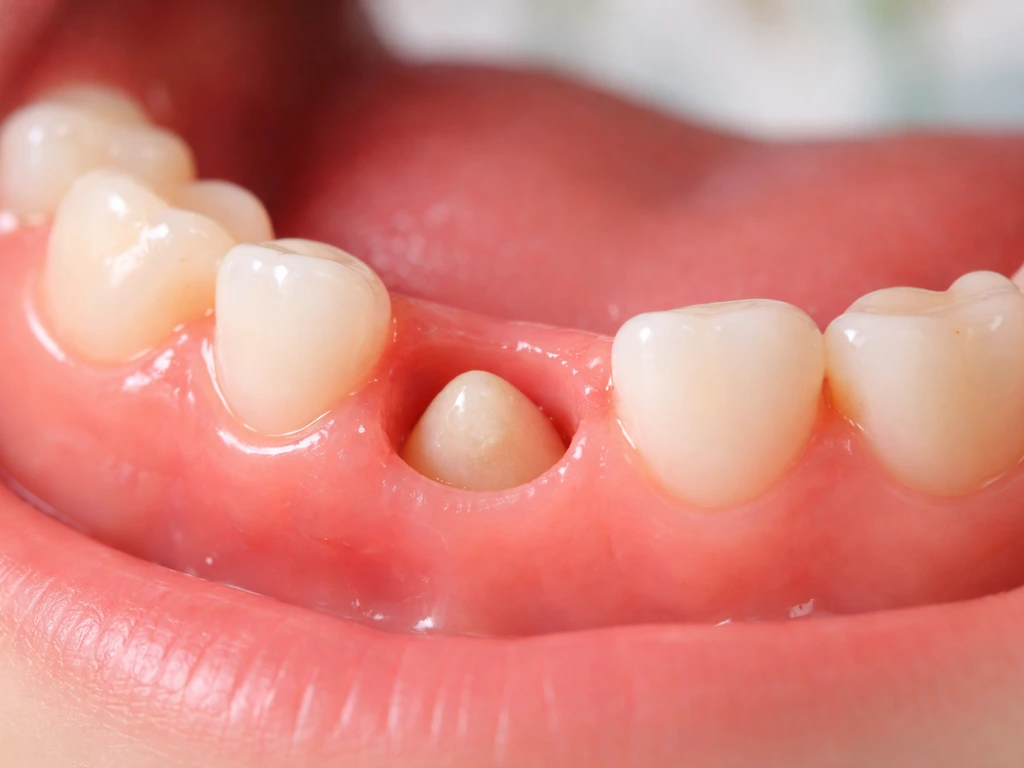
Do Milk Teeth Grow Back? Timelines, What to Do, Red Flags
Learn if milk teeth regrow, typical timelines for permanent teeth, what to do after loss or injury, and red flags.
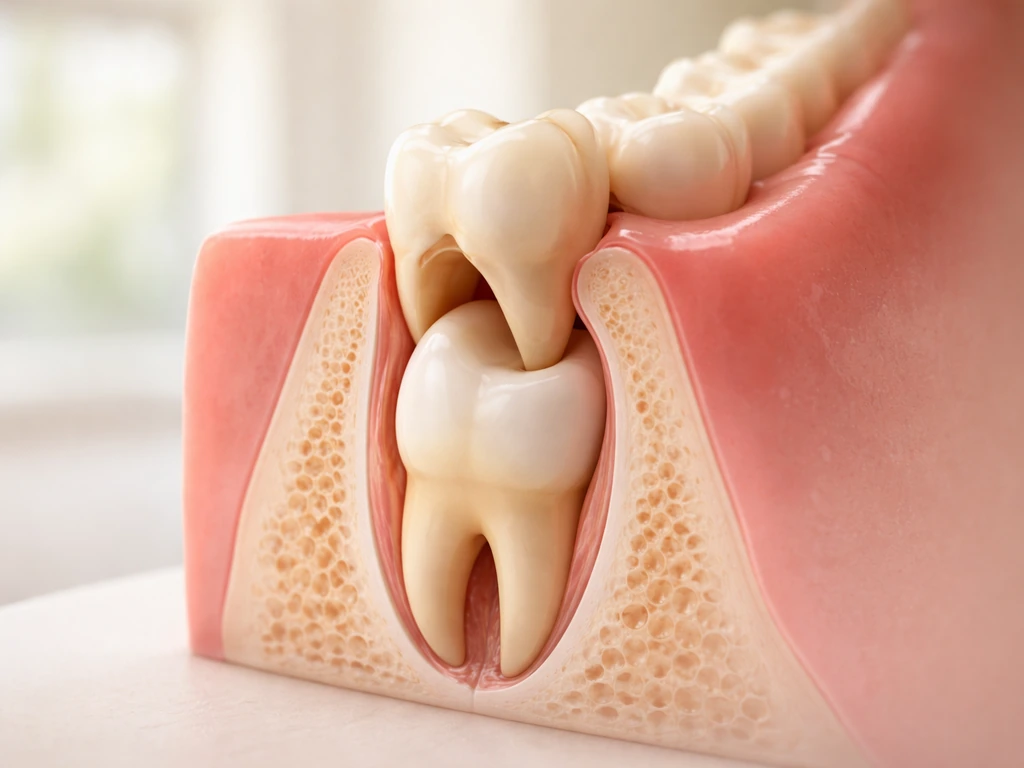
Can Milk Teeth Grow Twice? Replacement vs True Regrowth
Can milk teeth grow twice? Learn why baby teeth usually only get replaced, not regrown, and what to do if one falls out
Why Do Teeth Only Grow Twice? Baby vs Permanent Explained
Why humans have only baby and permanent teeth: eruption timeline, limits of enamel regrowth, and common exceptions to kn