
At age 11, some teeth absolutely can still 'grow in' naturally, but that is very different from a tooth regrowing after it has been lost or damaged. If your child is still losing baby teeth and waiting on permanent ones to come in, that is completely normal biology at work. But if a permanent tooth has been knocked out, broken, or extracted, it will not grow back on its own. No supplement, oil, or special toothpaste will change that. Here is what is actually happening in an 11-year-old's mouth, and what you should do depending on the situation.
Can your teeth grow back at age 11? What to know

Marcus Holloway
16 May 2026

What 'grow back' could mean at age 11
The phrase 'grow back' covers a few very different situations, and the answer depends entirely on which one you are dealing with. When parents or kids ask this question, they usually mean one of three things: a baby tooth fell out and they are wondering if a permanent one will replace it, a permanent tooth was knocked out or pulled and they want to know if it will come back, or a tooth has been chipped or cracked and they are hoping it will heal. These are not the same scenario, and they do not have the same answer.
Normal tooth development: baby teeth being replaced by permanent ones
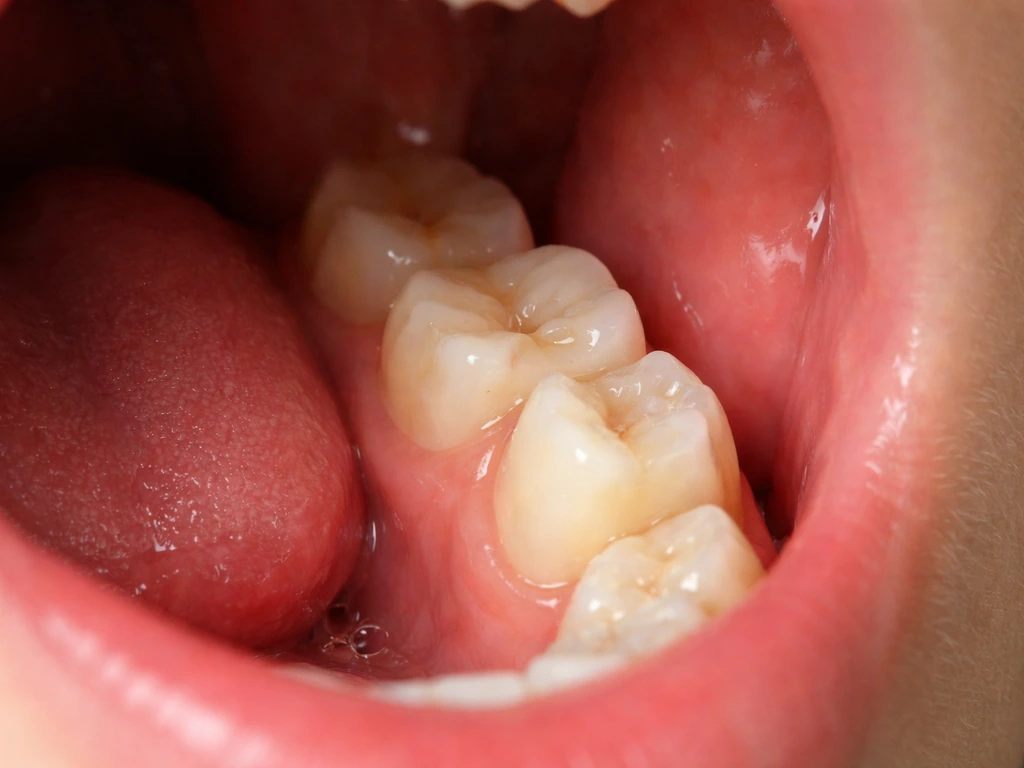
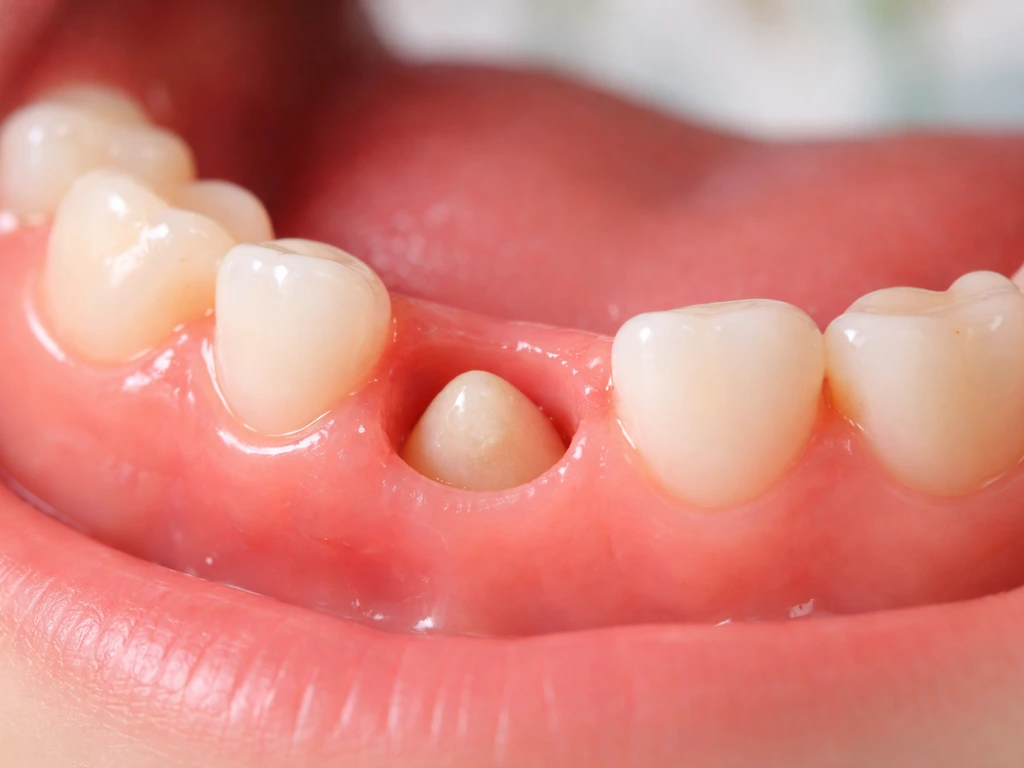
Age 11 sits right in the middle of what dentists call the blank" rel="noopener noreferrer">mixed dentition period, roughly ages 6 to 12 or 13, when a child has a combination of baby teeth and permanent teeth at the same time. This is completely normal. The last primary teeth are typically lost around ages 11 to 12, so if your child still has a few baby teeth hanging on, they are right on schedule.
The eruption timing varies by tooth type. First premolars commonly come in around 10 to 11 years old, and second molars often erupt between 11 and 13 years. So at age 11, there is a good chance that several permanent teeth are either just arriving or still on their way. This natural replacement process is the one scenario where you can say yes, a tooth 'grew back,' because the permanent tooth was always waiting underneath, developing its root and moving up through the jaw.
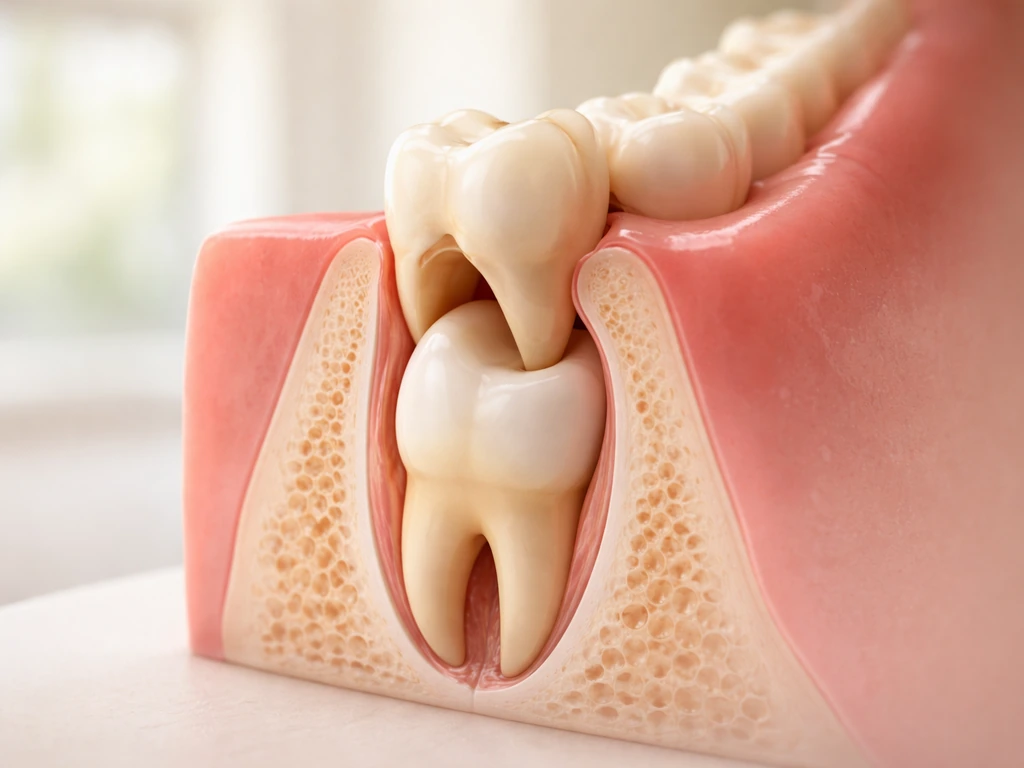
Each permanent tooth starts as a tooth germ, a bud of tissue that forms in the jawbone well before the tooth is visible. These germs for most permanent teeth (not counting wisdom teeth) are visible on a dental X-ray by around age 6. If a baby tooth falls out on its own, the permanent replacement is typically already well underway. This is not regrowth in any regenerative sense. It is normal scheduled development that was always part of the plan.
What can't truly regrow: enamel, dentin, and missing permanent teeth
This is where the biology gets honest. Tooth enamel, the hard outer layer of your teeth, cannot regenerate. The cells that build enamel (called ameloblasts) are only active while the tooth is forming. Once a tooth has fully erupted, those cells are gone. A chip, a cavity, acid erosion, or wear cannot be reversed by your body. Dentin, the layer beneath enamel, has very limited and mostly microscopic repair capacity, but not enough to restore a cavity or a broken tooth on its own.
More importantly for an 11-year-old: humans get two sets of teeth and only two. If a permanent tooth is lost to an extraction, trauma, or severe decay, the body does not produce a third one. There is no biological mechanism for whole-tooth regrowth in humans. The same lack of whole-tooth regrowth applies even in your early 20s, so the idea that teeth will grow back at age 21 is not realistic can your teeth grow back at age 21. At around this age, you generally do not regrow a missing permanent tooth, but dentists can evaluate whether a tooth is delayed versus truly missing whole-tooth regrowth. Researchers are exploring tooth regeneration science, but it is not a clinical option available to patients today. Any product claiming it can regrow your teeth or restore enamel naturally is not telling the truth.
When a tooth is knocked out or chipped: what to do right now
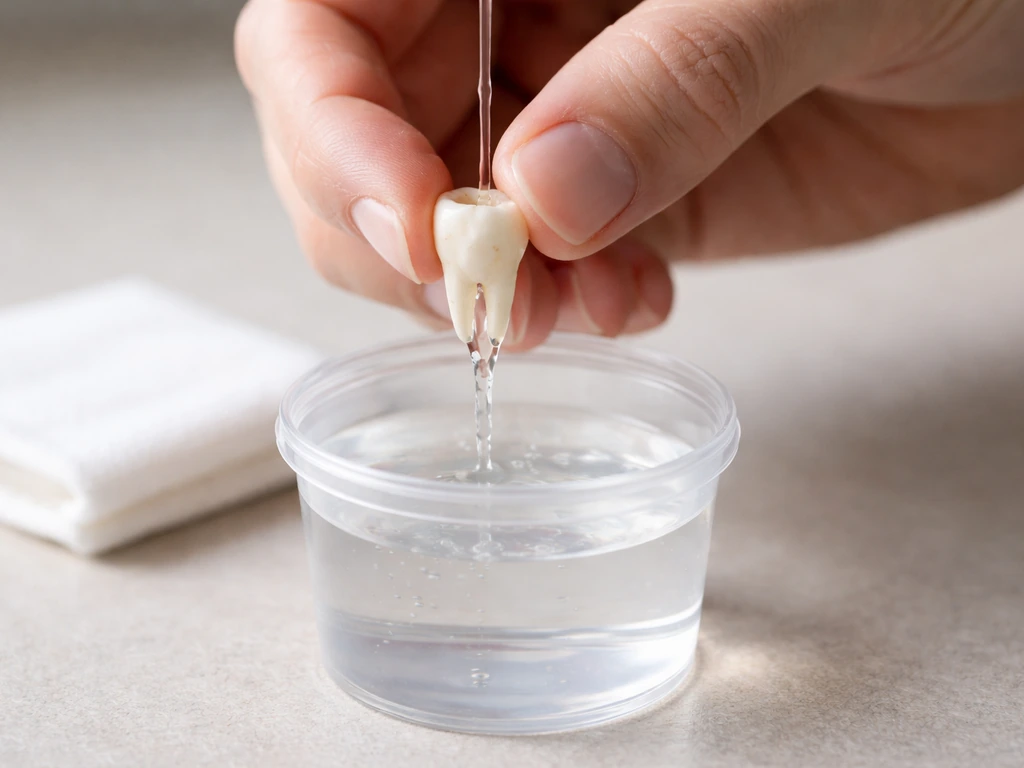
A knocked-out permanent tooth is a dental emergency, and timing matters enormously. If the tooth is completely out of the socket, the goal is to get it reimplanted within 30 to 60 minutes. Here is the exact sequence to follow:
- Pick up the tooth by the crown (the white part), not the root.
- If it is dirty, rinse it gently with milk or saline. Do not scrub it or use tap water.
- If the child is old enough and calm, try to place the tooth back in the socket immediately.
- If that is not possible, store the tooth in a small container of cold milk or the child's own saliva.
- Call a pediatric dentist or emergency dental line immediately and head there now.
- Do not wrap the tooth in a tissue or let it dry out.
A chipped or cracked tooth is less urgent but still needs a dentist visit within a day or two. A small chip can often be repaired with bonding resin. A deeper crack may need a crown or, in severe cases, a root canal. The key point is that none of these situations involve the tooth healing itself. You need a dentist to assess the damage and repair it.
How dentists check what is happening and what the results mean
When you bring an 11-year-old in with a dental concern, the dentist typically starts with a clinical exam and then takes X-rays, often a panoramic X-ray (the kind that shows all the teeth in a single wide image) or targeted bitewing X-rays. These images are genuinely informative. They show whether permanent tooth germs are present for any teeth that have not come in yet, which rules out a condition called tooth agenesis (congenitally missing teeth). They also show how developed a tooth's root is, whether an eruption path is blocked by another tooth or bone, and whether there is infection or bone loss from an injury or decay.
If a permanent tooth is late to erupt, the X-ray will usually show why. Sometimes the tooth is just on a slower timeline. Sometimes it is impacted or blocked. Sometimes, in rarer cases, the tooth germ is simply not there. Knowing which situation you are dealing with changes everything about the next steps, which is why skipping the X-ray and guessing is not useful.
Treatment options if a permanent tooth is missing or delayed
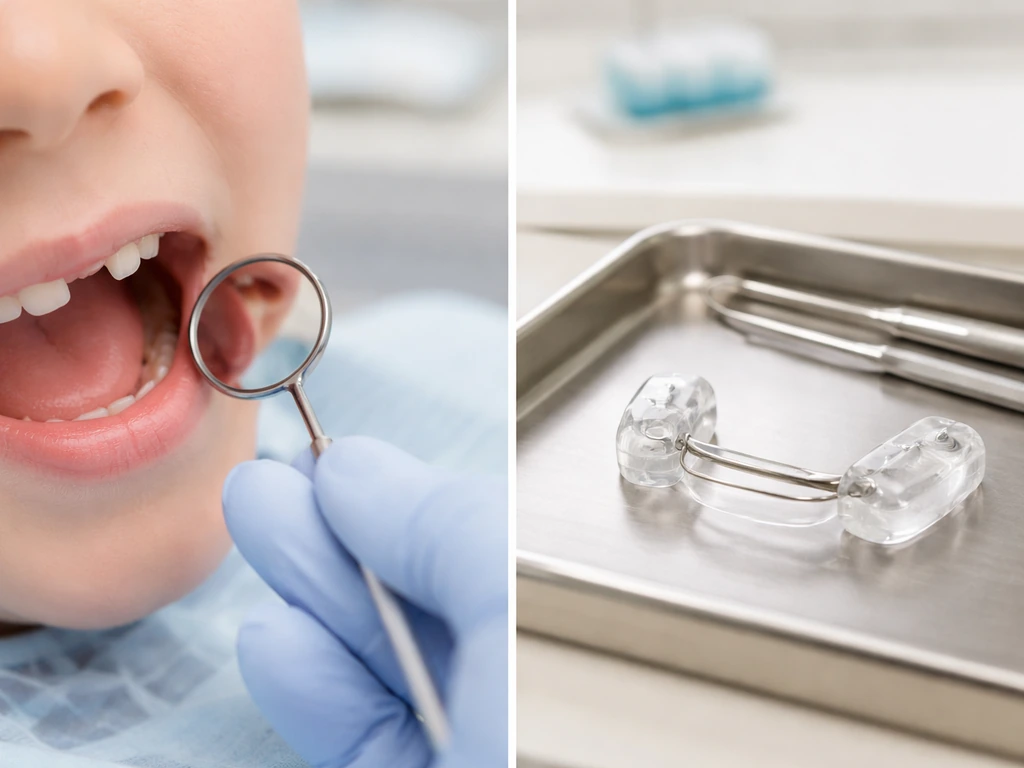
The right treatment depends heavily on the cause and on where the child is in their development. Here is a practical overview of the main options:
| Situation | Common Treatment | Notes |
|---|---|---|
| Permanent tooth delayed but present on X-ray | Monitoring, possible orthodontic exposure | Many delayed teeth erupt on their own; impacted teeth may need minor surgery to guide them in |
| Baby tooth lost, gap present, permanent tooth coming | Monitoring | Usually no intervention needed; tooth typically erupts within months |
| Permanent tooth congenitally missing (agenesis) | Space maintainer, then bridge or implant later | Implants are not placed until jaw growth is complete, typically 17-18+ years |
| Permanent tooth knocked out | Reimplantation (if within 60 min), crown, or space maintainer | Success depends heavily on how quickly you act |
| Permanent tooth extracted due to decay | Space maintainer, later restorative options | Prevents neighboring teeth from drifting into the gap |
Space maintainers deserve special mention because parents often do not hear about them until a problem has already developed. When a permanent tooth is not going to arrive soon, a space maintainer holds the gap open so neighboring teeth do not drift and close off the space that the missing tooth should eventually occupy. Orthodontic management may also be used to open or close space depending on the treatment plan. Dental implants, while an excellent long-term solution, cannot be placed in a child whose jaw is still growing, so they are typically reserved for late adolescence or adulthood.
Myths about tooth regrowth, and real prevention steps that actually work
There is a lot of misleading content online about regrowing teeth or restoring enamel naturally. Oil pulling does not regenerate enamel. No supplement regrows a lost tooth. Remineralizing toothpastes with fluoride or hydroxyapatite can help strengthen weakened enamel by depositing minerals into micro-surface damage, but this is surface strengthening, not regrowth of lost tooth structure. A cavity is not healed by these products; it is a hole that needs a filling.
What actually works for protecting the teeth an 11-year-old does have is straightforward. Brushing twice a day with a fluoride toothpaste, flossing daily, limiting sugary and acidic drinks, and getting regular dental checkups every six months are the evidence-based basics. Dental sealants applied to the chewing surfaces of back permanent teeth (molars and premolars) are genuinely effective at preventing cavities in kids and are often applied right when those teeth come in. A mouthguard during contact sports is critical, because a knocked-out permanent tooth is a permanent problem.
It is also worth knowing where an 11-year-old stands compared to siblings at slightly different ages. Children at age 10 are typically a step earlier in this transition, while a 12-year-old is often wrapping up the mixed dentition period with only a few baby teeth left, if any. At age 10, the only true “grow back” that usually happens is the normal arrival of permanent teeth, not regeneration of enamel or missing teeth. The same biology applies across this range, but the specific teeth still in play may differ, which is another reason a current X-ray gives the clearest picture of exactly what is happening in your child's mouth right now.
When to call a dentist and what to tell them
Call the same day if a permanent tooth has been knocked out, there is significant pain or swelling, or a tooth has cracked down toward the gum line. Schedule within a few days if a baby tooth fell out and the permanent tooth has not appeared after several weeks, or if a tooth was chipped with no pain. At a routine checkup is fine for concerns about slower-than-expected eruption when there is no pain or injury involved. When you call, tell them the child's age, which tooth is affected, and whether it is a baby tooth or a permanent one. That helps them triage correctly and prepare for the right type of exam.
FAQ
If my 11-year-old loses a permanent tooth, will a dentist be able to grow it back later?
No, there is no clinical way to regenerate a missing permanent tooth in the mouth. Instead, dentists plan solutions like orthodontic space management, a temporary space maintainer when needed, and later options such as bridges or implants after growth is complete.
What should we do immediately if a permanent tooth is knocked out, and does the 30 to 60 minute window still matter after that?
Yes, it still matters. The best chance of saving the tooth is reimplantation as soon as possible, ideally within 30 to 60 minutes. If that window is missed, go to urgent dental care right away anyway, because treatment may still involve preserving the tooth and managing infection or root damage.
Does a chipped tooth always need a root canal in an 11-year-old?
Not always. A shallow chip may be repaired with bonding, while a deeper crack that reaches toward the pulp can require more extensive treatment. The key is an exam that tests sensitivity and uses X-rays to check for pulp involvement and crack depth.
If a tooth is late coming in, how can we tell the difference between delayed eruption and a missing (agenesis) tooth?
A dental X-ray is the practical way. It can show whether the tooth germ is present for that tooth position, whether the root is developing, and whether the tooth is impacted or blocked by bone or another tooth.
Can a baby tooth be left alone if it’s loose at age 11?
Usually, a loose baby tooth can be left as long as there is no pain, swelling, or signs of infection, and the permanent tooth seems to be erupting. If a baby tooth is very slow to fall out or your child has prolonged discomfort, a dentist can check spacing and eruption progress.
What are the signs that a cracked tooth might be more serious than a simple chip?
Be more urgent if there is pain when biting, lingering sensitivity to cold or heat, visible separation of the crack, swelling, a dark spot near the gum line, or if the crack extends toward the gum area. Those scenarios require a prompt exam and often X-rays.
Do fluoride or hydroxyapatite toothpastes actually bring back enamel that’s been lost?
They do not rebuild missing enamel like a regrowth process. They can help strengthen weakened enamel by adding minerals on the surface. If there is a cavity or a clear structural break, that still needs professional repair like a filling.
If we skip the X-ray because the tooth seems fine, what’s the risk?
The risk is missing the real cause of delayed eruption or a blocked tooth, such as impaction, abnormal eruption path, or congenitally missing teeth. Without imaging, treatment can be delayed, and space may drift, making later orthodontic fixes harder.
Are dental sealants appropriate for an 11-year-old who is currently getting new back teeth?
Often, yes. Sealants are typically applied to the chewing surfaces of newly erupted molars and premolars to prevent cavities. A dentist can time them after the tooth has erupted enough to clean and isolate properly.
When should we call the dentist, and what information should we provide to help triage quickly?
Call the same day for a knocked-out permanent tooth, significant pain or swelling, or a crack that reaches toward the gum line. For triage, tell them the child’s age, the exact tooth (and whether it is baby or permanent), what happened, when it happened, and whether there is bleeding, swelling, or fever.
Next Articles
Can Your Teeth Grow Back at Age 12? What to Expect
Learn if teeth can regrow at age 12, what naturally replaces baby teeth, and what to do after missing or knocked teeth.
Do Milk Teeth Grow Back? Timelines, What to Do, Red Flags
Learn if milk teeth regrow, typical timelines for permanent teeth, what to do after loss or injury, and red flags.
Can Milk Teeth Grow Twice? Replacement vs True Regrowth
Can milk teeth grow twice? Learn why baby teeth usually only get replaced, not regrown, and what to do if one falls out