At age 10, some teeth can still grow back, but only if they're baby teeth that haven't been replaced yet. If a permanent tooth is lost, knocked out, or severely damaged, it will not grow back on its own. The human body only gets two sets of teeth, and by the time most kids hit 10, they're right in the middle of that transition. Whether a lost tooth is replaceable by nature or needs a dentist to step in depends entirely on which tooth it is and what happened to it.
Can Your Teeth Grow Back at Age 10? What’s Real

Marcus Holloway
17 May 2026
Where a 10-year-old is in tooth development
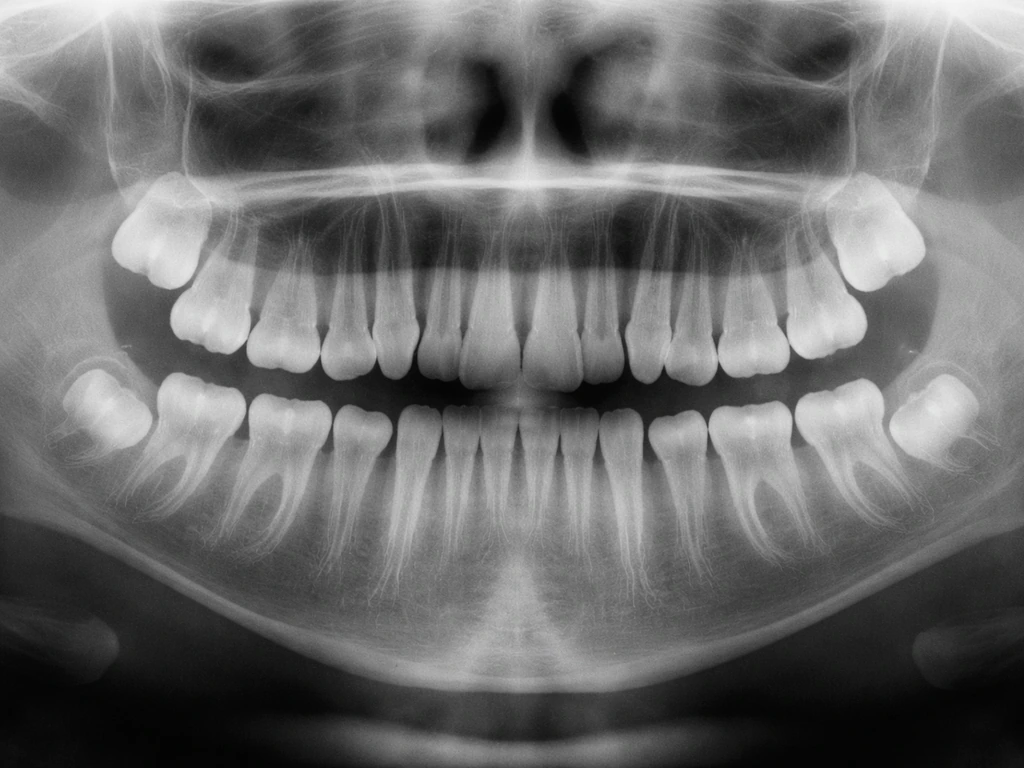
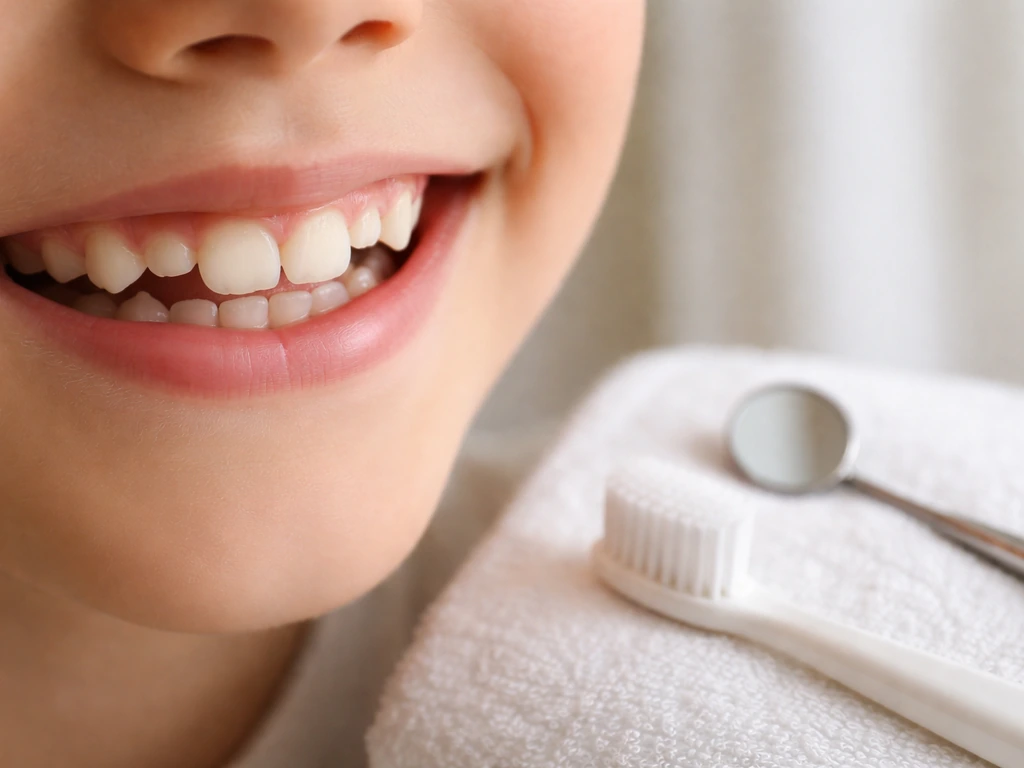
Age 10 lands right in the middle of what dentists call the mixed dentition stage, which runs from roughly ages 6 to 12. During this window, kids have a combination of baby teeth (primary teeth) and permanent teeth at the same time. Some permanent teeth have already erupted, and others are still making their way in.
Here's what's typically happening around age 10 for most kids: the permanent first molars and central and lateral incisors are usually already in. The permanent first premolars typically erupt between ages 9 and 12, and the permanent canines between ages 10 and 13. That means at age 10, a child may still have some baby teeth in the back or sides of their mouth that are legitimately waiting to be replaced. So if one of those falls out, a permanent tooth may well be on its way.
However, the front permanent teeth are almost always already in place by age 10. If your child loses a front permanent tooth to injury or decay, that tooth is gone for good unless a dentist intervenes. This distinction matters a lot when it comes to deciding how urgently to act.
| Tooth Type | Typical Eruption Age | Still a Baby Tooth at Age 10? |
|---|---|---|
| Central incisors | 7–8 years | Usually no, permanent already in |
| Lateral incisors | 8–9 years | Usually no, permanent already in |
| Canines (cuspids) | 10–13 years | Possibly, transition happening now |
| First premolars | 9–12 years | Possibly, transition happening now |
| Second premolars | 10–12 years | Likely still primary |
| First molars | 6–7 years | No, permanent already in |
| Second molars | 11–13 years | Likely still primary |
So before panicking about whether a tooth will grow back, the first question to ask is: was that a baby tooth or a permanent one? If you're not sure, a quick dental X-ray will show exactly what's under the gumline.
Can a tooth actually regrow after it's lost or damaged?
No. Once a permanent tooth is lost, the tooth itself does not grow back. This is one of the most persistent myths in dental health, and it's worth being direct about it: you are not going to wake up in three months and find a new molar pushing through. The human body simply does not have that biological ability. Unlike bone, which can remodel and heal, a missing permanent tooth leaves a permanent gap unless something is done about it.
What people sometimes confuse with tooth regrowth is what the surrounding tissues can do. Gum tissue heals. The jawbone can partially remodel after an extraction. But the tooth structure itself, the crown, root, enamel, dentin, all of it, does not regenerate after it's gone. What you see growing back in young kids is not the same tooth regrowing; it's the permanent tooth that was already forming under the gum finally erupting on its natural schedule.
There's one important exception that applies specifically to age 10: if the lost tooth is still a baby tooth and there's a healthy permanent tooth developing underneath, then yes, a new tooth will eventually come in. If your child lost a permanent tooth, the answer to “can your teeth grow back at age 11?” is usually no, but the right next steps depend on which tooth it is. But that's not regrowth. That's just the normal eruption sequence doing its job.
Enamel and dentin: remineralization is not the same as regrowth
You may have seen products or articles claiming that teeth can 'remineralize' or even 'regrow.' There's a kernel of truth here, but it gets stretched well beyond the actual science.
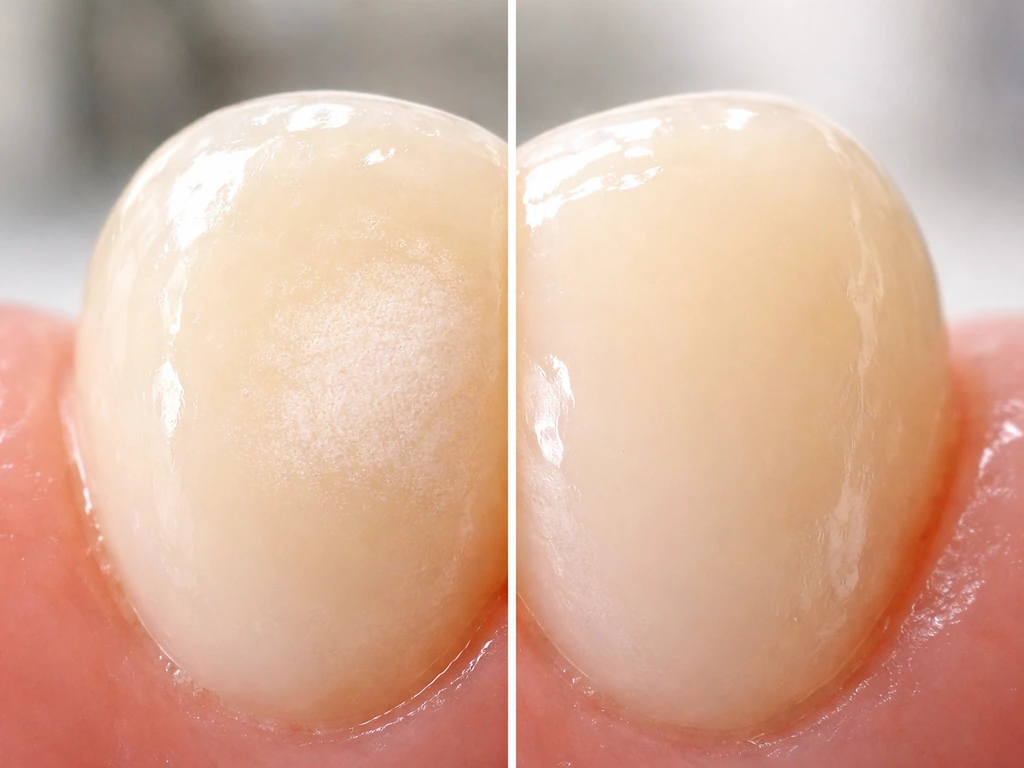
Remineralization is real. Enamel, the hard outer layer of a tooth, is not living tissue and cannot be rebuilt by your body the way bone can. But it can be strengthened by minerals like fluoride, calcium, and phosphate. When early cavity lesions (called white spot lesions) haven't yet broken through the enamel surface, fluoride toothpaste, fluoride treatments at the dentist, and good saliva flow can deposit minerals back into weakened enamel and stop the decay. That's genuine science.
But this is not the same as regrowing a tooth. Once a cavity has progressed past the enamel into dentin, or once the tooth structure has cracked or fractured, remineralization can't fix it. And if the entire tooth is missing, there is nothing left for minerals to reinforce. The 'regrow your teeth naturally' content circulating online typically ignores this crucial distinction.
Dentin is slightly different in that it does have some limited capacity to form what's called tertiary (or reparative) dentin in response to injury, but this is a minor defensive response, not reconstruction. It fills a tiny amount of space near the pulp chamber; it doesn't rebuild a cracked tooth or fill a cavity.
What to do right now if a tooth is knocked out or badly damaged
If a permanent tooth has been knocked completely out (called an avulsion), the next 30 to 60 minutes are critical. Speed matters enormously here.
- Pick up the tooth by the crown (the white part you can see), not the root. Touching the root damages the cells needed for reattachment.
- If the tooth is dirty, rinse it very gently with milk or saline. Do not scrub it, wrap it in a paper towel, or let it dry out.
- Try to reinsert the tooth into the socket immediately if the child is old enough to cooperate and there's no risk of swallowing it. Have them bite gently on a clean cloth to hold it in place.
- If reinsertion isn't possible, store the tooth in cold milk, saline, or the child's saliva (inside the cheek is a good option for older kids). Do not use tap water.
- Get to a dentist or emergency dental clinic within 30 minutes. After 60 minutes, the chances of successful reimplantation drop significantly.
- Call ahead so the dental office can prepare for your arrival.
For fractured or cracked teeth, there is less urgency but still a reason to act fast. A clean fracture may be repairable with bonding if you get there quickly and bring any broken pieces with you. A crack into the pulp is a dental emergency involving pain and risk of infection. Don't wait for a regular appointment if there's significant pain, bleeding that won't stop, or visible damage to the root.
One important note: the knocked-out tooth advice above applies specifically to permanent teeth. A knocked-out baby tooth is generally not reimplanted, because forcing it back in can actually damage the permanent tooth developing underneath. Contact a dentist to confirm which tooth it is and what to do.
What dentists can do when a tooth won't grow back naturally
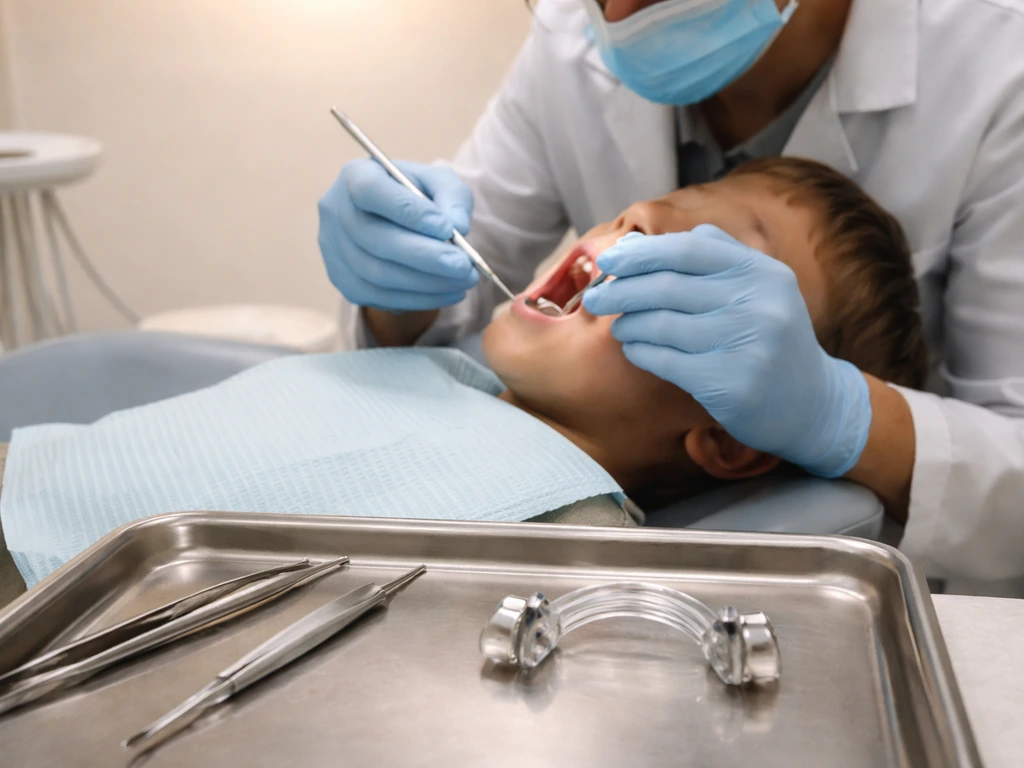
Pediatric dentists have a solid toolkit for age 10, and the right treatment depends on which tooth is lost or damaged, how severe the damage is, and how much growth the child still has ahead.
For teeth with cavities or partial damage
- Fillings: For cavities that haven't reached the pulp, composite (tooth-colored) or amalgam fillings are standard and durable. This is the most common intervention at age 10.
- Dental bonding: For chips or minor fractures, tooth-colored resin is applied and shaped to restore the tooth's appearance and function.
- Crowns: When decay or fracture is extensive, a crown (cap) covers and protects what's left of the tooth. For kids, stainless steel crowns are common on molars because they're tough and cost-effective.
- Root canals (pulpotomy or pulpectomy): If decay or trauma has reached the pulp, a pediatric root canal treatment can save the tooth. In kids, this is often a pulpotomy, which removes only the infected pulp tissue in the crown.
For missing teeth
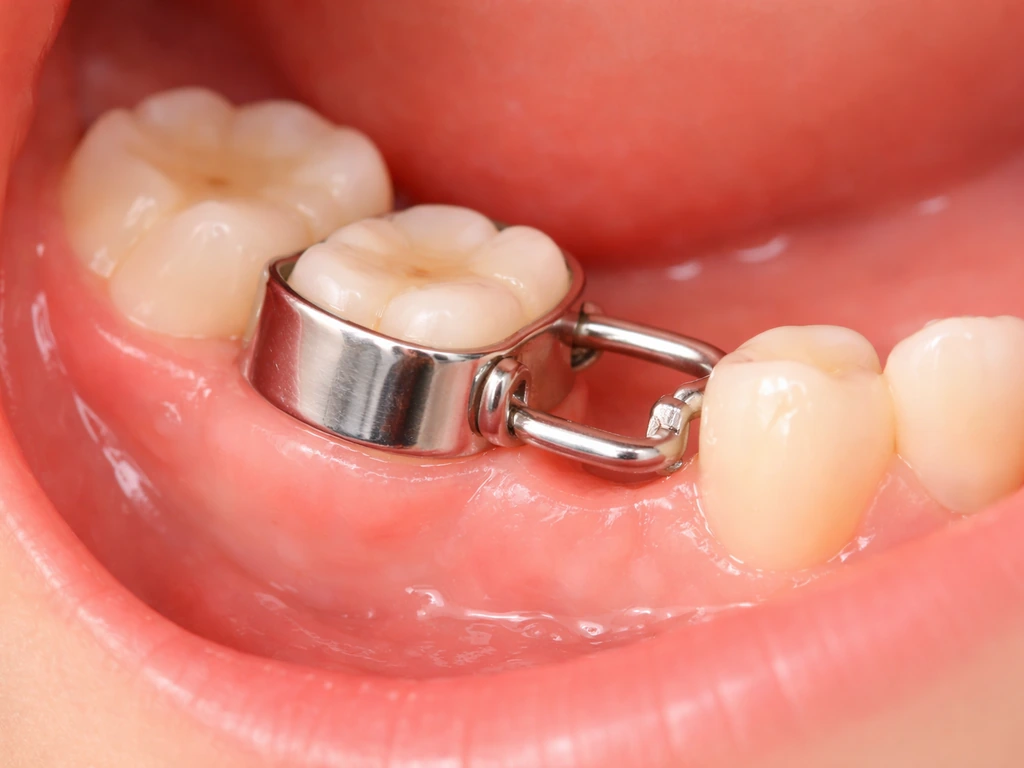
- Space maintainers: If a baby tooth is lost early before the permanent one is ready to come in, a space maintainer holds the gap open so neighboring teeth don't drift and block the erupting permanent tooth. This is one of the most important interventions at age 10 and is often overlooked by parents.
- Orthodontic monitoring: A dentist or orthodontist may track the space and tooth movement over time rather than immediately placing a device, depending on which tooth was lost and what's happening in the rest of the mouth.
- Temporary partial dentures or flippers: For visible front teeth, a temporary removable device can fill the gap cosmetically while a child is still growing.
- Implants (later): Dental implants are not placed in children because the jawbone is still growing. This option becomes available in the late teens or early adulthood once jaw development is complete.
The key conversation to have with the dentist is whether the lost tooth was a primary or permanent tooth, whether a permanent replacement is expected to erupt on its own, and whether a space maintainer is needed to protect that space in the meantime.
When to go to urgent or emergency dental care
Not every dental problem needs a same-day visit, but some absolutely do. Here are the situations where waiting is the wrong call.
- A permanent tooth is completely knocked out: act within 30 to 60 minutes for any chance of reimplantation
- Significant bleeding from the mouth that doesn't slow after 10 to 15 minutes of pressure
- Severe or throbbing tooth pain, especially with fever or facial swelling (this can indicate a dental abscess, which is a serious infection)
- A tooth that has been pushed up into the gum (intruded) or pushed sideways out of position
- A broken tooth with a visibly exposed nerve (sharp pain to air, water, or touch)
- Swelling of the jaw, face, or neck alongside dental pain (this is a medical emergency, not just a dental one)
Mild sensitivity after a chip, a loose baby tooth, or a small cavity are not emergencies. But when in doubt, calling the dentist to describe what happened will help you figure out how fast to move.
The real science on dental regeneration
There's growing scientific interest in dental regeneration, and it's worth separating real research from what's being sold online. Researchers have been exploring stem cell-based approaches to regenerate tooth structures, and some animal studies have shown promising early results. As of 2026, there is no approved, clinically available tooth regrowth treatment for humans. No supplement, oil, or toothpaste can regrow a lost tooth. These claims are marketing, not medicine.
What science does confirm is the remineralization of early enamel lesions with fluoride (discussed above), the body's ability to heal soft tissue like gums, and the remarkable success of reimplanted permanent teeth when handled and treated correctly within the golden window of 30 to 60 minutes.
At age 10, the biology is straightforward: baby teeth that fall out naturally will be replaced by permanent teeth on a developmental schedule. Permanent teeth that are damaged need professional treatment. Permanent teeth that are completely lost need a dentist to manage the space and plan for long-term replacement. The question of whether teeth can grow back looks different at different ages.
For questions like can your teeth grow back at age 21, the answer depends on whether any natural permanent tooth is still developing under the gumline. A 12-year-old may still have a few baby teeth in transition, while an adult or senior has no natural replacements left under the gumline at all.
At 10, you're right in the middle, which is exactly why it matters so much to know which tooth you're dealing with do you grow new teeth after 100. If you are wondering, can your teeth grow back at age 12, the answer depends on whether the tooth is still a baby tooth in transition or a permanent tooth that has been lost.
At 10, you're right in the middle, which is exactly why it matters so much to know which tooth you're dealing with.
The bottom line for parents and kids at age 10
If a tooth falls out and it's a baby tooth with a permanent one on the way, breathe. Nature is handling it. If it's a permanent tooth, the clock is ticking and the dentist is your next call. The most important thing a parent can do in any dental emergency at age 10 is stay calm, identify whether the tooth is primary or permanent, and act fast when it matters. Ask your dentist directly: is this tooth permanent? Does my child need a space maintainer? Are there signs of infection or nerve involvement? Those three questions will drive nearly every decision that follows.
FAQ
What should I do if I cannot tell whether my child lost a baby tooth or a permanent tooth?
If you cannot tell whether it is a baby or permanent tooth, assume it could be permanent and call the dentist promptly. A dental X-ray is usually the fastest way to confirm what is developing under the gumline and whether there is a replacement tooth ready to erupt.
Should a knocked-out baby tooth be put back in right away?
A knocked-out baby tooth is typically not reimplanted. Forcing it back in can injure the developing permanent tooth underneath, so contact a pediatric dentist to confirm the right approach for that specific tooth.
What’s the correct first aid for a permanently knocked-out tooth before the dentist sees us?
When a permanent tooth is avulsed, the priority is preserving the tooth's viability and getting professional care quickly. Handle it by the crown only, rinse briefly with clean water if visibly dirty (do not scrub), and place it in the appropriate storage medium if you have one, then go to urgent dental care within the golden window.
If a baby tooth is lost, will my child definitely need a space maintainer?
Yes, gaps after losing a primary tooth can cause nearby teeth to drift, which may affect alignment when the permanent teeth erupt. Many children need a space maintainer, and the dentist decides based on which tooth was lost and whether the permanent successor is likely to erupt soon.
Does the answer change depending on whether the damaged tooth is in the front or the back?
Age 10 itself does not guarantee treatment options, the tooth type and damage pattern do. For example, a small cavity on a permanent tooth can be treated conservatively, while a fracture that reaches the pulp is handled as an emergency even if it does not look severe on the outside.
What are the warning signs that mean we should not wait at age 10?
Painful swelling, a tooth that looks significantly displaced, bleeding that does not slow, fever, or visible injury near the gumline are good reasons to avoid waiting for a routine appointment. Cracks involving the nerve, especially if there is lingering pain with biting or temperature, warrant same-day evaluation.
How do I know if a chip has reached the nerve or is becoming an infection?
Root-related symptoms matter a lot. If there is significant pain, a dark color change, persistent sensitivity, or gum swelling, the dentist will likely check nerve vitality and may take X-rays to see whether infection is developing, even if the tooth looks only slightly chipped.
Can fluoride or whitening toothpaste actually reverse early cavities at this age?
At age 10, fluoride can help strengthen early enamel damage, but it will not reverse a cavity that has already progressed into the tooth structure. If your child has white spot lesions, start with fluoride toothpaste and discuss professional fluoride or sealant options, but do not assume that brushing alone will fix a deeper cavity.
What’s a common mistake parents make after an injury that delays the right treatment?
Avoid home “remineralize and wait” approaches when a tooth is fractured, missing, or knocked out. For these situations, the best outcome comes from timely dental treatment, and delayed care can reduce options like bonding for fractures or emergency procedures for avulsions.
How can I tell whether a product claiming tooth regrowth is not legitimate?
For “can your teeth grow back” marketing claims, the practical test is whether a clinician would manage the condition by expecting true tooth regeneration. In real life, dentists focus on eruption timing for baby teeth, restoring damaged permanent teeth, and planning replacement for missing permanent teeth, not on regrowing a whole tooth with a product.
Next Articles

Can your teeth grow back at age 11? What to know
Can teeth grow back at 11? Baby teeth replace naturally, but lost enamel or permanent teeth don’t regrow. Next steps.
Can Your Teeth Grow Back at Age 12? What to Expect
Learn if teeth can regrow at age 12, what naturally replaces baby teeth, and what to do after missing or knocked teeth.
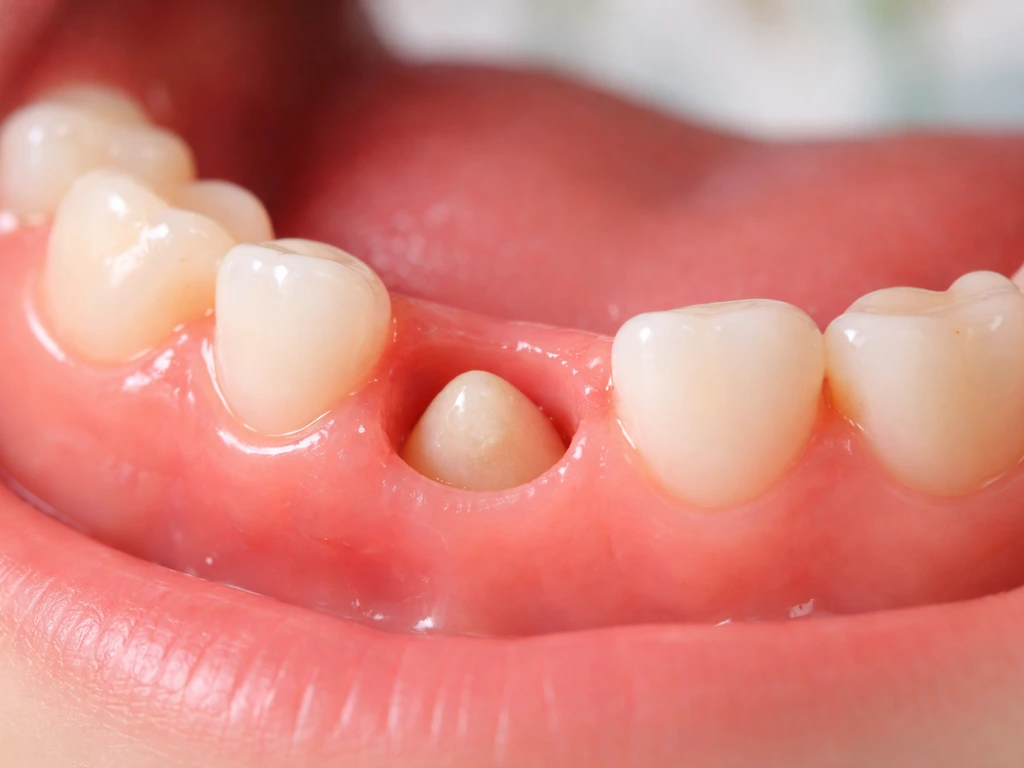
Do Milk Teeth Grow Back? Timelines, What to Do, Red Flags
Learn if milk teeth regrow, typical timelines for permanent teeth, what to do after loss or injury, and red flags.