No, teeth do not grow back after age 100. Humans get exactly two sets of teeth in a lifetime: baby teeth and permanent adult teeth. Once your permanent teeth are gone, there is no biological process that produces new ones, regardless of age. If you are wondering about age 21 specifically, the answer is still no natural regrowth of permanent teeth can your teeth grow back at age 21. This is true at 20, at 60, and just as true past 100. What can happen at any age, including very old age, is limited enamel remineralization (a surface repair process, not regrowth), gum tissue changes, and very rarely, a wisdom tooth that was never fully erupted finally shifting position. None of those things are the same as a tooth growing back.
Do Teeth Grow Back After 100? What’s Realistic and Options

Marcus Holloway
4 Jun 2026
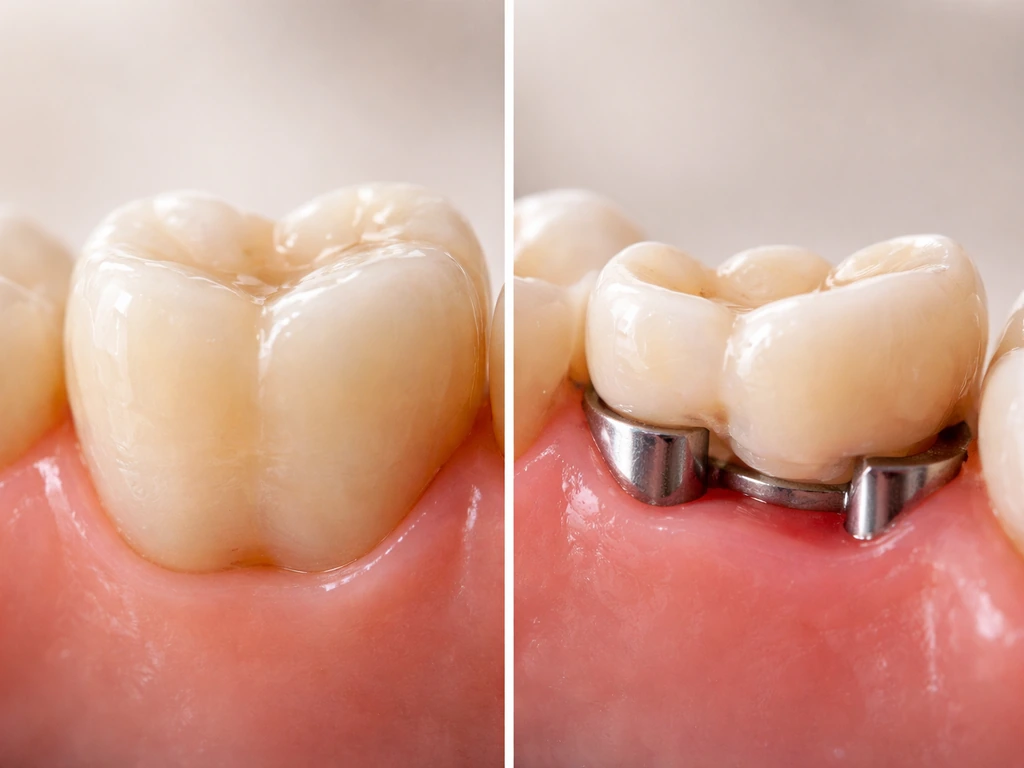
What "grow back" actually means (and what it doesn't)
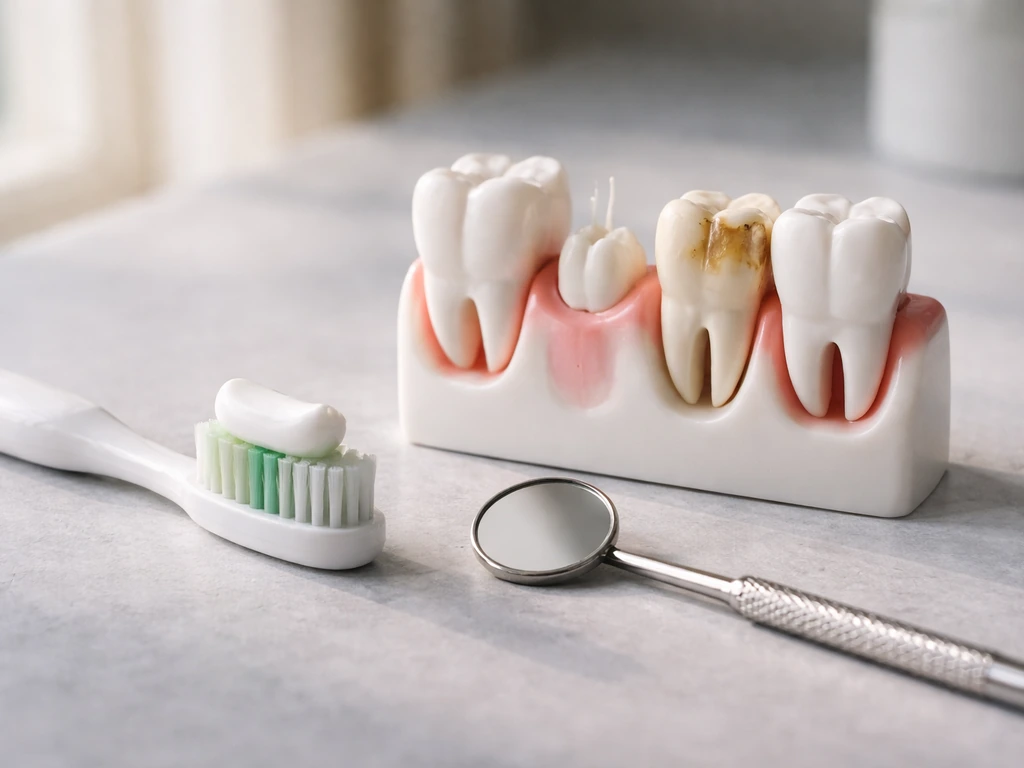
When people ask if teeth grow back, they usually mean one of three different things, and it helps to separate them because the answers are different for each.
- Full tooth regrowth: A completely new tooth erupting from the gum to replace a missing one. This is what most people picture, and it does not happen in adult humans at any age.
- Enamel regrowth: The hard outer shell of a tooth repairing itself after damage or erosion. Enamel cannot regenerate on its own because it has no living cells once it forms.
- Eruption of an existing tooth: A tooth that already formed years or decades ago but has not yet broken through the gum. This is what happens with wisdom teeth, and it is sometimes mistaken for regrowth.
Remineralization is a fourth concept that gets lumped in with regrowth and should not be. Fluoride and saliva can deposit minerals back onto enamel surfaces that have been mildly weakened by acid, but this is a microscopic surface repair, not the creation of new enamel or a new tooth. It is meaningful for cavity prevention, but it will not reverse significant enamel loss or replace a missing tooth.
The biology of enamel, dentin, and nerves: why adult teeth can't regenerate
Here is the core biological reality: enamel is acellular, meaning it contains no living cells once it finishes forming. Bone can repair itself because it is full of active cells. Enamel cannot, for the same reason you can't heal a ceramic tile. Research published in peer-reviewed journals is direct on this point: mature enamel does not regenerate itself the way tissues like bone and dentin can.
Dentin, the layer beneath enamel, is slightly more forgiving. It does contain cells called odontoblasts that can produce limited amounts of new dentin in response to injury, but this capacity depends entirely on the health of the dental pulp and its stem-cell pool. It is a slow, minor, and conditional response, not a full repair mechanism. Cementum, which anchors the tooth root to the jawbone, has essentially no remodeling capacity and very limited regeneration potential.
There is active research in stem-cell-driven tooth regeneration, including work on how dental pulp stem cells behave in an extraction socket when periodontal ligament tissue is present. This science is genuinely promising, but it is experimental and happening in laboratory and animal models. It is not a treatment available to patients today, and it is certainly not a natural process happening spontaneously in anyone's mouth after age 100.
What actually changes after age 100 (and what does not)
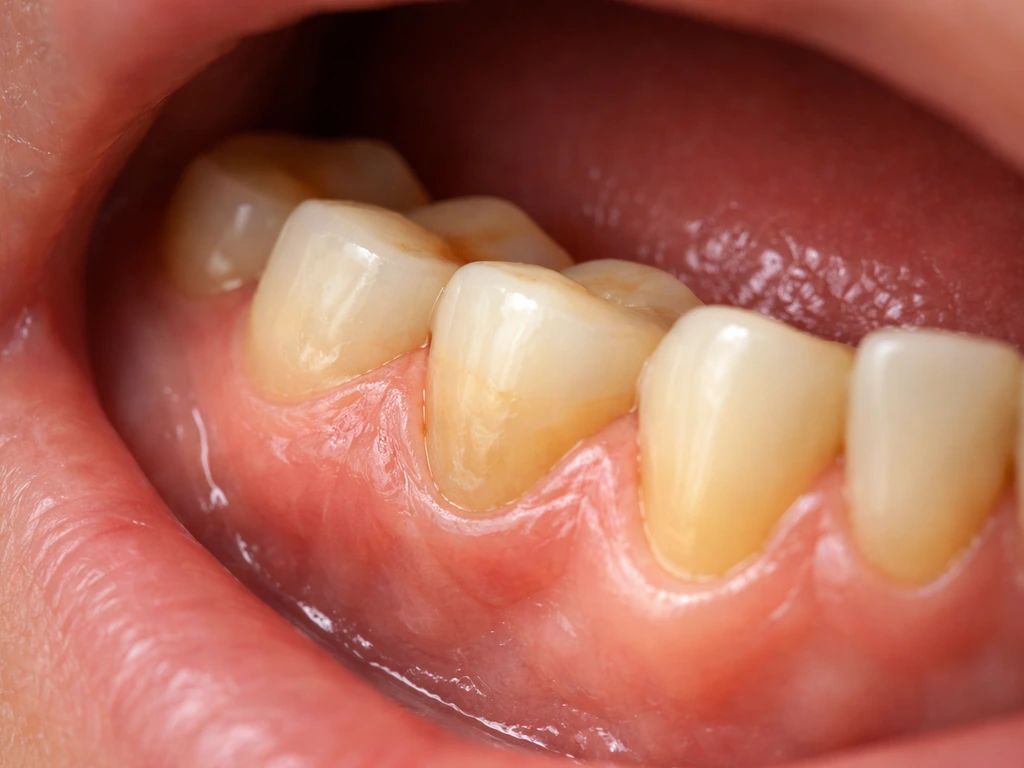
Reaching age 100 does not unlock any new dental biology. The changes that happen in oral health at very advanced age are all losses, not gains. Here is what the science actually shows happens:
- Gingival recession: Gums continue to recede over time, exposing root surfaces that were previously protected. This can make teeth look longer or change in appearance, but it is not growth of new tissue.
- Root caries risk: The exposed root surfaces are not covered by enamel and are much more vulnerable to decay. The ADA specifically identifies gingival recession and dry mouth (xerostomia) as major cavity risk factors in older adults.
- Dry mouth: Xerostomia becomes increasingly common with age, driven largely by the sheer number of medications many centenarians take. Studies show xerostomia prevalence rises significantly with medication burden. Dry mouth accelerates decay because saliva normally provides a protective, remineralizing buffer.
- Bone loss: The jawbone can shrink over time, especially where teeth are missing. This affects the fit of dentures and the feasibility of implants, but it is not related to tooth regrowth.
- No new teeth: There is no developmental stage, hormonal trigger, or biological clock that causes new permanent teeth to grow after the original set is lost at any age.
If someone over 100 notices what looks like a new tooth or a change in their mouth, the far more likely explanations are a previously impacted tooth shifting, a denture fitting differently as bone changes, gum recession exposing more tooth structure, or a dental issue like an abscess causing tissue changes. Any of these warrants a dentist visit, not an assumption that teeth have regrown.
Things people confuse with tooth regrowth
Remineralization
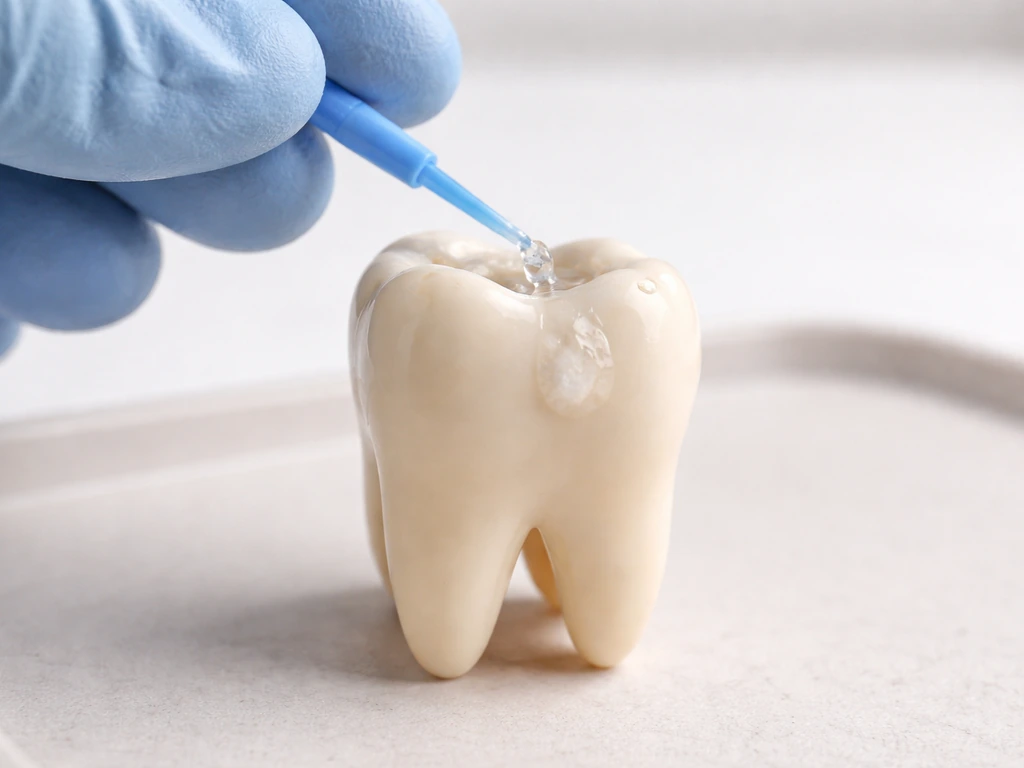
Fluoride works by depositing calcium and phosphate minerals into areas of enamel that have been slightly softened by acid. This is a real and important process, and it explains why fluoride toothpaste genuinely reduces cavities. But it is a surface-level mineral deposit, not the creation of new enamel tissue. The ADA is clear that fluoride-containing products support remineralization and cavity prevention, not enamel regeneration. No toothpaste or supplement can rebuild significant enamel loss or regrow a missing tooth.
Wisdom teeth erupting late
Wisdom teeth (third molars) typically erupt between ages 17 and 25, according to the American Association of Oral and Maxillofacial Surgeons. In some cases they are impacted and never fully emerge. Very rarely, a wisdom tooth that has been partially or fully impacted may shift slightly over decades, causing new symptoms or becoming visible. This is not a tooth growing back. The tooth already existed in the jaw, fully formed, for decades. At age 100, any wisdom teeth that were going to erupt have long since either come in or become permanently impacted. The odds of a newly erupting third molar past that age are essentially zero.
Gum changes that look like tooth changes
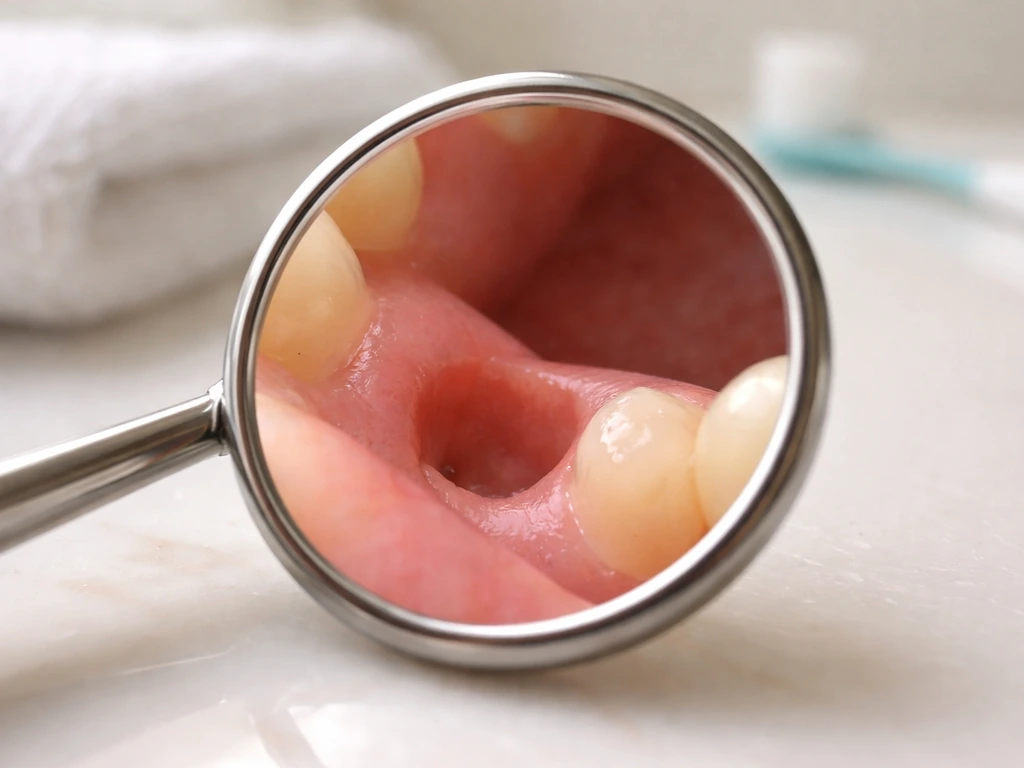
Gum tissue can swell, recede, or change shape due to infection, inflammation, or healing after dental work. If a denture is removed or a tooth is extracted, the surrounding gum and bone will remodel over several months. This tissue movement is sometimes interpreted as something new happening, but it is the body's wound-healing response, not regrowth of a tooth.
Why teeth are lost in the first place, and why it matters
Understanding what causes tooth loss matters because it directly affects what treatment options are realistic. The main causes of tooth loss in older adults are:
- Periodontal (gum) disease: Chronic infection and inflammation that destroys the bone and ligament holding teeth in place. This is the leading cause of adult tooth loss.
- Tooth decay (caries): Untreated cavities that progress to the point where the tooth cannot be saved. Root caries from gum recession is a specific risk in older adults.
- Trauma: Physical injury that fractures or knocks out a tooth.
- Failed or aging dental work: Old fillings, crowns, or root canals that eventually fail, sometimes leaving a tooth unsalvageable.
- Systemic conditions and medications: Diabetes, osteoporosis, and certain medications (especially bisphosphonates and dry-mouth-causing drugs) all increase tooth loss risk.
The cause of tooth loss matters because it influences whether implants are possible, what gum health looks like, and how much jawbone is available for prosthetics. Someone who lost teeth to uncontrolled gum disease faces a different treatment situation than someone who had a tooth extracted cleanly decades ago.
Realistic options for replacing missing teeth at any age
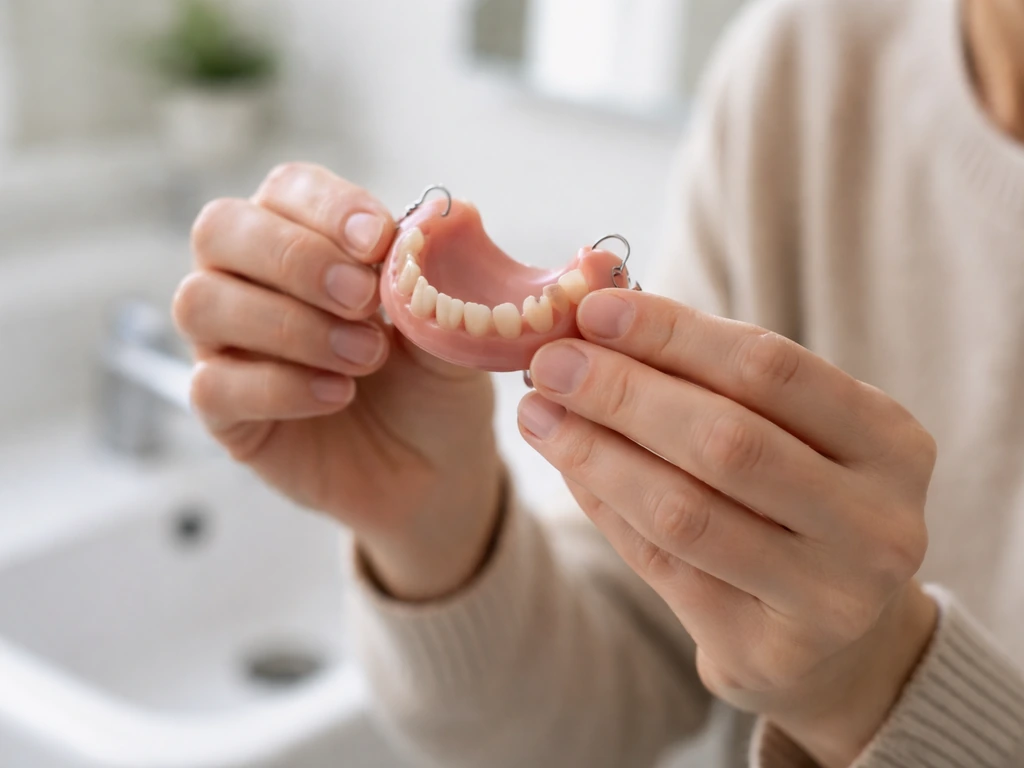
Since natural regrowth is not on the table, the practical question is: what can actually be done? The answer depends on overall health, bone availability, and personal priorities. Here is how the main options compare:
| Option | How it works | Best for | Key considerations at very advanced age |
|---|---|---|---|
| Full dentures | Removable prosthetic replacing all teeth in an arch | Complete tooth loss in one or both arches | Requires gum healing (several months); bone shrinkage over time affects fit; no systemic health barriers |
| Partial dentures | Removable prosthetic replacing some teeth, clipping onto remaining teeth | Partial tooth loss with some healthy teeth remaining | Lower cost; less invasive; may feel less stable than fixed options |
| Dental bridge | Fixed prosthetic anchored to crowns on neighboring teeth | One to three missing teeth with healthy adjacent teeth | Adjacent teeth must be prepared (reduced); not removable; good stability |
| Dental implants | Titanium post surgically placed into jawbone, topped with a crown | Single or multiple tooth replacement with adequate bone | Contraindicated with uncontrolled diabetes, bisphosphonate use, active infection, head/neck radiation history; requires surgery |
| Implant-supported dentures | Denture anchored to several implants for stability | Full arch replacement where implants are feasible | Better stability than conventional dentures; requires sufficient bone; more complex and costly |
For someone over 100, conventional dentures (full or partial) are usually the most practical starting point because they require no surgery, have no systemic health contraindications, and can be adjusted or replaced as the mouth changes. Implants are not automatically ruled out by age alone, but the health complexity at that age often creates contraindications. A dentist or prosthodontist will assess bone volume, gum health, systemic medications, and medical history before recommending anything.
One thing to be very clear about: supplements marketed as tooth regrowth products, probiotic candies claiming to regrow teeth or gums, and DIY peroxide or acid-based home remedies have no clinical basis. The ADA and independent fact-checkers have confirmed there are no grounds for claims that any supplement can regrow teeth or gums. Some of these products carry real risks, including chemical burns to the oral mucosa from misuse of concentrated peroxide. A PubMed-indexed case report describes hydrogen peroxide causing a burn injury to the oral mucosa, supporting the potential harms from DIY peroxide or acid-type home remedies that people believe can regrow teeth or gums chemical burns to the oral mucosa from misuse of concentrated peroxide. Spending money on them delays real treatment.
What to do right now: your next steps
If you are over 100 (or caring for someone who is) and dealing with missing teeth, tooth pain, or questions about oral health changes, here is what a productive dentist visit looks like and what to expect:
Questions to bring to the dentist
- Which teeth are missing and how long ago were they lost?
- What is the current state of the remaining teeth and gums?
- Are there any existing dentures and how well do they fit currently?
- What medications is the patient taking, specifically bisphosphonates, blood thinners, or anything causing dry mouth?
- Is there any ongoing pain, swelling, bleeding gums, or difficulty chewing or swallowing?
Tests and evaluations to expect
- Full-mouth dental X-rays or panoramic X-ray to assess bone levels, root health, and any hidden problems
- Periodontal probing to measure gum pocket depths and check for active gum disease
- Salivary assessment if dry mouth is a concern (especially relevant if on multiple medications)
- Oral cancer screening, which is particularly important in older adults
- Bite and jaw joint assessment if there is pain or difficulty chewing
Red flags that need urgent attention
- Swelling in the jaw, cheek, or neck (could indicate an abscess or spreading infection)
- Sudden difficulty swallowing or breathing along with mouth pain
- A sore or patch in the mouth that has not healed in two to three weeks
- Teeth that are suddenly loose or shifting when they were stable before
- Severe dry mouth that is making eating or speaking very difficult
None of these warrant waiting. An untreated dental abscess in a centenarian can become life-threatening quickly. For non-urgent situations, scheduling a comprehensive dental exam with a dentist experienced in geriatric patients is the right first step. Many dental schools also have clinics specializing in older adult care if access or cost is a barrier.
If the starting point is confusion about whether something in the mouth is a tooth growing back, the answer is almost certainly no, but the reason why it looks or feels different is worth finding out. A national survey reported xerostomia prevalence of 29.4% (95% CI 26.5, 32.5) among dependent older New Zealanders, linking it to medication and overall health context blank" rel="noopener noreferrer">xerostomia prevalence of 29.4% (95% CI 26.5–32.5) among dependent older New Zealanders. If you are asking, “can your teeth grow back at age 11,” the same biology applies: permanent teeth do not naturally regrow, though enamel can be repaired on the surface and lost teeth can be replaced with proper care. Gum changes, shifting bone, new decay on exposed roots, or a poorly fitting denture all have real solutions. A dentist can tell you exactly what is happening in a single visit, and that is worth a lot more than any supplement or online rumor about regrowing teeth.
The question of tooth regrowth comes up at many ages, from children around age 10, 11, or 12 who are still in the middle of losing baby teeth, to young adults wondering about wisdom teeth in their twenties, to older adults at 100 and beyond. The biology is the same at every age: once your permanent teeth are gone, they are gone. The treatments, though, keep improving, and there are good options available today that can restore function and quality of life regardless of age.
FAQ
If I see what looks like a new tooth at age 100, could it actually be enamel regrowth from a cavity?
No. If you are missing a full tooth (not just enamel), the only realistic ways to restore it are replacement options like dentures, partial dentures, crowns on remaining teeth, or implants (when medically suitable). Remineralization can help prevent or slow early decay, but it cannot rebuild missing tooth structure.
What are the most common reasons people think their teeth regrew in their 90s or 100s?
Sometimes, a “new tooth” feeling is gum or bone shifting, or a denture that no longer fits as the jaw changes. Another common cause is an untreated infection, abscess, or inflammation that changes tissue and makes an area look and feel different. A dentist can usually distinguish these with an exam and X-rays.
Does fluoride reverse enamel loss after years of wear or minor cavities?
If a tooth is merely worn, stained, or has early enamel damage, fluoride and good oral hygiene can support surface repair and slow progression. However, if enamel loss is significant, the solution is usually protective treatment, like sealants, bonding, crowns, or fillings, not waiting for it to “come back.”
Are there any safe at-home remedies or supplements that can actually regrow teeth or gums?
No DIY approach can safely “rebuild” teeth. Concentrated peroxide, acids, or aggressive brushing can burn oral tissue or worsen exposed roots. If you are considering any home chemical treatment, it is safer to discuss it with a dentist first, because the risk is real even when the goal sounds harmless.
Could a hidden tooth become visible later in life, making it seem like teeth grew back?
Usually no, if the tooth is truly absent. But if you had a partially erupted wisdom tooth, an impacted tooth, or a tooth that was broken off near the gumline, the visible change might be due to shifting, recession exposing more of what already exists, or the denture or opposing bite changing. Imaging helps confirm what is actually there.
If natural regrowth is not possible, can implants still be an option for someone over 100?
Age alone does not make implants impossible, but it increases the importance of medical assessment. Factors like uncontrolled diabetes, blood thinners, history of head and neck radiation, smoking status, bone volume, and infection risk often determine whether implants are appropriate and how healing will go.
Can gum recession or root decay at an advanced age make it seem like a tooth is regenerating or appearing?
Yes, root caries on exposed root surfaces can look like a tooth is “changing” or growing. This happens when gums recede and roots are exposed to decay. Treatments may include fillings, crowns, or other restorations depending on how far the decay has progressed.
When should a centenarian with new mouth changes be seen urgently versus scheduled routinely?
A good rule is not to wait if there is pain, swelling, drainage, fever, or trouble eating or swallowing. For any unclear “new tooth” appearance, schedule an exam promptly, because infections can become serious faster in older adults. If you are caregiver, treat red-flag symptoms as urgent.
Why does the cause of my earlier tooth loss matter when planning dentures or other replacements?
A commonly missed step is identifying the cause of tooth loss before choosing replacement options. The history (gum disease versus trauma versus extraction for decay), current gum health, and remaining bone determine what is feasible. Two people of the same age can have very different options based on these details.
Next Articles
Can Your Teeth Grow Back at Age 10? What’s Real
Learn if teeth regrow at age 10, what can’t return, and what to do after loss, cavities, or trauma.

Can your teeth grow back at age 11? What to know
Can teeth grow back at 11? Baby teeth replace naturally, but lost enamel or permanent teeth don’t regrow. Next steps.
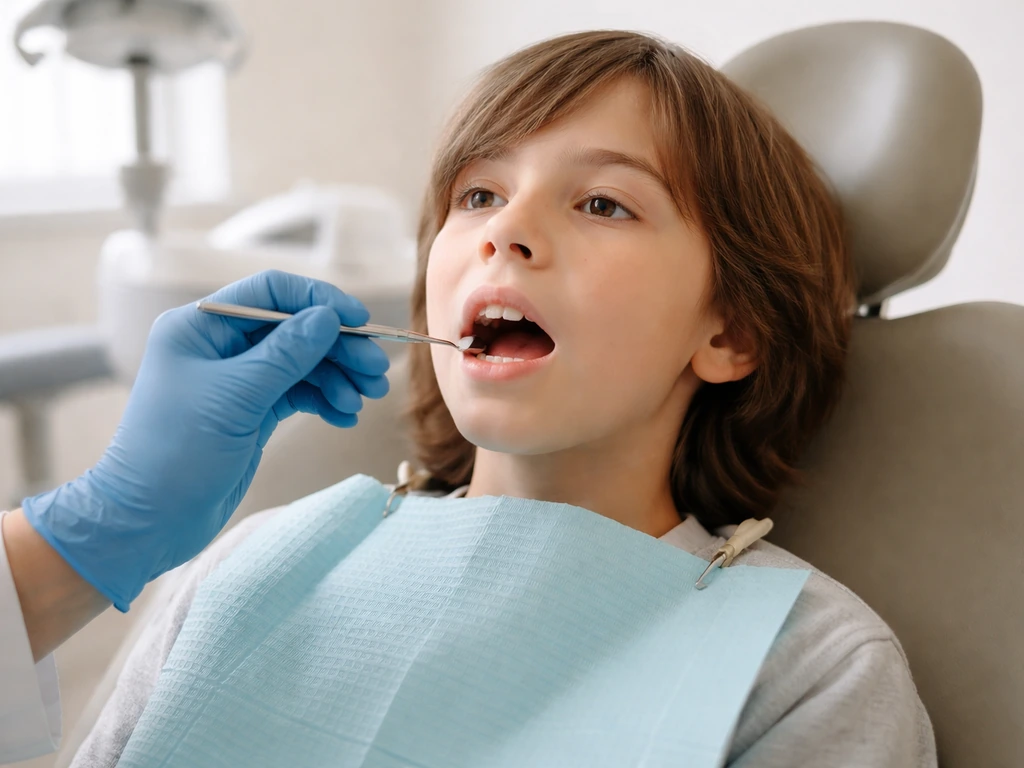
Can Your Teeth Grow Back at Age 12? What to Expect
Learn if teeth can regrow at age 12, what naturally replaces baby teeth, and what to do after missing or knocked teeth.