
Here's the direct answer: kittens can regrow teeth, but adult cats cannot. Once a cat's permanent adult teeth are in, those are the only set they will ever have. If an adult cat loses or breaks a tooth, no new tooth will grow back to replace it. This is not a myth or a gap in veterinary knowledge. It is simply how feline dental biology works, and it is worth understanding clearly before you assume your cat's missing fang will take care of itself.
Do Cats Teeth Grow Back? Kitten vs Adult Tooth Replacement

Marcus Holloway
4 Apr 2026
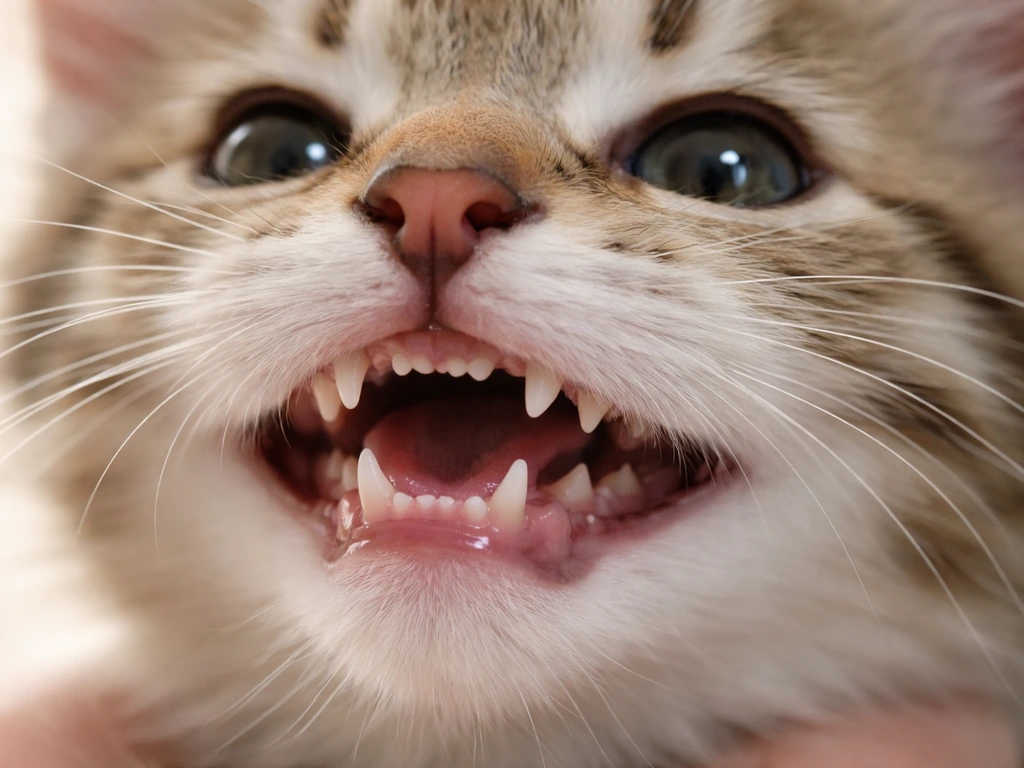
Cat teeth vs kitten baby teeth: what's supposed to happen naturally
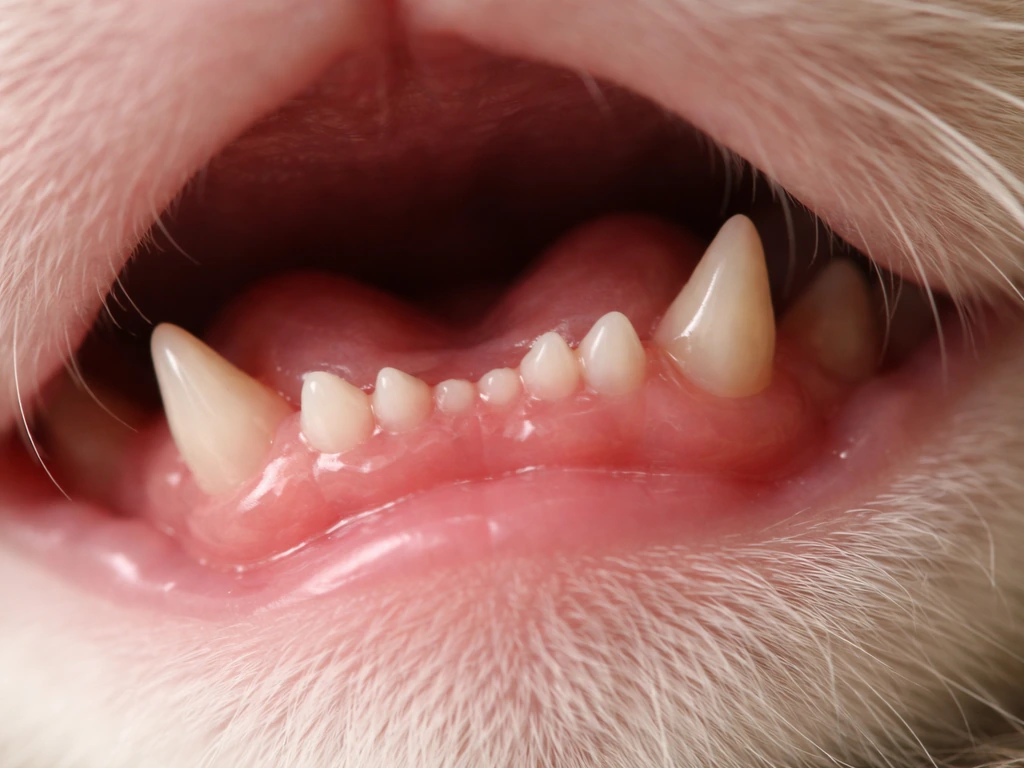
Cats are diphyodont, meaning they develop exactly two sets of teeth in their lifetime. The first set is the deciduous teeth (also called baby teeth or milk teeth), and the second is the permanent adult teeth. There is no third set waiting in the wings.
Kittens start getting their baby teeth around 5 to 8 weeks of age, and by about 8 weeks, all 26 deciduous teeth are usually in place. Then, starting around 4 months of age, those baby teeth begin falling out as the adult teeth push through. The incisors are typically the first to go, shedding around 4 to 4.5 months. The baby canines (the pointy fang teeth) fall out between 5 and 5.5 months. By the time a kitten reaches 6 to 7 months, the full set of 30 adult permanent teeth should be erupted and in place.
So if you notice your kitten losing a tiny tooth or find one on the floor, that is completely normal. It means the adult tooth is on its way. One thing to watch for is a retained deciduous tooth, which is when the baby tooth stays put even after the adult tooth has erupted. You should never see two of the same tooth occupying the same spot at the same time. If that happens, the retained baby tooth needs to be pulled by a vet because it can cause crowding, abnormal bite development, periodontal disease, and even infections.
Can cats regrow teeth after loss or a broken tooth (including fangs and canines)
No. Adult cats cannot regrow teeth. This includes the fangs (upper canines), which are the teeth owners ask about most often because they are so prominent and alarming when they go missing. If your adult cat loses a canine to trauma, dental disease, or a vet extraction, that space stays empty. The same is true for every other adult tooth: molars, premolars, incisors. There is no regeneration happening, no tooth bud waiting to activate, no slow regrowth you just have not noticed yet.
Cats are not like sharks, which continuously produce new teeth throughout their lives. If you are curious about what animals can actually regrow their teeth, sharks, crocodilians, and some other species are genuinely polyphyodont. Cats are not. Their biology gives them two sets and stops there.
The fang question deserves special emphasis because canine teeth are structurally critical for a cat. They are used for gripping prey, grooming, and defense. Losing one does not mean a cat cannot survive or live a good life, but it does mean the tooth is simply gone. What looks like a tooth growing back in an adult cat is almost always either a retained root fragment becoming visible, gum tissue changing shape, or a different dental structure being noticed for the first time.
How fast cat teeth would regrow: timelines for kittens vs adults

For kittens, the replacement timeline is predictable and fairly fast. Once a baby tooth falls out, the adult tooth typically erupts within a few weeks and reaches full height within a couple of months. The whole transition from first lost baby tooth to full adult dentition takes roughly 2 to 3 months, with everything complete by around 6 to 7 months of age.
For adult cats, the timeline for regrowth is not measurable because it does not happen. If you are watching a spot in your adult cat's mouth expecting something to come through, you will be waiting indefinitely. What you might be observing instead is healing gum tissue closing over an extraction site, which can look like something is filling in, but it is soft tissue, not a tooth.
When it's NOT tooth regrowth: common reasons cats lose or break teeth
Adult tooth loss in cats is never normal. When it happens, there is always a reason, and identifying that reason matters because the same underlying disease can affect other teeth too. The three most common culprits are trauma, periodontal disease, and tooth resorption.
Trauma
Cats that go outdoors, fall from heights, or get into fights with other animals can fracture or knock out teeth. Falls are a particularly common cause of tooth luxation (loosening), fractured crowns, or complete tooth loss. A broken tooth from trauma is structural damage, not disease, but it still needs vet attention because exposed pulp (the inner nerve tissue) is extremely painful and prone to infection.
Periodontal disease
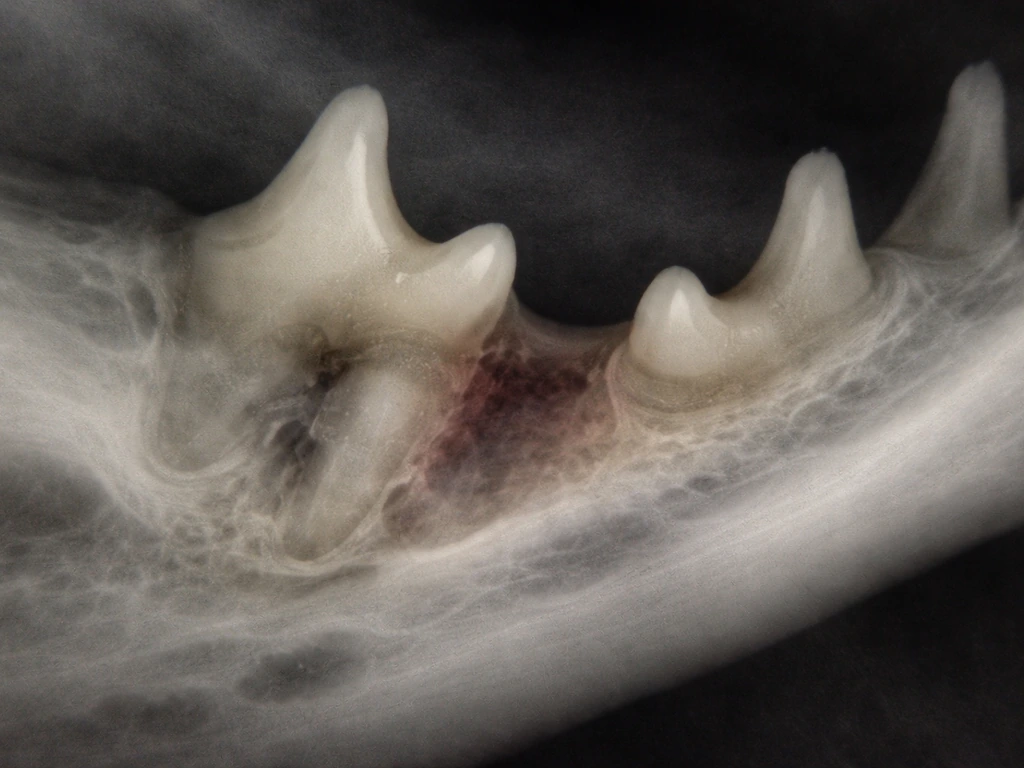
Periodontal disease is one of the most common health conditions in cats. It starts as plaque buildup, progresses to tartar, and eventually damages the ligaments and bone that hold teeth in place. As the supporting structures break down, teeth loosen and can fall out. By the time a tooth drops out from periodontal disease, the damage to surrounding bone is usually already significant.
Tooth resorption
Tooth resorption is a feline-specific dental condition that is far more common than most owners realize. Studies suggest it affects somewhere between 27 and 72 percent of domestic cats. In this condition, the cat's own body essentially breaks down the tooth structure from the inside or at the root level. The tooth can erode, crumble, or appear to partially disappear. What looks like a tooth getting smaller or developing a notch at the gum line is often resorption in progress. It is painful and irreversible, and it requires veterinary diagnosis and treatment, not watchful waiting.
What to do today if your cat's tooth fell out or is broken
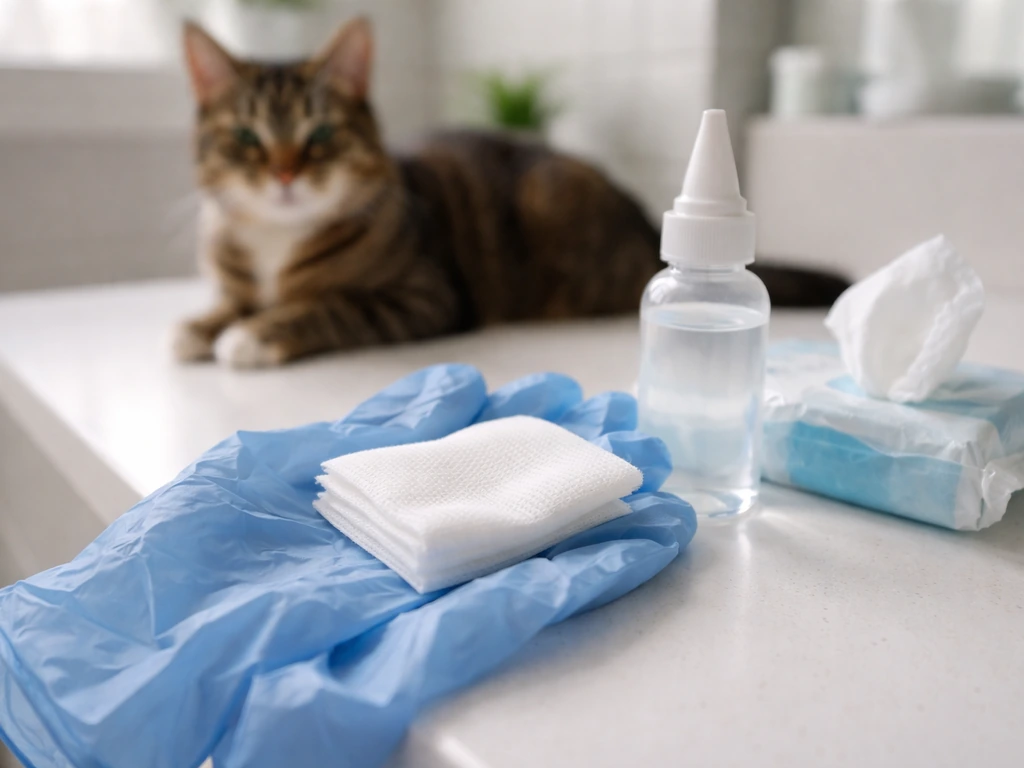
If you discover a missing or broken tooth in your adult cat today, here is how to triage the situation and decide how urgently you need to act.
First, look at your cat's behavior. Signs that something is wrong with a cat's mouth can be subtle because cats are very good at hiding pain. Watch for excessive drooling, pawing at the face or mouth, facial swelling around the jaw or muzzle, dropping food while eating, becoming picky about food texture, swallowing food whole without chewing, or a significant drop in appetite. Any of these signs alongside a missing or broken tooth means your cat is in discomfort and needs to be seen.
For immediate home care: do not try to remove a partially broken tooth or probe the area yourself. If there is visible bleeding from the mouth, keep your cat calm and quiet. Offer soft, wet food if your cat seems hungry but is struggling to eat hard kibble. Do not give any human pain medications, including ibuprofen, acetaminophen, or aspirin, which are toxic to cats.
Call your vet the same day if you notice a broken tooth with visible pink or red pulp exposed, any facial swelling, active bleeding that does not slow, or a cat that has stopped eating entirely. These are urgent situations. If it is after hours and you see significant swelling or bleeding, an emergency vet is appropriate.
If the tooth appears cleanly missing with no obvious swelling, drooling, or appetite change, a next-day or next-available appointment is still necessary, but it is not necessarily a middle-of-the-night emergency. Tooth loss in an adult cat is always a reason for a vet visit, never a wait-and-see situation.
How vets check and treat dental problems in cats
A visual examination of a cat's mouth while the cat is awake gives a vet some information, but it is genuinely limited. Cats do not open wide and hold still. More importantly, a lot of what is happening with feline dental disease happens below the gum line where no one can see it without imaging.
This is why dental radiographs (X-rays) are essential. The American Veterinary Dental College (AVDC) and the American Animal Hospital Association (AAHA) both recommend whole-mouth radiographs as standard for any cat with identified dental disease, including tooth resorption. Research consistently shows that radiographs reveal significant pathology that is completely invisible during a visual exam. A lesion that looks minor on the surface can have extensive resorption of the root beneath the gum line. Without X-rays, treatment planning is essentially guesswork.
The vet or veterinary dentist will also use a dental probe to check pocket depth around teeth, assess mobility, and look for red gingival tissue or broken crowns that are signs of resorption or structural failure. This full assessment typically requires the cat to be under anesthesia to be done safely and thoroughly.
When it comes to treatment, the options depend on what is found. For a fractured tooth with exposed pulp, options include extraction or root canal therapy (performed by a veterinary dentist). For tooth resorption, the AVDC recommends extraction of the entire tooth and root for Type 1 lesions. In some Type 2 cases where the roots are extensively replaced by bone-like tissue, coronal amputation may be appropriate. Periodontal disease is addressed through professional cleaning, scaling, root planing, and sometimes extraction of severely affected teeth. Pain management before, during, and after procedures is a key part of the plan.
Prevention and long-term dental care for cats
The best thing you can do to protect your cat's teeth long term is to commit to a consistent home care routine combined with regular professional dental exams. AAHA identifies daily tooth brushing as the single most effective home care option for cats. Yes, most cats resist it initially. Starting slowly, using cat-specific toothpaste (never human toothpaste), and pairing it with positive reinforcement makes a real difference over time.
If brushing is genuinely not achievable with your cat, dental chews and certain diets can provide some benefit. In a r/Pets discussion about cat dental treats, users note that chews may help somewhat, but they are not as effective as brushing and suggest looking for VOHC seals blank" rel="noopener noreferrer">dental chews and certain diets can provide some benefit. Look for products that carry the blank" rel="noopener noreferrer">Veterinary Oral Health Council (VOHC) seal, which means they have been evaluated and shown to reduce plaque or tartar when used as directed. These are not substitutes for brushing, but they are better than nothing.
Annual dental exams by a vet are important for catching problems early. Many vets recommend professional dental cleanings under anesthesia every one to two years depending on the individual cat's dental health. Cats that have already had tooth resorption or periodontal disease may need more frequent monitoring.
For outdoor cats, reducing trauma risk by transitioning to indoor living or providing a safe enclosed outdoor space helps protect teeth (and the rest of the cat) from the injuries that cause broken and knocked-out teeth.
How cats compare to other pets on tooth regrowth
Cats sit in the same biological category as most domestic mammals when it comes to tooth replacement. Dogs also get two sets of teeth and cannot regrow adult teeth, which is a question that comes up often: whether dogs' teeth grow back follows the same pattern as cats. Even specific concerns about dog canines are addressed in the same way: whether dogs' K9 teeth can grow back gets the same answer, which is no for adults, yes for puppies losing baby teeth. Guinea pigs are a different story entirely: guinea pig teeth grow back continuously because they are open-rooted and keep growing throughout the animal's life, which is a completely different system than what cats have.
Quick reference: kitten vs adult cat tooth loss
| Situation | Normal or not? | Will teeth grow back? | What to do |
|---|---|---|---|
| Kitten under 7 months losing a small tooth | Normal — shedding baby teeth | Yes — adult tooth erupts to replace it | Monitor; check for retained baby teeth |
| Kitten with two of the same tooth in one spot | Abnormal — retained deciduous tooth | Adult tooth may be impacted | See a vet to have the baby tooth extracted |
| Adult cat with a broken or cracked tooth | Abnormal — trauma or disease | No | Vet visit urgently; X-rays and treatment needed |
| Adult cat with a missing fang or canine | Abnormal | No | Vet visit; identify underlying cause |
| Adult cat with a notch or erosion at gum line | Abnormal — likely tooth resorption | No | Vet visit; radiographs required for diagnosis |
| Adult cat losing a tooth from gum disease | Abnormal — advanced periodontal disease | No | Vet visit; full dental assessment needed |
The bottom line is straightforward. If your cat is a kitten and losing tiny teeth, you are watching normal development. If your cat is an adult and something has happened to a tooth, that tooth is not coming back, and the focus shifts entirely to finding out why, managing any pain, and protecting the remaining teeth. Cats are remarkably resilient and can adapt well even after tooth extractions, but they need proper care to get there. Do not wait on a broken or missing adult tooth hoping nature will sort it out. It will not.
FAQ
My adult cat has a small “white nub” at the gum line. Could that be a tooth growing back?
In most cases, it is not new tooth growth. It is more often a retained root fragment, gum tissue changes after healing, or resorption altering the tooth’s shape. A veterinary exam with dental X-rays is the fastest way to confirm what the “nub” actually is and whether it is painful or infected.
What’s the difference between normal kitten shedding and a problem like retained baby teeth?
In normal development, baby teeth fall out as adult teeth erupt, and you do not see the same tooth in the same position at the same time. If you notice two teeth occupying the same spot, especially a baby canine that stays put after the adult tooth appears, that is a retained deciduous tooth and usually needs removal to prevent crowding and abnormal bite.
Can a tooth “grow back” if I wait long enough after an adult cat loses one?
No. Adult cats do not replace missing permanent teeth. If you see something filling an empty spot, it is typically soft tissue closing over an extraction or healing after trauma. If the tooth loss happened weeks ago, the bigger concern is often the cause (periodontal disease, resorption, or trauma), which can affect other teeth.
Is it ever possible for an adult cat to lose a baby tooth instead of a permanent tooth?
Adult cats should already have their full set, so a “newly missing tooth” in an adult is usually a permanent tooth. If you suspect your cat is mis-aged or you are seeing unusual eruption patterns, ask your vet to estimate age and do a full dental assessment rather than assuming a normal shedding event.
My kitten lost a tooth early. Should I worry?
Early shedding can be within the normal range for some kittens, but if it happens very early or seems to come with pain (drooling, not eating, pawing at the mouth), it may be trauma or a dental issue. The practical next step is a vet check if you see behavior changes or if the adult teeth do not appear on the usual schedule.
Do dental chews or gels make up for a missing or broken tooth?
They cannot replace a tooth or correct an underlying lesion like resorption or periodontal damage. Chews and plaque-reducing diets can help slow buildup on the remaining teeth, but a missing or fractured adult tooth still warrants a vet visit to identify the cause and address pain and other affected teeth.
How can I tell if my cat’s tooth problem is painful if they are eating?
Cats can mask pain, and eating behavior can stay normal until things worsen. Clues that pain is present include chewing only on one side, dropping food, reduced grooming around the mouth, sudden pickiness about texture, or increased drooling. If a tooth is missing or broken and you notice any of these, book the next available exam even if appetite seems mostly okay.
What should I do if the tooth looks “cleanly missing” but my cat seems fine?
Even without swelling or drooling, adult tooth loss should be evaluated. Schedule the next-available appointment, because periodontal disease and tooth resorption often have hidden root-level damage that visible inspection cannot detect. Dental X-rays are usually the key decision tool for treatment planning.
Are dental X-rays always necessary after a broken tooth is found?
They are strongly recommended because the most serious damage is often below the gum line, where you cannot see it. X-rays help determine whether the root is fractured, whether resorption is present, and whether extraction versus other treatment is appropriate. Skip-or-delay decisions can lead to incomplete treatment.
Can I give my cat leftover human pain medication while waiting for the appointment?
Do not. Many common human pain relievers are toxic to cats or can cause severe side effects. If pain control is needed while waiting, ask your vet or emergency clinic what is safe for your specific cat.
My adult cat had a tooth extraction. How will I know healing is going well?
Watch for gradual improvement rather than new concerns. Mild tenderness and reduced chewing for a short period can be normal, but you should seek advice if there is persistent bleeding, worsening facial swelling, foul breath that intensifies, or a return of reduced appetite. Follow the vet’s post-procedure instructions for soft foods and any prescribed meds.
Next Articles
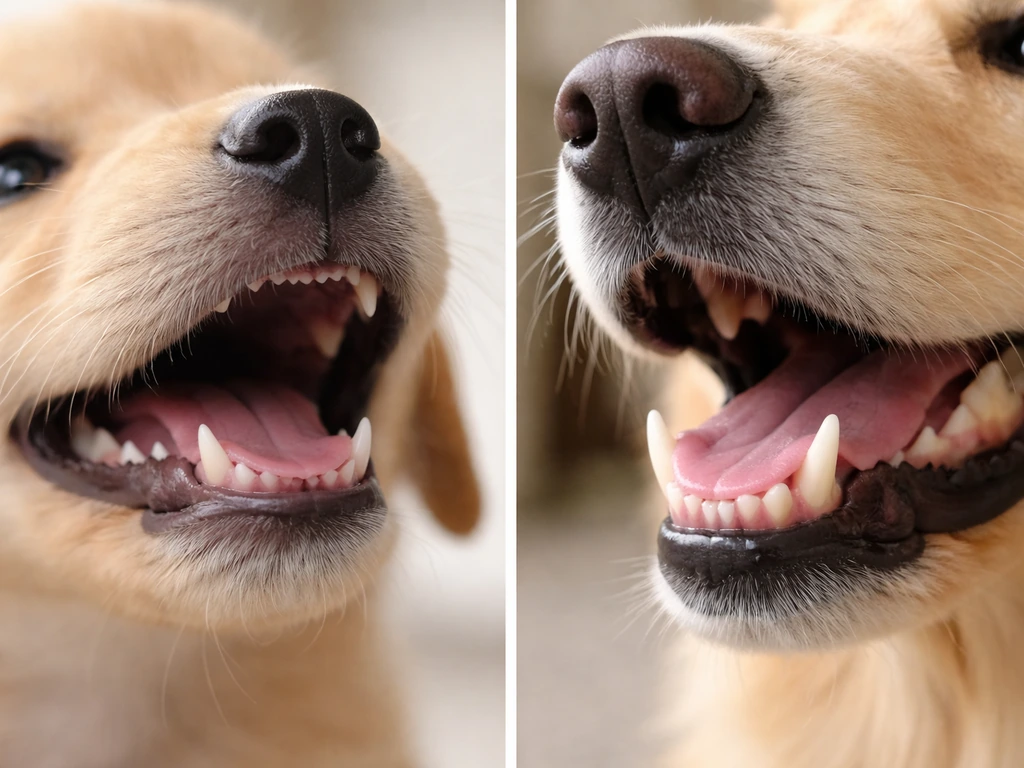
Do Dogs Teeth Grow Back? Puppy and Adult Tooth Regrowth
Learn if dog teeth grow back, timelines for puppy versus adult, and vet steps for broken or knocked-out teeth.
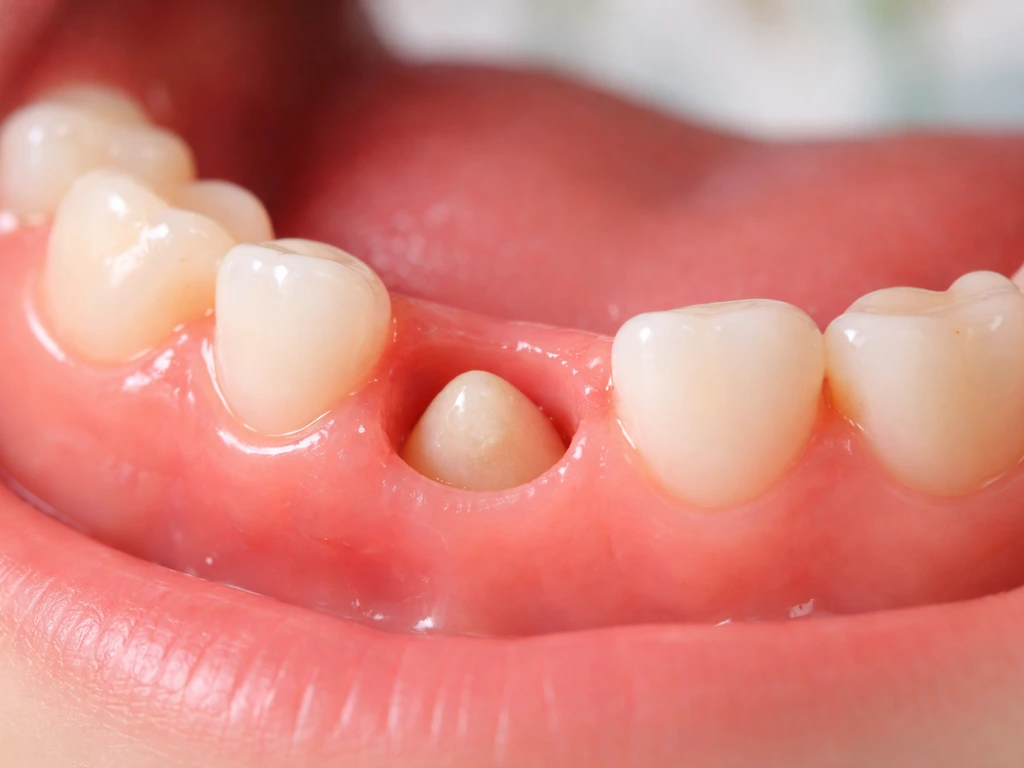
Do Milk Teeth Grow Back? Timelines, What to Do, Red Flags
Learn if milk teeth regrow, typical timelines for permanent teeth, what to do after loss or injury, and red flags.
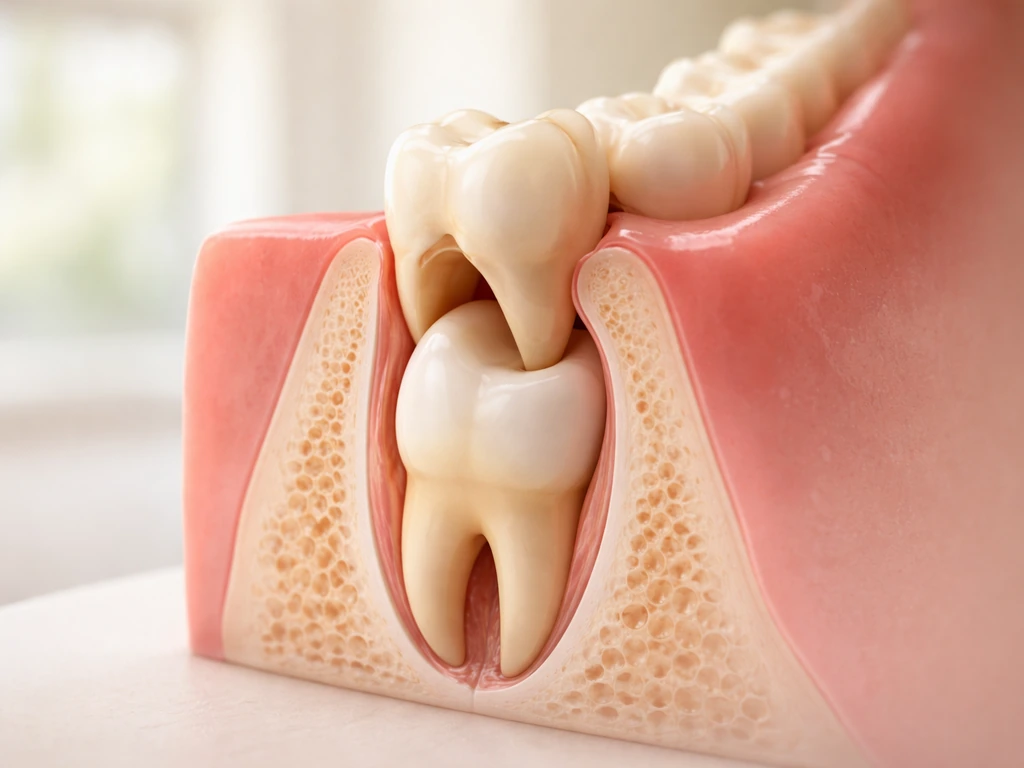
Can Milk Teeth Grow Twice? Replacement vs True Regrowth
Can milk teeth grow twice? Learn why baby teeth usually only get replaced, not regrown, and what to do if one falls out