
No, a dog's K9 (canine) teeth do not grow back once the permanent ones are lost or extracted. Puppies get two sets of teeth just like humans: a set of baby (deciduous) canines that fall out naturally, and a set of permanent canines that replace them. Once those permanent canines are gone, there is no third set waiting in reserve. If your adult dog has broken, lost, or had a canine tooth removed, that tooth is gone for good without veterinary intervention.
Do Dogs K9 Teeth Grow Back? What to Do Now

Marcus Holloway
25 Apr 2026
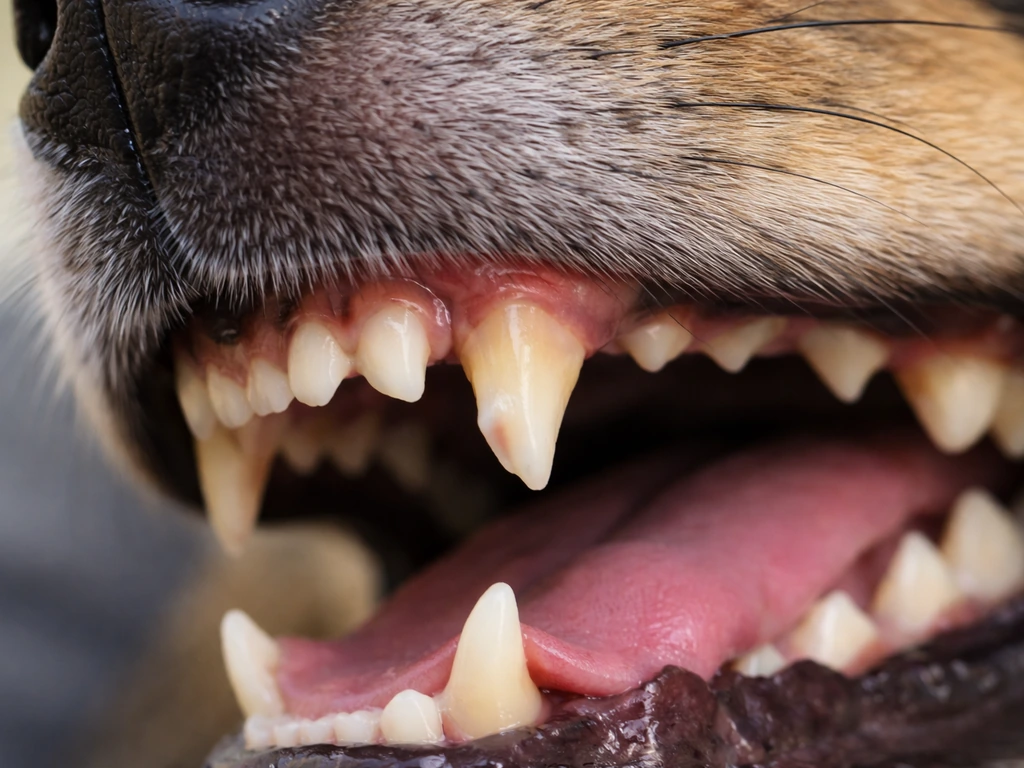
Why dog canine teeth don't grow back
The biology here is pretty clear-cut. Mammals, including dogs, have largely lost the capacity for tooth regeneration that you see in fish and reptiles. A tooth forms from a highly specialized structure called a tooth germ, which includes the dental papilla, the enamel organ, and the dental follicle. The enamel organ produces the enamel, but once the tooth erupts, that enamel organ essentially disappears. There is no remaining tissue in the gum or jaw that can reconstruct a new tooth from scratch.
Enamel itself is the hardest substance in the body, but it is also the most permanent in the worst way: the cells that make it (ameloblasts) are gone by the time the tooth finishes erupting. Dentin and cementum have some limited capacity to respond to injury, but that response is modest, localized, and not the same thing as regrowing a tooth. The roots and periodontal ligament that anchor a canine tooth to the jawbone are equally irreplaceable once lost. So when the permanent canine comes out, the socket fills with bone, and that space is permanently closed.
Puppies vs. adult dogs: what normal tooth development looks like

If you have a puppy and you are noticing loose or missing canine teeth, there is a good chance nothing is wrong. Puppies are born toothless, grow a full set of 28 baby teeth by around 8 weeks, and then those deciduous teeth are replaced by 42 permanent adult teeth. In guinea pigs, however, tooth growth and wear work a bit differently, so you may still see teeth change after damage rather than true regrowth Puppies are born toothless. The entire process of permanent teeth coming in and baby teeth falling out is usually complete by about 6 months of age. The deciduous canines typically fall out between 4 and 6 months old as the permanent canines push through.
One thing to watch for is retained baby teeth. Sometimes a baby canine does not fall out on its own even after the permanent one has started to erupt. This is a problem because it forces the permanent tooth to come in at an abnormal angle, which can damage the gum, palate, or opposing teeth. If you notice two canines sitting side by side in a puppy, that is not a sign of regeneration. It means the baby tooth needs to be extracted by a vet.
Another edge case worth knowing: if a permanent tooth is missing but never shows up, it could be genuinely absent (a condition called congenital hypodontia) or it could be unerupted and sitting below the gumline. AAHA recommends full-mouth intraoral dental radiographs to avoid missing inapparent pathology and to establish a baseline when evaluating missing or unexpected tooth findings intraoral dental X-rays when a permanent tooth appears missing. The AAHA recommends taking intraoral dental X-rays when a permanent tooth appears missing, because an unerupted tooth hiding in the jaw can become a cyst or cause other complications.
| Stage | Age Range | What's Happening | What's Normal to See |
|---|---|---|---|
| Baby teeth erupt | 3 to 8 weeks | All 28 deciduous teeth come in | Small, sharp needle-like teeth |
| Permanent teeth erupt | 3 to 6 months | 42 adult teeth replace baby teeth | Loose baby teeth, mild gum redness |
| Process complete | ~6 months | All adult teeth fully in place | Full adult dentition |
| Adult dog tooth loss | Any age after 6 months | Trauma, disease, or extraction | No regrowth will occur |
What to do right now if your dog's K9 tooth is broken or missing
The first thing to figure out is what exactly happened. A broken canine and a fully missing canine require slightly different triage. Here is how to assess the situation at home before you can get to a vet.
Check for pulp exposure
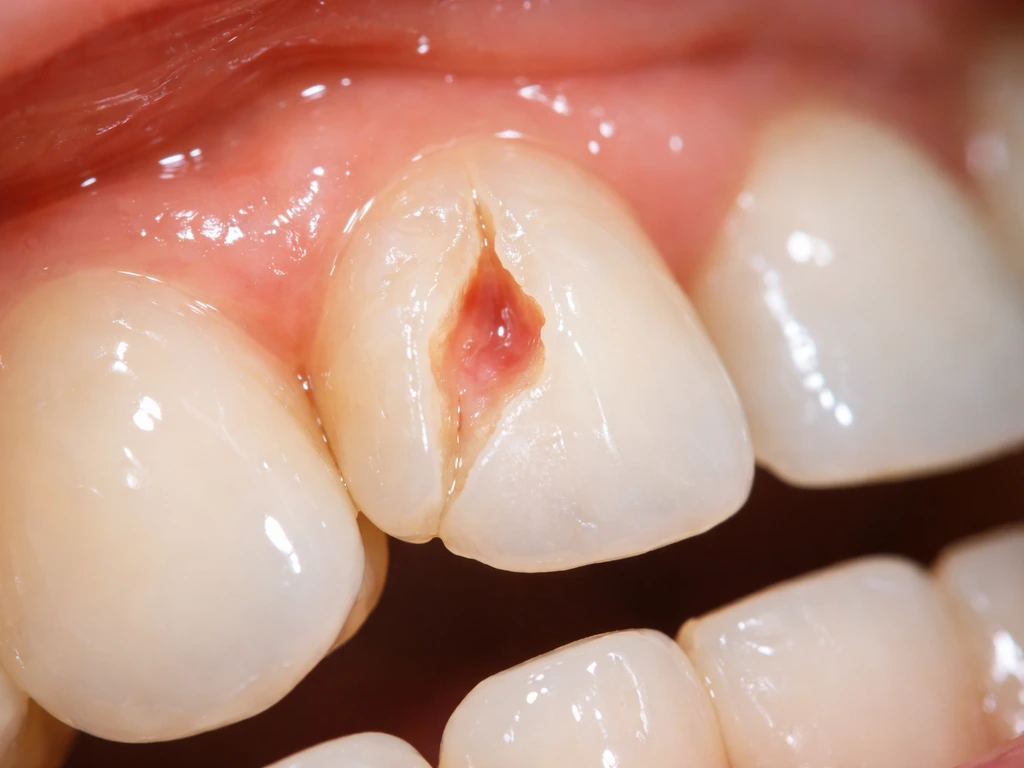
Look at the broken tooth closely in good lighting. If you can see a pink or red spot in the center of the tooth where it broke, that is exposed pulp. That is an urgent situation. If the spot looks brown or black, the pulp is likely already dead. Either way, exposed or necrotic pulp means bacteria are entering or have already entered the root canal, and infection to the surrounding bone is a matter of time. An uncomplicated fracture, where the outer enamel or dentin is chipped but there is no visible hole or pink tissue in the center, is less immediately dangerous but still needs professional evaluation.
What to do (and what not to do) at home
- Do not try to pull out a hanging tooth fragment yourself. You risk breaking the root and leaving fragments behind.
- Do not apply human pain medications like ibuprofen, acetaminophen, or aspirin. These are toxic to dogs.
- If there is bleeding, apply gentle pressure with a clean gauze or cloth for a few minutes.
- Keep the dog calm and prevent them from chewing on toys, bones, or hard food until you have spoken to a vet.
- Note when the injury happened. Timing matters significantly for treatment options, especially for pulp exposure.
- If you can find the broken tooth fragment, bring it with you to the vet, but do not attempt to reattach it.
When to get to a vet urgently
Not every broken tooth is a same-day emergency, but some situations are. Pulp exposure is the critical threshold. If the pulp is exposed, the window for a tooth-saving procedure (vital pulp therapy) is extremely short. Ideally this is performed within a few hours of the injury for the best chance of preserving a viable tooth. Waiting even a day can push the tooth past the point where it can be saved with that approach.
Go to a vet or veterinary emergency clinic the same day if you notice any of these:
- Visible pink, red, brown, or black spot in the center of a broken tooth (exposed or dead pulp)
- Facial swelling, especially below the eye on the same side as the broken tooth
- Your dog is refusing to eat, pawing at their mouth, or showing signs of significant pain
- Bleeding from the mouth that does not stop after a few minutes of gentle pressure
- A tooth that has been completely knocked out with the root still intact
- A foul smell coming from the mouth that appeared suddenly
An uncomplicated fracture (enamel or dentin chip, no pulp exposure, no pain signs) can wait for a regular vet appointment, but do not skip that appointment. Even fractures without pulp exposure can expose dentin tubules, which lead to sensitivity and potential long-term problems if not treated.
Treatment options: saving or replacing a damaged canine

The treatment path depends on how much of the tooth is intact, whether the pulp is involved, and your dog's age and overall health. Here is a realistic breakdown of the options.
Tooth-saving options
Vital pulp therapy is the most time-sensitive option. It involves removing just the exposed portion of the pulp, sealing the remaining pulp with a medicated material, and placing a crown or restoration over the tooth. It only works when the pulp is still alive and ideally performed within hours of the fracture. This is typically done by a veterinary dentist, not a general practice vet.
Root canal therapy (standard endodontic treatment) is appropriate for teeth where the pulp has died or the vital pulp window has passed. The pulp tissue is removed, the canal is cleaned and sealed, and the tooth is restored with a crown or composite material. This is the same principle as a root canal in human dentistry. The tooth is preserved structurally and continues to function. For working dogs or dogs who are hard chewers, a metal crown is often placed over the treated tooth for durability.
Composite restoration without pulp treatment is an option for uncomplicated fractures where the dentin is exposed but the pulp is not. A dentist can seal the exposed dentin tubules with composite resin to reduce sensitivity and protect the tooth. This is not appropriate if the pulp is involved.
When extraction is the answer
If the fracture extends below the gumline, if there is significant bone loss from infection, or if the owner cannot manage the cost or follow-up of root canal therapy, extraction is a valid and often appropriate choice. Dogs adapt remarkably well to missing teeth. The WSAVA and AAHA both make clear that any tooth with irreversible pulp damage or periapical (root tip) infection must be treated, and extraction is an acceptable treatment. Leaving a dead or infected tooth in place is not a kind option. It causes chronic pain and ongoing bone destruction.
What about tooth replacement?
Unlike human dentistry, dental implants are not a standard offering in veterinary practice. There are veterinary dental specialists who have performed implants in select cases, but it is uncommon, expensive, and not widely available. For most dogs, the realistic outcome after losing a canine tooth is either successful root canal therapy (tooth preserved) or extraction and adaptation to life with one fewer tooth. Most dogs do very well without one canine tooth.
How to protect your dog's canine teeth going forward

The single most common cause of canine tooth fractures in dogs is chewing on objects that are too hard. This includes antlers, real bones (especially cooked bones), nylon bones marketed as 'long-lasting,' and rocks or metal objects. A useful rule of thumb: if you would not want to be hit in the knee with it, it is probably too hard for your dog to chew. The canine teeth are especially vulnerable because dogs use them to grip and apply lateral force.
- Avoid giving antlers, cooked bones, hard nylon chews, ice cubes, or hard plastic toys
- Choose rubber chews that have some give, rope toys, or dental chews that carry the VOHC (Veterinary Oral Health Council) seal of acceptance
- Brush your dog's teeth daily if possible. Plaque starts forming within hours of eating, and daily brushing is the single most effective home care measure for preventing periodontal disease that can weaken tooth roots
- If you cannot brush daily, water additives and dental chews with the VOHC seal offer some additional plaque control, though they do not replace brushing
- Schedule annual or biannual professional dental cleanings under anesthesia, which include X-rays that can catch hidden root problems before they become painful
- Teach 'leave it' and supervise chewing sessions so you can intervene if your dog picks up something potentially damaging
It is worth noting that fewer than 10 percent of dog owners brush their pet's teeth daily, which helps explain why dental disease is so common. Prevention is genuinely easier and less expensive than treatment. A broken canine requiring root canal therapy or extraction with a specialist visit can cost significantly more than a year's worth of toothpaste and a soft-bristled brush. The Veterinary Oral Health Council (VOHC) maintains an Accepted Products list of dental products that have earned its Seal of Acceptance, including toothpastes a year's worth of toothpaste.
Dogs share the same basic dental biology as other mammals when it comes to regeneration. Just as cats face the same permanent-tooth limitations (a common question in its own right), and as humans cannot regrow adult teeth, dogs are working with a fixed set of permanent teeth once development is complete. The good news is that with the right care, a damaged canine can often be saved, and a missing one does not have to mean a lifetime of complications. Do guinea pigs teeth grow back? The answer is generally no, because once the chewing teeth are worn down, their growth and replacement depend on anatomy rather than true regeneration.
FAQ
If my dog already lost a K9 tooth, can anything grow in naturally over time?
Usually no. Once a permanent canine is extracted or has fully come out, the empty socket typically fills in with bone and there is no third tooth to erupt. The practical next step is a vet exam to check for retained roots, infection, or an unerupted tooth hiding under the gum.
Could the tooth be “missing” because it is still under the gum, not because it is gone?
Yes. A permanent canine can be delayed in eruption or blocked under the gumline. If you do not see the tooth in an appropriate age window, your vet may recommend intraoral dental X-rays to confirm whether the tooth is present and avoid complications like cyst formation.
What signs suggest a broken canine is an emergency versus something I can wait on?
Exposed pink or red pulp is the key emergency threshold, because bacteria can enter quickly. Black or brown tissue can also indicate dead pulp. Additionally, watch for facial swelling, bad breath, drooling, pawing at the mouth, or reluctance to eat, which raise urgency even if the fracture looks small.
If the tooth looks intact but my dog is in pain, should I still suspect the canine tooth?
Yes. Pain can come from pulp injury, a hairline crack, or infection not visible to the naked eye. A vet may need an oral exam plus dental X-rays to assess root tip infection and decide whether root canal therapy, restoration, or extraction is needed.
Can I reduce infection at home while waiting for the appointment?
Do not try home “root canal” treatments. You can help by rinsing gently with a veterinarian-approved oral solution if they provide one, feeding soft food, and preventing chewing on hard items. Avoid random antibiotics from human use, because the right course depends on whether the pulp is alive and what procedures are performed.
Is a root canal always required if the pulp is dead?
Not always. If the pulp is irreversibly damaged but the tooth can be restored properly, root canal therapy followed by a durable crown often preserves function. If there is deep infection, significant bone loss, or poor follow-up access, extraction may be a better outcome. The decision is based on X-rays and the tooth’s structural condition.
If we extract the canine, will my dog be able to eat normally afterward?
Most dogs adapt well, but the adaptation is easier when the tooth is removed for a clear reason (irreversible pulp damage, infection, or non-restorable fracture). Your vet may suggest a short period of soft food and monitoring for changes in chewing or persistent mouth odor that could indicate another problem.
Do dental implants exist for dogs that lose a K9 tooth?
They exist in select cases, but implants are not broadly available in general practice and are usually expensive. Many dogs do just as well with either tooth-preserving treatment (root canal plus restoration) or extraction and normal function without a canine.
What is the best way to prevent K9 fractures after my dog has one problem tooth?
Control the chewing items. Avoid antlers, cooked bones, rocks, metal objects, and very hard “long-lasting” nylon products. A practical screening rule is if you would not want to be hit in the knee with it, it is likely too hard for canine teeth.
My puppy has two canines side by side. Is that “regeneration” or something else?
Something else. Two canines sitting next to each other often means a retained baby canine that is not falling out while the permanent tooth erupts. This can force abnormal tooth positioning and can damage gums or opposing teeth, so the baby tooth usually needs vet extraction.
Next Articles

Do Guinea Pig Teeth Grow Back? Vet-Accurate Dental Guide
Do guinea pigs teeth grow back? Learn how incisors and molars erupt, why wear matters, and when vets must trim.

Do Cats Teeth Grow Back? Kitten vs Adult Tooth Replacement
Do cat teeth grow back? Explain kitten tooth replacement vs adult, broken tooth, missing fangs, timing, vet steps.
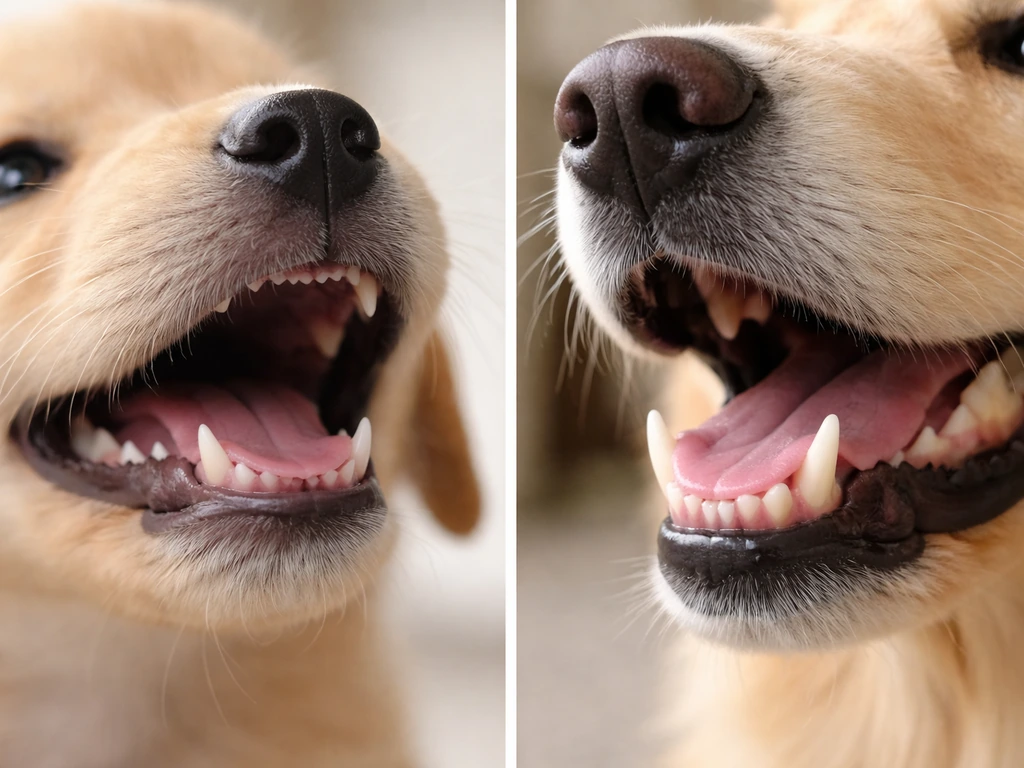
Do Dogs Teeth Grow Back? Puppy and Adult Tooth Regrowth
Learn if dog teeth grow back, timelines for puppy versus adult, and vet steps for broken or knocked-out teeth.