
Yes and no, and the distinction really matters for your guinea pig's health. Guinea pig teeth never stop growing, but that is not the same thing as regrowing. When a tooth breaks or wears down, the underlying structure keeps erupting upward from the root, so it can look like the tooth "grew back." But if the break damaged the pulp, if your guinea pig's teeth are misaligned, or if the diet is too soft to keep natural wear in balance with growth, the situation can spiral into a serious dental problem that will not fix itself. Here is what you actually need to know.
Do Guinea Pig Teeth Grow Back? Vet-Accurate Dental Guide

Marcus Holloway
18 Apr 2026
How guinea pig teeth actually work
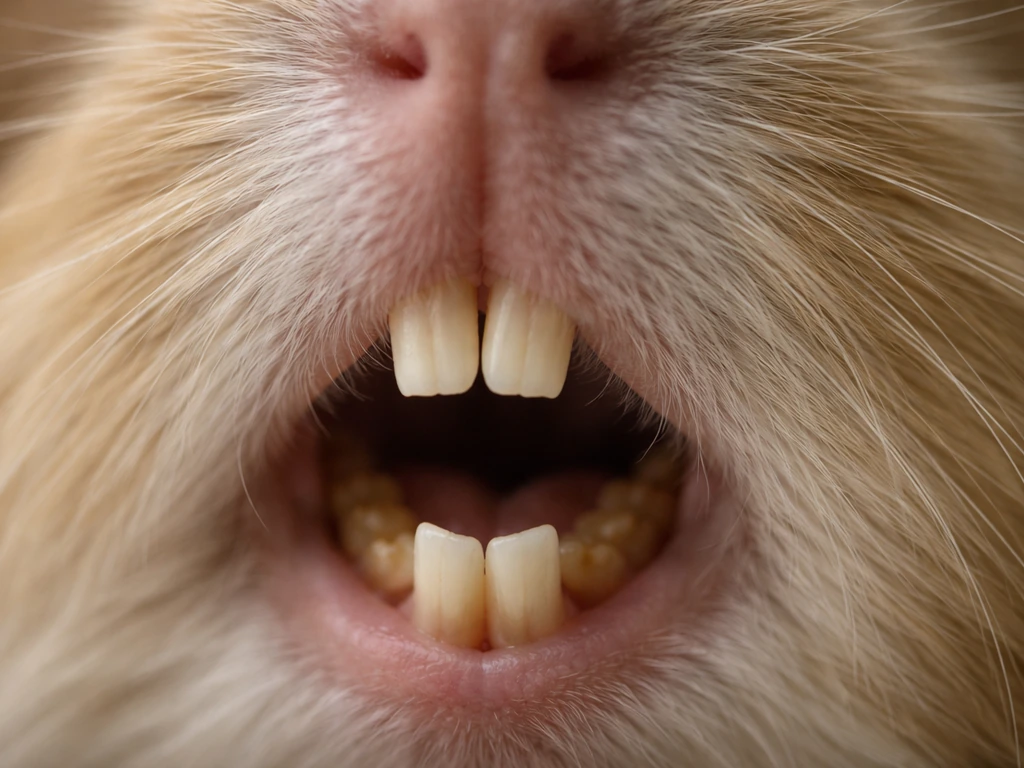
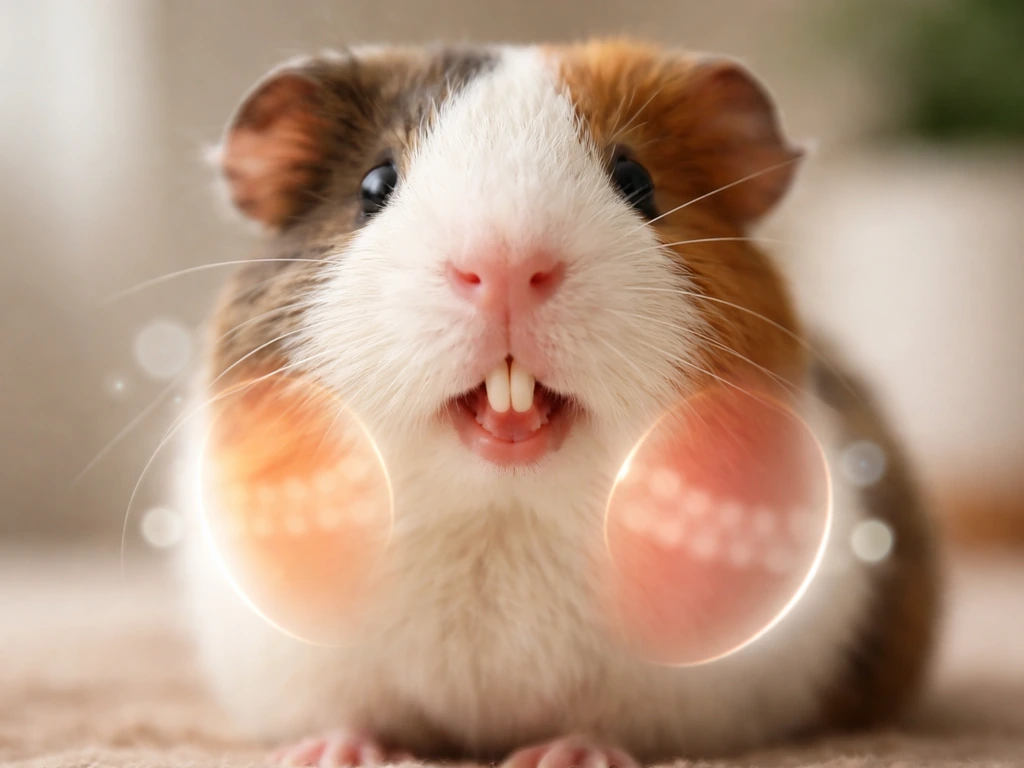
Guinea pigs have two types of teeth: incisors (the front teeth you can easily see) and cheek teeth (molars and premolars hidden deep in the mouth). Both sets are open-rooted and continuously erupting, meaning they grow throughout your guinea pig's entire life. There is no fixed endpoint, no set adult length, and no "done growing" moment like there is with human teeth.
The reason this works normally is an equilibrium: constant eruption is balanced by constant wear from chewing. At the base of each tooth is a stem-cell niche called the cervical loop region, which drives ongoing odontogenesis, basically a built-in factory that keeps producing tooth tissue from the bottom up. Guinea pig cheek teeth have stem-cell niche compartments (including cervical loop-related proliferative cells) associated with ongoing odontogenesis and continuous growth cervical loop region. So when your guinea pig gnaws on hay all day, the tips wear down at roughly the same rate as the roots push new tooth material up. Healthy teeth, healthy mouth.
The enamel in guinea pig incisors has a characteristic orange-yellow color from iron-containing pigments, which is completely normal. If you notice the incisors suddenly look pure white, that can actually be a sign of enamel abnormality or malnutrition, so keep that in mind.
When teeth "grow back" is true, and when it is not
If your guinea pig chips or partially breaks an incisor and the pulp tissue at the root is still intact and healthy, the continuous eruption process will push new tooth upward and the tooth will appear to grow back to its normal length over a few weeks. This is the scenario most people mean when they ask "do guinea pig teeth grow back?" and in this specific case, the answer is yes, sort of. The tooth did not regenerate from scratch the way some reptiles regrow a whole new tooth. It simply kept erupting, which it was already doing anyway.
But here is where it gets more complicated. If the break exposes or damages the pulp, the pulp can become necrotic (dead), inflamed, or infected. Research on guinea pig incisor healing after pulp involvement shows that healing outcomes depend heavily on how much viable pulp and germ tissue survives. A damaged pulp does not guarantee the tooth stops erupting, but it does raise the risk of abnormal regrowth, infection, and pain. In some cases, the root shell may remain while the pulp is damaged, and what erupts next may not be a healthy functional tooth.
Malocclusion, meaning teeth that do not meet and grind correctly, is an entirely different problem. When the upper and lower teeth are misaligned, the normal grinding contact that creates wear is disrupted. Without that wear, the continuously erupting teeth have nowhere to go but keep growing. You end up with overgrown crowns, sharp enamel spurs, and teeth that curve into the tongue or cheek tissue. That does not self-correct. In fact, it almost always gets worse without veterinary intervention, and the opposite tooth of a broken or extracted tooth will frequently overgrow for the rest of the animal's life because it has nothing to grind against.
Signs your guinea pig's teeth are causing trouble
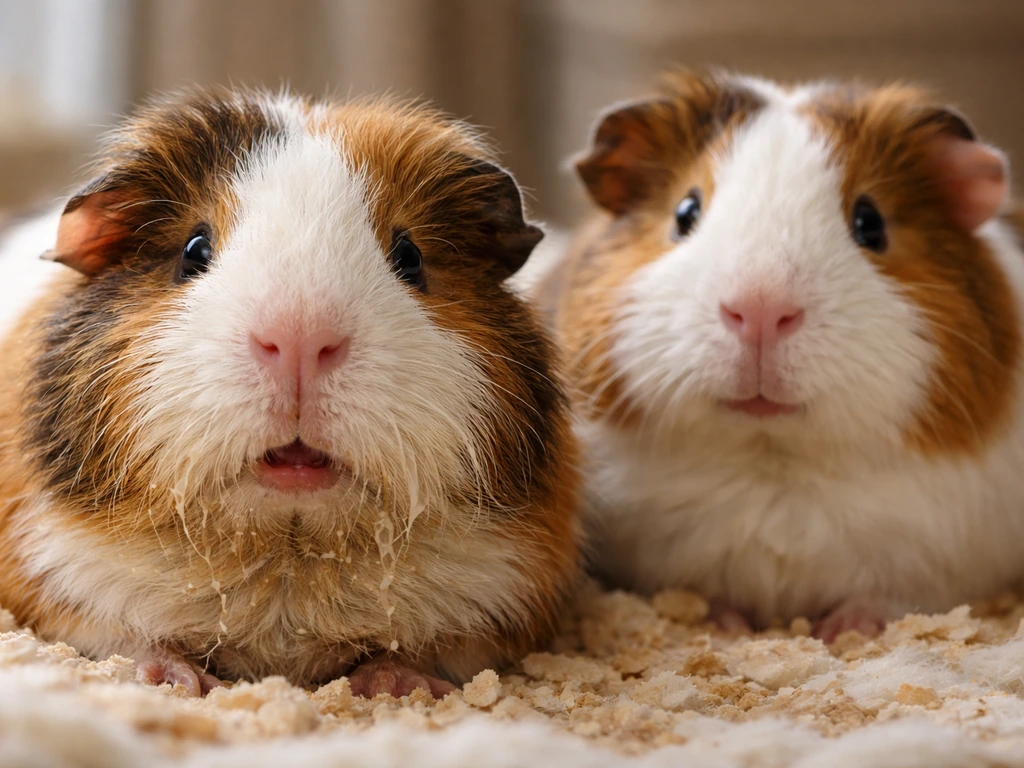
The tricky thing about guinea pig dental disease is that cheek tooth problems are almost impossible to spot at home. Your guinea pig's mouth is small and deep, and the molars are hidden. What you will notice are behavioral and physical changes that signal something is wrong inside that mouth.
- Drooling or a wet, matted chin (sometimes called "slobbers") from inability to swallow saliva properly
- Dropping food, chewing on one side, or taking a long time to eat
- Significant weight loss or failure to maintain weight
- Reduced appetite or complete refusal to eat
- Pawing at the mouth or rubbing the face
- Foul breath that is noticeably worse than normal
- Bleeding from the mouth or visible swelling around the jaw
- A hunched posture and general signs of pain or lethargy
One of the most serious complications is tongue entrapment, where the lower molars grow inward and form spurs that bridge over the tongue, physically trapping it. A guinea pig in this situation cannot chew, prehend food, or swallow properly. It is a genuine emergency. Even if your guinea pig still seems to be nibbling at food, significant weight loss alongside any of the above signs means you need an exotic vet appointment today, not next week.
What causes dental problems in guinea pigs
Diet is the biggest controllable factor. Guinea pigs fed processed, soft, or pellet-heavy diets simply do not grind their teeth enough to maintain normal wear. Research specifically comparing pelleted diets to whole grass hay found measurable differences in incisor and cheek tooth length and wear. The lateral grinding motion required to chew long-strand hay is what keeps cheek teeth level; soft foods mostly require up-and-down biting, which does almost nothing for cheek tooth wear.
Genetics also plays a real role. Some guinea pigs are predisposed to malocclusion regardless of diet, particularly due to skull and jaw conformation. Selective breeding for shorter, rounder faces has made some lines more vulnerable to dental misalignment. University of Missouri veterinary guidance specifically identifies genetic factors alongside inadequate roughage as the primary contributors to malocclusion.
Once malocclusion starts, it creates a self-reinforcing cycle. Misaligned teeth grind unevenly, creating high spots and sharp spurs. Those spurs cause pain, which makes the guinea pig chew less. Less chewing means less wear, which means more overgrowth. The altered jaw mechanics then make normal grinding contact even harder to achieve. This is why catching the problem early matters so much.
What to do right now
Emergency red flags: see an exotic vet immediately
If your guinea pig has stopped eating entirely, has lost significant weight, is drooling heavily, or you can see visible swelling, bleeding, or a broken tooth with exposed pulp, do not wait. These are same-day situations. A guinea pig that is not eating can deteriorate rapidly due to GI stasis and hypoglycemia. Call an exotic animal veterinarian (not a general practice vet if you can avoid it, because cheek tooth problems in guinea pigs require specialized experience and equipment).
What the vet will actually do
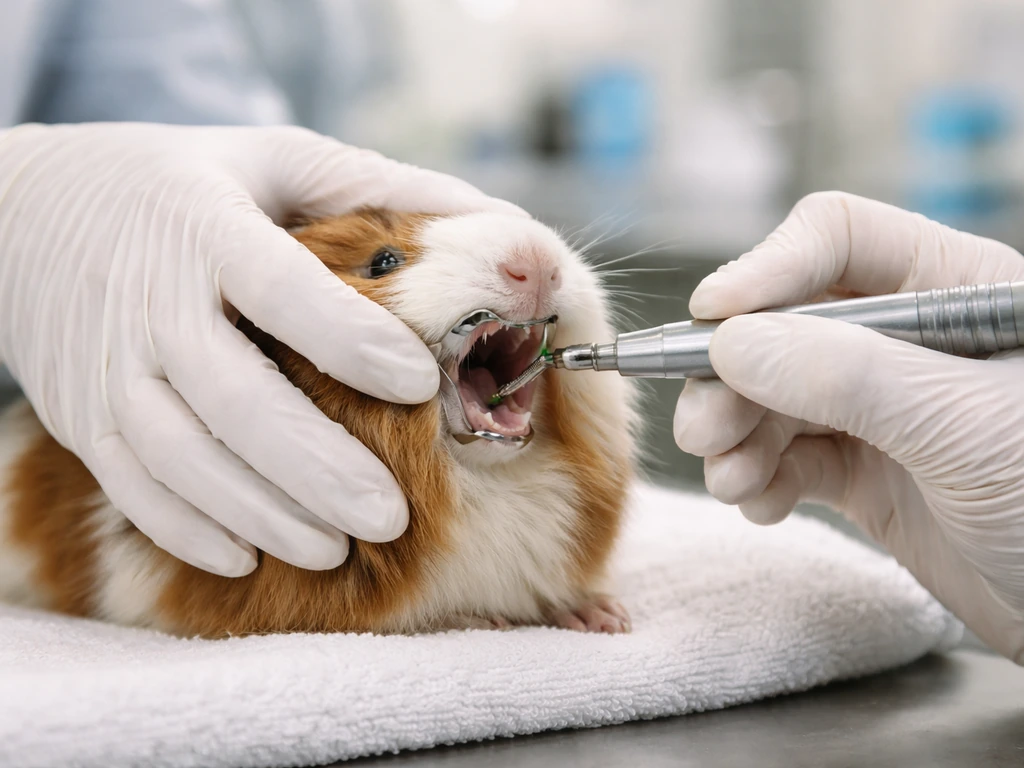
This is important to understand: cheek teeth cannot be adequately examined in an awake guinea pig. The mouth is too small and the animal cannot cooperate with instruments. A proper dental exam requires sedation or general anesthesia. The British Veterinary Zoological Society has explicitly branded conscious dental procedures for guinea pigs as unsafe. So if a vet tells you they can fully assess your guinea pig's teeth without sedation, that is a red flag.
Treatment typically involves filing or burring overgrown cheek teeth to restore a level occlusal plane, trimming overgrown incisors, extracting infected teeth if needed, and sometimes placing the guinea pig on assisted feeding (syringe feeding) while the mouth heals. Incisor malocclusion is often a sign of cheek tooth problems too, so vets will assess both. In cases of established malocclusion or lingual entrapment, repeated procedures every four to eight weeks, or even every one to three months for life, may be necessary.
What you can safely do at home
At home, your job is support and monitoring, not dental work. Never use nail clippers, wire cutters, or any household tool to trim your guinea pig's teeth. Clipping incisors this way causes fracture lines that can split down into the root and cause serious damage. Veterinary literature is very clear on this point. What you can and should do at home includes offering unlimited grass hay, weighing your guinea pig weekly on a kitchen scale so you catch weight loss early, and watching for the behavioral signs listed above.
Preventing dental problems before they start
The single most important thing you can do is make hay the foundation of your guinea pig's diet, not a supplement. Grass hay (timothy, orchard grass, or meadow hay) should be available in unlimited quantities every single day. The long fiber strands require the lateral grinding motion that keeps cheek teeth worn to the correct level. Oxbow's guinea pig care guidelines recommend unlimited grass hay alongside approximately 1/8 cup of plain adult pellets per day as a measured supplement, not the other way around.
Pellets should be plain, uniform, and not mixed with seeds, dried fruit, or colorful pieces, because selective eating allows your guinea pig to skip the harder, more abrasive components. Fresh leafy greens are great for hydration and nutrition but are soft and do little for tooth wear. Avoid muesli-style mixes entirely.
Routine dental checkups matter more than most guinea pig owners realize. A checkup every six to twelve months with an exotic vet who can actually look at the cheek teeth gives you a fighting chance at catching early elongation or spur formation before it becomes a crisis requiring repeated procedures. If your guinea pig already has a history of dental disease, your vet may recommend more frequent checks.
| Prevention factor | What to do | Why it matters |
|---|---|---|
| Hay | Unlimited grass hay (timothy, orchard, meadow) daily | Lateral grinding wears cheek teeth evenly and prevents elongation |
| Pellets | About 1/8 cup of plain adult guinea pig pellets daily | Nutritional supplement only, not a replacement for hay-based chewing |
| Soft or sugary foods | Minimize or avoid muesli mixes, seeds, dried fruit | Soft foods reduce grinding abrasion and promote overgrowth |
| Weight monitoring | Weigh weekly on a kitchen scale | Early weight loss is often the first measurable sign of dental pain |
| Routine vet checks | Every 6 to 12 months with an exotic vet | Cheek tooth problems are invisible without professional examination |
The bigger picture: continuous growth is not the same as regeneration
Guinea pigs sit in a fascinating middle ground when it comes to dental biology. Most mammals, including humans, have largely lost the capacity for true tooth regeneration. Once your permanent adult teeth are gone, they are gone. Guinea pigs (along with rabbits, chinchillas, and some other rodents) have evolved a different solution: teeth that never stop growing, driven by a self-renewing stem-cell niche at the apical end of each tooth. This is continuous eruption, not regeneration.
The distinction is not just semantic. Continuous eruption means the tooth keeps coming up from below, which works beautifully when wear and growth are in balance. But it does not mean a completely destroyed tooth or a tooth that has lost its pulp germ will rebuild itself from scratch. If the growth machinery at the root is damaged enough, the eruption stops or becomes abnormal. And if the alignment is off, all that continuous growth just makes a bad situation worse. Understanding this difference helps you set realistic expectations and explains why dental disease in guinea pigs can be so hard to reverse once it gets established.
If you are curious how this compares across species, dogs and cats also have some variation in how their teeth respond to damage and wear, though the specifics differ considerably from guinea pigs. You can also explore what animals teeth grow back in other species and how regrowth differs from continuous eruption.
Cats' teeth may change in length with wear and damage, but they do not regrow in the same way people often expect—so it's important to understand what actually happens do cats teeth grow back. Dogs' teeth don't regrow the way people often imagine; if a tooth is damaged, treatment is typically aimed at managing pain and preventing further damage. Do dogs' K9 teeth grow back, or is damage typically permanent?
Guinea pig dental biology is genuinely unique even among common pets, which is part of why exotic vet expertise is so valuable when something goes wrong.
FAQ
If my guinea pig’s incisor is broken, will it definitely regrow to normal length?
Not automatically. If an incisor breaks but the pulp at the root remains healthy, the tooth can look like it “returns” because it continues erupting. If the pulp is exposed or damaged, eruption may continue but the next growth can be abnormal, infected, or painful, so it often will not function normally without veterinary treatment.
Will teeth overgrowth from misalignment fix itself if I adjust the diet?
No. Malocclusion is one of the main reasons teeth problems worsen in guinea pigs. Misaligned teeth lose normal grinding contact, so wear does not keep up with continuous eruption, leading to overgrowth and sharp enamel spurs that typically require repeated veterinary trimming or filing.
How can I tell if the hidden molars are the problem if I can’t see them?
A key red flag is that cheek tooth problems are hard to see, so behavior matters more than appearance. Watch for reduced appetite, smaller, slower chews, dropping food, drooling, weight loss, hunched posture, or signs of mouth pain, and treat any “not eating” situation as urgent.
What symptoms mean this is an emergency rather than something to schedule for later?
If your guinea pig is not eating, drooling, has visible swelling, bleeding, or you see a tooth with exposed pulp, you should seek same-day care. Delays can quickly trigger GI stasis and rapid decline, even if they seem alert at first.
If I start unlimited hay immediately, can I stop dental disease progression?
If the jaw and tooth alignment are off, the dental “factory” at the root can keep producing tissue that still does not grind correctly. That means supportive changes like hay can help prevent further damage, but they cannot reliably correct established spur growth or tongue entrapment on their own.
My guinea pig’s front teeth look uneven, could the back teeth still be causing it?
Often, yes. An incisor issue can reflect a cheek tooth problem, because misalignment and overgrowth can affect the whole dental system. Vets typically assess both incisor and cheek teeth, and cheek tooth disease can be present even when the incisors only look slightly off.
Can I trim my guinea pig’s teeth at home with nail clippers or small cutting tools?
Usually not. At-home cutting tools can create fracture lines that split into the root, which raises the risk of pulp damage and infection. If trimming is needed, it should be done by an exotic vet using proper technique and sedation when required.
Why does my vet say my guinea pig needs sedation for a dental exam?
Sedation or general anesthesia is commonly required because the mouth is small and the teeth cannot be evaluated safely and adequately while the guinea pig is awake. If a clinic claims they can fully examine cheek teeth without anesthesia, consider asking how they ensure safety and visualization.
How do I know whether regrowth after a tooth break is actually healthy?
If the pulp is damaged, symptoms may persist and the “grown back” appearance may be misleading. The tooth can continue erupting while still being nonviable or misdirected, so you should treat regrowth after a break as something to monitor closely and have checked by a vet if there was pulp involvement.
What home monitoring is most useful if cheek teeth problems are hidden?
Yes. Many guinea pigs with dental disease lose weight gradually at first, then more rapidly. Weighing at least weekly on a kitchen scale helps you catch early decline, before you see obvious changes in eating behavior.
What diet switch actually helps teeth wear in the right way, hay-only or pellets too?
Your goal is balanced roughage, not just “more fiber.” Unlimited grass hay supports correct lateral chewing wear for cheek teeth, while heavy pellets or soft foods can reduce grinding motion. A practical approach is hay as the unlimited base, with plain pellets as a measured supplement rather than the other way around.
If my guinea pig needs dental trimming, will it be a one-time treatment?
Timing matters because ongoing problems often need staged management. If malocclusion or spurs are advanced, vets may need repeated procedures every few weeks to every few months, and many cases require long-term maintenance rather than a one-time fix.
Next Articles
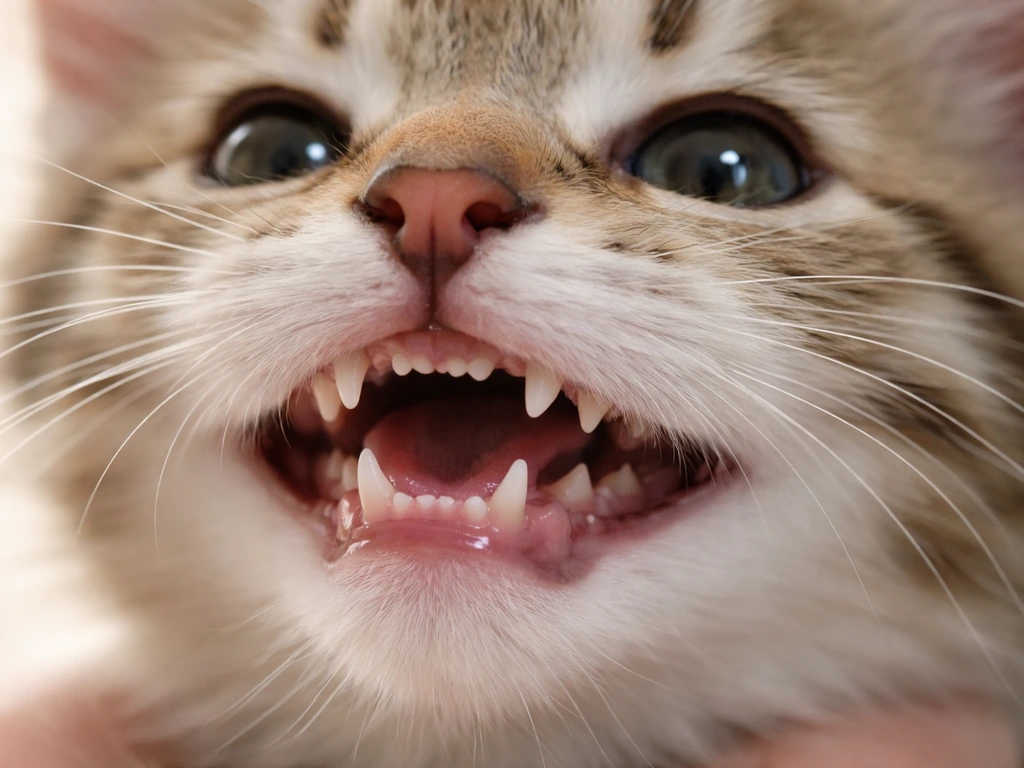
Do Cats Teeth Grow Back? Kitten vs Adult Tooth Replacement
Do cat teeth grow back? Explain kitten tooth replacement vs adult, broken tooth, missing fangs, timing, vet steps.
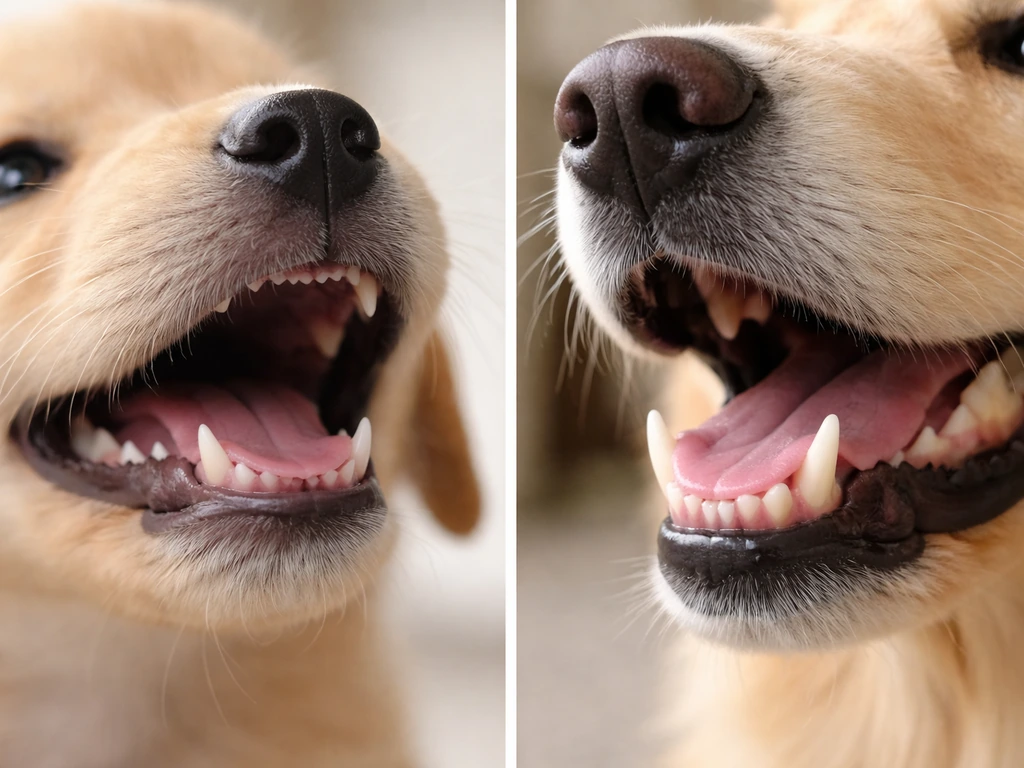
Do Dogs Teeth Grow Back? Puppy and Adult Tooth Regrowth
Learn if dog teeth grow back, timelines for puppy versus adult, and vet steps for broken or knocked-out teeth.
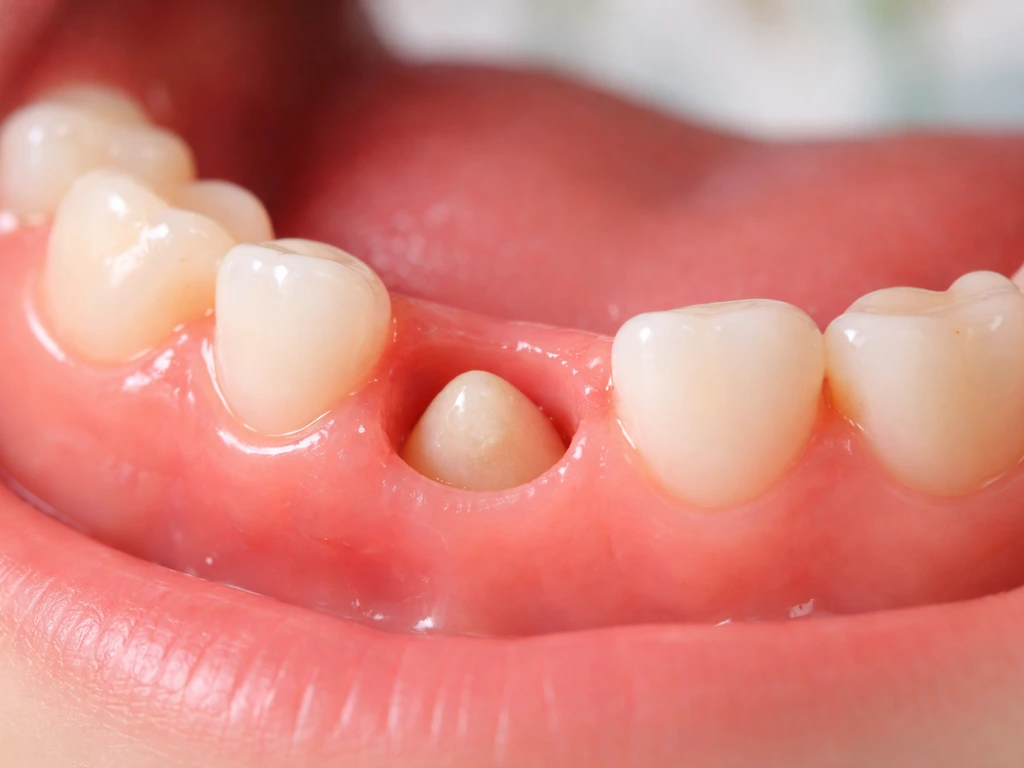
Do Milk Teeth Grow Back? Timelines, What to Do, Red Flags
Learn if milk teeth regrow, typical timelines for permanent teeth, what to do after loss or injury, and red flags.