No, you cannot grow another adult tooth naturally. Once your permanent teeth are fully developed and erupted, your body has no biological mechanism to produce a replacement. If you're asking why can't humans grow more teeth in the first place, the core issue is that the cells that build a tooth shut down after it fully forms. If you lose a permanent tooth to decay, trauma, or extraction, it is gone for good unless you replace it with a dental prosthetic. That is the honest answer, and no supplement, oil pulling routine, or internet remedy changes it.
Is It Possible to Grow Another Adult Tooth Again?

Marcus Holloway
16 Jun 2026
Why adult teeth don't grow back
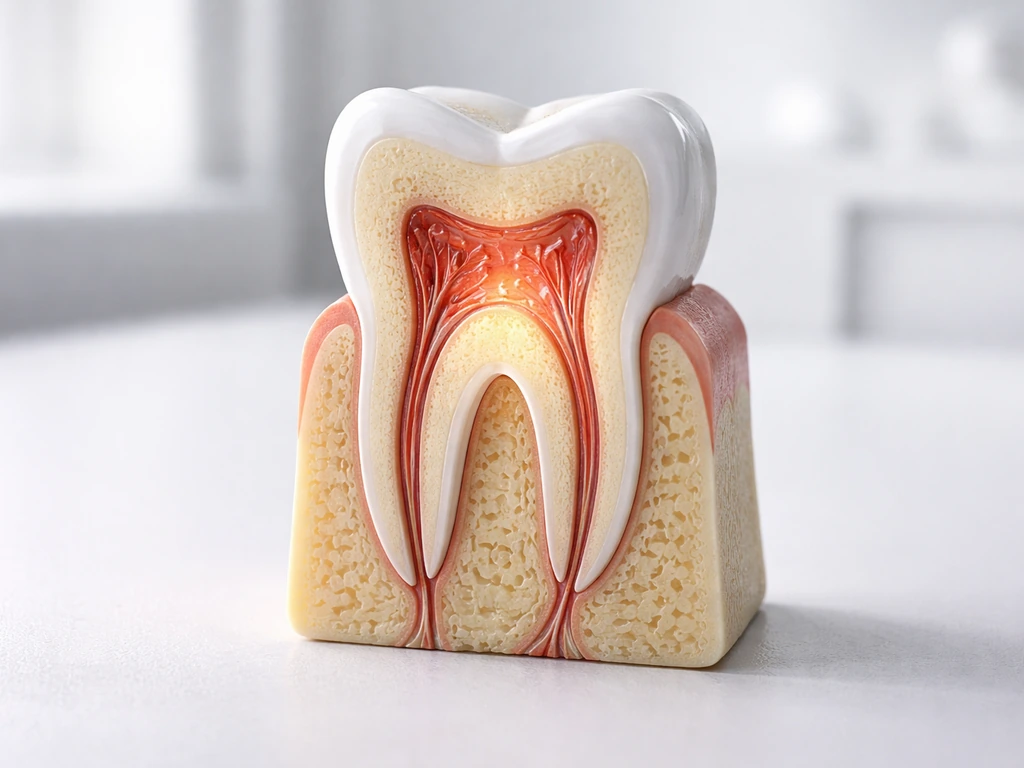
The reason is cellular. Teeth are built by specialized cells during development, and once a tooth finishes forming, those cells are either gone or permanently inactive. Enamel, the hard outer shell of your tooth, is made by cells called ameloblasts. The catch: ameloblasts die off or become dormant after a tooth finishes erupting. They don't stick around, which means your body has no living enamel-forming cells available to rebuild bulk enamel once it's damaged or lost. Enamel is essentially acellular once it's formed, more like a mineral shell than a living tissue, so it can't self-repair the way bone or skin can.
The deeper layers of the tooth, dentin and pulp, do have some capacity for minor defensive responses (like forming a thin layer of reparative dentin when a cavity threatens the pulp), but this is a protective reaction, not regrowth. It doesn't come close to replacing a lost tooth or even a large portion of one. Gum tissue and the periodontal ligament that anchors teeth to bone can partially heal after injury, but again, that's repair of soft tissue, not regeneration of the actual tooth structure.
A quick look at how tooth development actually works
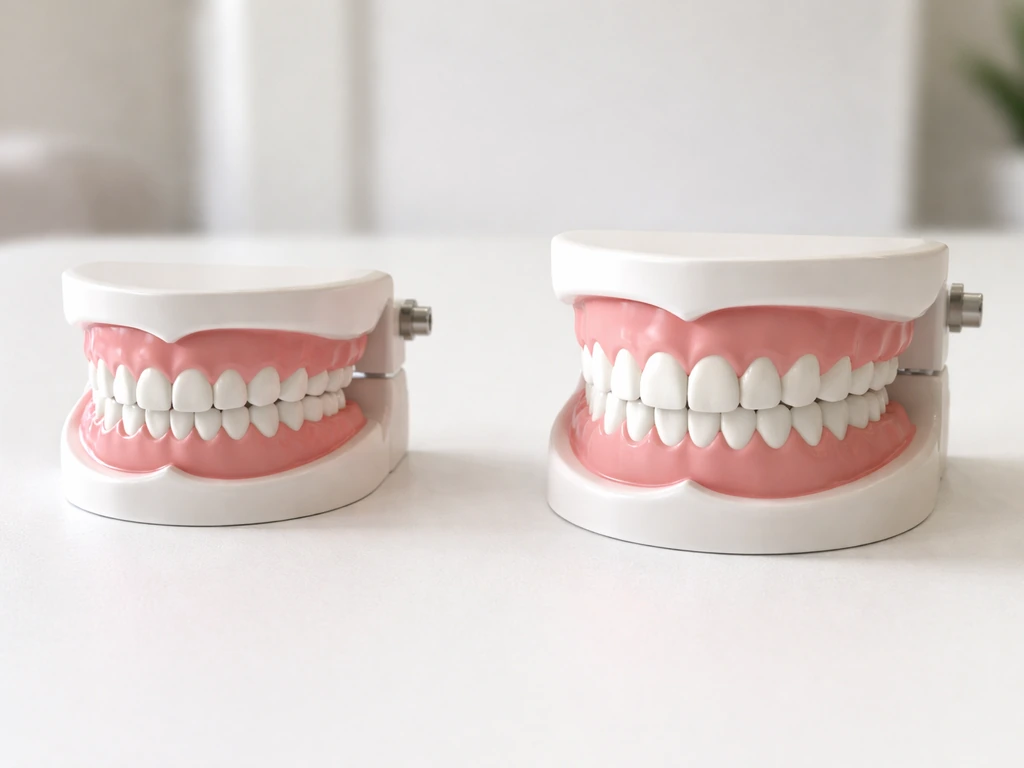
Humans get exactly two sets of teeth. Primary (baby) teeth start coming in around 6 months of age, and permanent (adult) teeth begin erupting around age 6. Humans get exactly two sets of teeth, which is why dentists talk about why do humans only grow 2 sets of teeth instead of expecting replacement. That process of permanent teeth pushing through continues well into your late teens and early twenties, especially for wisdom teeth, which typically arrive between ages 17 and 25. Each permanent tooth has a developmental window during which tooth-germ cells orchestrate its formation. Once that window closes and the tooth is fully erupted, the developmental machinery essentially shuts down.
This is important context, because if you're a teenager and a new tooth appears after losing one, that's almost certainly a delayed eruption or a wisdom tooth, not regrowth. It can feel like magic, but it's just your normal development running its course. After full dental maturity, usually by your mid-twenties, that window is closed. There is no third set of teeth waiting in the wings for most people (a rare condition called hyperdontia can produce supernumerary teeth, but that's an anomaly, not something you can trigger or predict).
Eruption, regrowth, and regeneration are not the same thing
These three words get used interchangeably online, but they describe completely different things, and mixing them up leads to a lot of confusion.
- Eruption: A tooth that was already forming beneath the gum surface breaks through on its own developmental schedule. This is what happens with wisdom teeth in late adolescence. It is not regrowth of a lost tooth.
- Regrowth: The natural regeneration of a lost or damaged tooth by the body itself. This does not happen in adult humans with permanent teeth. There is no documented case of a person naturally regrowing a fully formed permanent tooth after it was extracted or fell out.
- Regeneration (clinical/research): Scientists are exploring lab-based approaches using stem cells and tooth-germ tissue to engineer new teeth. As of 2026, this is still experimental and not available as a clinical treatment anywhere in the world.
If you lost a molar last year and are wondering whether it might still come back, the answer is no. If you're 16 and a back tooth is only now coming in, that could be a delayed permanent tooth or a wisdom tooth, and that's worth confirming with a dentist, but it's eruption, not regrowth.
Myths worth clearing up right now
There are a few persistent ideas floating around online that are worth addressing directly, because they stop people from getting the care they actually need.
- "Oil pulling or remineralization will grow my tooth back." Oil pulling has no evidence for tooth regeneration. Remineralization products (like fluoride toothpaste or hydroxyapatite toothpaste) can restore some mineral content to partially demineralized enamel on a surface level, but they cannot rebuild bulk enamel or replace a tooth that's been extracted. There's a meaningful difference between strengthening what's there and regrowing what's gone.
- "There are cells in my gum that can turn into a new tooth." Your gums do contain some stem cell populations, and researchers are studying them. But having cells in the vicinity isn't the same as having a functional tooth-regeneration system. The dental-germ cells needed to build a complete tooth organ are not active in adult gum tissue in any clinically useful way yet.
- "I heard someone grew a tooth back naturally." What people describe in these anecdotes is almost always one of three things: a delayed permanent tooth erupting normally, a wisdom tooth coming in, or a dental restoration being mistaken for a natural tooth. True spontaneous regrowth of a permanent adult tooth is not documented in peer-reviewed dental literature.
- "Scientists have cracked tooth regrowth, it'll be available soon." Research using postnatal stem cells from third molars and other sources is genuinely exciting, but the science isn't there yet. Tooth-germ cells from wisdom teeth, for example, may lack the developmental potency needed to build a complete tooth from scratch. No clinical trial has produced a lab-grown tooth that's been successfully implanted and integrated in humans as of today.
What actually works to replace a missing adult tooth today
Since natural regrowth isn't an option, the practical question becomes: what replacement actually comes closest to a real tooth? The good news is that modern dentistry has solid options, and one of them (implants) comes close enough that most people forget about it within a year.
| Option | What it is | Best for | Durability | Looks and feels natural? |
|---|---|---|---|---|
| Dental implant | Titanium post anchored in the jawbone, topped with a crown | Single missing tooth with healthy surrounding bone | 15 to 25+ years with good care | Yes, closest to a natural tooth |
| Fixed dental bridge | Artificial tooth held in place by crowns on adjacent teeth | One or two missing teeth between healthy teeth | 10 to 15 years typically | Yes, though requires altering neighboring teeth |
| Partial denture | Removable plate with artificial teeth attached | Multiple missing teeth, or when implants aren't feasible | 5 to 10 years before adjustment | Reasonably, but removable and can feel less stable |
| Full denture | Complete set of removable artificial teeth for a full arch | Complete or near-complete tooth loss | 5 to 10 years before adjustment | Acceptable, but less natural feel than implants or bridges |
| Orthodontic space closure | Braces or aligners to shift adjacent teeth into the gap | Selected cases, often in younger patients missing a tooth | Permanent if retention is maintained | Yes, uses your own teeth but only suitable in specific cases |
Dental implants are generally considered the gold standard for replacing a single missing tooth because they preserve jawbone density, don't require altering neighboring teeth, and function almost identically to a natural tooth. They're not always the right choice (bone loss, certain health conditions, or cost can be limiting factors), but if a dentist or oral surgeon says you're a candidate, it's worth taking seriously. The alternatives, bridges and partial dentures, are valid and often more affordable, but they come with trade-offs worth discussing with your provider.
How your age, tooth type, and dental history change what's realistic
Not every missing tooth situation is the same, and the circumstances around how and why you lost the tooth affect which path forward makes the most sense.
Age
Teenagers and young adults still in active dental development have more options, including orthodontic space management (using braces to shift teeth around a gap), because their jaws are still growing. Implants are generally not placed in patients whose jaws haven't finished developing, typically under age 17 to 18 for most people, because the implant won't move with the jaw as it grows. Adults and older patients can typically proceed with implants if bone density is adequate, but bone loss that occurs after extraction (which begins within months) can complicate or rule out implants over time, making early action important.
How the tooth was lost
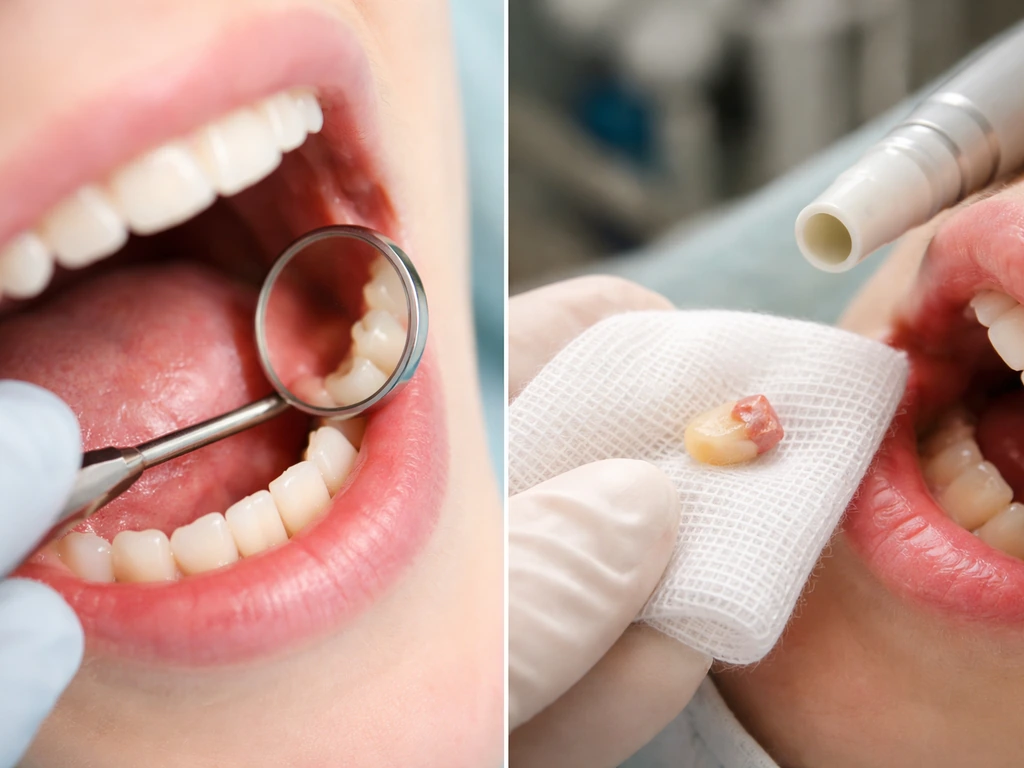
A straightforward extraction with clean healing gives you the most straightforward path to an implant or bridge. Trauma (like a tooth knocked out in an accident) may involve damage to surrounding bone or soft tissue that complicates replacement. A root fracture below the gumline often can't be saved and requires extraction followed by planning for a prosthetic. Gum disease that led to tooth loss often means the surrounding bone is already compromised, which may require bone grafting before an implant is viable, or may shift you toward a bridge or denture.
Which tooth is missing
A missing front tooth is usually a higher cosmetic and functional priority, and most people want it addressed quickly. A missing wisdom tooth, by contrast, often requires nothing at all since wisdom teeth are commonly removed on purpose. A missing molar affects chewing function significantly and also accelerates bone loss in that area, so it's not something to leave unaddressed for years even if it's not visible.
When part of the tooth is still there
If a tooth is cracked, partially broken, or severely decayed but still has a root present, you may not be at the replacement stage yet. A dental crown, root canal, or build-up procedure might be able to save what's there. This is worth evaluating before assuming extraction is the only option. Even a tooth that looks beyond saving sometimes has a viable root that can support a crown.
What to do right now if you're missing a tooth
The single most important thing is not to wait. Bone loss in the jaw starts relatively quickly after a tooth is extracted or falls out, and the longer you wait, the more complex and expensive your replacement options become. If you've recently lost a tooth, see a dentist within a few weeks if possible. If you're dealing with a cracked or severely damaged tooth, get it evaluated before it becomes an extraction situation.
The science of growing new teeth is genuinely advancing. For a clearer timeline on when we will be able to grow new teeth, it also helps to understand the difference between eruption, regrowth, and regeneration. Researchers are working with stem cells, tooth-germ tissue from third molars, and other biological approaches. Research reviews also note that postnatal dental cell sources used in tooth-regeneration research, such as blank" rel="noopener noreferrer">tooth-germ cells from third molars, are limited and may not have the potency to regenerate a complete tooth organ. But as of today, none of that has crossed the line into a treatment you can actually receive at a dental office. The question of whether humans will ever be able to grow new teeth on demand is an open and exciting one, but for now, implants, bridges, and dentures are the real tools on the table, and the sooner you use them, the better your long-term outcome. The question of whether humans will ever be able to grow new teeth is an open and exciting one, but as of today, it's not something you can count on in real-world care.
FAQ
If a new tooth shows up years later after I lost one, does that mean another adult tooth can grow in?
Usually it means something else is erupting or shifting into place, like a delayed permanent tooth, a wisdom tooth, or movement of adjacent teeth into the gap. True replacement of a missing adult tooth is not something your body can biologically rebuild after the development window closes.
At what point should I stop waiting and assume my tooth will not return?
If a permanent tooth is missing after the typical eruption ages have passed, do not wait for regrowth. For delayed eruption possibilities, a dentist can confirm with an exam and imaging, but if the tooth was extracted or lost to decay, it generally will not come back, so replacement planning should start promptly.
Do any home remedies (vitamins, oils, special diets) help regrow an adult tooth?
No. Once enamel-forming cells are no longer active, you cannot restart tooth formation with supplements or oral routines. What those approaches can do instead is support overall oral health, but they cannot rebuild a missing tooth or replace lost enamel.
Can a dentist bring back a tooth that was “gone,” like after extraction or severe decay?
They can only replace it with a prosthetic or, in some cases, save what remains. If there is still a viable root and enough tooth structure, options like a crown or root canal may preserve the tooth. If it was fully removed or the root is not salvageable, replacement requires a bridge, denture, or implant.
Are implants always possible for adults who lost a tooth?
Not always. They depend on bone volume and quality, gum health, and medical factors. If you have significant bone loss after extraction, you may need a bone graft or another approach like a bridge. Your dentist or oral surgeon can assess this with imaging and a clinical exam.
How soon after a tooth loss should I get evaluated for replacement?
Early is important because bone loss starts within months after extraction or loss. A practical rule is to see a dentist within a few weeks when possible, especially if the tooth was removed recently, to discuss whether timing options like implant placement or interim solutions apply to your case.
Does replacing a missing molar matter even if it is not visible?
Yes. Missing molars can reduce chewing efficiency and can contribute to faster bone loss in that area. It can also change how teeth contact, potentially affecting nearby teeth over time, so replacement should not be treated as optional for long periods.
What if my tooth is cracked or mostly gone, should I assume I need an implant right away?
Not necessarily. If there is still a healthy enough root and supporting structures, the tooth might be saved with procedures such as a crown and supporting treatment. Implants are usually for teeth that cannot be retained, so evaluation should come before deciding on replacement.
Is it possible that I lost my tooth because I had gum disease, and that makes implants unsafe?
Gum disease can compromise bone and the periodontal ligament, which affects implant success. Many people still can get implants, but they often need gum disease controlled first and may require bone grafting if there has been significant bone loss.
If I’m under 18, can I get an implant now?
Often not, because jaw growth can continue and can affect implant positioning. Many providers wait until the jaw has largely finished developing, commonly around late teens to around 17 to 18 for many patients, but the exact timing is individualized based on growth and imaging.
Next Articles
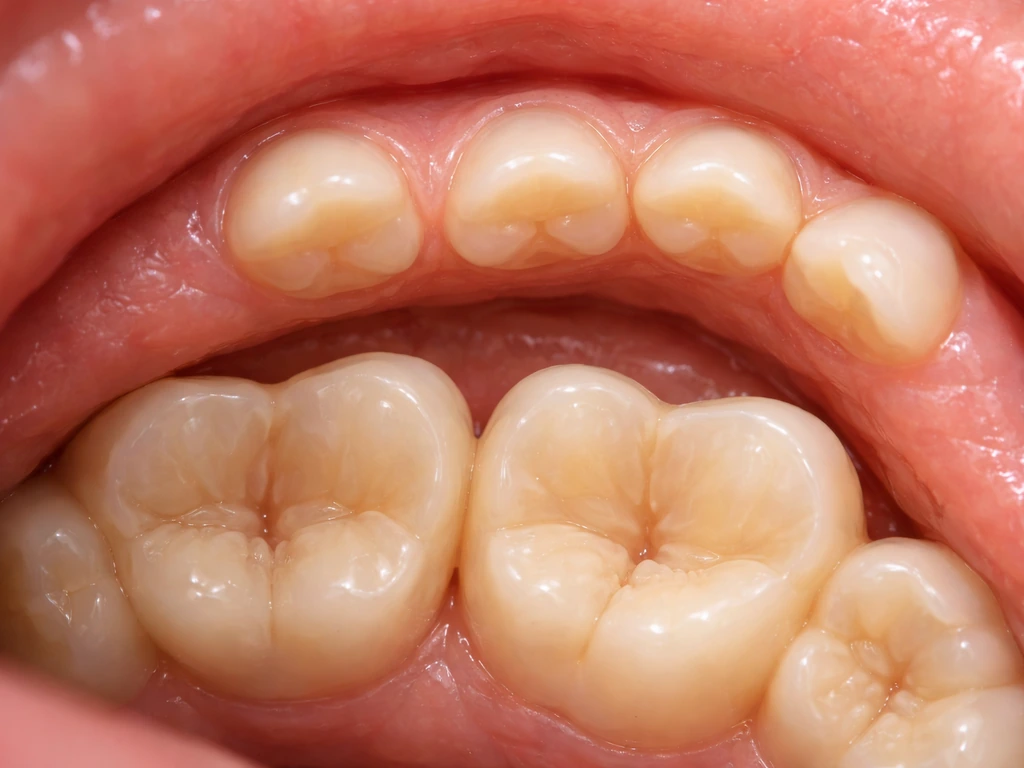
Why Do Humans Only Grow 2 Sets of Teeth and Can They Regrow
Explains why humans have only two tooth sets and what can regrow today, plus options for missing or damaged teeth.
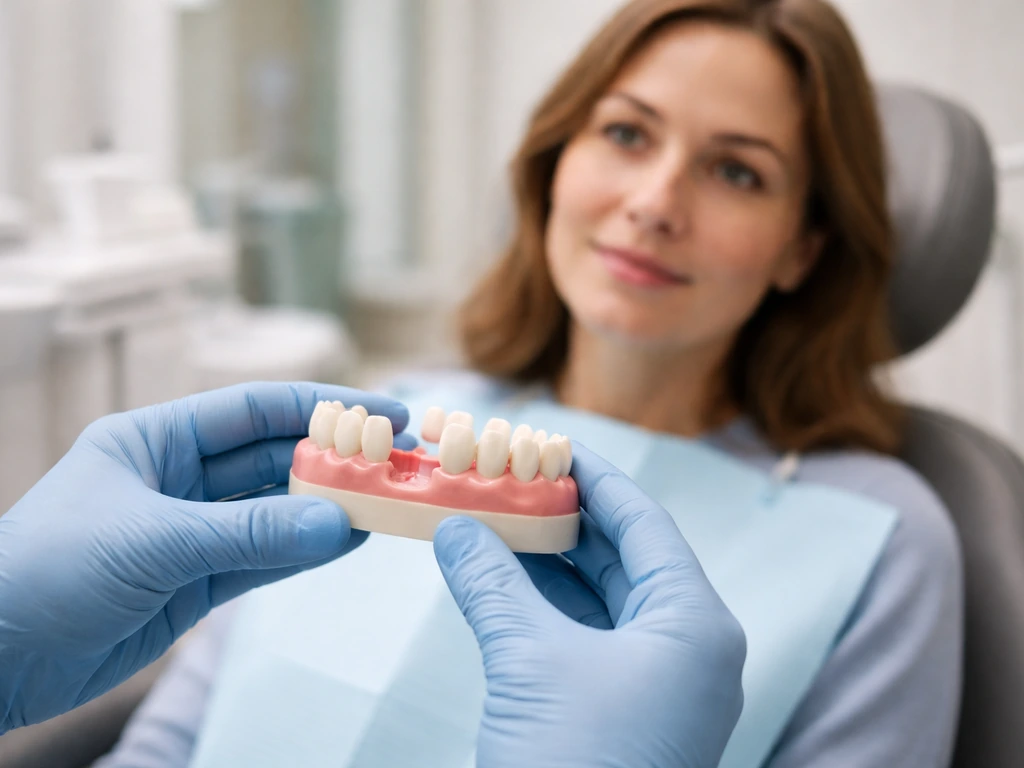
When Will We Be Able to Grow New Teeth Again?
Realistic timeline for regrowing missing teeth, what biology allows now, and which treatments are proven or experimental
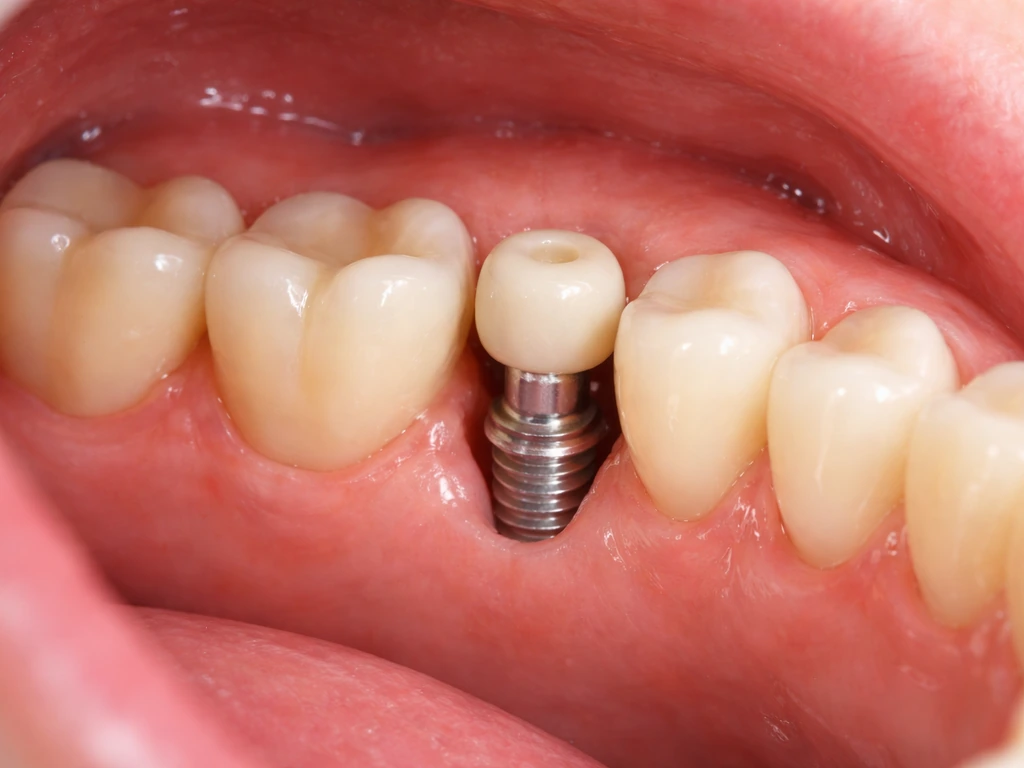
Can Humans Grow New Teeth Today? What Science Can Do
Can humans grow new teeth? Evidence on regeneration science, what works today, and realistic replacement options