
No, a chipped tooth cannot grow back. Once enamel is lost, it is gone for good. The cells that built your enamel in the first place (ameloblasts) disappear after your tooth finishes forming and erupts, so there is nothing left in your body to rebuild that lost structure. This is not a gray area in dental biology. It is one of the clearest biological limits in human dentistry, and it applies to adults and children with permanent teeth alike.
Can Chipped Tooth Grow Back? What’s Possible and Next Steps

Marcus Holloway
2 Apr 2026
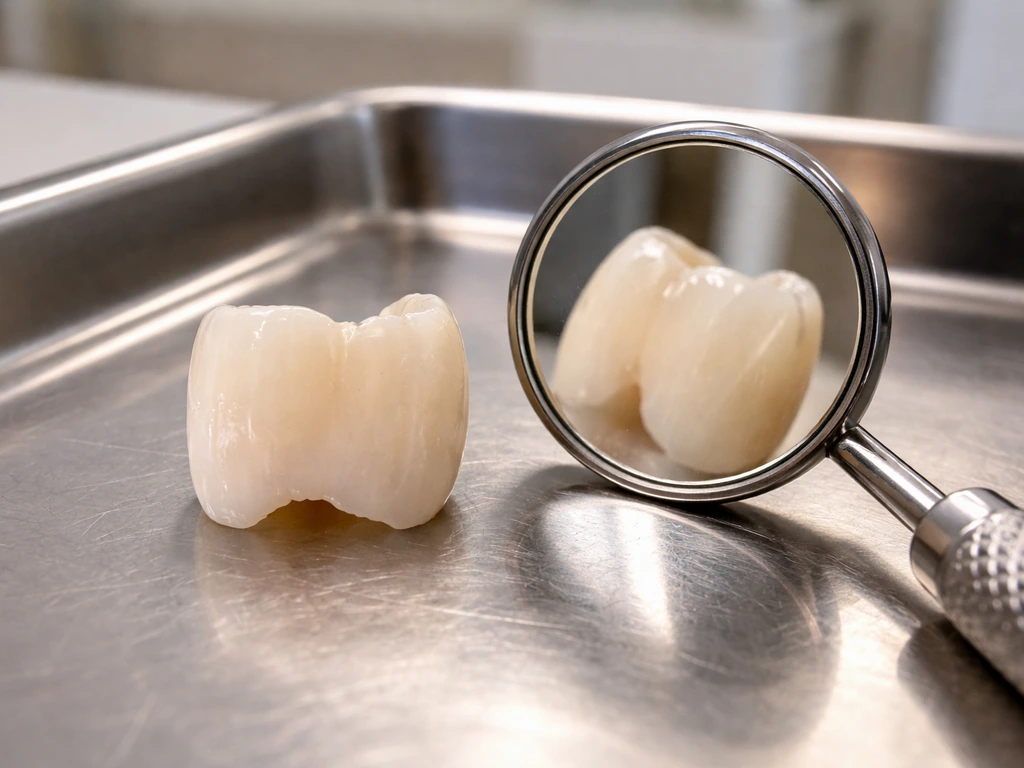
What can and can't regenerate after a chip
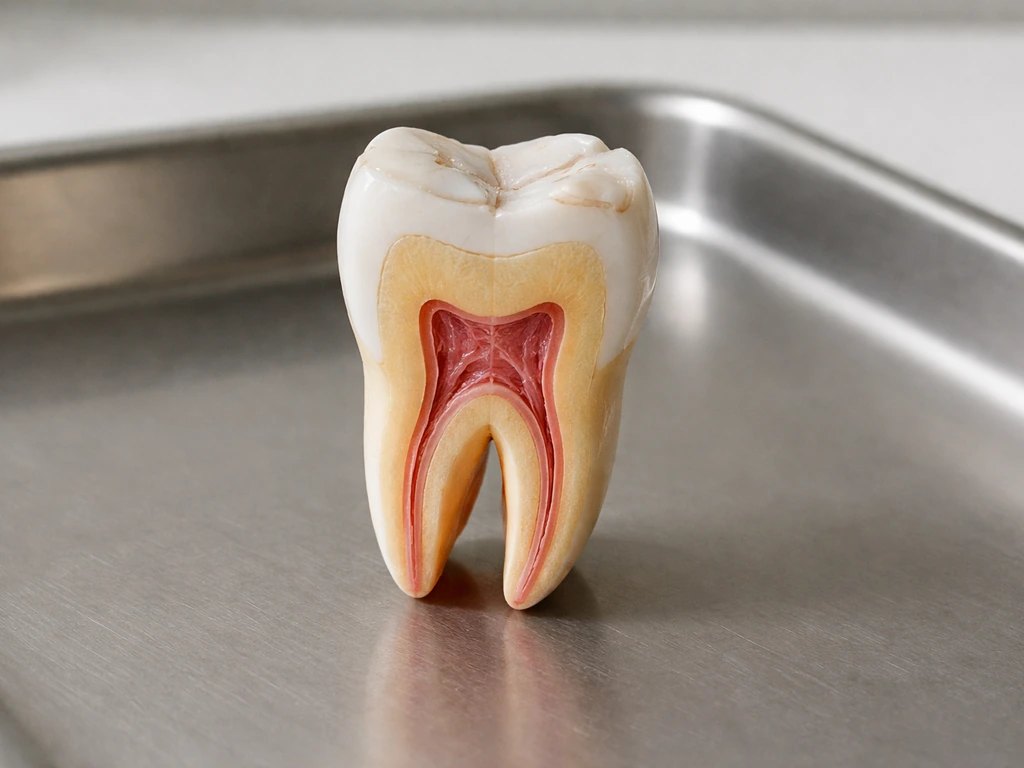
A tooth has three main layers relevant to chips: enamel, dentin, and pulp. Each behaves very differently when damaged, so it helps to understand what each one can and cannot do.
Enamel: the layer that cannot come back
Enamel is the hardest substance in the human body, but it is also completely acellular once your tooth erupts, meaning it has no living cells. Ameloblasts (the cells responsible for forming enamel) vanish after crown formation is complete. There is no mechanism left to deposit new enamel. What is possible is remineralization, where minerals from saliva and fluoride strengthen existing, slightly weakened enamel. But remineralization is not regrowth. It cannot fill in a chip or replace a missing piece of enamel. Think of it like polishing a scratched countertop versus replacing a broken corner: one is possible, the other is not.
Dentin: limited response, not true regrowth
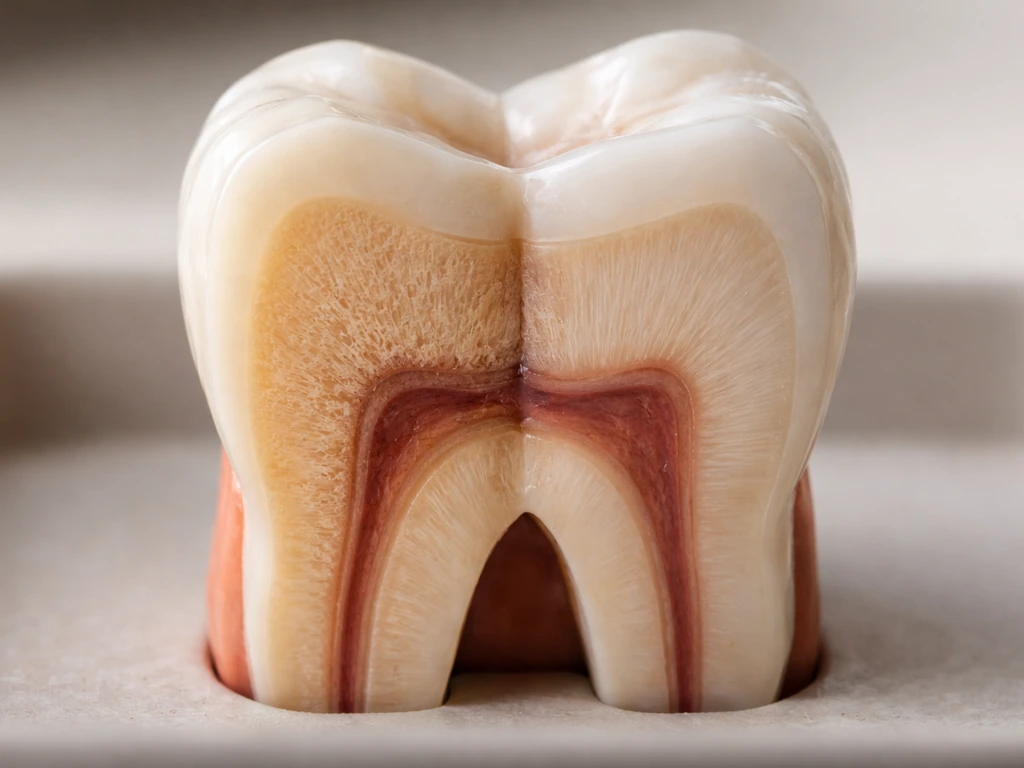
Dentin is the layer beneath enamel, and it behaves a bit differently. Your body does continue depositing secondary dentin throughout life, and after injury, the pulp can sometimes produce reactionary dentin as a protective response. This can partially shield the pulp from exposure over time, and studies have tracked these histological changes evolving over weeks after trauma. However, this is not the same as regrowing the structural tooth that was lost. It is more like the tooth walling itself off than rebuilding itself.
Pulp: the most delicate part
The pulp is the nerve-rich tissue at the center of your tooth. If a chip is deep enough to expose the pulp, the situation becomes more serious. Vital pulp therapy (a procedure to preserve a living pulp) can sometimes induce a dentinal bridge to maintain pulp vitality, but this approach has real limitations, including risks of incomplete bridging, bacterial recontamination, and tissue necrosis if the blood supply is compromised.
Research into whether tooth pulp can grow back on its own after injury is still largely experimental. Clinically, pulp exposure after a chip often means root canal treatment is on the table. The American Association of Endodontists describes root canal treatment as removing or inactivating infected pulp tissue during the procedure [root canal treatment is on the table](https://www. aae.
org/patients/root-canal-treatment/what-is-a-root-canal/root-canal-explained/).
Why people think a chipped tooth might grow back
The myth has a few sources. First, children lose baby teeth and get a second set, so the idea that teeth can "come back" feels intuitive. But that process is completely different from regrowing a damaged tooth. The adult tooth was always developing beneath the baby tooth; it was not generated in response to losing the first one. Second, people sometimes notice that very early, surface-level enamel damage can be partially reversed through remineralization, which feels like healing. Third, there is a lot of hopeful content online about regenerative dentistry that blurs the line between what is possible in a research lab and what your dentist can actually do today.
It is also worth noting that the question of whether a tooth can grow back in any context gets a consistent answer from dental biology: adult permanent teeth do not regenerate. The confusion is understandable, but the biology is clear.
How to figure out how bad the chip actually is
Not every chip is the same. A tiny corner knocked off a front tooth is a very different situation from a fracture that exposes dentin or pulp. Here is how to assess what you are dealing with right now.
Signs you are probably dealing with a minor chip
- A small piece of enamel is missing but the tooth looks mostly intact
- No pain at rest, or only very mild sensitivity
- No sensitivity to air, cold, hot, or sweet foods
- The edge feels sharp or rough but does not hurt to touch
- No visible yellow or creamy-colored layer exposed (that would be dentin)
Signs the chip may involve dentin or deeper
- Noticeable sensitivity to cold, heat, sweet foods, or air
- A yellow or brownish layer visible where the chip occurred
- Aching or throbbing pain, especially without any obvious trigger
- The chip looks large or the tooth looks significantly altered
- Bleeding from the tooth itself (not the gum) after the chip
When to seek urgent care today
If you have severe or constant pain, visible pink or red tissue in the center of the chipped area (that is exposed pulp), significant bleeding, or swelling in the gum or face near the tooth, do not wait. Contact a dentist for same-day or emergency care. Pulp exposure carries infection risk, and the longer you wait, the more complex and expensive treatment becomes. The NHS is direct about this: a badly broken tooth with exposed nerve tissue may need root canal treatment, and that assessment needs to happen promptly.
A note for parents: children's primary (baby) teeth follow slightly different rules. When pulp is involved in a primary tooth fracture, extraction is often the recommended approach because of the proximity to the developing permanent tooth bud underneath. The question of what happens to that space matters, but the permanent tooth was already forming and will still come in. If you are worried about a child's chipped tooth and wondering whether a broken tooth can grow back in kids, the short answer is: if it is a baby tooth and a permanent one is coming, yes that tooth will come in, but the chip itself does not regenerate.
What to do right now, before you see a dentist
- Rinse your mouth gently with warm water to clean the area. Do not scrub the tooth or probe the chip with your fingers.
- If you have the chipped piece, keep it. In some cases, a dentist can bond it back on.
- Apply a cold compress to the outside of your cheek if there is any swelling, but do not put ice directly on the tooth.
- Cover any sharp edges with dental wax (available at pharmacies) or temporary dental filling material to protect your tongue, cheek, and gum from cuts.
- Take an over-the-counter pain reliever if needed for discomfort while you wait for your appointment.
- Avoid very hot, very cold, or very sweet foods and drinks until the tooth has been assessed, since these can aggravate exposed dentin.
- Call your dentist as soon as possible, even if the chip seems minor. Do not let exposed dentin go uncovered for long, since bacteria can track inward and raise your risk of infection.
Realistic treatment options your dentist will discuss
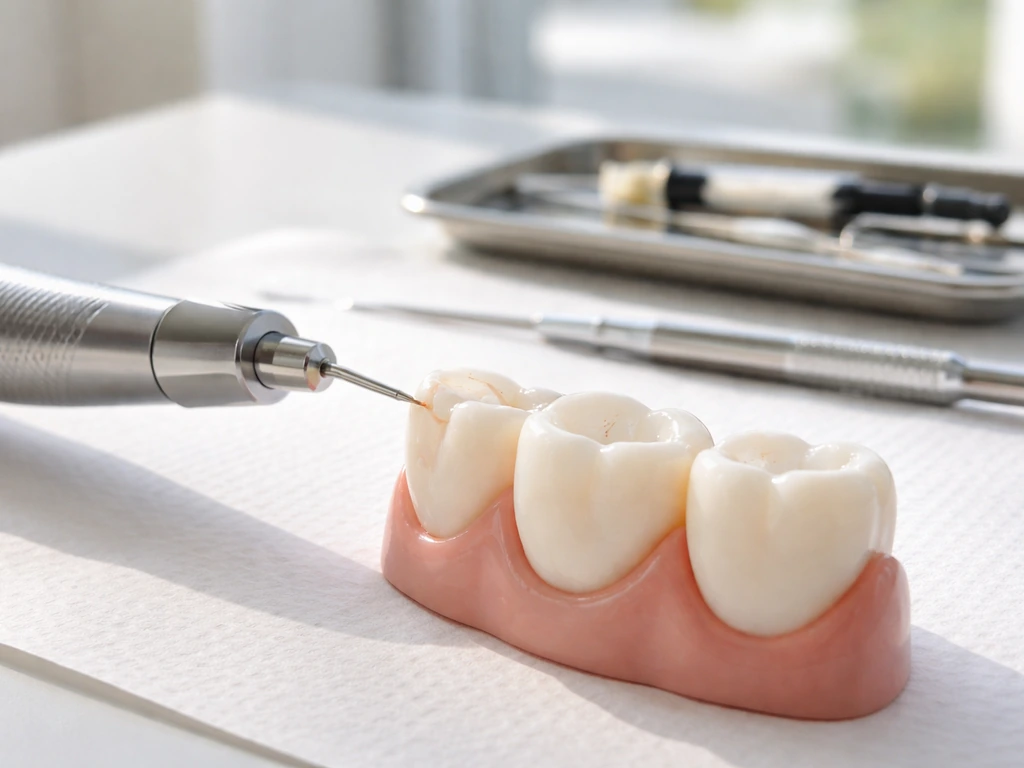
Here is where repair comes in as the real answer to the question most people are actually asking. You cannot grow the tooth back, but you can restore it. The right approach depends on chip size, which layers are involved, and whether it is a front or back tooth.
| Chip type | Typical treatment | What it involves |
|---|---|---|
| Minor enamel chip (no sensitivity) | Dental bonding or smoothing | Tooth-colored composite resin shaped and bonded onto the chip; fast and affordable |
| Enamel-dentin chip (mild to moderate sensitivity) | Composite filling or bonding with dentin coverage | Exposed dentin covered with glass ionomer or composite to seal tubules and protect the nerve |
| Large chip (structural damage to the tooth) | Dental crown or onlay | A custom-fitted cap or partial cap that restores strength and shape |
| Front tooth cosmetic chip | Dental veneer | A thin porcelain or composite shell bonded to the front surface for aesthetics |
| Chip with pulp exposure or nerve symptoms | Root canal followed by crown | Pulp removed, canals cleaned and sealed, crown placed to restore the tooth |
| Chip on a tooth with existing large filling | Crown or extraction and replacement | Depends on remaining tooth structure; dentist assesses viability |
Fragment reattachment is also possible if you saved the broken piece and it is intact. Your dentist can sometimes bond it directly back using composite resin. It is not always the most durable long-term option, but it can be a practical immediate fix, especially for front teeth.
One thing people do not always realize: a chip that goes untreated is not stable. Exposed dentin is porous and vulnerable. Leaving it uncovered raises the risk of deeper decay, sensitivity progression, and eventually needing more involved treatment. If you have ever wondered whether a tooth can grow back after a filling, the answer follows the same logic: the filling is the repair. The tooth itself does not grow into the space the filling occupies.
Can anything actually help the tooth heal? Regeneration vs repair
This is the part most people are really asking about, so let's be precise. There is no product, supplement, or technique available today that will make a chipped tooth regrow the missing enamel. What is genuinely useful is remineralization, and here is where it has a real, evidence-based role.
Remineralization strengthens the existing enamel around a chip and can help recover weakened, demineralized zones, particularly in early-stage lesions that have not yet broken through the surface. A 2024 systematic review found that nano-hydroxyapatite combined with fluoride can have promising remineralizing effects for early enamel lesions, while also highlighting limits in how strong the evidence and recommendations are Remineralizing effect of the association of nano. Fluoride toothpaste, fluoride treatments at the dentist, and products containing calcium phosphate compounds (like hydroxyapatite toothpastes) all support this process. After treatment, these strategies help protect the restored area and the rest of the tooth from further breakdown. They are genuinely useful, just not for reversing a chip.
What about the research on tooth regeneration? It is real and it is promising. Scientists are actively studying hydrogel scaffolds, stem cell approaches, and growth factors for pulp and dentin regeneration. But as of right now, these are not available as clinical treatments you can ask your dentist for. Pulp regeneration via tissue engineering is still a research-stage intervention, not a routine clinical reality. Ask your dentist about it by all means, but do not wait on a chip hoping experimental science will catch up to your situation.
The broader question of what happens when a permanent tooth falls out follows the same logic: once adult teeth are out, they do not come back on their own. Repair and restoration are the actual paths forward in every case, including chips. And if a tooth has been removed entirely, the question of whether teeth grow back after extraction has the same answer: they do not, and your options shift to implants, bridges, or partial dentures.
The bottom line on chipped teeth
A chipped tooth will not grow back, but that does not mean you are stuck with it. Modern dentistry has reliable, often fast and affordable options to restore a chipped tooth depending on severity, from a quick bonding appointment to a crown if deeper damage is involved. What matters most right now is getting the chip assessed promptly, protecting the area in the meantime, and not letting exposed dentin sit open. The sooner you see a dentist, the more options you have and the simpler the treatment is likely to be.
FAQ
If a chipped tooth cannot regrow, can it at least “heal” by itself?
Yes, but only in a limited way. Remineralization can make early, demineralized enamel harden again, it cannot fill a missing chunk or rebuild enamel that has already been lost. If the chip edge is clearly broken or you can catch your tongue on a notch, you will still need a restorative option (bonding, filling, or crown depending on depth).
How do I know whether my chipped tooth is shallow enamel damage or something that needs urgent treatment?
Roughly, the deeper the damage and the more symptoms you have, the less “surface-only” care will be enough. Dentinal exposure often increases sensitivity and decay risk, while visible red or pink tissue suggests pulp involvement. The practical next step is a prompt dental exam and likely radiographs to map how close the chip is to the pulp.
What should I do right now to protect a chipped tooth before my appointment?
Try to keep the area protected until you are seen. If the chip is sharp, cover it temporarily with an over-the-counter dental wax or sugar-free chewing gum (not on the whole tooth as a long-term fix). Avoid hard, sticky foods, and don’t ignore increasing sensitivity. If you see the “nerve” tissue or experience strong pain, arrange same-day or emergency care.
If I saved the broken piece, is it always possible to glue my tooth fragment back on?
Not always, and even when it works, durability varies. Reattaching a saved, intact fragment can be very successful for certain chips (clean, fresh fracture, good fit, and healthy remaining tooth structure). If the fragment is contaminated, too small, or the bonding surface is compromised, the dentist may recommend composite bonding or a restoration instead.
What restoration is usually chosen for a chipped tooth, bonding versus filling versus crown?
It depends on how much structure is left. Small chips are often handled with composite bonding or a filling, larger or weaker front teeth may need a veneer or crown, and chips that involve significant tooth structure loss or repeated failure may require a crown. A dentist decides based on remaining enamel support, bite forces, and whether the chip reaches dentin or is near the pulp.
Will tooth whitening affect a newly repaired chipped tooth, and can it make it look worse?
Whitening is separate from chip repair. After the tooth is restored, whitening may be used to improve overall color match, but bleaching can make the repaired material blend differently depending on the product. Ask your dentist about timing, because the restoration shade is typically selected at the time of repair to match what your tooth will look like then.
If my tooth chip doesn’t hurt right away, is it still worth getting it checked?
Yes, chipped teeth can become unstable if they are left untreated. Exposed dentin is porous, bacteria can invade more easily, and progression often turns a simple chip into deeper decay, more sensitivity, or pulp issues that eventually require root canal treatment. The decision point is whether the dentist can seal and protect the area quickly.
If I have no pain, could I still have pulp damage from the chip?
It is possible for pulp to remain alive for a while even after a chip, but symptoms can be misleading. Some people feel little at first, yet pulp injury may develop later. Your dentist may use cold tests, percussion tests, and X-rays, and they might schedule follow-up checks to confirm the pulp is still healthy.
Can I request regenerative dentistry for a chipped tooth instead of a filling or crown?
Not by current clinical options. There are research approaches related to dentin and pulp regeneration, but they are not routine treatments for everyday chips. For practical care, ask about tissue-preserving procedures only when pulp exposure or near-exposure is involved, otherwise focus on restoring and sealing the tooth.
How does treatment differ for a chipped baby tooth compared with an adult permanent tooth?
If the chip is on a primary (baby) tooth, the management often differs because the permanent tooth bud is underneath. Dentists may recommend extraction over complicated procedures when pulp is exposed, infection risk is higher, or the fracture is extensive. If a permanent tooth is already emerging, the plan still prioritizes preserving the developing adult tooth.
Next Articles
Can Tooth Grow Back? What to Expect and Your Options
Learn why permanent teeth don’t regrow, what can regrow after loss or removal, and realistic timelines plus replacement
Do Milk Teeth Grow Back? Timelines, What to Do, Red Flags
Learn if milk teeth regrow, typical timelines for permanent teeth, what to do after loss or injury, and red flags.
Can Milk Teeth Grow Twice? Replacement vs True Regrowth
Can milk teeth grow twice? Learn why baby teeth usually only get replaced, not regrown, and what to do if one falls out