
Here is the direct answer: for most adults, no, teeth cannot grow back. Once your permanent teeth are in, losing one means it is gone for good unless a dentist replaces it. That said, the full story is a little more nuanced depending on your age, which tooth you are talking about, and what kind of damage happened. Children do get a second chance at certain teeth, but only because of a biological system already set in motion before birth, not because the body can generate a brand-new tooth on demand. Let's break it all down clearly.
Can Tooth Grow Back? What to Expect and Your Options

Marcus Holloway
2 Apr 2026
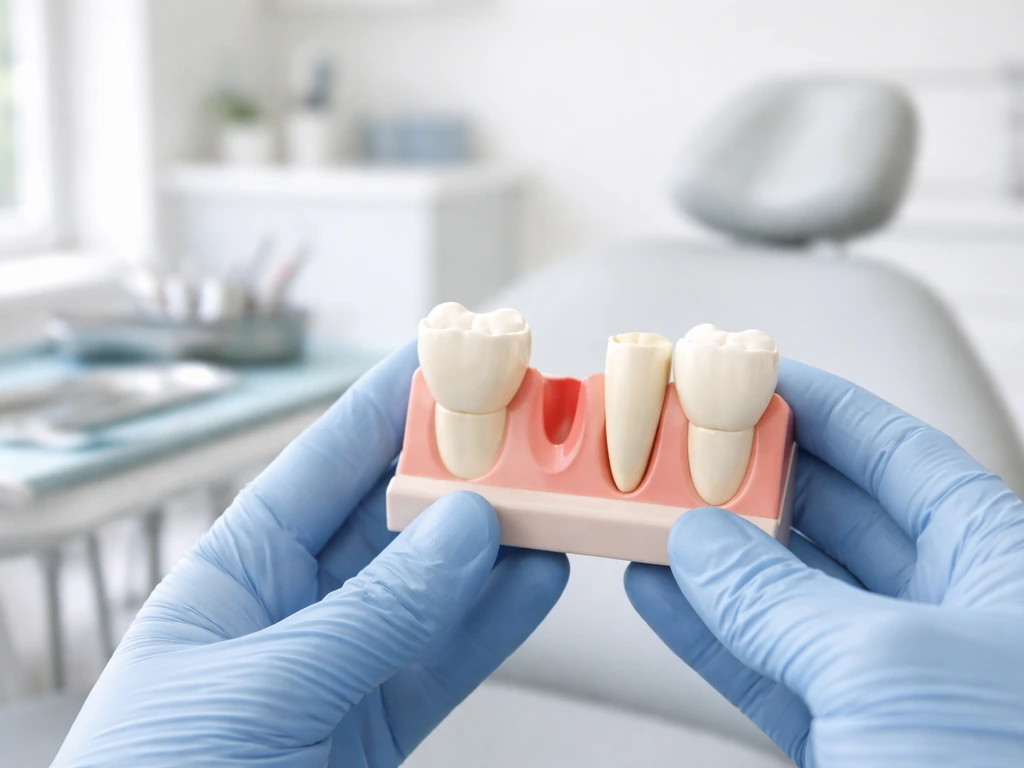
Kids vs. adults: the real answer on whether teeth grow back
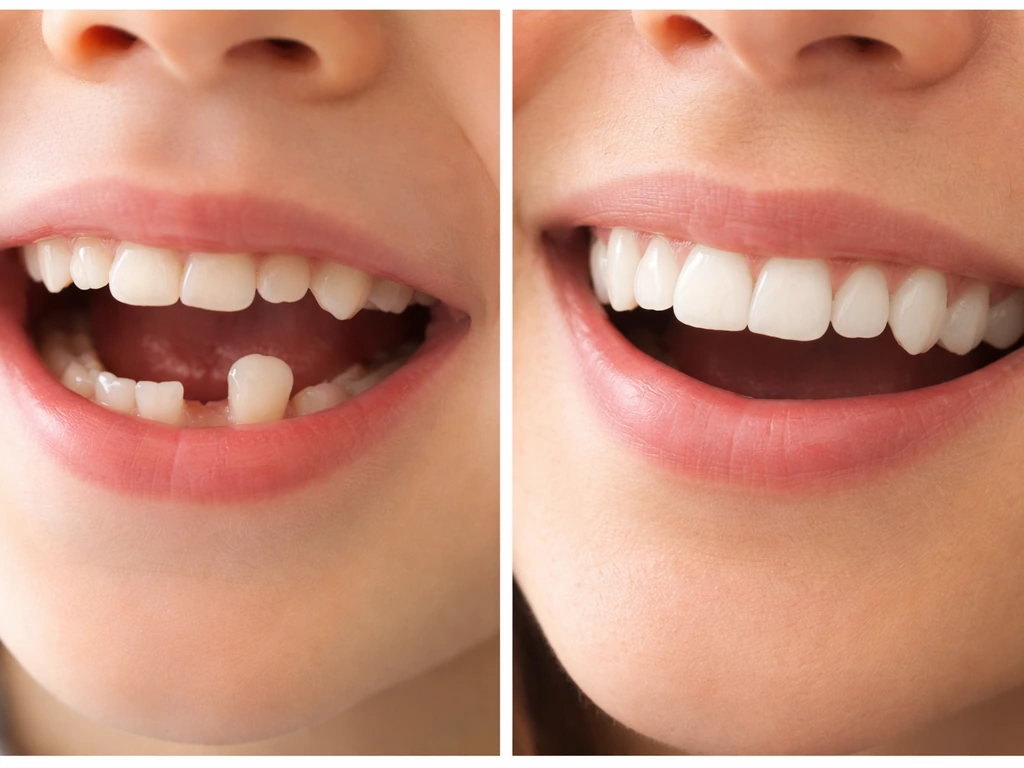
Children between roughly ages 6 and 12 are in the middle of a natural tooth-replacement cycle. Their baby teeth (primary dentition) fall out because permanent successors are actively pushing up from below. So when a 7-year-old loses a front tooth, yes, a new one is coming. But that replacement was already developing inside the jaw long before the baby tooth even fell out. It is a one-time biological hand-off, not the body regrowing a tooth from scratch.
Adults do not get that hand-off. Once your 32 permanent teeth have erupted, there are no more tooth germs waiting in the wings. If you lose a permanent tooth to decay, trauma, or extraction, your body has no mechanism to replace it naturally. This is true whether you are 25 or 75. The idea that teeth might grow back in old age, or that a third set of teeth is possible, is a persistent myth with no basis in normal human biology.
Which teeth can grow back, and which absolutely cannot
The only teeth that are naturally "replaced" in humans are the succedaneous teeth, meaning primary teeth that have a permanent successor. These include the primary incisors (your front teeth), primary canines, and primary first and second molars. When these fall out on schedule, the permanent versions take their place.
Permanent molars are a different story. Your first, second, and third molars (including wisdom teeth) are classified as non-succedaneous teeth because they do not replace any primary tooth. They simply erupt posterior to the primary molar zone. That means if you lose a permanent molar at any age, nothing is biologically scheduled to replace it.
Wisdom teeth (third molars) sometimes create confusion here. They do erupt in late adolescence or early adulthood, typically between ages 17 and 25, but they are not replacing anything. They are just the last molars to show up. So if someone asks whether a wisdom tooth extraction means a new one will grow in, the answer is no.
One scenario parents sometimes notice: a child's permanent tooth erupts behind a baby tooth that has not yet fallen out. This is sometimes called a "shark tooth" and it looks alarming but is usually normal. The permanent tooth is not growing "a second time," it is simply coming in slightly out of position. Once the baby tooth falls out (or is pulled), the permanent tooth usually migrates into the correct spot on its own.
| Tooth Type | Can It Be Naturally Replaced? | Who This Applies To |
|---|---|---|
| Primary (baby) incisors, canines, molars | Yes, by permanent successors | Children (ages ~6–12) |
| Permanent incisors and canines | No | Adults and children once permanent teeth erupt |
| Permanent premolars | No | Adults |
| Permanent molars (1st, 2nd) | No | Adults |
| Wisdom teeth (3rd molars) | No | Adolescents and adults |
| Any tooth lost in an adult | No natural regrowth | All adults |
Why teeth only grow once: the biology behind it
Tooth development is an extraordinarily complex process that begins in the embryo and runs through a sequence of stages: the dental lamina thickens into a placode, then progresses through bud, cap, and bell stages. At each stage, epithelial and mesenchymal cells interact precisely to form the enamel organ, dental papilla, and dental sac. Once the crown is formed, root formation begins. The whole process depends on a one-time choreography of signals that is not repeated after the tooth has erupted.
The reason enamel in particular can never regrow is that the cells responsible for making it, called ameloblasts, die off or regress after the tooth erupts. In rodents like mice, epithelial stem cells persist and can keep producing enamel, which is why a mouse's incisors never stop growing. Humans lost this ability somewhere in evolutionary history. Once your tooth is out and enamel is gone, there are no living cells left to rebuild it. This is a hard biological ceiling, not just a limitation of current medicine.
Dentin and cementum are slightly different. The pulp can produce what is called tertiary or reparative dentin in response to injury, essentially a calcified barrier to protect deeper pulp tissue. But this is a defensive repair response, not true regeneration of the original tooth architecture. It is more like scar tissue than a rebuilt structure. Whether tooth pulp can grow back in any meaningful sense is a question researchers are still exploring, but the short answer for a patient today is: not in any way that replaces what was lost.
What happens when a tooth is knocked out, extracted, or falls out
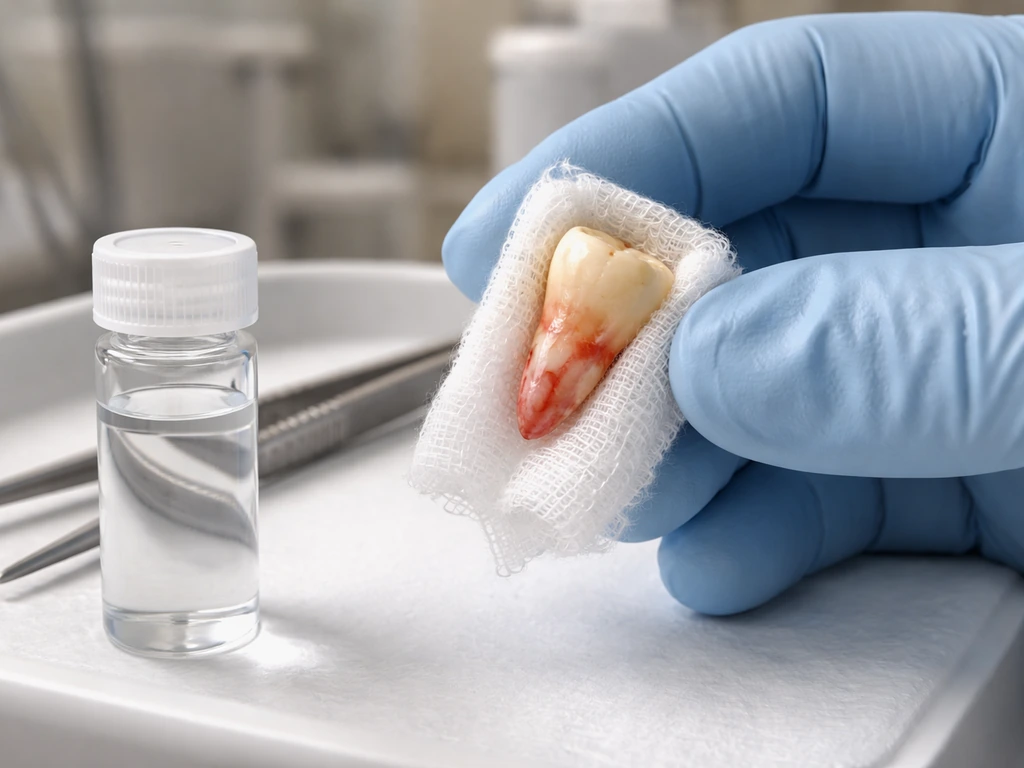
If a permanent tooth gets knocked out (avulsed), there is actually a narrow window where replanting it is possible, but this is not the same as natural regrowth. A review on replantation after traumatic avulsion notes that best healing potential occurs when replantation is performed immediately, including very short windows within minutes, and that outcomes depend on factors such as the extra-alveolar duration and the storage environment [replantation is possible when replanting it is possible](https://pmc. ncbi. nlm.
nih. gov/articles/PMC4023196/). The tooth has to be handled carefully (by the crown, not the root), stored in milk, saline, or saliva, and reinserted into the socket as quickly as possible. Every minute outside the mouth damages the periodontal ligament cells on the root surface, which are critical to successful reattachment.
Even when replantation works, it does not always last forever. Complications including inflammatory root resorption, ankylosis (the tooth fusing to bone), and pulp necrosis are all real possibilities. The outcome depends heavily on how mature the tooth root was, how long it was out of the socket, and how it was stored. Whether a permanent tooth that falls out will grow back on its own is unfortunately a clear no, which makes fast action in a trauma situation so important.
For primary (baby) teeth that are knocked out, the approach is completely different. Replanting a baby tooth is actually not recommended because doing so risks damaging the permanent tooth germ developing underneath it. In those cases, a dentist may use a space maintainer to hold room for the incoming permanent tooth.
What about teeth removed by a dentist? Teeth that are lost after extraction follow the same rule: no natural replacement is coming for a permanent tooth. The socket heals over with bone and soft tissue, but no new tooth develops. Planning for a replacement (implant, bridge, or partial denture) should start sooner rather than later, because the bone that supported the tooth begins to resorb within months of extraction. A systematic review found substantial early dimensional loss after tooth extraction, with horizontal alveolar bone loss reported around 29%, 63% and vertical loss around 11%, 22% at 6 months blank" rel="noopener noreferrer">bone that supported the tooth begins to resorb within months of extraction..
Enamel, dentin, cementum, and gum: what can actually regenerate
This is an area where there is a lot of internet confusion, so let's be specific. Enamel, the hard outer shell of your tooth, cannot regenerate at all once lost. There are no living cells in erupted enamel, no stem cells to trigger new formation, and no biological process that rebuilds it. Fluoride and remineralization products can slow demineralization and patch microscopic surface damage, but they are not regrowing enamel. They are more like filling in tiny potholes rather than repaving the road.
Dentin and cementum have limited regenerative capacity. The pulp can produce reparative dentin, and under the right conditions cementum can reform to some degree, which is relevant in procedures like root planing and certain regenerative periodontal treatments. But again, this is limited tissue repair, not tooth regeneration.
Gum tissue (gingiva) can heal and regrow to a meaningful degree after injury or surgery, which is why gum grafting works. Bone around the tooth (alveolar bone) can also remodel and partially regenerate with guided bone regeneration techniques used before implants. So the supporting structures around teeth have more regenerative potential than the teeth themselves.
People also wonder whether a tooth grows back after getting a filling. It does not. A filling replaces tooth structure that was removed or lost to decay. The tooth does not repair itself under or around the filling. Good filling technique protects what remains, but there is no biological regrowth underneath it.
Similarly, a chipped tooth cannot grow back on its own. Whether the chip is small enough for bonding or large enough to need a crown depends on the size and location, but either way a dentist needs to address it. And if you have ever wondered whether a broken tooth can grow back, the answer is the same: no natural regrowth occurs, regardless of how the break happened.
How long natural tooth eruption takes (the timelines that actually matter)

If you are a parent watching a gap in your child's smile and wondering when the new tooth is coming, here are realistic timelines. After a baby tooth falls out, the permanent successor typically erupts within 3 to 6 months, though this can vary by individual. Front teeth (central incisors) in the lower jaw usually appear first, around ages 6 to 7. Upper central incisors follow at ages 7 to 8. Lateral incisors come in slightly later, and canines and premolars continue through the early to mid-teens.
Back teeth take longer. The permanent first molars erupt around age 6 (they do not replace anything, they just appear), and the second molars come in around ages 11 to 13. Wisdom teeth, when they erupt at all, typically show up between ages 17 and 25 and often need monitoring or removal due to impaction.
If a baby tooth falls out very early due to trauma or decay, that does not mean the permanent tooth will arrive early. The permanent tooth has its own developmental clock. Early loss of a baby tooth is actually a reason to see a dentist soon, both to rule out infection affecting the underlying tooth germ and to place a space maintainer if needed.
When to see a dentist, and what your replacement options look like
Signs that something needs professional attention now
- A permanent tooth has been knocked out: this is a dental emergency. Act within 30 minutes for the best chance of successful replantation.
- A child's tooth fell out earlier than expected (before age 5 for front teeth or unusual pattern): see a dentist to check for infection and discuss space maintenance.
- You notice a tooth erupting behind another tooth in a child over age 8: the baby tooth may need to be extracted to allow the permanent tooth to move into place.
- A permanent tooth is loose without obvious trauma: this can signal bone loss from gum disease and needs evaluation.
- You have a chipped or broken permanent tooth: even a small chip can expose dentin and become sensitive or worsen without treatment.
- A gap from a past extraction is more than a few months old and you have not had a replacement plan: bone loss is already starting, and delaying further narrows your options.
Your practical replacement options when a tooth is not coming back
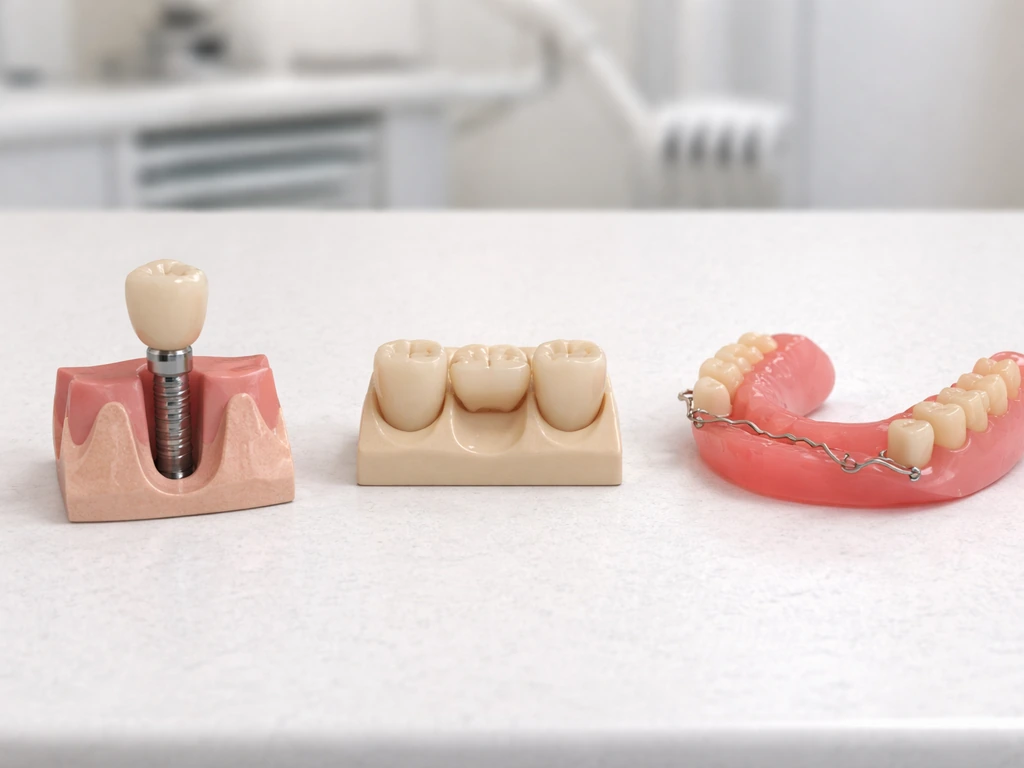
Dental implants are the closest thing to a natural tooth replacement. A titanium post is placed in the jawbone, allowed to integrate over roughly 3 to 6 months, and then topped with a crown. Total treatment time is typically 3 to 6 months for straightforward cases, though bone grafting (often needed if you have been missing the tooth for a while) adds time. Implants preserve bone, feel natural, and do not require altering adjacent teeth.
A dental bridge is faster (typically 2 to 3 weeks for a traditional bridge) and involves crowning the teeth on either side of the gap to support an artificial tooth in between. It is a good option when adjacent teeth already have crowns or significant restorations, but it does require reducing healthy tooth structure.
A partial denture is a removable option that is generally the quickest and least expensive to place, and it is often used as an interim solution while a patient prepares for an implant. It is less comfortable and less stable than fixed options but better than leaving a gap.
For children who lose a primary tooth early, a space maintainer holds the gap open so the permanent tooth has room to erupt properly. This is not a replacement tooth but a critical orthodontic tool to prevent crowding and misalignment later.
| Replacement Option | Best For | Approximate Timeline | Key Consideration |
|---|---|---|---|
| Dental implant | Single missing permanent tooth in adults with adequate bone | 3–6 months (longer with grafting) | Gold standard; preserves bone; requires surgery |
| Dental bridge | 1–2 missing teeth with healthy adjacent teeth nearby | 2–3 weeks | Requires altering neighboring teeth |
| Partial denture (removable) | Multiple missing teeth or interim use | 2–4 weeks | Removable; less stable; lower cost |
| Space maintainer (children) | Early loss of a primary tooth | 1–2 appointments | Not a tooth; holds space for permanent eruption |
| Replantation (trauma only) | Avulsed permanent tooth, within 30–60 min of loss | Immediate, then 7–10 day follow-up | Not guaranteed; risk of resorption/ankylosis |
The bottom line: if you are an adult missing a permanent tooth, do not wait in hopes that something will grow back. It will not. The sooner you talk to a dentist about replacement, the more bone you preserve and the more options you keep open. If you are a parent watching your child's teeth come and go, trust the process but do not ignore unusual timing, positions, or pain. Teeth work on a tight developmental schedule, and a little professional guidance at the right moment makes a big difference down the road.
FAQ
If my tooth gets severely decayed or drilled for a filling, can it regrow?
No. A cavity or dental drilling does not trigger the body to “build a new tooth.” At most, the pulp may form reparative dentin in response to irritation, but it does not regenerate the missing enamel or restore the original tooth shape.
After a dentist removes a permanent tooth, will a new one grow in naturally?
Usually no. If a permanent tooth is extracted, the socket heals, but the surrounding tissues do not develop a new permanent tooth. Planning for replacement matters because the jawbone supporting that tooth can shrink within months.
What should I do if a permanent tooth is knocked out, can it be saved?
Only in a limited, time-sensitive trauma situation, not as regrowth. An avulsed permanent tooth can sometimes be replanted if it is handled by the crown, kept moist (milk, saline, or saliva), and inserted quickly, ideally within 30 minutes. The success rate drops sharply with time out of the mouth.
If my child’s baby tooth gets knocked out, should I replant it at home?
Not generally, and replanting a baby tooth is often discouraged because it can injure the developing permanent tooth bud underneath. Dentists instead focus on monitoring and, if needed, using a space maintainer to preserve room.
My child’s permanent tooth is coming in behind a baby tooth, is that tooth “growing twice”?
Maybe, but not because it regrows. If a child’s permanent tooth erupts behind a retained baby tooth, it is often just coming in slightly off-position. The usual fix is to have a dentist assess whether and when the baby tooth should be removed to let alignment improve.
If I lose a back tooth, what replacement options work best and why?
Often, no. If you lose a permanent premolar or molar, there is no scheduled replacement, so you typically need a restorative plan (implant, bridge, or partial denture). The “best” option depends on adjacent tooth health, bone level, age, and whether you want a fixed vs removable solution.
Can a chipped tooth heal on its own and become whole again?
Enamel cannot regrow, so a chipped tooth will not repair itself back to normal. Small chips may be bondable, while larger ones often need a crown or other restoration depending on whether the chip exposes dentin or affects the bite.
If my tooth is cracked or broken, will it grow back?
No. A cracked or broken tooth typically needs professional evaluation because cracks can extend below the gumline. Treatments depend on the extent, for example bonding, crown, root canal, or extraction in severe cases.
Can fluoride make a damaged area regrow into a normal tooth surface?
Not in the usual sense. Fluoride and remineralization can strengthen and repair early surface demineralization, but they do not replace missing tooth structure or rebuild enamel that is already gone.
If the tooth is missing, can the gums and bone regrow enough to support an implant?
Usually no for direct regrowth. However, supporting tissues can sometimes be preserved or partially rebuilt, for example gums can regrow after certain procedures and bone can remodel with guided bone regeneration. This is different from regenerating the tooth itself.
Next Articles
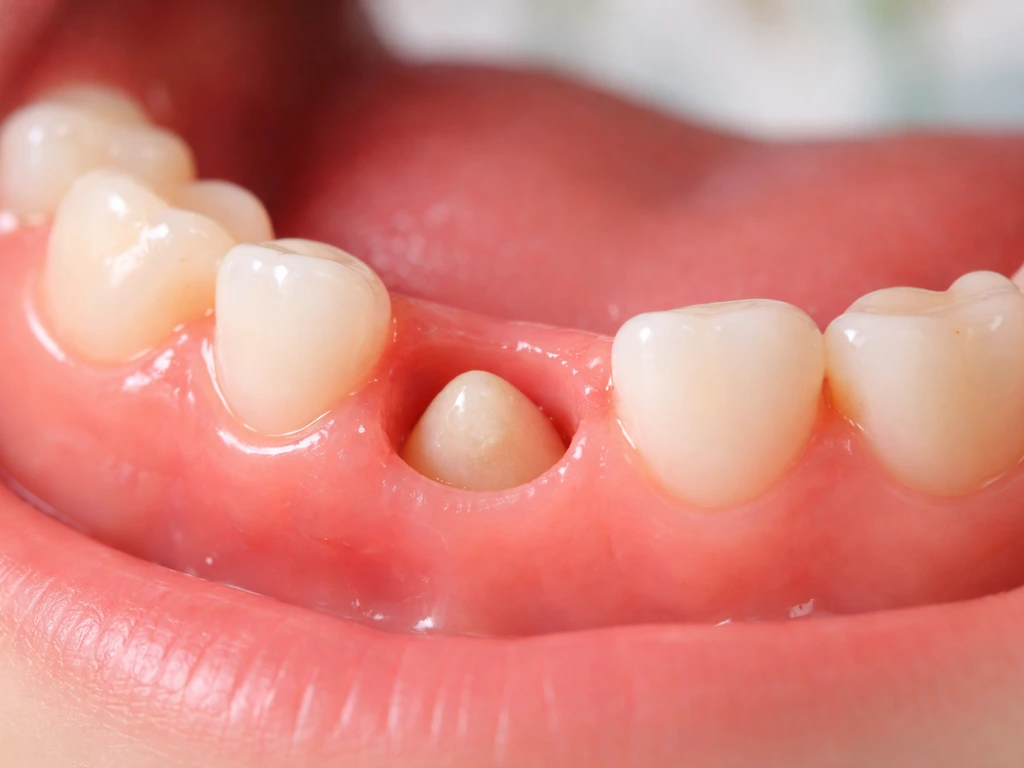
Do Milk Teeth Grow Back? Timelines, What to Do, Red Flags
Learn if milk teeth regrow, typical timelines for permanent teeth, what to do after loss or injury, and red flags.
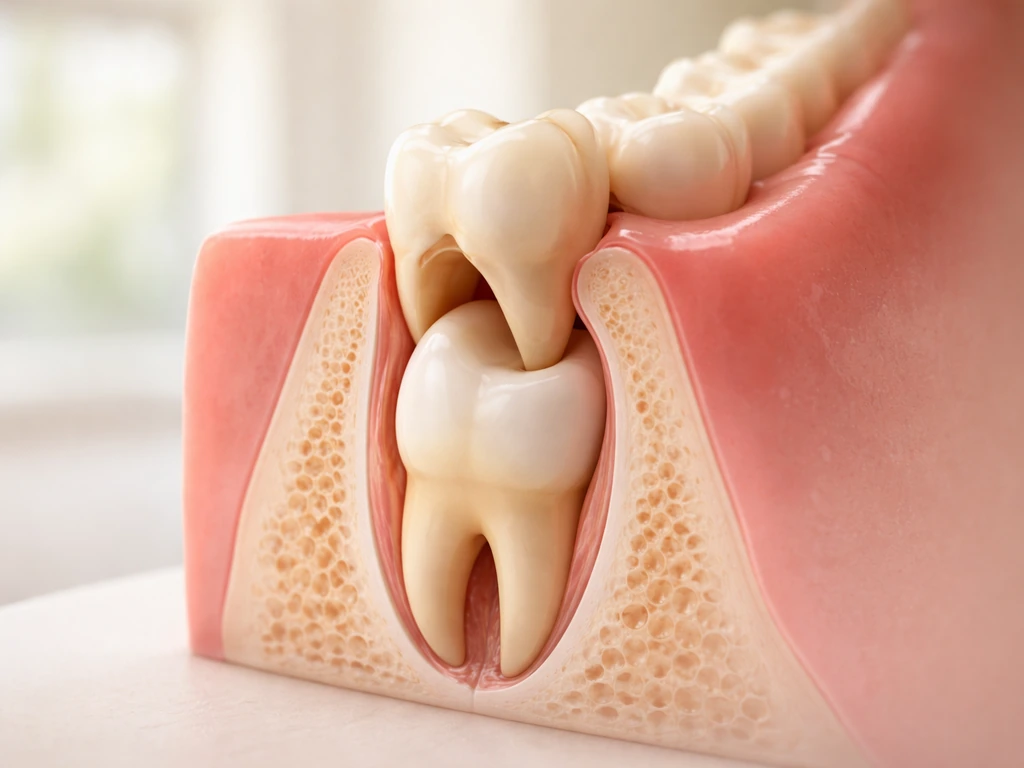
Can Milk Teeth Grow Twice? Replacement vs True Regrowth
Can milk teeth grow twice? Learn why baby teeth usually only get replaced, not regrown, and what to do if one falls out
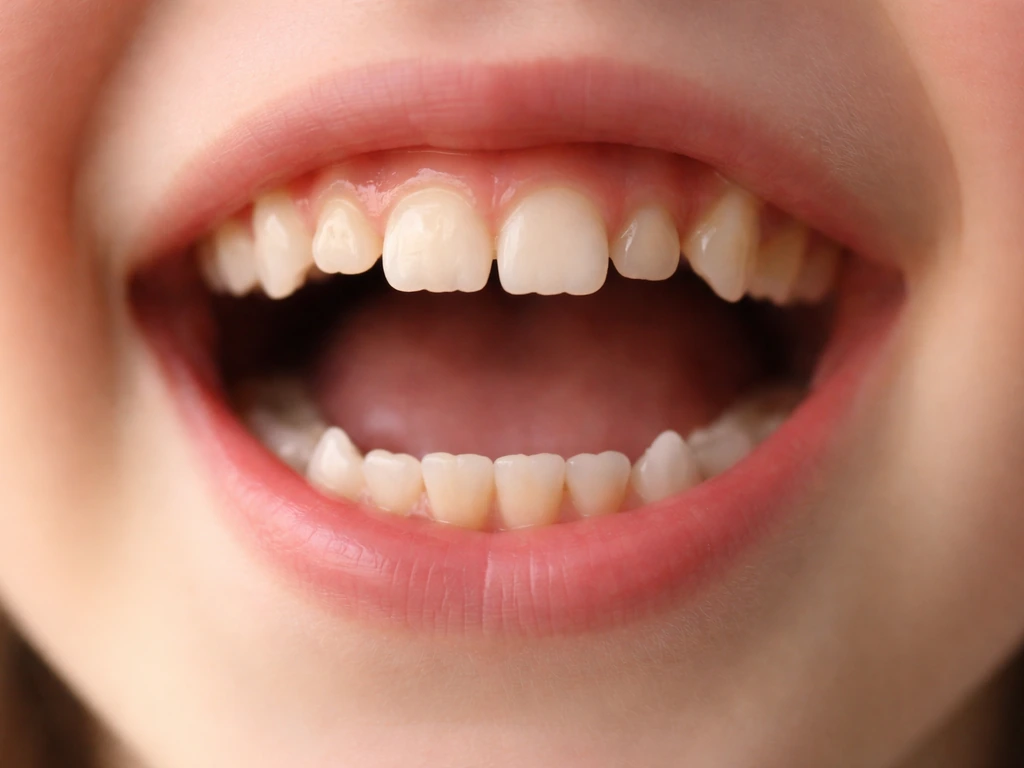
Why Do Teeth Only Grow Twice? Baby vs Permanent Explained
Why humans have only baby and permanent teeth: eruption timeline, limits of enamel regrowth, and common exceptions to kn