
No, worms cannot grow inside your teeth. Tooth enamel, dentin, and pulp are not environments where any parasite can live or reproduce. If you are feeling something crawling, pulsing, or moving in or around a tooth, what you are almost certainly dealing with is a dental problem: an abscess, a dying nerve, gum disease, trapped food, or even a neuropathic pain condition.
Can Worms Grow in Your Teeth? What to Do Instead

Marcus Holloway
7 Jun 2026
In genuinely rare cases, parasites like fly larvae (oral myiasis) or filarial worms have been found in oral soft tissues like the gums or cheek lining, but not inside the tooth itself, and those cases are tied to very specific circumstances. The most important thing you can do right now is contact a dentist, not assume you have worms.
Can worms actually live in your teeth? The direct answer
Your teeth are not living habitat for worms or any other parasite. The outer layer of a tooth, enamel, is acellular and completely mineralized. It has no blood supply, no cellular activity, and no biological environment that could support a living organism. The inner layers, dentin and pulp, do have blood vessels and nerves, but they are sealed structures in a healthy tooth. Common soil-transmitted helminths like roundworms (Ascaris), whipworms (Trichuris), and hookworms enter the body through ingestion of eggs or larval skin penetration. They migrate through the gut and tissues, not into tooth structure. The idea of worms literally living inside enamel or dentin is biologically impossible.
That said, the idea did not come from nowhere. Ancient cultures attributed toothaches to a "tooth worm" gnawing away inside the tooth, which is actually a surprisingly apt description of what untreated decay looks like: a spreading, hollowing-out process that destroys tooth structure from within. That folklore persists today in different forms, including internet anxiety about worms causing dental pain. The reality is bacteria, not worms, are responsible for that destruction.
What those "worm-like" feelings are really about
Dental pain is surprisingly strange and difficult to localize. A dying nerve inside a tooth can produce throbbing, pulsing, crawling, or movement-like sensations that feel genuinely bizarre. Here are the most common causes of what people describe as a "worm" feeling in or around a tooth:
- Dental abscess: a bacterial infection at the root tip or in the gum creates pressure, throbbing, and sometimes a sensation of movement or pulsing as pus builds up. This is the most common culprit.
- Pulpitis (inflamed tooth nerve): when the pulp inside a tooth becomes irritated or infected, it causes intense, sometimes strange sensations including heat, cold sensitivity, and a crawling feeling, especially at night.
- Gum disease (periodontitis): advanced gum infection causes itching, pressure, and discomfort along the gumline that people sometimes describe as something moving under the gums.
- Trapped food or debris: food wedged between teeth or under the gumline creates pressure and irritation that can feel like something is alive in there. Flossing or warm water rinses often relieve this quickly.
- Cracked tooth: a crack can cause unpredictable, sharp, or crawling pain that shifts depending on bite pressure.
- Atypical odontalgia: a neuropathic pain condition where tooth pain persists without an identifiable dental cause, sometimes after a procedure. The sensations can be highly unusual and difficult to describe.
- Erupting tooth: in kids and young adults, a tooth pushing through the gum creates pressure and movement sensations that can feel odd or alarming.
Parents searching this for their child should know that erupting teeth, especially molars and wisdom teeth in teenagers, produce exactly the kind of strange pressure and movement feelings that might prompt this search. It is almost never parasitic.
When parasites in the mouth are actually possible
Here is where it gets genuinely interesting from a medical standpoint. While worms cannot live inside tooth structure, there are rare, documented cases of parasites affecting oral soft tissues, meaning the gums, cheek lining, and palate, not the teeth themselves.
Oral myiasis (fly larval infestation)
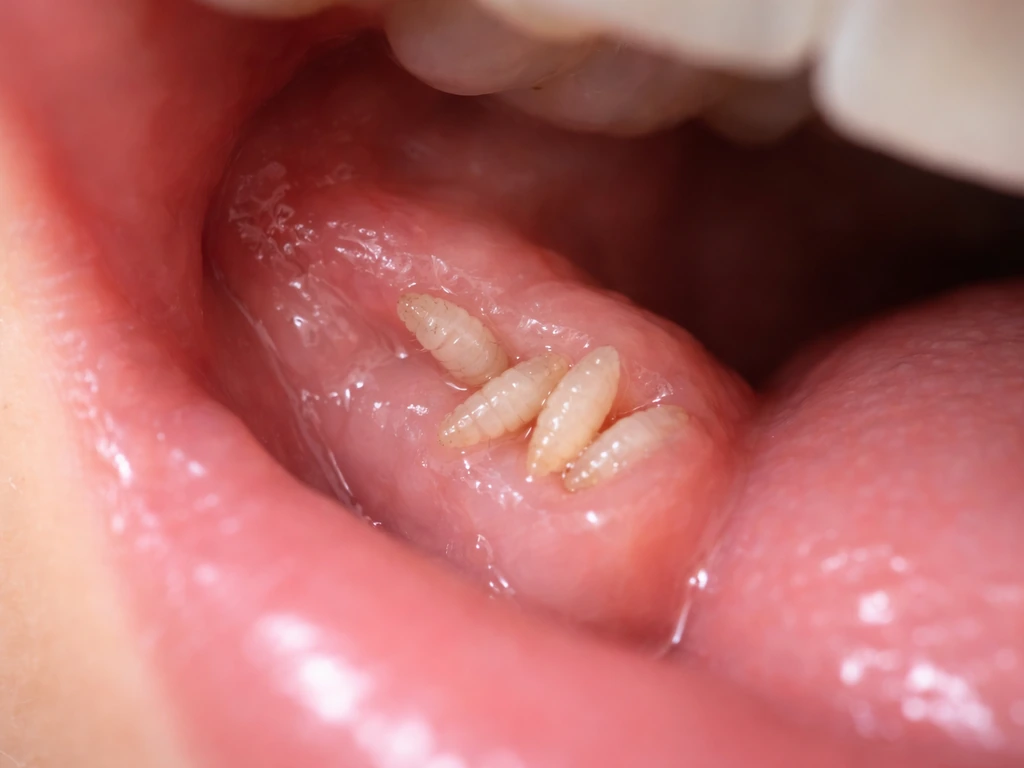
Oral myiasis is the infestation of oral tissues by fly larvae. Published case reports describe larvae found in gingival tissue (the gums), particularly in patients with severe periodontitis, suppurating wounds, poor oral hygiene, or impaired ability to care for their mouths. These are extremely rare cases, typically involving patients who are unconscious, have severe neurological impairment, or live in environments with high fly exposure. If you are a healthy adult reading this at home, oral myiasis is not what you have. But it is real, and it does affect oral soft tissue, not tooth enamel.
Filarial worms and oral dirofilariasis
A handful of case reports describe filarial worms, specifically Dirofilaria repens, found in the oral cavity, including the buccal mucosa (inner cheek) and buccal vestibule. In these cases, patients presented with a swelling or lump in oral soft tissue. The worm was identified after surgical excision and histopathological examination of the tissue under a microscope. This is not a "worm in a tooth." It is a worm encapsulated in connective tissue of the cheek or gum, presenting as a lump. These cases are reported from regions where Dirofilaria transmission via mosquito bites is more common.
The takeaway: if there is actually something parasitic going on in an oral context, it shows up as a lump or lesion in soft tissue, it is diagnosed by surgical biopsy, and it is treated by a medical or surgical team, not by a dentist cleaning your teeth. The treatment for confirmed helminth infections involves medications like albendazole or ivermectin prescribed by a physician, not dental procedures.
Red flags that mean you need urgent care today
Whether the cause is a dental abscess, deep infection, or something else entirely, certain symptoms mean you should not wait. A dental infection can spread to the jaw, throat, and neck, and in severe cases it can trigger sepsis, which is a life-threatening systemic response to infection. Do not delay if you have any of the following: AAE’s dental emergency assessment tool uses specific triage indicators such as swollen gums or face (possible dental abscess), fever, and trouble opening the mouth AAE dental emergency assessment triage indicators.
- Fever at or above 38°C (100.4°F) alongside tooth or gum pain
- Swelling in your face, jaw, cheek, or the floor of your mouth
- Difficulty opening your mouth (trismus/lockjaw) or trouble swallowing
- Severe pain that is not responding to over-the-counter pain relievers
- A visible lump or swelling near the root of a tooth that feels like it is pointing outward
- A foul taste in your mouth that keeps returning, especially with pressure on the area
- Swelling or movement of a lump under the cheek, lip, or gum that was not there before
The first five on that list are classic abscess warning signs. The last one, a lump appearing in soft tissue, is what would actually prompt investigation for something like oral dirofilariasis in high-risk geographic areas. In either case, go to an emergency dentist or an emergency room if your dentist is unavailable. Spreading dental infections can escalate within hours.
What to do if you actually see something in the tooth or gums
Stay calm and do not use sharp objects to probe or scrape. Here is a practical step-by-step approach:
- Rinse gently with warm (not hot) salt water. This can flush out debris and reduce bacterial load temporarily. Do not use undiluted hydrogen peroxide or alcohol-based rinses on open tissue.
- Try flossing or using an interdental cleaner near the area. If what you are seeing or feeling disappears after flossing, it was almost certainly trapped food or debris, which is the most common cause of this sensation.
- Look carefully in good lighting. If you see something that looks like a white thread, filament, or small white speck in the gum tissue rather than on the surface, do not touch it with a pin or toothpick. Take a photo if you can, and show it to a dentist.
- Avoid self-extracting or probing any visible lesion or lump. Cases of actual oral parasites in the literature were identified after professional surgical excision and lab examination, not by poking at home.
- Contact a dentist and describe exactly what you see and feel. If you cannot reach a dentist and you have any of the red flag symptoms listed above, go to an emergency room.
If you are a parent and your child says they feel something moving or crawling in a tooth or gum area, look for visible swelling, redness, or a tooth that appears darker than the others (a sign of a dying nerve). These warrant a same-day or next-day dental call. If the sensation is along the gumline where a new molar is erupting, that is typically normal pressure from tooth movement, though it is still worth mentioning at the next appointment.
How dentists actually diagnose and treat the real problem
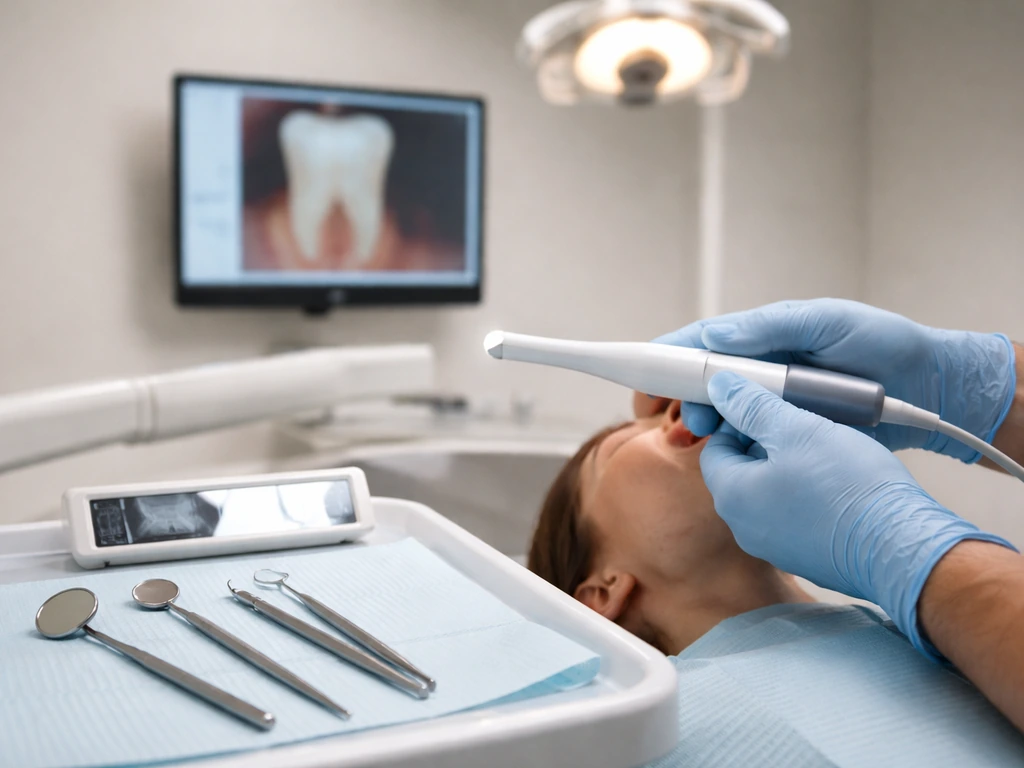
A good dentist will not guess. They work through a systematic clinical process to figure out exactly what is happening before recommending treatment.
The diagnostic process
Endodontic and general dental evaluation typically includes a combination of clinical history (where does it hurt, what triggers it, how long has it been going on), visual oral examination for decay, gum inflammation, swelling, or sinus tracts, percussion and palpation testing (tapping on the tooth and pressing around the root to locate periapical involvement), pulp vitality testing (cold or electric tests to determine if the nerve is alive or dying), periodontal probing to check pocket depth and identify periodontal versus endodontic infection, and dental X-rays to reveal bone loss, abscess formation, root damage, and decay not visible to the eye. If a soft tissue lump is present and not explained by standard dental findings, the dentist may refer you to an oral and maxillofacial surgeon for evaluation, which could include a biopsy.
Treatment options based on what is found
| Condition | Primary Treatment | Notes |
|---|---|---|
| Dental abscess (localized) | Root canal or extraction plus drainage if needed | Antibiotics only if systemic symptoms (fever, swelling spreading) are present; not a substitute for definitive treatment |
| Pulpitis (reversible) | Filling or dental restoration to remove decay and seal tooth | If caught early, the nerve may recover |
| Pulpitis (irreversible/necrotic pulp) | Root canal therapy or extraction | The nerve is dead or dying; it must be removed |
| Gum disease / periodontitis | Deep cleaning (scaling and root planing), possible antimicrobial rinses | Severe cases may need surgical intervention |
| Trapped food/debris | Flossing, professional cleaning | Simple and immediate resolution in most cases |
| Oral myiasis (if confirmed) | Surgical removal of larvae, debridement, wound care | Managed with oral medicine or surgery specialist; very rare |
| Oral dirofilariasis (if confirmed) | Surgical excision of lesion, histopathologic identification | Antiparasitic medication prescribed by physician; not a dental-only treatment |
The ADA's guidance on antibiotic stewardship is worth noting here: dentists are increasingly avoiding antibiotics for localized dental pain and swelling in otherwise healthy patients. The definitive fix is the procedure, whether that is draining the abscess, performing a root canal, or extracting the tooth. Antibiotics alone do not resolve a dental infection and should be reserved for cases with fever, spreading swelling, or systemic involvement.
The truth about teeth "growing back" and why it matters here
Part of why this question comes up is a broader confusion about what teeth can and cannot do biologically. Some people wonder if the strange sensation in a tooth is something "growing" there, whether a parasite or something else. So here is the biological reality, because it directly addresses that fear.
Mature dental enamel is acellular, meaning it has no living cells once it forms. It cannot regenerate itself. When enamel is lost to decay or erosion, it is gone. Fluoride can support remineralization of very early, superficial enamel lesions by helping calcium fluorapatite form on the surface, but that is a surface-level mineral exchange, not true tissue regrowth. Dentin has slightly more biological activity: secondary dentin forms naturally over time, and tertiary (reparative) dentin can be produced by pulp cells in response to mild injury. But this is a biological repair process, not the kind of regrowth that replaces lost tooth structure in any meaningful clinical way.
Humans get exactly two sets of teeth: primary (baby) teeth and permanent (adult) teeth. Children lose baby teeth and grow permanent replacements on a predictable timeline. Adults do not get a third set. Wisdom teeth are the last permanent teeth to erupt, typically between ages 17 and 25, and their eruption can cause pressure, pain, and very strange sensations in the back of the jaw that sometimes prompt this kind of worried searching.
If you are in your late teens or early twenties and feeling something pushing through in the back of your mouth, that is almost certainly a wisdom tooth, not a worm. Similarly, the sensations around tonsil stones or cysts in adjacent head and neck anatomy can be confusing, but those are distinct from tooth structure and are worth understanding separately.
Tonsil stones can sometimes feel sudden, but if you are wondering whether they can appear overnight, it helps to know what causes them and when to get checked. Ovarian cysts can sometimes be associated with calcifications or dense tissue-like changes, which may spark odd stories online, but they are not the same as teeth growing in the mouth.
Tonsil stones have their own growth cycle, so understanding how do tonsil stones grow can help you target the right cause instead of looking for worms in the tooth.
The bottom line on regrowth: nothing biological is "growing" inside a tooth that would explain a crawling or movement sensation. What grows in a tooth is decay (bacterial destruction of mineral structure) and occasionally pulp inflammation. Neither of those is a parasite, and neither can be wished away with home remedies.
Prevention and when to follow up
Most of the conditions that cause "worm-like" sensations in teeth and gums are entirely preventable with consistent oral hygiene and regular dental care. Here is what actually works:
- Brush twice daily with a fluoride toothpaste. Fluoride supports the remineralization process and helps prevent the enamel breakdown that leads to decay and abscesses.
- Floss or use interdental cleaners daily. Food and bacteria trapped between teeth and along the gumline are direct causes of gum disease and cavities. This one habit prevents a huge proportion of the sensations people mistake for something else.
- Use an antimicrobial mouth rinse if your dentist recommends one, especially if you have active gum disease. This reduces the bacterial load that drives periodontal infection.
- See a dentist every six months for a professional cleaning and exam, or more frequently if you have a history of gum disease, abscesses, or high decay risk.
- Do not ignore early warning signs. A mild ache, temperature sensitivity, or slight gum swelling is much easier and less expensive to treat than a full abscess or tooth loss.
- If you have recently traveled to a region with higher rates of helminth or filarial infections and you develop a soft tissue lump in your mouth, tell both your dentist and your primary care physician. Geography matters for differential diagnosis of rare oral parasitic lesions.
Follow-up timing depends on what your dentist finds. After a root canal or abscess drainage, you typically need a follow-up appointment within a few days to a week to confirm healing, and another visit in a few months for a final restoration (crown or filling). If symptoms return after treatment, go back sooner rather than later. Recurring pain after dental treatment can sometimes indicate a missed canal, a crack, or an adjacent tooth problem, all of which are diagnosable and treatable. The one thing you should not do is sit with unexplained dental pain and assume it will resolve on its own.
FAQ
If it feels like something is crawling in my tooth, what else could it be besides worms?
Even if you can see a “moving” sensation, teeth cannot host parasites. Common alternatives include a tooth abscess, a dying nerve, gum infection, wisdom tooth eruption pressure, or nerve-related pain. If the symptom is new, worsening, or tied to one specific tooth, treat it as dental and get evaluated rather than trying to confirm “worms.”
Is it safe to try to scrape or remove whatever is “moving” from my tooth or gums?
Do not put tweezers, needles, toothpicks, or other sharp objects into the gum or tooth area. This can drive infection deeper, cause bleeding, and delay proper diagnosis. If you suspect irritation or swelling, rinse gently with warm salt water and arrange an urgent dental visit.
Will antibiotics cure a tooth infection if I think I have a parasite or abscess?
Antibiotics may be recommended only when there are signs of spreading infection, such as fever, rapidly increasing swelling, difficulty swallowing or breathing, or feeling very ill. For localized tooth pain or a contained abscess, the best “fix” is usually definitive treatment (drainage, root canal, extraction). Ask the dentist what findings support antibiotics in your case.
How can I tell whether a white bump near the gum is an abscess versus something like oral myiasis?
“Pus” can look like a white bump or drainage near the gumline, but that usually reflects an abscess related to pulp or root infection, not larvae or worms. True oral myiasis is extremely uncommon and typically occurs alongside major risk factors like severe periodontitis with open wounds and high exposure environments. A dentist or oral surgeon can distinguish these with an exam and, if needed, biopsy.
What happens if my dentist finds a lump but can’t find a tooth source?
If you have a dental lump or swelling that is not explained by tooth decay, gum disease, or a clear abscess, the clinician may refer you to an oral and maxillofacial surgeon. They can evaluate for non-tooth causes and decide whether imaging and a biopsy are appropriate. Biopsy is how rare parasites in soft tissue are confirmed.
Could clenching, anxiety, or nerve pain cause worm-like sensations in teeth?
If you feel “movement” during sleep, stress, or after caffeine, it can be nerve-related or clenching-related rather than a live organism. Still, sensations on one tooth side, especially with sensitivity to hot or cold or chewing pain, should be assessed because pulp inflammation or cracks can produce odd symptoms.
When my child is teething, how do I know when it’s not a “worm” feeling?
If your child points to the gumline or the back of the mouth during teething, normal eruption pressure can cause discomfort and unusual sensations, and it is not parasitic. However, fever, facial swelling, trouble eating, or persistent severe pain are not “normal teething,” and they warrant same-day medical or dental assessment.
What should I do if I can’t see a dentist immediately and the pain is getting worse?
If you are truly unable to access a dentist quickly, go to an emergency dentist or emergency room if you have warning signs like fever, rapidly spreading swelling, trouble swallowing, difficulty breathing, or a neck/floor-of-mouth swelling. These can indicate deep space infection, which needs immediate treatment.
Is there any home test to confirm parasites in my mouth or tooth?
You cannot realistically “test” at home for worms in a tooth. Trying to force drainage or collect material can worsen injury and may not identify anything. The practical next step is imaging and exam, since most causes of worm-like sensations are endodontic or periodontal.
If I already had dental work for pain, why might the symptoms come back?
If you recently had a root canal or drainage but the sensations return, that is a reason to get rechecked promptly. Recurrence can come from an incompletely treated canal, a cracked tooth, an adjacent tooth problem, or persistent infection that needs revision.
Next Articles
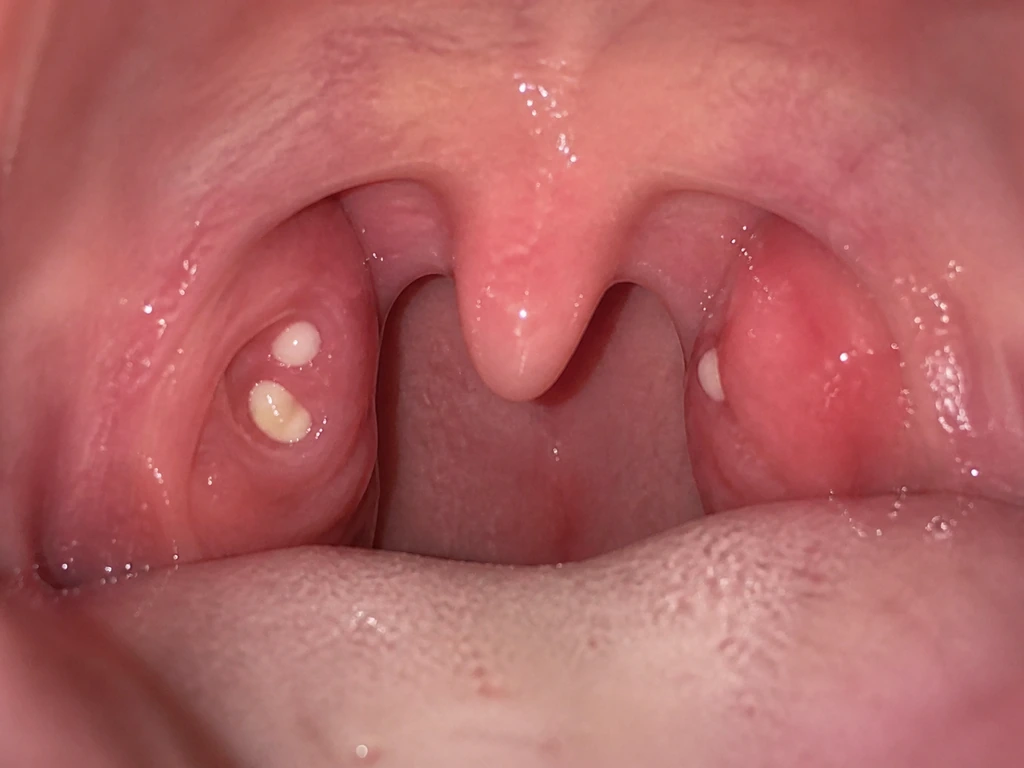
Can Tonsil Stones Grow Overnight? What to Do Now
Can tonsil stones appear overnight? Learn why they’re noticed fast, what to do now safely, and how to prevent recurrence
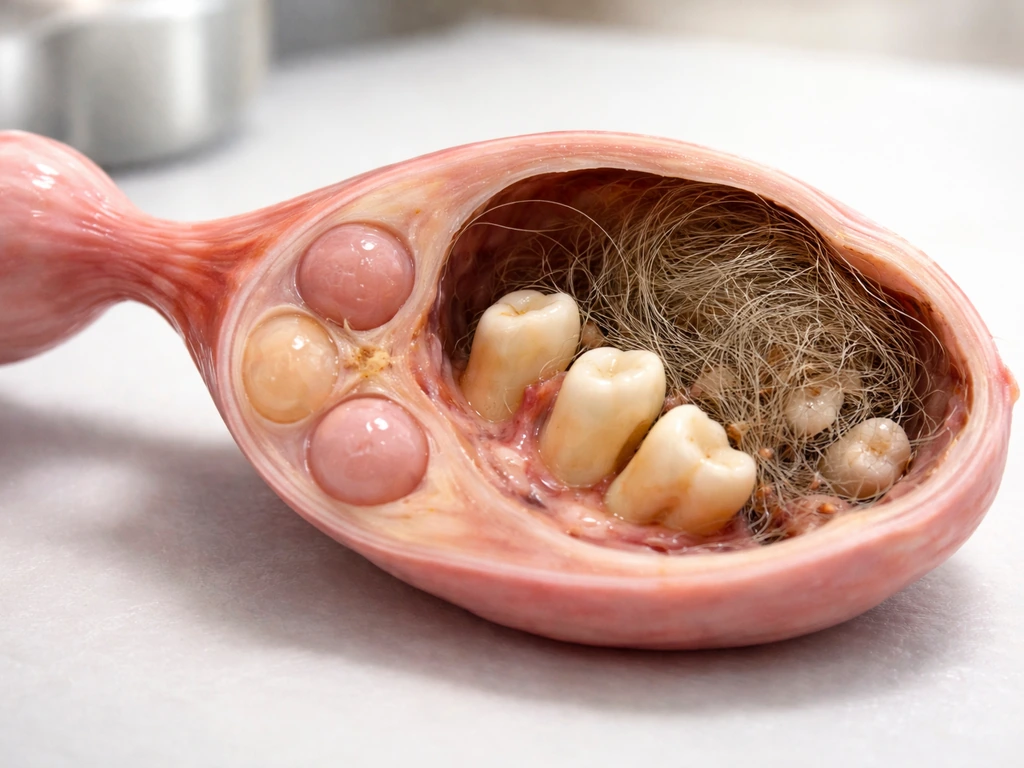
Why Do Ovarian Cysts Grow Teeth? What Really Happens
Learn why people say ovarian cysts grow teeth: teratomas can contain hair, bone, and tooth-like tissue, not regrowth.
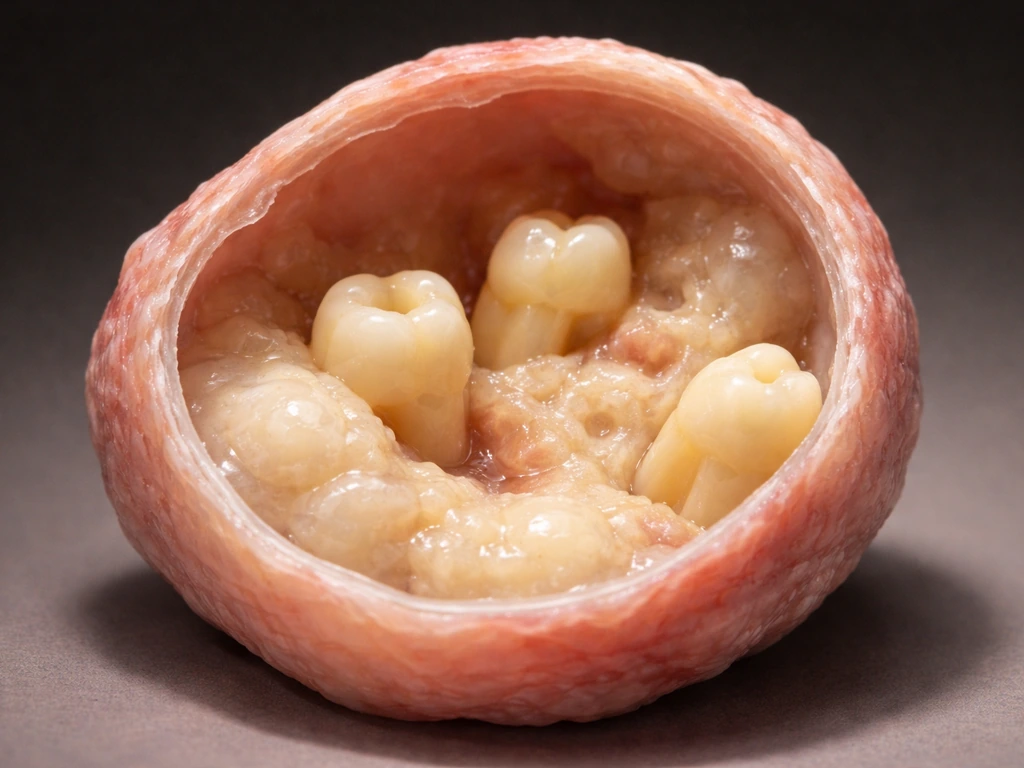
How Do Dermoid Cysts Grow Teeth? Causes, Symptoms, Treatment
Learn how dermoid cysts can form tooth-like material, what symptoms appear, and how doctors diagnose and treat them.