
Tonsil stones can absolutely seem to appear overnight, but the full story is a little more nuanced. A completely new, calcified stone doesn't mineralize from scratch in a few hours. What actually happens is that a stone was already forming inside a tonsillar crypt, hidden beneath the surface, and then shifted position, loosened, or grew just enough to become visible or noticeable. So yes, you can wake up and suddenly feel or see something that wasn't there yesterday. That doesn't mean it formed overnight. It means it finally revealed itself.
Can Tonsil Stones Grow Overnight? What to Do Now

Marcus Holloway
21 May 2026
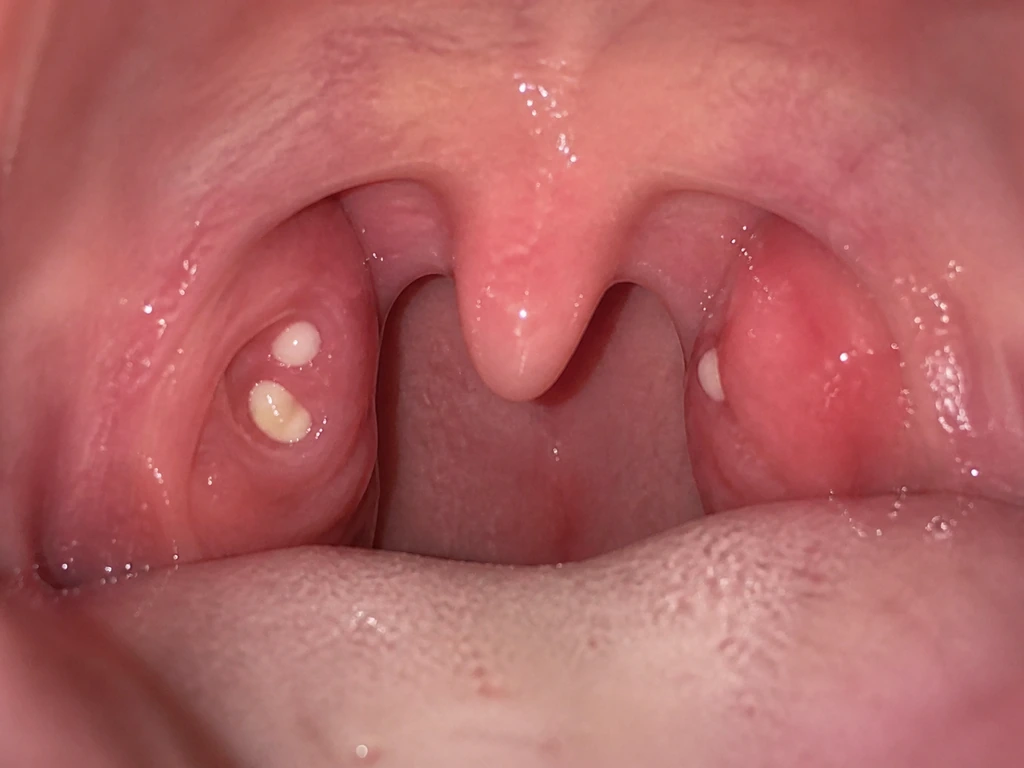
Can tonsil stones actually form that fast?
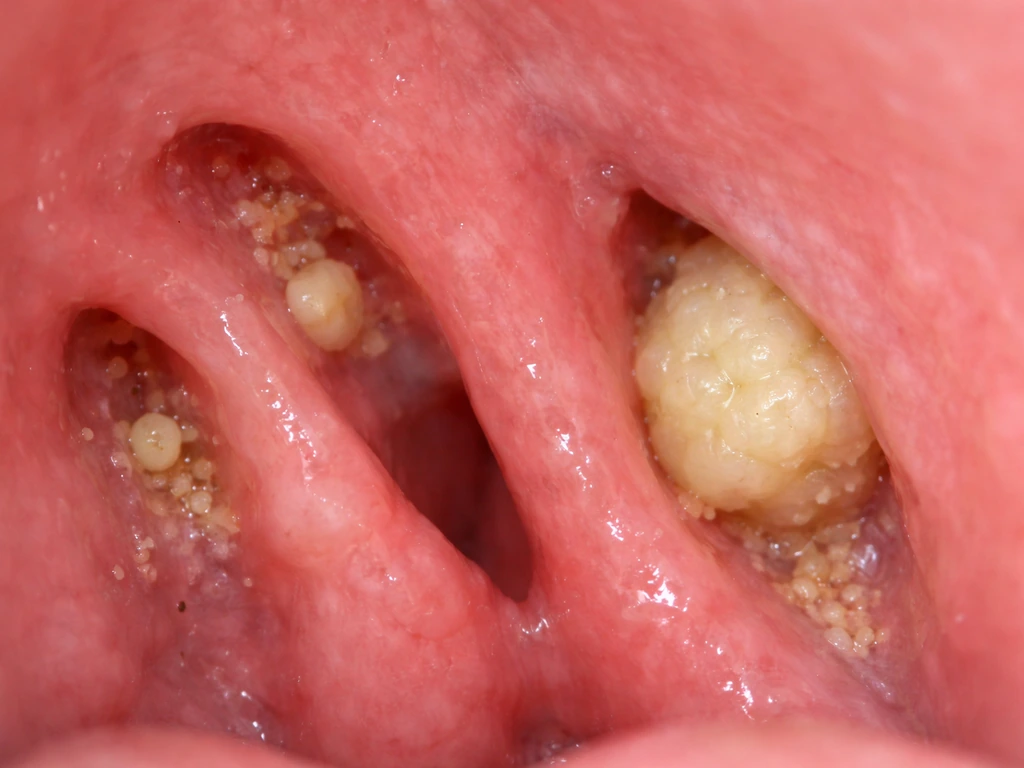
The short biological reality: tonsil stone formation is a gradual process. Tonsilloliths (the clinical name) are calcified accumulations of food debris, dead cells, bacteria, mucus, and saliva that get trapped in the folds of your tonsils, called crypts. Over time, that trapped material hardens. That mineralization process takes days to weeks, not hours.
But here's where the "overnight" experience makes complete sense: the crypts in your tonsils can be surprisingly deep. A stone can grow inside one of those pockets without ever being visible from the outside. Then, something shifts. Maybe you slept with your mouth open and dried things out. Maybe mild inflammation caused a crypt to widen slightly. Maybe the stone just got big enough to peek out. Suddenly, what felt like nothing yesterday is now a noticeable lump or bad taste this morning. The stone didn't appear overnight. It became detectable overnight. That's an important distinction.
One more thing worth clearing up: tonsil stones are not teeth, enamel, or any kind of regenerating dental tissue. They're calcium deposits in soft tissue, more like a calcified clump of gunk than anything the body deliberately grows. Your body isn't "regrowing" them the way it might develop a tooth. It's just accumulating debris in a spot that's hard to clean. There's nothing biologically purposeful about it.
What causes rapid buildup: debris, bacteria, and tonsil crypts
Your tonsils are covered in small folds and pockets. Those crypts are part of your immune system's design, meant to trap pathogens and help your body respond to them. The downside is that they also trap everything else: food particles, dead epithelial cells, bacteria, and mucus from post-nasal drip. Once that material gets lodged deep in a crypt, it's hard to flush out naturally.
Bacteria then colonize that trapped debris. The bacterial activity produces sulfur compounds, which is where the distinctive bad smell comes from. Over time, saliva minerals cause the debris to calcify, hardening it into the white or yellowish lumps people find alarming. The deeper and more irregular your crypts, the more material they can trap, and the more likely you are to develop stones repeatedly.
Certain factors accelerate buildup. People with a history of tonsil infections tend to develop larger, deeper crypts as scar tissue forms after each bout of swelling. That structural change means more surface area for debris to accumulate. Chronic mouth breathing, dry mouth, poor oral hygiene, and smoking all contribute as well. Smoking in particular irritates and inflames tonsil tissue, which can encourage more trapping. Even dairy-heavy diets have been anecdotally linked to increased mucus and debris in some people, though that connection is less studied.
Tonsil stones vs. other throat issues: how to tell them apart
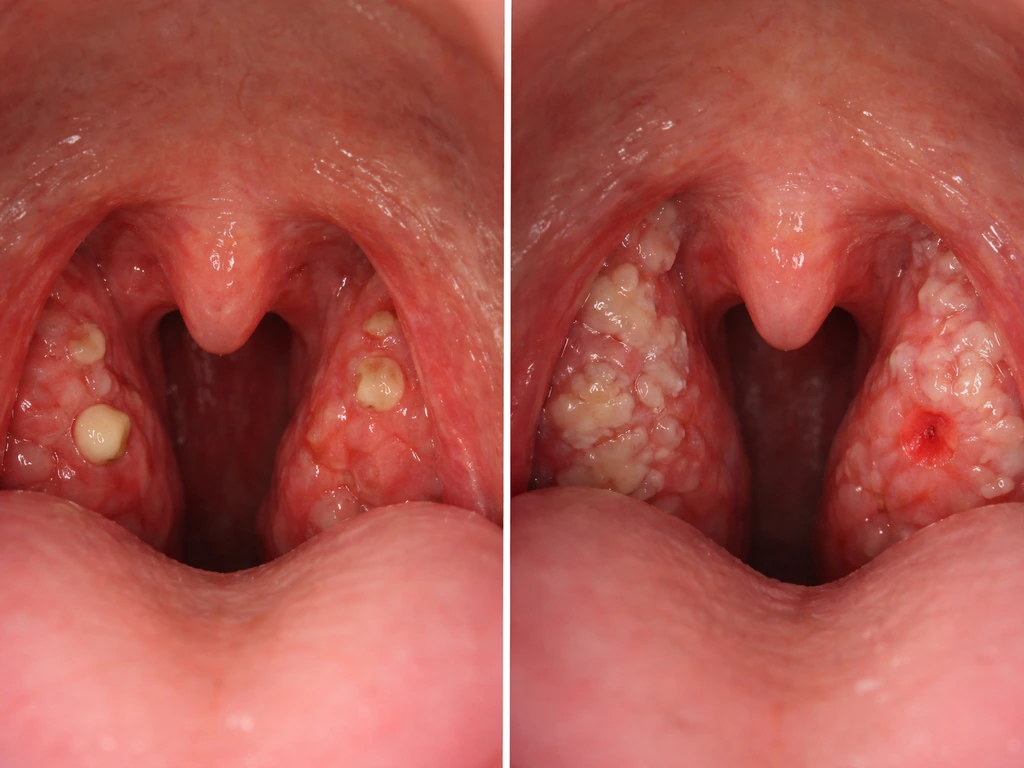
Not everything that hurts or looks white in the back of your throat is a tonsil stone. Before you start poking around, it helps to know what you're actually dealing with.
| Condition | Appearance | Key Symptoms | Fever? |
|---|---|---|---|
| Tonsil stones | White/yellow lumps in tonsil pockets | Bad breath, mild sore throat, ear pain, bad taste | Usually no |
| Strep throat / bacterial tonsillitis | Red, swollen tonsils; possible white patches | Severe sore throat, pain swallowing, fever, swollen lymph nodes | Often yes |
| Viral tonsillitis | Red, inflamed tonsils | Sore throat, fatigue, runny nose, cough | Sometimes |
| Oral thrush | White coating on tongue/tonsils that smears off | Soreness, altered taste, often in immunocompromised or after antibiotics | Rarely |
| Peritonsillar abscess | Swelling on one side, uvula displaced | Severe unilateral pain, muffled voice, difficulty opening mouth | Usually yes |
| Dental/gum source of bad breath | Normal-looking tonsils | Bad breath without throat symptoms | No |
The big differentiator for tonsil stones is that the discomfort is usually mild, there's typically no fever, and you can often actually see the white or yellowish deposit sitting in a crypt. If you have a high fever, severe pain, trouble swallowing, or the swelling appears to be mostly on one side of your throat, don't assume it's a stone. That's a reason to get seen.
Bad breath alone doesn't confirm tonsil stones either. Dental and periodontal issues (like gum disease, a cracked tooth, or decay) are common sources of persistent bad breath. If you’re wondering whether can worms grow in your teeth, that’s a different issue than tonsil stones and is usually tied to dental causes rather than calcified debris in tonsil crypts dental and periodontal issues. If your tonsils look clear but the bad breath won't quit, a dental visit makes more sense than assuming tonsil stones are the culprit.
What you can do today at home
If you're confident you're dealing with tonsil stones (you can see them, there's no fever, and the discomfort is mild), there are a few safe steps to try today.
- Gargle with warm salt water. Mix 1 teaspoon of salt into 8 ounces of warm water and gargle for 30 to 60 seconds. Do this after eating and before bed. It helps dislodge loose debris and reduces the bacterial load in your mouth and throat.
- Stay well hydrated. Drinking plenty of water keeps saliva flowing, which naturally washes debris out of crypts before it has a chance to accumulate. Dry mouth is a contributing factor, so staying hydrated works against stone formation.
- Brush your teeth and tongue thoroughly. Brush at least twice a day, including the surface of your tongue, which harbors a significant amount of the bacteria that fuel stone formation. Morning and before bed are the most important times.
- Use a low-pressure water irrigator carefully. A water flosser set to the lowest pressure setting can help flush shallow tonsil crypts. Do not aim it aggressively directly into the crypts. Gentle rinsing around the area is the goal, not blasting.
- Try gentle gargling with movement. Some people find that gargling while tilting their head at different angles helps shift stones that are already loosening. Nothing forced, just letting the water movement do the work.
- Do not poke or prod with fingers, cotton swabs, or sharp objects. Manually digging at tonsil stones can cause bleeding, push debris deeper, and introduce infection. It sounds tempting but the risk of complications is real.
Many tonsil stones loosen and fall out on their own, especially smaller ones. A lot of the time, people swallow them without even realizing it. The goal with home care is to encourage that natural process and reduce the debris that feeds new stone formation, not to force removal.
When to see a clinician

Home care works well for minor, uncomplicated tonsil stones. But there are clear situations where you need professional eyes on the problem.
- You have a fever above 101°F alongside throat symptoms (this suggests bacterial infection, not just stones)
- You have severe pain when swallowing or opening your mouth
- Swelling or pain is noticeably worse on one side only (this can indicate a peritonsillar abscess, which is a serious complication)
- You notice your tonsils look red, are bleeding, or have an unusual texture that doesn't match what a typical stone looks like
- You have ear pain combined with persistent sore throat (this warrants evaluation to rule out infection)
- You've tried home care for a week or more and the stone hasn't budged and symptoms are worsening
- You have difficulty breathing or your voice sounds muffled
- Tonsil stones keep coming back repeatedly, significantly affecting your quality of life
If you visit a clinician, they can remove stones safely during an office visit. When bacterial tonsillitis or strep is identified alongside the stones, antibiotics are appropriate. For persistent or large stones that haven't moved, imaging like a CT scan can confirm the diagnosis and rule out other calcified lesions. For people with chronic recurrence that seriously affects their life, an ENT can discuss whether tonsillectomy makes sense based on established criteria. That's not a decision made lightly, but it is a real and effective option for the right cases.
Prevention strategies to stop them coming back
Here's the honest truth about prevention: you can significantly reduce how often tonsil stones form, but if you have deep, irregular tonsillar crypts, you may always be somewhat prone to them. Good oral hygiene doesn't fully eliminate the risk, but it meaningfully lowers it. Think of prevention as ongoing maintenance, not a one-time fix.
- Brush twice daily, including your tongue, to reduce the bacterial populations that colonize trapped debris
- Gargle with warm salt water after eating, especially after meals with dairy, soft bread, or other sticky foods that lodge easily in crypts
- Use a low-pressure water irrigator regularly (not just when you notice a stone) to flush crypts before debris has a chance to accumulate and calcify
- Quit smoking if you smoke. Smoking inflames tonsil tissue and encourages the structural changes that make stones more likely
- Stay hydrated throughout the day to support natural salivary flushing
- Manage post-nasal drip if it's chronic. Excess mucus draining down the throat contributes debris to the crypts. Treating allergies or sinus issues can reduce this
- See your dentist regularly. Dental and gum health affects the overall bacterial environment in your mouth, which influences what ends up in your tonsillar crypts
If stones recur frequently despite consistent prevention habits, that's the point at which the conversation with an ENT about longer-term options becomes worthwhile. If you have recurrent tonsil stones despite consistent prevention habits, Healthline recommends discussing the issue with an ENT or clinician for longer-term options recur frequently despite consistent prevention habits. The biology of deeply scarred or enlarged crypts doesn't change with hygiene alone.
Timeline: how long stones take to form, and how fast things improve
Full mineralization of a tonsil stone takes days to weeks. Understanding the timeline can help you separate true growth from a stone that was already forming in a tonsillar crypt how do tonsil stones grow. Small, soft deposits can accumulate in days. Harder, larger calcified stones typically represent weeks to months of ongoing debris buildup. This is why someone who had a tonsil infection (which deepens and widens crypts) may notice new stones appearing more frequently in the months that follow. The structural damage from the infection creates more trapping surface.
On the improvement side, things can move quickly once a stone loosens. Many people notice their bad breath and throat discomfort resolve within a day or two of a stone dislodging, either on its own or with help from salt water gargling. The underlying bad breath from bacteria in the crypt often clears up fast once the source is gone.
Recurrence is the bigger challenge. Without addressing the contributing factors (oral hygiene, hydration, smoking, post-nasal drip), new stones can begin forming again within days of the old ones clearing. That's not a sign that treatment failed. It's a sign that the crypts are still there and still prone to trapping debris. This is why consistent prevention habits matter more than any single removal episode.
If you're wondering how tonsil stone growth compares to other unusual calcified formations in the body, the mechanism here is actually quite different from things like dermoid cysts or ovarian cysts that occasionally contain tooth-like structures. Those involve embryological tissue and are a completely separate biological phenomenon. Tonsil stones are simply calcium deposits from trapped organic material, with no regenerative or developmental biology involved. If you're wondering why ovarian cysts seem to change shape or even cause unusual findings, the biology can be quite different from tonsil stones.
FAQ
If I can see a tonsil stone this morning, does that mean it formed overnight?
Not necessarily. Visible stones often were already forming deeper in a tonsillar crypt and only became noticeable after the stone shifted, dried out around it, or widened slightly from inflammation. True mineralization from new debris usually takes days to weeks, not a few hours.
What should I do if I keep getting the “morning bad taste” even after the stone seems to fall out?
Treat it as likely ongoing crypt trapping, not an immediate recurrence that must be a new stone every time. Focus on hydration, daily oral hygiene, and reducing post-nasal drip (for example, managing allergies) because bacteria fuel sulfur odor in whatever debris remains in crypts.
Can I pop a tonsil stone out with a cotton swab or toothpick?
It can cause bleeding and irritation, and that can make crypts more inflamed and trap more material. If you do any at-home loosening, prefer gentle gargling (warm salt water) and letting the stone dislodge on its own rather than digging into the tonsil tissue.
Are there situations where a white spot in the throat is not a tonsil stone?
Yes. White patches with significant sore throat, high fever, swollen lymph nodes, or trouble swallowing can be infection-related (like strep) rather than a tonsillolith. Also consider mouth ulcers or tonsil inflammation. If symptoms are severe or worsening, get evaluated.
How can I tell whether my bad breath is from tonsil stones versus dental problems?
If you can’t see stones, and the main issue is persistent mouth odor, gum bleeding, or sensitivity, dental or periodontal causes are more likely. A practical approach is to address both, but prioritize a dental visit if your tonsils look clear and the odor persists despite gargling and good oral hygiene.
Do tonsil stones ever need emergency care?
Most do not, but seek urgent care if you have trouble breathing, drooling, inability to swallow liquids, severe one-sided throat swelling, or rapidly escalating pain. Those red flags suggest something beyond a simple tonsil stone.
Is it normal for tonsil stones to keep coming back quickly after removal?
It can be. Without changing the contributing factors, new debris can start collecting again and become detectable within days. Recurrence is often about persistent deep or irregular crypts, not that the last removal failed.
Can antibiotics help if I have tonsil stones but no fever or signs of infection?
Usually not. Tonsil stones are primarily calcified debris in crypts, and antibiotics are typically reserved for bacterial tonsillitis or strep when infection is identified. If you suspect infection symptoms, get tested rather than starting antibiotics on speculation.
Are dairy-heavy diets a reason my tonsil stones are worse?
It’s not a well-proven cause, but some people notice more mucus or throat clearing with high dairy intake, which could indirectly increase debris trapping. If you suspect a link, try a short, controlled reduction and monitor changes rather than making permanent assumptions.
When should I consider seeing an ENT about tonsil stones?
Consider an ENT if you have frequent, large, or painful stones, significant impact on your daily life, or repeated recurrence despite consistent prevention. They can discuss options like in-office removal and, in selected cases, whether tonsillectomy meets established criteria.
What is the most effective prevention step if I only change one habit?
Improving hydration is often the highest-return starting point because dry mouth can make debris harder to clear and more likely to collect. Pair hydration with gentle, consistent oral hygiene and managing any post-nasal drip or smoking exposure.
Next Articles
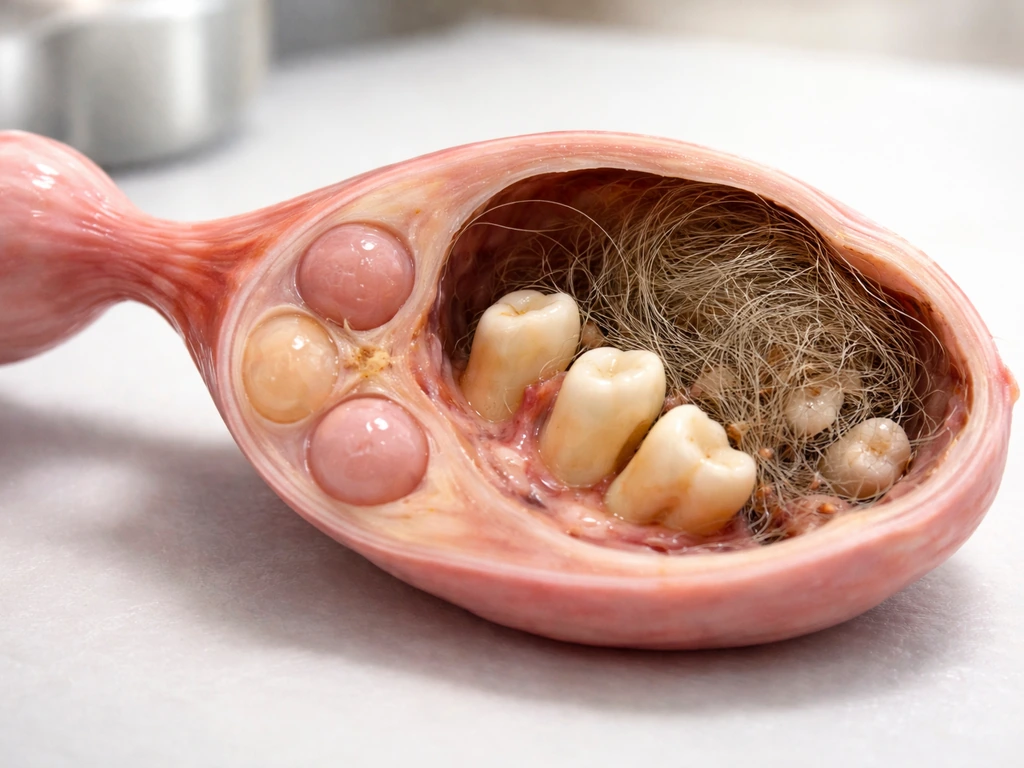
Why Do Ovarian Cysts Grow Teeth? What Really Happens
Learn why people say ovarian cysts grow teeth: teratomas can contain hair, bone, and tooth-like tissue, not regrowth.
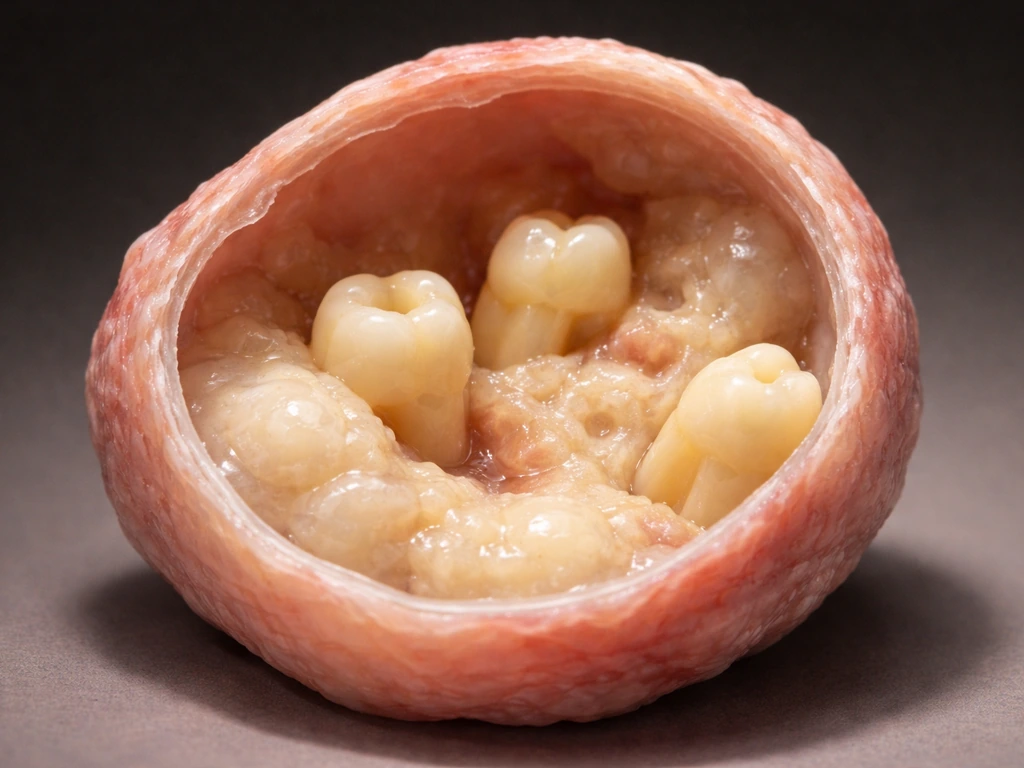
How Do Dermoid Cysts Grow Teeth? Causes, Symptoms, Treatment
Learn how dermoid cysts can form tooth-like material, what symptoms appear, and how doctors diagnose and treat them.
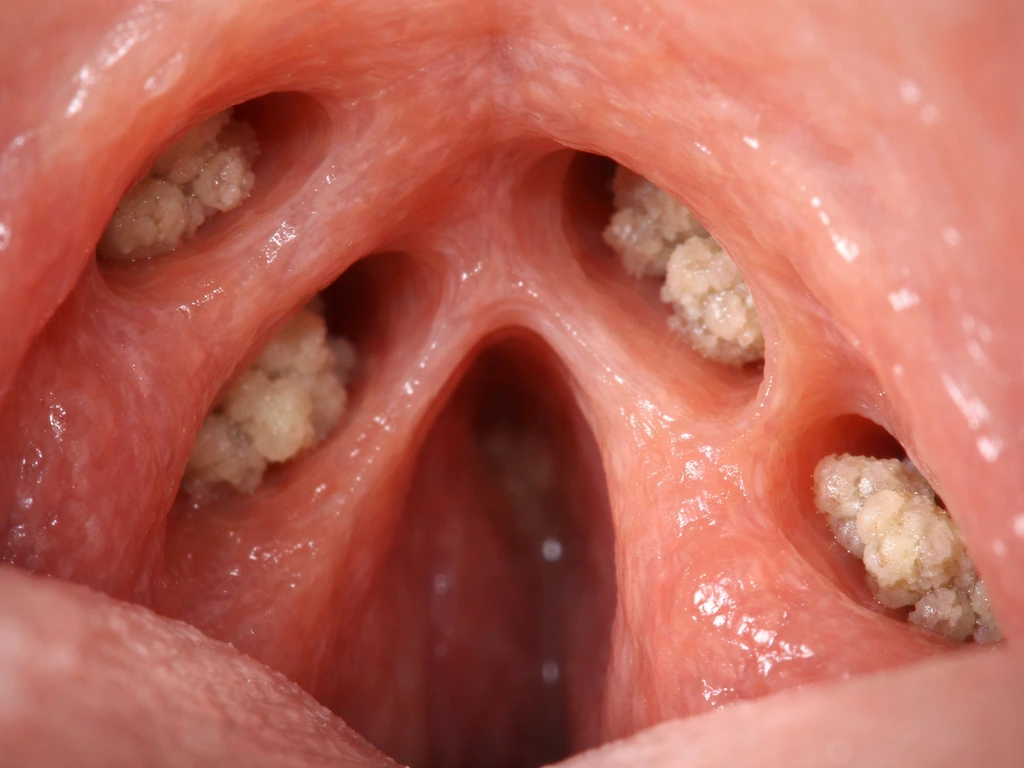
How Do Tonsil Stones Grow? Timeline and Recurrence Explained
Explains how tonsil stones form in crypts, how long growth takes, why they recur, and what to do for faster relief.