No, a permanent tooth will not grow back
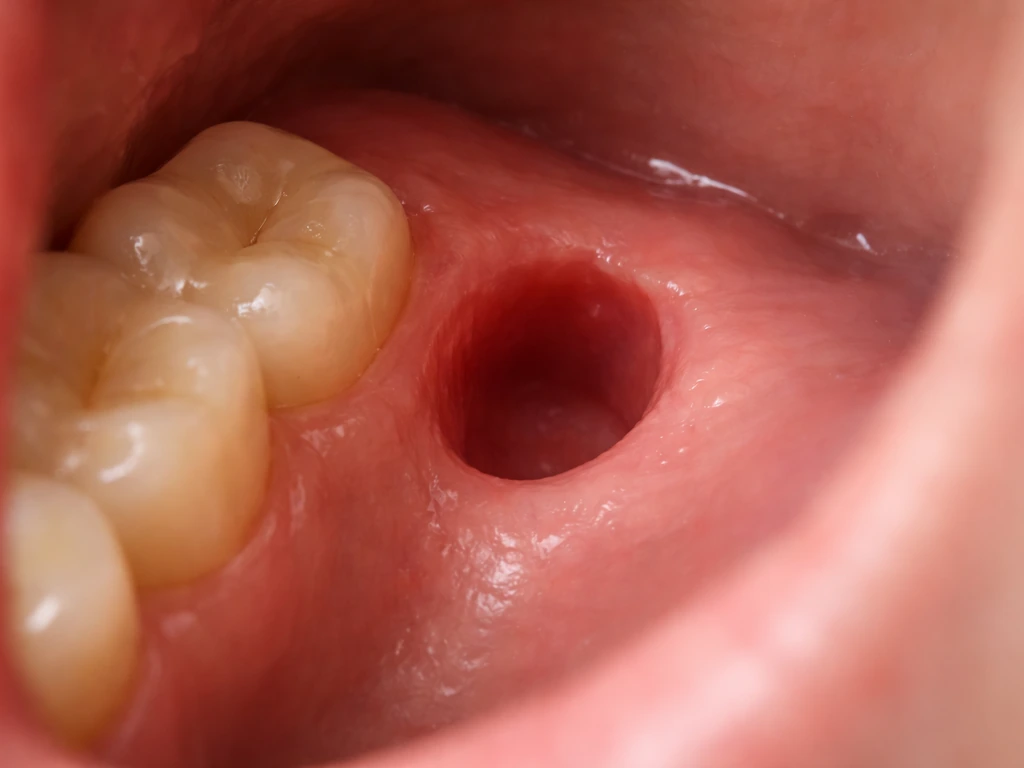
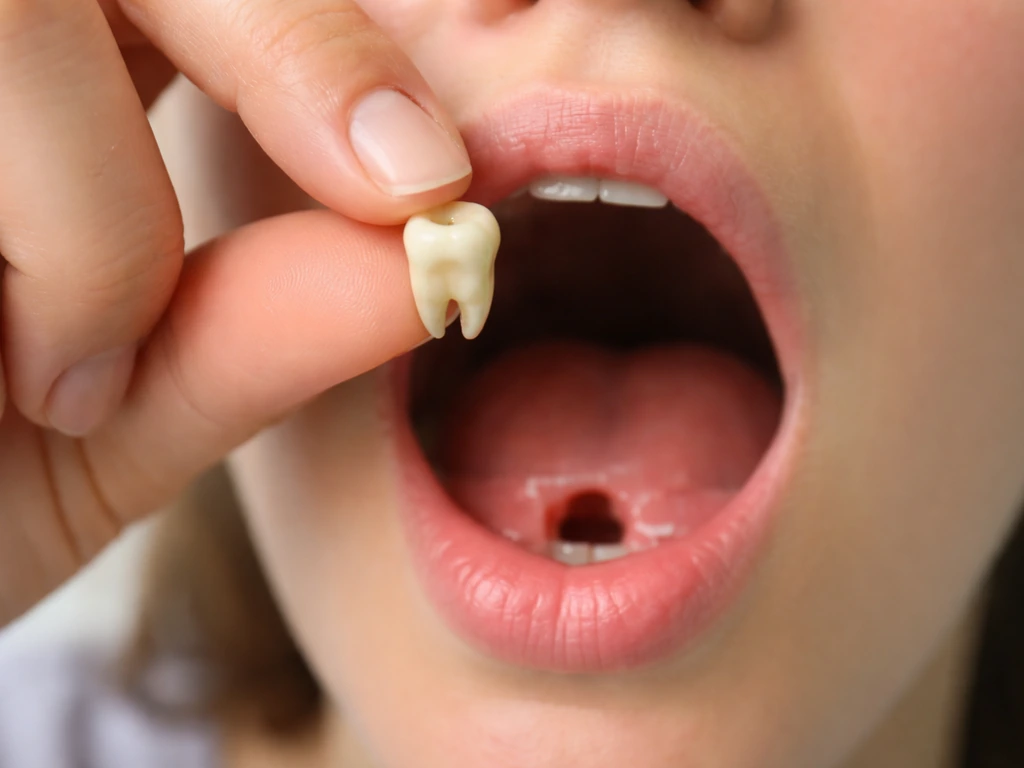
Here's the short answer: if a permanent (adult) tooth falls out, it will not grow back on its own. Ever. Humans only get two sets of teeth, and once the second set is gone, that's it biologically. There is no hidden third set waiting in reserve, no stem cell process that kicks in to sprout a new tooth, and no natural regrowth mechanism for adult enamel, dentin, or the tooth root. If you've been wondering about this in a broader sense, the article on whether a tooth can grow back covers the full picture across all tooth types, but when it comes to permanent teeth specifically, the answer is a firm no.
That said, this doesn't mean you're automatically out of options. If the tooth was physically knocked out (not extracted, not fractured off at the gum line), there is a real window to save it through replantation. The biology doesn't regenerate the tooth, but a dentist can sometimes reattach it to the bone if you act fast enough. The key word is fast.
What actually determines whether a tooth can be saved
When a tooth is knocked completely out of its socket, the main thing that determines whether it can be successfully replanted is the health of a thin layer of tissue wrapped around the root called the periodontal ligament, or PDL. This ligament is what anchors the tooth to the bone, and its cells start dying almost immediately once the tooth leaves the mouth. After about 30 minutes of dry time outside the mouth, most PDL cells are no longer viable. The American Association of Endodontists also emphasizes that time matters, noting that after about 30 minutes of dry time outside the mouth, most periodontal ligament cells are no longer viable. After 60 minutes, the damage is essentially irreversible.
This is why every source from the NHS to the American Association of Endodontists hammers the same point: time is everything. If the tooth is replanted within five minutes, the chances of a good outcome are highest. If it's been sitting dry on the floor for an hour before someone picks it up, replantation may still be attempted, but the long-term prognosis drops significantly and complications like root resorption or ankylosis (where the root fuses to the bone abnormally) become much more likely.
Other factors also play a role. The age of the patient matters because younger patients with still-developing roots can sometimes have better healing responses. The type of tooth matters too: front teeth (incisors) are the ones most commonly involved in dental avulsion injuries, and treatment protocols are well-established for them. How the tooth was lost matters: a clean knockout from a sports impact is a different scenario than a tooth that broke at the gum line from decay, or one that was surgically extracted. If you're dealing with the latter scenario, questions about whether teeth grow back after extraction involve a completely different set of considerations.
What to do right now if a permanent tooth just fell out
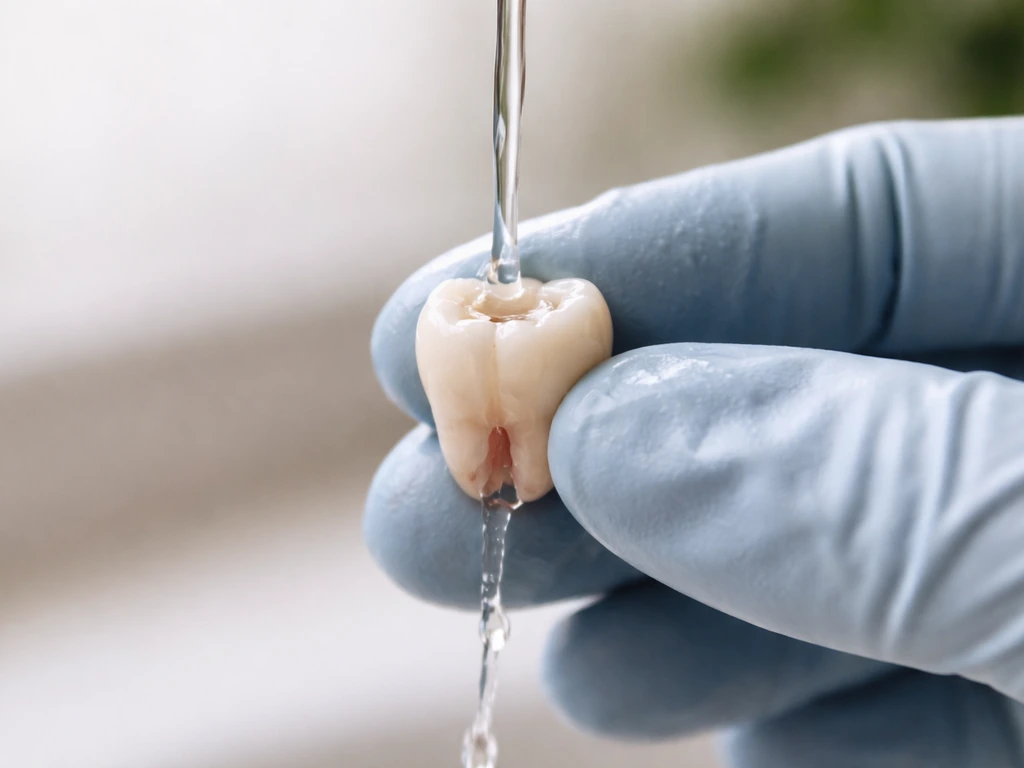
Stay calm and move quickly. Every minute counts. Follow these steps in order:
- Pick the tooth up by the crown (the white part you chew with), not the root. Touching the root can damage the PDL cells you're trying to save.
- If it's dirty, rinse it gently in milk, saline, or the patient's own saliva for no more than 10 seconds. Do not scrub or wipe it. Do not use tap water.
- If the person is conscious and not at risk of swallowing it, try to place the tooth back into the socket immediately. Hold it in place by gently biting down on a clean cloth.
- If you can't replant it right away, store the tooth in cold cow's milk. Milk maintains PDL cell viability for roughly 2 to 3 hours. Do not wrap it in tissue or plastic, and do not let it go dry.
- Get to a dentist or emergency room immediately. Call ahead if possible so they can prepare. Do not wait to see if it 'feels better.'
The Canadian Dental Association makes a point worth burning into your memory: if a permanent tooth has been out of the mouth for more than five minutes, it will never be quite the same again. That's not meant to panic you, it's meant to convey that the salvage window is real and short. Milk is your best friend here if immediate replantation isn't possible.
NHS inform advises that if a knocked-out tooth is put in milk and taken straight to the dentist, the dentist will carry out appropriate treatment Milk is your best friend here. The University of Iowa Dental School specifies that a tooth stored in cold, low-fat milk can stay viable for up to about three hours, which gives you a workable window to reach a dentist even if you're not near one immediately.
One thing to know about baby teeth: do not replant them. This is not the same situation. If a child's baby tooth gets knocked out, you do not put it back in. Doing so can actually damage the permanent tooth developing underneath. The NHS and the American Academy of Pediatric Dentistry are both clear on this: replantation protocols apply to permanent teeth only.
What happens at the dentist and what your options are
When you arrive at the dental office with a knocked-out tooth, the dentist will assess a few things: how long the tooth has been out, whether it was stored in an appropriate medium, the condition of the root and PDL, the patient's age, and the overall health of the socket. Based on that, they'll decide whether replantation is viable and, if so, walk through the procedure, which involves cleaning the socket, placing the tooth back in, and usually splinting it to adjacent teeth for a stabilization period of one to two weeks.
Root canal treatment is typically needed as a follow-up because the pulp (the nerve and blood vessel tissue inside the tooth) usually doesn't survive an avulsion. The question of whether tooth pulp can grow back is relevant here: in most avulsion cases in adults, the pulp does not recover, and endodontic treatment is planned within a specific time window after replantation to prevent complications.
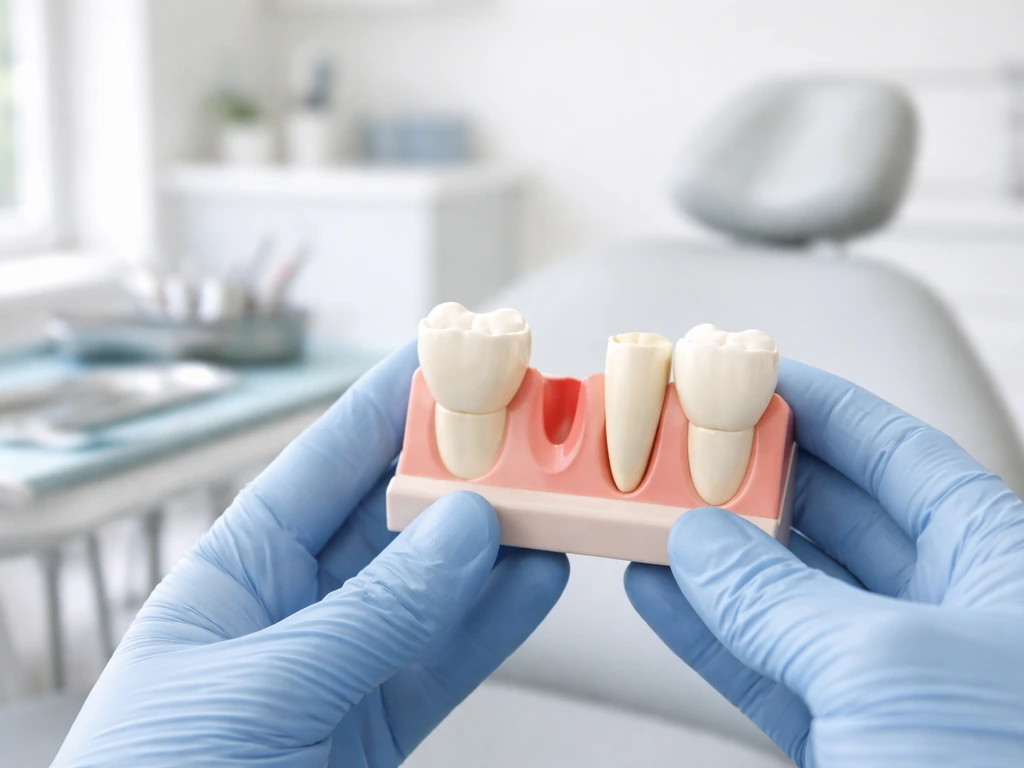
If replantation isn't an option, or if it fails over time, these are the main tooth replacement alternatives:
| Option | How it works | Timeline | Best for |
|---|
| Dental implant | Titanium post surgically placed in the jawbone; a crown is attached on top | Several months to over a year including healing | Long-term single-tooth replacement; requires adequate bone |
| Dental bridge | Crowns on adjacent teeth support an artificial tooth in the gap | A few weeks once treatment starts | Replacing one or two teeth when neighboring teeth are healthy |
| Partial denture | Removable appliance that fills the gap | A few weeks | Multiple missing teeth or as a temporary solution while socket heals |
| Composite bonding/retention | Used for fractures or minor chips rather than full tooth loss | Usually one appointment | Chipped or fractured teeth, not full avulsions |
The NHS notes that a temporary denture may be used while the socket heals before a longer-term solution is placed. The Cleveland Clinic lists implants, bridges, and partial dentures as the standard pathways when replantation isn't successful, with implants generally considered the gold standard for long-term function and appearance.
Let's bust the most common myths about teeth growing back
Myth: 'It might still grow back'
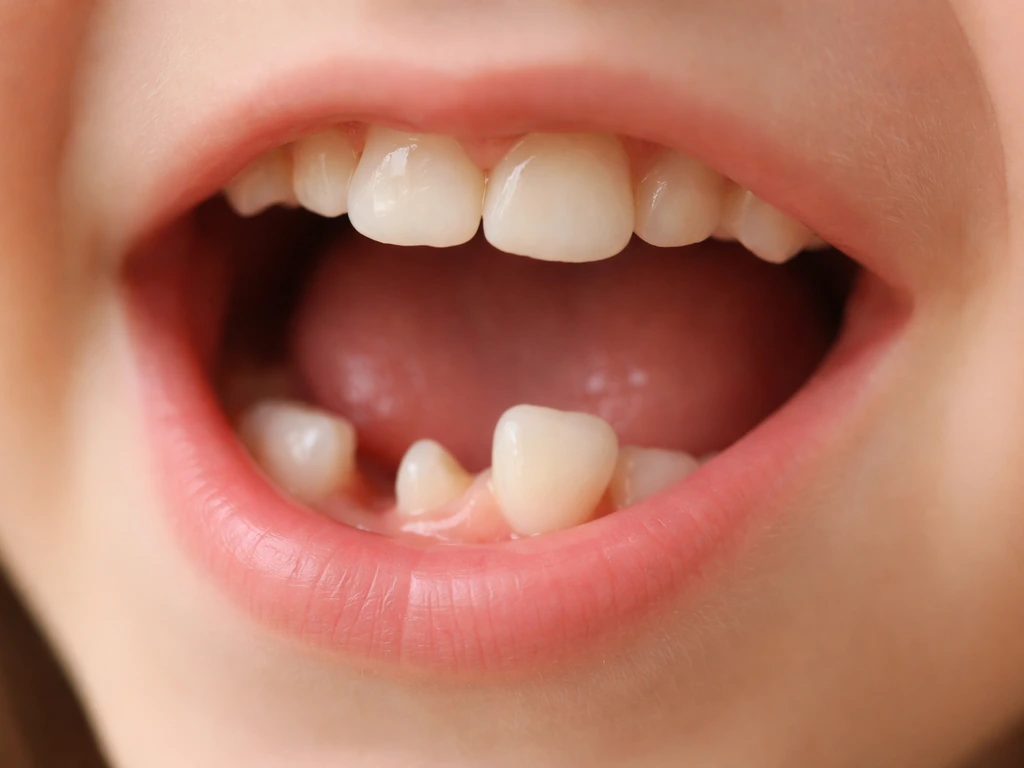
This one comes from confusing baby teeth with adult teeth. When a child loses a baby tooth, a permanent one does grow in behind it. That's a real, biological process. But it's not the tooth growing back, it's the second (and final) tooth erupting on its own pre-programmed schedule. Once that adult tooth is gone, there is no third tooth waiting. The socket doesn't regenerate a new tooth. Researchers at Boston University and elsewhere are exploring experimental approaches to stimulate tooth growth, but the science is years, possibly decades, away from clinical reality for humans.
Myth: 'Enamel can repair itself if you eat the right things'
Enamel is the hardest substance in the human body, but it cannot regenerate once it's lost. Remineralization (using fluoride and calcium to strengthen weakened enamel) is real, but it only works on enamel that's still there. If the enamel is gone, it's gone. Similarly, if you've ever wondered about whether a chipped tooth can grow back, the answer follows the same logic: the chip doesn't fill in on its own, no matter what you eat or drink.
Myth: 'If the tooth broke, maybe the rest will grow back'
When a tooth fractures, what's left in the socket is still your permanent tooth, just damaged. The broken-off piece won't fuse back on its own, and the tooth won't rebuild the missing part naturally. This is exactly why dental fillings and crowns exist. Speaking of which, there's a common misconception that a tooth grows back after a filling, as if the filling is a temporary patch until the real tooth repairs itself. It doesn't work that way. Similarly, questions about whether a broken tooth grows back reflect this same misunderstanding of how dental tissue works.
Myth: 'Wisdom teeth are proof adults can still grow new teeth'
Wisdom teeth erupt in adulthood (usually between the late teens and mid-twenties), which leads some people to think adults can grow new teeth. But wisdom teeth aren't new teeth: they've been developing in the jaw since childhood and simply emerge later. Their late eruption doesn't represent regeneration of a lost tooth. It's just the final stage of a process that started years earlier.
Knocked out vs. fractured, missing vs. extracted, and when wisdom teeth complicate the picture
Knocked out vs. fractured
A fully knocked-out tooth (avulsion) means the entire tooth, root and all, has been displaced from the socket. This is a dental emergency with a specific, time-sensitive protocol as described above. A fractured tooth is different: the root is still in the socket, and the tooth structure has cracked or broken. Fractured teeth don't follow the same replantation protocol. They need assessment for whether the root is intact, and treatment might involve a crown, a root canal, or extraction depending on how severe the fracture is. Confusing the two can lead to wasted time or wrong first-aid steps, so it matters to know which situation you're in.
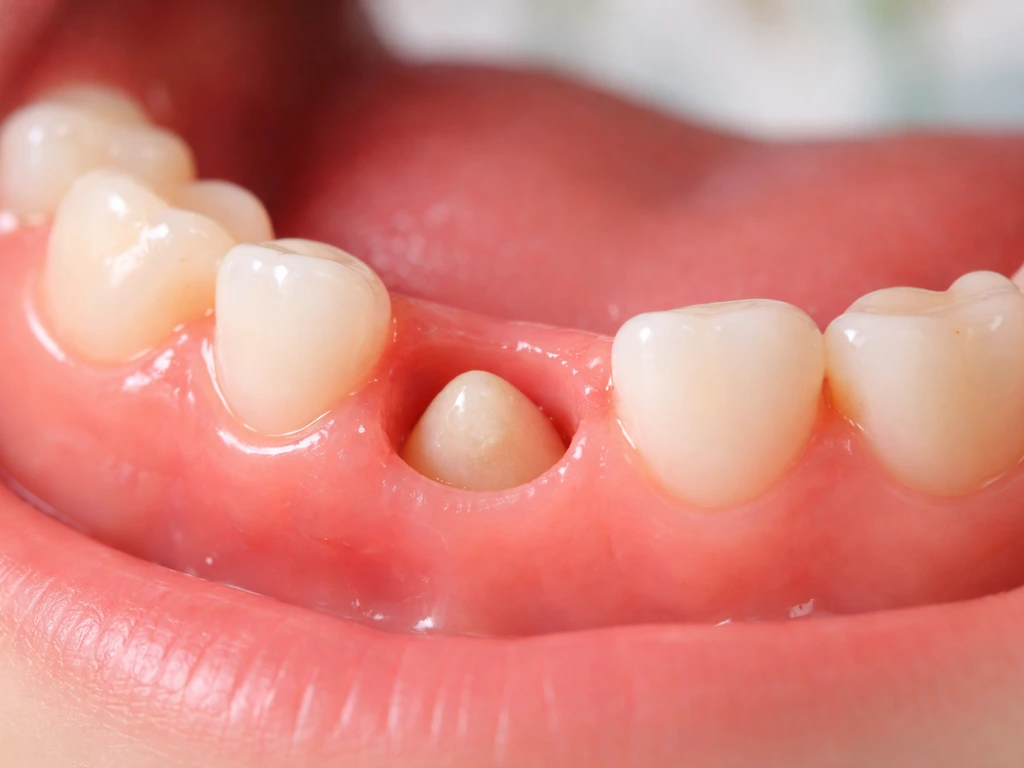
A tooth that was surgically extracted by a dentist (for decay, orthodontic reasons, or infection) is in a completely different category from a tooth that was knocked out by trauma. After a planned extraction, the socket heals over, and the goal shifts to replacement planning, not salvage. There is no replantation protocol for an extracted tooth. The socket closes, and the jawbone begins to resorb in that area over time if no implant or prosthetic is placed. This is one reason why replacement sooner rather than later is generally recommended after extraction.
The wisdom tooth exception that isn't really an exception
If a first or second molar is lost and a wisdom tooth hasn't yet erupted behind it, some patients (and occasionally some internet forums) wonder whether the wisdom tooth might "shift forward" to fill the gap naturally. In rare, carefully selected cases, an orthodontist might actually guide a wisdom tooth forward to replace a missing molar, but this is a deliberate orthodontic intervention, not natural regrowth. It requires the right anatomy, the right timing, and professional management. It's not something that happens on its own, and it's the exception, not the rule.
The bottom line on permanent teeth and regrowth
A permanent tooth that falls out will not grow back naturally. That's the biological reality, and no supplement, home remedy, or waiting period will change it. What you can do is act immediately if it was knocked out cleanly: keep the tooth moist, handle it by the crown, try to replant it, and get to a dentist within the hour. After that, your dentist will lay out the real options, whether that's completing the replantation with follow-up care, or planning a long-term replacement like an implant or bridge. The sooner you move, the more options you have.