That's completely different from regrowing a lost or damaged tooth. This article focuses on the regeneration question, because that's where the real confusion lives. If you landed here wondering whether dental tissue can genuinely regrow, you're about to get a straight answer.
The idea of teeth growing back taps into something deeply appealing. You chip a tooth, lose one to a cavity, or watch your child's enamel erode, and the thought "can this just grow back?" feels natural. Unfortunately, most of what circulates online about tooth regrowth is either wildly oversimplified or flat-out wrong. Understanding what the phrase actually means, biologically, is the first step toward making smart decisions about your dental health.
Can teeth, enamel, dentin, and gums regrow in humans?
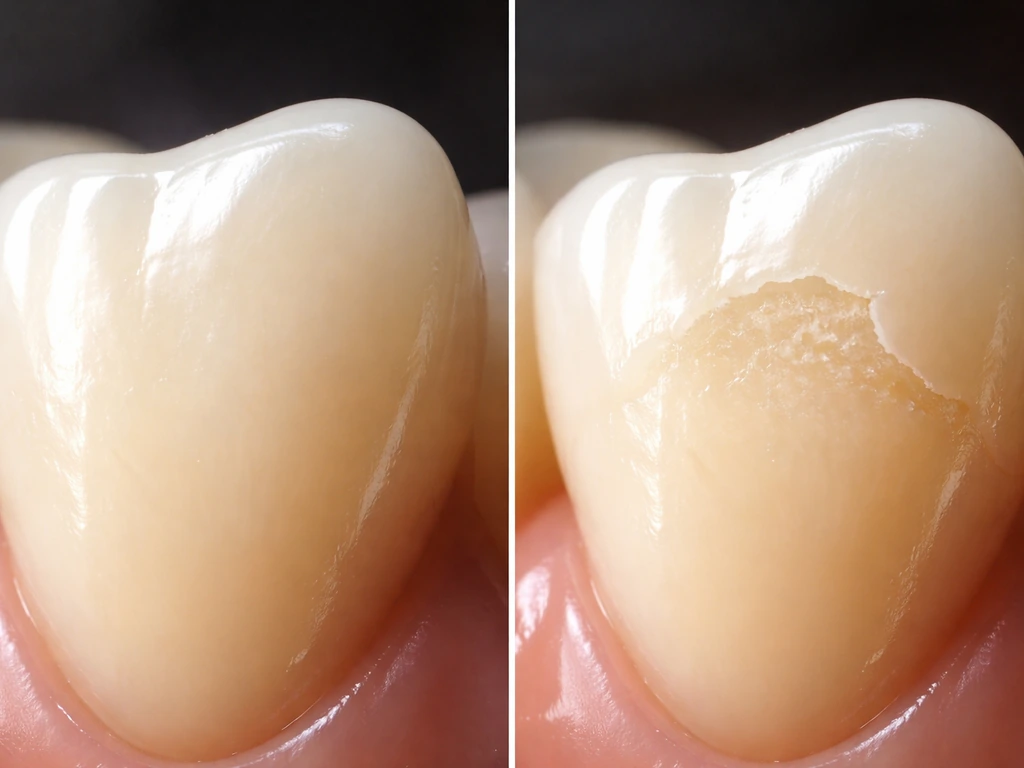
Let's go tissue by tissue, because the answer is different for each one, and lumping them together is exactly how misinformation spreads.
Enamel: the hard no
Enamel is the hardest substance in the human body, but once it's gone, it's gone. The cells that build enamel (ameloblasts) die off after your teeth finish forming. The ADA is direct about this: enamel does not regenerate naturally once it is lost. What you'll see marketed as "enamel repair" in toothpastes and supplements is really remineralization, which means depositing minerals like calcium and fluoride into existing enamel to make it stronger and partially fill microscopic surface damage. That's useful, but it is not the same as growing new enamel from scratch. Anyone promising complete enamel regrowth from a pill or paste is selling you something that doesn't exist yet in clinical practice.
Dentin: partial and limited
Dentin, the layer beneath enamel, has a slight edge over enamel in the regeneration department. Odontoblasts (the cells that produce dentin) can produce a thin layer of "tertiary" or "reparative" dentin in response to injury or decay. Think of it as the tooth trying to wall off a threat. But this is a limited defensive response, not true regrowth. It happens slowly, it's not as strong as primary dentin, and it can't replace large amounts of lost tooth structure. So while dentin has some regenerative capacity, counting on it to fix a real cavity or serious crack is not realistic.
The pulp (the "center" of the tooth)
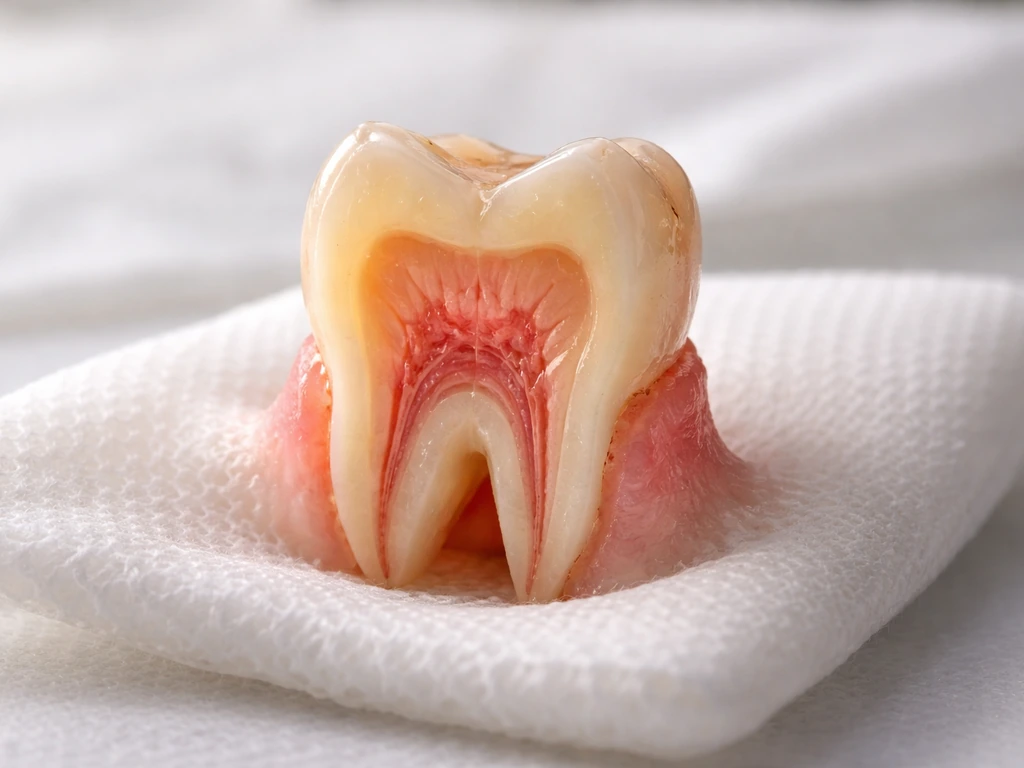
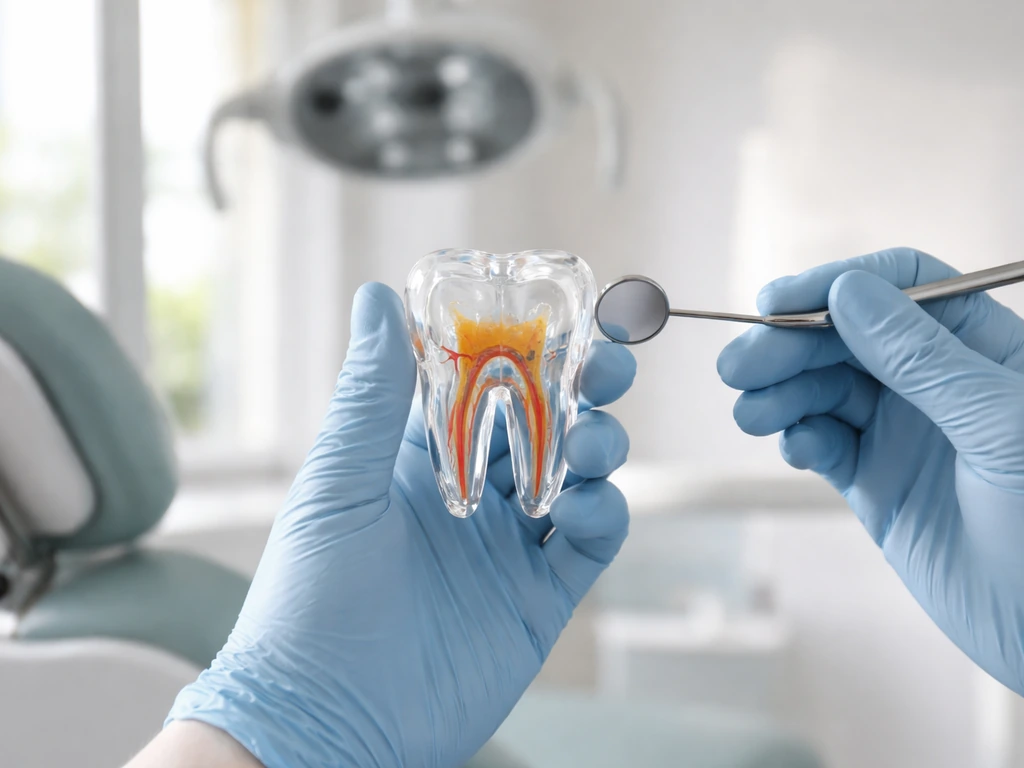
The pulp is the living core of the tooth, containing nerves, blood vessels, and connective tissue. In specific clinical situations, mainly in young patients with immature permanent teeth that have become infected or necrotic, dentists can perform what's called regenerative endodontics. The American Association of Endodontists describes this as a biologically based treatment aimed at continued root development, increased dentinal wall thickness, and apical closure in immature permanent teeth. To be clear: the goal is not regrowing the whole tooth or even fully restoring the pulp. It's helping an immature root finish developing so the tooth can survive long-term. This is a legitimate, evidence-based procedure, but it's specific and limited.
Gum tissue: some regrowth is possible, with help
Gum tissue (gingiva) is more regeneration-friendly than enamel, but it still doesn't grow back on its own after significant loss. Mild gum recession can sometimes stabilize with better oral hygiene and professional cleanings. For more serious recession, procedures like gum grafting or guided tissue regeneration can help rebuild the tissue surgically. But waiting for receded gums to spontaneously grow back is wishful thinking. The bone that supports the teeth (alveolar bone) also has very limited natural regeneration, and once lost to gum disease, it typically requires surgical intervention to restore.
A whole missing tooth: not happening naturally
Adults cannot grow new teeth. Humans are diphyodonts, meaning we get exactly two sets: baby (primary) teeth and adult (permanent) teeth. Once an adult tooth is lost, no third set is waiting in the wings. Sharks, by contrast, are polyphyodonts and can cycle through dozens of sets of teeth. Some fish and reptiles have similar abilities. Humans don't. Research into tooth-bud stem cells and bioengineered tooth buds is ongoing and genuinely exciting, but as of today, no treatment can grow a new human tooth from scratch in a clinical setting.
Age and timeline: what to expect at different life stages
Dental development and regeneration potential are heavily age-dependent. What's normal for a 7-year-old is completely different from what's normal at 35 or 65, and conflating the two causes a lot of unnecessary panic (and sometimes false hope).
Children and baby teeth
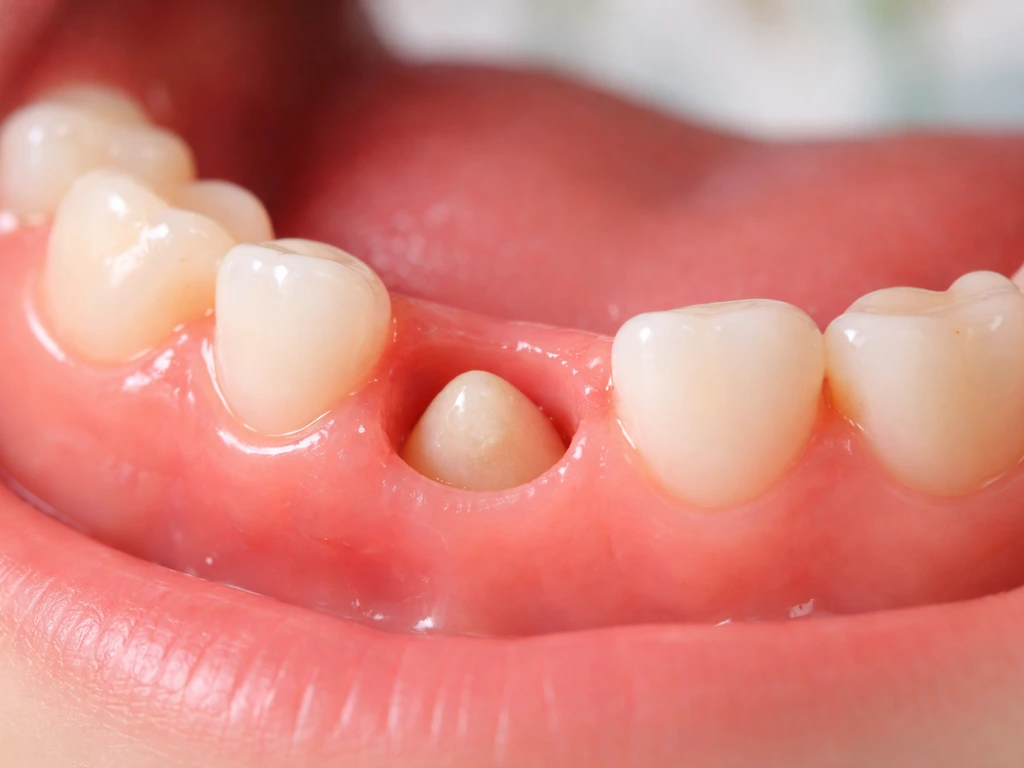
Kids get a real second chance, biologically. When a baby tooth is lost (whether naturally or to decay), a permanent tooth is waiting underneath to erupt. This is not "regrowth" in the regenerative sense; it's the scheduled arrival of a tooth that was already developing. Primary teeth typically start falling out around age 6 and the process continues through age 12 or so.
If a baby tooth is lost too early due to decay or injury, a space maintainer may be needed to prevent neighboring teeth from drifting. Parents sometimes assume losing a baby tooth early isn't a big deal because "the adult tooth will come in anyway," but timing and spacing matter enormously for how well that permanent tooth erupts.
For children specifically, pediatric dentistry that focuses on growing smiles takes a proactive approach to monitoring tooth development and catching problems before they affect the incoming permanent teeth. Starting dental visits early, around age 1, gives kids the best foundation.
Adults and permanent teeth
Once your permanent teeth are fully erupted (typically by the early teens, excluding wisdom teeth), no new teeth are coming. Adult enamel cannot regenerate. Adult dentin has only limited repair capacity. Gum tissue loss requires treatment, not waiting. The practical implication: damage that happens to adult teeth needs prompt professional attention, because the window for natural recovery is much narrower than most people realize.
Wisdom teeth and late eruption
Wisdom teeth (third molars) typically erupt between ages 17 and 25, though they can emerge later, and some people's wisdom teeth never fully erupt at all. This is one of the few instances where an adult is genuinely "growing" a new tooth, but it's not regeneration; it's just late-stage development. Impaction, crowding, and infection are common complications, which is why many dentists recommend removal even if wisdom teeth aren't currently causing pain. If you're in your late teens or early 20s and wondering whether a new tooth emerging in the back of your mouth is normal, it almost certainly is, as long as it's erupting cleanly. If it's partially erupted and painful, see a dentist soon.
When regrowth isn't possible: what actually works instead
Since human teeth can't grow back, dentistry has developed a strong toolkit for repairing and replacing them. Here's what's actually available today, matched to different situations.
| Situation | Treatment Option | What It Does |
|---|
| Enamel erosion / early cavity | Fluoride treatment, remineralizing toothpaste | Strengthens and partially remineralizes existing enamel; does not regrow it |
| Cavity (moderate) | Dental filling | Replaces decayed tooth structure with composite resin or amalgam |
| Large decay or fracture | Dental crown | Caps and protects the remaining tooth structure |
| Infected / necrotic adult tooth | Root canal + crown | Removes infected pulp and seals the tooth; saves the natural root |
| Immature permanent tooth with necrotic pulp (children/teens) | Regenerative endodontics | Promotes continued root development and apical closure |
| Receded gums | Gum graft or guided tissue regeneration | Surgically restores gum coverage over exposed roots |
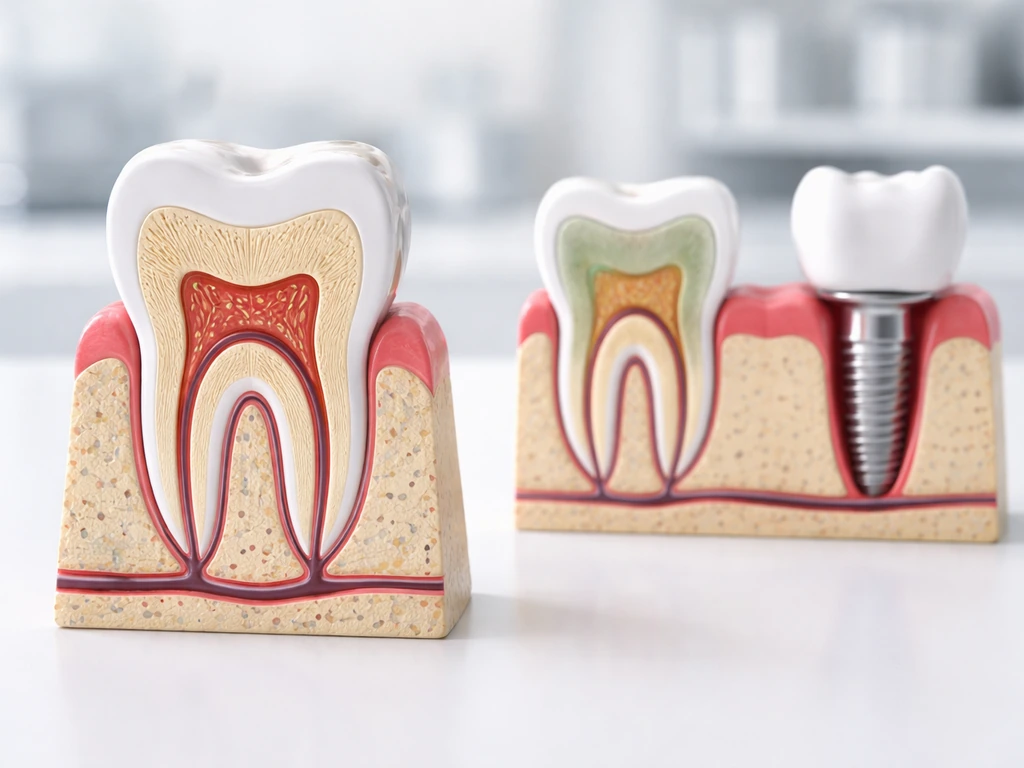
| Missing tooth (adult) | Dental implant | Titanium post fused to bone; closest replacement to a natural tooth root |
| Missing tooth (adult, no surgery) | Bridge or partial denture | Replaces the visible tooth, anchored to adjacent teeth or removable |
| Multiple missing teeth | Full denture or implant-supported denture | Replaces full arch of teeth |
The most important takeaway here is that early intervention almost always preserves more of your natural tooth than waiting. A small cavity that gets a filling today doesn't become a crown or an extraction tomorrow. This is exactly the philosophy behind good to grow pediatric dental care: catching issues in kids early prevents the compounding damage that leads to adult tooth loss.
Evaluating "tooth regrowth" claims, supplements, and clinics
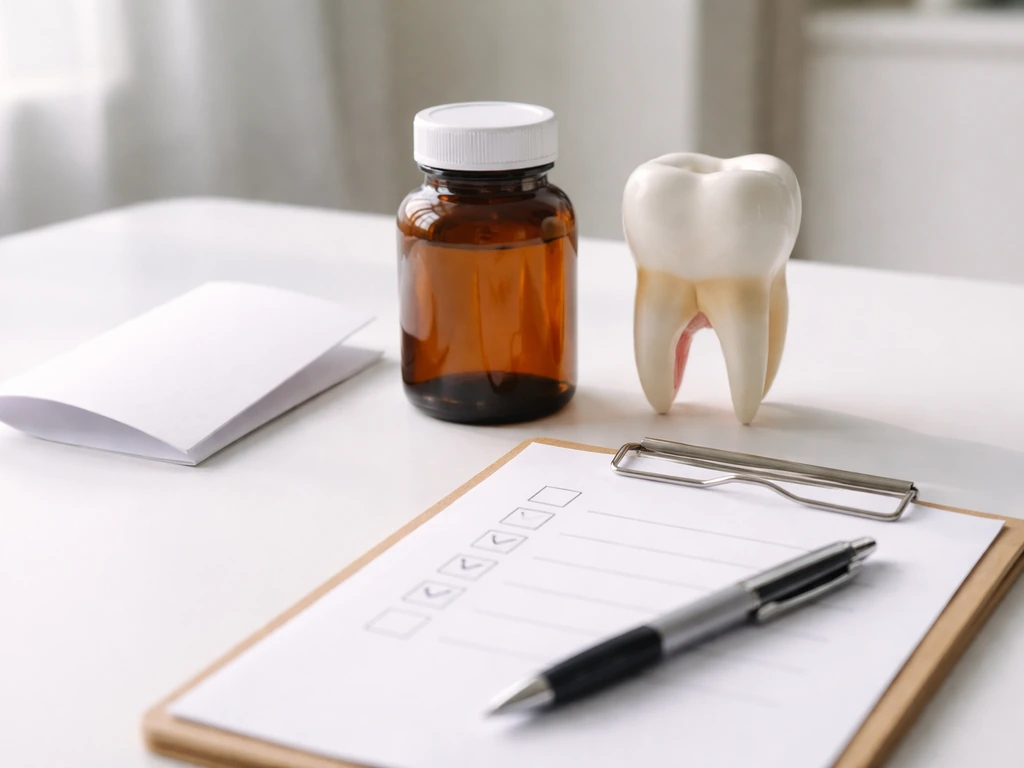
This is where things get frustrating, because there is genuine research happening into tooth regeneration, stem-cell therapies, and enamel bioengineering. That real science gets exploited by supplement makers and fringe clinics to sell products and treatments that have no clinical evidence behind them. Here's how to sort the legitimate from the hype.
The ADA's take on expectations vs. evidence
The American Dental Association has been clear that no treatment to date provides a permanent cure for tooth loss through regrowth. That's a significant statement from the field's main professional body. Research is ongoing, but the gap between "promising in a lab study" and "safe and effective for patients" is enormous. When you see a headline saying scientists have regrown teeth in mice, that's interesting science, but it says very little about whether a treatment will be available to you in any near-term timeframe.
Supplements claiming to regrow enamel or teeth
There is no supplement, oil, herb, or paste that can regrow enamel or a missing tooth. Full stop. Products that market themselves this way are misusing terms like "remineralize" (which is real and beneficial) to imply full regrowth (which is not real and not possible). Remineralizing products using fluoride, hydroxyapatite, or calcium phosphate can genuinely help strengthen early-stage enamel damage, and those are worth discussing with your dentist. But if the label says "regrow" or "regenerate" enamel completely, it's marketing language, not science.
Stem cell and regenerative medicine clinics
The FDA has flagged a significant consumer protection issue here. In the United States, the only stem cell products that are FDA-approved are blood-forming stem cells derived from umbilical cord blood. Claims by consumer-facing clinics offering stem-cell-based dental regeneration or other non-blood-stem-cell treatments are not automatically FDA-approved, and some are operating in regulatory gray zones. If a clinic is offering to regrow your teeth using stem cells for a large out-of-pocket fee, ask for peer-reviewed clinical trial data, ask whether the procedure is FDA-approved, and consult your regular dentist before proceeding. If they can't provide clear answers to those questions, that's your answer.
Legitimate regenerative research vs. clinic claims
Regenerative endodontics, as described by the AAE, is a legitimate and evidence-based procedure, but it applies to a specific, narrow situation: necrotic immature permanent teeth, typically in children and adolescents. It is performed by trained endodontists, documented in peer-reviewed literature, and covered by dental insurance in qualifying cases. That's what legitimate looks like. Contrast that with a website or clinic claiming to regrow adult teeth in anyone using proprietary protocols, and you can see the difference clearly. Understanding what's real also helps if you're thinking about how good to grow dental practices distinguish evidence-based care from trend-driven claims.
It's also worth noting that dental practices themselves have real growth and quality dimensions. Understanding how to grow a dental practice with integrity means prioritizing patient education over upselling, which is a useful signal when evaluating whether a clinic has your best interests in mind. Similarly, transparent practices that offer things like a clear dental membership plan tend to be more upfront about what treatments are evidence-based versus experimental.
What to do today: symptoms to watch and questions to ask your dentist
Here's the practical part. Whether you're dealing with a specific dental problem right now or just trying to understand your options, these are the actions worth taking.
Symptoms that need a dentist soon (not later)
- Tooth sensitivity to hot, cold, or sweets that lingers more than a few seconds (possible enamel loss or cavity reaching dentin)
- A visible chip, crack, or dark spot on a tooth (enamel damage that won't repair itself)
- Gum recession you can see, or teeth that look "longer" than they used to
- A tooth that feels loose in an adult mouth (this is never normal; see someone immediately)
- Swelling, pain, or a bump on the gum near a tooth (possible abscess)
- A wisdom tooth that is partially erupted and causing pain or difficulty opening your mouth
- White spots on teeth (early enamel demineralization that can be treated if caught early)
Questions worth asking your dentist at your next visit
- "Is this enamel loss, and can remineralization treatment help, or is it past that point?"
- "If I have gum recession, is it mild enough to manage with improved hygiene, or do I need a graft?"
- "For my child's tooth, is this a baby tooth or a permanent tooth, and does the treatment differ?"
- "I've seen products/supplements claiming to regrow enamel. Are any of those worth trying alongside my treatment?"
- "If I need a tooth replaced, what are the realistic options given my bone density and budget?"
- "Is there anything in current research or clinical trials that might apply to my situation?"
Your decision framework, simplified
If you have dental tissue loss of any kind (enamel erosion, gum recession, a cavity, or a missing tooth), the honest framework is this: the earlier you act, the more of your natural tooth structure can be preserved. Waiting for regrowth to happen on its own is not a strategy, because it won't. What you can do is stop further loss (better hygiene, diet changes, fluoride), repair what's repairable (fillings, crowns, regenerative endodontics in the right cases), and replace what can't be repaired (implants, bridges, grafts). That's the real toolkit. It's not as exciting as growing a new tooth from scratch, but it works, it's proven, and it's available to you today.