
If you searched for 'Where Smiles Grow Pediatric Dentistry Delmar,' you are almost certainly trying to find a specific dental office for your child, not asking whether teeth can literally grow back. Both interpretations are worth addressing here, because this site focuses on dental regeneration questions and the phrase 'where smiles grow' sounds like it could go either way. So let's solve the location problem first, then cover the regrowth science that parents frequently ask about anyway.
Where Smiles Grow Pediatric Dentistry in Delmar: Find Us Fast

Marcus Holloway
5 Apr 2026

What this search is actually asking (and why it looks ambiguous)
The phrase 'where smiles grow' is the name of a real pediatric dental practice. When you add 'Delmar' and 'pediatric dentistry,' you are asking for directions and contact info, not a biology lesson. That said, the word 'grow' does make some parents wonder: can teeth or gums actually grow back? That is a completely separate question, and one that this site covers in depth. For now, the short answer is no, permanent teeth do not grow back, but some limited repair is possible under the right conditions. We will come back to that below with more detail.
The exact location and contact info for Where Smiles Grow in Delmar

The Delmar office is at 250 Delaware Ave. A third-party directory listing also repeats the Delmar address as 250 Delaware Ave., Delmar, NY 12054 The Delmar office is at 250 Delaware Ave.. , Suite 201, Delmar, NY 12054. The phone number is 518-785-3911, and the fax is 518-785-4910. You can also reach them by email at [email protected]. Office hours at the Delmar location run Monday through Thursday, 8:00 a.m. to 5:00 p.m.
Finding the building is straightforward once you know the landmark: the office sits on Delaware Avenue roughly between a CVS and a Dunkin'. It shares the building with other businesses, so look for their sign and head up the stairs to Suite 201. Parking is available on both sides of the building and in the back, so you should not have trouble pulling in with kids in tow.
One thing worth double-checking: make sure your GPS is set to Delmar, NY 12054, not another Delmar in a different state. The ZIP code and the specific suite number (201 at 250 Delaware Ave.) confirm you have the right listing.
How to confirm it's the right pediatric office
Where Smiles Grow treats infants, children, and adolescents, making it a true pediatric-only practice rather than a general dentistry office that occasionally sees kids. The Delmar location has a dedicated 'Our Pediatric Dental Services in Delmar' section and handles everything from early infant oral care through teenage dental needs. Services include preventive work like cleanings, exams, fluoride treatments, and dental sealants, as well as restorative care. For kids who get anxious in the chair, the practice also offers nitrous oxide (laughing gas) and oral conscious sedation, which is not something every office provides.
The pediatric-specific workflow is another good signal. Their patient forms include an authorization specifically for evaluating and treating a minor child who arrives unaccompanied by a parent, which is a form general dental offices rarely bother with. If you want a more detailed look at how good to grow pediatric dental practices like this one structure their patient intake compared to general dentists, that comparison can help you evaluate any pediatric office you are considering.
Booking an appointment: exactly what to do

Your two options for scheduling
You can call 518-785-3911 directly during office hours (Monday through Thursday, 8:00 a.m. to 5:00 p.m.) to speak with someone and schedule. The practice is currently accepting new patients at both their Latham and Delmar locations, so you should not run into a waitlist issue. Alternatively, the Delmar location page has an online 'Request Appointment' form you can submit any time, even outside of office hours.
What to ask and what to bring
On the first call, ask about insurance acceptance upfront so there are no surprises at checkout. Also confirm the child's age range is within what the provider typically sees, especially if your child is an infant or a teenager. The practice requires at least one parent or guardian to accompany the child to the first appointment, so plan accordingly.
For paperwork, the office will mail a new patient packet, but if you are scheduling close to the appointment date, you can download and complete forms directly from their website beforehand. Forms available online include the New Patient Form, Insurance Signature on File, HIPAA Notice, and HIPAA Acknowledgement and Consent. Filling these out ahead of time means you are not scrambling with a clipboard while managing a restless four-year-old in the waiting room.
If it's an emergency
If your child has a dental emergency, call 518-785-3911 regardless of the time. The practice sets aside emergency appointment slots every day during office hours. After hours, the phone prompt connects you to the pediatric dentist on call, so you are not left waiting until Monday morning with a child in pain.
A quick comparison: calling vs. booking online

| Method | Best for | Speed | Available when |
|---|---|---|---|
| Phone: 518-785-3911 | Urgent needs, insurance questions, emergencies | Immediate answer | Mon–Thu, 8 a.m.–5 p.m. |
| Online request form | Non-urgent scheduling, after-hours convenience | Response next business day | Any time, 24/7 |
| Email: [email protected] | General questions, non-time-sensitive | 1–2 business days typical | Any time, 24/7 |
For a first appointment with no urgency, the online form is perfectly fine. For anything that feels time-sensitive, calling is always the faster path.
The dental 'regrowth' myths parents ask pediatric dentists about
Once you are sitting in a pediatric dentist's office, you will probably hear terms like 'remineralization' or 'cavity arrest,' and it is easy to walk away wondering whether teeth are somehow healing themselves. Here is the honest science on what can and cannot happen, because parents deserve a straight answer before their child's appointment.
What actually cannot grow back
Permanent teeth do not regenerate. Once your child loses an adult tooth, it is gone. Enamel is formed by cells called ameloblasts that die off after the tooth erupts, so the tooth becomes acellular. There is no living machinery left to rebuild it. Dentin can regenerate to a limited degree, but only in very specific circumstances. Cementum, the tissue anchoring the tooth root, has essentially no remodeling capacity and extremely limited regrowth even when damaged by periodontal disease. Gum tissue lost to severe periodontitis cannot fully regrow on its own either. If you are curious about the biological detail behind why these tissues are so difficult to recover, the broader framework around good to grow dental biology helps explain what makes juvenile tooth development different from adult tissue repair.
What fluoride and remineralization can actually do
Remineralization is real but limited. It is the process by which calcium and phosphate are redeposited into enamel or dentin that was demineralized during the early stages of tooth decay. Fluoride accelerates this process and can arrest or even reverse non-cavitated lesions (the very early stage where a cavity has not yet broken through the enamel surface). CDC reports that blank" rel="noopener noreferrer">the fluoride level needed for reliable cavity prevention is 0.7 mg/L (0.7 ppm). Professionally applied fluoride, silver diamine fluoride, and glass ionomer restorations all have evidence behind them for arresting early caries in children. AAPD policy specifically addresses use of blank" rel="noopener noreferrer">silver diamine fluoride for pediatric dental patients, including its role in caries arrest and related follow-up/application guidance. However, and this is the critical point, remineralization is repair at the mineral level, not tissue regrowth. A filled cavity does not treat the underlying decay process, and a tooth that has already cavitated is not going to close back up on its own. This is exactly why regular pediatric check-ups matter: catching lesions before they cavitate gives fluoride a chance to work.
Baby teeth vs. permanent teeth: the one real 'regrowth' scenario
The only legitimate tooth 'regrowth' scenario in humans is the normal transition from primary (baby) teeth to permanent teeth. When a child loses a baby tooth, the permanent tooth beneath it erupts into that space. That is not the same as regeneration. It is simply the second set of teeth completing their development. After that second set, humans have no more teeth waiting to come in (wisdom teeth aside, and even those are the last of the permanent set, not a new generation). Understanding this distinction, which is something that a good to grow dental center will typically walk parents through, helps set realistic expectations for your child's dental care.
After the appointment: what to expect if something isn't 'growing back'
If the dentist identifies early enamel softening or a non-cavitated lesion, the evidence-based approach is a remineralization protocol: increased fluoride exposure through professional treatments and prescription-strength fluoride toothpaste at home, combined with dietary changes to reduce acid exposure. This is not magic, and it takes time. You are slowing and reversing a mineral-loss process, not regrowing tissue. The AAPD recommends fluoride therapy as a core caries-management tool, not as a regrowth treatment.
If the damage is already past the remineralization window, meaning a cavity has formed, a filling is the appropriate next step. No home remedy, oil pulling, or supplement will rebuild a cavitated tooth. Parents sometimes ask about this hoping to avoid a procedure, but at that stage, intervention is what protects the tooth. For parents interested in how dental membership plans affect access to these preventive treatments, understanding how to grow your dental membership plan coverage can help families reduce out-of-pocket costs on exactly these types of visits.
For gum issues, the picture is similar. Mild gingivitis in children is reversible with improved brushing and flossing, because the inflammation resolves and the tissue firms back up. But bone and attachment loss from more advanced periodontal disease does not naturally regenerate. Specialized regenerative procedures exist in periodontics for adults, but even those have limits. The takeaway: early intervention always beats waiting and hoping something grows back on its own.
Your next steps right now
- Confirm the address: 250 Delaware Ave., Suite 201, Delmar, NY 12054. Set your GPS to that exact address and ZIP code.
- Call 518-785-3911 during Monday through Thursday office hours (8: 00 a.m. to 5:00 p.m.) or use the online appointment request form on the Where Smiles Grow website.
- Ask about insurance acceptance and whether the child's age fits the practice's typical patient range.
- Download and complete new patient forms from the website ahead of time to speed up check-in.
- Plan to have at least one parent or guardian present for the first appointment.
- If this is a dental emergency, call the same number any time. After-hours calls route to the on-call pediatric dentist.
- Once you have had the appointment, follow through on any remineralization protocol the dentist recommends. Consistency matters more than intensity for fluoride-based enamel protection.
If you are also trying to evaluate how practices like this one compare to other pediatric-focused models or want to understand the business structure behind multi-location dental groups, the question of how to grow a dental practice with a pediatric focus covers the operational side that influences patient experience. But for today's priority, you have the address, the phone number, and a clear picture of what to expect. That is everything you need to get your child's appointment booked.
FAQ
Is there a direct number for dental emergencies, and what happens after hours?
If you are trying to reach the practice about a dental emergency, call 518-785-3911 right away. Even if it is outside office hours, the phone line routes you to the pediatric dentist on call so you can get advice and whether you need an urgent visit today.
Do we need to bring a parent to the first appointment, and who can accompany my child?
Ask the scheduler whether your child will need a parent or guardian in the room. The practice requires a parent or guardian to accompany the child to the first appointment, so planning ahead can prevent delays on arrival.
How can I confirm they see my child’s exact age (especially for infants or older kids)?
For younger kids, confirm the office typically treats your specific age group at the time you plan to come in. This is especially important if your child is an infant or if you are booking for a teenager, since practices sometimes manage age-based workflows.
What should I check with the office about insurance before my child’s visit?
Before your visit, verify the insurance details and copays with the office. The practice recommends asking about insurance acceptance on the first call so you do not get surprised by what is covered for preventive care versus restorative procedures.
Can I complete the new patient paperwork online before we go, and how much time should we plan for?
Yes, you can complete forms ahead of time, which helps if your appointment is close. For quick turnaround, download and fill the online new patient packet before you arrive, then bring any required supporting documents.
Should I call or use the online request form if I need an appointment quickly?
If you need a faster appointment, calling is typically quickest, because the team can place you into any daily emergency openings if needed. Use the online request form when it is not urgent.
What is the difference between early decay and a cavity, and why does it change treatment?
The office guidance is that early decay without a cavity can sometimes be managed with fluoride-based remineralization, but once a cavity forms, it needs a filling. If you are told “non-cavitated” versus “cavitated,” that wording matters for what treatment options are realistic.
If my child already has a cavity, can it ever heal shut on its own?
Requesting “closing back up” is not usually possible once a tooth surface has already cavitated. Instead, the practical goal is stopping the decay process with fluoride and diet changes for early lesions, or restoring the tooth with a filling when it is already cavitated.
If my child is anxious, what comfort options are typically available at this office?
Talk to the dentist about behavioral support and which options are available for your child’s anxiety. The practice offers nitrous oxide and oral conscious sedation, which can make treatment more tolerable for some children when used appropriately.
What’s the easiest way to ensure we have the right Delmar location in our GPS?
To avoid delays, confirm the address in your GPS includes the correct ZIP code and suite number. The location is 250 Delaware Ave., Suite 201, Delmar, NY 12054, and multiple places can share the same city name in different states.
My child lost a baby tooth early, should we worry about tooth regrowth, or is there another plan?
If your child has already lost a baby tooth early, the concern is usually space, bite development, and whether the permanent tooth erupts on schedule, not “regrowing” the missing tooth. Ask the dentist about the monitoring plan and whether any preventive measures are recommended.
What should a “caries-management” plan include at home for kids who get cavities often?
For children at risk of frequent cavities, ask about a structured caries-management plan, not just a one-time fluoride application. The evidence-based approach usually combines professional fluoride treatment with prescription-strength fluoride toothpaste and dietary acid reduction.
Next Articles
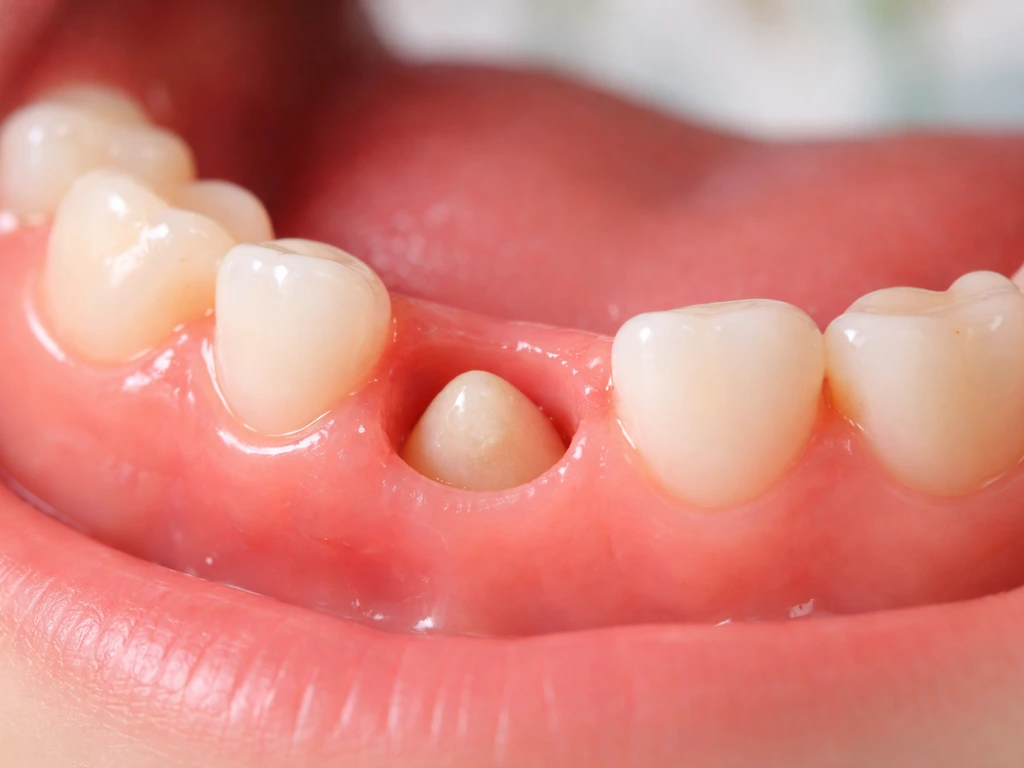
Do Milk Teeth Grow Back? Timelines, What to Do, Red Flags
Learn if milk teeth regrow, typical timelines for permanent teeth, what to do after loss or injury, and red flags.
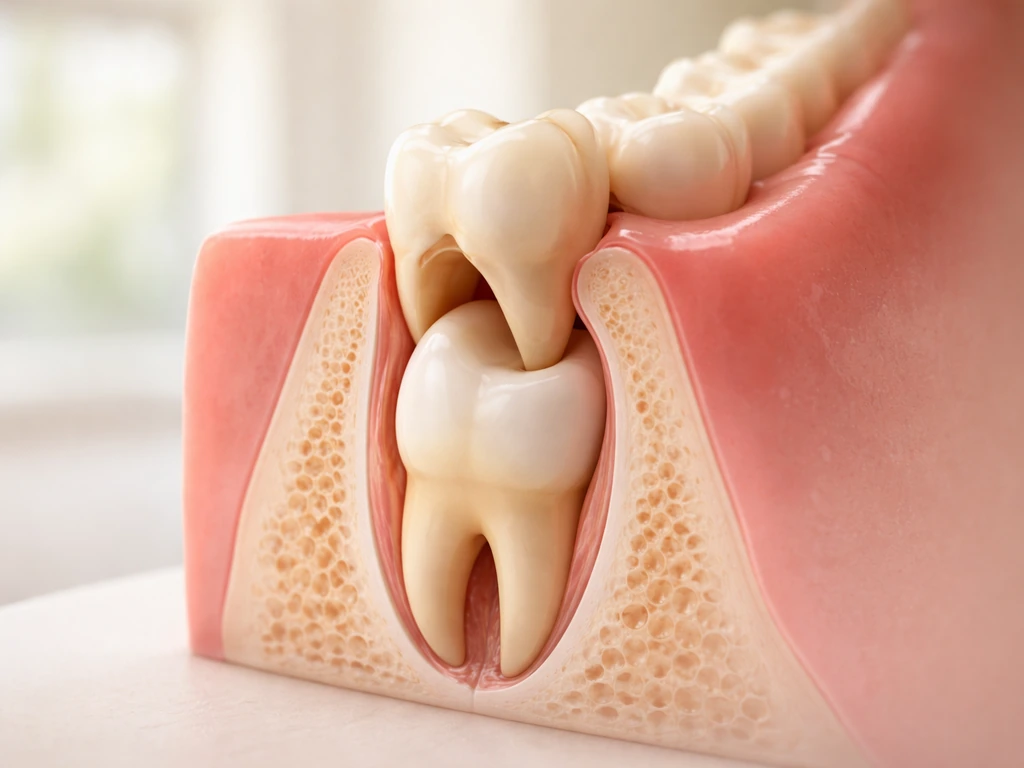
Can Milk Teeth Grow Twice? Replacement vs True Regrowth
Can milk teeth grow twice? Learn why baby teeth usually only get replaced, not regrown, and what to do if one falls out
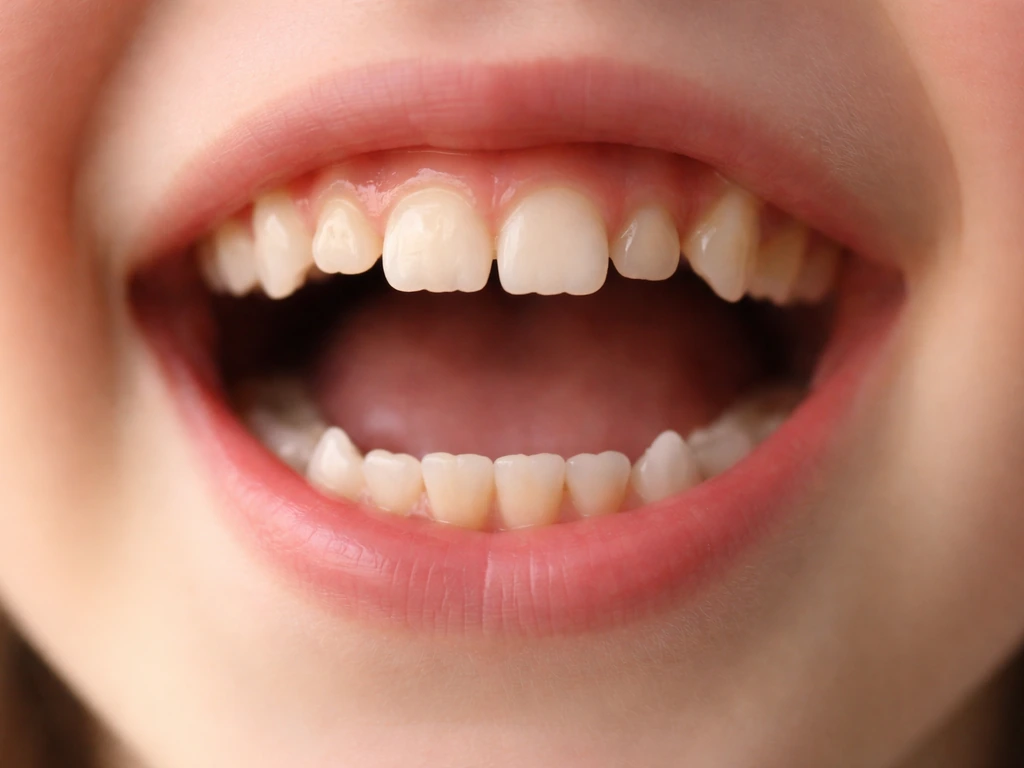
Why Do Teeth Only Grow Twice? Baby vs Permanent Explained
Why humans have only baby and permanent teeth: eruption timeline, limits of enamel regrowth, and common exceptions to kn