You cannot make your teeth grow back, grow bigger, or regenerate lost enamel using home remedies, vitamins, oils, or any over-the-counter product. That part is firm biology, not opinion. What you can do depends entirely on what your actual situation is: a child waiting on delayed permanent teeth, an adult with worn enamel, someone who lost a tooth to injury or extraction, or a person who just wants their teeth to look larger or longer. Each of those is a different problem with a different answer, and getting the right one matters a lot.
How to Make Your Teeth Grow: What’s Possible and What Isn’t

Marcus Holloway
25 Apr 2026
What teeth can and cannot regenerate (the biology, plainly)
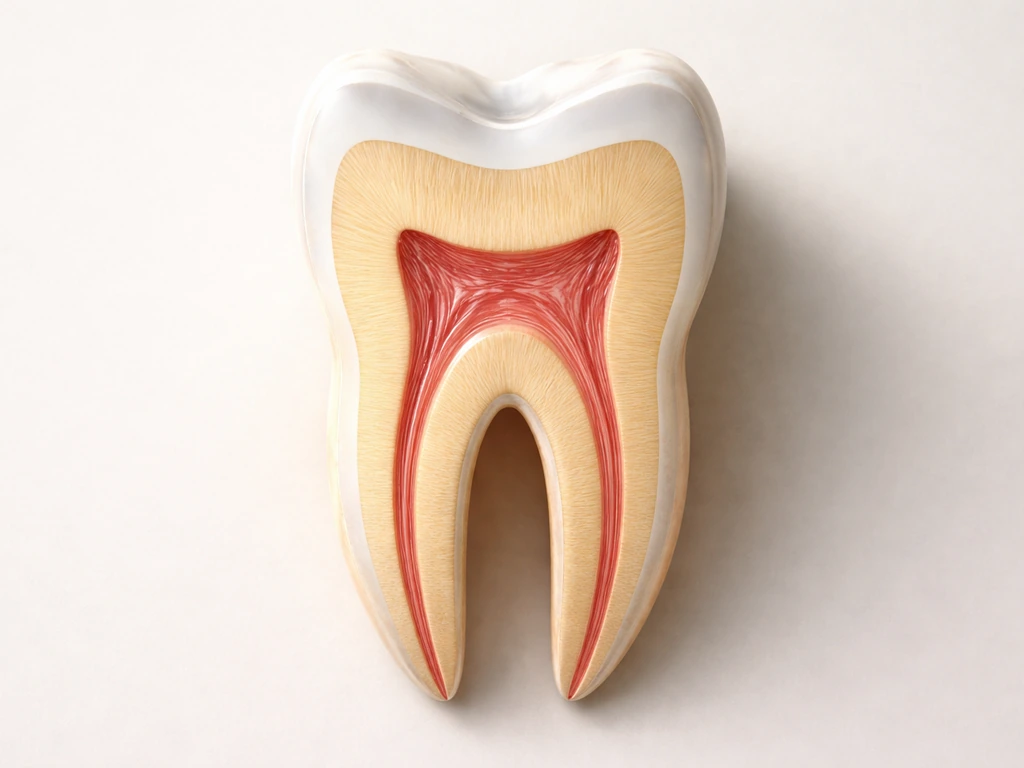
Teeth are made of several distinct layers, and they do not all behave the same way when damaged or lost. Understanding which layer you are dealing with changes everything about what is realistic.
Enamel is the hard outer shell of a tooth. It is the most mineralized substance in the human body, but it contains no living cells after a tooth erupts. The cells that built your enamel, called ameloblasts, die off once the tooth breaks through the gum. Because those cells are gone, enamel cannot repair itself. When it wears away from acid, grinding, or abrasion, that loss is permanent. You can slow down further erosion and technically remineralize the surface at a microscopic level using fluoride, but you cannot regrow enamel the way skin heals over a cut. It is gone.
Dentin sits beneath the enamel and does contain living cells. Your teeth can produce a small amount of secondary or tertiary dentin in response to irritation or slow-moving decay, but this is a protective response, not meaningful regrowth. It does not restore what was lost. Dental pulp, the soft tissue at the center containing nerves and blood vessels, also has some regenerative capacity, which is why root canal procedures can sometimes preserve a tooth. But again, this is not something you can trigger or control at home.
The American Dental Association acknowledges growing research interest in dental regeneration, including the idea of regrowing tooth structures or even whole teeth, but as of today none of this is available as standard clinical care. It is laboratory-stage science. The honest message from dental researchers is the same as from your dentist: if you have lost tooth structure, the path forward is restorative dentistry, not regeneration.
Baby teeth vs. permanent teeth: what can actually 'grow'
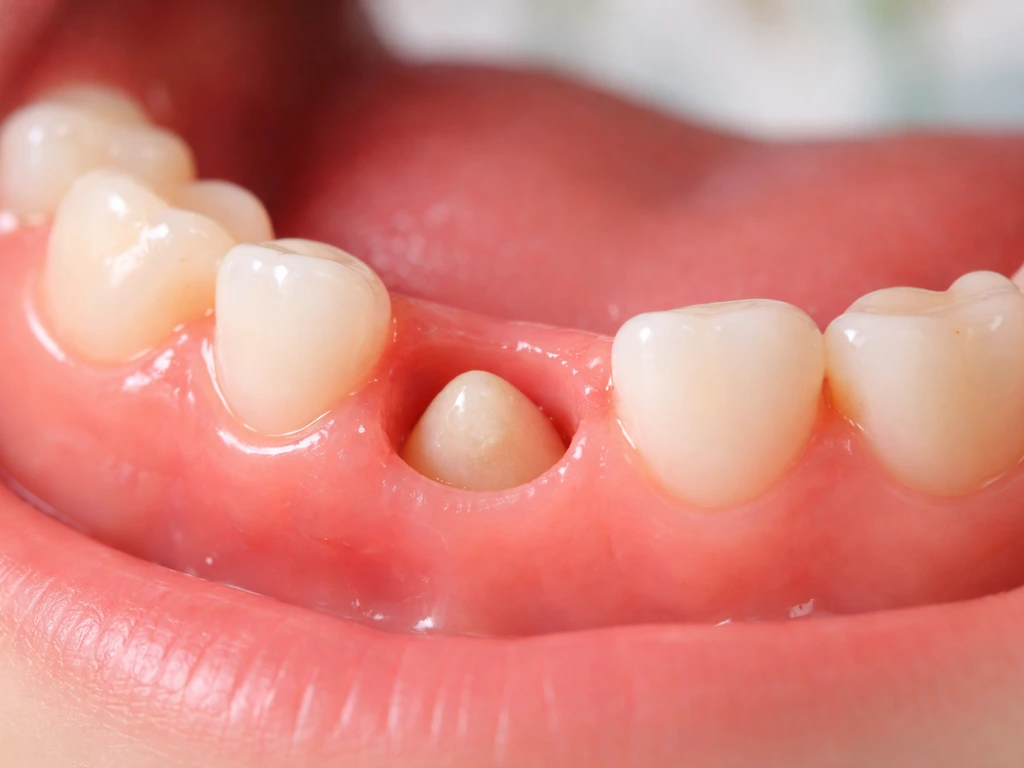
Humans get two natural sets of teeth, and this is where the word 'grow' actually applies in a real biological sense. Baby teeth (primary teeth) fall out to make room for permanent teeth that are already forming underneath them. So if your child loses a baby tooth, a permanent tooth is meant to grow in its place. That is normal and expected. However, if a baby tooth is knocked out early due to injury, the permanent tooth underneath does not automatically accelerate. It still follows its own developmental timeline, and early loss of a baby tooth can sometimes cause the surrounding teeth to shift into the gap, which may affect how the permanent tooth comes in.
Permanent teeth are a different story. Once a permanent tooth is fully erupted and established, there is no third set waiting behind it. If a permanent tooth is lost to decay, fracture, or extraction, the body will not replace it. Period. A missing permanent tooth requires a dental implant, bridge, or partial denture to restore function and appearance. No supplement, exercise, or home technique will cause a new tooth to appear.
Can you actually make teeth grow bigger or longer? (Almost always no)
This question comes up a lot, especially from people who feel their teeth look small or short. The hard truth is that tooth size is genetically determined and fixed once the tooth finishes developing. You cannot enlarge a tooth's crown by eating certain foods, taking supplements, or using any device. Claims online suggesting otherwise are not backed by dental science.
There is one exception worth knowing: teeth can appear shorter than they actually are because the gums are covering more of the tooth than they should. This is called gingival overgrowth or excessive gingival display, and in these cases a dentist or periodontist can perform a procedure called crown lengthening, which removes some of the excess gum tissue to reveal more of the tooth. In that American College of Prosthodontists digital workflow example, crown lengthening is used to reduce excessive gingival display by increasing clinical crown height and exposing more tooth structure blank" rel="noopener noreferrer">crown lengthening, which removes some of the excess gum tissue to reveal more of the tooth. The tooth does not grow, but it looks longer because more of it is now visible. If your goal is specifically to make canine teeth look longer, a dentist can assess whether crown lengthening or other cosmetic options can improve how much tooth is visible how to make your canine teeth grow longer. In almost all cases, teeth cannot actually grow longer, but treatments like crown lengthening or cosmetic options may make them look longer can teeth grow longer. For many people asking how to make teeth grow longer naturally, the answer is that it usually cannot be done with home methods, but cosmetic and dental treatments can help you achieve the look of extra length. Similarly, if gums have receded and exposed more root surface, teeth can look longer but are actually in a worse position. That is not the kind of 'longer' anyone wants.
If you genuinely want teeth that look bigger, longer, or more proportional, restorative options like dental bonding, veneers, or crowns are what actually work. These add material to the outside of the tooth rather than causing the tooth itself to grow. Related questions about making specific teeth look longer, including canine teeth and molars, come down to the same answer: cosmetic and restorative dentistry, not biology.
When teeth are slow to come in: eruption problems and when to get help

Delayed tooth eruption is one of the most common reasons people search for how to 'make teeth grow.' A child's tooth is taking a long time, or a wisdom tooth is not coming through, and the instinct is to find a way to speed it up. If you are trying to get molars to erupt or come in faster, the key is figuring out why they are delayed and choosing an evidence-based option molars come in faster. If you are trying to get teeth to erupt sooner, look at the evidence-based approach for the specific tooth delay you have, which is similar in spirit to the guidance in how to make teeth grow in faster. Let's break down what is normal and what is not. If you are asking how to make teeth grow in faster, the most important step is to figure out why they are delayed so you can choose the right evidence-based option.
Eruption timelines by age
| Tooth Type | Typical Eruption Age | Notes |
|---|---|---|
| Lower central incisors (baby) | 6 to 10 months | First teeth to appear in most infants |
| All 20 baby teeth | By age 3 | Variation of several months is normal |
| First permanent molars | Age 6 to 7 | Erupt alongside, not replacing, baby teeth |
| Central incisors (permanent) | Age 6 to 8 | Lower ones usually first |
| Most permanent teeth | Age 6 to 13 | Canines and second premolars are often last |
| Wisdom teeth (third molars) | Age 17 to 25 | Some people never develop them |
| Delayed eruption (flag) | More than 6 months past typical range | Warrants a dental evaluation |
These timelines have normal variation, so a tooth coming in a few months later than average is not automatically a problem. But if a tooth is significantly past its expected window, or a baby tooth has been out for more than six months with no sign of the permanent replacement, it is time to see a dentist. The American Academy of Pediatrics (Pediatrics) notes that the ADA and related groups recommend an initial oral exam for infants within 6 months of the eruption of the first primary tooth but by no later than 12 months of age significantly past its expected window. An X-ray can show exactly what is happening under the gum, including whether the permanent tooth is present, impacted, or missing entirely (a condition called congenital tooth absence, or hypodontia).
Red flags that need prompt dental attention
- A permanent tooth has not appeared more than six months after the baby tooth fell out
- Pain, swelling, or visible infection in the area where a tooth should be erupting
- A baby tooth that is still firmly in place well past age 7 or 8 with no permanent tooth pushing it out
- A knocked-out permanent tooth (this is a dental emergency: see a dentist within 30 to 60 minutes if possible)
- Wisdom teeth causing pain, pressure, crowding, or signs of infection
- Teeth shifting into a gap left by a recently lost tooth
- Visible gum recession or root exposure on multiple teeth
What actually works: evidence-based options based on your situation
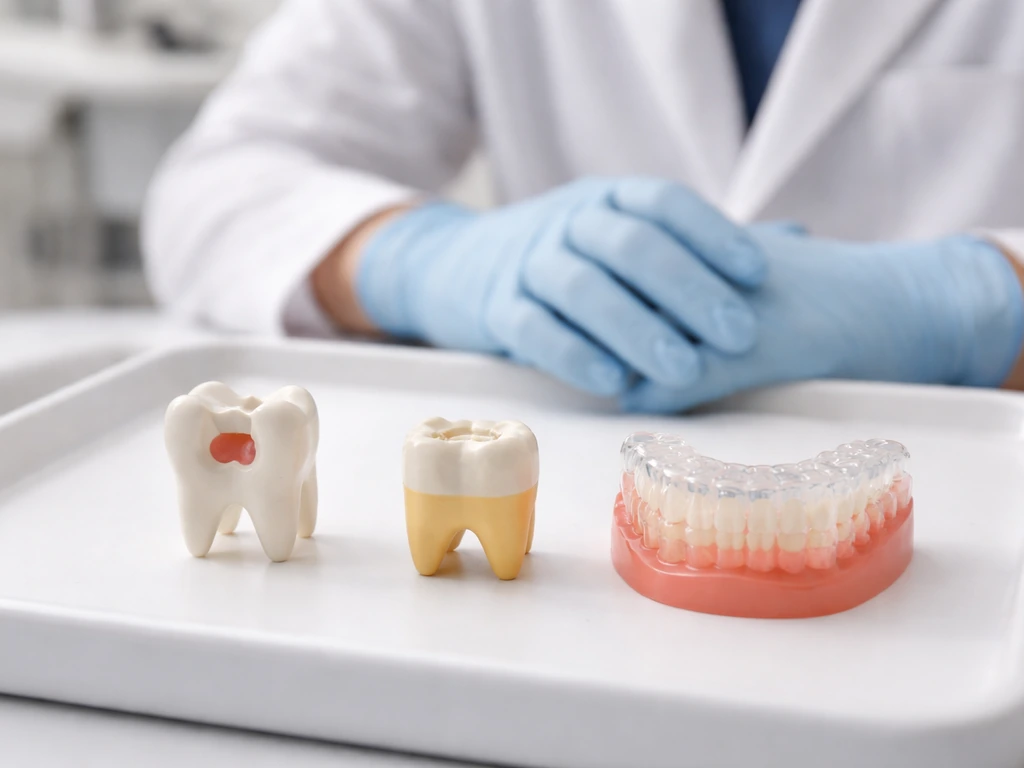
The right answer depends entirely on what you are actually dealing with. Here is how to think through the options based on your specific situation.
If you have lost a permanent tooth
A dental implant is the gold standard. It involves placing a titanium post into the jawbone, which integrates with the bone over several months, then attaching a crown on top. The result looks and functions like a natural tooth. If implants are not feasible due to cost or bone loss, a fixed dental bridge or removable partial denture are the realistic alternatives. None of these are regrowth, but they restore both function and appearance effectively.
If enamel is worn or damaged
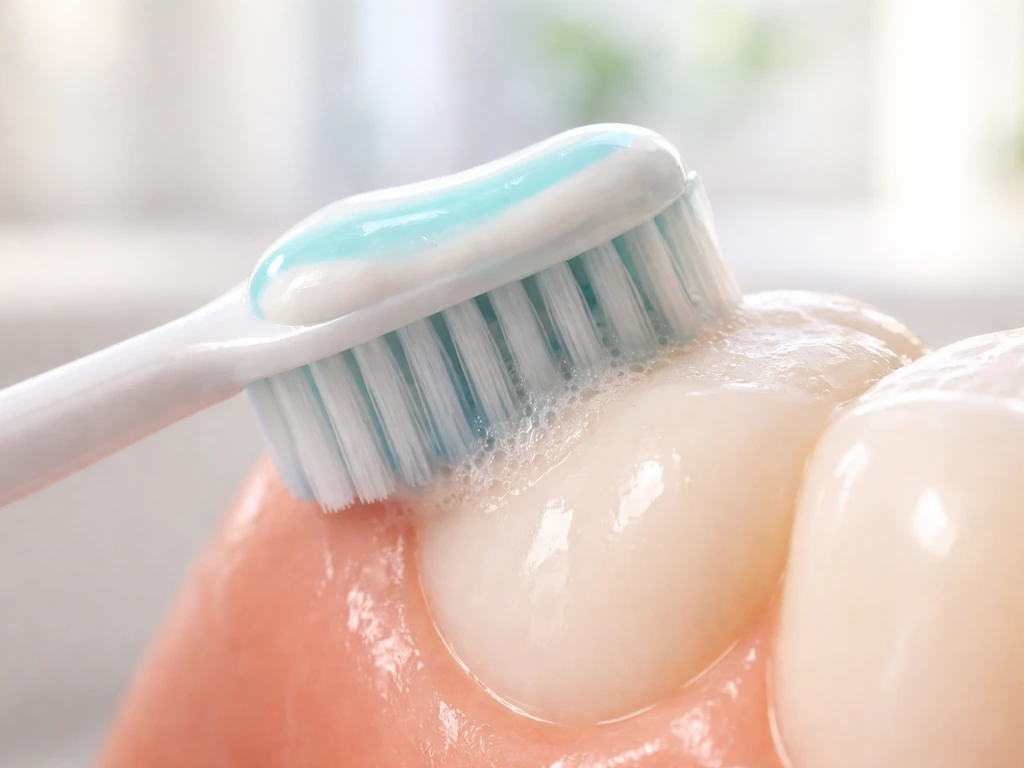
You cannot rebuild lost enamel, but you can protect what remains and support remineralization of the surface mineral structure. Use a fluoride toothpaste, consider a prescription-strength fluoride gel if your dentist recommends it, and eliminate or reduce acidic foods and drinks that accelerate erosion. If enamel loss is significant, a dentist can restore the tooth with composite bonding, porcelain veneers, or crowns depending on how much structure remains.
If a child has delayed permanent tooth eruption
Start with a dental X-ray to confirm the tooth is present and positioned correctly. If the tooth is impacted, an orthodontist may recommend creating space through braces or other appliance therapy to encourage natural eruption, or an oral surgeon may need to expose the tooth surgically and attach a bracket and chain to guide it into position. If the tooth is simply running late with no obstruction, watchful waiting with regular monitoring is often appropriate.
If you want teeth to look bigger or longer
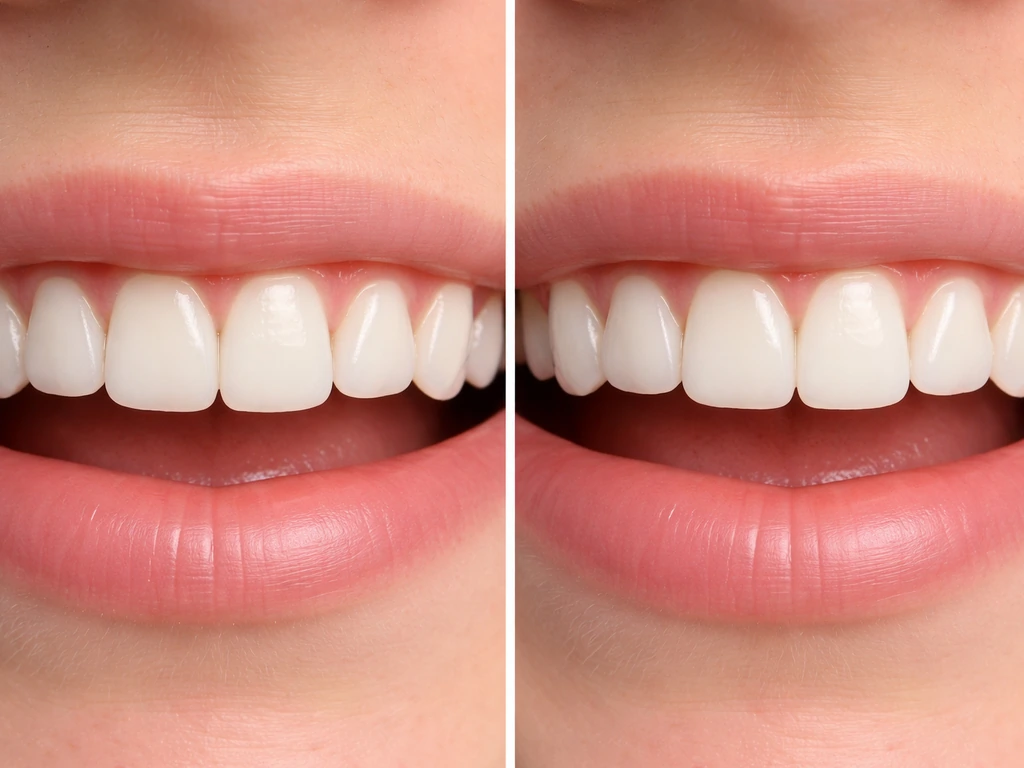
Talk to a cosmetic dentist. Crown lengthening (for teeth hidden by excess gum tissue), dental bonding, porcelain veneers, or ceramic crowns are all proven options. The right choice depends on how much tooth structure exists and what your goals are. Veneers and bonding are typically the least invasive starting points for cosmetic changes. An experienced dentist can show you mock-ups or digital previews before any work is done.
If wisdom teeth are slow to come in
There is no safe or proven method to make wisdom teeth erupt faster. Wisdom teeth emerge on their own timeline driven by jaw development and genetics. Wisdom teeth also follow their own eruption timeline, so you typically cannot force them to grow in straight without addressing what is blocking or influencing their path wisdom teeth emerge on their own timeline. If they are causing pain, crowding, or are partially impacted, an oral surgeon can evaluate whether extraction is the better path. Trying to rush their growth is not a goal worth pursuing, since many wisdom teeth cause problems precisely because there is not enough room for them.
Myths to stop believing right now
The internet is full of claims about making teeth grow, regrow, or get bigger. Here is what the evidence actually says about the most common ones.
| Claim | The Reality |
|---|---|
| Oil pulling regrows enamel or makes teeth bigger | No evidence. Oil pulling may slightly reduce certain oral bacteria, but it cannot regenerate tooth structure of any kind. |
| Calcium supplements will make teeth grow back | Calcium supports bone and tooth development in children, but it cannot regrow a tooth that has already been lost or rebuild enamel that has worn away. |
| Certain exercises or tongue positioning can push teeth to grow | Tooth movement requires sustained, calibrated force over months (like orthodontic treatment). Random pressure from tongue posture cannot reliably move or 'grow' teeth and can cause harm. |
| Eggshell or hydroxyapatite toothpastes regrow enamel | Hydroxyapatite is a legitimate remineralizing ingredient that can help maintain enamel surface minerals, but it does not regrow enamel. It supports what exists; it does not replace what is lost. |
| Turmeric, clove oil, or herbal rinses stimulate tooth growth | None of these substances have clinical evidence showing they cause tooth eruption or regrowth. Some have mild antimicrobial properties, which is different from regeneration. |
| Kids can grow a third set of teeth | A very small number of case reports exist of rare supernumerary teeth or unusual retained tooth germs, but a functional third natural dentition does not occur in humans. |
Safe habits that genuinely support dental health
While you cannot grow teeth back or make them larger through daily habits, there is a meaningful list of things you can do to protect the teeth you have, support healthy eruption in children, and maintain the gum and bone environment that keeps teeth stable.
- Brush twice daily with a fluoride toothpaste using a soft-bristled brush (hard brushing accelerates gum recession and enamel wear)
- Floss once daily to prevent the gum disease that causes bone and tooth loss
- Limit acidic drinks including soda, sports drinks, and citrus juices, which erode enamel faster than almost anything else
- Drink fluoridated water, which continues to support remineralization throughout life
- Wear a mouthguard if you grind your teeth at night (bruxism is one of the fastest ways to destroy enamel)
- See a dentist at least once a year for X-rays and cleaning, which catches problems when they are still small
- For children, ensure adequate vitamin D and calcium through diet during tooth development years (ages 0 to 12) since these nutrients support normal tooth formation in the developing jaw
- If a permanent tooth is knocked out, store it in milk or saliva (not water) and get to a dentist within 30 to 60 minutes
The bottom line on what is actually possible
Human teeth do not regenerate. Enamel, once gone, stays gone. Permanent teeth that are lost do not grow back. Tooth size is set by your genetics and cannot be changed by anything you do at home. But within those biological realities, there is a lot that modern dentistry can do: restore lost teeth with implants or bridges, protect and remineralize remaining enamel, guide delayed or impacted teeth into position, and improve the appearance of teeth that look too small or short. The starting point is always an honest conversation with a dentist who can take X-rays and tell you exactly what you are working with. That single appointment will give you more accurate, personalized guidance than any article or online remedy ever could.
FAQ
If enamel cannot regrow, can I still make my teeth “look” healthier and thicker over time?
Yes. You cannot replace missing enamel, but you can reduce further loss (fluoride toothpaste, treating dry mouth, and limiting frequent acid exposures) and restore thin areas with composite bonding or crowns, which can improve surface reflectivity and perceived thickness.
What should I do if a child’s permanent tooth seems to be delayed but no one can see it yet?
Ask for a dental X-ray, not just a wait-and-see guess. The scan can confirm whether the permanent tooth is present, blocked (impacted), or absent (hypodontia). Management differs a lot depending on which of those it is.
Is it ever safe to “wait” for a missing permanent tooth under the gum?
Sometimes, but there is a cutoff. If a baby tooth has been out for more than about six months with no sign of the permanent replacement, a dental evaluation is warranted to avoid prolonged space loss and shifting of neighboring teeth.
Can braces or aligners make teeth grow into place when they are delayed or impacted?
They can help guide eruption in some cases by creating space or using an eruption mechanism after a specialist confirms the tooth’s position. Braces alone cannot make a new tooth form, and you should not start treatment without imaging and a diagnosis of what is actually blocking the eruption.
My teeth look short, but my gums aren’t swollen. Could it still be a gum issue?
Yes. Excess gum display (gingival overgrowth) can make crowns look shorter even if you do not feel swelling. Conversely, gum recession can also change appearance. A periodontist can measure the gum margin and determine whether crown lengthening is appropriate.
If I have gum recession and the tooth looks longer, does that mean I should be happy with the result?
Not automatically. Recession can expose more root surface that is more sensitive and more vulnerable to further damage. Treatment focuses on stopping progression (plaque control, reducing trauma, addressing bite issues) and then restoring exposed root if needed.
Do veneers or crowns ever help with “small teeth” permanently, or do they change the health of the tooth?
They can improve appearance permanently, but they involve modifying the tooth surface to support the added material. Your dentist will assess remaining tooth structure, bite forces, and gum levels, and decide whether a less invasive option like bonding is safer first.
Can whitening or mouthwash make my teeth look bigger or longer?
Whitening may improve brightness and contrast, which can slightly improve how teeth appear, but it does not change tooth size or length. Mouthwashes containing strong acids or frequent use of irritating rinses can worsen surface erosion in some people.
Are there any supplements, oils, or home remedies that can genuinely increase tooth size?
No reliable method can enlarge tooth crowns or create new enamel at home. Be cautious of claims that promise growth or regrowth, because the biology after eruption does not support that outcome.
What are “red flags” that mean I should see a dentist urgently for delayed eruption or missing teeth?
Pain, swelling, a visible bulge over an unerupted tooth, repeated infections, or a tooth that is far beyond its expected eruption window. Also seek care if a tooth is missing after significant time with no signs of the permanent replacement.
Can wisdom teeth eruption be sped up if I’m getting impacted or experiencing pain?
There is no proven safe way to force faster eruption. If wisdom teeth are partially impacted or causing crowding or pain, an oral surgeon can evaluate whether extraction is the best option based on how the tooth is positioned.
If I’m missing a permanent tooth, what should I consider first for replacement?
Start with imaging and evaluation of the jawbone, adjacent teeth, bite alignment, and timeframe. Implants often require sufficient bone, while bridges or partial dentures may be better when bone is limited or cost and timing are constraints.
Next Articles
How to Make a Tooth Grow Faster: What’s Possible
Myths vs reality on making a tooth grow faster, eruption timelines, safe habits, and dentist options for teens and adult
How to Make Your Teeth Grow Faster: What’s Possible
Know what can and cannot speed tooth eruption, movement, or regrowth, with age timelines and safe next steps.
Do Milk Teeth Grow Back? Timelines, What to Do, Red Flags
Learn if milk teeth regrow, typical timelines for permanent teeth, what to do after loss or injury, and red flags.