
Yes, wisdom teeth absolutely grow on the top. They can come in on the upper jaw, the lower jaw, or both at the same time. The idea that wisdom teeth only grow on the bottom is one of the most persistent myths in dental conversations, and it trips people up constantly. Most people have up to four wisdom teeth total: two on the top (upper molars, one on each side) and two on the bottom (lower molars, one on each side). Any combination is possible, and you won't know exactly what you're dealing with without a dental exam and imaging.
Does Wisdom Teeth Grow on Top? Locations, Signs, and Next Steps

Marcus Holloway
8 Apr 2026
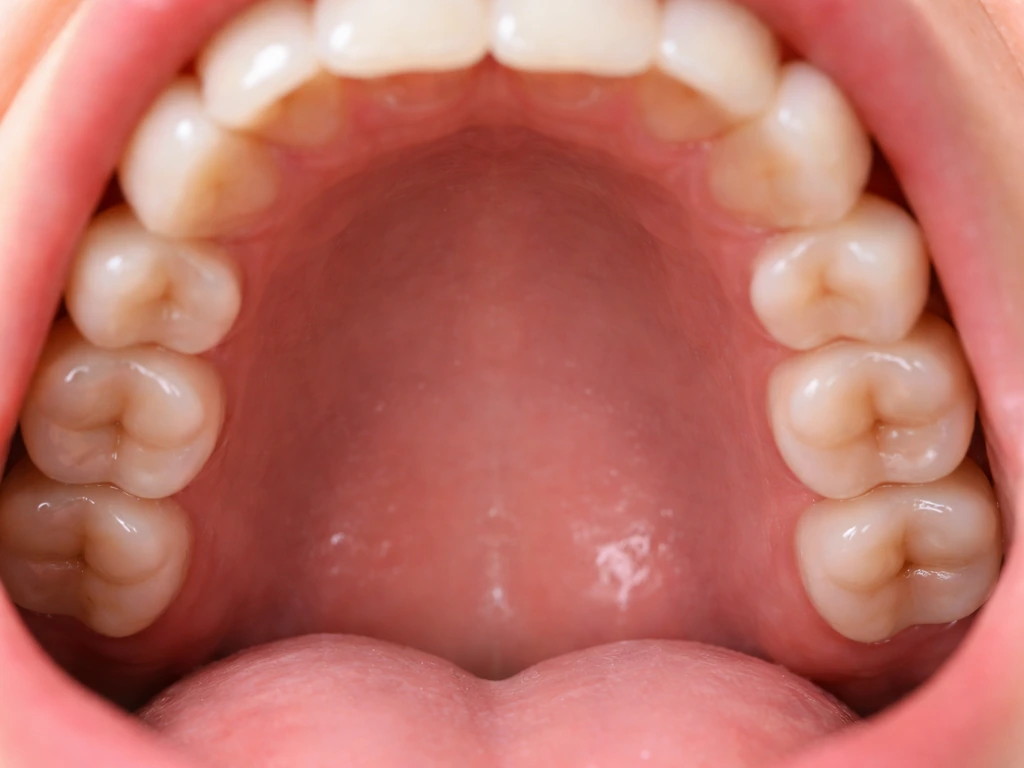
Where wisdom teeth normally erupt
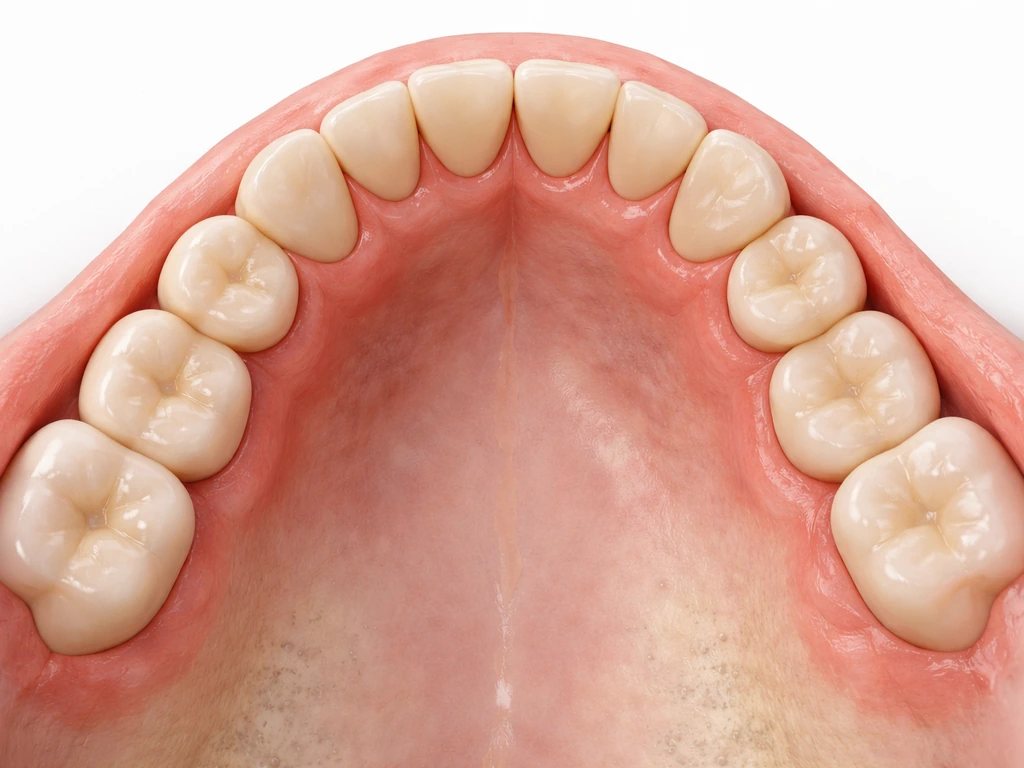
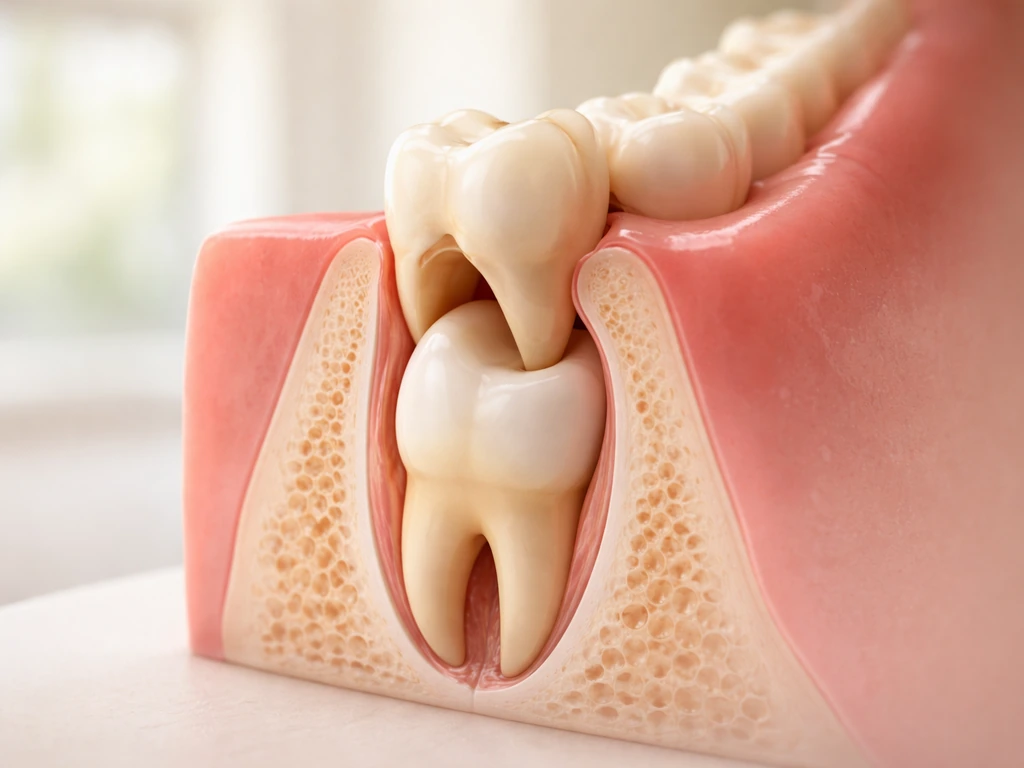
Wisdom teeth, or third molars, are the last teeth to come in. The American Dental Association notes they typically emerge between ages 17 and 21, though plenty of people see them earlier or later than that window. How many wisdom teeth grow varies by person, but the standard human dental formula allows for four: upper right, upper left, lower right, and lower left.
The upper wisdom teeth sit at the far back corners of your upper jaw (maxilla), tucked behind your second molars. The lower wisdom teeth sit in the same position on the lower jaw (mandible). When they erupt normally, the goal is for them to break through the gum line and align with the neighboring second molar's biting surface. That's the textbook scenario. The reality, as most people eventually find out, is messier.
A global systematic review and meta-analysis pooling 74 studies found that roughly 36.9% of people have at least one impacted wisdom tooth, and the impaction rate at the tooth level is about 46.4%. That means nearly half of all wisdom teeth never fully erupt the way they're supposed to. Both upper and lower teeth are affected, though the patterns differ. Among upper (maxillary) third molars, impaction below the cervical line of the neighboring second molar is the most common pattern, while lower (mandibular) wisdom teeth tend toward deeper impaction, especially in people over 40.
Do wisdom teeth only grow on the bottom? Busting the myths
The bottom-only myth probably sticks around because lower wisdom tooth problems are louder. Pericoronitis, which is the painful inflammation of gum tissue surrounding a partially erupted tooth, is primarily associated with lower third molars. StatPearls describes pericoronitis as an intraoral inflammatory process where symptoms typically begin in the posterior mandible, meaning the back of the lower jaw. So when people talk about wisdom tooth agony, they're usually describing a lower tooth situation, and that gets baked into the collective assumption that wisdom teeth are only a bottom-jaw issue.
But upper wisdom teeth cause their own set of problems. One research dataset found that caries (cavities) were present in 33.6% of partially erupted upper third molars, compared to just 4.2% in lower third molars in the same group. Upper wisdom teeth can press against neighboring teeth, cause pain in the jaw and cheek area, and become impacted just as frequently as lower ones. They're quieter sometimes, but they're very much there.
There's also a regeneration misconception worth clearing up. Some people wonder whether a wisdom tooth that was removed or never came in could somehow grow back. It cannot. Wisdom teeth, like all adult teeth, do not regenerate once they're fully formed and extracted. Whether it's possible to not grow wisdom teeth at all is a separate biological question, but the idea that a removed wisdom tooth will re-erupt is folklore, not dental science. Eruption of a tooth that was always present in the jaw is completely different from regeneration of a lost tooth.
Can wisdom teeth grow on the roof of your mouth or other unusual spots
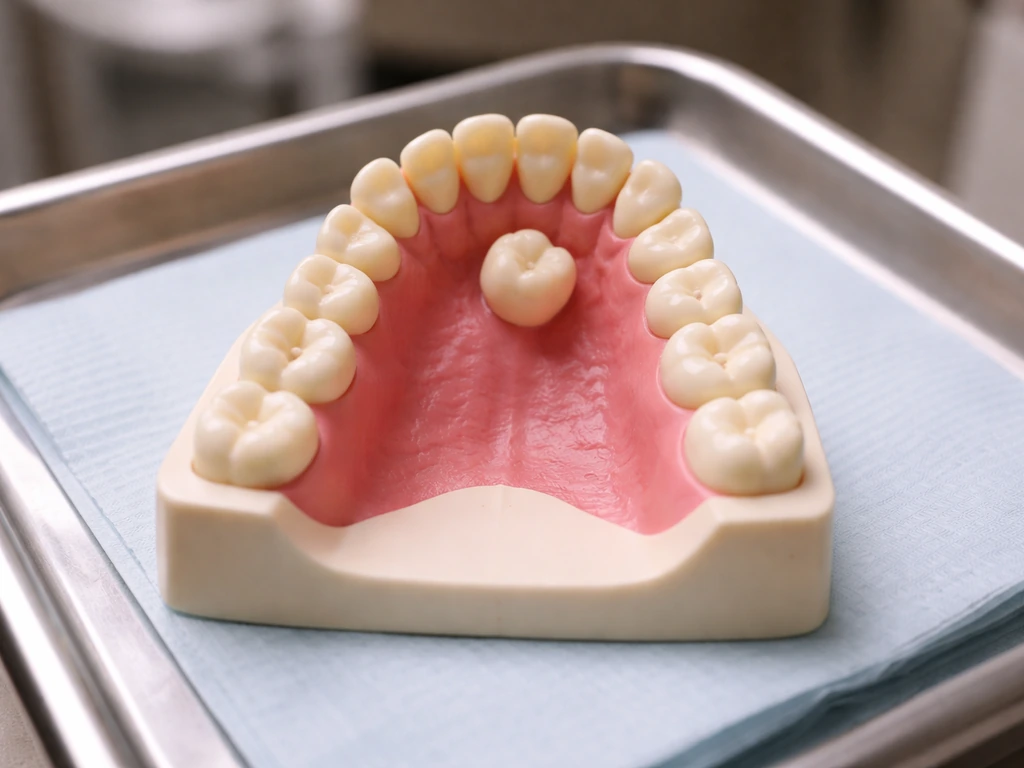
This question comes up more than you'd expect. True eruption through the roof of the mouth (the hard palate) is not the normal path for wisdom teeth, but ectopic eruption, meaning a tooth developing and emerging in a location well outside its expected position, does happen. It's rare, but documented.
A published case report describes a patient with an ectopic upper third molar that had migrated into the medial wall of the maxillary sinus, causing recurrent sinus infections. The authors note that ectopic tooth eruption can result from pathological processes, developmental abnormalities, or iatrogenic (treatment-related) causes. So while a wisdom tooth popping through the roof of your mouth in the classic sense isn't typical, teeth can end up in genuinely unexpected anatomical territory.
If you're experiencing persistent upper jaw pain, nasal congestion, or pressure behind your cheekbone alongside the usual wisdom tooth symptoms, it's worth mentioning that to your dentist. An ectopic molar in the sinus region won't announce itself the same way a standard impaction does.
What determines eruption location (space, genetics, jaw development)
Where your wisdom teeth erupt, or whether they erupt at all, comes down to a combination of available space, jaw anatomy, and genetics. The back of your jaw needs enough room for a third molar to clear the second molar and come in at the right angle. Most modern humans don't have that room, which is a big part of why impaction rates are so high globally.
Genetics plays a direct role both in jaw size and in whether wisdom teeth even develop. Some people are born without wisdom tooth buds entirely. Why wisdom teeth grow so late compared to other permanent teeth is tied to evolutionary biology and the slower development timeline of third molars, but the specific location they end up in comes down to the geometry of your individual jaw.
Upper and lower jaws develop and function differently. The upper jaw (maxilla) is anchored to the skull, while the lower jaw (mandible) is a movable bone. The density, angle, and width of both bones affect how a forming wisdom tooth is guided during development. If the tooth bud is angled incorrectly early on, it can end up impacted at a horizontal, mesial, distal, or vertical angle by the time it tries to erupt, and that misalignment is locked in long before you feel any symptoms.
Also worth knowing: wisdom teeth often grow in spurts rather than in one steady push, which is why many people notice intermittent discomfort over months or even years rather than one sustained period of pain.
Signs you may have upper or lower wisdom teeth coming in
The symptoms aren't always obvious, and upper versus lower wisdom teeth can feel surprisingly different. Here's what to watch for based on location:
- Upper wisdom teeth: aching or pressure behind your upper back molars, headaches near the temples, jaw stiffness, or a feeling like something is pressing into your cheek from inside
- Lower wisdom teeth: dull or throbbing pain at the back of the lower jaw, swollen or tender gum tissue behind the last visible molar, pain that radiates toward the ear or throat
- Both locations: jaw stiffness (trismus), swelling visible or felt from outside the face, bad taste or smell near the back of the mouth, difficulty opening your mouth fully
- General: partially visible tooth (white edge poking through gum), gum tissue that looks inflamed or puffy in the very back of the mouth
Acute pericoronitis, when it develops around a partially erupted tooth, can produce intense throbbing pain that radiates to the ear and throat, along with redness, swelling, and sometimes pus around the gum flap over the tooth. The Cleveland Clinic recommends scheduling a dentist appointment right away if you experience pain, fever, or bleeding gums in that area. Don't wait it out hoping it resolves on its own. Pericoronitis can escalate quickly.
What to do next: when to see a dentist, what imaging helps, and immediate self-care
When to make an appointment
If you're in your late teens or 20s and haven't had a wisdom tooth assessment yet, schedule one now regardless of symptoms. Most issues are easier to manage before they become painful emergencies. If you're experiencing any of the symptoms listed above, don't delay: pain, swelling, fever, or jaw stiffness around a back tooth warrants a prompt visit, not a watch-and-wait approach.
What imaging actually tells you
A panoramic radiograph is the gold standard for wisdom tooth assessment. The American Association of Oral and Maxillofacial Surgeons notes that panoramic imaging can reveal the number of wisdom teeth present, their exact position in the jaw, the angle of each tooth, and how far along eruption has progressed. On a panoramic image, dentists classify teeth as erupted (crown at the level of the neighboring second molar's biting surface), semi-retained (crown partially covered by bone), or retained (crown fully covered by bone). That classification directly determines what treatment, if any, is needed.
The ADA's guidance on radiographic examinations makes clear that imaging should be ordered based on clinical need determined by your dentist. Not everyone needs a panoramic X-ray at every visit, but if you're experiencing symptoms or have never had your wisdom teeth evaluated, the diagnostic value is high. The FDA also notes that different imaging types have different diagnostic accuracy depending on what's being assessed, which is why your dentist's judgment about which image to order matters.
Immediate self-care while you wait for your appointment

These steps won't fix an impaction or infection, but they can manage discomfort in the short term:
- Rinse with warm salt water (half a teaspoon of salt in 8 ounces of water) several times a day to reduce bacterial load and soothe irritated gum tissue
- Take over-the-counter ibuprofen or acetaminophen as directed for pain relief, noting that ibuprofen also has anti-inflammatory effects that can reduce swelling
- Avoid hard or crunchy foods that put pressure on the back of your mouth
- Keep the area as clean as possible by brushing gently around the site and using an antimicrobial mouthwash
- Do not attempt to remove or poke at a visible tooth edge with any instrument
- Seek same-day or urgent dental care if you develop a fever, significant facial swelling, or difficulty swallowing or opening your mouth, as these are signs of a spreading infection
The bottom line: wisdom teeth can and do grow on the top, the bottom, or both, and they can occasionally appear in unusual positions due to ectopic development. The upper-versus-lower question matters less than knowing what's actually happening in your specific jaw. A panoramic X-ray and a dentist who can read it will give you a clear, individualized picture in a single appointment, which is worth far more than trying to interpret symptoms alone.
FAQ
If I had one wisdom tooth removed, can the space fill in with another wisdom tooth later?
No, wisdom teeth cannot re-erupt once a tooth has been removed, because adult teeth do not regenerate. If you feel new “pressure” after an extraction, it is usually gum healing, scar tissue sensitivity, or irritation from a nearby tooth, not a replacement wisdom tooth coming through.
Can upper wisdom teeth cause sinus infections or nasal congestion?
Upper wisdom teeth can sometimes mimic sinus or allergy symptoms, especially when they are close to the maxillary sinus. Watch for one-sided, recurrent congestion, facial pressure near the cheekbone, or symptoms that flare around the same months you notice mouth discomfort.
If my upper wisdom tooth isn’t hurting, do I still need an X-ray?
The safest way to know is imaging, because impacted upper teeth can be mostly symptom-free. If you have any signs like gum swelling behind the second molar, persistent bad taste, or pain that keeps returning in the back of the mouth, ask for a panoramic X-ray even if the pain is mild.
Can a partially erupted top wisdom tooth still get cavities or infections?
Yes. A tooth can be “partially erupted” and still be trapped under enough gum or bone to trap food, bacteria, and debris, which increases the odds of infection and decay. That’s why semi-retained teeth on imaging can still cause problems even when you can see some of the crown.
If I have pain near my ear, does it always mean my lower wisdom tooth is the cause?
Your “back-of-mouth” pain can be referred, so ear pain does not prove the problem is lower. Upper or lower third molars can cause aching that travels to the ear, jaw joint area, or throat, so location of pain alone is not a reliable way to tell which tooth is involved.
How do dentists decide whether to remove an impacted upper wisdom tooth versus watch it?
It depends on the X-ray classification and your risks. Dentists often recommend removal when a tooth is hard to clean, is causing repeated inflammation, is damaging the second molar, or has a high risk of future problems, while monitoring may be reasonable for fully impacted teeth that are stable and symptom-free.
What signs suggest my upper wisdom tooth might be in an unusual position?
Ectopic upper wisdom teeth into the sinus or other unusual positions are rare, but you can suspect something atypical if symptoms do not match a typical gum-flap impaction pattern, or if standard treatment does not improve issues. Mention any history of recurring sinus problems along with your dental symptoms to help guide the workup.
Why does my wisdom tooth pain come and go instead of staying constant?
Not necessarily. Wisdom teeth can be intermittent, and spurt-like eruption can cause on-and-off soreness for months. If pain is repeatedly triggered by chewing, brushing around the back tooth, or persistent tenderness around the gum flap, it is a strong reason to get assessed rather than waiting for it to “finish.”
Next Articles
Do Milk Teeth Grow Back? Timelines, What to Do, Red Flags
Learn if milk teeth regrow, typical timelines for permanent teeth, what to do after loss or injury, and red flags.
Can Milk Teeth Grow Twice? Replacement vs True Regrowth
Can milk teeth grow twice? Learn why baby teeth usually only get replaced, not regrown, and what to do if one falls out
Why Do Teeth Only Grow Twice? Baby vs Permanent Explained
Why humans have only baby and permanent teeth: eruption timeline, limits of enamel regrowth, and common exceptions to kn