
Most people can develop up to four wisdom teeth, one in each back corner of the mouth. That said, "up to four" covers a wide range of real-world outcomes. Plenty of people grow only one, two, or three. Some grow none at all. And growing wisdom teeth in the jaw is not the same as having them fully erupt into your mouth, which is where things get complicated for a lot of people.
How Many Wisdom Teeth Grow: Typical Count, Timing, and Signs

Marcus Holloway
23 Apr 2026
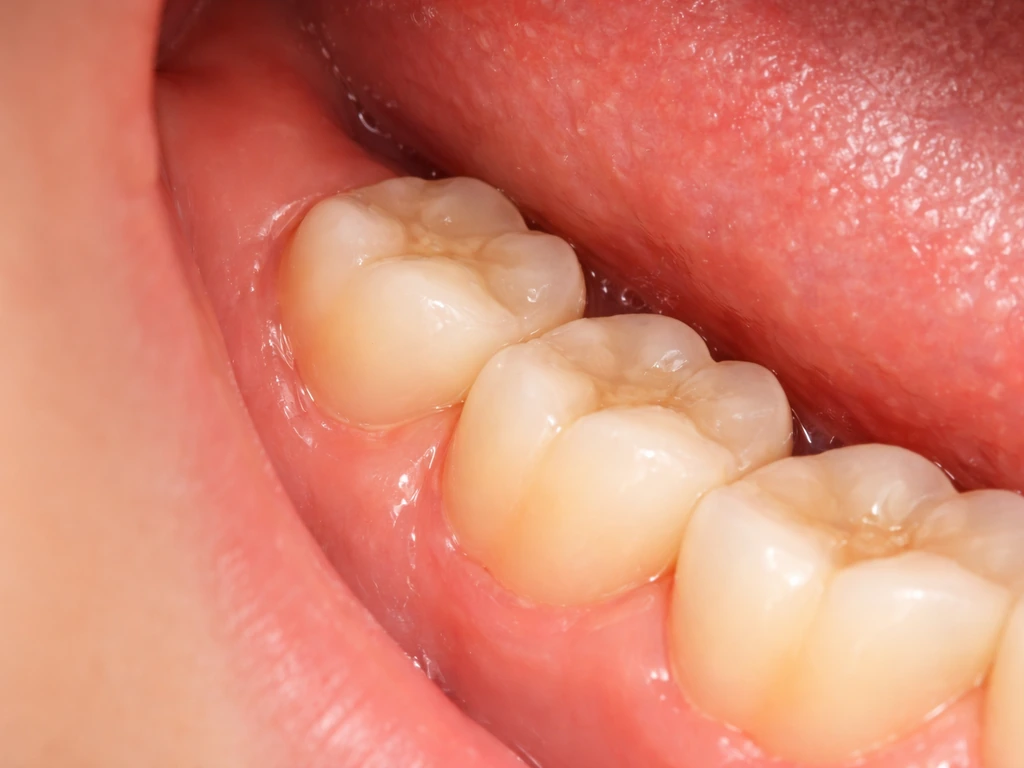
The typical number: up to four, but four is not guaranteed
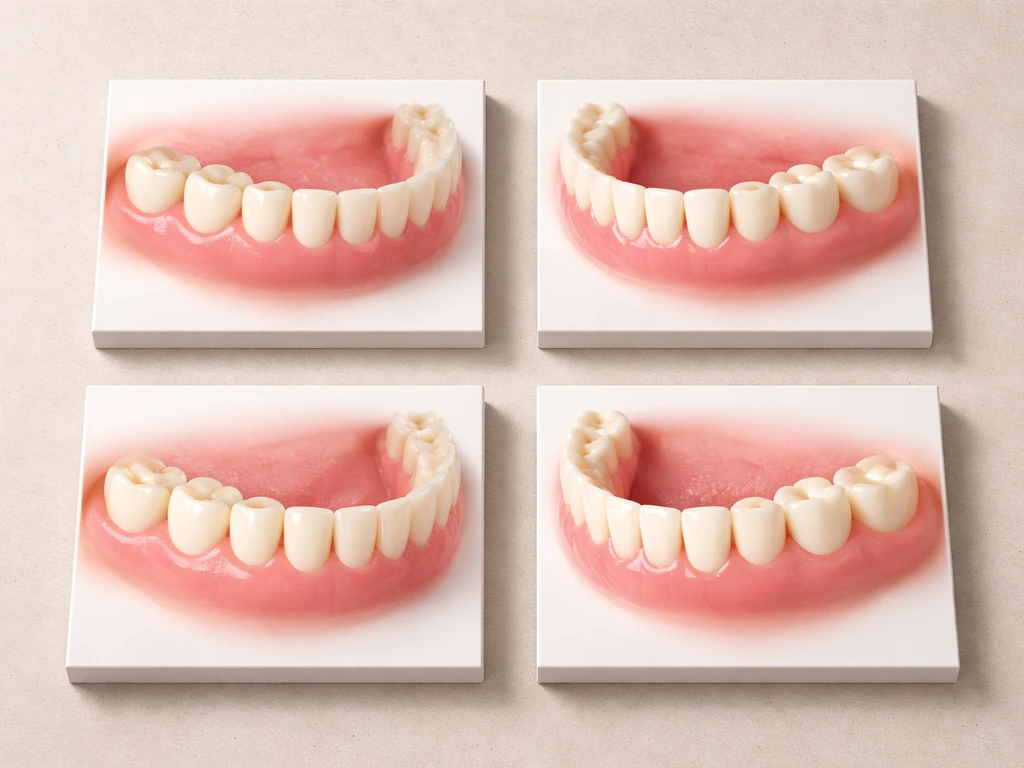
The standard answer from dental organizations is that there are usually four wisdom teeth in total, one in each quadrant of the mouth (upper left, upper right, lower left, lower right). These are technically called third molars, and they sit at the very back of your dental arch behind your second molars. But "usually four" is not the same as "always four," and the outcomes vary more than most people expect.
A wisdom tooth can exist in three very different states: fully erupted into your mouth where you can see and feel it, partially erupted where only part of the crown pokes through the gum, or completely under the gum and bone where it never breaks through at all. When people ask how many wisdom teeth grow, the honest answer depends a lot on which of those states you're counting.
Why some people grow fewer, or none at all
Here is where genetics plays a big role. Some people simply never develop wisdom tooth buds in the first place, a condition called third molar agenesis. This is not a defect or a problem, it just means those teeth never formed. Research published in PLOS ONE involving nearly 6,000 patients found that third molar agenesis is more common than most people assume, and it is often linked to patterns of missing other teeth as well.
Tooth agenesis, the failure of teeth to form, has a clear genetic basis. Multiple genetic variants are known to increase the likelihood that certain teeth never develop. If one or both of your parents had fewer than four wisdom teeth, there is a real chance you will too. This is not folklore, it is supported by genome-wide association studies that have identified specific genetic risk factors for missing teeth.
So if your dentist has told you that you are missing one or more wisdom teeth on X-ray, that is almost certainly a genetic outcome, not something that happened because of diet or dental hygiene. And no, those teeth are not going to show up later. If the buds did not form, there is nothing to erupt.
When wisdom teeth actually come in: the eruption timeline
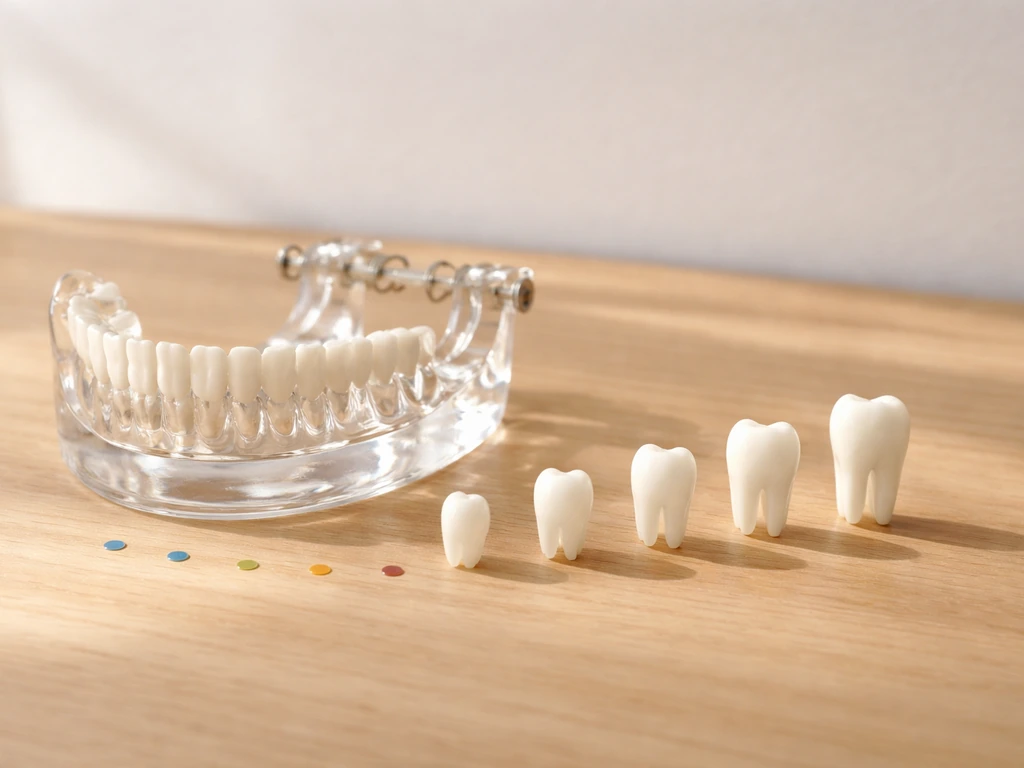
Wisdom teeth are late developers. They typically begin erupting into the mouth somewhere between ages 17 and 25, though the full developmental process in the jaw often continues until around age 18 to 24. Wisdom teeth typically begin erupting into the mouth between ages 17 and 25, according to the AAOMS.
Wisdom teeth can also erupt in phases rather than all at once, which is why some people notice changes in spurts during the late-teen to mid-20s timeframe erupting into the mouth. That window is wide on purpose because there is a lot of variation from person to person. Some people feel their wisdom teeth breaking through at 17. Others do not notice any movement until their early to mid-20s.
It is also worth knowing that development in the jaw and eruption into the mouth are two separate events. A wisdom tooth can also develop on the upper jaw and still never come in fully, so “on top” does not guarantee eruption wisdom teeth on top. A wisdom tooth can be growing (developing its roots and crown) inside your jawbone for years before it ever tries to push through the gum. An X-ray at age 16 might show all four wisdom tooth buds forming nicely, but that does not mean you will see all four teeth erupt into your mouth by 25.
| Stage | Typical Age Range | What's Happening |
|---|---|---|
| Tooth bud formation | Early to mid-teens | Wisdom teeth begin developing inside the jawbone |
| Crown development | Mid-teens to ~17 | The crown of the tooth takes shape under the gum |
| Eruption begins | 17 to 21 years | Tooth starts pushing toward the gum surface |
| Full eruption (if it happens) | 18 to 25 years | Tooth breaks through the gum and enters the mouth |
| Root completion | Late teens to mid-20s | Roots finish forming, usually after the crown appears |
How many people actually grow wisdom teeth
This is one of the more interesting questions, and the data is genuinely surprising. Research analyzing US population data through NHANES looked at visible third molars across a large sample. Separately, a cross-sectional panoramic study found that roughly 33% of third molars were fully erupted, about 66% were in various stages of eruption or impaction, and around 5% were congenitally missing (never developed). Another longitudinal study found that about 11.7% of participants still had at least one unerupted third molar after a decade of observation.
What this tells you is that full eruption of all four wisdom teeth is actually not the most common outcome. Most people either have at least one wisdom tooth that is impacted, partially erupted, or simply absent. If your wisdom teeth did not all come through cleanly, you are in very good company.
What decides whether your wisdom teeth fully come in
The biggest factor is space, specifically, whether there is enough room at the back of your jaw for the tooth to emerge and align properly. The retromolar region (the area behind your second molar) varies considerably from person to person, and when there is not enough room, the wisdom tooth can become impacted. Impaction means the tooth is physically blocked by bone, soft tissue, or the adjacent second molar.
A systematic review found that a lack of space in the retromolar region is the primary driver of third molar impaction worldwide. The highest incidence of impaction is in the 18 to 25 age group, exactly when most wisdom teeth are trying to erupt. Angulation also matters: if the wisdom tooth is angled toward the second molar (mesially impacted) rather than growing straight up, it is far more likely to get stuck.
- Jaw size relative to tooth size: smaller jaws leave less room for third molars to emerge
- Angulation of the developing tooth: tilted teeth are more likely to become impacted
- Whether adjacent second molars block the path of eruption
- Thickness and density of bone and gum tissue covering the tooth
- Whether the tooth formed fully or only partially developed
One thing worth clearing up, since this site focuses on dental regeneration: wisdom teeth do not grow back once removed. Human adults have no mechanism for regrowing permanent teeth. Once a wisdom tooth is extracted, that is it. There is no new bud waiting behind it, and no biological process that can replace it. The same applies to any permanent tooth. This is a genuine limitation of human dental biology, not a gap that current dentistry can fill with natural regrowth.
Signs your wisdom teeth are on the move, and when to get checked
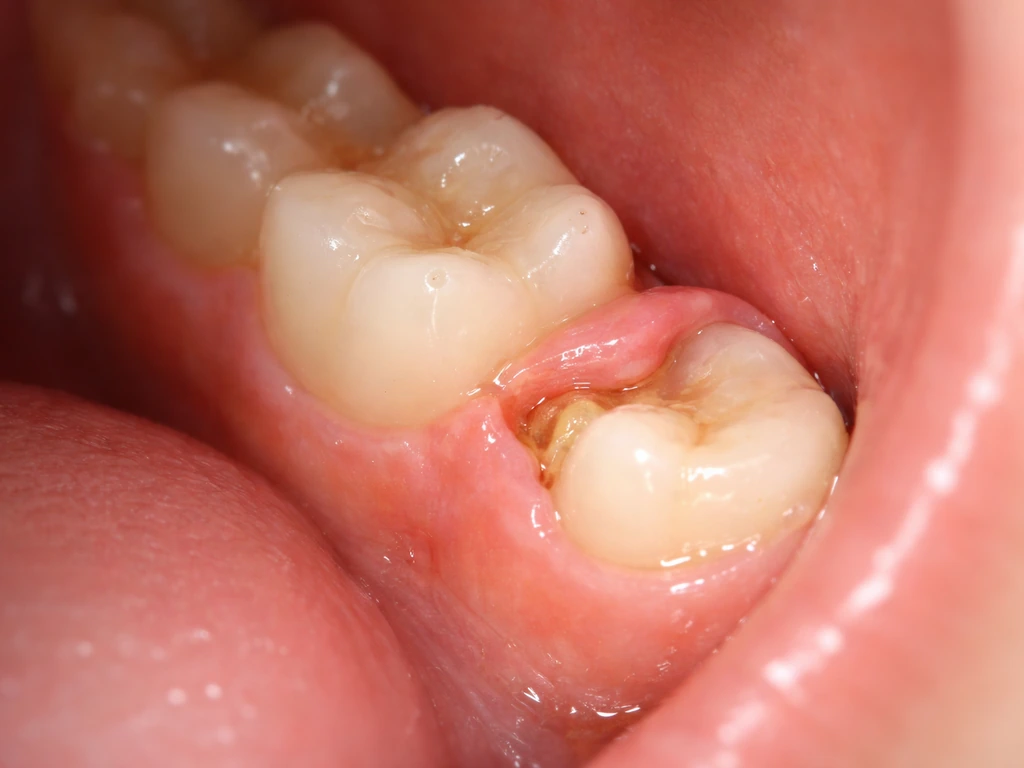
The most common early sign is pressure or mild aching at the very back of your mouth, sometimes radiating toward the jaw or ear. You might notice the gum at the back of your lower jaw feeling tender or slightly swollen. Some people notice a flap of gum tissue (called the operculum) partially covering the emerging tooth, which can trap food and bacteria.
When a partially erupted wisdom tooth gets infected, the condition is called pericoronitis. Pericoronitis is commonly associated with a wisdom tooth that is still partially impacted under the gum, where a flap called the operculum can cover part of the crown. Symptoms include pain and swelling around the back of the jaw, a bad taste or smell, pus, difficulty fully opening your mouth (trismus), and sometimes fever. If you have facial swelling, difficulty swallowing, or any trouble breathing, that is an emergency, and you need to go to a hospital or emergency dental clinic immediately, not wait for a routine appointment.
When to call your dentist
- You are in your late teens or early 20s and have not had a panoramic X-ray to check on your wisdom teeth: get one. It is the only reliable way to see whether all four are present, how they are positioned, and whether they have room to erupt.
- You feel pressure, aching, or tenderness at the back of your mouth: mention it at your next dental visit, or schedule one sooner if it is persistent.
- You have pain, swelling, or pus near a partially erupted wisdom tooth: call your dentist the same day. Pericoronitis needs prompt treatment.
- You have trismus (limited mouth opening), fever, or facial swelling: do not wait for a regular appointment. Seek urgent dental care.
- You have difficulty swallowing or breathing: go to an emergency room immediately.
The ADA recommends that your dentist examine your mouth and take an X-ray to evaluate impaction, and the panoramic X-ray is the standard tool for this. Imaging decisions should be individualized based on your age, symptoms, and clinical picture, so your dentist will guide exactly what you need. If a wisdom tooth is impacted or causing problems, removal is often recommended, though a single mild episode of pericoronitis is not automatically grounds for surgery according to clinical guidance from NICE.
The bottom line on how many wisdom teeth you can expect
The textbook answer is four, but the real-world answer is anywhere from zero to four, with partial eruption being extremely common. Whether yours fully come in depends on genetics, jaw anatomy, and sheer geometry. If you are in your late teens or early 20s, a panoramic X-ray is the clearest way to know what is happening below the gumline. And if you are wondering whether there is any chance of them regrowing after removal, there is not.
Once they are gone, they are gone. Related questions worth exploring include why wisdom teeth develop so much later than other teeth, whether it is possible to never grow them at all, and how the eruption process actually works over time, since the details behind each of those questions add useful context to understanding what is happening in your own mouth.
If you are curious why wisdom teeth tend to develop much later than other teeth, that timing comes down to how and when the third molars mature why do wisdom teeth grow so late.
FAQ
If my X-ray at 16 shows all four wisdom tooth buds, does that mean I will definitely see four teeth by my mid-20s?
No. An X-ray can show developing buds, but it cannot guarantee full eruption. Some teeth remain impacted under bone, and others only partially erupt. Ask your dentist to describe the angulation and whether there is enough retromolar space, since those factors drive whether a bud ever breaks through.
Can wisdom teeth erupt at one time, or do they come in stages?
They can come in stages. It is common to notice symptoms intermittently over years, because eruption attempts can occur in phases (for example, the crown pokes through, then stalls). If symptoms repeatedly flare and subside, that often points to partial eruption and food trapping rather than a single continuous breakthrough.
What is the difference between an impacted wisdom tooth and a partially erupted one?
Partially erupted teeth break through the gum margin but may not fully clear the tissue, leaving an operculum that can trap bacteria. Impacted teeth are blocked by bone, soft tissue, or the neighboring second molar, so they may never emerge. Your treatment decision depends on which state you have and whether you have infection or damage risk.
If I only have pain on one side, does that mean only one wisdom tooth is the problem?
Not always. Pain can be referred, and gum inflammation on one side can feel like it originates from the back corner of the jaw. An X-ray or exam is needed to confirm whether the painful area matches the position of an impacted or partially erupted tooth.
Do wisdom teeth ever come in straight without problems, and if so, what does that mean for care?
Yes, some erupt with minimal trouble, especially when the tooth is well aligned and there is enough space. Even then, periodic checkups matter, because a tooth can later develop gum irritation or cavities in the adjacent second molar. Many clinicians use watchful waiting when there are no symptoms and no evidence of disease.
How can I tell if my symptoms are from pericoronitis versus a cavity or gum disease?
Pericoronitis pain usually centers around the back gum over the emerging tooth, often with an operculum and a bad taste or smell from trapped debris. Cavities or periodontal disease more commonly involve bleeding gums, visible decay, or tenderness around different tooth areas. Because symptoms can overlap, a dentist should examine the specific spot and may take targeted imaging.
Is it safe to postpone seeing a dentist if symptoms are mild?
Sometimes mild, short-lived pressure can be monitored, but postponing is riskier if you develop worsening swelling, fever, pus, trouble opening your mouth, or trouble swallowing. Those are red flags for infection spread. If you have any breathing or swallowing difficulty, treat it as urgent and seek emergency care.
If I had pericoronitis once, do I automatically need surgery?
Not automatically. Clinical guidance often considers surgery based on recurrence, severity, and the tooth’s position relative to nearby structures. If it keeps coming back or if imaging shows high risk of complications, removal becomes more likely. Ask your dentist to weigh recurrence history and impaction details, not just one episode.
Can wisdom teeth be removed even if they are not fully erupted yet?
Yes. Removal decisions can be based on impaction position, risk of future problems, and symptoms, not only on whether the tooth is visible. However, surgery becomes more technically complex as teeth are deeper or closer to nerves, so imaging and a surgeon’s assessment are key to planning.
If wisdom teeth do not regrow after extraction, are there any cases where someone seems to “get new wisdom teeth”?
That usually means one of two things: a tooth was not fully identified and extracted earlier, or a person had a different third molar that later became visible. Genuine biological regrowth of permanent teeth buds after removal is not expected in adults. If you think a new tooth appeared after extraction, ask for a repeat X-ray to confirm what tooth is actually there.
What age range is most important for checking eruption or impaction?
The highest eruption and impaction activity often falls in the late teens to mid-20s, but planning is individual. If you have symptoms or family history of missing or impacted third molars, earlier evaluation can be helpful. Your dentist may use panoramic imaging to time follow-up rather than relying on symptoms alone.
How does family history affect how many wisdom teeth I have?
It can be significant. Missing wisdom teeth can reflect third molar agenesis, which tends to run in families due to genetic factors. If a parent or sibling had zero, one, or several missing or impacted wisdom teeth, you can discuss earlier imaging and expect a wider range of outcomes than average.
Next Articles
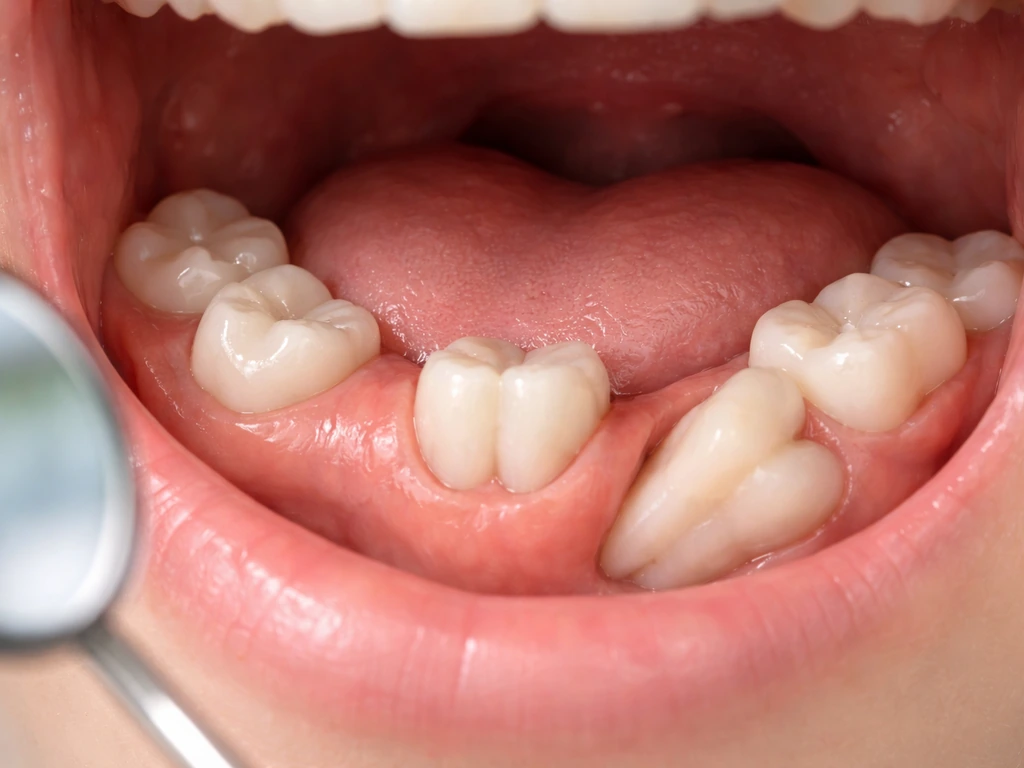
Is It Possible to Not Grow Wisdom Teeth
Learn if you can avoid wisdom teeth, what’s possible biologically, timing by age, and options like monitoring or extract
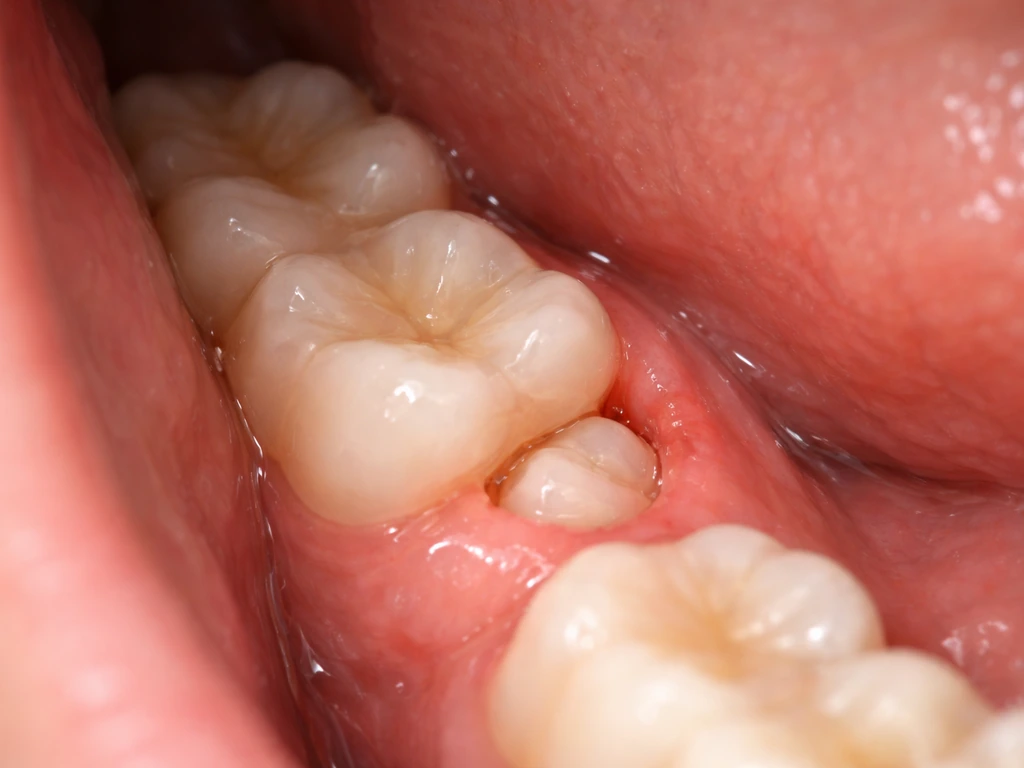
Why Do Wisdom Teeth Grow So Late? Causes and What to Do
Learn why wisdom teeth erupt late, what “late” really means, and when to seek care for impaction or delayed eruption.
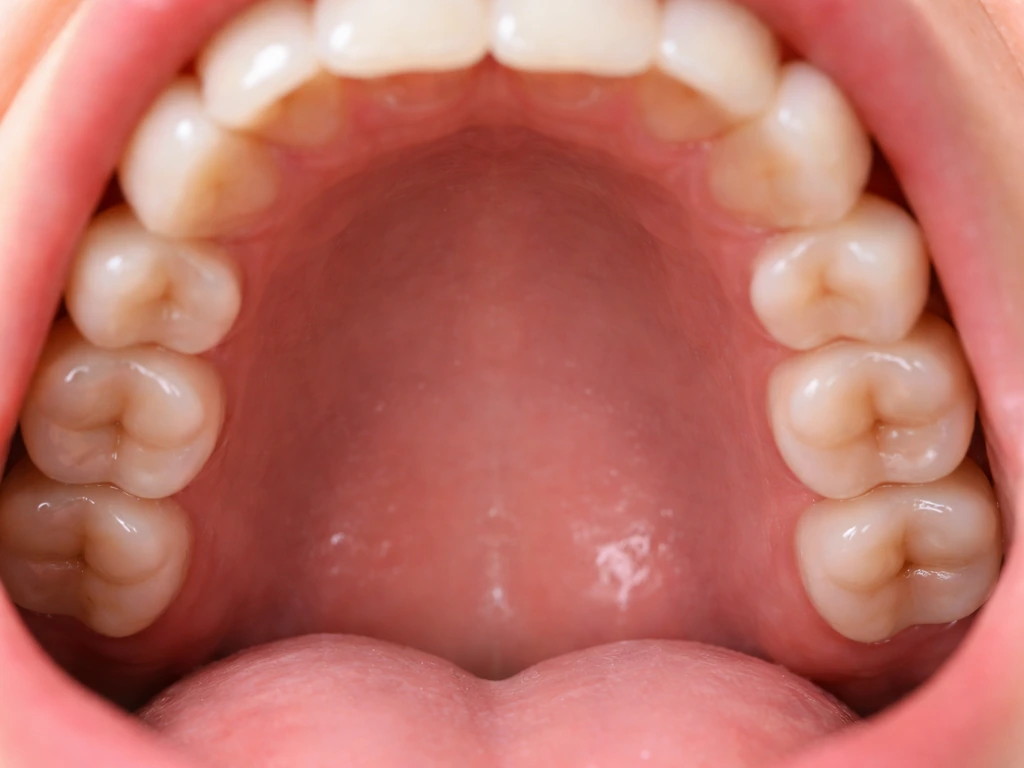
Does Wisdom Teeth Grow on Top? Locations, Signs, and Next Steps
Can wisdom teeth grow on top or the palate? Learn locations, signs, causes, and when to get X-rays and dental care.