Yes, wisdom teeth can start showing signs of development at 13, and in some cases they can even begin erupting through the gum at that age. It's uncommon but medically plausible. Clinical data shows the earliest recorded eruption age for third molars is 13 in females and 14 in males, though the average sits closer to 16.5 to 17.5 years. So if you're 13 and noticing something happening in the back of your mouth, it's worth taking seriously rather than dismissing.
Can Wisdom Teeth Grow at 13? Signs, Timing, and Next Steps

Marcus Holloway
14 May 2026
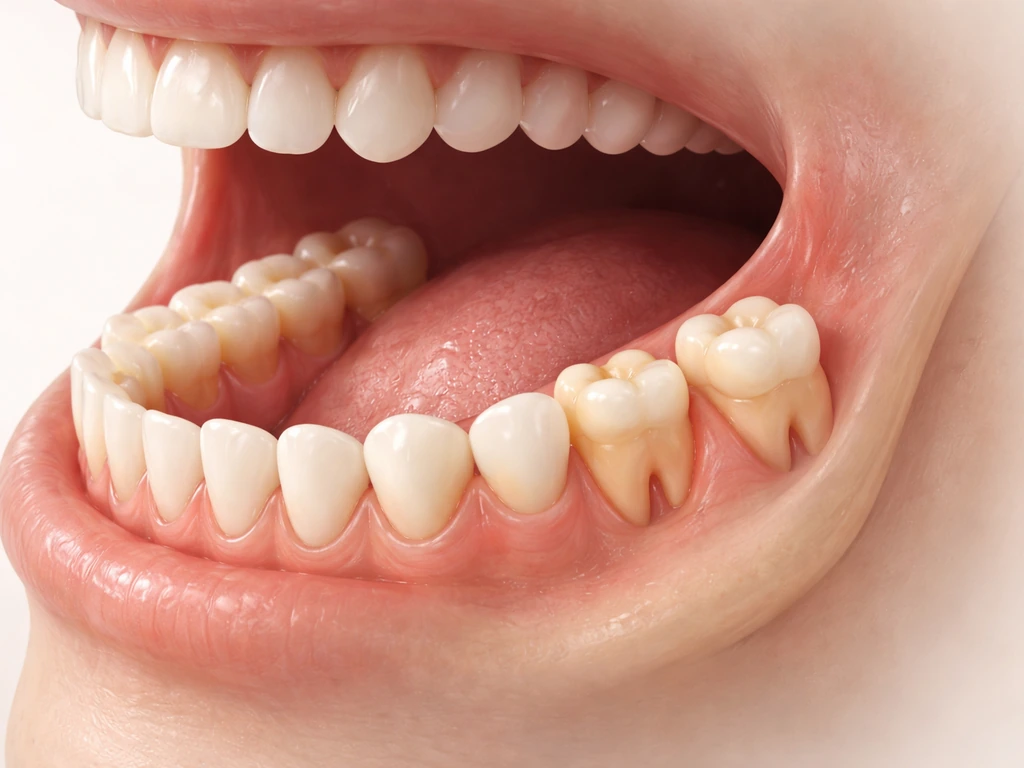
How wisdom tooth eruption actually works
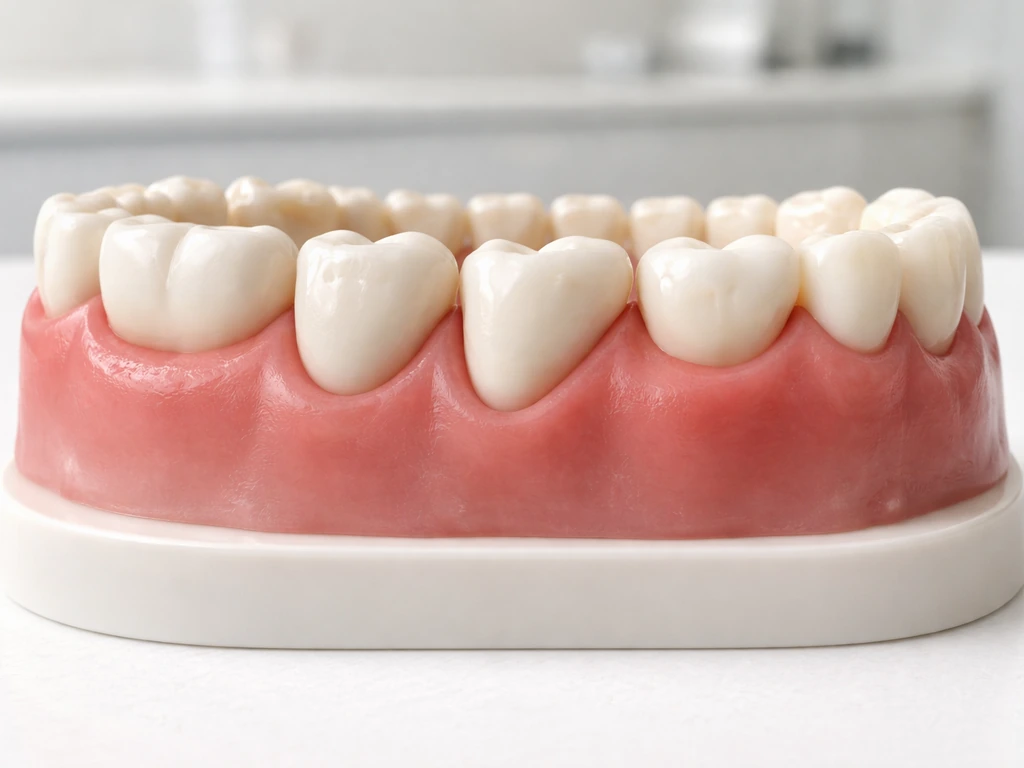
Wisdom teeth are your third molars, the last set of permanent teeth to develop. Most dental references, including MedlinePlus, list the typical eruption window as ages 17 to 21. MedlinePlus Medical Encyclopedia lists third-molar eruption at about ages 17, 21 for both the upper and lower jaws typical eruption window as ages 17 to 21. But eruption is just the final visible step in a process that starts years earlier. The tooth crown actually begins forming in the jaw during childhood, and the tooth slowly moves toward the surface over many years before it ever breaks through the gum.
That long developmental timeline is why some people see early eruption at 13 or 14 while others don't see any movement until their mid-20s, or never at all. Genetics plays the biggest role. Jaw size, ethnicity, and even sex all influence when third molars decide to show up. Girls tend to erupt slightly earlier than boys on average. The 17 to 21 range is a guideline, not a strict rule, and the outliers at either end are more common than most people realize.
Can wisdom teeth grow at 13? What's actually happening
When people ask if wisdom teeth can "grow" at 13, they usually mean one of two things: can the tooth be developing inside the jaw, or can it actually be pushing through the gum? Both are possible at 13. A panoramic X-ray taken in an orthodontic office at this age will often show third molar buds already forming in the bone. In rarer cases, particularly in girls, the tooth may actually begin erupting through the gum tissue at 13, which is early but documented in clinical research. A clinical review notes that third-molar eruption can be seen as early as 13 to 14 years of age (with typical late-teen to early-20s eruption) blank" rel="noopener noreferrer">third molar buds already forming. At 15, wisdom teeth can also still be developing or beginning to show changes, so it helps to watch for the same early signs and get an exam if you’re concerned.
What isn't happening is true tooth regeneration. The wisdom tooth was always there in some form, developing quietly in the jaw. It's not a new tooth growing from scratch. This distinction matters because a lot of people confuse eruption (a tooth that was already there finally breaking through the surface) with regrowth (a tooth forming after one was lost or damaged). Those are completely different biological events, and only eruption is possible at this stage of life.
So yes, 13 is early, but it's within the documented range. Wisdom teeth can also develop around age 12, though that is less common and still depends on individual growth and eruption patterns can wisdom teeth grow at 12. If you're 13 and feeling pressure, soreness, or gum changes at the very back of your mouth behind your second molars, wisdom teeth are a legitimate possibility and worth investigating.
Signs you might be developing wisdom teeth at 13
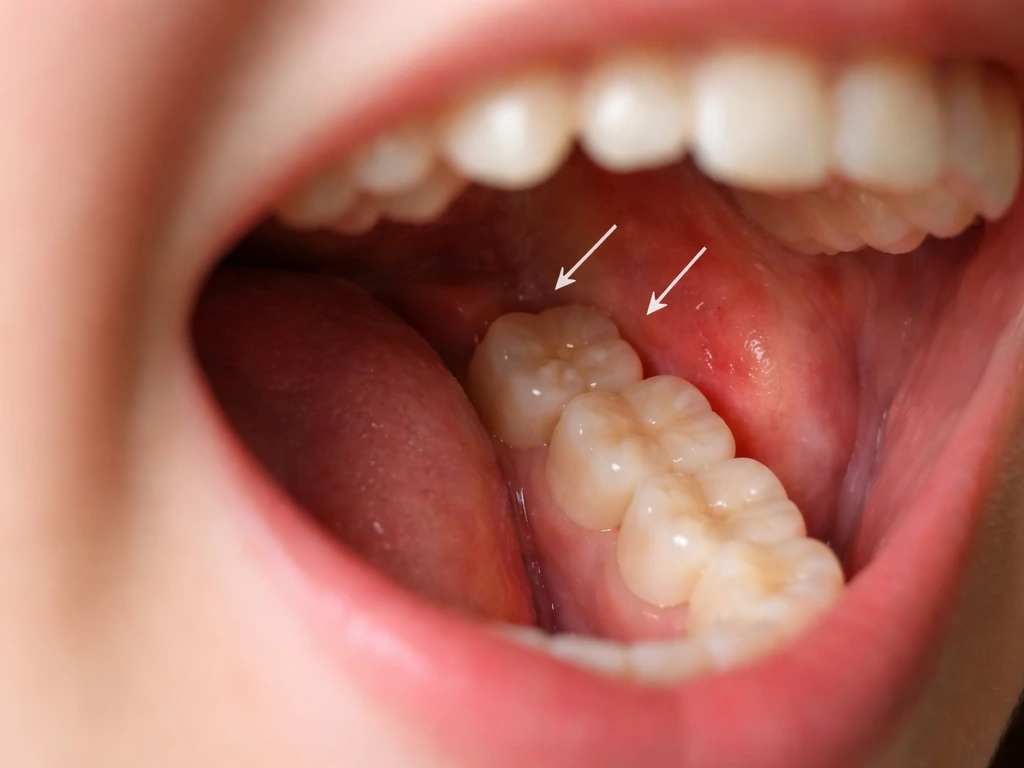
The tricky part at this age is that other things are happening in the mouth too. Your second molars (the teeth right in front of where wisdom teeth would appear) finished erupting around ages 11 to 13, so some discomfort in the back of the mouth is normal just from that. Plus, orthodontic treatment is common at this age, and braces or aligners cause their own pressure and soreness throughout the jaw. Here's how to start telling the difference.
Signs that might point specifically to wisdom tooth activity include a feeling of pressure or aching at the very back of the jaw, behind your last visible molar. You might notice the gum tissue in that area looks slightly puffy, red, or feels tender when you press it. Some people feel a dull throbbing that comes and goes, or mild difficulty fully opening their mouth wide. Occasionally you can actually feel a hard bump or slight ridge just starting to poke through the gum.
Symptoms more likely caused by something else at 13 include soreness spread across multiple teeth, pain that's worse when biting on a specific tooth (which usually suggests a cavity or crack), jaw pain near the ear or temple (more consistent with TMJ issues), and general gum tenderness throughout the mouth from orthodontic adjustments. If the discomfort is in the middle or front of the mouth rather than the very back corners, it's almost certainly not wisdom teeth.
How dentists confirm what's going on: X-rays and exams
If you want a real answer about whether wisdom teeth are developing at 13, a panoramic X-ray is the gold standard. This is the wide, flat image that captures all your teeth, jaw, and surrounding bone in one shot. It shows exactly where third molar buds are sitting, how far along they are, and critically, how they're angled. Angle matters enormously because a wisdom tooth growing straight up has a decent shot at erupting normally, while one tilted sideways is almost certainly going to be impacted.
Orthodontists routinely take panoramic X-rays at ages 13 to 17 for exactly this reason. Catching the position and trajectory of wisdom teeth early gives far more options for managing them, whether that means watchful waiting, early removal to protect adjacent teeth, or simply monitoring with periodic imaging. A standard visual exam from a dentist can confirm whether any eruption has started, but without imaging, there's no way to assess what's happening beneath the surface.
What to actually do at 13: wait or act now?
For most 13-year-olds, the right move is to bring it up at your next regular dental checkup rather than rushing in for an emergency visit. If you're already in orthodontic treatment, mention it to your orthodontist because they likely have recent X-rays and can check them. Watchful waiting with periodic monitoring is standard practice at this age when there's no acute pain, swelling, or infection.
That said, there are situations where you shouldn't wait for a routine appointment. Significant swelling, a bad taste in the mouth, fever, or pain that's genuinely affecting eating or sleep all warrant an earlier visit. These symptoms can indicate pericoronitis, which is an infection of the gum tissue around a partially erupted tooth, and it needs prompt treatment.
If wisdom teeth are confirmed on X-ray at 13 and are angled in a way that threatens the second molar next to them, some dentists and oral surgeons will recommend early removal rather than waiting. Early extraction while the roots are shorter and the bone is less dense tends to be technically easier with faster recovery. This is a conversation to have with your dentist, not a decision to make on your own.
When wisdom teeth don't come in, or cause crowding and impaction
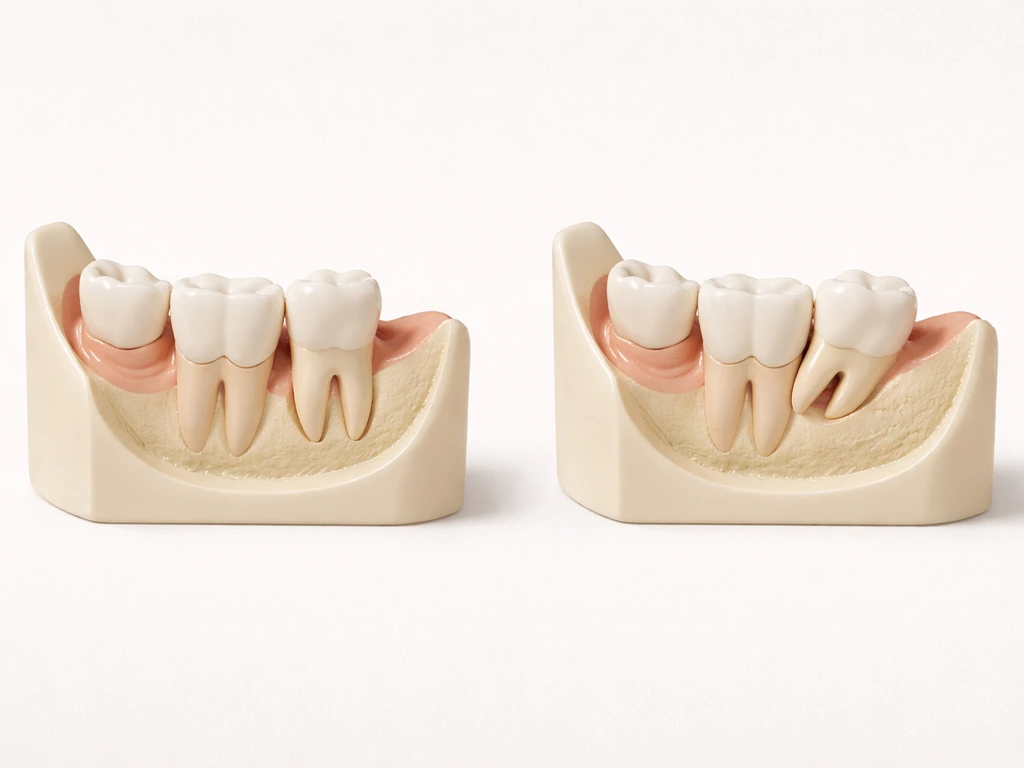
A significant portion of people never fully erupt their wisdom teeth, and some people are missing one or more third molars entirely. Having them develop at 13 doesn't guarantee they'll ever fully come through. Common outcomes include partial eruption (where the tooth breaks through slightly but never fully emerges), full impaction in the bone, and soft-tissue impaction where the tooth is under the gum but above the bone.
Crowding is another real concern for teenagers. If there's already limited space from orthodontic treatment or a naturally smaller jaw, wisdom teeth pushing forward can affect the alignment of other teeth. This is one reason orthodontists keep a close eye on third molar development during treatment. The relationship between wisdom teeth and crowding of front teeth is debated among dentists, but most agree that monitoring is smart, especially if your bite has been carefully corrected with braces.
For those with similar questions about adjacent age groups, the development patterns at 12, 14, 15, and 16 follow the same general biology but with slightly different likelihood of early eruption. The core assessment approach is the same regardless of whether you're a year younger or older.
Risks and complications to watch for, and when to get urgent help
Most early wisdom tooth development at 13 doesn't cause dramatic problems right away, but complications do happen and it's important to know what to watch for.
| Symptom or Sign | What It Might Mean | Action |
|---|---|---|
| Mild pressure or aching at the back of the jaw | Normal early eruption activity | Mention at next dental visit |
| Swollen, red gum flap over a partially erupted tooth | Pericoronitis (gum infection) | See dentist within a few days |
| Throbbing pain, fever, difficulty opening mouth | Spreading infection or abscess | Seek dental care urgently, same day |
| Pain in second molar next to the wisdom tooth | Possible damage to adjacent tooth root | Schedule prompt evaluation |
| Jaw stiffness, bad taste, foul smell | Infection with trapped bacteria under gum flap | See dentist promptly |
| No pain but crowding noticed after braces | Wisdom teeth pressing on erupted teeth | Discuss with orthodontist at next visit |
Pericoronitis is the most common acute problem with partially erupted wisdom teeth at any age. It happens when bacteria get trapped under the flap of gum tissue sitting over an erupting tooth. Symptoms include swelling, pain, bad breath, and sometimes fever or difficulty opening the jaw. It won't resolve on its own with rinsing. A dentist needs to clean it out and may prescribe antibiotics. If the tooth keeps causing repeated infections, removal is usually the long-term answer.
The regeneration myth: eruption is not the same as growing back
Here's something that trips a lot of people up. Because wisdom teeth can appear in adulthood or even in early teens seemingly "out of nowhere," some people assume teeth can just grow back when they're damaged or lost. That's not how human dental biology works. Wisdom teeth erupting at 13 or 17 or 22 are teeth that have been developing in the jawbone for years, they're not new structures. Eruption is just the final visible phase of a process that started in childhood.
Adults only get two sets of teeth: primary (baby) and permanent. Once a permanent tooth is lost, no third set is coming. Once enamel is worn away, the body cannot rebuild it, because enamel is made by cells called ameloblasts that are only active during tooth formation and are gone by the time the tooth fully erupts. Gums can recover from mild inflammation, but significant gum tissue lost to disease doesn't regenerate on its own. Bone can regenerate to some extent under the right conditions with dental procedures, but not naturally after tooth loss.
So if you're wondering whether the feeling of a new tooth appearing at 13 means your body is creating a fresh tooth, the answer is no. It's a tooth that was already there, finishing its journey to the surface. That's a meaningful biological process, and it's worth monitoring carefully, but it's fundamentally different from regrowth or regeneration of dental structures that have already been damaged or lost.
FAQ
If I have pain at the very back of my mouth at 13, how can I tell whether it is wisdom teeth or braces?
It is still very common at 13 to feel back-of-mouth discomfort from braces or the normal settling of teeth that finished erupting around this age. A key difference is location and pattern, wisdom-tooth discomfort is usually most intense at the far back corner behind the last visible molar, while orthodontic soreness is often more widespread and shifts with adjustments. If pain is one-sided and centered at the gum directly over the back-most molar area, schedule an exam sooner rather than waiting.
Can I confirm wisdom tooth development at 13 by checking for a bump in my gum?
Do not rely on feeling a hard bump alone. A gum ridge can be normal tissue swelling, the edge of another tooth, or the start of a tooth that is not necessarily a wisdom tooth. The safest way to confirm is a panoramic X-ray, plus an in-office look at whether tissue is inflamed around a partially erupted area. If you have bad taste, swelling, or fever, treat it as urgent rather than monitoring by touch.
At 13, what should I do if I notice bad breath or a bad taste near the back gums?
Yes, a bad taste or gum odor can be a warning sign of pericoronitis even before severe swelling. Pericoronitis involves infection around partially erupted gum tissue, so rinsing may temporarily soothe but usually does not fix the cause. If symptoms persist more than a day or two, or you have trouble opening your mouth, you should get a prompt dental or urgent care visit for cleaning and possible prescription treatment.
If my panoramic X-ray at 13 shows a sideways wisdom tooth, when do dentists consider early extraction?
If an X-ray shows a wisdom tooth that is likely to press on the second molar, early removal is sometimes recommended. The decision usually depends on the tooth angle, how close it sits to the second molar, whether there is already gum inflammation, and your orthodontic plan. Early extraction can be easier because roots and surrounding bone are different at this age, but it is still individualized, so ask the dentist to explain the specific risk to your second molar and the expected recovery timeline.
If there is no severe pain at 13, is it better to wait or get proactive treatment?
In many cases, dentists use watchful waiting at 13 when there is no acute infection and the tooth position is not clearly threatening the second molar. Monitoring typically includes periodic exams and additional imaging rather than immediate treatment. Ask what interval they plan for follow-up and what symptoms should trigger an earlier visit, that way you are not guessing between appointments.
When are wisdom-tooth symptoms at 13 serious enough to seek urgent care?
Call for urgent evaluation if you have facial or jaw swelling that is spreading, fever, difficulty swallowing, trouble breathing, or escalating pain that prevents eating or sleep. These are not typical “normal growth” signs. They can indicate spreading infection, including pericoronitis complications, and should not be managed at home.
What information should I bring or track if I suspect wisdom teeth at 13?
Make a short symptom log before your appointment: when pain started, whether it is constant or comes in waves, whether biting makes it worse, and whether there is swelling, bad taste, or limited mouth opening. Also mention whether you recently had orthodontic adjustments. This helps the dentist distinguish wisdom-tooth inflammation from cavity or bite-related pain and can shorten the time to a correct plan.
If I am worried at 13, can I request imaging right away, and can my orthodontic X-rays be used?
Yes, even at 13 you can sometimes get an X-ray quickly if you are concerned, but it depends on your access and whether you are already under orthodontic care. If you already had recent orthodontic imaging, your orthodontist may be able to share it with your dentist, avoiding duplicate radiation exposure. Ask whether you need a panoramic image or whether existing images already show the third-molar region clearly enough for a decision.
If my wisdom teeth do not fully come in at 13, does that mean nothing is happening?
Yes, wisdom teeth can develop but never fully erupt. Common outcomes include partial eruption with a gum flap that traps bacteria, full impaction in bone, or soft-tissue impaction (covered by gum but not fully emerged). That is why the absence of visible teeth at 13 does not rule anything out, and why X-ray position and angle matter more than symptoms alone.
What does it mean if I keep getting the same back-of-gums flare-ups at 13?
If you have repeated swelling or recurrent pericoronitis, a more definitive plan is often discussed, including removal. Recurrent infections are usually a sign that the gum tissue around a partially erupted tooth repeatedly traps bacteria. Ask whether your case shows a high likelihood of recurrence based on the tooth’s position and whether conservative management has been tried enough times.
Next Articles
Can Wisdom Teeth Grow at 15? Timeline, Signs, and Next Steps
Yes, wisdom teeth can erupt around age 15. Learn signs, timelines, and next steps with X-rays and care.
Can Wisdom Teeth Grow at 16? Eruption Timeline and Next Steps
Learn if wisdom teeth can erupt at 16, what true regrowth means, eruption timeline, and next steps for evaluation.
Can Wisdom Teeth Grow at 14? What to Expect
Can wisdom teeth erupt at 14? Learn eruption vs development, signs, timelines, and when to see a dentist.