At 17, your permanent teeth are fully in charge, and none of them can grow back on their own if they're lost or seriously damaged. That's the hard truth. However, depending on what's actually happening in your mouth, a few things can still improve naturally or be rebuilt so well that function and appearance are essentially restored. The key is figuring out which situation you're in, because the answer and the path forward are very different depending on whether you're dealing with surface damage, a missing tooth, a tooth that hasn't erupted yet, or something like gum recession.
Can My Teeth Grow Back at 17? What Is and Isn’t Possible

Marcus Holloway
7 Jun 2026
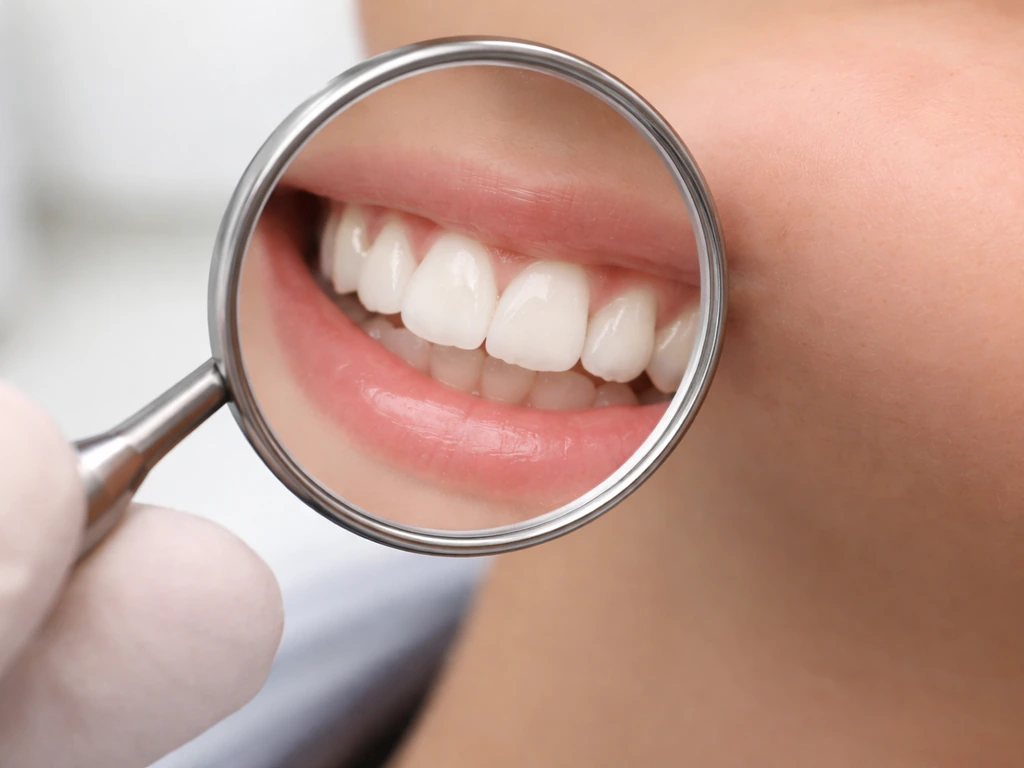
What can actually regrow (or improve) at 17
Let's be direct: no permanent tooth that has been lost or extracted will sprout back at 17. You are not going to grow a third set of teeth. Human biology simply doesn't work that way. But there's a real distinction between a tooth that is gone versus tooth structure that is weakened, partially damaged, or not yet fully erupted. In those cases, some limited biological improvement is possible.
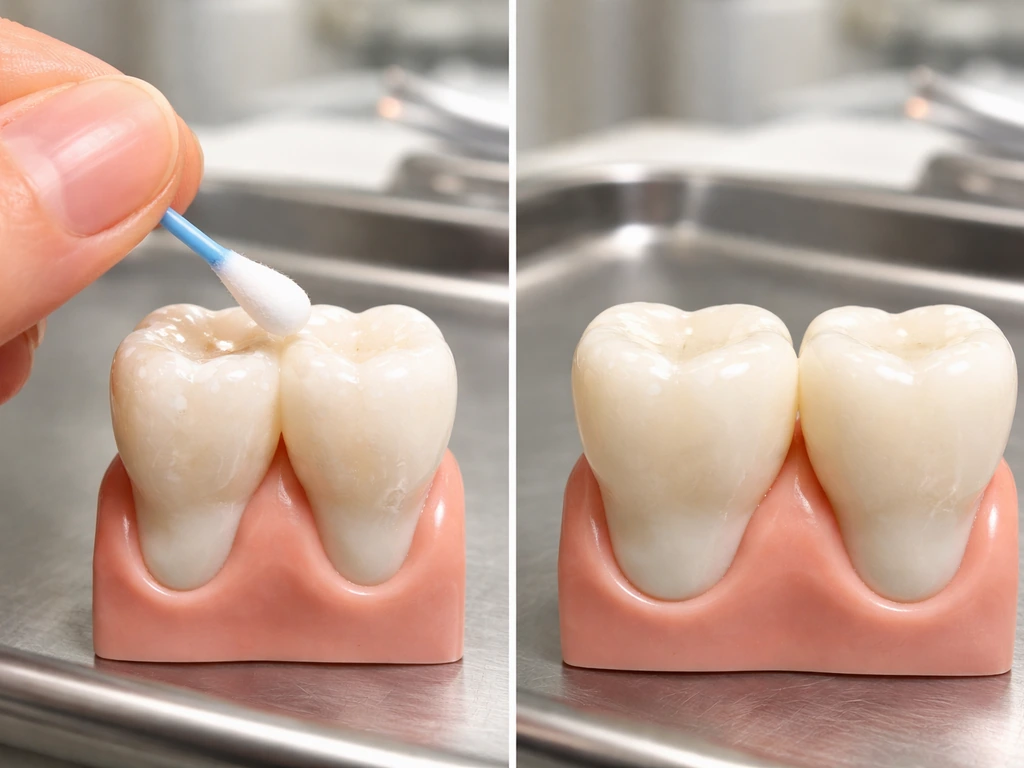
The most realistic form of natural improvement at 17 is remineralization of early enamel damage. If a cavity is caught very early, before it breaks through the enamel surface and becomes a true cavity hole, the tooth can actually regain some mineral content through fluoride, saliva, and good hygiene. blank" rel="noopener noreferrer">Research confirms that noncavitated early lesions can have their mineral content increased and their surface restored through remineralization. So catching decay early genuinely matters.
Gums can also partially recover if early gum disease (gingivitis) is caught and treated with proper cleaning and hygiene. Severely receded gum tissue, however, does not grow back on its own. And inside the tooth, the pulp can respond to irritation by laying down extra dentin (called tertiary or reparative dentin) as a protective response, but this is a limited defense mechanism, not true regeneration. It doesn't restore tooth structure you've already lost.
What can and can't be reversed: enamel, dentin, pulp, roots, and gums
| Structure | Can it improve naturally? | What's actually possible |
|---|---|---|
| Enamel | Very limited | Early (noncavitated) lesions can remineralize with fluoride; broken or cavitated enamel cannot regrow because enamel has no living cells |
| Dentin | Partially, as a defense | The pulp can form reparative/tertiary dentin in response to irritation, but it's a protective response, not restoration of lost tooth structure |
| Pulp | No | Inflamed pulp may recover if the irritant is removed early; dead or infected pulp requires root canal treatment or extraction |
| Tooth roots | No | Roots do not regenerate once lost; root resorption is permanent |
| Gums (mild disease) | Yes, with treatment | Gingivitis-related swelling and bleeding can fully reverse with improved hygiene and professional cleaning |
| Gums (recession) | Rarely on their own | Mild recession may stabilize; significant recession usually requires a gum graft to restore tissue |
The reason enamel sits in its own category is worth understanding: enamel is produced by cells called ameloblasts, and those cells die off once your tooth finishes forming. After that, there are no living cells left in enamel to repair it. Bone and skin can heal because they have active cells doing the work. Enamel cannot. Current enamel regeneration research is still preclinical, meaning it's happening in labs, not dental offices. There is no proven treatment that fully regrows enamel in human patients today beyond that early-stage remineralization.
When a tooth 'growing back' actually means eruption, not regrowth
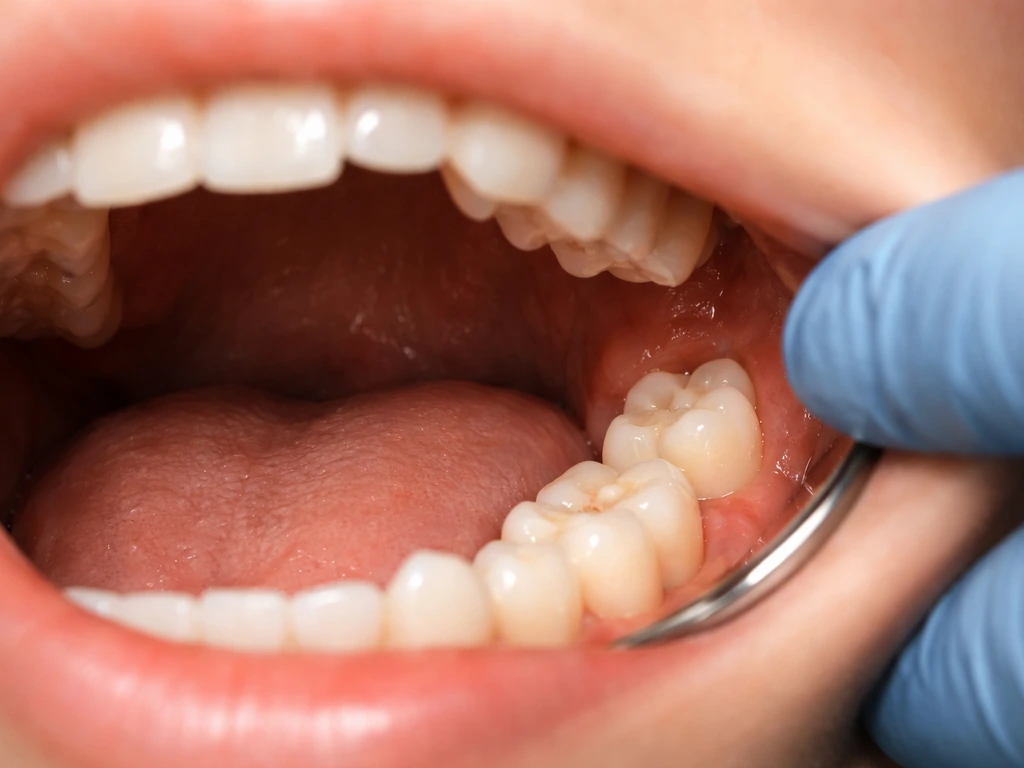
One scenario where something close to 'new teeth appearing' is completely normal at 17 is wisdom tooth eruption. Third molars typically start erupting between ages 17 and 25, so if you're feeling pressure or seeing a tooth pushing through in the very back of your mouth, that's almost certainly a wisdom tooth arriving on schedule. It's not a tooth regrowing. It was always there, developing under the gum, and now it's making its entrance.
Another scenario is a retained baby tooth that never fell out. If a baby tooth is still hanging on at 17, the permanent tooth beneath it may have failed to erupt properly. In some cases, the permanent tooth is present on an X-ray but stuck (impacted) or developing in the wrong direction. In rare cases, a permanent tooth may be congenitally missing entirely (a condition called hypodontia). None of these situations represent regrowth, but they do mean the picture is more complex than a simple missing tooth. An X-ray will clarify what's actually underneath.
Similar questions come up at nearby ages too. Whether you're 15, 16, or 17, the biology is essentially the same: permanent teeth don't regrow, but eruption timing and retained baby teeth can create situations that look like a new tooth appearing. By 17, most of your permanent teeth should already be in place, with wisdom teeth being the main exception.
Why teeth go missing or fail at 17
Understanding why a tooth is missing or damaged is step one, because the cause shapes every decision that follows. The most common reasons a 17-year-old ends up with a missing or compromised tooth include:
- Tooth decay that was left untreated until the tooth required extraction: decay is still the leading cause of tooth loss in teenagers
- Dental trauma from sports, accidents, or falls: a knocked-out or fractured tooth from trauma is one of the more common reasons a teen ends up with a gap
- Developmental issues such as congenitally missing teeth (hypodontia), ectopic eruption (a tooth growing in the wrong direction), or impaction where a tooth gets blocked beneath the gumline
- Gum disease: less common in teens than in adults but not impossible, especially with poor hygiene or certain medical conditions
- Previous orthodontic extractions where a tooth was deliberately removed to create space, which is a planned treatment, not a loss
Signs that something needs urgent attention include a tooth that is visibly loose without any obvious reason, pain or swelling around a tooth or in the jaw, a gap where a tooth recently was, a tooth that looks dark or gray (possible nerve damage), gums that bleed heavily or recede noticeably, or numbness in part of your mouth. Any of these mean scheduling a dentist appointment sooner rather than later, not waiting to see if it resolves.
How a dentist figures out what's going on
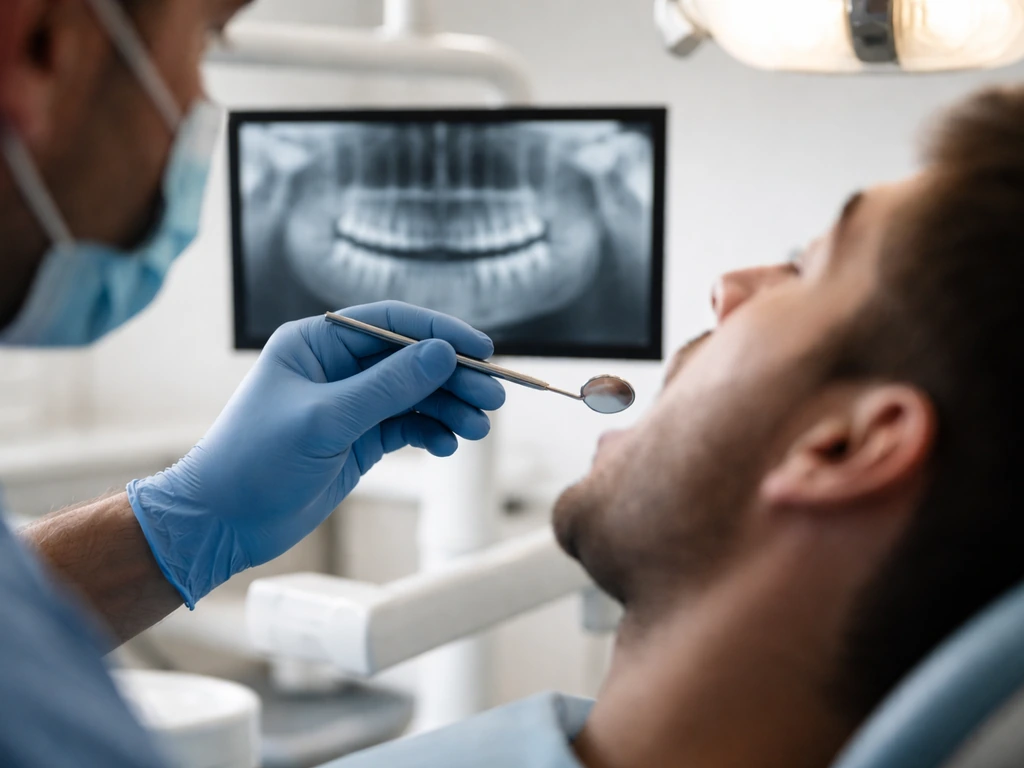
When you walk in saying 'I think I might be missing a tooth' or 'I want to know if my tooth can grow back,' a good dentist doesn't just look in your mouth and guess. In fact, if you’re wondering, “can your teeth grow back at age 16?”, the answer is still essentially no for lost permanent teeth, though some issues can improve. At 14, the answer is similar: lost permanent teeth do not regrow on their own, but some issues can improve depending on what has happened in your mouth. The evaluation is systematic and usually involves a few key steps.
- A thorough history: the dentist will ask when you noticed the issue, whether you've had trauma, what your previous dental care looked like, and whether you've had orthodontic treatment
- A clinical exam: visual inspection of the teeth, gums, bite, and soft tissue, plus probing around the gumline to check for gum disease and pocketing
- Standard dental X-rays (bitewings and periapicals): these show whether a tooth is present but unerupted, how much bone remains around a tooth, the extent of decay, and the health of the roots
- A panoramic X-ray (OPG) if needed: gives a full-mouth view and is especially useful for seeing all tooth positions, impacted teeth, and jaw development at once
- A cone-beam CT scan (CBCT) in complex cases: provides a 3D view of the jaw, which is particularly helpful for impacted teeth, implant planning, or evaluating bone volume
With this information, the dentist can tell you definitively whether a tooth is actually missing, still developing and unerupted, impacted, or simply damaged. That diagnostic clarity is what drives the treatment plan. Without X-rays, you're essentially guessing, which is why trying to self-diagnose based on how things look or feel has real limits.
Treatment options for rebuilding at 17
Once the cause is clear, treatment options map fairly directly to the situation. Here's how the main paths break down:
For damaged but present teeth
- Fillings: the standard fix for cavities that haven't destroyed too much of the tooth; tooth-colored composite resin is the norm now
- Dental bonding: composite resin shaped and bonded to the tooth to repair chips, minor fractures, or small gaps; fast and affordable, though it can stain or chip over time
- Crowns: when a tooth has significant decay, a large filling that has failed, or trauma damage, a crown covers and protects the whole tooth
- Veneers: thin porcelain or composite shells bonded to the front surface of teeth; used mainly for cosmetic correction of chips, discoloration, or shape issues rather than structural damage
For missing teeth
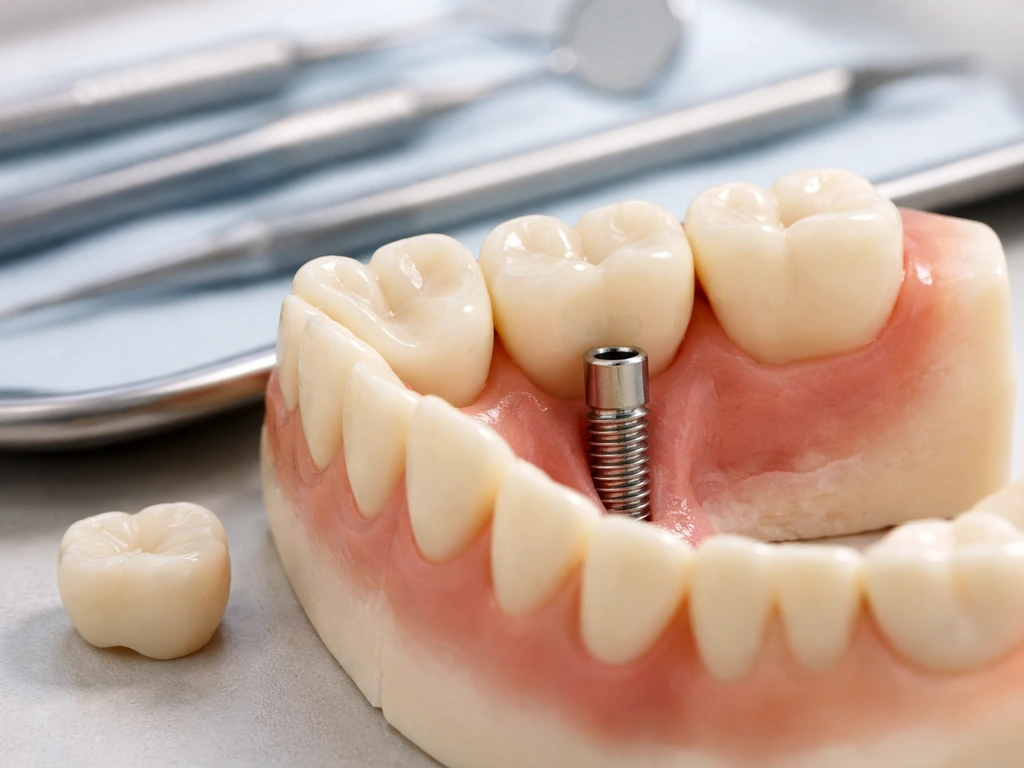
At 17, replacing a missing tooth requires some careful timing. Dental implants (titanium posts placed into the jawbone to hold an artificial tooth) are generally the best long-term solution, but most oral surgeons prefer to wait until jaw growth is complete, which is typically around age 18 to 20 for males and slightly earlier for females. Placing an implant too early can lead to it sitting lower than surrounding teeth as the jaw continues to grow. In the meantime, options include a removable partial denture (a temporary placeholder that maintains space and appearance) or, in some cases, a fixed bridge if neighboring teeth are suitable.
For impacted or mispositioned teeth
If X-rays show that a tooth is present but stuck or growing at the wrong angle, orthodontic treatment combined with a surgical exposure is often used to guide it into the correct position. An oral surgeon exposes the tooth and attaches a small bracket and chain, then orthodontic braces or aligners gradually pull the tooth into the arch. This works well for canines and premolars in particular.
For receding gums
Gum recession that is mild and caught early can sometimes be stabilized with better hygiene and professional cleaning. If recession is significant enough to expose roots and cause sensitivity or bone loss risk, a gum graft (where tissue is taken from the palate or a donor source and sutured over the receded area) is the proven solution. It doesn't regrow lost gum tissue spontaneously, but a graft restores coverage and protection effectively.
What you can do right now to protect your teeth
Regardless of which situation applies to you, protecting what you have now is the most important thing you can do today. At 17, the decisions you make about your oral health have a long runway: you have potentially 60 or more years of needing these teeth, so building good habits now is genuinely worth the effort.
- Brush twice daily with a fluoride toothpaste and floss once a day: fluoride strengthens enamel and supports remineralization of early-stage damage, which is the closest thing to natural enamel repair that actually works
- If your dentist recommends prescription-strength fluoride, use it: particularly important if you have a history of cavities or are undergoing orthodontic treatment with brackets
- Wear a mouthguard for contact sports: trauma is a leading cause of tooth loss in teens, and a properly fitted mouthguard is straightforward prevention
- Avoid sugary drinks and frequent snacking: every time you eat or drink something sugary or acidic, your enamel is under acid attack for 20 to 30 minutes, so reducing frequency matters more than most people realize
- Cut out tobacco in all forms: smoking and vaping directly harm gum tissue and dramatically increase the risk of gum disease and tooth loss
- Schedule regular check-ups every six months: early decay and early gum disease are reversible; advanced versions are not
Red flags that mean see a dentist urgently
- A tooth that was knocked out or is hanging loose after trauma: a knocked-out permanent tooth can sometimes be reimplanted if you act within 30 to 60 minutes, so this is a genuine dental emergency
- Swelling in your face, jaw, or gums that is worsening: this can signal an abscess or infection that needs treatment immediately
- Severe or persistent toothache: this usually means decay has reached the nerve or there is active infection
- A tooth that has turned dark gray or brown without obvious trauma history: possible nerve death that needs professional evaluation
- Gums that bleed heavily, consistently, or have pulled away from the teeth significantly
How to talk to your dentist about this
When you go in, just be straight with your dentist: 'I have a missing tooth (or a damaged one, or a gap where something should be) and I want to know what my options are and whether anything can still come in naturally.' That framing prompts them to look at X-rays to confirm tooth presence, check whether growth is still happening, and give you a clear answer about what's possible without treatment versus what needs intervention. A good dentist won't brush off the question. They'll show you the X-ray, explain what they see, and walk through your realistic options with timelines.
The bottom line is that at 17, your biology won't regrow a lost permanent tooth, but the right dental care can restore your smile, function, and confidence in ways that come very close to the real thing. If you're wondering can your teeth grow back at age 13, the basic biology is similar: lost permanent teeth won't return on their own, but some problems can still improve with the right care regrow a lost permanent tooth. The earlier you address it, the more options you have, and the better the long-term outcome.
FAQ
If a permanent tooth is missing, can it come in later at 17 without treatment?
Usually no. At 17, a missing permanent tooth will not “fill in” by itself, and a gap is typically due to extraction, a tooth that never developed, or failed eruption. The practical next step is an X-ray to confirm whether the tooth is truly absent versus impacted or just delayed.
If the damage is “small,” can teeth repair themselves at 17?
It depends on what was actually lost. If the tooth surface is worn or the early decay is still noncavitated, it may improve with fluoride and meticulous home care. If the enamel is gone to the point of a cavity, or enough structure is broken, you generally need a filling or other restoration to regain strength and stop further damage.
Is a new tooth popping up in the back of my mouth regrowth?
Wisdom teeth can look like “new teeth,” but they are not regrowth. If you see a tooth erupting in the very back, it’s normally a third molar making its scheduled entrance. If it’s coming in crooked, partially covered, or repeatedly inflamed, the dentist may recommend monitoring or removal.
What should I do if a tooth looks dark or gray at 17?
If your tooth is dark or gray, that often suggests the nerve inside has been injured and may be dying, which will not reverse by itself. Prompt evaluation matters because the treatment window for saving the tooth can be limited, and infections can spread if left untreated.
If my permanent tooth is stuck (impacted), can it still be moved into place?
If a permanent tooth is impacted, orthodontics combined with a surgical exposure may bring it into the bite, but it requires careful planning and time. The dentist will check root position, space availability, and whether nearby teeth are affected before choosing braces or aligners.
Can my gums regrow if I have significant gum recession?
Severe gum recession usually does not grow back on its own. Mild recession can sometimes stabilize with better plaque control and professional cleanings, but when roots are exposed or bone loss is present, a gum graft is typically the reliable option. Early treatment also helps reduce sensitivity and further loss.
How soon can I get an implant at 17, and what affects the timing?
Roughly speaking, implant timing is guided by jaw growth and individual risk factors. While many clinicians wait until growth is mostly complete (often late teens to around 18 to 20 for males, slightly earlier for females), your dentist may adjust the plan based on your x-rays, bite, and the reason the tooth is missing.
How do I know whether white-spot areas can remineralize versus needing a filling?
Teeth cannot regenerate enamel once it is fully destroyed, but noncavitated early spots can often remineralize. A common mistake is treating everything as “early decay” without an exam. The dentist can determine whether it’s truly noncavitated and tailor fluoride strength and monitoring frequency.
How can a retained baby tooth make it seem like a permanent tooth is “coming back”?
If it is a lost tooth, you cannot regrow it. If it is an unerupted permanent tooth, it might come in later or be guided orthodontically. If you have a retained baby tooth, the permanent tooth beneath may be impacted or congenitally missing, so X-rays are the only reliable way to sort these scenarios.
What problems can look like I lost a tooth when it’s actually something else?
Some conditions mimic a “missing tooth,” like a tooth that is present but rotated out of position, a dentigerous cyst or other lesion around an impacted tooth, or a tooth that has fractured and is hidden under gum tissue. Because appearance and symptoms can be misleading, an exam plus imaging is the fastest way to avoid wrong treatment.
Next Articles

Can Your Teeth Grow Back at Age 15? Real Answers
Can teeth grow back at 15? Learn what can and can’t regenerate, why missing teeth usually won’t regrow, and next steps.
Can My Teeth Grow Back at 14? What’s Realistic
Teeth do not regrow at 14. Learn what can repair or erupt, treatment options for missing teeth, and when to see a dentis
Can Your Teeth Grow Back at Age 16? What’s Possible
Can teeth grow back at 16? Learn what regrows, what does not, why changes happen, and next steps for treatment.