No, your teeth cannot grow back at 14. If you are asking can my teeth grow back at 17, the answer is still about whether anything is still erupting or only needs restoration, so a dentist check matters. Once a permanent tooth is lost or its enamel is destroyed, the human body has no biological mechanism to replace it.
Can My Teeth Grow Back at 14? What’s Realistic

Marcus Holloway
26 May 2026
If you are wondering can your teeth grow back at age 15, the same biology applies: once a permanent tooth is gone, your body cannot replace it on its own. You are not a shark. You are not a salamander. You get two sets of teeth in your lifetime, and by age 14 you are almost certainly living with your final set.
That said, there are a few specific situations at 14 where a tooth that seems missing actually is still coming in, and that is worth checking out with a dentist right away.
The biological reality: teeth, enamel, and gums are not all the same
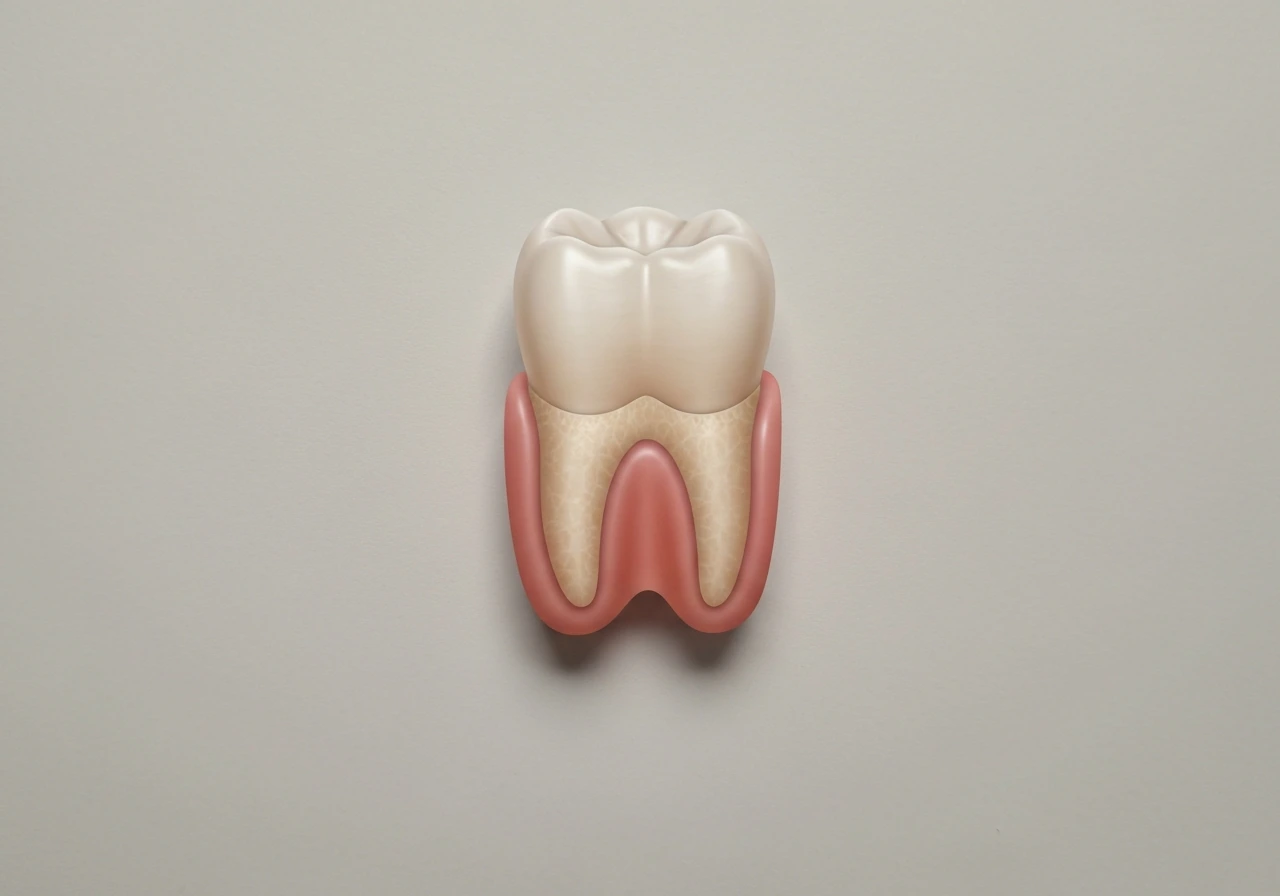
People often lump together teeth, enamel, gums, and roots as one thing, but each one has a different regeneration story. Understanding the difference saves a lot of confusion.
| Structure | Can it regenerate naturally? | What is actually possible |
|---|---|---|
| Whole tooth | No | Cannot regrow once lost; requires dental replacement |
| Enamel (outer layer) | Partially, in very early stages | Remineralization can reverse early mineral loss, but cannot rebuild destroyed enamel |
| Dentin (layer under enamel) | Very limited | Can form a thin layer of reparative dentin under specific conditions, but cannot restore lost tooth structure |
| Pulp and nerve | No (in mature teeth) | Can sometimes be preserved with pulp therapy in immature permanent teeth |
| Root | No | Lost root cannot regrow; implants replace this function later |
| Gum tissue | Partially | Minor gum tissue can heal after injury, but receded gum from disease rarely returns without treatment |
The most important takeaway here is that remineralization, which your saliva and fluoride toothpaste drive, works only on enamel that is still there and only in the very early stages of decay. Once a cavity has broken through the surface, or once a tooth has been knocked out entirely, remineralization cannot fix that. Clinical evidence reviews in NEJM emphasize that once decay has broken through the enamel surface, remineralization is not enough and the damaged tooth tissues do not regrow on their own remineralization cannot fix that. The ADA's clinical guidance on restorative treatments confirms this: lost tooth tissues do not biologically regrow, and real repair requires a dentist.
Common reasons a 14-year-old asks this question
There are usually a handful of scenarios behind this search. Knowing which one applies to you points directly to the next step.
A permanent tooth got knocked out or pulled
This is the most urgent situation. If a permanent tooth was knocked out recently, there is a short window to save it (more on that below). If it was extracted a while ago, the gap is permanent without dental intervention. The tooth will not grow back on its own.
A tooth looks like it should be there but isn't
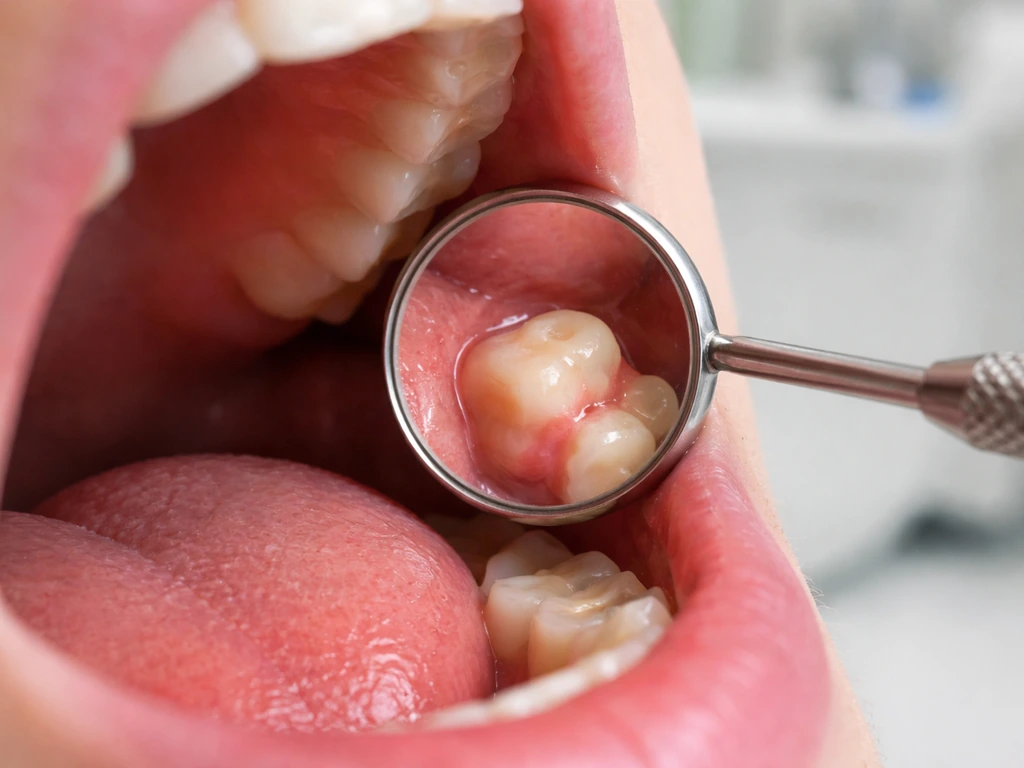
Some permanent teeth erupt later than expected. At 14, second premolars and second molars can still be in the process of fully coming in. More rarely, a permanent tooth is congenitally missing, meaning the tooth bud never formed. An X-ray is the only way to know which situation you are dealing with. This is genuinely worth getting checked, because if the tooth bud exists, it may still erupt.
A baby tooth is still sitting there
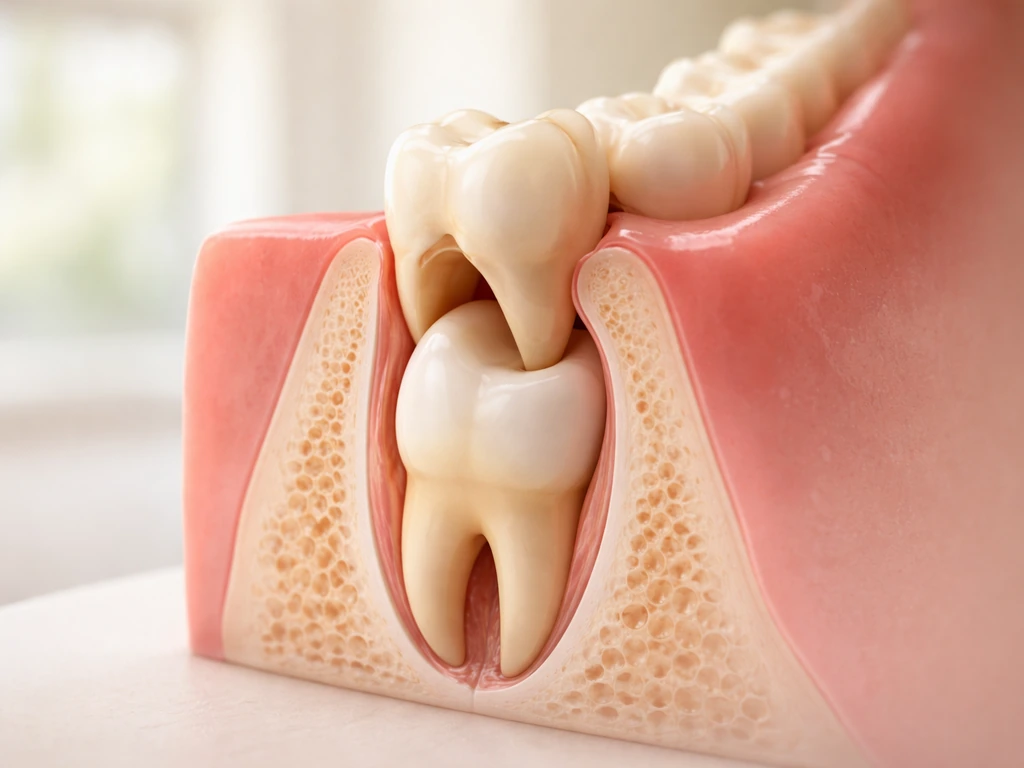
If a baby tooth has not fallen out yet, the permanent tooth underneath may be impacted, coming in at a bad angle, or may not exist at all. Sometimes a baby tooth hangs around because there is no permanent tooth pushing it out. Again, only an X-ray reveals what is actually happening below the gumline.
A tooth is badly decayed or damaged
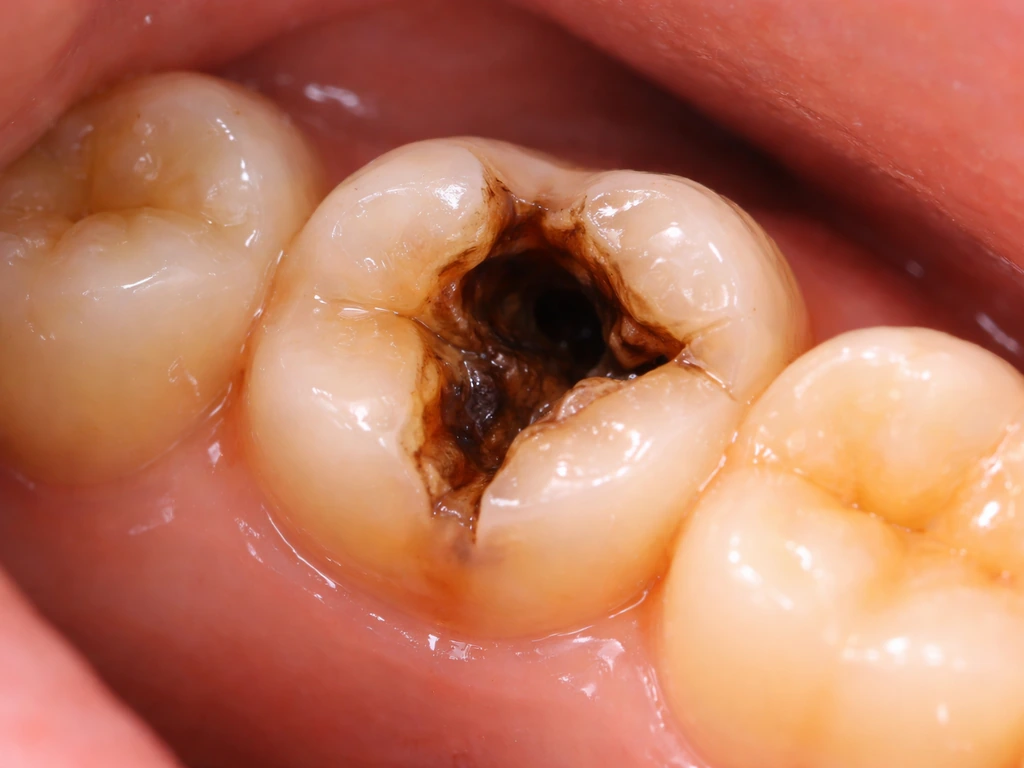
Cavities, chips, and cracks do not fix themselves. A large cavity that reaches the nerve can cause serious pain and infection if left alone. The tooth is not going to rebuild its own structure. A dentist can restore it with a filling, crown, or root canal depending on how much damage there is.
What dentists actually check at age 14
When you go to a dentist with a concern about a missing or damaged tooth at 14, here is what typically happens. They will do a clinical exam, looking at your bite, the position of existing teeth, and the gum tissue at the gap or problem site. The most important tool is an X-ray, usually a panoramic X-ray that shows all your teeth and roots in one image. This reveals whether a tooth bud exists for a missing tooth, whether a tooth is impacted under the bone, and how much root development has already occurred in your other permanent teeth.
At 14, root development on most permanent teeth is nearly or fully complete. An orthodontist may also be brought in if there is a gap, because managing space and bite alignment becomes part of the treatment conversation. The sooner you get this imaging done, the more options you have.
Treatment options when a tooth is missing or damaged at 14
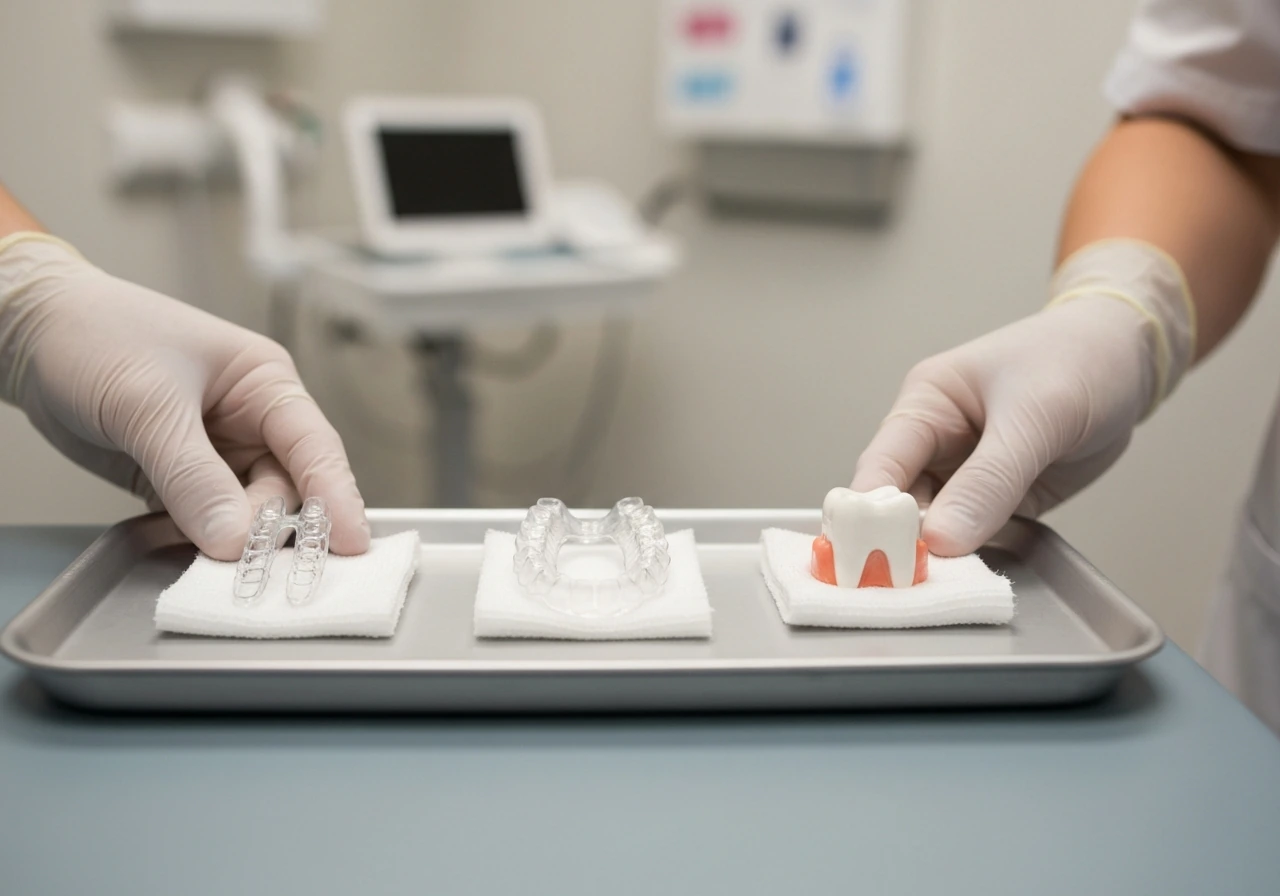
The good news is that even though the tooth will not grow back, there are real and effective solutions. The right one depends on your specific situation.
- Space maintainer: if a tooth was lost recently and you are still growing, a space maintainer holds the gap open so neighboring teeth do not drift and block the space needed for a future replacement.
- Orthodontic space closure: in some cases, an orthodontist can use braces to close a gap by moving neighboring teeth into the space, eliminating the need for a replacement tooth entirely.
- Dental bridge: a fixed bridge uses the teeth on either side of the gap as anchors for a false tooth. This is an option once your jaw has finished growing.
- Dental implant: implants are the gold standard for replacing a missing tooth long-term, but they require a fully developed jaw, which usually means waiting until at least 17 to 18 years old, sometimes older. At 14 you are too young for this yet in most cases.
- Dental filling or composite bonding: for a chipped or partially damaged tooth, a filling or bonding material can restore its shape and function.
- Dental crown: for a tooth that is heavily decayed or cracked, a crown caps the entire tooth and protects what remains.
- Root canal therapy: if the pulp or nerve is infected or exposed, a root canal saves the tooth structure by removing the damaged pulp and sealing the tooth.
Because implants are off the table for most 14-year-olds, a space maintainer or orthodontic plan is usually where treatment starts. Your dentist and orthodontist will map out a timeline that works with your jaw development so that when you are old enough for an implant, the space is ready for it.
If the tooth just got knocked out, act in the next hour
A knocked-out permanent tooth is a dental emergency. The NHS and dental trauma guidelines are clear: you have roughly 30 to 60 minutes to get the best chance of saving it through replantation. Here is exactly what to do.
- Pick up the tooth by the crown (the white part you bite with), not the root.
- If it is dirty, rinse it gently with milk or saline. Do not scrub it, do not use tap water, and do not wrap it in a dry cloth.
- If you can, gently push the tooth back into the socket and hold it there by biting on a clean cloth.
- If you cannot replant it, store it in milk, saline, or between your cheek and gum to keep it moist.
- Call a dentist or go to an emergency dental clinic immediately. Every minute counts.
- If the tooth cannot be saved, ask the dentist about a space maintainer right away to protect the gap.
Even if the tooth is successfully replanted, it may eventually need a root canal and could have a limited lifespan. But buying time is worth it at 14, because the longer you can keep a natural tooth in place while your jaw finishes developing, the more options you have for permanent replacement down the road. Cochrane review evidence supports prompt professional care after avulsion as the standard approach, with no expectation that the lost tooth tissue will regenerate on its own. Cochrane’s evidence on avulsed and replanted permanent front teeth emphasizes that replanted care is time-critical and that missing tooth tissue should not be expected to regrow on its own blank" rel="noopener noreferrer">lost tooth tissue will regenerate on its own.
Teeth that might still be arriving at 14
Here is where age 14 is genuinely a bit of a window. Not everything in your mouth has necessarily finished erupting. Second premolars typically erupt between ages 10 and 12, but they can run later. Second molars usually come in between 11 and 13, but some teens see them arrive closer to 14 or 15. If you are missing one of these and assumed it was gone, it might just be running behind schedule.
Wisdom teeth (third molars) are an entirely different timeline. Most people do not see wisdom teeth erupt until 17 to 21 years old, and some never erupt at all. At 14, wisdom tooth buds are typically visible on a panoramic X-ray but nowhere near erupting. So if someone told you your wisdom teeth would fill in a gap at 14, that is not how it works: wisdom teeth grow in the back corners of your jaw, not in the middle where most gaps occur.
If you are 13 or 15, the picture is similar. Whether you are a year younger or a year older, the biology is essentially the same: permanent teeth do not regrow once lost. The eruption timelines for late-arriving teeth apply across this whole age range, which is why getting an X-ray is the only reliable way to know what is still in progress and what is truly gone.
What to do right now
If you are 14 and worried about a missing, damaged, or slow-to-appear tooth, the single most useful thing you can do today is book a dental appointment. Ask for a panoramic X-ray if you have not had one recently. Bring a parent or guardian and ask the dentist directly: is the permanent tooth bud there, and what are my options? The earlier you get that answer, the more room there is to plan treatment that works with your jaw as it finishes developing. Waiting and hoping is the one strategy that consistently makes things harder to fix.
FAQ
If one permanent tooth is missing at 14, does that mean all my teeth are already fully grown in?
Not necessarily. At 14, many permanent teeth are near complete, but some can still be erupting (especially second premolars and second molars). That is why a panoramic X-ray matters, you need to confirm whether the tooth bud exists and whether it is impacted, not just assume the gap is permanent.
Can braces or orthodontic treatment make a missing tooth appear again?
No. Orthodontics can move teeth and manage space, but it cannot recreate tooth tissue that never formed or that was lost. If the tooth bud exists, orthodontic timing can help the tooth erupt in the right position; if it does not exist, the plan is typically space maintenance, filling gaps, or later replacement options.
What if the tooth fell out because of a sports injury, but it happened days ago?
The best chance to save a knocked-out permanent tooth is within roughly 30 to 60 minutes, but you should still see an emergency dentist even after that window. There can be factors like extra-root damage or partial avulsion that change what is possible, and clinicians can assess whether replantation or another urgent approach is still worth attempting.
If I have a chipped tooth at 14, can it grow back on its own?
A chip does not regenerate. If the damage exposes or threatens the nerve, you may need a filling, crown, or root canal depending on depth. Even small chips can cause sensitivity or later infection, so it is worth getting checked rather than waiting.
Can fluoride toothpaste fix a cavity at 14 if I catch it early?
Fluoride and saliva can help remineralize early enamel that is still intact. They will not rebuild enamel that has already broken through into a deeper cavity, and they cannot replace lost tooth structure. If you can see a hole, or you have pain or dark staining that seems to be progressing, an exam is needed.
How can I tell if the “missing” tooth is actually impacted under the gum?
You cannot reliably tell by looking or feeling alone. Impacted teeth often look like a flat gumline or delayed eruption, and they can be hard to distinguish from congenitally missing teeth. A panoramic X-ray is the quickest way to see whether there is a tooth bud present and how it is positioned.
Could my baby tooth be keeping a permanent tooth from coming in?
Yes. If a baby tooth is retained, it may be because the permanent tooth underneath is impacted or missing. That is why dentists often recommend imaging when a baby tooth has not loosened when expected, so you avoid crowding, crooked eruption, or leaving the permanent tooth without space.
Is an extraction at 14 ever necessary if the tooth cannot regrow?
Sometimes. If a tooth is severely decayed, infected, or has failed to respond to treatment, removal may be part of protecting the surrounding teeth and bone. The key is that the decision is about health and long-term options, not the idea that the tooth will regrow.
Do wisdom teeth ever cause gaps that look like a missing tooth at 14?
Wisdom teeth erupt much later (often in the late teens) and they usually come from the back corners of the jaw, not into the middle space where most missing-tooth gaps occur. At 14, wisdom tooth buds may be visible on a panoramic X-ray, but they typically are not the reason for a front or middle gap.
What should I ask for at the dental visit if I am worried about a missing or late-erupting tooth?
Ask whether a permanent tooth bud is present, whether it is impacted, and what the plan is to manage space while you wait or replace it later. If you have not had recent panoramic imaging, ask directly for that type of X-ray and confirm how long the dentist expects you to monitor versus treat.
Next Articles
Can Your Teeth Grow Back at Age 16? What’s Possible
Can teeth grow back at 16? Learn what regrows, what does not, why changes happen, and next steps for treatment.
Do Milk Teeth Grow Back? Timelines, What to Do, Red Flags
Learn if milk teeth regrow, typical timelines for permanent teeth, what to do after loss or injury, and red flags.
Can Milk Teeth Grow Twice? Replacement vs True Regrowth
Can milk teeth grow twice? Learn why baby teeth usually only get replaced, not regrown, and what to do if one falls out