No, teeth cannot grow back or form anew at age 40. Once your permanent teeth have erupted, the biological machinery that built them is essentially gone. blank" rel="noopener noreferrer">The specialized cells that create enamel (ameloblasts) are lost after teeth erupt, and humans have no stem-cell niche capable of generating a brand-new tooth. That is a hard biological limit, not a gap in current medicine. What can happen around midlife, though, is a whole range of changes that people sometimes misread as teeth "growing", things like gum recession exposing more tooth surface, minor tooth shifting, late-erupting wisdom teeth, or enamel wear that subtly changes how your bite feels. Understanding the difference matters, because the right response to each of those situations is very different.
Can Teeth Grow at Age 40? What’s Real and What Isn’t

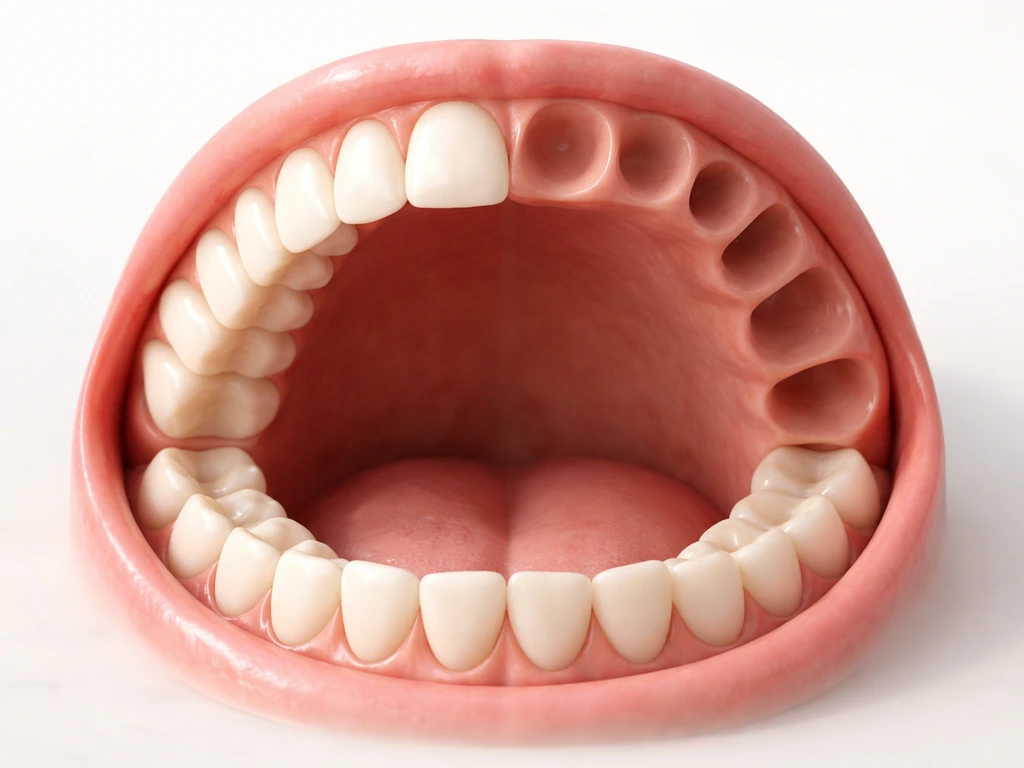
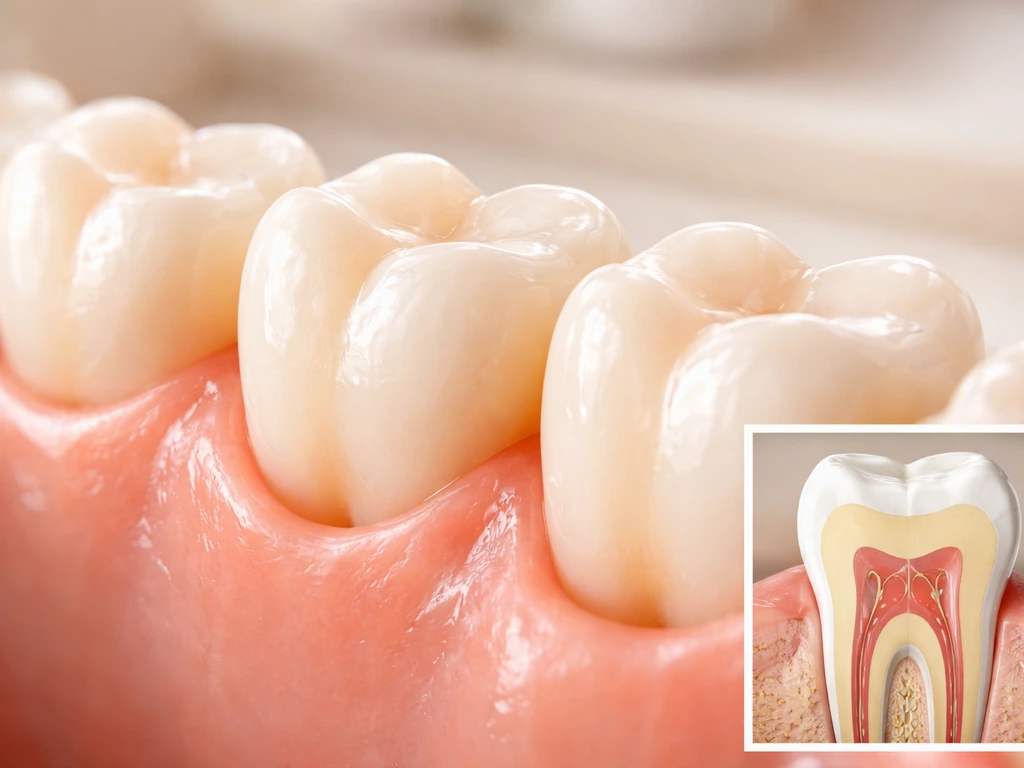
Natural tooth regrowth vs. new tooth formation at 40
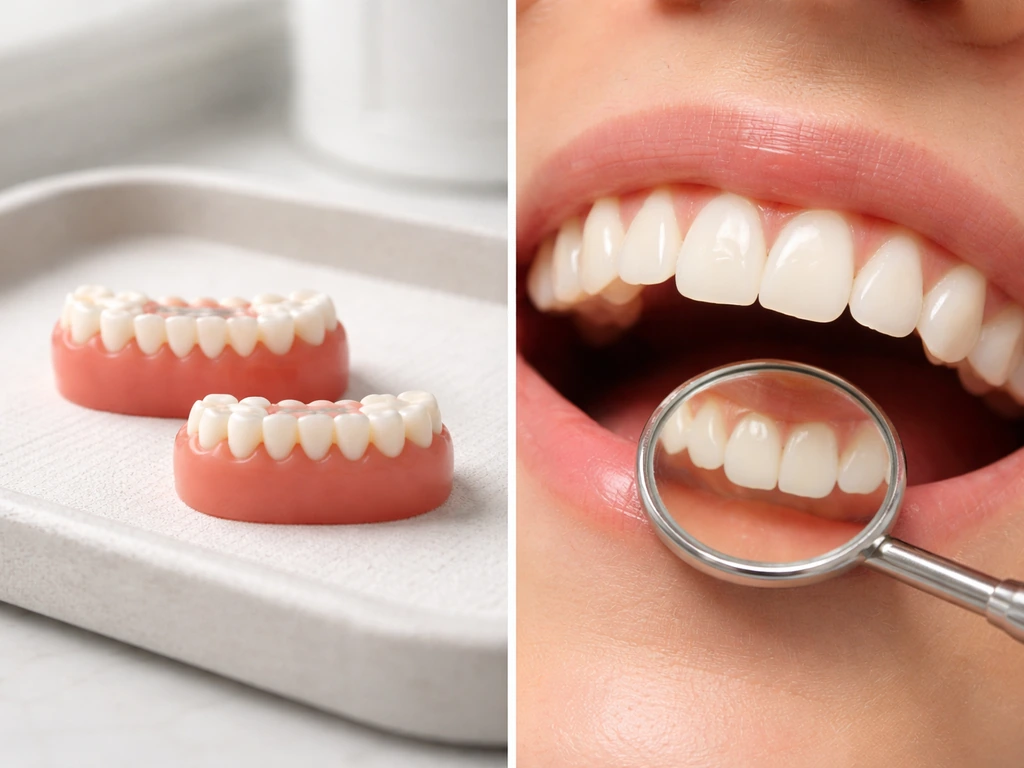
Let's be direct about the biology. Humans are diphyodonts, meaning we get exactly two sets of teeth: baby teeth and permanent teeth. That is it. Research published through NCBI's StemBook confirms that once teeth erupt into the oral cavity, the majority of the epithelial tissue responsible for tooth development is lost, and de novo (brand-new) tooth formation is simply not supported in humans. There is no reserve of dental stem cells sitting in your jaw waiting to build tooth number 33.
Enamel, the hard outer shell of your tooth, is the most permanent structure in the human body, but permanent here means it cannot be replaced, not that it lasts forever. StatPearls explains clearly that enamel cannot regenerate and cannot be replaced because the ameloblasts that formed it during development are gone by the time a tooth fully erupts. So if you grind, chip, or acid-erode your enamel, your body has no way to rebuild it on its own. This is the same reality whether you are 25 or 45.
The situation is slightly different from the questions people ask about younger ages, whether teeth can grow at 30 or 35, for example, but the biological answer is identical across all adult ages: no new teeth, no enamel regeneration. By 40, the last possible natural tooth eruption (wisdom teeth) has almost certainly already concluded, which makes the question even more straightforward to answer.
What can actually change after 40: enamel, gums, and wear
Even though teeth are not growing, plenty of real changes happen in your mouth in your 40s, and some of them can feel dramatic enough that people wonder if something is "coming in." Here is what is actually going on.
Enamel gets thinner over time
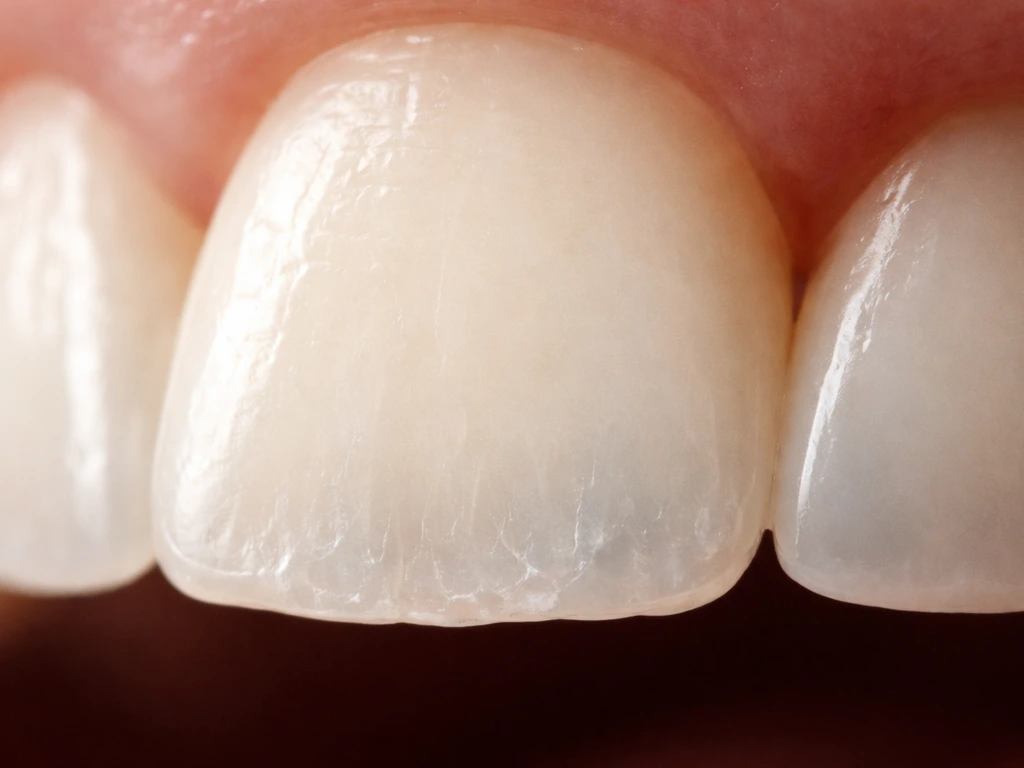
Decades of chewing, acidic foods and drinks, and (for many people) some degree of grinding wear down the enamel layer gradually. By your 40s, that cumulative wear can become noticeable. Teeth may look shorter, more yellow (because the darker dentin underneath shows through), or feel more sensitive to hot and cold. None of this is growth, it is the opposite. But it can make your mouth feel different enough that people notice changes they had not before.
Gum recession changes what you see
Gum recession is one of the most common reasons people think a tooth looks "longer" or has "grown." When the gum tissue pulls back from the tooth, more of the root surface becomes visible. This is not the tooth growing; it is the gum shrinking. Recession can result from aggressive brushing, periodontal (gum) disease, or simply genetics and age. The exposed root surface is also softer and more vulnerable to decay than enamel-covered crowns, which is why recession is a clinical problem, not just a cosmetic one.
Shifting and spacing changes
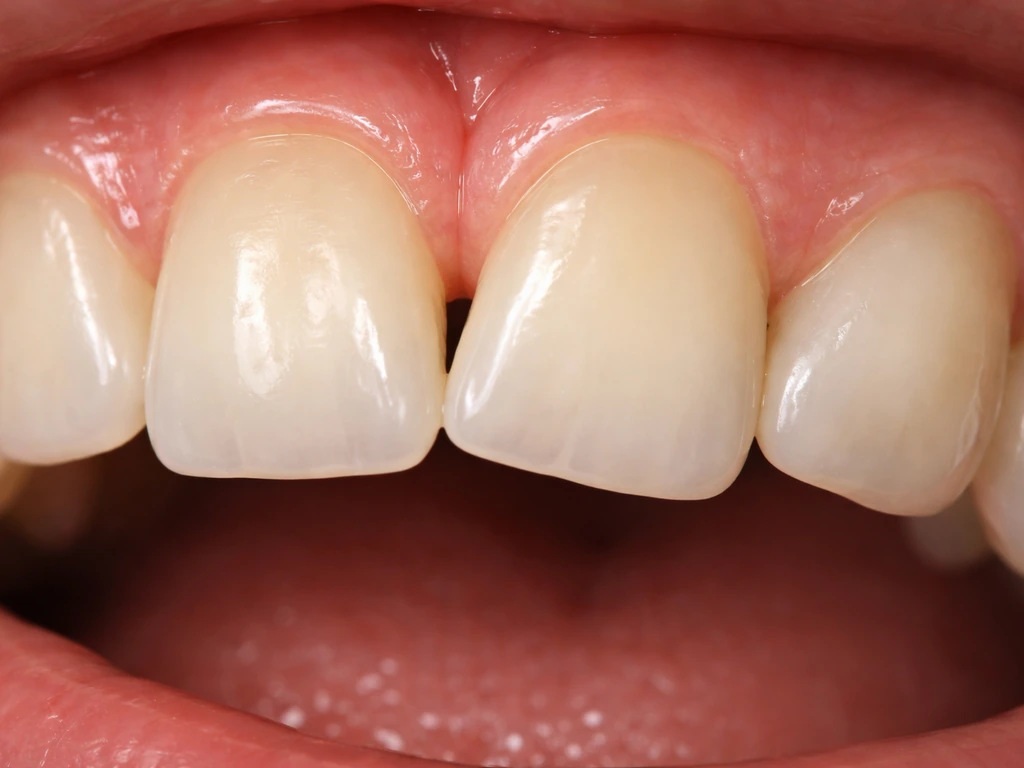
Teeth shift throughout life. Bone loss from periodontal disease, the loss of a nearby tooth, or even normal aging of the jaw and ligaments can cause teeth to drift, tilt, or space out. If a tooth that was previously crowded appears to have "moved forward," that is not growth, it is shifting driven by pressure changes and bone remodeling. The same effect can create new gaps or change your bite noticeably in your 40s.
Why teeth look and feel different in midlife
Here is a quick picture of the most common culprits behind midlife dental changes that people misinterpret as teeth "doing something new."
| What you notice | What is actually happening | Clinical name |
|---|---|---|
| Teeth look longer | Gum tissue has pulled back from the root | Gum recession / gingival recession |
| Teeth look yellower or shorter | Enamel worn away, exposing dentin | Dental erosion or attrition |
| Teeth feel loose or spaced | Bone loss reducing tooth support | Periodontal bone loss |
| New sensitivity to hot/cold | Exposed dentin or root surfaces | Dentin hypersensitivity |
| Bite feels different | Teeth have drifted or tilted | Tooth migration / malocclusion |
| Jaw soreness or worn edges | Bruxism (grinding) over years | Bruxism-related attrition |
None of these involve new tooth structure forming. They are all changes to existing teeth, bone, or soft tissue, which is actually good news, because most of them are manageable with the right dental care.
Wisdom teeth and the idea of "teeth growing" around 40
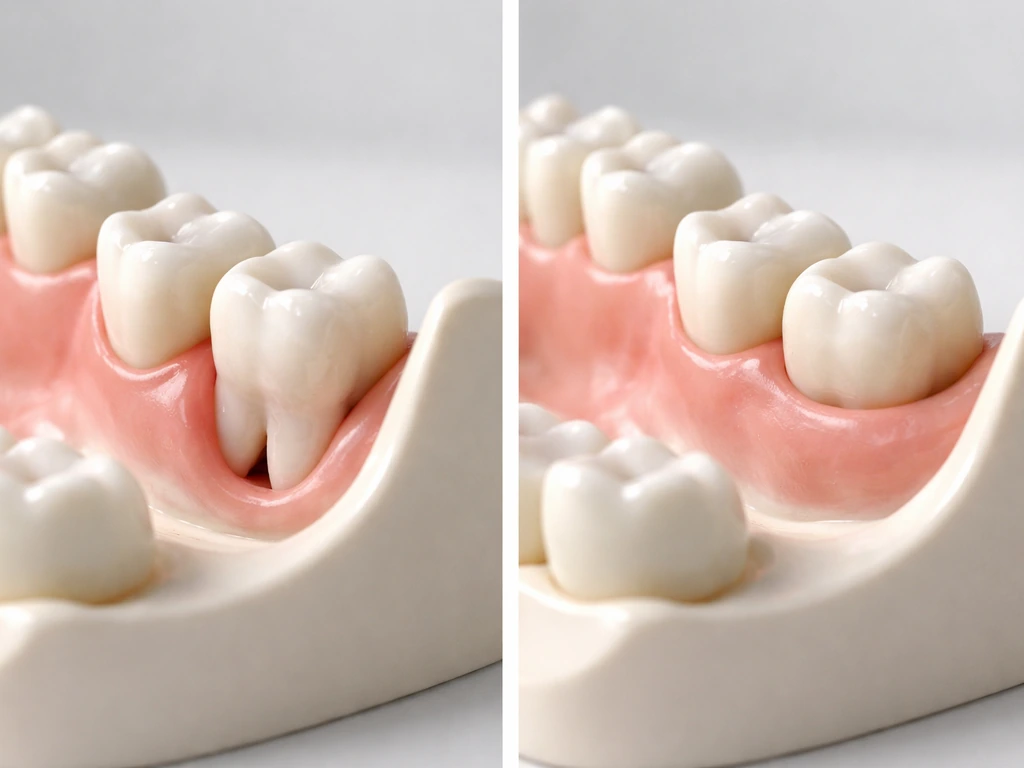
Wisdom teeth (third molars) are the one scenario where a tooth literally erupting in adulthood is biologically plausible, but the window for that closes well before 40 for most people. Wisdom teeth typically erupt between ages 17 and 25, though delayed eruption into the late 20s or early 30s is documented. By 40, the odds of a wisdom tooth erupting for the first time are extremely low. Most people who still have unerupted wisdom teeth at 40 have them fully impacted (blocked by bone or other teeth), and those teeth stay put unless surgically removed.
Occasionally, a partially impacted wisdom tooth that was dormant for years can become symptomatic, causing pain, swelling, or pressure, around or after age 40. That might feel like something is "coming in," but the tooth was already there; it is simply becoming inflamed or infected. That is a situation that needs a dental evaluation, not reassurance that a new tooth is growing. It is also worth distinguishing this from the broader question of whether teeth can grow after 30 years of age, where the same principle applies: late wisdom tooth activity is not the same as tooth regeneration. By 40, your teeth will not grow back or form new teeth after about 15 years or any time in adulthood; what you may notice is usually wear, gum recession, or late wisdom tooth issues teeth can grow after 30 years of age. If you are asking whether teeth can grow after 30 years, the key idea is the same: new tooth regeneration is not something the body can reliably do in adulthood teeth can grow after 30 years of age.
When to see a dentist and what to ask
If you are noticing changes in your mouth at 40, whether that is sensitivity, visible changes in tooth length, new spacing, pain, or anything that just feels "off", that is a reason to get a professional look, not something to wait out. Here are the warning signs that warrant prompt attention rather than a routine checkup.
- Sudden or sharp sensitivity to hot, cold, or sweet foods that lingers after the trigger is gone
- Visible lengthening of teeth or exposure of dark root surfaces below the gumline
- A tooth that feels loose, wiggles, or has noticeably shifted position
- Persistent jaw pain, swelling near the back of the mouth, or pressure in the wisdom tooth area
- Chips, cracks, or worn-down edges that have changed how your bite feels
- Bleeding gums that do not resolve after a few days of good brushing and flossing
When you see your dentist, you want more than a surface-level look. Ask specifically for a comprehensive exam plus X-rays (including periapical X-rays if you have localized pain, or a panoramic X-ray if you have not had one recently). Ask your dentist to assess whether you have enamel erosion versus periodontal bone loss, since these require very different treatment plans. If gum recession is visible, ask whether it warrants a referral to a periodontist. If you have any impacted wisdom teeth that showed up on past X-rays, ask about their current status and whether they pose any risk.
Realistic options to restore function and appearance (since regrowth is off the table)
The good news is that while your body cannot grow new teeth, modern dentistry has genuinely effective ways to restore what has been lost. The right option depends entirely on what is actually happening in your mouth, which is why the exam and X-rays matter first. Here is a practical breakdown of the evidence-based options available.
For sensitivity and early enamel wear
If your main issue is sensitivity from thinning enamel or mild recession, prescription-strength fluoride treatments and desensitizing toothpastes (containing potassium nitrate or stannous fluoride) can significantly reduce discomfort. These do not rebuild enamel, but they reduce nerve response and help remineralize the dentin surface. A custom night guard is often recommended alongside these if grinding is contributing to the wear.
For gum recession and bone loss
Periodontal therapy, scaling and root planing, sometimes called a "deep cleaning", is the standard first-line treatment for gum disease and associated bone loss. In cases where recession is significant and exposing vulnerable root structure, a gum graft (connective tissue graft or free gingival graft) can surgically restore gum coverage over the root. This does not regenerate tooth structure, but it does protect what remains and can improve appearance substantially.
For missing or severely damaged teeth
If a tooth is cracked, decayed, or missing, the restorative options at 40 are strong. Dental implants are considered the gold standard for replacing a missing tooth because they integrate with jawbone and function like a natural root. Bridges and partial dentures are alternatives when implants are not feasible. For teeth that are structurally intact but heavily worn or chipped, composite bonding, porcelain veneers, or full crowns can restore both appearance and function. These are not regrowth, they are engineering solutions that work.
For shifting or crowding
If teeth have drifted or rotated, clear aligner therapy (such as Invisalign) or traditional orthodontics can realign them at any age, including 40. Orthodontic treatment in adults is increasingly common and very effective when the underlying bone and gum health is good. If bone loss is present, the periodontist and orthodontist typically need to coordinate treatment.
The bottom line is straightforward: at 40, your teeth are not going to grow back, and no supplement, oil, or internet remedy changes that biology. But the changes you are noticing are real, they are diagnosable, and most of them are very treatable. Getting a proper evaluation is the most useful thing you can do, it turns a vague worry into a clear plan.
FAQ
If my tooth looks longer at 40, does that mean a new tooth is growing in?
Usually no. A longer-looking tooth is most often gum recession exposing more root surface, or sometimes normal wear making the crown look reduced. Ask your dentist to measure the gingival margin and check for root sensitivity or periodontal bone loss, not just eyeball appearance.
Can a tooth “grow back” if I lose enamel or chip it?
No. Enamel and dentin cannot regenerate. What can happen is that dentin near the surface may become less sensitive with remineralizing treatments, but the lost tooth tissue is not rebuilt. If the chip affects edges or you have sensitivity, ask whether bonding, a crown, or a protective sealant is more appropriate.
How can I tell the difference between tooth wear and a problem that needs urgent care?
Wear typically progresses slowly with sensitivity to hot or cold and changes in bite feel. Urgent red flags include swelling, pus, fever, severe one-sided pain, or a tooth that feels dramatically higher when you bite. Those symptoms often point to infection or a cracked tooth, not simple wear.
What if I have new spacing or my teeth shifted in my 40s, is that tooth growth?
Tooth shifting is movement of existing teeth driven by changes in bone, ligaments, and bite forces, often related to periodontal disease or tooth loss. A proper exam should include bite assessment and X-rays to see whether there is active bone loss, because shifting without controlling periodontal issues can worsen the problem.
Can wisdom teeth cause symptoms at 40 even if they were not erupting earlier?
Yes, an existing partially impacted wisdom tooth can become inflamed or infected after years of dormancy, causing pain, swelling, or pressure. It is not new eruption. Treatment commonly includes antibiotics only as a temporary measure, with definitive management often being removal if it is repeatedly symptomatic.
Is there any non-surgical way to “reverse” gum recession at age 40?
Non-surgical options can slow progression and improve symptoms, such as periodontal therapy, improved brushing technique, and sometimes fluoride or desensitizing care. True coverage of exposed root typically requires gum grafting or other periodontal procedures. Ask for probing depths, attachment loss measurements, and a recession classification to estimate the likely outcome.
Do supplements or oils help teeth regrow or rebuild enamel?
They cannot rebuild enamel or create a new tooth structure. Some products may reduce sensitivity or support oral health, but they do not replace lost enamel. If you want a practical plan, ask your dentist whether you need prescription fluoride, a night guard for grinding, and whether your diet and saliva are contributing to acid erosion.
Should I get X-rays when I notice changes, and which type matters?
Often yes, because visual exams can’t distinguish enamel erosion from periodontal bone loss. A panoramic X-ray helps broadly, but localized pain may require periapical images. If you have recession or suspected bone loss, ask whether you also need periodontal charting and bitewing images to evaluate between-tooth bone levels.
Could orthodontics at 40 worsen gum recession or bone loss?
It can, if periodontal health is not optimized first. The safest approach is coordinating orthodontics with periodontal evaluation, including assessment of bone support and hygiene feasibility. In some cases, a periodontist will treat disease and stabilize gums before tooth movement, and your plan may include protective retainers.
What’s a common mistake people make when they think teeth are “growing” at 40?
Waiting too long based on the idea that it is normal tooth eruption. If you have new pain, swelling, significant sensitivity, or visible changes in position, the better move is a prompt dental evaluation, because late-onset issues like infection from impacted wisdom teeth or periodontal progression need targeted treatment.
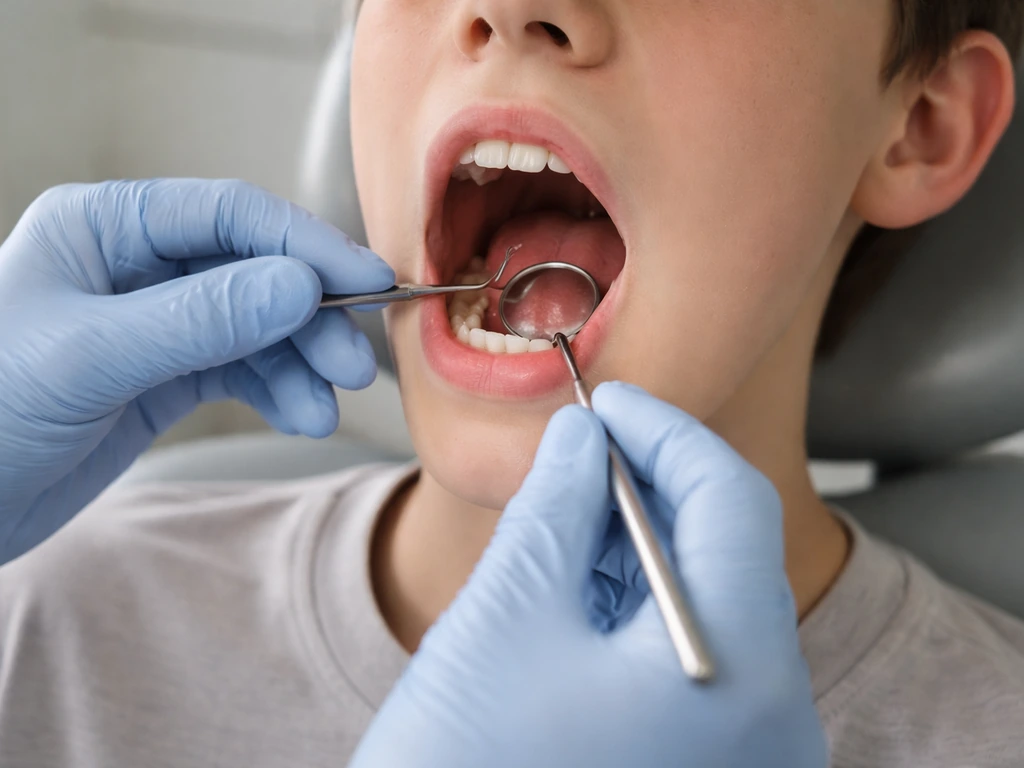
Find out if teeth can still grow after 15, wisdom timing, what’s normal, and next steps with X-rays.
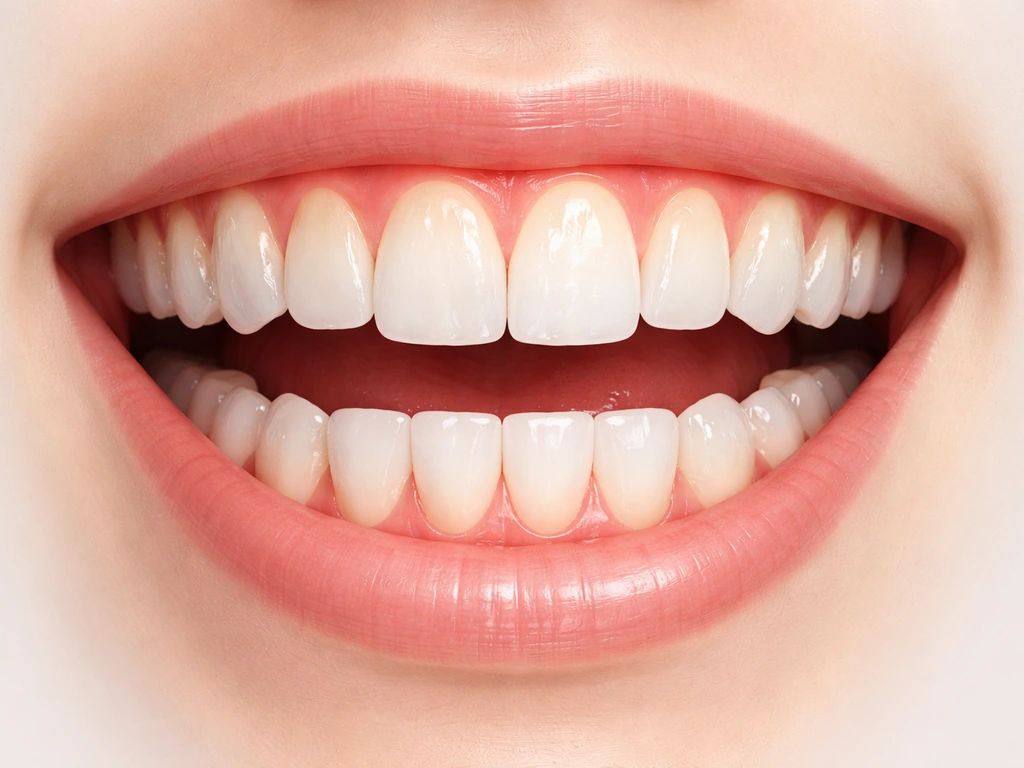
Can teeth grow at 35? Know what can regrow like enamel remineralization and what cannot, plus next steps.
Evidence on whether teeth can truly regrow at 30, what can change, and realistic options for missing or damaged teeth.