No, you cannot grow new teeth at 35. Once your permanent teeth have fully erupted, your body has no biological mechanism to form a brand-new tooth. That part of development is done. But "teeth growing" means different things to different people, and some of those things actually are possible at 35.
Can Teeth Grow at Age 35? What Can and Cannot Regrow

Marcus Holloway
22 May 2026
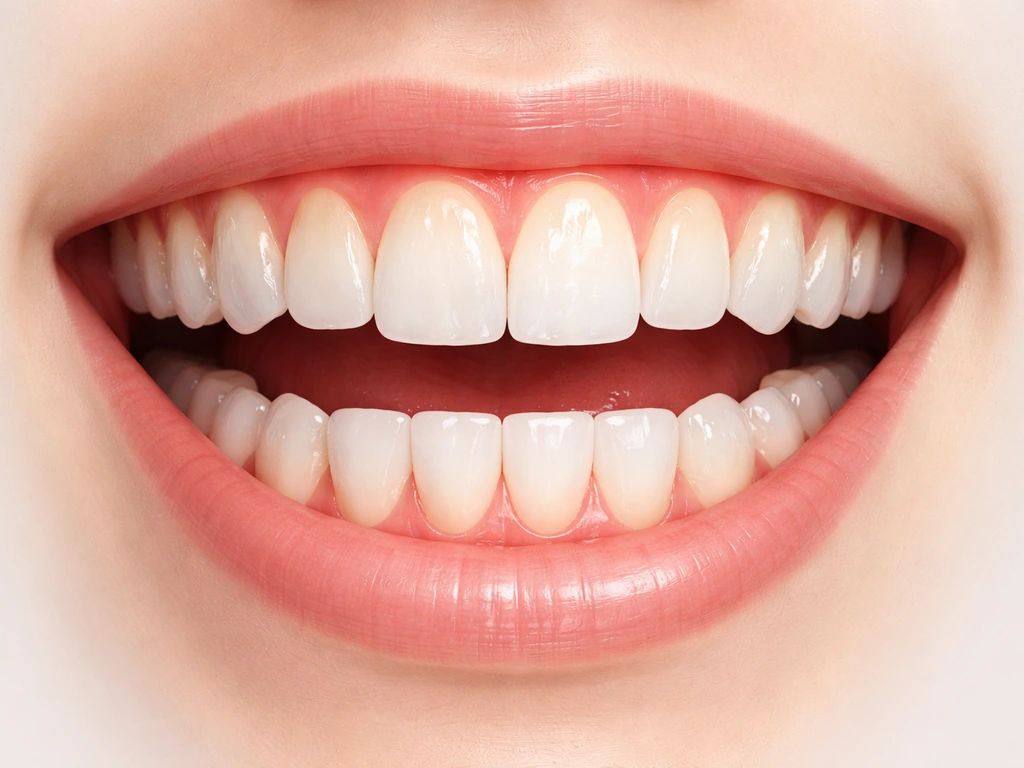
Enamel can partially remineralize if decay is caught very early. Dentin can continue forming in small amounts throughout your life. Gum tissue can heal after treatment, though it won't fully regrow on its own after recession. And missing teeth can be replaced with implants, bridges, or dentures.
What you can't do is sprout a new natural tooth the way a child loses a baby tooth and grows a permanent one.
What people actually mean when they ask if teeth can "grow" at 35
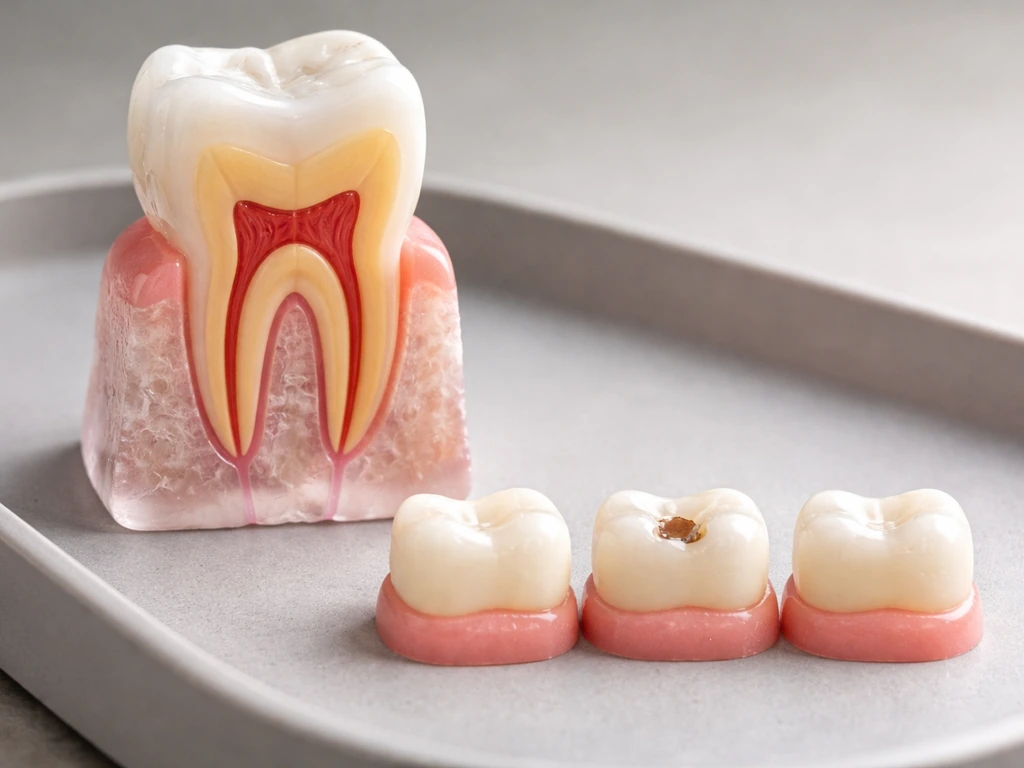
This question usually comes from one of a few different places, and it's worth sorting them out because the answer is completely different depending on which one you mean.
- Eruption of a new tooth: A tooth pushing through the gum, like when wisdom teeth come in. This can technically still happen at 35 if a tooth was impacted or delayed, but it's rare and not the same as forming a brand-new tooth from scratch.
- Enamel "growing back": People often hope damaged or worn enamel will regenerate. It won't, but early-stage demineralization can be partially reversed with fluoride and remineralization strategies.
- Tissue repair or remineralization: Minor, microscopic repair of early decay or microdamage is possible, but this is not the same as new tooth structure forming.
- Gum changes around existing teeth: Gums can swell, recede, or appear to shift, giving the impression that teeth look longer or shorter. That's a tissue change, not tooth growth.
- Replacement after tooth loss: There's no biological way to grow a new natural tooth to replace one you've lost as an adult. Dental implants, bridges, and dentures are the realistic options.
The confusion is completely understandable. Online searches are full of claims about "regrowing teeth naturally" with supplements or remedies, and it's genuinely hard to know what's real. The honest answer is that true tooth regeneration does not exist as a clinical option for adults in 2026, though it remains an active area of dental research.
Why your teeth stopped forming long before you turned 35
Tooth development begins in embryonic life. Specialized cell clusters called enamel knots organize nearby cells into the structures that eventually become teeth. This is an early developmental process, not a routine regenerative ability your body holds onto into adulthood. By the time most people are in their mid-teens, all their permanent teeth have either erupted or are in the process of erupting. Wisdom teeth (third molars) are typically the last to arrive, usually between ages 17 and 25, though occasionally later.
Once a tooth erupts and reaches its functional position, it becomes anchored in the jaw. The cells responsible for making enamel, called ameloblasts, die once eruption occurs. According to dental physiology research, the ability to make enamel is permanently lost at that point. This is why enamel doesn't grow back the way bone or skin can heal. Dentin-forming cells (odontoblasts) do survive into adulthood and can produce small amounts of secondary or reparative dentin throughout life, but this is a protective response, not true regrowth of lost tooth structure.
So by 35, your permanent teeth system has been fully established for at least a decade. The developmental window for tooth formation is definitively closed. That said, your natural teeth do not keep growing into adulthood after the normal eruption window closes. At age 40, the developmental window for new tooth formation is also closed, so you can't grow new natural teeth. This is also the case at 30, and the situation doesn't change meaningfully at 40 either.
What actually can repair or remineralize (and how much)
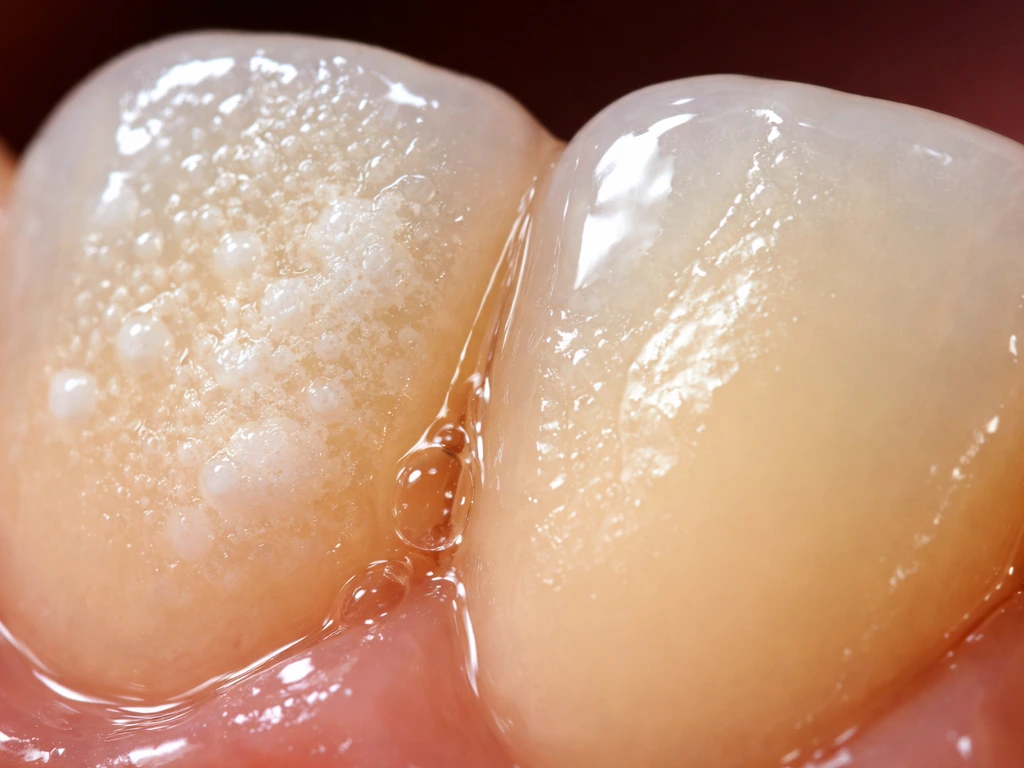
Here's where things get more nuanced and a little more hopeful. A few dental structures do have limited repair capacity in adults, and knowing the difference between what can and can't recover matters enormously for how you handle dental problems.
Enamel: remineralization, not regrowth
Enamel can't be rebuilt from scratch, but very early enamel damage, specifically the non-cavitated white-spot lesions that form before a cavity actually holes through, can be partially reversed. This happens through remineralization, where minerals from saliva, fluoride, and dietary sources are redeposited into the softened enamel surface. Fluoride varnish, fluoride toothpaste, and treatments like resin infiltration are all clinically used approaches for managing these early lesions. The key word is early. Once a cavity has progressed through the enamel, you can't remineralize it back. You need a filling.
Dentin: some production continues, but it's protective
Unlike enamel, dentin production does not stop at eruption. Throughout your life, your teeth can lay down secondary dentin (a gradual, normal process) and reparative dentin (a response to injury or decay). This is actually one reason older teeth can become less sensitive over time, the pulp gets a bit more insulated. But this new dentin doesn't replace what's been lost to decay or grinding. It's a biological defense mechanism, not regeneration in any meaningful sense.
Gums: they can heal, but recession doesn't reverse itself
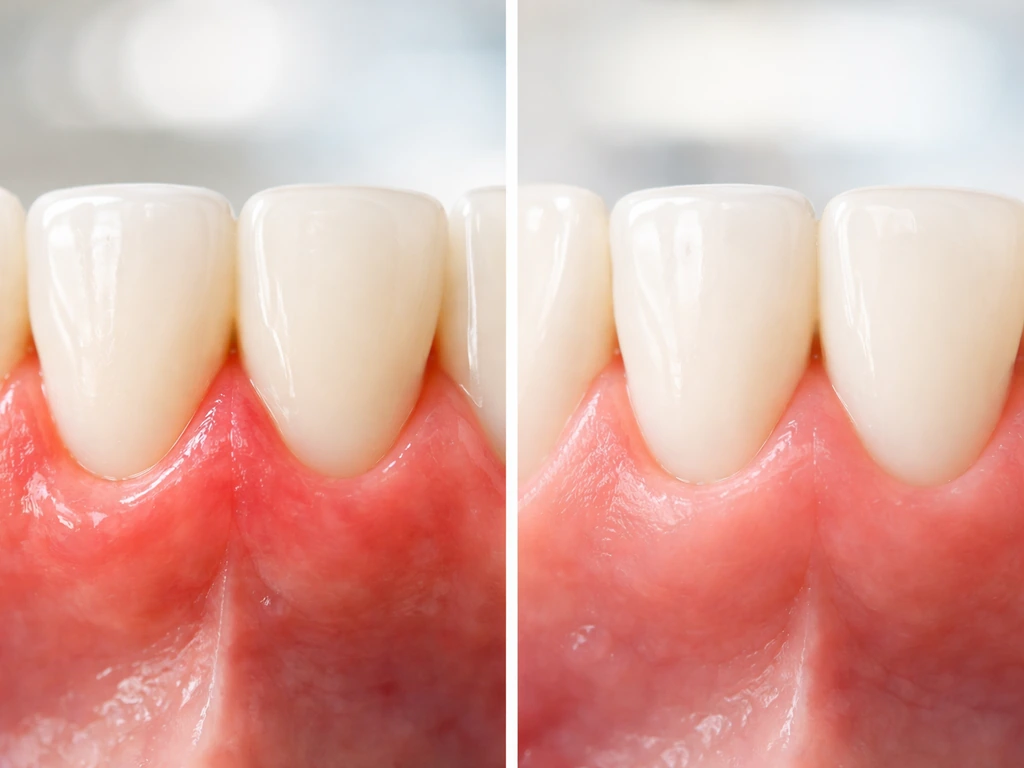
Gum tissue can recover from inflammation. If you have gingivitis (swollen, bleeding gums without bone loss) and you improve your oral hygiene, the gums can return to a healthy state. That's real recovery. But gum recession, where the gum tissue has pulled back and exposed tooth roots, cannot reverse itself. The Cleveland Clinic is direct about this: gum recession can't be reversed. Professional treatment like scaling and root planing can stop it from worsening, and periodontal plastic surgery (gum grafting) can improve coverage in some cases, but you won't spontaneously regrow lost gum tissue at home.
What definitely cannot regenerate in an adult
- A completely new natural tooth to replace one that's been lost or extracted
- Enamel thickness that has been worn, eroded, or lost to a progressed cavity
- Tooth structure lost to decay that has already become a cavitated lesion
- Bone or gum attachment lost to periodontitis (irreversible, though manageable)
- Gum tissue lost to recession (can be covered surgically, but won't regrow on its own)
Periodontitis, the more severe form of gum disease involving bone loss around teeth, is considered irreversible by the CDC. The bone doesn't grow back. Treatment slows progression and manages infection, but it does not restore what's gone. This is a critical distinction if you're weighing whether to wait or get help sooner.
What to actually do about common problems at 35
Since your teeth can't regrow, your real job is protecting what you have and replacing what you've lost using the best tools available. Here's how to approach the most common situations adults in their mid-30s deal with.
Early cavities and white-spot lesions
If your dentist catches decay before it's cavitated, you have a real window to halt or reverse it. This means using fluoride toothpaste twice daily (look for 1,000 to 1,500 ppm fluoride), cutting back on sugar frequency rather than just quantity, drinking more water, and asking your dentist about professional fluoride varnish application. Resin infiltration is another option for white spot lesions, a minimally invasive treatment that reinforces softened enamel without drilling. If decay has progressed into a cavity, it needs a filling. No home strategy reverses that.
Chipped or fractured enamel
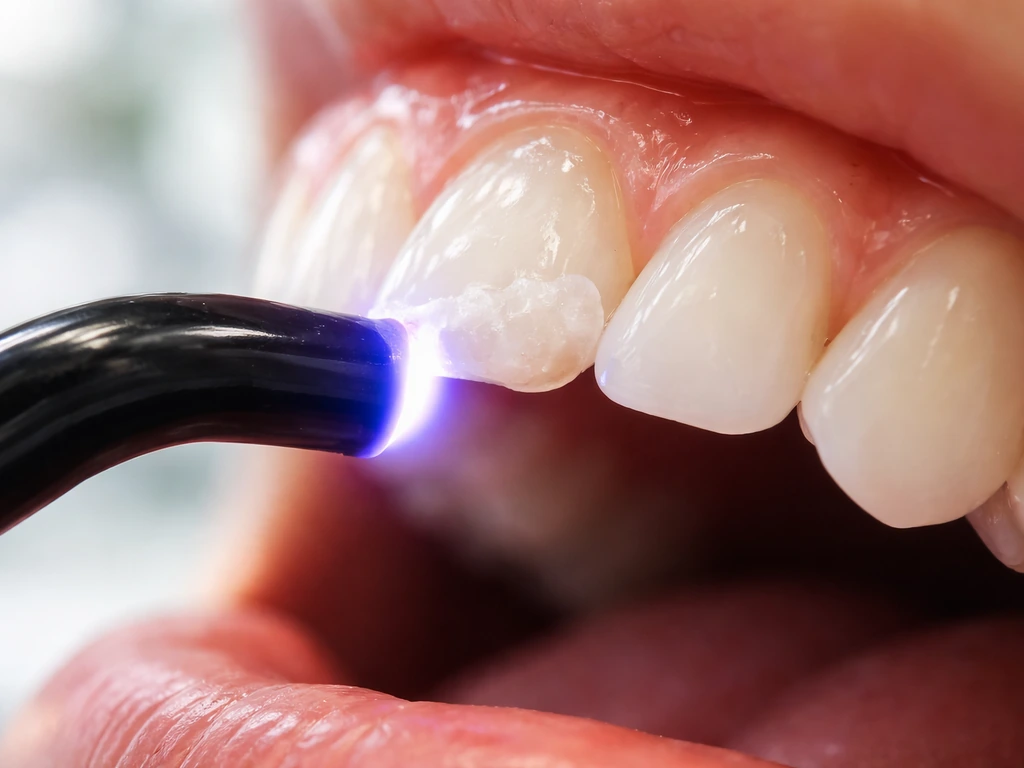
A chipped tooth won't grow back. Depending on the size and location of the chip, your dentist can restore it with composite bonding (tooth-colored resin applied and shaped directly), a veneer, or a crown. If the chip is deep and reaches the pulp, you may need a root canal first. The American Association of Endodontists notes that cracks extending into the pulp require root canal treatment and a crown to prevent further damage.
For crown fractures and other traumatic injuries, the AAE trauma guidelines also describe using bonding or provisional protective coverings and restoring the tooth when indicated, while emphasizing preserving pulp vitality when appropriate American Association of Endodontists notes that.
The sooner you get a chip evaluated, the more conservative the treatment usually is.
Tooth sensitivity
Sensitivity at 35 is usually from exposed dentin, either from enamel erosion, gum recession exposing roots, or aggressive brushing. The exposed dentinal tubules transmit temperature and pressure signals more directly to the nerve. Desensitizing toothpastes with potassium salts or stannous fluoride work by either calming nerve response or blocking those tubules over time. They take a few weeks to work consistently. If sensitivity is severe, constant, or coming from a specific tooth, that warrants a dental visit to rule out a crack, deep decay, or an abscess.
Gum recession
If you've noticed your teeth looking longer or feeling more sensitive at the gumline, recession may be the cause. See a periodontist. Professional options include scaling and root planing (a deep cleaning to remove bacteria and tartar from below the gumline) and gum grafting if recession is significant. Grafting can provide meaningful coverage and reduce sensitivity, though full restoration to original levels isn't always achieved. Doing nothing allows it to worsen.
Missing teeth
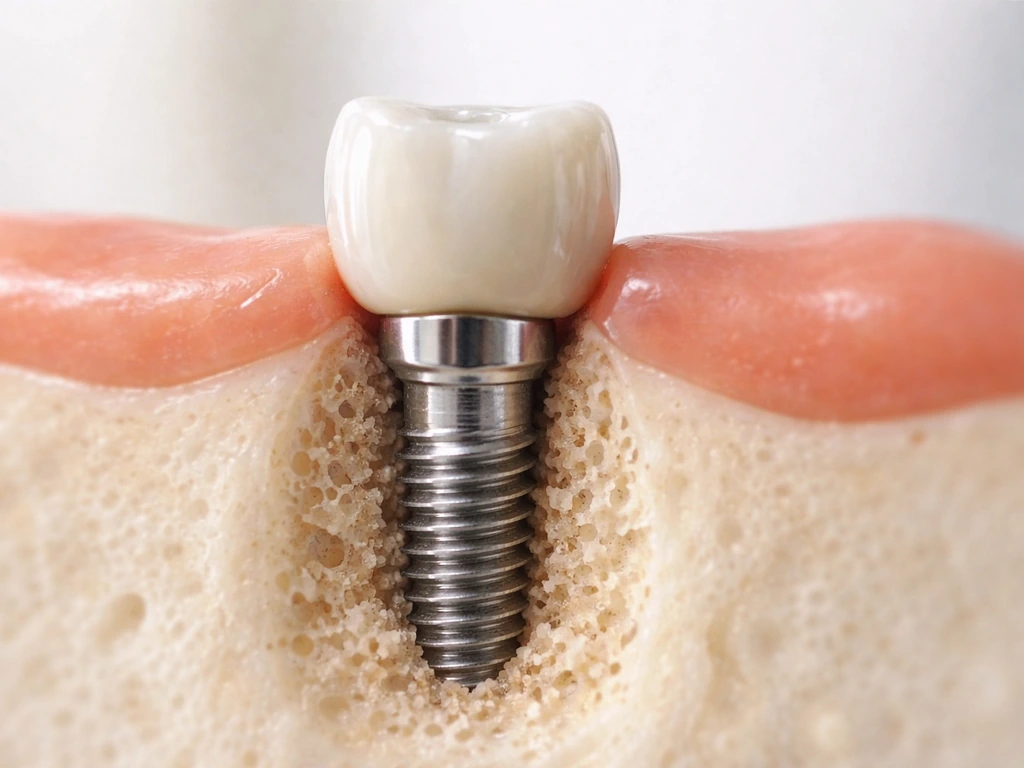
If you've lost a tooth, your realistic options are a dental implant (a titanium post placed in the jawbone with a crown on top, the closest functional replacement to a natural tooth), a fixed bridge (uses adjacent teeth as anchors), or a removable partial denture. Implants are generally considered the gold standard when bone volume allows. They also help preserve jawbone that would otherwise resorb after tooth loss. The longer you wait to address a missing tooth, the more bone loss occurs and the fewer options you may have.
| Problem | What can't happen naturally | Realistic treatment option |
|---|---|---|
| Early white-spot lesion | Enamel doesn't regrow | Fluoride varnish, resin infiltration, improved hygiene |
| Cavitated cavity | Lost tooth structure won't return | Filling (composite or amalgam) |
| Chipped tooth | Enamel won't repair itself | Bonding, veneer, or crown |
| Tooth sensitivity | Dentin exposure doesn't self-seal reliably | Desensitizing toothpaste, fluoride, dentist evaluation |
| Gum recession | Gum tissue won't regrow | Scaling/root planing, gum graft surgery |
| Missing tooth | No new natural tooth will form | Implant, bridge, or partial denture |
Supplements and home remedies that won't regrow your teeth
If you've spent time online looking for answers, you've almost certainly encountered claims about regrowing teeth with oil pulling, certain supplements, herbal powders, or "remineralization" protocols. Let's be direct: none of these regrow teeth. This is why questions like “will teeth grow after 30 years” are usually answered with the same basic biological limitation: true new tooth growth isn't available for adults. The biology simply doesn't allow it. The cells that form enamel are gone. There is no supplement that revives them.
Oil pulling, specifically, gets promoted as a way to reverse cavities and even regrow gum tissue. The ADA does not recommend oil pulling as a dental hygiene practice and notes there is no reliable scientific evidence to support these claims. It should not replace brushing, flossing, or professional dental care. Using it instead of proven approaches wastes time you could spend actually stopping damage.
"Tooth regrowth" supplements often contain calcium, phosphorus, vitamin D, or vitamin K2. These nutrients do support general bone and dental health, and deficiencies in them aren't good for your teeth. But taking them in supplement form will not rebuild a tooth that has a cavity, reverse gum recession, or generate a new tooth. If your diet is reasonably balanced, extra supplementation won't move the needle on tooth regeneration.
It's also worth noting that truly regenerative dentistry, the kind that might one day coax stem cells into forming a new tooth, is still in the research phase. The NIDCR actively funds craniofacial and dental regeneration research, which tells you this isn't a current clinical option. It's something scientists are working toward, not something your dentist can offer you today.
When to see a dentist and exactly what to ask
If you're 35 and worried about any of the above, the most useful thing you can do is get a current assessment from a dentist. Here's when to go and what to bring up.
Go today (or to an emergency clinic) if you have
- Severe toothache that doesn't ease up, especially with swelling of the gum, face, or jaw
- A knocked-out or severely fractured tooth (time matters, especially for trauma)
- Visible abscess or swelling spreading beyond the gumline
- Uncontrolled bleeding from the mouth
Book a regular appointment if you have
- Sensitivity that's been building over weeks or months
- White spots or visible discoloration on teeth
- Bleeding gums that haven't improved after two weeks of better brushing and flossing
- A tooth that feels loose or a gap that has appeared where a tooth was
- A chip or crack you haven't had checked yet
Questions worth asking at your appointment
- "Are any of my early lesions candidates for fluoride or remineralization treatment rather than a filling right now?"
- "Is my gum recession stable, progressing, or would I benefit from seeing a periodontist?"
- "What's my overall caries risk, and what specific changes would make the biggest difference for me?"
- "If I have a missing tooth, what are my implant and bridge options given my bone level and budget?"
- "Is my sensitivity coming from enamel erosion, recession, or something else that needs treatment beyond desensitizing toothpaste?"
The bottom line at 35 is the same as it is at 30 or 40: no new teeth are coming in, and lost structure doesn't grow back. But you have a lot of effective options for protecting what's there, halting early damage, managing symptoms, and replacing what's been lost. Acting sooner rather than later consistently leads to less invasive and less expensive treatment. That's the most practical advice there is.
FAQ
If I lost a tooth in my 30s, can my other teeth shift to “replace” it naturally without treatment?
They can drift somewhat over time, especially if the loss happened recently, but that is not true regrowth. Shifting often worsens bite problems and increases risk of gum breakdown around the neighboring teeth, so you still typically need a planned option like an implant, bridge, or partial denture to restore function and reduce bone loss.
Can a cracked tooth regrow on its own if it is not painful yet?
No. A crack does not naturally “heal” into intact tooth structure once it forms. Even if discomfort is mild, cracks can progress to involve deeper layers or the pulp, so a dentist should assess it promptly, sometimes with bite tests or imaging.
Is it ever possible to regrow enamel using fluoride if I already have a cavity?
Fluoride can help reverse very early enamel changes, such as white spot lesions before a hole forms. Once decay has progressed to a cavitated cavity, remineralization cannot rebuild the missing enamel, and a filling or other restorative treatment is usually required.
What is the difference between root exposure from recession versus enamel wear, and why does it matter for treatment?
Recession exposes cementum and dentin at the gumline, while enamel wear thins enamel over the tooth surface. Treatment choices differ: recession often needs periodontal care, such as scaling and root planing or possible grafting, while wear-related sensitivity may respond more to protective agents, bonding, or bite management.
Will desensitizing toothpaste eliminate sensitivity permanently?
It can reduce sensitivity, but it usually does not fix the underlying cause (like ongoing recession, decay, a crack, or grinding). If sensitivity keeps returning or is tied to one tooth, get it evaluated rather than relying on the toothpaste long term.
Do vitamin or supplement regimens reverse gum recession or rebuild lost bone?
They cannot regrow recession or regenerate lost supporting bone in a predictable clinical way. If you have deficiencies, correcting them can support overall health, but recession and periodontitis require targeted dental or periodontal treatment and consistent plaque control.
How quickly should I seek care if I suspect gum recession or periodontitis?
Soon. Gingivitis may reverse with improved hygiene, but periodontitis involves bone loss and typically needs professional management to slow progression. Waiting increases the chance of more permanent tissue loss and can limit options if teeth later loosen.
If I have a missing tooth, is waiting always “bad,” or is there a minimum time before treatment?
Waiting too long can increase jawbone resorption and make implants harder or require additional procedures. There is no single safe timeline for everyone, but delaying usually reduces options, so it helps to have an evaluation soon to determine bone status and realistic next steps.
Can orthodontic treatment help with sensitivity or gum recession, or can it make it worse?
It can help in some cases by improving alignment and making plaque control easier, but it can worsen recession if teeth are moved beyond the bone support or if hygiene is poor during treatment. A periodontist should be involved if recession is already present.
Are there any “red flags” that mean I should not treat symptoms at home and should book an urgent dental visit?
Yes, seek urgent care if you have severe or spreading pain, swelling, fever, bad taste or pus, a tooth that is extremely tender to bite, sudden sensitivity that feels localized to one spot, or visible gum bleeding with deterioration around one tooth.
Next Articles
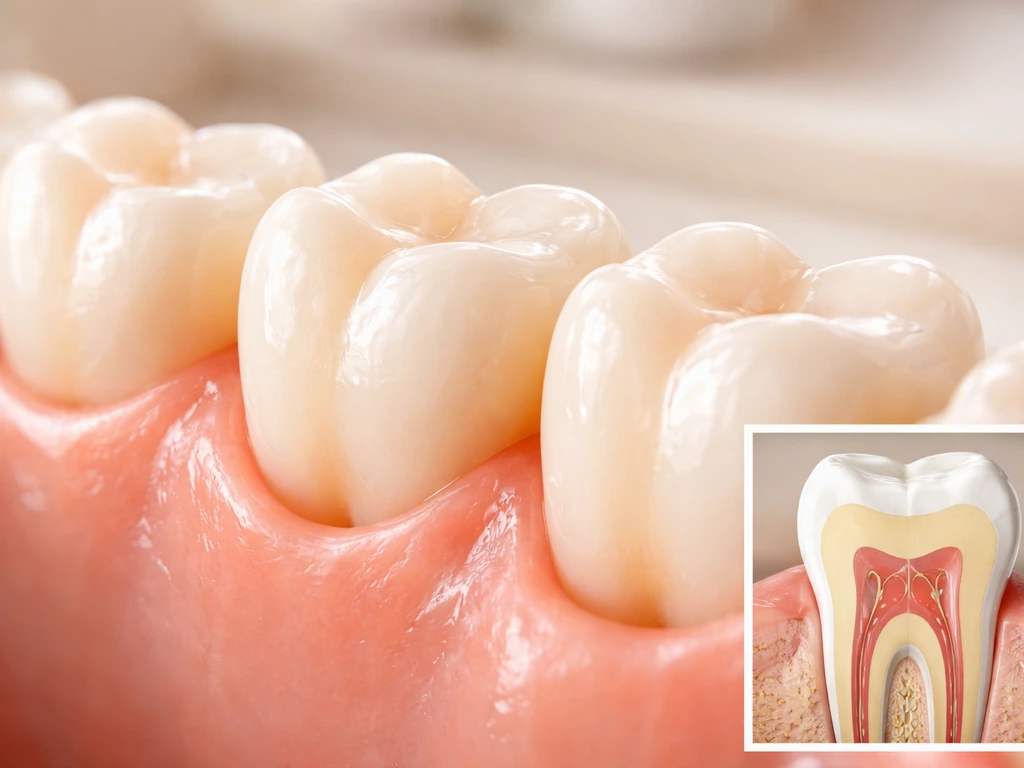
Can Teeth Grow at Age 30? What’s Real and What Isn’t
Evidence on whether teeth can truly regrow at 30, what can change, and realistic options for missing or damaged teeth.
Do Milk Teeth Grow Back? Timelines, What to Do, Red Flags
Learn if milk teeth regrow, typical timelines for permanent teeth, what to do after loss or injury, and red flags.
Can Milk Teeth Grow Twice? Replacement vs True Regrowth
Can milk teeth grow twice? Learn why baby teeth usually only get replaced, not regrown, and what to do if one falls out