For most people, no new teeth are growing after age 15. By that point, the vast majority of your 32 permanent teeth have already erupted or are well on their way. The one real exception is wisdom teeth, which typically start erupting anywhere from age 17 to the late 20s (and sometimes even later). So if you are 15 or a few years older and wondering whether more teeth are coming, the honest answer is: probably not, unless your wisdom teeth are still developing, or you have a specific eruption delay your dentist already knows about. And if a tooth has been lost or badly damaged, biology will not grow it back. That part is folklore.
Will Teeth Grow After 15 Years? What’s Normal and Not

Marcus Holloway
2 Jun 2026
What "teeth grow" actually means at this age
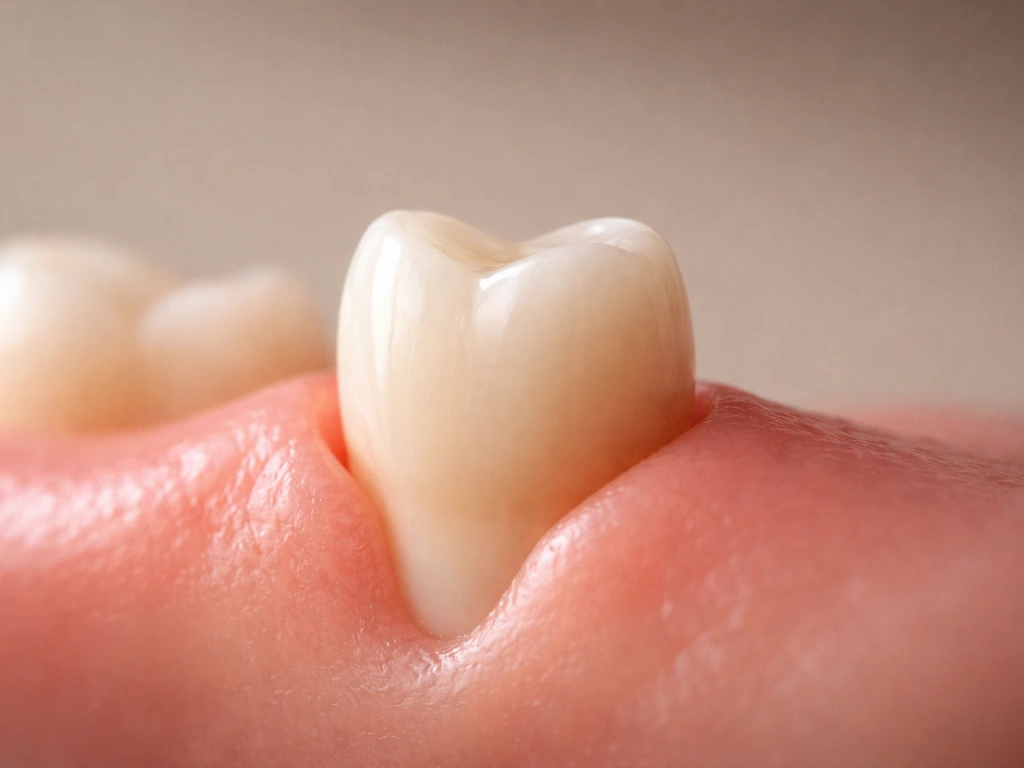
When someone asks whether teeth will grow after 15, they usually mean one of three very different things, and it is worth separating them because the answers are completely different.
- New teeth erupting from the jaw: This is real, but almost entirely finished by age 15 except for wisdom teeth. No brand-new third set of teeth will ever form.
- A lost or knocked-out tooth growing back: This does not happen in humans after the permanent set is in. Once a permanent tooth is gone, it is gone permanently.
- Enamel or root structure "regrowing" on a damaged tooth: Also not biologically possible. Enamel cannot regenerate itself once it is lost, and roots do not rebuild after damage.
The internet (and a fair amount of wishful thinking) blurs these three together. Understanding which category your situation falls into is the first step toward figuring out what, if anything, can still happen naturally, and what needs professional treatment.
Typical eruption timeline: what is done vs. what might still be coming
Here is how tooth eruption typically plays out. These are ranges, not hard rules, and your own timeline may vary by a year or two in either direction.
| Tooth Type | Typical Eruption Age | Done by 15? |
|---|---|---|
| Central incisors (upper & lower) | 6–8 years | Yes |
| Lateral incisors | 7–9 years | Yes |
| Canines (lower) | 9–10 years | Yes |
| Canines (upper) | 11–12 years | Yes, usually |
| Premolars / bicuspids | 9–12 years | Yes, usually |
| First molars (6-year molars) | 6–7 years | Yes |
| Second molars (12-year molars) | 11–13 years | Often yes, sometimes still finishing |
| Third molars / wisdom teeth | 17–30 years (widely variable) | No, typically not yet |
By age 15, most people have 28 of their 32 permanent teeth either fully erupted or very close to it. The four wisdom teeth are the outliers. According to AAPD tooth development data, the crown of a wisdom tooth is typically visible on X-ray by around age 14, but the roots are generally not fully formed until age 20 to 21, and eruption through the gum can happen anywhere between 17 and the late 20s. Some people's wisdom teeth never erupt at all. This wide variability is normal.
One other scenario worth knowing: occasionally a tooth that should have erupted earlier is delayed due to a baby tooth that stayed in too long, an impacted position, crowding, or a developmental issue. If one of your permanent teeth never came in, it may still be sitting unerupted in the jaw. That is not a new tooth growing, but it is a tooth that might still be addressed with treatment.
Can enamel or roots regrow? The honest biology
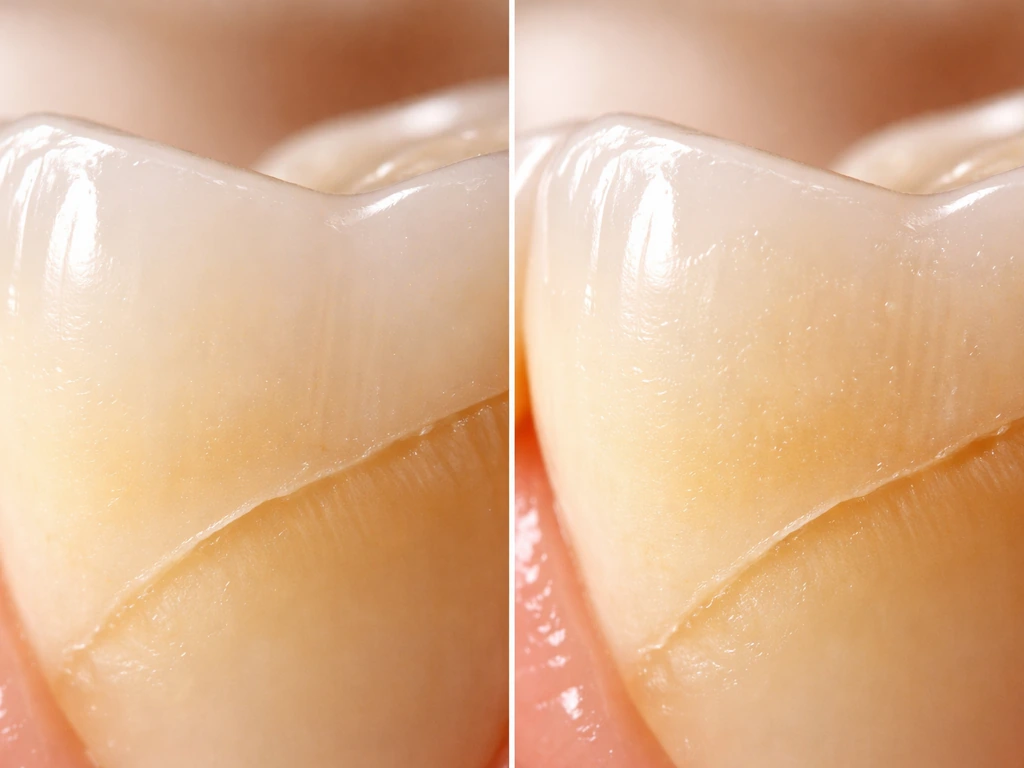
This is the part where a lot of popular dental advice goes wrong. Enamel, the hard outer layer of your teeth, cannot regenerate. The cells responsible for forming enamel (ameloblasts) are lost after a tooth erupts. Once enamel is gone, it is gone. No supplement, no toothpaste, no oil-pulling routine brings it back. Peer-reviewed research is clear on this: mature enamel is acellular and does not rebuild itself after damage.
What can happen is remineralization, which is not the same thing as regeneration. Fluoride and calcium-phosphate-based products can help reharden softened or early-demineralized enamel surface, essentially reinforcing what is still there. This is genuinely useful for preventing cavities and slowing erosion. But it does not replace bulk enamel that has already been lost. Think of remineralization as patching a weakened wall, not rebuilding one that has been knocked down.
Roots cannot regrow either. If root structure is lost due to resorption, gum disease, or trauma, the body does not rebuild it. The periodontal ligament (the connective tissue attaching a tooth to the jaw bone) has some limited healing capacity, but this is maintenance, not regeneration. Research into actual tooth and enamel regeneration is ongoing and shows real promise for future treatments, but as of today, no clinically available treatment rebuilds lost enamel or root structure from scratch.
Wisdom teeth and late-erupting teeth: when eruption after 15 is still genuinely possible
Wisdom teeth are the main reason someone at or past 15 might still have natural tooth eruption ahead of them. They are wildly variable in timing. Some people see them come in at 17 or 18 with no problems at all. Others do not see any movement until their mid-20s. Some never erupt because they are impacted (stuck against another tooth or bone) or because there simply is not enough room.
When wisdom teeth do erupt, they sometimes bring problems with them. Common signs that a wisdom tooth is moving include swelling or soreness at the very back of the gum, pressure or pain near the jaw angle, or occasional difficulty opening the mouth fully. Impacted wisdom teeth, meaning ones that are partially or fully trapped in the jaw, can lead to gum infection (pericoronitis), damage to the roots of the second molars sitting right next to them, cyst formation, or decay in a tooth that is nearly impossible to clean. These are the reasons the ADA and Johns Hopkins Medicine list as common indicators for wisdom tooth removal.
Beyond wisdom teeth, if a permanent tooth never erupted in childhood (say, a canine that stayed blocked by the baby tooth or by crowding), that tooth may still be in the jaw as an adult. It will not erupt on its own at this point without intervention, but it can sometimes be surgically exposed and guided into position with orthodontic treatment. This is a very different situation from a tooth "growing back," but it is worth knowing that unerupted permanent teeth do not simply disappear.
How to figure out your specific situation today
You cannot answer this question with certainty just by counting teeth in a mirror. The only reliable way to know what is happening under the gumline is a dental exam combined with X-rays. Here is what that actually looks like and what to ask.
The dental exam
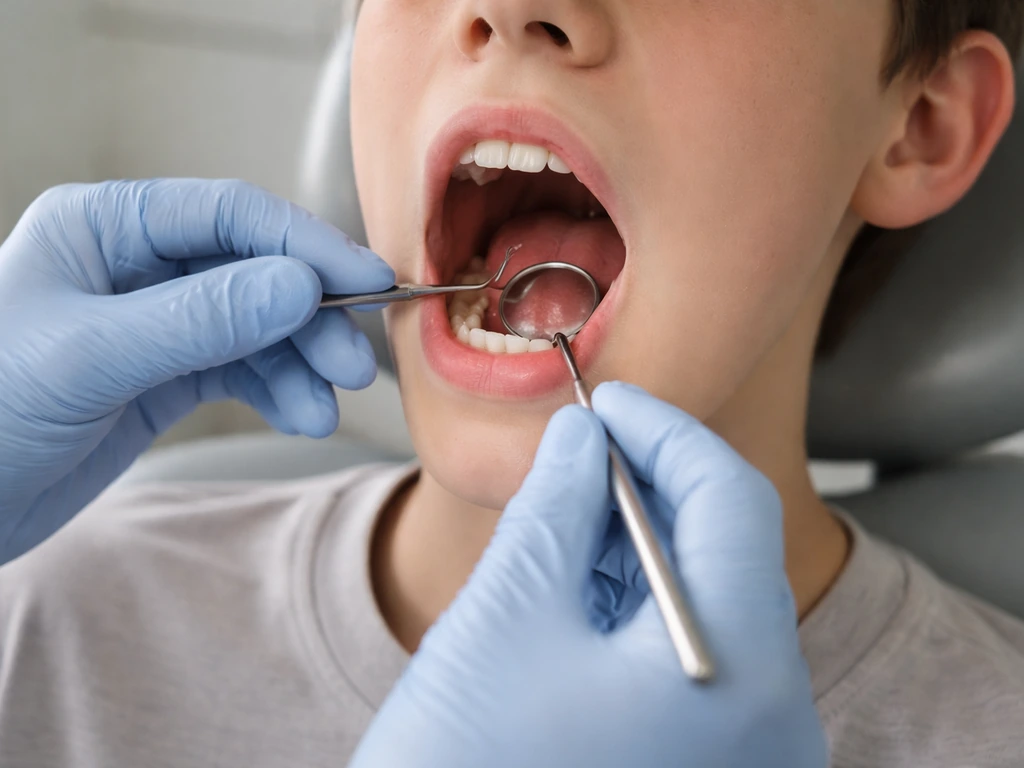
A dentist will look at which teeth are present, whether any positions look unusual, whether the gum tissue shows signs of an erupting tooth (a little bump or swelling where a tooth is trying to break through), and whether there are any gaps where a tooth should be. For a 15-year-old, this exam specifically should include an evaluation of the third molars, which the AAPD recommends as part of routine adolescent dental care.
X-rays: your best tool for answers
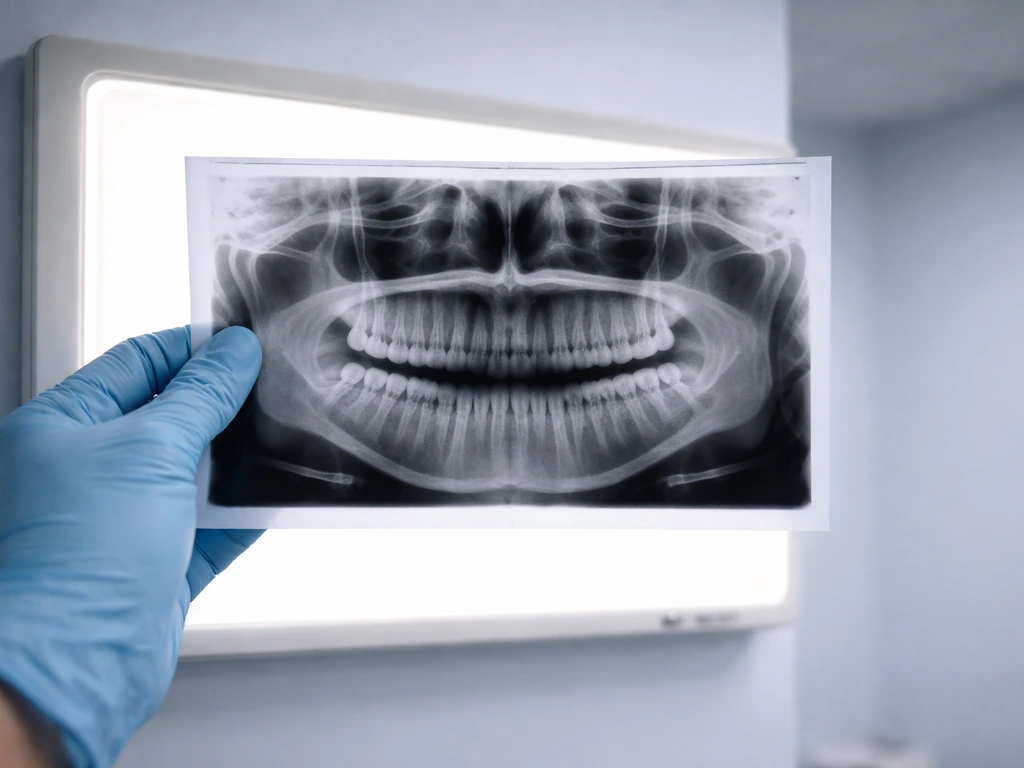
A panoramic X-ray (the kind where the machine circles your head) shows all teeth, erupted and unerupted, in one image. This is how a dentist confirms whether wisdom teeth are forming, whether they are impacted, and whether any other teeth are sitting unerupted in the jaw. The ADA recommends X-rays based on clinical need, including situations involving unusual eruption patterns, spacing issues, or suspected impaction. If you or your teen have not had a panoramic X-ray in the past couple of years, this is a reasonable thing to request.
Questions to ask at the appointment
- Are all 28 permanent teeth (not counting wisdom teeth) accounted for and fully erupted?
- Are wisdom teeth visible on X-ray, and what is their current position?
- Is there any sign of impaction or crowding that could cause problems?
- Do I need orthodontic evaluation, and is now the right time for it?
- Are there any unerupted permanent teeth that may need monitoring or treatment?
If the answer to any of these reveals a concern, the dentist will likely refer to an orthodontist or oral surgeon, depending on what is going on. Getting that referral at 15 or 16 rather than waiting until problems become painful is almost always the better move.
What to do if teeth are missing or damaged: real options available today
If the issue is not eruption timing but rather missing, damaged, or badly positioned teeth, here is a practical breakdown of what biology can and cannot do, and what dental treatment fills the gap.
If a permanent tooth was lost (knocked out, extracted, or never formed)
Nature will not replace it. Adults have no third dentition waiting in the wings. The realistic options are a dental implant (a titanium post placed in the jawbone, then fitted with a crown), a fixed bridge (a crown anchored to neighboring teeth with a false tooth in between), or a removable partial denture. For teens, implants are usually not placed until jaw growth is complete, typically around age 17 to 18 for girls and 18 to 21 for boys. In the meantime, a temporary option is often used to preserve space and appearance.
If enamel or tooth structure is damaged
Depending on how much tooth structure is gone, options include composite bonding (tooth-colored resin applied and shaped over a damaged area), a dental crown (a full cap over the remaining tooth), or a veneer (a thin shell bonded to the front surface). For early enamel erosion that has not yet caused structural loss, remineralizing products with fluoride or hydroxyapatite can slow further damage and strengthen remaining enamel, even though they cannot regrow what is already gone.
If teeth are crooked, crowded, or an erupting tooth is coming in wrong
This is squarely in orthodontics territory. Age 15 is actually a very common time for braces or clear aligner treatment because most of the permanent teeth are in but the jaw is still developing, giving orthodontists good working conditions. The AAO notes that once the 12-year molars erupt, space for front teeth becomes even tighter, which is exactly why evaluation should not be put off. If a canine or other tooth erupted in the wrong place, or if an unerupted tooth needs to be brought in, orthodontic treatment combined with a minor surgical procedure (to expose the tooth) can often achieve a functional result.
If wisdom teeth are the issue
The decision to remove or monitor wisdom teeth depends entirely on their position and whether they are causing (or likely to cause) problems. An impacted wisdom tooth pressing on the second molar can cause root resorption, which is damage that cannot be undone. A wisdom tooth that erupts cleanly and can be kept clean may not need removal at all. Management should be based on X-ray findings and clinical evaluation, not a blanket rule. If wisdom teeth are symptomatic (pain, swelling, infection, or signs they are damaging adjacent teeth), most oral surgeons and dentists will recommend removal sooner rather than later.
Putting it all together: where 15 sits in the big picture
At 15, you are at the tail end of natural tooth eruption for most teeth, but ahead of the wisdom tooth timeline for most people. In your 30s, new permanent teeth are usually not growing in, except for situations like late wisdom tooth eruption. That window from 15 to 25 is when wisdom teeth make their move, and when any remaining eruption issues (crowding, impaction, unerupted teeth) really need attention before they become bigger problems. The idea that teeth will simply keep growing or "fill in" on their own after this age is not supported by biology. If you are wondering whether can teeth grow at age 30, the most common natural possibility is late-erupting wisdom teeth or other teeth that were never fully erupted earlier teeth will simply keep growing. What is supported is that professional evaluation, timed correctly, can make a real difference in outcomes.
If you are reading this as a parent, getting a panoramic X-ray and orthodontic evaluation done between ages 14 and 17 is genuinely useful. If you are the person asking this question about yourself, the same advice applies: a dental exam and current X-rays will tell you far more than any timeline or article can. And if you are looking at what happens when these questions apply to someone older, the considerations around missing or late-erupting teeth only become more complex with age, which is something worth understanding whether you are 30, 35, or 40. In some cases, adults ask can teeth grow at age 40, and the answer depends on whether any late-erupting teeth or retained unerupted teeth are involved.
FAQ
If my teeth look like they are shifting at age 15, does that mean new teeth are growing in?
Not usually. Shifts are most often from normal jaw and bite changes, eruption of teeth that were still “almost in,” or orthodontic crowding pushing teeth into new positions. New eruption would typically show up as a tooth crown emerging from the gum, which is something a dentist can confirm with an exam and X-rays.
Can a late-erupting tooth besides wisdom teeth show up after 15?
Yes, but it is less common. A permanent tooth that was delayed earlier (for example, an impacted or blocked canine) may still be in the jaw and can sometimes be guided into place with orthodontics after exposure. This is different from “biology creating a brand-new tooth.”
What if I had a panoramic X-ray as a kid, but I am older now. Do I need another one?
Often, yes if you still suspect an unerupted tooth or worry about wisdom teeth. X-ray findings change over time, especially for third molars, which can evolve from forming to impacted or partly erupted. Your dentist or orthodontist can tell you whether repeat imaging is clinically needed.
Will fluoride or special toothpaste regrow lost enamel if I had damage or cavities?
No. Enamel cannot rebuild itself once it is gone. Fluoride can help with remineralization, which may harden early demineralized areas or slow further erosion, but it will not replace bulk enamel removed by decay or trauma.
If my tooth roots were damaged, can gum treatment or bone grafting make the tooth root grow back?
No. Current therapies may support the tooth or manage the surrounding tissues, but they do not regenerate missing root structure. Treatment decisions depend on how much attachment or bone support is left, which is why probing and imaging matter.
Can a missing permanent tooth “grow in later” if it was lost in an accident?
If a permanent tooth was lost, it will not regrow naturally. Options depend on timing and remaining growth, such as a temporary space maintainer for kids or orthodontic planning, and later definitive options like implants, bridges, or partial dentures when appropriate.
How do I tell whether a partially erupted wisdom tooth is dangerous or just annoying?
Danger depends on what it is doing under the gum. Signs like repeated swelling, bad taste or fluid around the back gum, recurrent infections, trouble fully opening your mouth, or gum tissue covering a flap that traps food can indicate pericoronitis risk. An exam plus X-ray is how dentists estimate whether the neighboring second molar is at risk.
Is it better to remove wisdom teeth at the first sign of discomfort, or can I wait?
It depends on position and impact on nearby structures. If imaging shows the wisdom tooth is pressing against the second molar, associated with decay or cyst risk, or causing root-resorption concerns, earlier removal is often favored. If it erupts cleanly and stays easy to keep clean, monitoring may be reasonable.
At what age should I push for orthodontic evaluation if a tooth still has not erupted?
A practical rule is not to wait until pain. If a permanent tooth has not erupted by mid-adolescence, especially when you and a parent notice it, evaluation around early to mid-teens can allow for earlier timing of space management, exposure, or guidance. Your dentist can use X-rays to distinguish “normal delay” from “stuck/impacted.”
If I am an adult and I suspect an unerupted tooth, will it erupt on its own?
Sometimes a retained tooth may move slowly, but most delayed teeth do not erupt reliably without intervention once growth patterns are further along. Adults often need orthodontic guidance and sometimes surgical exposure, and dentists will also assess whether there is enough space and whether adjacent teeth have shifted.
Next Articles
Can Teeth Grow at Age 35? What Can and Cannot Regrow
Can teeth grow at 35? Know what can regrow like enamel remineralization and what cannot, plus next steps.
Can Teeth Grow at Age 30? What’s Real and What Isn’t
Evidence on whether teeth can truly regrow at 30, what can change, and realistic options for missing or damaged teeth.
Do Milk Teeth Grow Back? Timelines, What to Do, Red Flags
Learn if milk teeth regrow, typical timelines for permanent teeth, what to do after loss or injury, and red flags.