
No, Gypsy Rose Blanchard's teeth did not grow back. Human adult teeth cannot regrow. What actually happened is a combination of documented dental history, prison-era access issues, and a post-release cosmetic dental procedure that gave her a dramatically different smile. The biological answer is simple: once your permanent teeth are gone, your body has no mechanism to replace them on its own. What can change is how your mouth looks and feels after treatment, healing, or the right dental work.
Did Gypsy Rose Teeth Grow Back? What’s Known and Can It

Marcus Holloway
7 Jun 2026
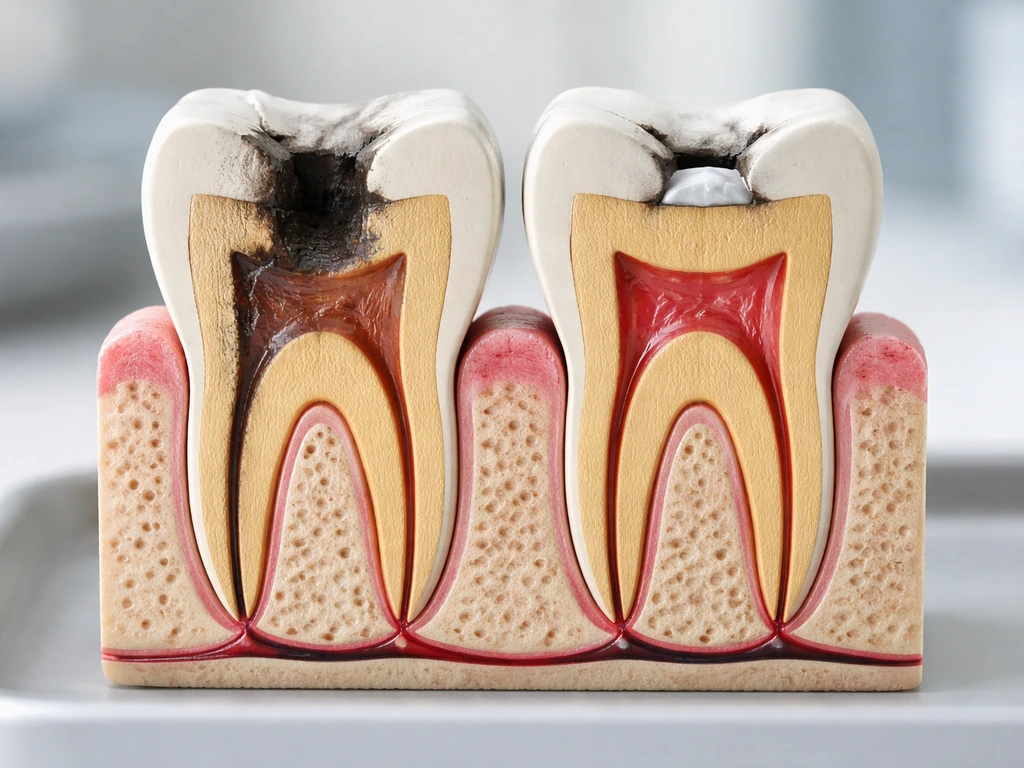
What people actually mean when they say her teeth "grew back"

The confusion mostly comes from people seeing photos of Gypsy Rose before and after her release from prison in December 2023. She looked dramatically different, and her teeth were a big part of that. But "grew back" isn't what happened. The likely mental shortcut people make is seeing a before-and-after transformation and assuming something biological occurred, when really it was dentistry.
This kind of confusion is understandable because tooth eruption is a real thing that happens in childhood. Kids lose baby teeth, and permanent ones push through. Wisdom teeth erupt in young adulthood. So the idea that teeth can "come in" isn't completely foreign. But that process has a hard biological deadline, and it doesn't apply to adult teeth that have already been lost or extracted.
What's actually confirmed vs. what's rumor about her dental situation
Here's what's documented publicly. The 2017 documentary Mommy Dead and Dearest describes Gypsy's teeth as having "actually fallen out" as a side effect of medications she was given as part of her mother's Munchausen by proxy abuse. Separate reporting and dramatizations of the case (including Hulu's The Act) show her teeth being pulled. So her dental damage was real, severe, and tied directly to years of medical abuse and unnecessary treatments.
While incarcerated, Gypsy herself stated that her dentures didn't fit properly, and that the prison system didn't provide her with a new set. That's a known and widespread problem in the U.S. prison system, where comprehensive dental care is rarely available. So for years, she was stuck with ill-fitting dentures at best.
After her release, a dental practice posted on Instagram about her transformation. E! News reported the details: her earlier silver-capped teeth were replaced with porcelain veneers following dental surgery. That's the source of the dramatic change people noticed. It wasn't regrowth. It was skilled cosmetic and restorative dentistry applied to someone who finally had access to real care.
The rumor that her teeth "grew back" is pure internet speculation without any biological basis. Her situation is actually a compelling illustration of how restorative dentistry can transform a smile, not evidence of natural tooth regeneration.
Can human teeth actually regrow? The real biology
This is where the science gets really clear: adult human teeth do not regrow. Full stop. There is no documented case of a person naturally regrowing a lost permanent tooth. If you are asking a similar question like how did luffy grow his tooth back, the biological answer is still that lost adult teeth do not naturally regrow. The biology makes this impossible for a specific and well-understood reason.
Enamel: the hardest substance in your body, and it cannot repair itself

Enamel is formed by specialized cells called ameloblasts. These cells do their job while the tooth is developing inside your jaw, and once the tooth erupts into your mouth, the ameloblasts are gone. They don't stick around. Because enamel is essentially acellular (no living cells) once it's fully formed, there's nothing there to rebuild it if it's damaged. A cavity isn't enamel getting sick and then recovering. It's enamel being permanently dissolved, which is why a filling is the only fix.
Dentin: limited repair only
Dentin, the layer beneath enamel, has slightly more regenerative potential because it's connected to the dental pulp, which does contain living cells including some stem-cell-like populations. Under certain conditions, the pulp can deposit a thin layer of "tertiary" or "reparative" dentin to wall off an injury. But this is a defensive response, not regrowth. It won't rebuild a lost tooth, fix a cavity, or restore a missing chunk of tooth structure.
Whole teeth and roots: not happening in adults
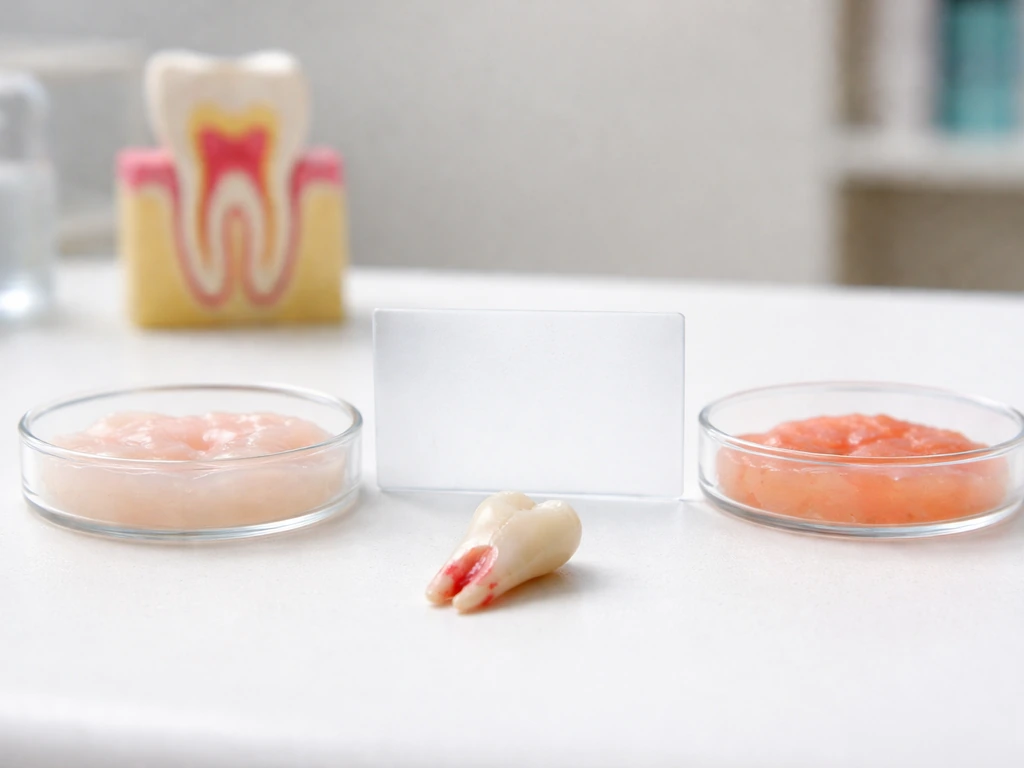
Tooth development in humans requires a complex developmental process involving epithelial and mesenchymal tissues, specific signaling molecules, and coordinated cell activity. By adulthood, essentially none of the epithelial components needed to initiate a new tooth are present. The cells that would need to organize and build a new tooth structure simply aren't in the adult jaw. Researchers are actively working on tooth regeneration therapies, but none have made it to clinical practice as of 2026.
Periodontal structures: regeneration is possible but complicated
The structures that hold your teeth in place, including the periodontal ligament (PDL), cementum, and alveolar bone, are a different story. These can, to a degree, regenerate or be regenerated with help. Periodontal regenerative surgery aims to grow back new cementum, restore functional PDL fibers, and encourage alveolar bone reattachment. This isn't the same as a tooth growing back, but it can restore the support structures around existing teeth. It's a real and important area of dental treatment, especially for people with severe gum disease.
What can actually improve after poor dental health
Just because teeth can't regrow doesn't mean nothing improves. Several things genuinely get better with time or treatment, and it's easy to mistake that improvement for something regenerative happening. do lions teeth grow back.
- Gum inflammation: Gums that are swollen, red, and bleeding from gingivitis can return to a healthy, firm state within weeks of improved oral hygiene. The gum tissue itself regenerates to its normal appearance.
- Abscess resolution: A dental abscess causes severe pain and visible swelling. After antibiotics and definitive treatment (like drainage or a root canal), about half of patients report significant symptom improvement within 24 hours. The infection clears, and pain and swelling reduce fast, but the tooth damage that caused the abscess remains.
- Infection-related sensitivity: When infection or inflammation is removed, teeth that were extremely sensitive or painful often feel much better. That's not the tooth healing; it's the inflammatory pressure being relieved.
- Gum recession: In some cases of mild recession, gums can partially recover once irritants (like aggressive brushing or tartar) are removed. Significant recession requires grafting.
- Post-extraction socket healing: After a tooth is pulled, the socket fills in with bone and soft tissue over several months. The tooth is still gone, but the jaw heals and remodels.
When teeth can erupt again (and when that window is closed)
There is one legitimate scenario where it looks like a tooth has "grown in" on its own in a person who didn't have one before: normal developmental eruption. This is completely different from regrowth. For adult teeth, that type of “growing in” is not the same thing as do rabbits teeth grow back, because permanent teeth do not regenerate on their own regrowth. Here's how the eruption timeline works:
| Tooth Type | Typical Eruption Age | Notes |
|---|---|---|
| Central incisors (permanent) | 6–7 years | Replace baby incisors; this is normal childhood development |
| Second molars (permanent) | 11–13 years | Back of the mouth; still normal kid development |
| Third molars (wisdom teeth) | 17–21 years | Last teeth to erupt; often impacted or removed |
| Adult teeth after extraction | Never | No biological mechanism exists for this in humans |
So if a child who lost a baby tooth suddenly has a new tooth come in, that's eruption, not regrowth. The permanent tooth was already developing in the jaw and would have come in anyway. An adult who loses a molar has no such backup waiting. Eruption is a one-time developmental process driven by specific biological signals, not a repair response.
Wisdom teeth sometimes erupt in the late teens or early twenties and can feel like "new teeth" to the person experiencing them. But again, this is the last phase of a developmental schedule that started before birth, not the body regenerating a lost tooth. Some people's wisdom teeth never erupt at all due to lack of space or impaction.
How dentists figure out what's actually going on

If you're wondering whether something in your mouth is healing, erupting, infected, or truly lost for good, a dentist can tell you quickly with the right exam. This is not a guessing situation. The tools available are precise.
- Clinical exam: Visual and tactile inspection tells a dentist a lot about gum health, tooth mobility, cavities, and soft tissue condition.
- Bitewing X-rays: Best for detecting cavities between teeth and evaluating bone levels around the crowns of teeth. These are the most common routine dental X-rays.
- Periapical X-rays: Show the full length of a tooth root and the surrounding bone, essential for diagnosing infections, abscesses, and root damage.
- Panoramic X-rays: A single image of all teeth and jaws, very useful for seeing unerupted teeth (like wisdom teeth in teens), checking bone levels broadly, and treatment planning for missing teeth.
- Cone Beam CT (CBCT): Three-dimensional imaging used when conventional X-rays aren't enough, such as for implant planning or complex impactions. The ADA recommends this only when the clinical benefit outweighs the additional radiation exposure.
- Probing and periodontal charting: A dentist or hygienist measures the depth of the pockets around each tooth to assess gum disease severity and bone loss.
For children, the most useful question a dentist can answer is whether an unerupted permanent tooth is present in the jaw and when it's likely to come in. A simple X-ray answers that definitively. For adults worried about a missing or damaged tooth, the exam will clarify what's left and what the options are.
Realistic treatment options when teeth or enamel won't grow back
Modern dentistry can do a lot. The honest framing is that treatment replaces or repairs what biology cannot. Here are the main paths depending on the situation:
| Situation | Treatment Options | What It Does |
|---|---|---|
| Enamel loss/cavities | Composite fillings, ceramic inlays, crowns | Replaces lost tooth structure with durable material |
| Severely damaged or dead tooth | Root canal + crown | Saves the natural tooth by removing infected pulp and capping it |
| Single missing tooth | Dental implant or bridge | Implant replaces root and crown; bridge uses adjacent teeth as anchors |
| Multiple or all missing teeth | Implant-supported dentures, full arch implants, conventional dentures | Restores function and appearance; Gypsy Rose's veneers fall in this general cosmetic/restorative category |
| Gum disease and bone loss | Scaling and root planing, periodontal surgery, bone grafting | Removes infection and can regenerate some supporting structures |
| Enamel sensitivity/early erosion | Fluoride treatments, desensitizing agents, bonding | Strengthens remaining enamel and reduces sensitivity; does not rebuild lost enamel |
| Cosmetic appearance after damage | Veneers, bonding, whitening | Changes appearance without necessarily addressing underlying structure |
Gypsy Rose's transformation specifically involved porcelain veneers placed after dental surgery, based on what's been publicly reported. Veneers are thin shells bonded to the front of teeth (or to implants/restorations) and can create a dramatically different appearance quickly. They don't involve any tooth regrowth; they're a cosmetic overlay on existing dental structures.
What to do if you're asking this for yourself or your child
If you landed on this article because you're worried about a tooth situation in your own life, here's the practical path forward.
For a child with a missing or slow-to-arrive tooth
There's a normal eruption variation of about plus or minus six months from the typical schedule. If a permanent tooth seems late, that doesn't automatically mean something is wrong. But if it's significantly delayed or a baby tooth fell out and nothing has appeared in several months, get an X-ray. The dentist can confirm whether the permanent tooth is there and developing normally, or whether there's an impaction, missing tooth bud, or other issue.
For an adult with a damaged or missing tooth
Start with a full dental exam including X-rays. StatPearls on cone beam computed tomography notes that CBCT can be considered when conventional imaging is insufficient and when diagnosis or treatment planning may change. Be specific with your dentist about what happened: was the tooth knocked out, extracted, lost to decay, or broken? Each scenario has different treatment implications. Ask directly: "Is there anything left to save, or do we need to replace this tooth entirely?" If the tooth is gone, ask about implants vs. bridges and get a clear picture of cost, timeline, and what's involved in each option.
If you're dealing with pain, swelling, or suspected infection
Don't wait. A dental infection can spread rapidly and, in serious cases, involves systemic signs like fever, trismus (difficulty opening your mouth), and lymph node swelling. These need urgent treatment, not a watch-and-see approach. Antibiotics can reduce symptoms quickly, sometimes within 24 hours, but they don't fix the underlying cause. Definitive treatment, whether drainage, a root canal, or extraction, is always necessary.
Questions worth asking your dentist
- Is there any remaining tooth structure worth saving, or has the tooth been lost entirely?
- Can you show me on the X-ray what's happening with the bone around this tooth?
- For a missing tooth: what's the timeline and cost difference between an implant and a bridge?
- If I have gum disease: is bone loss reversible here, or are we managing what remains?
- For a child: is the permanent tooth visible on the X-ray, and when do you expect it to come in?
The Gypsy Rose story is a striking real-world example of how serious and lasting dental damage from medical neglect or abuse can be, and also how far modern restorative dentistry can go in addressing that damage. Hamsters do not regrow their teeth either, so missing or damaged incisors typically need veterinary care to keep them properly trimmed do hamsters teeth grow back. But none of it happened because teeth grew back. It happened because she finally got access to real dental care. That distinction matters, both for understanding her story and for making smart decisions about your own dental health.
FAQ
If someone says Gypsy Rose “grew her teeth back,” could veneers or other work look like regrowth?
No. If a permanent adult tooth was extracted or completely lost, it cannot naturally “come back.” What can happen instead is a new tooth appearance from replacement options like veneers, crowns, bridges, or implants, or from normal development in children where the tooth was still forming in the jaw.
How do porcelain veneers create such a big difference if teeth can’t regrow?
Veneers can dramatically change color, shape, and spacing, but they do not recreate missing tooth structure. They cover the front surface of existing teeth (or restorations), so the underlying teeth, roots, or an implant must already be present or appropriately prepared.
Can dentures or mouth healing after release make it seem like teeth grew back?
They can look better, even though no new enamel or dentin is being created. Improvements after treatment can come from resolution of inflammation, healing of gums, removal of damage or decay, reshaping of tooth contours, and whitening or stain removal, all of which can be mistaken for biologic regrowth.
Why do before-and-after photos make it seem like adult teeth regrew?
Yes, timing differences can confuse people. If you see a “before and after” photo after a long gap, it may reflect treatment done over months (surgery, healing, impressions, bonding). That makes the result look sudden, even though it is not natural regeneration.
What should I ask a dentist to determine whether a tooth is missing for good or just delayed?
If a permanent tooth is truly missing, an X-ray is the fastest way to tell whether the tooth exists in the jaw. Dentists can also identify whether what seems like “no tooth” is actually impaction, a retained baby tooth, or tooth loss from decay or trauma.
If my child’s permanent tooth seems late, when is it time for an X-ray?
Delay alone does not always mean a problem, but a significant delay or the absence of eruption after a baby tooth falls out warrants imaging. A dentist can assess for missing tooth buds, impaction, or limited eruption space, which changes treatment options.
What are red flags that a “bad tooth” needs urgent care, not just waiting for improvement?
If there is swelling, fever, worsening pain, pus, trouble opening the mouth, or swollen lymph nodes, treat it as urgent. Antibiotics may reduce symptoms temporarily, but they do not replace the need for definitive care such as drainage, root canal therapy, or extraction.
What’s the difference between tooth eruption, periodontal regeneration, and true regrowth?
Tooth “regrowth” rumors often mix up different processes. Eruption (development of teeth already forming) and regenerative periodontal procedures (rebuilding supporting tissues) are real, but they are not the same as regenerating an extracted adult tooth.
Next Articles
How Did Luffy Grow His Tooth Back? Realistic Tooth Regrowth
Find out if humans can regrow teeth like Luffy, what tissues repair after injury, and next-step options.

Do Bear Teeth Grow Back? What to Expect and Why
Learn if do bear teeth grow back, what replacement is realistic by age, and how it differs from human tooth regrowth.
How Did Genya’s Tooth Grow Back? Realistic Explanations and Next Steps
How a tooth seems to grow back: natural eruption or healing, what regrows in humans, and next steps for diagnosis.