
No, bear teeth do not grow back. Once a bear loses an adult tooth to injury, disease, or extreme wear, that tooth is gone for good. Like humans and most other mammals, bears are diphyodont: they get two sets of teeth over a lifetime, a set of deciduous (baby) teeth followed by one set of permanent adult teeth. After the permanent set is in, there is no third generation waiting in the wings.
Do Bear Teeth Grow Back? What to Expect and Why

Marcus Holloway
4 Jun 2026
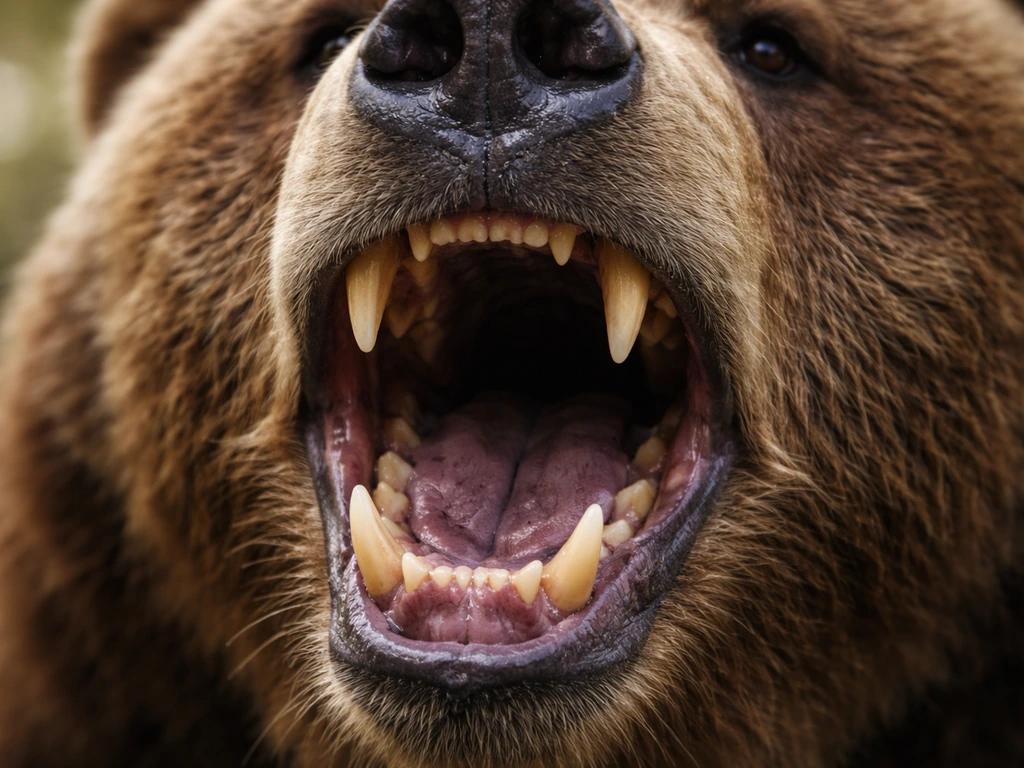
No regrowth, no regeneration, no spare tooth sitting in reserve. What you sometimes see described as a tooth "coming back" in a younger bear is really just the normal eruption of a permanent tooth that was already developing beneath the gumline, not a new tooth forming after loss.
The regrowth myth, and what's actually happening
The confusion usually comes from watching a young bear shed a baby tooth and then seeing a healthy adult tooth appear in its place weeks later. That looks like regrowth, but it isn't. In bears, what looks like regrowth is typically the normal eruption of a permanent tooth that was already developing beneath the gumline, not a new tooth growing back. The adult tooth was already forming in the jaw well before the baby tooth fell out.
The same process happens in humans when kids lose their baby incisors around age 6 or 7. The same process happens in humans when kids lose their baby incisors around age 6 or 7 do hamsters teeth grow back. Nothing "grew back. " A tooth that had been developing for months or years simply finished its journey to the surface.
True regeneration would mean a completely new tooth forming from scratch after an adult tooth is lost. That requires the reactivation of a developmental program involving specialized cells, a dental lamina, and a tooth germ. In diphyodont mammals, including bears, that developmental machinery shuts down after the second generation of teeth starts forming. The successional dental lamina degrades during the bell stage of tooth development, disconnecting the enamel organ from the oral epithelium. Once that connection is severed, the blueprint for making a new tooth is simply no longer active in the tissue.
How tooth replacement actually works in mammals
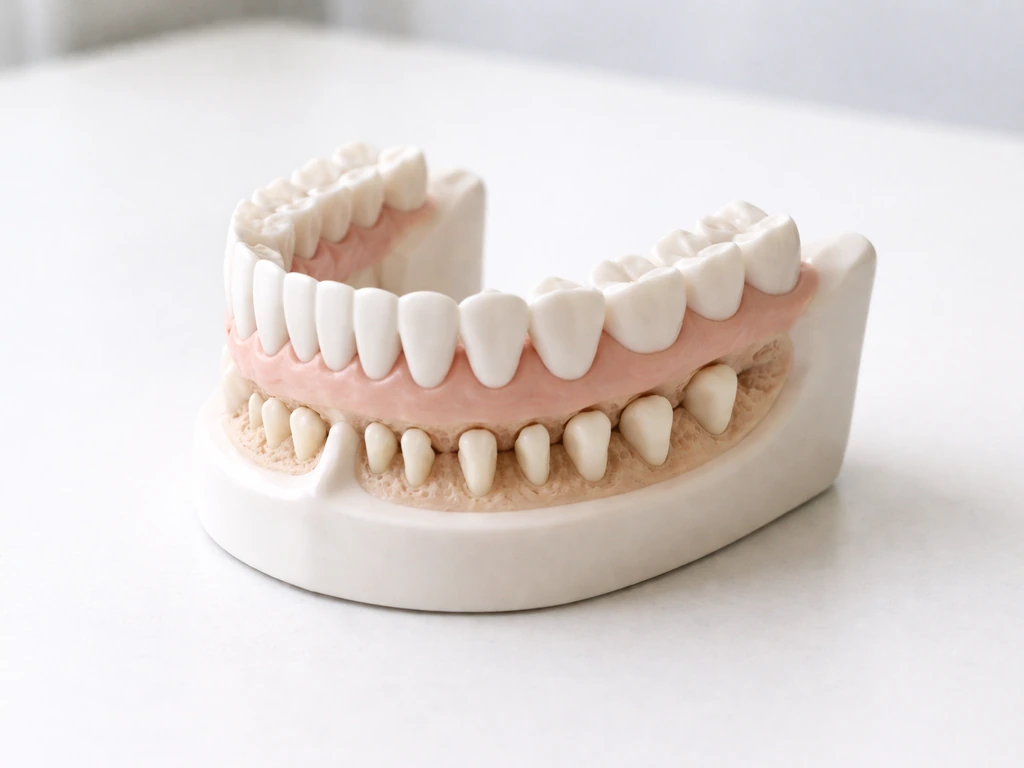
Mammals fall into three categories based on how many tooth generations they produce. Diphyodont species (bears, humans, dogs, most familiar mammals) get exactly two generations: deciduous and permanent. Polyphyodont species (sharks, crocodilians, many reptiles) replace teeth continuously throughout life. Monophyodont species (some toothed whales, manatees in a different pattern) have only one set.
In diphyodont species, every tooth starts as a tooth germ, a cluster of three tissue structures: the enamel organ, which builds the crown and enamel; the dental papilla, which forms the dentin and pulp; and the dental follicle, which becomes the periodontal ligament and surrounding bone. These structures go through bud, cap, and bell stages before a recognizable tooth forms. The successional tooth germ for the permanent tooth buds off the same dental lamina that made the baby tooth. When the permanent tooth's bell stage is reached, the lamina degrades and the developmental signal is over. That is why losing a permanent tooth later in life produces nothing. There is no active lamina to initiate another round.
What causes bears to lose teeth
Bears are hard on their teeth. They use them as tools for digging, stripping bark, cracking bones, and manipulating large food items. That kind of mechanical stress takes a real toll, and research backs this up. A retrospective study comparing captive brown bears at the Bernese Bear Pit with free-ranging Alaskan grizzlies documented significant rates of tooth loss, calculus buildup, attrition (surface wear), and caries. The captive bears showed particular issues with calcified plaque and wear, likely influenced by diet composition and the absence of the abrasive natural foraging that wild bears experience.
- Traumatic fracture: Bears breaking teeth on hard objects like rocks, bones, or enclosure structures is one of the most common dental injuries documented in both wild and captive animals.
- Caries (cavities): Bears fed high-sugar diets in captivity are especially prone to decay.
- Attrition: Normal wear over years of heavy use can expose dentin, leading to sensitivity and pulp exposure.
- Periodontal disease: Calculus buildup can cause gum disease that loosens teeth and leads to tooth loss.
- Abscesses: Infection at the tooth root can destroy surrounding bone and result in tooth loss if untreated.
Wildlife rehabilitation cases have shown how serious these issues can become. The Wildlife Center of Virginia documented a black bear cub requiring blank" rel="noopener noreferrer">dental radiographs to rule out a tooth root abscess, with clinicians emphasizing that an untreated abscess can cause bone destruction and compound the problem significantly. A broken tooth in a bear is painful, and the blank" rel="noopener noreferrer">USDA's Bear Veterinary Care guidance specifically flags dental problems as a welfare concern requiring veterinary attention.
Does it matter which type of tooth is lost?
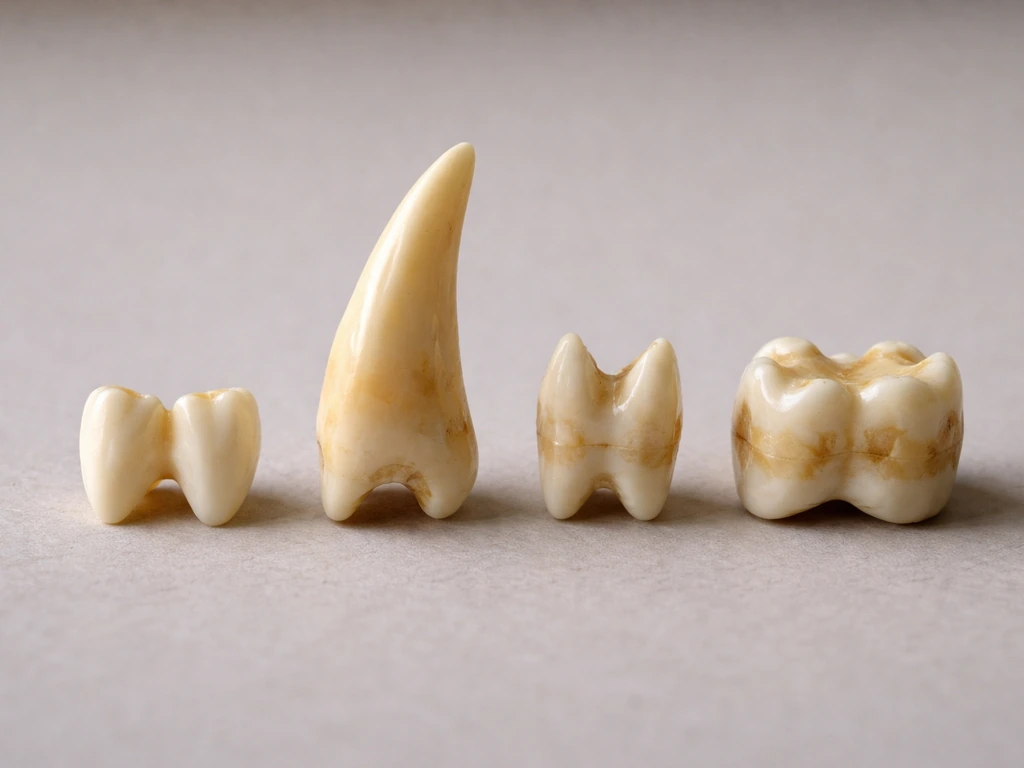
Bears have four main tooth types: incisors (front teeth used for nipping and grooming), canines (the large, prominent stabbing teeth), premolars, and molars (for crushing and grinding). From a regrowth standpoint, none of these tooth types behave differently once the adult set is in. Lost is lost, regardless of whether it is an incisor, a canine, or a molar.
That said, canine teeth tend to get the most attention because of how visibly important they are to a bear's function and welfare. A sloth bear case documented by the Kansas State Veterinary Health Center involved immobilization, a full root canal on a damaged canine, and placement of a dental crown, all because the tooth could not regenerate on its own. A brown bear named Tundra at the Alaska Zoo made news when she received a large titanium alloy crown on a canine tooth after a reinjury, which was described at the time as a first-of-its-kind procedure for a brown bear. Neither of those bears grew a new tooth. They needed human intervention because nature provided no replacement option.
Incisors follow the same rules. While younger bears will naturally replace their deciduous incisors with permanent ones (a process easily mistaken for regrowth), adult bears that lose permanent incisors do not regenerate them. The topic of incisor regrowth in animals is worth understanding clearly: some species like rabbits and hamsters have continuously growing incisors because those are open-rooted hypselodont teeth designed by evolution to wear and regrow perpetually. Some species, like rabbits, have incisors that keep growing, but that is different from regrowth of an adult tooth after it is lost. Bears do not have that anatomy. Bear incisors are rooted and finite, much more like human incisors than like rodent or lagomorph teeth.
What to do in a real-world bear tooth situation
If you work in wildlife rehabilitation or bear care
If a bear in your care has a visibly broken, discolored, or missing tooth, do not wait to see if it resolves. Document what you observe with photographs, note which tooth is affected and any behavioral signs like reluctance to eat, pawing at the mouth, or reduced activity. Dental radiographs are the essential diagnostic tool here because surface examination alone misses root fractures, abscesses, and bone loss. Contact a wildlife veterinarian with exotic animal or zoo medicine experience. Root canals, extractions, and in some cases crowns are all viable interventions that have been performed successfully in bears. A broken canine, especially, warrants urgent evaluation because pulp exposure leads to pain and infection fast.
If you encountered a bear with apparent tooth damage in the wild
Contact your state or regional wildlife agency and report what you observed, including location, approximate age of the animal (cub, yearling, adult), and what the tooth damage looked like. Field identification of dental problems in wild bears can inform population health monitoring. Do not attempt to approach or assist the animal yourself.
Bears vs. humans: what can and cannot regenerate
Bears and humans share the same fundamental limitation: diphyodonty. Neither species can regenerate a complete tooth after adult tooth loss. But the comparison gets more nuanced when you look at individual dental tissues rather than whole teeth.
| Structure | Bears | Humans |
|---|---|---|
| Deciduous (baby) teeth | Replaced once by permanent teeth | Replaced once by permanent teeth |
| Permanent tooth (whole organ) | No regrowth after loss | No regrowth after loss |
| Enamel | Cannot regenerate (no living enamel cells after eruption) | Cannot regenerate (ameloblasts are lost after eruption) |
| Dentin | Limited secondary dentin deposition possible by odontoblasts | Limited secondary/tertiary dentin deposition possible |
| Dental pulp | Can respond to mild injury but not restore severely damaged pulp | Same limited capacity |
| Periodontal ligament / supporting bone | Some repair possible with treatment, not spontaneous regrowth | Some repair possible with treatment |
The key thing to understand is the difference between tissue repair and true regeneration. Bears (and humans) can produce some secondary dentin in response to mild irritation, which is a biological defense mechanism, not a new tooth growing. Enamel is a different story: once a tooth erupts, the cells that built the enamel (ameloblasts) are shed. There is no cellular mechanism left to rebuild enamel in either species. This is a hard biological limit, and it applies equally to bears and to humans despite what some internet claims about "remineralizing" enamel might suggest. Remineralization replenishes mineral content in partially demineralized enamel; it does not create new enamel from scratch.
What this means practically: the dental biology of bears does not offer any lessons for human tooth regrowth. They face the same irreversible limits we do. Stories of bears surviving with worn or broken teeth in the wild are examples of resilience despite dental damage, not evidence of regrowth. Researchers studying lions face this same reality, and lions show similar permanent loss patterns when adult teeth are damaged. Lions also do not regrow lost adult teeth; damaged permanent teeth generally stay gone lions show similar permanent loss patterns.
Age and eruption timelines: why timing matters for interpreting what you see

If you see what looks like a new tooth appearing in a bear, age is everything. In cubs and yearlings, the transition from deciduous to permanent teeth is ongoing and can easily be mistaken for regrowth. In bears, as in most diphyodont mammals, permanent molars erupt progressively with age and can be used to estimate how old an animal is, because there was never a deciduous molar to replace. The appearance of a molar in a young bear is the first and only eruption of that tooth, not a replacement.
Here is a rough picture of what is happening at different life stages:
| Life Stage | Tooth Activity | Is 'New Tooth' appearance regrowth? |
|---|---|---|
| Cub (0-6 months) | Deciduous teeth erupting | No, first generation emerging |
| Cub to yearling transition | Permanent incisors and canines beginning to replace deciduous counterparts | No, normal diphyodont replacement |
| Young adult (1-3 years) | Permanent premolars and molars completing eruption | No, normal first-time eruption of permanent teeth |
| Adult bear (3+ years) | Full permanent dentition in place, no further eruption expected | Any 'new tooth' appearance requires veterinary investigation |
| Senior bear | Progressive wear, possible tooth loss, no natural replacement | No regrowth possible |
An adult bear with a full permanent dentition that loses a tooth is in the same position as an adult human with the same loss. The developmental window is closed. Veterinary care is the only path to restoring function, whether that means extraction, a root canal, or a custom crown. Nature is not coming to the rescue.
The bottom line
Bear teeth do not grow back once the permanent set is in place. If you are wondering how this connects to Luffy, the key idea is the same: a replacement tooth in a developing timeline is not true regrowth after adult loss how did Luffy grow his tooth back.
The biology is straightforward: bears are diphyodont mammals, the developmental machinery that builds teeth shuts down after the second generation, and no tissue repair mechanism in the jaw can reconstruct a complete lost tooth. Younger bears replace deciduous teeth with permanent ones through normal developmental eruption, which is not regrowth in any meaningful sense.
For any bear with dental injury, disease, or documented tooth loss, the appropriate response is always veterinary evaluation and intervention, not watchful waiting for nature to fix it.
FAQ
My videos show a bear “getting a new tooth” after losing one. Could it be true regrowth?
Usually no. In young bears it is typically normal eruption of a permanent tooth that was already developing under the gum, not a new tooth forming after the adult tooth was lost. Age is the deciding factor, and in a clearly adult bear a missing or broken permanent tooth will not spontaneously reappear.
At what age is “it might grow back” most likely to be a misunderstanding?
When cubs and yearlings are transitioning from deciduous to permanent teeth. During this window, shedding baby teeth plus progressive molar eruption can look like replacement. In contrast, adult loss (after the permanent sets are fully established) does not lead to regrowth.
Does a bear ever get a replacement if only the crown chips off, but the tooth root is still there?
A chip can still become a permanent problem. Even if the tooth does not fall out immediately, damage can expose pulp, enable infection, and lead to root abscess or bone involvement. Clinically it is assessed with a dental exam and usually radiographs, and treatment may be extraction, root canal therapy, or a crown.
What’s the difference between tooth repair and regrowth in bears?
Bears can sometimes produce limited secondary dentin response to mild irritation, and tissues can heal around an injury. That is not the same as rebuilding a missing entire tooth, and it does not recreate enamel from scratch after eruption. True regrowth after adult tooth loss does not occur.
How can I tell whether a tooth problem is just wear versus an infection that needs urgent care?
Wear alone typically affects surfaces gradually, while infection signs can include discoloration, swelling, bad breath, discharge, reduced appetite, pawing at the mouth, or lethargy. Radiographs are the practical way to distinguish root fractures and abscesses from surface attrition.
If a bear loses a molar, can it still function normally in the wild?
Some bears can compensate for a time, especially if the damage is partial and the other teeth are intact. However, missing or compromised grinding teeth can reduce feeding efficiency, increase stress on remaining teeth, and worsen caries or periodontal problems, which can impact overall welfare.
Do canine teeth regrow differently than incisors or molars?
No. Once the permanent set is in, loss or breakage of any tooth type does not lead to a new tooth. Canines just draw more attention because they are prominent and more likely to fracture from fighting or foraging, and pulp exposure can become an emergency.
Are there any situations where tooth “reappearance” could actually be something else?
Yes. Sometimes what looks like regrowth is a tooth already erupting, or it is a remaining portion becoming visible as gums recede or inflammation resolves. In other cases, a crown-like appearance may reflect calcified plaque or exposed dentin, so radiographs are key if the change matters.
What should I do if I find an injured bear with a broken or missing tooth?
Do not try to approach or assist it. Record photos (including the full face from multiple angles), note behavior and whether the bear is eating, and contact a wildlife veterinarian or your local wildlife agency. Report location and estimated age, and expect radiographs to guide treatment.
Is enamel “remineralization” or dental cleaning ever enough to reverse tooth loss in bears?
No. Remineralization can address mineral loss in partially demineralized enamel, it cannot rebuild an entire tooth, and it cannot restore missing enamel once ameloblast activity is finished after eruption. If the tooth is fractured, infected, or missing, management focuses on veterinary dental intervention, not enrichment or cleaning.
Next Articles
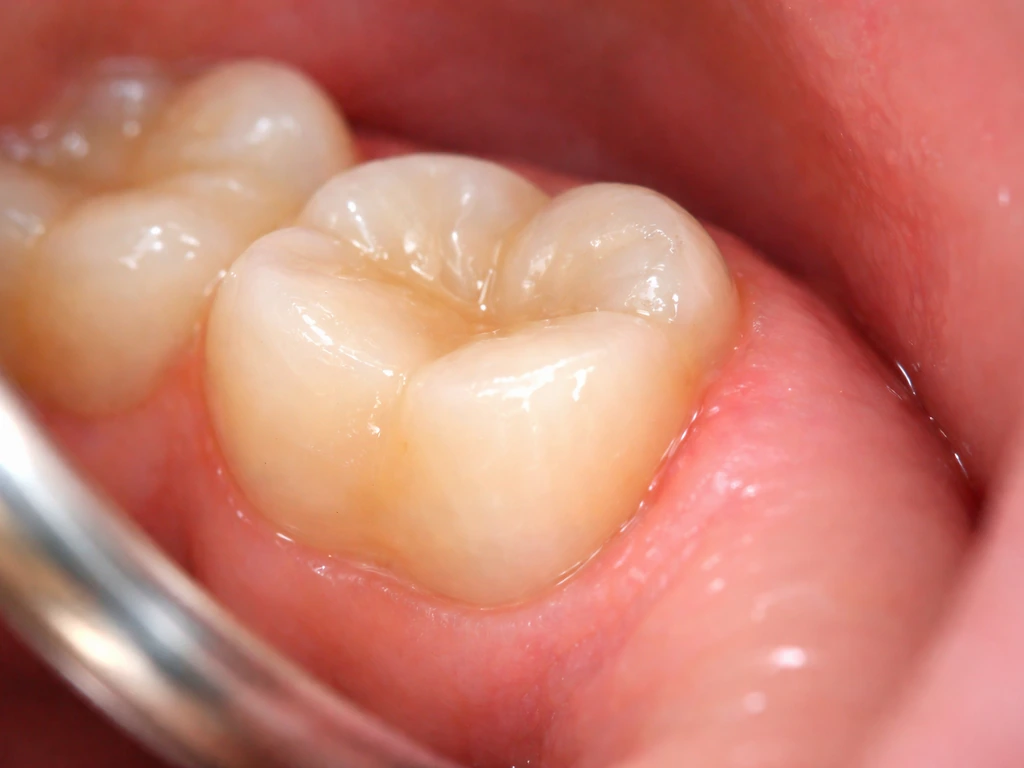
How Did Genya’s Tooth Grow Back? Realistic Explanations and Next Steps
How a tooth seems to grow back: natural eruption or healing, what regrows in humans, and next steps for diagnosis.
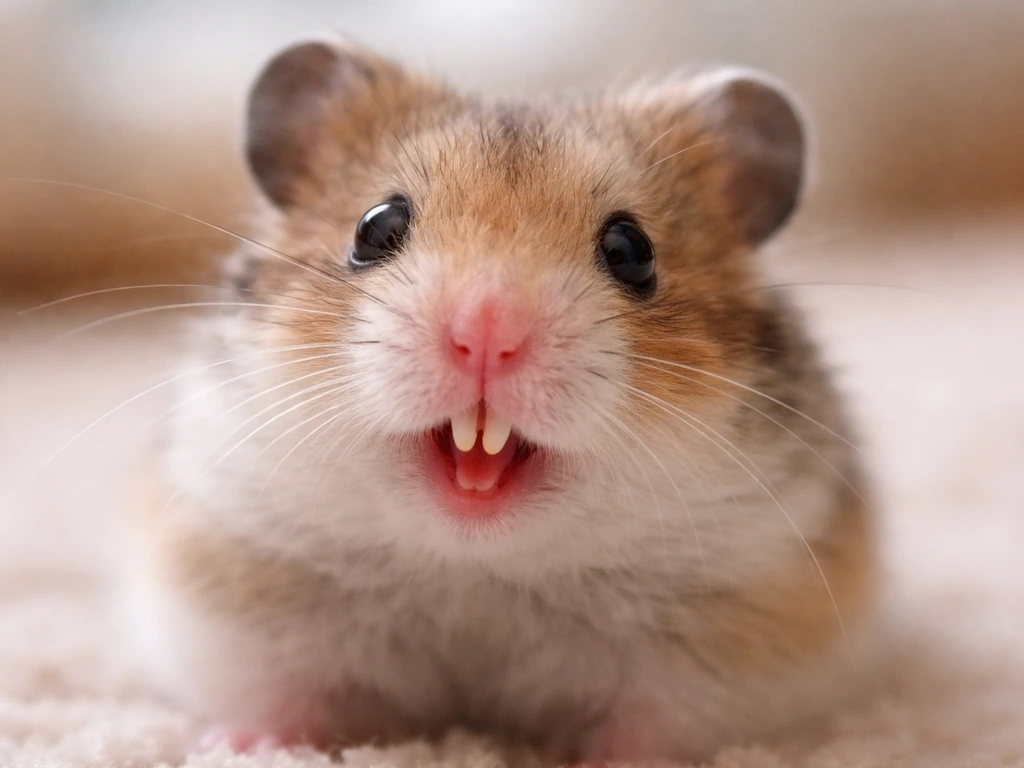
Do Hamsters Teeth Grow Back? Causes and What to Do
Learn if hamster teeth grow back, why overgrowth happens, signs to watch, and safe steps plus vet treatment.

Do Incisors Grow Back? What to Expect and Next Steps
Do incisors grow back? Learn why adults dont naturally regrow teeth, and what to do after knockouts or damage.