
Luffy's teeth do not grow back in any biological sense. What you see in One Piece is a visual gag tied to his rubber-body powers, not a real regenerative process. And in real life, no human can regrow a knocked-out or destroyed tooth. Once your adult teeth are gone, they are gone. That is the short, honest answer. But if you are here because something happened to your tooth and you are hoping for a way out, there is still a lot that can be done depending on what kind of damage you are dealing with and how quickly you act.
How Did Luffy Grow His Tooth Back? Realistic Tooth Regrowth

Marcus Holloway
5 Jun 2026
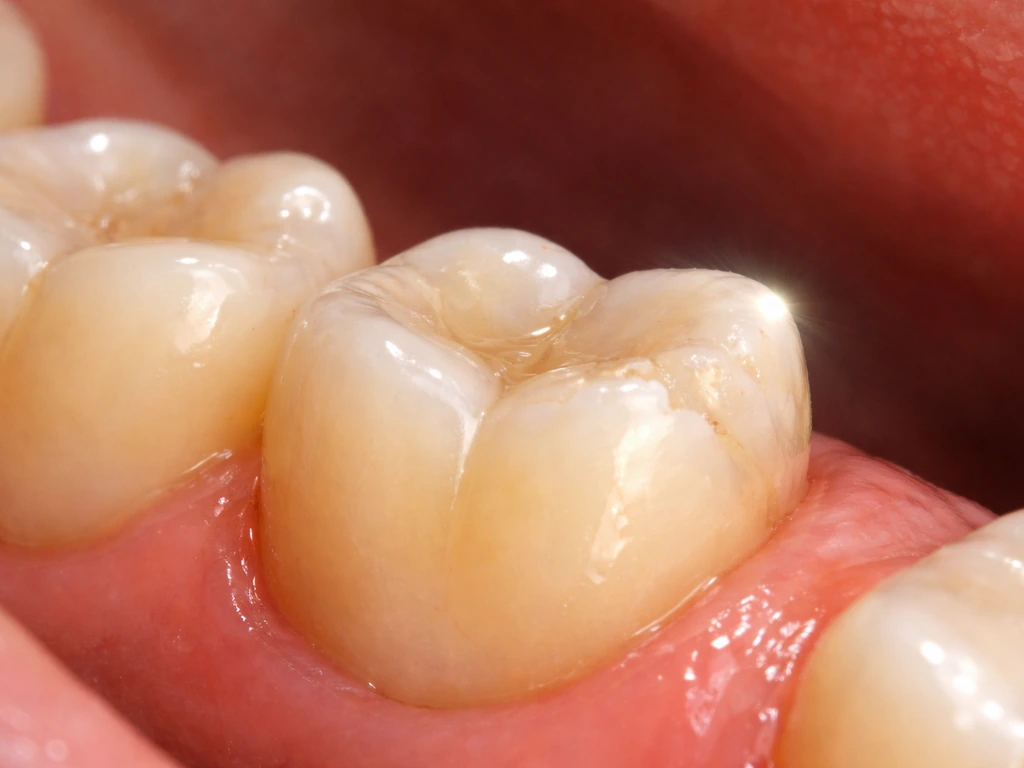
What actually happens to Luffy's teeth in One Piece
The scene comes from the Arlong Park arc (around Chapter 90). During the fight, Luffy uses his teeth in a technique called Tooth Gum, biting down hard as part of an escape. His teeth appear to take damage and then reappear in a later panel as part of the ongoing gag. It is played as a visual joke, leaning into the absurdity of his Gum-Gum Devil Fruit powers. The idea is that because his entire body is made of rubber-like material, the normal rules of anatomy just do not apply to him.
So the "tooth regrowth" is not a healing mechanism, a superpower with defined rules, or anything even loosely grounded in biology. It is a manga punchline. Comparing it to real tooth biology is a bit like asking how Wile E. Coyote survives falling off a cliff. The same curiosity about fictional tooth regrowth shows up with other characters too, like the fan questions around how Genya's tooth grew back in Demon Slayer, and the answer in both cases is the same: it is fiction doing what fiction does. In Demon Slayer, Genya's tooth regrowing is treated the same way as other fictional “healing” moments, with no real-life biological equivalent how Genya's tooth grew back.
What can and cannot actually regenerate in a real human mouth
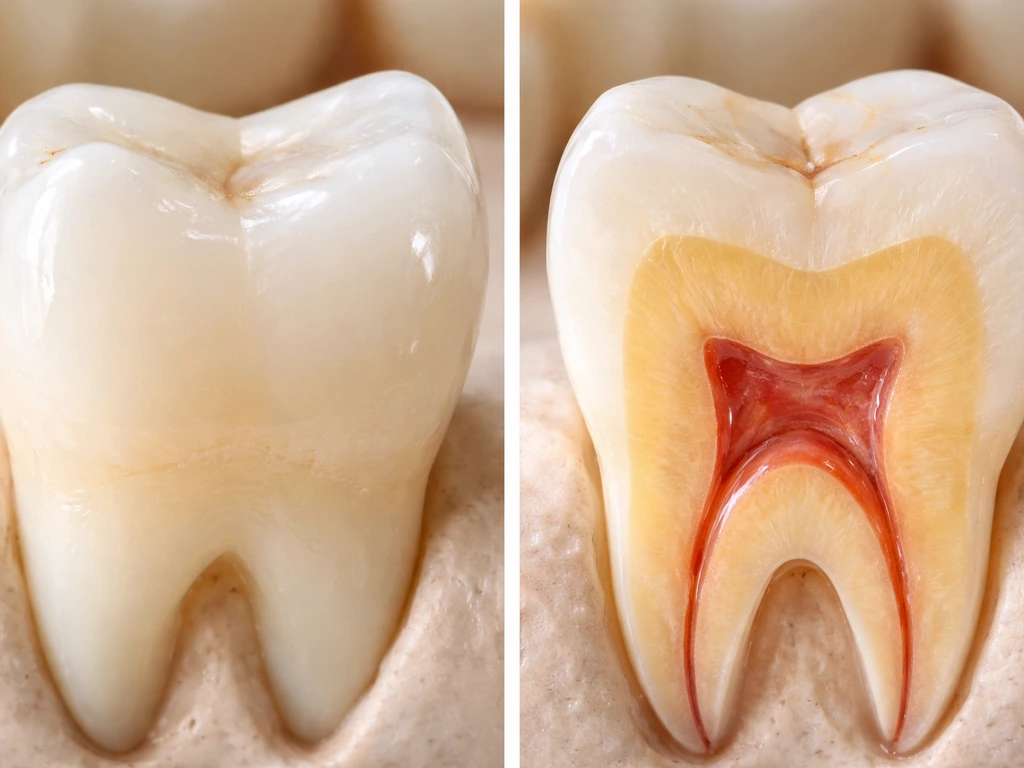
Here is where dental biology is genuinely interesting, and genuinely limited. Humans get two sets of teeth: baby teeth (primary) and adult teeth (permanent). That is it. There is no third set waiting in reserve. Once a permanent tooth is gone, the body has no stem-cell niche designed to regenerate a whole new tooth in its place. Researchers are actively exploring stem-cell-based tooth regeneration, including work with induced pluripotent stem (iPS) cell lines, but this is nowhere near routine clinical use. Do not expect it at your dentist's office anytime soon.
Enamel is the hardest substance in the human body, but it has a fatal weakness: once it is destroyed, it cannot grow back. After a tooth fully forms, enamel becomes acellular, meaning there are no living cells left in it to drive repair. The body cannot rebuild it. What dentists call "remineralization" is a real process where early-stage mineral loss (from acid exposure or early decay) can be partially reversed through fluoride and saliva, but that is restoring mineral content to existing enamel, not regrowing lost tooth structure. A cavity that has eaten through enamel cannot be healed back with brushing.
Dentin, the layer beneath enamel, has slightly more biological flexibility. Odontoblast cells in the pulp can produce a limited defensive response called reparative or reactionary dentin when the tooth is under threat. But this process is slow, restricted in volume, and dependent on the pulp staying healthy and infection-free. It is a defense mechanism, not regeneration in any meaningful sense. Gum tissue can heal after injury or surgery, but it does not regenerate lost attachment in the same way. The periodontal ligament, the fibrous connection between tooth and bone, has limited regenerative capacity and is central to whether a knocked-out tooth can be saved.
The type of damage matters a lot: chips, cracks, decay, and knocked-out teeth
Not all tooth damage is the same, and the right response depends entirely on what happened. Here is how the main scenarios break down:
| Type of Damage | Is it an emergency? | Can the tooth be saved? | Likely treatment |
|---|---|---|---|
| Small chip (no pain, no nerve exposed) | No, but see dentist soon | Yes, tooth structure remains | Bonding, smoothing, or veneer |
| Large chip or break (sensitivity or exposed nerve) | Yes, see dentist quickly | Usually yes with treatment | Crown, root canal if nerve involved |
| Cracked tooth | Depends on severity and pain | Often yes, but cannot heal on its own | Crown, root canal, or extraction if severe |
| Decay (cavity) | No, but do not delay | Yes, if caught before pulp is involved | Filling, crown, or root canal for deep decay |
| Knocked-out permanent tooth | Yes, extreme emergency | Possibly, if acted on within 30 minutes | Replantation, then possible root canal later |
| Knocked-out baby tooth | Urgent but not critical | No replantation recommended | Monitor, let permanent tooth erupt naturally |
A cracked tooth is particularly deceptive because it can feel fine for a while and then suddenly become very painful. Cleveland Clinic makes this clear: a cracked tooth cannot heal on its own, and without treatment the crack can deepen, reach the pulp, and lead to infection. If you feel sharp pain when biting down and then it releases, a crack is a likely culprit.
What to do in the first hour after a tooth injury
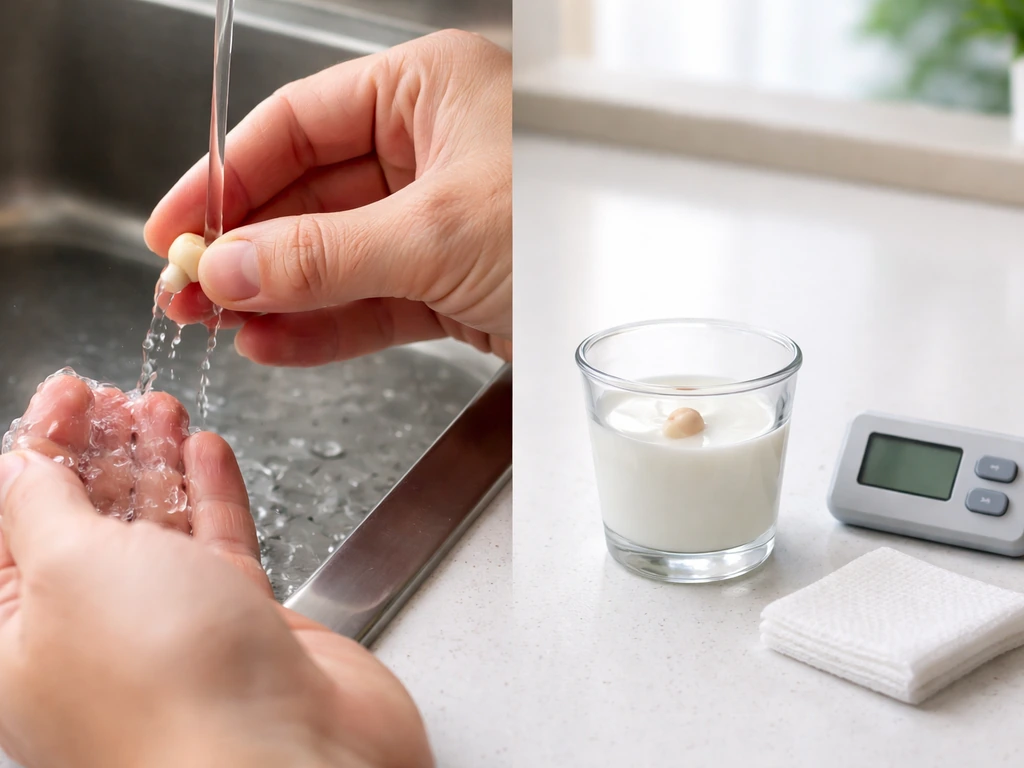
Timing is everything with tooth trauma, especially a knocked-out tooth. The periodontal ligament cells on the root surface start dying quickly once the tooth is out of the mouth. Research consistently shows that replantation within 30 minutes gives the best outcomes. After 60 minutes of dry time outside the mouth, PDL cell viability drops sharply and the risk of long-term failure rises significantly. That is not a lot of time.
- Find the tooth. Pick it up by the crown (the white part you normally see), never by the root.
- Do not scrub, scrape, or rinse it roughly. If it is dirty, gently rinse with milk or saline. Do not use tap water if you can avoid it.
- If you can, gently push it back into the socket and hold it there by biting down softly on a clean cloth. This is the best storage option.
- If you cannot replant it immediately, put it in a small container of cold whole milk, or tuck it between your cheek and gum. The goal is keeping the root cells alive and moist. Water is the worst option because the osmotic difference damages the cells.
- Call your dentist immediately or go to an emergency dental clinic. If your dentist is closed, call anyway since many answering services give emergency instructions.
- For a chipped or cracked tooth without a knocked-out tooth: apply a cold compress to the outside of your cheek to reduce swelling and pain, avoid eating on that side, and call your dentist. A small chip without pain or sensitivity is not a 24-hour emergency, but do not put off the appointment.
If the injured tooth is a baby tooth in a child, do not attempt to replant it. Forcing a primary tooth back into the socket can damage the developing permanent tooth underneath. Get the child seen by a dentist, but replantation is not the goal in that case.
What your dentist can actually do, depending on the problem
Modern dentistry has genuinely impressive options for damaged teeth. None of them involve regrowing lost tooth tissue, but they can restore function and appearance effectively.
For chipped or broken teeth
A small chip without nerve involvement is often fixed with dental bonding, where a tooth-colored composite resin is shaped and hardened onto the damaged area. It is quick and relatively inexpensive. For larger breaks, a crown (cap) is usually needed to protect the remaining tooth structure. If the pulp (the nerve and blood vessel core of the tooth) has been exposed or is infected, a root canal removes the damaged pulp, the canal is sealed, and a crown goes on top. Root canals have a bad reputation that they do not deserve. They save teeth and relieve pain.
For cracked teeth
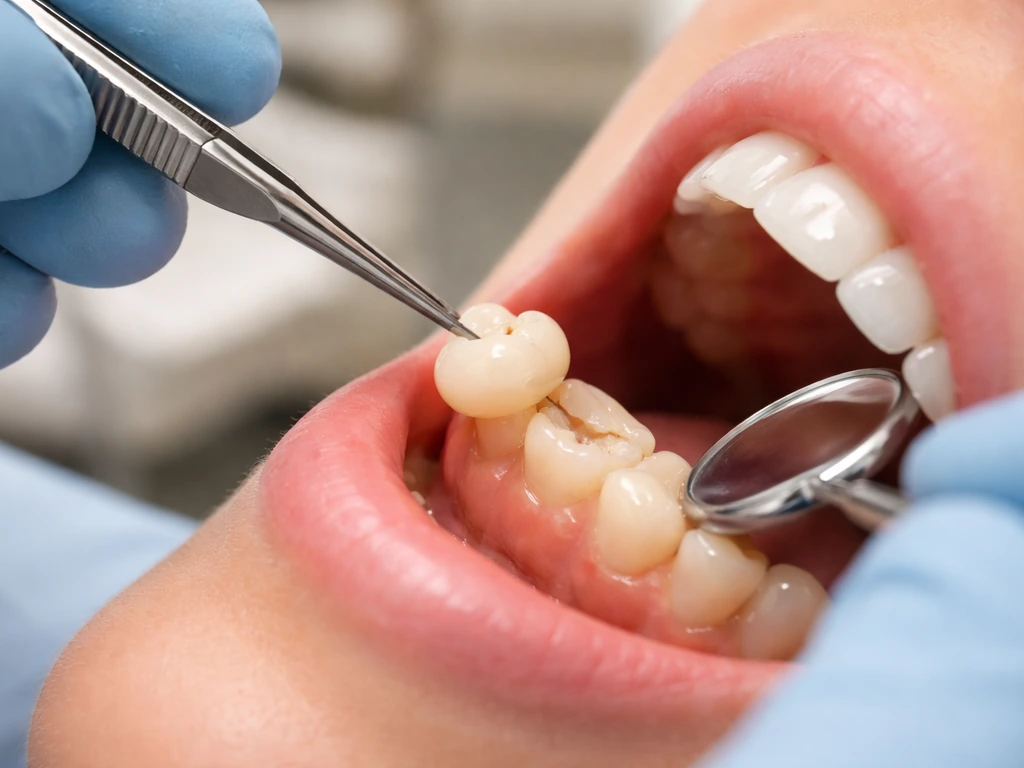
Treatment depends on how deep and where the crack runs. A crack limited to the crown may be stabilized with a crown. If it extends into the pulp, a root canal followed by a crown is the typical route. If the crack runs below the gum line or through the root, extraction may be the only option. The sooner a crack is treated, the better the odds of saving the tooth.
For decay
Early-stage decay that has not broken through enamel can sometimes be arrested and partially remineralized with fluoride treatments and improved oral hygiene. Once there is a proper cavity (a hole), a filling is needed. Deep decay reaching the pulp requires a root canal. And if the tooth is too far gone, extraction and replacement become the conversation.
For a missing tooth
When a permanent tooth cannot be saved or was already lost, the main replacement options are a dental implant (a titanium post placed in the jaw bone with a crown on top, the most durable long-term solution), a fixed bridge (crowns on adjacent teeth anchor an artificial tooth in the gap), or a removable partial denture. Each has trade-offs in cost, invasiveness, and longevity. Your dentist will factor in bone density, the location of the missing tooth, your age, and your overall oral health when making a recommendation.
The myths you will find online about regrowing teeth
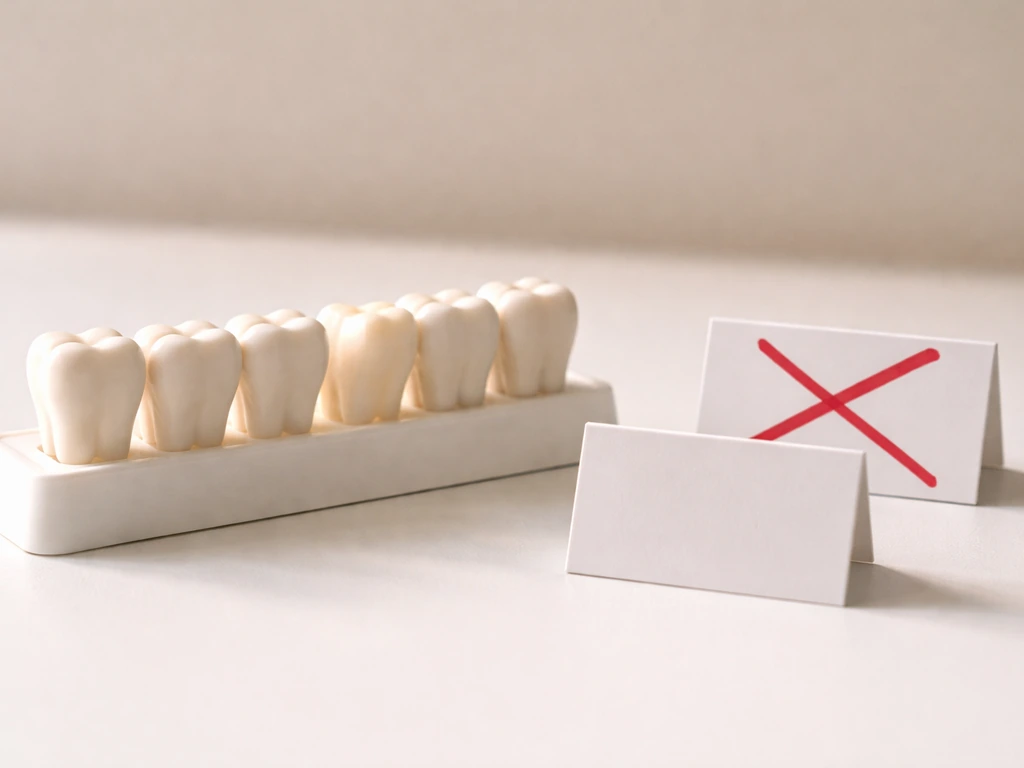
Let's go through the common ones directly.
- "Enamel can grow back." It cannot. Remineralization of early mineral loss is real, but that is not the same as regrowing destroyed enamel. If you see a product claiming to "regrow enamel," it is either misleading marketing or it is talking about strengthening existing enamel structure.
- "Oil pulling or special diets can regenerate a tooth." No evidence supports this. Coconut oil pulling has some plausible mild antimicrobial effects, but it cannot rebuild tooth structure or regenerate a missing tooth.
- "If you leave it alone, the tooth will heal." Cracked and decayed teeth do not heal on their own. Waiting makes almost every dental problem worse and more expensive.
- "Stem cell treatments can regrow your tooth right now." Whole-tooth regeneration research is real and progressing, but it is not available as a clinical treatment anywhere in the world as of 2026. Anyone selling you this is selling you something that does not exist yet.
- "Kids' teeth grow back so adults just need to trigger the same process." Baby teeth fall out because the permanent teeth underneath push them out, not because the body spontaneously regenerated a second tooth. Adults have no hidden third set waiting. The biology is completely different.
Similar tooth-regrowth myths come up in questions about animals too. Do lions teeth grow back? In humans the answer is no, and animal dental biology is different too. Lions, bears, hamsters, and rabbits all have very different dental biology compared to humans.
Rabbits do not regrow lost teeth the way people often imagine, but they do have continuously growing incisors that wear down as they eat rabbits lost teeth. Rodents like hamsters and rabbits have continuously growing incisors, which is why those questions get interesting. Rodent teeth like those of hamsters can grow continuously, but they do not regrow in the same way a lost tooth would.
But humans are not rodents, and our incisors absolutely do not grow continuously.
How to protect the teeth you still have
Because you cannot regrow what you lose, protecting what you have is the only real strategy. These habits make a measurable difference: AAP (American Academy of Pediatrics) notes that blank" rel="noopener noreferrer">mouth guards can decrease the risk of dental traumatic injury and points to ADA recommendations supporting their use for multiple sports and exercise activities.
- Wear a mouthguard during contact sports and high-impact activities. The American Academy of Pediatrics specifically recommends mouthguards to reduce dental trauma risk, and the ADA extends this to a wide range of sports and physical activities for all ages.
- Use fluoride toothpaste and, if your dentist recommends it, fluoride rinses. Fluoride supports remineralization of early enamel mineral loss and helps teeth resist acid attack.
- Avoid using your teeth as tools. Opening packages, cracking nuts, or biting nails puts unnecessary crack-inducing stress on enamel.
- If you grind your teeth at night (bruxism), ask your dentist about a night guard. Grinding causes cumulative enamel wear and cracking that is entirely preventable.
- See your dentist for check-ups at least every six months. Catching decay or a crack early means far simpler treatment, lower cost, and a much better chance of saving the tooth.
- If you had a tooth replanted after trauma, keep all your follow-up appointments. The tooth will likely need a root canal after replantation, and your dentist will need to monitor for root resorption over time.
- For decay prevention: limit sugary and acidic drinks, drink water after eating, and do not brush immediately after highly acidic foods since the enamel is temporarily softened and more vulnerable.
The bottom line is that Luffy's tooth regrowth is a fun manga gag with zero relevance to your dental health. Real tooth biology is much less forgiving. But it is also not hopeless: act fast after trauma, see a dentist promptly, and lean on the genuinely strong options that modern dentistry offers. The goal is never to regrow what is lost. Gypsy Rose’s tooth situation has been discussed online, but real tooth regrowth still depends on the type of damage and timing, not a guaranteed natural comeback Gypsy Rose’s teeth. It is to save what is there, restore what is gone, and protect what remains.
FAQ
If my tooth got knocked out, can I just wait for it to heal or “grow back” later?
Waiting is risky, because adult teeth do not have a natural way to regenerate a whole new tooth. If it is truly a knocked-out permanent tooth, the goal is fast replantation and urgent dental care, since the periodontal ligament cells on the root start dying quickly once the tooth is out of the mouth (the first 30 minutes is the critical window).
What should I do if a tooth is knocked out, and I do not have a dentist appointment immediately?
Handle the tooth by the crown, rinse it briefly with clean water only if it is visibly dirty, and try to place it back in the socket if you can do it safely. If you cannot, keep it moist in an appropriate medium (for example, milk or a tooth-preservation solution) and get to emergency dental care right away, because drying time sharply worsens long-term outcomes.
Does brushing or soaking help a cavity “heal” without a filling?
If you already have a real cavity (a hole), brushing and fluoride cannot rebuild the missing tooth structure. The best chance is early-stage decay before enamel is cavitated, then fluoride and good hygiene can help partially reverse mineral loss on the existing enamel surface.
My tooth has a crack and it feels okay sometimes, should I still get it checked?
Yes. Cracks can intermittently hurt, and they can worsen and extend toward the pulp or allow bacteria to enter. If you have sharp pain when biting that briefly eases, treat it as a cracked-tooth warning sign and see a dentist promptly to prevent the crack from deepening.
Can a root canal regenerate the tooth or regrow enamel?
No. A root canal removes inflamed or infected pulp and seals the inside to stop the source of infection. It can save the tooth and relieve pain, but it does not regrow enamel or recreate lost outer tooth structure, which is why many treated teeth need a crown afterward for protection.
If enamel is damaged, is there any way to rebuild it naturally at home?
Not in the way people hope. Enamel is acellular after tooth formation, so it cannot truly “grow back.” At home, fluoride and saliva support remineralization, but that mainly helps early mineral loss, not enamel that has already been destroyed into a cavity or rough break.
What if the damaged tooth is a baby tooth in a child, can it be replanted like an adult tooth?
Usually, no. Replanting a knocked-out primary tooth is generally avoided because it can interfere with the developing permanent tooth underneath. A pediatric dentist should evaluate quickly, because the right management depends on whether the tooth is primary versus permanent and on the injury pattern.
Are dental implants the only option when a permanent tooth is lost?
No. Bridges and removable partial dentures can be alternatives, depending on your age, the missing tooth location, bone quality, and your overall oral health. Implants tend to be durable long-term, but they require enough bone and appropriate healing conditions, so your dentist will match the option to your situation.
Does gum healing after injury mean my tooth attachment will also fully regenerate?
Not automatically. Gum tissue can heal, but restoring the lost attachment and periodontal ligament support is more limited. That is why tooth trauma, especially avulsion, has outcomes that depend heavily on preservation of the ligament and how quickly you receive care.
Next Articles

Do Bear Teeth Grow Back? What to Expect and Why
Learn if do bear teeth grow back, what replacement is realistic by age, and how it differs from human tooth regrowth.
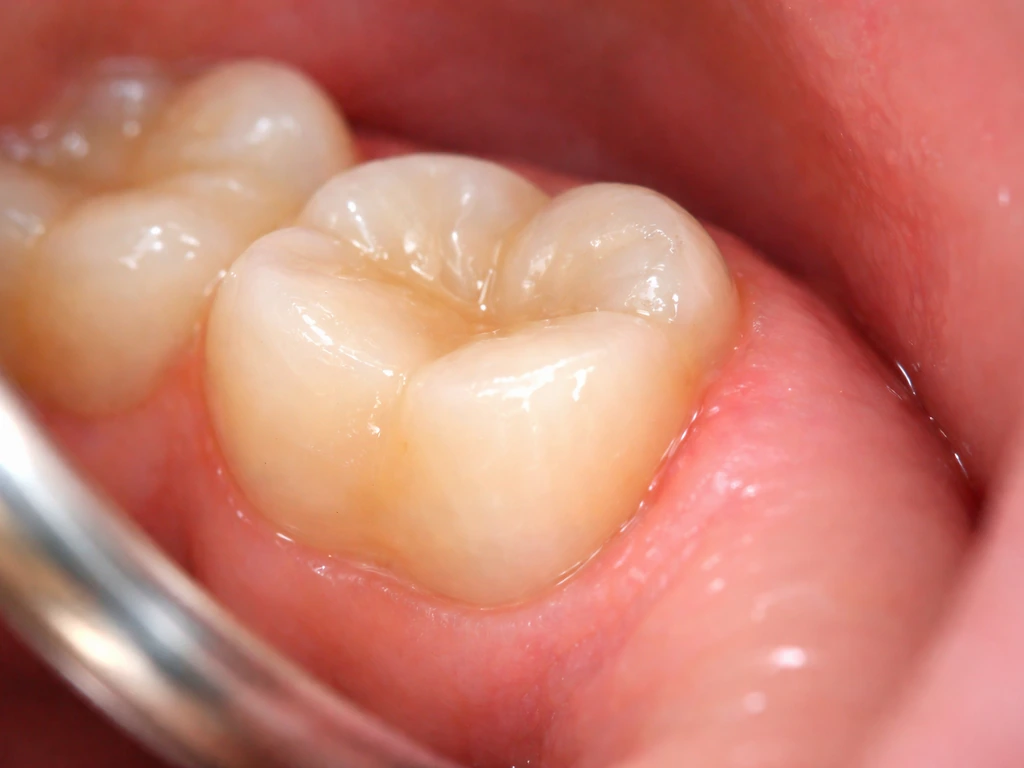
How Did Genya’s Tooth Grow Back? Realistic Explanations and Next Steps
How a tooth seems to grow back: natural eruption or healing, what regrows in humans, and next steps for diagnosis.

Do Hamsters Teeth Grow Back? Causes and What to Do
Learn if hamster teeth grow back, why overgrowth happens, signs to watch, and safe steps plus vet treatment.