
Genya's tooth didn't actually grow back the way a lizard regrows a tail. Incisors usually do not regrow on their own after they are lost, so treatment often focuses on prevention and replacement options incisors do not regrow. He's a demon-human hybrid in Demon Slayer, and that fictional regenerative ability is exactly what the show is nodding at when Tanjiro notices the missing tooth is suddenly back. Real human teeth don't do that. Not even close. But the reason this question keeps coming up outside the anime fandom is that people genuinely do experience something that looks like a tooth 'coming back,' and there are real biological explanations for it. For the specific case of did Gypsy Rose teeth grow back, the key point is that teeth do not typically regenerate on their own like that tooth 'coming back'. Let's untangle the fiction from the biology so you know exactly what's possible, what isn't, and what to do if something similar seems to be happening to you or your kid.
How Did Genya’s Tooth Grow Back? Realistic Explanations and Next Steps

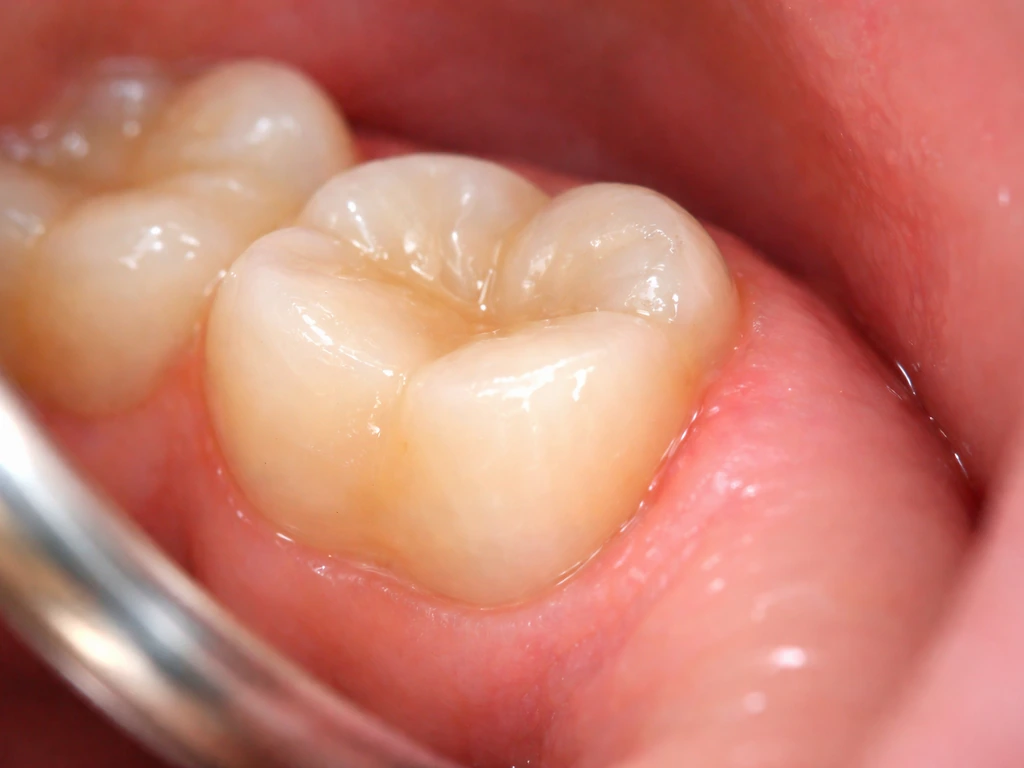
What 'tooth grew back' actually means in Genya's case

In the Swordsmith Village Arc (Season 3, Episode 3), Tanjiro notices Genya is missing a tooth, and then later sees him with it back. The show deliberately uses this as a hint at Genya's demon-derived abilities: rapid regeneration that ordinary humans simply don't have. It's a storytelling device, not a dental biology lesson. Within the fiction, Genya's partial demon physiology allows tissue to regenerate at an accelerated, supernatural rate. Outside the fiction, no human being has that capability. When someone watching the show searches 'how did Genya's tooth grow back,' they're often really asking one of two things: is there any real human process that looks like this, or can teeth actually regrow? Outside the fiction, no human being has that capability can teeth actually regrow. If you meant Luffy specifically, the answer depends on whether you are talking about his Devil Fruit regeneration or a tooth-related scene from the manga or anime how did Genya's tooth grow back. The answer to both questions has a lot of nuance.
What human teeth can and cannot regenerate on their own
This is where the myth-busting matters most. A tooth has four main tissues: enamel, dentin, pulp, and cementum. Each one has a completely different relationship with the word 'regeneration.'
Enamel is the hard outer shell you see when you look in the mirror, and it is essentially a one-shot material. The cells that build it, called ameloblasts, disappear after the tooth erupts into the mouth. Once they're gone, your body has no mechanism to rebuild enamel in bulk. You can remineralize surface enamel at a microscopic level using fluoride and saliva, which is why early-stage cavities can sometimes be halted, but that's a surface patch job measured in micrometers, not regrowing a lost chunk of tooth. If you're wondering whether do lions teeth grow back is real or just a myth, the biology is usually very different from what humans can do mose remineralize surface enamel. If you chip off a piece of enamel, it stays gone.
Dentin, the layer beneath enamel, has more flexibility. The cells that make dentin, called odontoblasts, survive inside the tooth as long as the pulp is healthy. After mild injury or slow-progressing decay, these cells can lay down extra dentin (called reactionary dentin) as a protective response. Under more severe conditions, stem cells in the pulp can sometimes produce reparative dentin. This is not 'regrowing' a tooth, but it does show that the dentin-pulp complex has a limited self-defense mechanism. Dentists actually exploit this in procedures called vital pulp therapy.
The pulp (the soft tissue core with nerves and blood vessels) can survive mild trauma and help the tooth protect itself, but it doesn't regenerate a destroyed tooth structure. Cementum, the tissue anchoring the tooth root to the jaw bone via the periodontal ligament, shows a limited repair capacity, but full functional regeneration of the entire attachment apparatus is still a research challenge, not a clinical routine. The periodontal ligament itself is an active area of stem cell research, but we are not at a point where destroyed teeth routinely rebuild their own support structures in adults.
Why healed gums and reduced swelling can look like a tooth came back
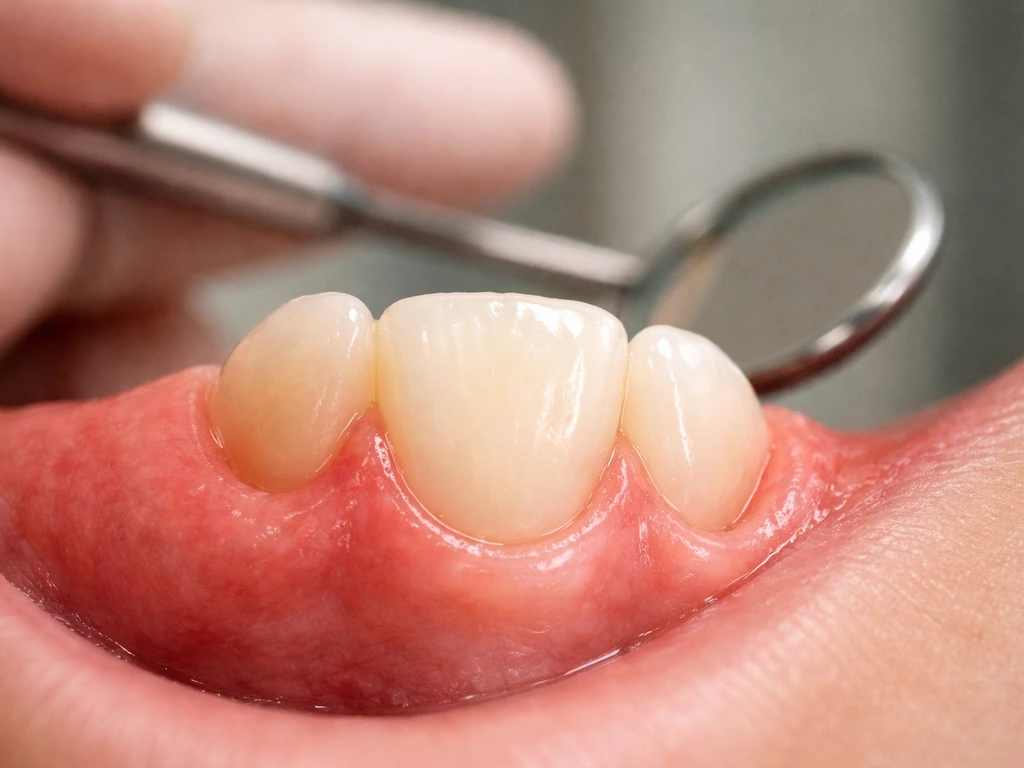
Here's a scenario that confuses a lot of people: a tooth looks like it disappeared or shrank, then a few weeks later it looks more prominent or 'back to normal.' What usually happened is that the surrounding gum tissue was inflamed, swollen, or covering part of the tooth crown, and as that inflammation resolved, more of the tooth became visible again. This is especially common with partially erupted wisdom teeth, where a flap of gum tissue called the operculum can partially cover the tooth. When that flap gets inflamed (a condition called pericoronitis), the area looks swollen and the tooth can seem either buried or abnormal. As inflammation calms down, the operculum can regress and the tooth looks more 'present.' The tooth itself didn't change, the surrounding tissue did.
The same thing can happen after dental trauma. Swelling around an injured tooth can temporarily make it look worse or less prominent than it really is. Once bone remodeling and ligament healing occur over weeks to months, the area looks different, and people sometimes interpret that as regrowth. Healing and regeneration are not the same thing, even though they can look similar from the outside.
Wisdom tooth eruption: when a 'new' tooth really does appear in adulthood
If you're a teenager or young adult and a tooth seems to be 'appearing' for the first time in the back of your mouth, there's a very real biological explanation that has nothing to do with regrowth. If you are asking, do hamsters teeth grow back, the answer is similar to humans in that teeth typically do not regrow in the way people imagine, and dental issues need proper veterinary care. Wisdom teeth (third molars) typically erupt between ages 17 and 26, though the range is wide, and some people see movement even later. This is normal, scheduled tooth development, not regeneration. It only feels surprising because most of your other permanent teeth came in during childhood and you've forgotten what eruption feels like.
Signs that distinguish a wisdom tooth erupting from 'regrowth' of a lost tooth include: the tooth appears in the very back of the jaw beyond your second molars, there may be mild pressure, soreness, or gum tenderness in that area, and an X-ray will show the tooth was already present in the jaw bone, just waiting. If you lost a front tooth or a premolar and something seems to be appearing in that gap, that is not wisdom tooth eruption and needs prompt clinical evaluation.
| Feature | Wisdom Tooth Eruption | True Regrowth (Not Possible in Humans) |
|---|---|---|
| Age range | 17–26 (sometimes later) | N/A |
| Location | Back of jaw, behind second molars | N/A |
| Visible on X-ray before eruption | Yes, tooth is in bone | No pre-existing structure |
| Gum symptoms | Pressure, soreness, operculum | N/A |
| Biological mechanism | Normal tooth development schedule | Does not occur in adult humans |
| What to do | Monitor, dental consult if pain persists | Seek diagnosis; likely another explanation |
Baby teeth to permanent teeth: the original 'tooth grew back' story
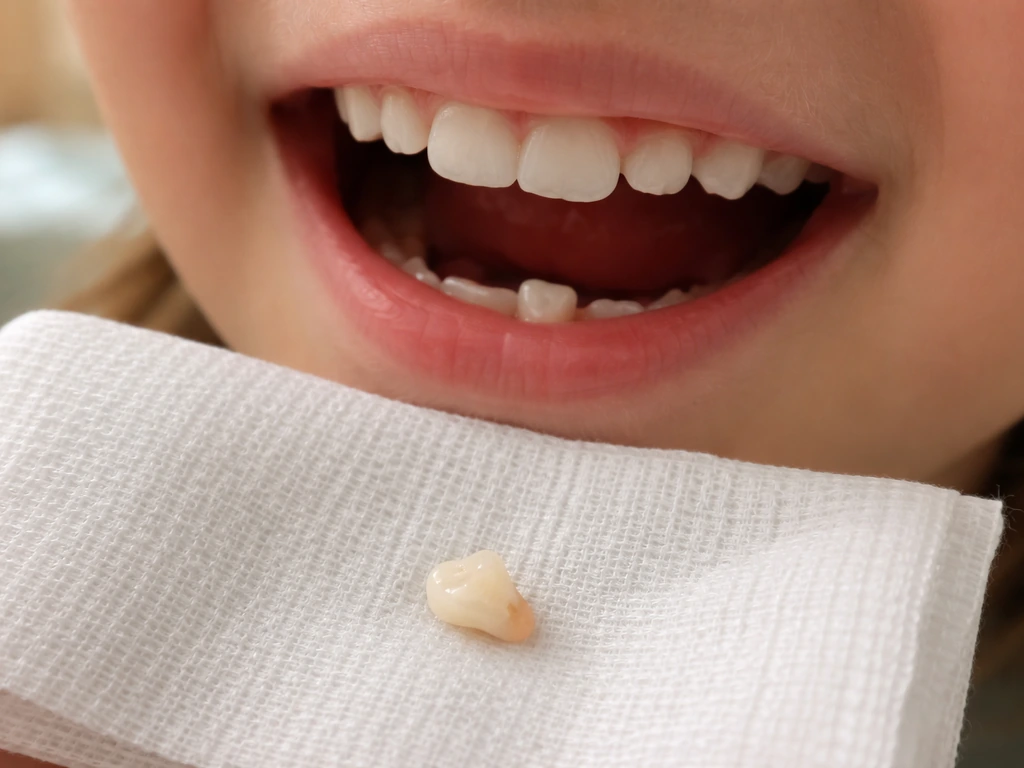
For kids between ages 6 and 12, the most common version of 'a tooth grew back' is simply the normal primary-to-permanent tooth transition. Baby (deciduous) teeth are shed on a schedule, and permanent teeth push up to replace them. From a child's perspective (or a panicked parent's), a tooth falls out and then a new one appears in the same spot weeks or months later. That's not regeneration, that's human development working exactly as designed. The permanent tooth was already sitting in the jaw bone, waiting. Dentists can see both teeth on an X-ray at the same time during the mixed dentition phase.
Confusion sometimes arises when a baby tooth is lost early (due to decay or trauma) and the permanent replacement takes a while to show up. Parents worry it's not coming, and then it does, and it feels like a miracle. It's not. The permanent tooth just needed more time. Conversely, if a baby tooth hangs around past age 12 without falling out, the permanent tooth underneath may be blocked or angled, which is something a dentist should check. Unlike some animals (rabbits, for example, have continuously growing teeth, and rodents like hamsters have a different dental growth system entirely), humans get exactly two sets of teeth and that's the biological limit.
What dentistry can actually do when a tooth is gone or destroyed
If a tooth is genuinely missing, broken down, or non-vital, the good news is that modern dentistry has solid options. None of them are 'regrowing' the original tooth, but they restore function, appearance, and health effectively.
- Fillings: for teeth with moderate decay or small structural loss where the remaining tooth structure is healthy and can support a restoration. Composite resin or amalgam fills the void and stops further breakdown.
- Crowns: when a tooth has lost significant structure but the root is sound, a crown caps the whole tooth and protects what's left. Often paired with root canal therapy if the pulp is involved.
- Root canal therapy followed by a crown: if the pulp is infected or non-vital but the root is salvageable, root canal treatment removes the infected tissue, the canals are sealed, and a crown restores the crown portion. This saves the natural root.
- Dental implants: the closest thing to a replacement 'tooth root,' a titanium implant is placed into the jaw bone and integrates over several months (osseointegration), then a crown is attached on top. This is typically the preferred long-term solution for a missing tooth in an adult with adequate bone.
- Fixed dental bridge: an alternative to an implant where the replacement tooth is anchored to the adjacent natural teeth. Useful when implants aren't feasible, though it requires modifying the neighboring teeth.
- Dentures (partial or full): removable options for multiple missing teeth, typically less ideal for single-tooth replacement but appropriate in certain clinical situations.
The right choice depends heavily on your age, the specific tooth, the health of surrounding bone and gum tissue, and your budget. A dentist or specialist can map out the best path after taking X-rays and doing a clinical exam. There is no single universal answer, and anyone telling you a supplement or mouthwash will regrow your tooth is selling you something that doesn't exist.
When to see a dentist urgently and what to expect
Some dental situations genuinely can't wait for a routine appointment. If you have any of the following, treat it as urgent and contact a dentist or emergency dental clinic the same day:
- Facial swelling, especially if it's spreading toward your neck, eye, or jaw
- Fever alongside dental pain (suggests infection spreading beyond the tooth)
- Difficulty swallowing or opening your mouth fully
- A tooth that was knocked out (avulsed) in the last hour: keep it moist in milk or saline and get to a dentist immediately, because replantation success depends on timing and whether the periodontal ligament cells on the root survived)
- Severe throbbing pain that doesn't respond to over-the-counter pain relief
- Visible pus, a bump on the gum near a tooth, or a bad taste that appeared suddenly
At the appointment, the dentist will do a visual and tactile exam, likely take one or more X-rays (periapical films to see the root and bone around it, and sometimes a panoramic film to see the whole jaw), and may test the tooth's response to cold or percussion. Cleveland Clinic explains that dentists typically evaluate periapical abscesses using a visual exam along with radiographs (X-rays) to identify the culprit tooth and the associated periapical infection visual and tactile exam. From that, they can tell you definitively whether you're dealing with an abscess, a dying pulp, bone loss, an impacted tooth, or something else entirely. Ask specifically: 'Is this tooth saveable with a root canal and crown, or do we need to talk about extraction and replacement?' That question forces a clear treatment planning conversation.
If antibiotics are prescribed, understand they are a bridge to definitive treatment, not a cure. The infection will return unless the tooth is treated or removed. The American Dental Association's current guidance makes clear that antibiotics for dental infections are conditionally appropriate and must be paired with actual dental treatment.
Your practical next steps in plain language
- If you're asking about Genya specifically: his tooth grew back because he's a fictional demon-human hybrid with supernatural regeneration. That's the whole answer for the anime question.
- If you or someone you know seems to have a tooth 'reappearing': figure out which category it falls into. Is it a child between 6 and 12? Likely normal primary-to-permanent transition. Is it a teen or young adult with back-jaw pressure? Likely wisdom tooth eruption. Is it an adult with a tooth that was previously damaged or missing in a specific spot? That needs a clinical exam and X-ray, not an internet answer.
- If there's pain, swelling, or signs of infection: don't wait. Contact a dentist today. Dental infections can escalate to serious medical emergencies faster than most people expect.
- If you want to restore a missing or damaged tooth: get a proper evaluation. The options (filling, crown, root canal, implant, bridge) are all evidence-based and effective when chosen correctly for your situation.
- If a supplement, oil, or product is claiming to regrow tooth enamel or an entire tooth: that claim is not supported by current science. Save your money and see an actual dentist.
- If you're a parent: keep up with your child's dental check-ups through the mixed dentition phase (ages 6 to 12). X-rays at routine visits will confirm that permanent teeth are developing normally and coming in on schedule.
FAQ
How can a tooth look like it “came back” after it was lost or chipped, but it really didn’t regrow?
Often the “missing” portion is actually covered by gum tissue or swelling. Once inflammation settles, more crown looks visible. Another common scenario is that the bite shifts slightly during healing, changing how light reflects off the remaining enamel, making it look more complete. If there is any doubt, an X-ray is the quickest way to confirm whether tooth structure is truly present.
If my front tooth gap looks like it’s closing on its own, should I still see a dentist?
Yes, because spontaneous-looking changes can be from gum shrinkage, minor tooth movement, or even a loose tooth shifting, but none of those rebuild lost enamel or dentin. A prompt exam matters especially if the tooth was fractured, because you might need stabilization, bonding, or a root canal to prevent pulp damage.
Can enamel regrow if I use fluoride or remineralizing toothpaste after a chip?
Fluoride can help harden early-stage demineralization, but it does not rebuild the bulk of missing enamel. If a chip exposes dentin or causes sensitivity, that’s a sign you likely need protective treatment such as bonding or a crown, not just remineralization.
What’s the fastest way to tell whether the problem is eruption or true “regrowth”?
Check location and timing. New eruption that is not regrowth usually happens in the back of the mouth (wisdom teeth) or as part of the scheduled primary-to-permanent transition. If the “new tooth” appears where a damaged tooth was removed, or if there was no change on a recent X-ray, treat it as a dental issue, not eruption.
If a baby tooth fell out early, how long should I wait for the permanent tooth to show up before worrying?
It varies, but don’t wait indefinitely if the permanent tooth does not appear within a reasonable interval. A dentist can check with an X-ray to confirm the permanent tooth position and whether there is enough room, because premature space loss or retained roots can affect eruption timing.
Do root canal and crown repairs count as “tooth regrowth” like in the anime?
No, they restore function and seal the tooth, but the original lost structure is not biologically rebuilt. A crown protects weakened tooth walls, and a root canal removes or addresses damaged pulp tissue so the tooth can remain in place. You can still lose the tooth later if the underlying structure is insufficient or if cracks are present.
When is a missing or broken tooth considered an emergency?
If you have heavy bleeding, a tooth that was fully knocked out, severe swelling, uncontrolled pain, fever, or difficulty swallowing or breathing, seek urgent dental care the same day. Even if it is “just” a fracture, prompt evaluation helps determine whether the pulp is still alive, which changes the treatment window.
If I was given antibiotics for a dental infection, can I delay the dental procedure since the pain improved?
Don’t delay. Antibiotics are typically a temporary bridge, symptoms can improve while the source problem remains. Without definitive treatment, the infection can flare again. If you are scheduled for treatment, keep it, and if symptoms worsen or swelling increases, contact the clinic immediately.
Could dental “appearing tooth” stories be due to misdiagnosis or imaging errors?
Yes. Crowns, fillings, bone changes, and overlapping structures can make X-rays harder to interpret, and different imaging angles can change how a tooth margin looks. If you were told something is regrowing, ask whether you have a comparison image showing the tooth was actually absent before and present after, and request a second opinion if results don’t match.

Learn if hamster teeth grow back, why overgrowth happens, signs to watch, and safe steps plus vet treatment.

Do incisors grow back? Learn why adults dont naturally regrow teeth, and what to do after knockouts or damage.

Learn if rabbit teeth grow back after extraction, why they grow continuously, and warning signs needing an exotics vet.