
Sharks, crocodilians, most reptiles, and many fish can replace teeth repeatedly throughout their lives. Rodents like guinea pigs and chinchillas never stop growing their front teeth. Most mammals, including dogs, cats, and humans, only get two sets: baby teeth and adult teeth, and that's it. Once your adult teeth are gone, no new ones are coming. Understanding exactly which animals can regenerate teeth, how that process works, and why humans are stuck with what they've got is genuinely useful, especially if you're dealing with a knocked-out tooth, a pet with dental damage, or just trying to sort fact from wishful thinking.
What Animals Teeth Grow Back and What Humans Can Expect

Marcus Holloway
3 May 2026
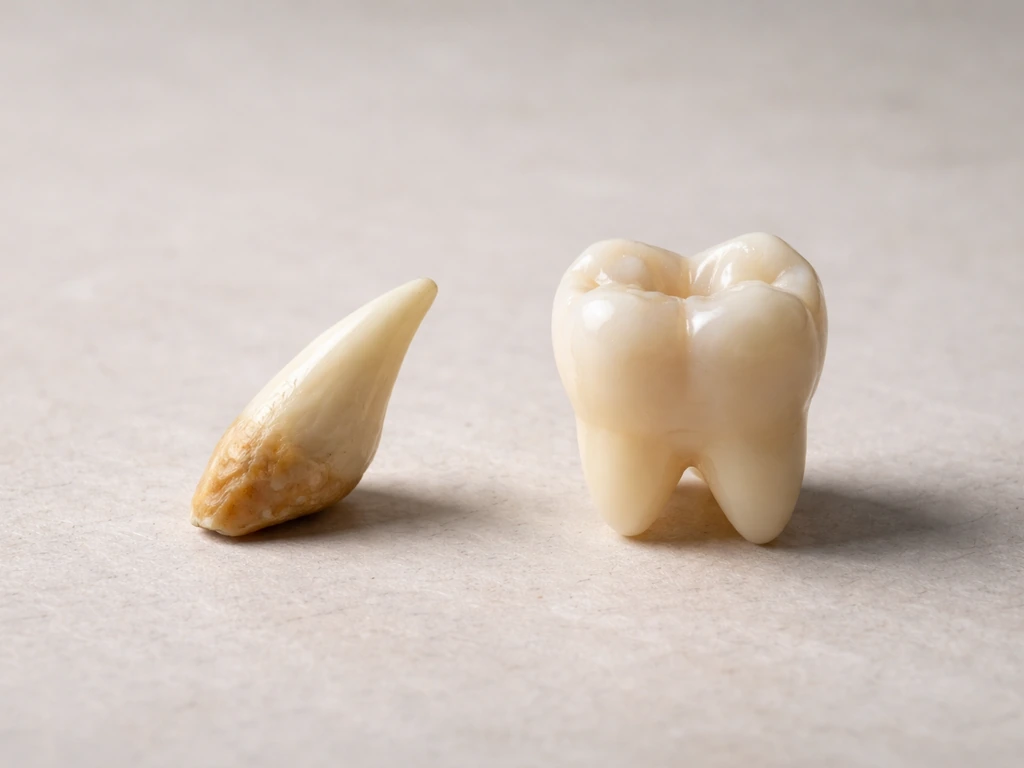
What 'grow back' actually means for teeth
When people say teeth 'grow back,' they usually mean one of three very different things, and confusing them leads to a lot of bad assumptions. The first is whole-tooth replacement: a completely new tooth develops and erupts to replace a lost one (this is what sharks do). The second is continuous growth: the same tooth never stops growing from the root, so wear at the tip is constantly offset by new material from below (this is what rodent incisors do). The third is partial repair: existing tooth structures like dentin can partially remineralize or produce reparative dentin under the right conditions, but the tooth itself doesn't regenerate as a whole unit.
These are completely different biological processes. A rodent's continuously growing incisor is not regenerating a lost tooth; it's just never stopping growth in the first place. A cracked human tooth producing a tiny amount of reparative dentin is not healing like a broken bone; the crack itself does not close. Getting this straight matters because it determines what's actually possible for your pet, your child, or yourself.
Animals that naturally replace teeth, and when
Sharks and rays: whole-tooth replacement on repeat
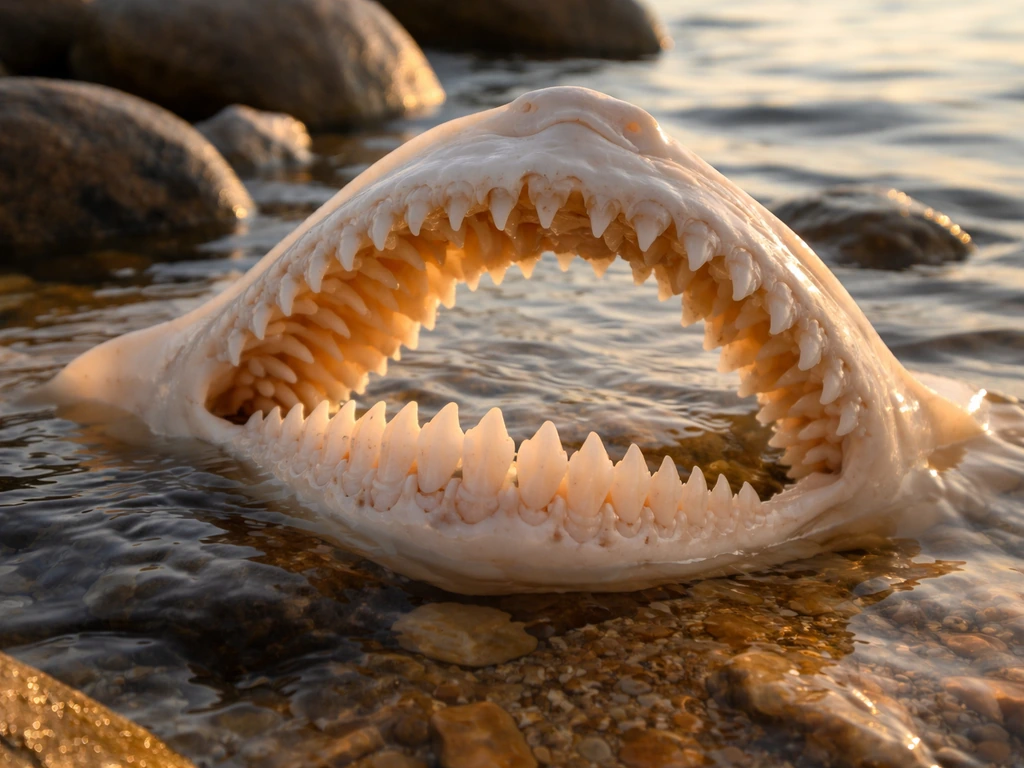
Sharks are the textbook example of polyphyodonty, which just means continuous whole-tooth replacement throughout life. A shark doesn't just get two sets of teeth; it produces wave after wave of replacement teeth via a structure called the dental lamina, a band of tissue that continuously generates new tooth germs. When a functional tooth is shed or broken, the next one moves forward. Depending on the species, a shark may cycle through thousands of teeth over a lifetime. This is not the same as a tooth regrowing in place; it's more like a conveyor belt of entirely new teeth, each one formed from scratch.
Reptiles: replacement through life, with some exceptions
Most reptiles, including snakes, lizards, and crocodilians, are also polyphyodont. Alligators, for instance, can replace each tooth position roughly 50 times over their lifespan, with a new successional tooth sitting ready underneath each functional one. The replacement mechanism involves a successional dental lamina, and the teeth are typically attached to the jawbone rather than seated in deep sockets, which makes the whole system easier to shed and replace. Geckos are a well-studied example of this continuous pleurodont tooth replacement system. The one exception in reptiles is acrodont teeth (found in some lizards like bearded dragons and chameleons), which fuse tightly to the top of the jawbone and are generally not replaced once lost in adulthood.
Rodents and lagomorphs: continuous growth, not replacement
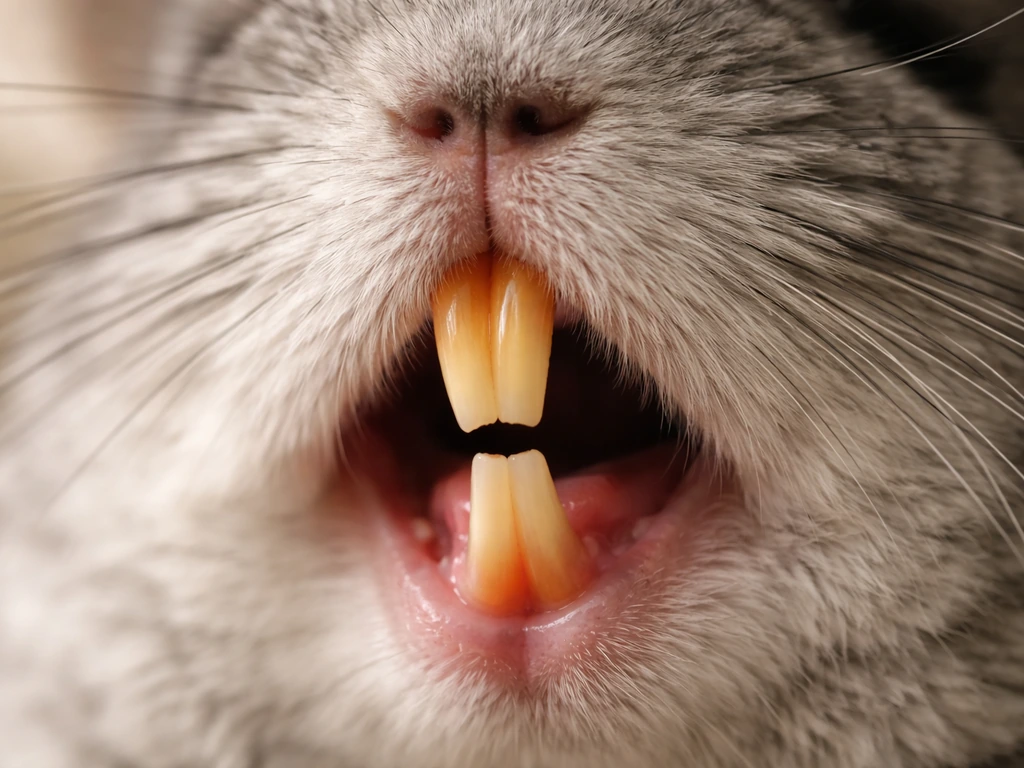
Guinea pigs, chinchillas, rabbits, rats, and mice have incisors that never stop growing. A chinchilla's incisors grow at roughly 55 to 65 mm per year, and smaller species grow even faster. This is continuous growth of the same tooth, driven by stem cells at the base of the tooth, not the formation of a replacement tooth. The important distinction: if a rodent's incisor is completely knocked out including the root and growth center, that tooth is gone. But teeth worn down by normal chewing are constantly replenished from below. Rodent molars, by contrast, do not show this continuous growth pattern in the same way.
Amphibians and fish
Most amphibians are polyphyodont, replacing teeth repeatedly. Many fish species also replace teeth continuously, including some that have elaborate tooth plates for crushing prey. These animals have retained the ancestral vertebrate ability to keep generating new teeth, which is the norm across the animal kingdom. Mammals, as it turns out, are the outliers.
Mammals: two sets and you're done (mostly)
The vast majority of mammals are diphyodont, meaning they get exactly two successive sets of teeth: a deciduous (baby) set and a permanent (adult) set. Dogs, cats, horses, humans, deer, and most other familiar mammals fall into this category. For dogs, which also fall under this diphyodont group, teeth do not grow back once the adult set is lost or damaged, so it helps to also consider what you can expect in the article section about do dogs teeth grow back. There are a handful of mammalian exceptions, including manatees, kangaroos, and elephants, which replace molars in a horizontal progression rather than the typical vertical replacement pattern, allowing for more than two generations of molars. But these are genuinely unusual cases. For the mammals most people interact with, including their pets, two sets is the biological limit.
Why humans can't do what sharks do
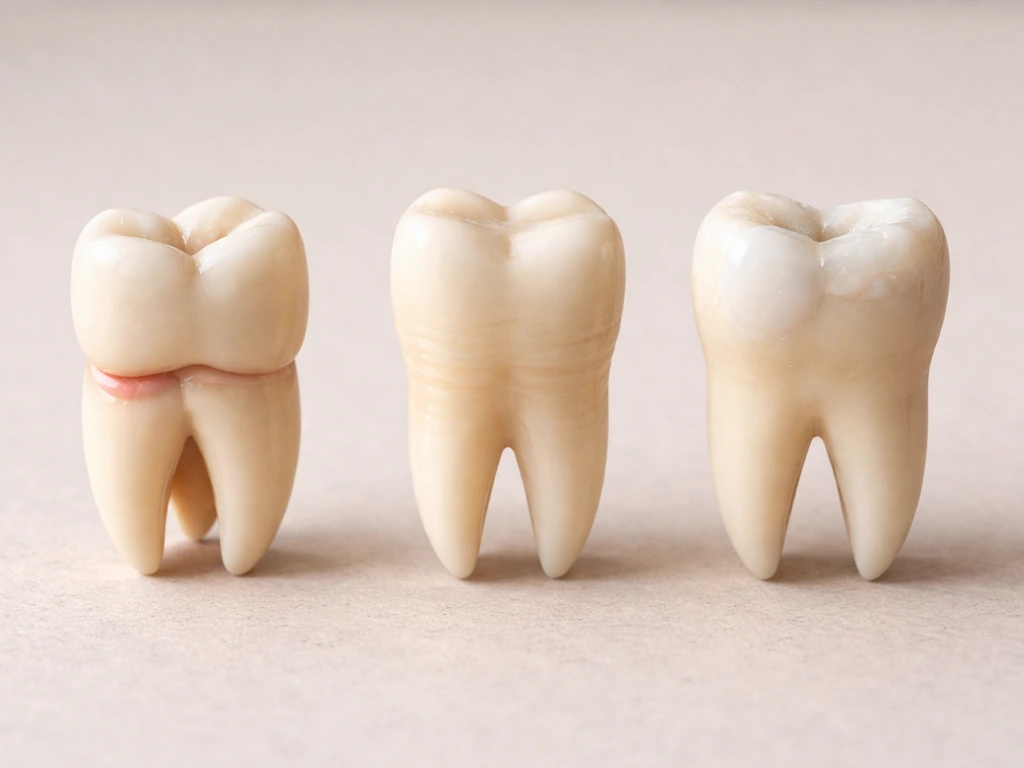
Human teeth are structurally more complex than shark teeth, and that complexity is part of why regeneration is so difficult. Human teeth have four distinct layers: enamel (the hardest tissue in the body), dentin beneath it, a pulp chamber with nerves and blood vessels, and a cementum layer covering the root. Shark teeth lack true roots and are simpler in structure, which makes continuous replacement biologically cheaper and faster for them.
Here's the key biological reality: human enamel cannot regenerate. Enamel is produced by cells called ameloblasts that are lost after the tooth finishes forming. Once a tooth erupts, those cells are gone, and there's no way to make new enamel from scratch. Dentin is slightly better in this regard; odontoblast cells in the pulp can produce reparative dentin in response to injury, and if those cells are damaged, mesenchymal stem cells can differentiate into odontoblast-like cells to produce some secondary dentin. But this is repair, not regeneration. The tooth does not regrow.
At the whole-tooth level, the situation is equally firm. Research has confirmed there are no stem-cell niches in adult human teeth capable of forming a new tooth de novo. Children lose their baby teeth and grow adult ones because they're completing the normal diphyodont developmental program, not because the body has regenerated a tooth in response to loss. Once the adult set is in, that developmental program is finished. Enamel and dentin destroyed by decay are considered irreparable and can currently only be addressed through restorative procedures. A filling is replacing what biology cannot restore.
When teeth can and can't come back: the real breakdown
Children losing baby teeth: this is normal, not regrowth
When a child's baby tooth falls out and an adult tooth erupts, that's the second and final set arriving on schedule. It's not regeneration in response to tooth loss; it's a developmental sequence that was already programmed before birth. The adult tooth was already forming beneath the baby tooth. If a child loses a baby tooth to trauma before it was ready to fall out naturally, the underlying adult tooth will still come in, but the timing may be affected.
Avulsed (knocked-out) permanent teeth: the clock is running
If a permanent tooth is knocked out completely, the single most important factor is time. The periodontal ligament fibers on the root must stay alive for replantation to have any realistic chance of success. After about 60 minutes of dry time outside the mouth, the prognosis for replantation drops significantly, with replacement resorption becoming far more likely. The average reported clinical delay for avulsed teeth is over an hour, which is part of why so many reimplantations fail long-term. If you're dealing with a knocked-out tooth right now, don't touch the root, rinse it gently with milk or saline, and store it in milk, saliva, or saline while getting to a dentist immediately.
Cracked teeth: they don't heal themselves
A cracked tooth is not like a cracked bone. Bone has the cellular machinery to remodel and heal. A cracked tooth does not. The crack stays, and over time it can deepen, allowing bacteria into the pulp and eventually causing infection that can spread to surrounding bone and gum. Treatment depends on how deep the crack extends: a superficial crack may only need a crown, but pulp involvement typically means a root canal, and a crack extending below the gumline often means extraction. There is no 'wait and see' strategy that ends well for a cracked tooth.
Injury to adult teeth at different ages
The outcome after dental injury depends on the type of injury, how quickly treatment begins, how the tooth is handled before treatment, and how the body responds. For children still in the baby-tooth stage, the priorities include protecting the underlying permanent tooth bud. For adults, there's no developmental backup; whatever is saved through treatment is what remains. Age-related factors like bone density and gum health also affect how well replantation or other interventions work.
The three types of tooth regrowth in animals, side by side
| Type | How it works | Examples | Does it replace a lost tooth? |
|---|---|---|---|
| Polyphyodonty (whole-tooth replacement) | Dental lamina continuously generates new tooth germs; teeth are shed and replaced in sequence | Sharks, most reptiles, most fish, most amphibians | Yes, repeatedly throughout life |
| Diphyodonty (two sets only) | Deciduous set replaced once by permanent set during development | Humans, dogs, cats, most mammals | Only the baby-to-adult transition; no replacement after that |
| Continuous growth (same tooth) | Stem cells at the tooth base produce new material indefinitely; worn tip is offset by growth from below | Rodent and lagomorph incisors | No; the same tooth grows, but it is not replaced if lost |
| Horizontal molar progression | New molars erupt from the back and move forward to replace worn ones | Elephants, manatees, kangaroos | Yes, within a limited cycle of molar generations |
| Acrodont (non-replacement) | Teeth fused to top of jawbone; not replaced once lost in adults | Bearded dragons, chameleons | No replacement in adulthood |
What to do right now if a pet or animal loses teeth
Dogs and cats
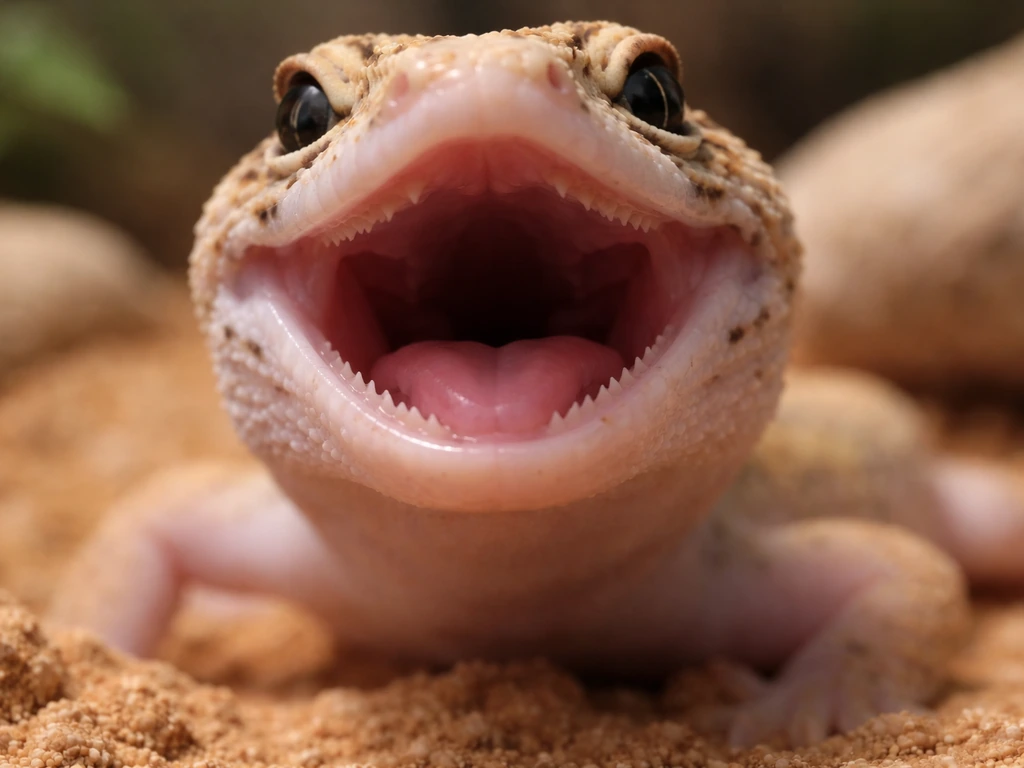
Dogs and cats are diphyodont, just like humans. Adult dogs and cats do not grow replacement teeth after their permanent set is in. A broken or knocked-out adult tooth in a dog or cat is a permanent loss. Dogs are diphyodont mammals, so an adult knocked-out or broken tooth is generally a permanent loss rather than something that regrows. If your pet has a fractured tooth with an exposed pulp, that tooth is painful and needs veterinary attention promptly. Veterinarians typically use dental X-rays to assess how deep the damage extends into the root. Leaving a pulp-exposed fractured tooth untreated leads to infection, abscess, and significant pain. The same principle applies to gum disease or tooth loss from infection: the underlying dental disease needs treatment first, and the lost tooth cannot be replaced biologically.
Reptiles
For most reptiles (snakes, geckos, bearded dragons with pleurodont teeth, iguanas), tooth loss is less of a permanent crisis than it is for mammals, since most of these species can replace teeth. However, if an infection or abscess develops in the mouth, that's a separate and serious problem. Reptile abscesses often require antibiotic therapy, and treating the underlying dental disease is the essential first step before anything else. If you notice swelling, discharge, or a lump in a reptile's mouth, a vet visit is urgent. Don't try to treat a reptile mouth abscess at home.
Rodents
Continuously growing incisors in guinea pigs, chinchillas, and similar animals can become a serious problem if they overgrow (malocclusion), break unevenly, or are damaged in a way that disrupts the growth center. Overgrown or misaligned teeth can prevent eating and become life-threatening quickly in small animals. If a rodent's teeth look uneven, are growing at an angle, or the animal is struggling to eat, see an exotic animal vet. This isn't a wait-and-watch situation.
Signs that need urgent veterinary or dental attention
- A pet stops eating or is pawing at its mouth
- Visible broken tooth with pink or red tissue (pulp) exposed
- Swelling around the jaw, face, or gums in any animal
- A knocked-out permanent tooth in a human: get to a dentist within 30 minutes if at all possible
- A crack in a human tooth that causes pain when biting or sensitivity to temperature
- Discharge, pus, or a bad smell coming from an animal's mouth
- A rodent showing difficulty chewing or teeth that appear misaligned
What not to do
- Don't touch the root of a knocked-out human tooth; handle it by the crown only
- Don't scrub or aggressively rinse an avulsed tooth
- Don't store a knocked-out tooth in plain tap water for more than a brief rinse; use milk, saline, or saliva
- Don't wait to see if a cracked or fractured tooth 'heals on its own'; it won't
- Don't attempt to drain or lance a suspected abscess in a pet at home
- Don't assume a reptile's tooth loss is fine without checking for infection
- Don't assume internet remedies like oil pulling or calcium supplements can regrow lost enamel or a lost tooth
The bottom line for humans
If you're a human adult who has lost a tooth or damaged one, biology is not going to fix it without intervention. The science is clear: adult human teeth do not regenerate, enamel does not grow back, and cracked teeth do not self-heal. What matters is how fast you act and what kind of professional care you get. For a knocked-out tooth, every minute counts. For a cracked or decayed tooth, sooner is always better than later. The animals that can regrow teeth have fundamentally different developmental biology from humans, and no supplement, home remedy, or diet change changes that reality.
FAQ
If an adult tooth falls out, will any animals regenerate a replacement tooth like in movies?
In most animals, there is no “replacement in response to a missing tooth” like a magic regrow. Sharks and many reptiles replace teeth repeatedly because they run a programmed, ongoing replacement cycle. Mammals, including humans, generally do not add new teeth after their adult set is established.
What does “teeth grow back” mean for rodents, and what happens if a rodent’s incisor is fully knocked out?
For rodents, the same incisors keep growing continuously from the growth center at the tooth base, which replenishes normal wear. If the tooth is knocked out completely, including the root and growth center, that specific incisor is gone and will not regrow.
Can a human tooth regrow enamel if I take supplements or change my diet?
No. Once human enamel-producing cells are gone after tooth development, enamel cannot be recreated from scratch. Diet and vitamins can support overall oral health, but they cannot restore missing enamel or regenerate an adult tooth.
Why does a cracked tooth in humans not heal like a broken bone?
A bone can remodel because it has active cellular repair systems that can close and reshape the injured structure. A crack in a tooth remains a crack, it can allow bacteria to reach the pulp, and the deeper the crack gets, the higher the chance you will need endodontic treatment or extraction.
If a permanent tooth is knocked out, what is the single most important factor for saving it?
Time and the condition of the root surface. The periodontal ligament fibers on the root must stay viable for replantation to have a realistic chance. Avoid letting the tooth dry out, and get dental care immediately.
Where should I store a knocked-out tooth during an emergency?
Keep it moist. The article recommends milk, saliva, or saline for transport. Do not handle the root surface, and rinse gently with milk or saline rather than scrubbing or re-brushing aggressively.
Is it better to wait and see with a cracked tooth in hopes it stops worsening?
Not usually. Because a cracked tooth can deepen and allow infection to reach the pulp, delaying care increases the likelihood of needing more invasive treatment. Treatment decisions depend on how far the crack extends, and there is no reliable “wait and see” path that ends well.
Do dogs and cats ever regrow adult teeth if one is extracted or severely damaged?
Generally no. Dogs and cats are diphyodont, like humans, meaning they have baby teeth and a permanent set, and they do not produce replacement teeth after the adult set is in. If a permanent tooth is lost due to fracture or infection, veterinary dental management is aimed at the remaining teeth and controlling disease rather than regrowth.
If my reptile has a tooth missing, should I treat it as urgent the same way as in a dog?
Tooth loss alone is often less catastrophic in reptiles because many can replace teeth. However, infection and abscess formation in the mouth are urgent and require veterinary care, since antibiotics and treatment of the underlying dental disease are commonly needed.
Why do some reptiles replace teeth more than once, and which reptiles are different?
Many reptiles use successional dental structures that generate replacement teeth. Acrodont teeth, found in some lizards like bearded dragons and chameleons, fuse tightly to the jawbone and are generally not replaced once lost in adulthood.
What is a common mistake people make when trying to “fix” a knocked-out or cracked tooth at home?
The common mistake is assuming biology will catch up if you wait or use home remedies. For knocked-out teeth, delayed care drastically worsens prognosis. For cracked or decayed teeth, the tooth typically needs professional restoration because enamel and the tooth’s true regeneration capacity cannot be restored naturally.
Next Articles
Do Dogs K9 Teeth Grow Back? What to Do Now
Do dogs K9 teeth grow back? Learn why permanent K9s usually don’t, plus home checks and urgent vet steps.

Do Guinea Pig Teeth Grow Back? Vet-Accurate Dental Guide
Do guinea pigs teeth grow back? Learn how incisors and molars erupt, why wear matters, and when vets must trim.
Do Cats Teeth Grow Back? Kitten vs Adult Tooth Replacement
Do cat teeth grow back? Explain kitten tooth replacement vs adult, broken tooth, missing fangs, timing, vet steps.