
Yes, squirrel teeth do keep growing, but only the front ones. A squirrel's four incisors grow continuously throughout its entire life, erupting at a steady rate to replace what gets worn down by constant gnawing. If one of those incisors breaks, it will grow back from the base, but if a squirrel loses a molar or premolar, that tooth is gone for good. Understanding exactly which teeth do what, and what can go wrong, is especially important if you've found a squirrel with dental problems today and need to decide whether it needs help.
Do Squirrels Teeth Continue to Grow and Can They Regrow?

Marcus Holloway
2 May 2026
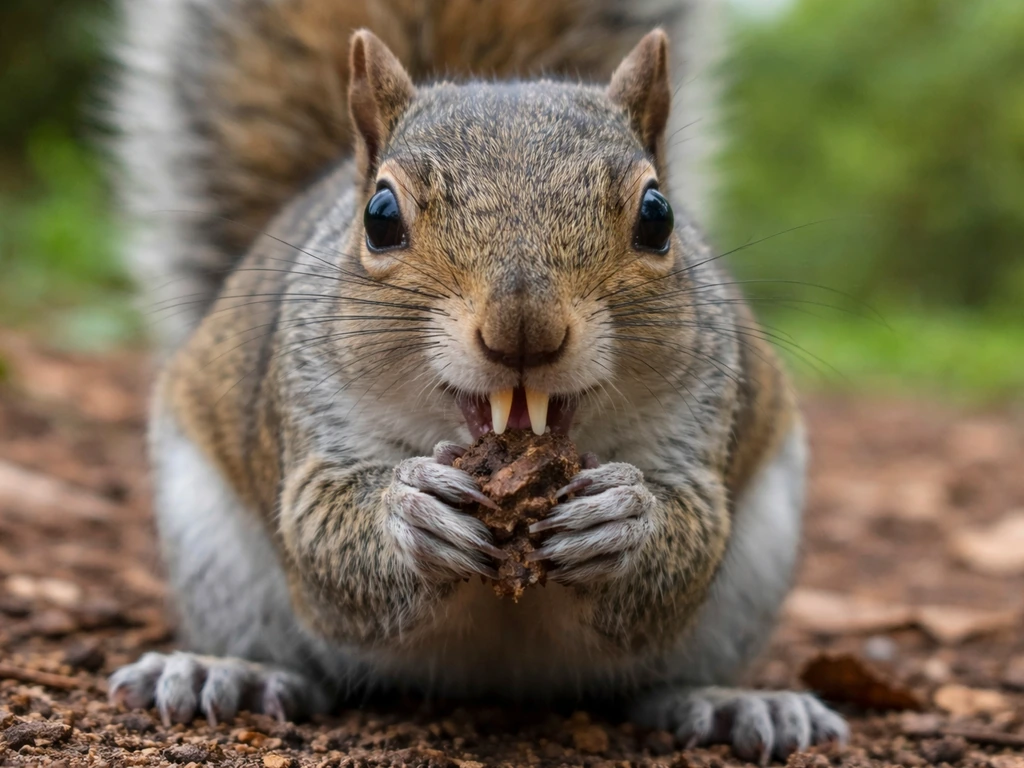
Yes, squirrel incisors keep growing, their whole lives
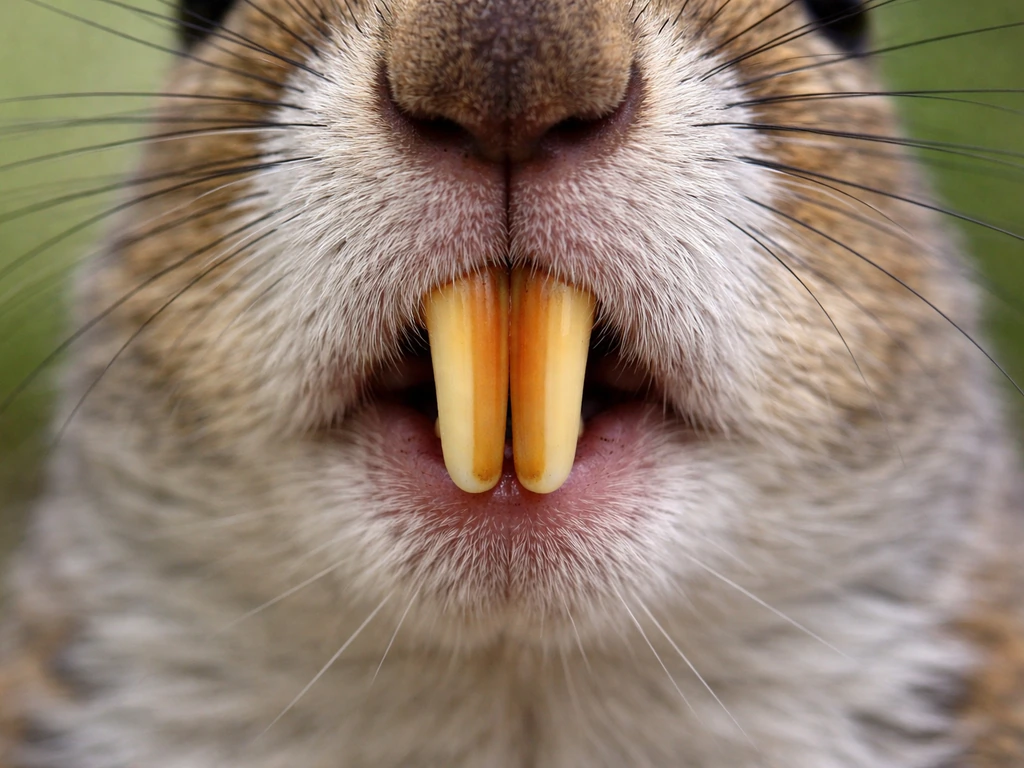
Squirrels are rodents, and the defining biological feature of all rodents is that their incisors never stop growing. These teeth are described scientifically as "elodont" and "aradicular," which basically means they have open pulp cavities and no fixed anatomical roots, so the tooth keeps erupting upward and outward from the jaw throughout the animal's life. This is not a baby-teeth situation or a seasonal cycle, it's a permanent, lifelong biological process. Every squirrel you've ever seen gnawing on a hard walnut or stripping bark is demonstrating this system in action.
This continuous growth isn't a quirk, it's a survival mechanism. Squirrels use their incisors as both cutting tools and crowbars, gnawing a precise hole into a nut and then wedging the incisors in to split the shell apart. That kind of mechanical abuse would destroy any normal tooth within months. Continuous eruption solves this problem by constantly resupplying the working surface.
Can a squirrel grow back a lost or broken tooth?
Here's where things get more complicated, and where a lot of people get the wrong idea. If a squirrel's incisor breaks partway, the remaining structure will continue to grow and the tooth will eventually return to a functional length, because the growing mechanism at the base of the tooth is still intact. That's not the same as growing a brand new tooth, the same continuous eruption process just carries on from where it left off.
However, if the root-growing tissue at the base of an incisor is damaged or destroyed, the tooth will not come back. And if a squirrel loses a molar or premolar entirely, there is no replacement. Squirrels, like virtually all mammals, are diphyodont, meaning they get two sets of teeth in a lifetime: deciduous (baby) teeth and permanent teeth. Once the permanent teeth are in place, that's it. There is no regenerative replacement cycle the way some people imagine, nothing like what sharks do, for example. Molars that wear out or are lost simply stay gone, and the squirrel has to manage with what's left.
Incisors vs. molars: very different stories
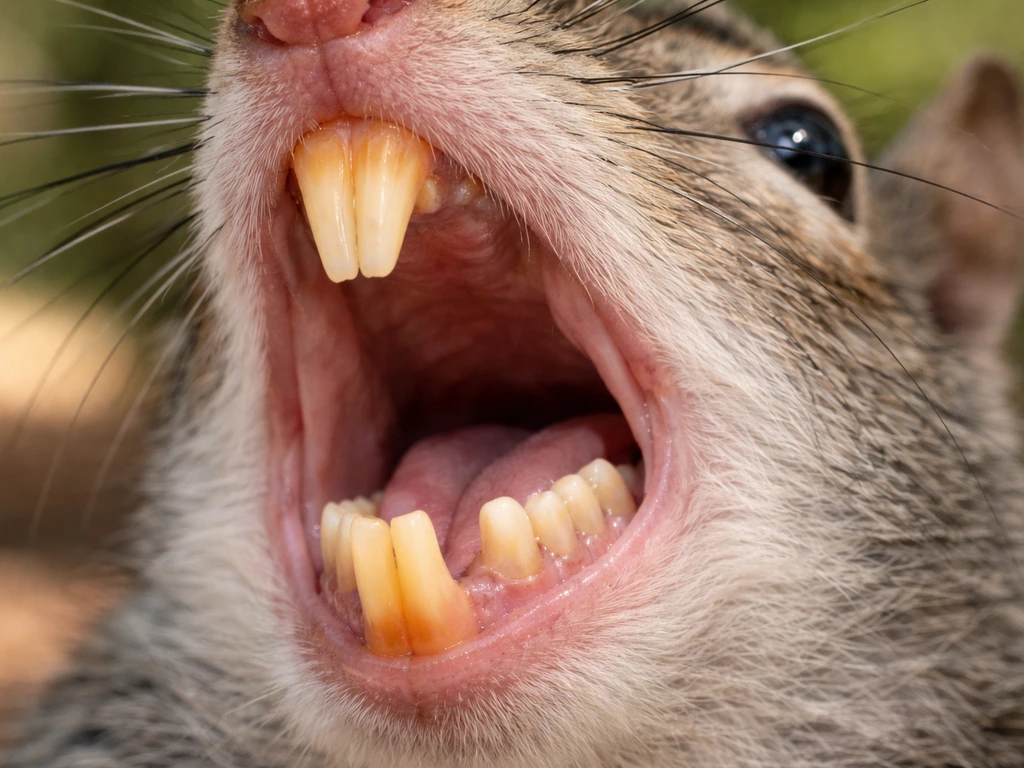
It's worth being clear about the two completely different dental systems operating inside a squirrel's mouth at the same time, because they behave nothing alike. In rodents, the incisors are rootless and separated from the cheek teeth by a toothless diastema, with the cheek teeth structured differently from the incisors rodent incisors are rootless and separated from cheek teeth by a toothless diastema.
| Tooth Type | Continuously Growing? | Self-Sharpening? | What Goes Wrong | Can It Recover? |
|---|---|---|---|---|
| Incisors (front 4) | Yes, lifelong | Yes, through differential wear | Overgrowth, malocclusion, fracture | Partially, if root tissue intact |
| Cheek teeth (premolars/molars) | No | No | Progressive wear, especially in older animals | No, lost teeth don't replace |
The cheek teeth are described as "anelodont," meaning they have fixed roots and stop growing once they've fully erupted. In younger squirrels these teeth handle grinding nuts and seeds efficiently, but over time they simply wear down. In aging squirrels, excessive wearing of the cheek teeth is a documented clinical finding. They don't overgrow or elongate the way incisors can, but they also don't regenerate when they're gone.
Why rodent teeth work this way: the biology behind continuous growth
The secret to how squirrel incisors stay sharp despite constant use comes down to where the enamel sits. Enamel, which is the hardest substance in any mammal's body, forms predominantly on the outer (labial) face of the incisor. The inner surface is softer dentin. Because the two materials wear at different rates, the dentin wears back faster, and this differential wear naturally creates and maintains a sharp chisel edge at the tip of the tooth. The squirrel doesn't need to sharpen its teeth; the gnawing process itself does it automatically.
Underneath all of this is the open pulp cavity that keeps the tooth erupting. Unlike a human tooth, which has a closed root and a fixed length, the squirrel's incisor has living tissue at its base continuously pushing the tooth outward. This is the same fundamental mechanism seen in other continuously growing teeth across the animal kingdom, though in squirrels and other sciuromorph rodents it's been refined over millions of years of evolutionary pressure toward hard-food diets.
What goes wrong when teeth break or overgrow
The growth-wear balance in a squirrel's incisors is precise, and when it breaks down, the consequences are serious and fast-moving. The most common problem is malocclusion, where the upper and lower incisors don't meet properly. In a healthy squirrel the two pairs of incisors grind against each other constantly, which controls their length. If one tooth breaks, the opposite tooth loses its grinding partner and has nothing to wear it down. That tooth then overgrows unchecked.
Overgrown incisors in squirrels can grow in an arc, eventually curling back toward or into the skull, jaw, or soft tissues of the mouth and face. This isn't a hypothetical worst case, radiographic documentation of this in wild squirrels exists, with teeth penetrating facial tissues and causing severe abscess formation. The Wildlife Center of Florida explicitly states that squirrels with permanent malocclusion should never be released into the wild, because they face either starvation or death from the teeth themselves. Malocclusion is not a cosmetic issue, it's a life-threatening condition for a squirrel.
A broken incisor that still has its growing base intact will typically grow back within weeks to a couple of months, but during that recovery window the animal is vulnerable. If the break causes misalignment, even temporarily, the other teeth can begin to overgrow before the broken one catches up. This is why a squirrel with even a single broken incisor warrants a real assessment, not just a "wait and see" approach.
Signs that a squirrel is in trouble with its teeth
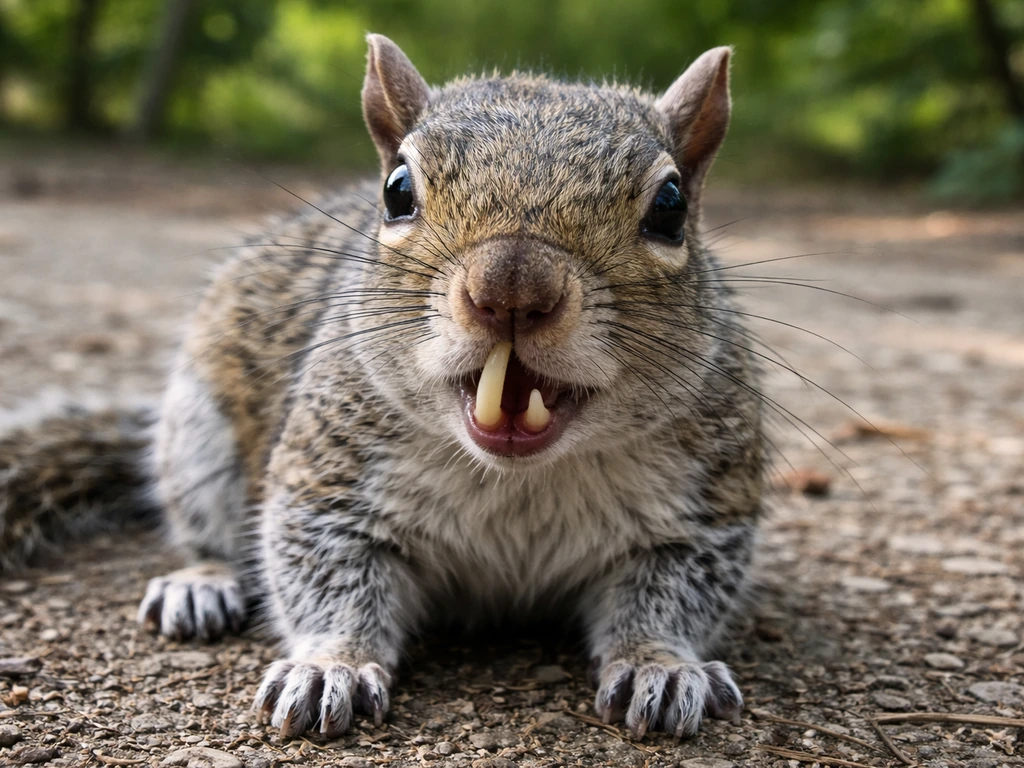
If you're watching a squirrel or handling one you've found injured, these are the warning signs that point to a dental problem serious enough to need professional attention. Some of these signs are obvious, some are easy to miss.
- Visibly overgrown incisors, teeth that curl, cross, or extend well past the lips
- One incisor noticeably shorter or missing compared to its opposite
- Difficulty picking up or cracking food, dropping food repeatedly
- Drooling, with wet or matted fur around the mouth, chin, or chest
- Mouth sores, bleeding from the mouth, or a bloody muzzle while feeding
- Swelling or asymmetry on the face, especially around the jaw or cheeks
- Significant weight loss or visible thinning (prominent spine, hip bones)
- Lethargy or unusual tameness (a wild squirrel that lets you approach is often very sick)
- Loss of appetite or complete refusal to eat
Facial swelling combined with any of the feeding signs above should be treated as urgent. Dental abscesses develop quickly in rodents and can become systemic infections. By the time a wild squirrel is lethargic enough to be caught by hand, it has often already been declining for days and is in a worse state than it appears.
What you should do right now
If you've found a squirrel showing any of the signs above, the single most important thing you can do today is contact a licensed wildlife rehabilitator or a veterinarian who handles wildlife. Do not attempt to trim the teeth yourself. This is not a matter of being squeamish, it's a practical reality: improper trimming can fracture the tooth at the root, destroy the growing tissue, and turn a manageable problem into a permanent one. Some states also have regulations that restrict the public from treating or holding injured wildlife without the appropriate authority.
- Use gloves or a thick towel to contain the squirrel if you need to handle it. Even a sick squirrel can bite hard enough to break skin.
- Place the squirrel in a secure, ventilated box with a dark cloth or towel inside. Keep it warm but not hot, and away from pets and noise.
- Do not feed it. Giving the wrong food, especially to an animal with dental or jaw injuries, can cause additional harm or death.
- Search your state or province's wildlife agency website, or use the National Wildlife Rehabilitators Association (NWRA) directory, to find a licensed rehabilitator near you.
- Call before you show up. Most rehab centers have intake protocols and limited space, and a phone call will tell you exactly where to go and what to bring.
- If no rehabilitator is immediately available, contact a local veterinary clinic and ask if they accept wildlife cases or can refer you to someone who does.
A squirrel with a minor broken incisor that is still eating and behaving normally may not need immediate intervention, but it still warrants a quick call to a rehabilitator for guidance. A squirrel that is lethargic, not eating, drooling, or has visible facial swelling needs help today, not tomorrow. The Minnesota DNR notes that by the time a wild animal can be caught by hand, it's often already suffering from starvation and secondary illness on top of its original injury. Time genuinely matters in these situations.
Squirrels compared to other animals on this question
It's worth putting squirrel dental biology in context, because the "do teeth grow back" question looks very different across species. If you're wondering the same question for other animals, see whether do sharks teeth grow back, since many species handle tooth loss differently. Rats, which are also rodents, share the same continuously erupting incisor system as squirrels, and the dental risks from malocclusion are similar.
Horses have a different kind of continuously erupting tooth across more of their mouth, with their cheek teeth erupting slowly over decades rather than continuously from an open root. Because horses have a different type of tooth eruption than rodents, their teeth can continue to wear and erupt over time, rather than having the same continuously growing incisor pattern as squirrels horses have a different kind of continuously erupting tooth.
Dogs, like humans, get one permanent set with no regrowth after adulthood. Sharks are the outlier that everyone points to: they replace teeth in waves throughout their lives from multiple rows, which is a completely different biological system from anything seen in mammals. Squirrels sit in the middle of this spectrum, with a remarkable continuous-growth ability limited to just the incisors, and no replacement ability for any tooth lost in adulthood.
FAQ
If I see a squirrel with short or uneven front teeth, does that mean the teeth are not growing anymore?
Not necessarily. Incisors always continue erupting as long as the growing tissue at the base is intact, so uneven length usually points to a break or temporary misalignment rather than growth stopping. The key is whether the squirrel is able to bite and feed normally, because malocclusion can worsen quickly even if the tooth is still growing.
Do squirrels teeth grow back if they lose part of an incisor tip?
Yes, partial breaks can regrow from the base if the pulp and root-growing area are not damaged. The regrown section may take weeks to a couple of months to return to a functional length, and during that time the opposite incisor can overgrow if it no longer has a proper grinding partner.
What about losing a molar or premolar, can those cheek teeth regrow like incisors?
No. Molars and premolars have fixed roots and stop growing once they erupt, and they do not regenerate if lost. That means a squirrel with missing or severely worn cheek teeth may have long-term difficulty grinding, even if its incisors look “normal.”
How can I tell malocclusion from a simple chipped incisor?
Malocclusion is about how the upper and lower incisors meet during chewing, not just tooth length. Signs that suggest a serious bite problem include difficulty eating, dropping food, persistent open-mouth posture, and progressive overgrowth that starts to curl or shift. A small chip without those feeding changes is less likely to be immediately life-threatening.
Can I trim a squirrel’s overgrown incisors to help it eat again?
It’s not recommended. Even a well-intentioned trim can crack the tooth, injure the pulp area, or destroy the base tissue that drives continued eruption. That can convert a fixable alignment or length issue into a permanent, painful problem, so trimming should be done only by a licensed wildlife veterinarian or rehabilitator.
If a squirrel looks alert but has dental issues, should I still contact a rehabber?
Yes, especially if the teeth look broken, very uneven, or starting to overgrow. Some squirrels adapt temporarily, but once misalignment prevents proper grinding, worsening can start quickly. A quick call gives you guidance on whether immediate intervention is needed or whether monitoring is safe.
How long is it safe to “wait and see” after finding a squirrel with a broken incisor?
If the squirrel is eating, moving normally, and has no facial swelling, the situation may be less urgent, but you still should seek professional guidance right away. If there is any drooling, lethargy, not eating, or facial swelling, treat it as urgent and contact help the same day.
What should I do if the squirrel won’t eat because its incisors are misaligned?
Do not try to feed it by force or attempt any tooth adjustment. Instead, contact a licensed wildlife rehabilitator or wildlife veterinarian for instructions. Dental abscesses in rodents can progress to systemic illness, so the goal is to get proper assessment and treatment rather than temporary home care.
Is it safe to release a squirrel back into the wild if only its front teeth look a bit crooked?
No, not if it has permanent malocclusion or can’t chew and grind normally. Crooked or overgrown incisors can lead to starvation or facial injury from tooth penetration. Professional evaluation is important before any release decision.
Do baby squirrels have different dental growth rules than adults?
The general rule for rodents applies throughout life: incisors continue erupting due to ongoing base growth. What changes with age is how wear and tooth alignment play out over time, so an issue that looks mild in a juvenile can still become serious as the bite fails to maintain proper grinding contact.
Next Articles
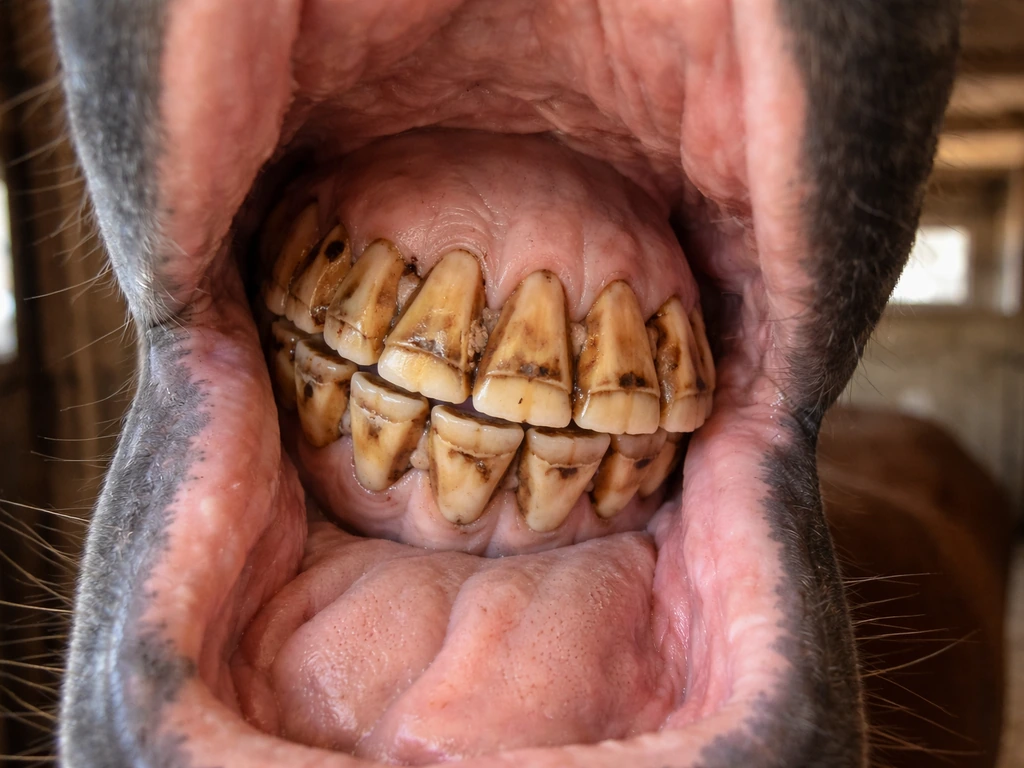
Do Horse Teeth Continue to Grow? What to Expect and Myths
Learn why horse teeth keep erupting, not regenerating, plus signs of overgrowth and when to seek vet dental care.
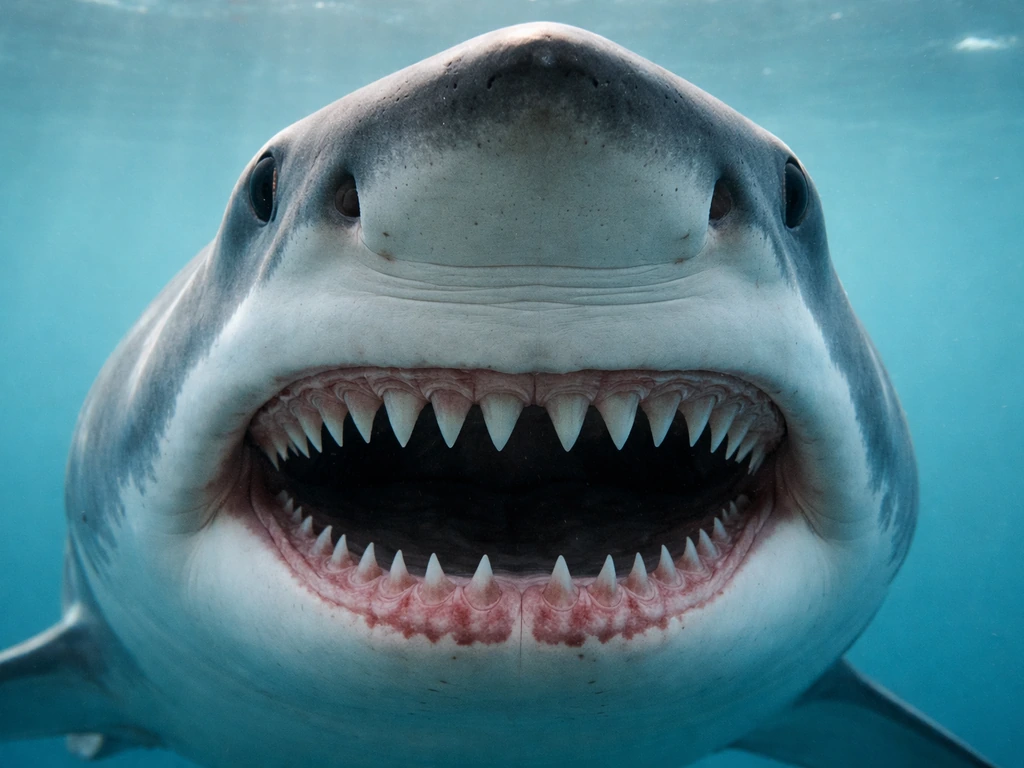
Do Sharks Grow New Teeth How Replacement Works
Yes, sharks replace teeth throughout life. Learn how new teeth form, how often it happens, and why it differs from human
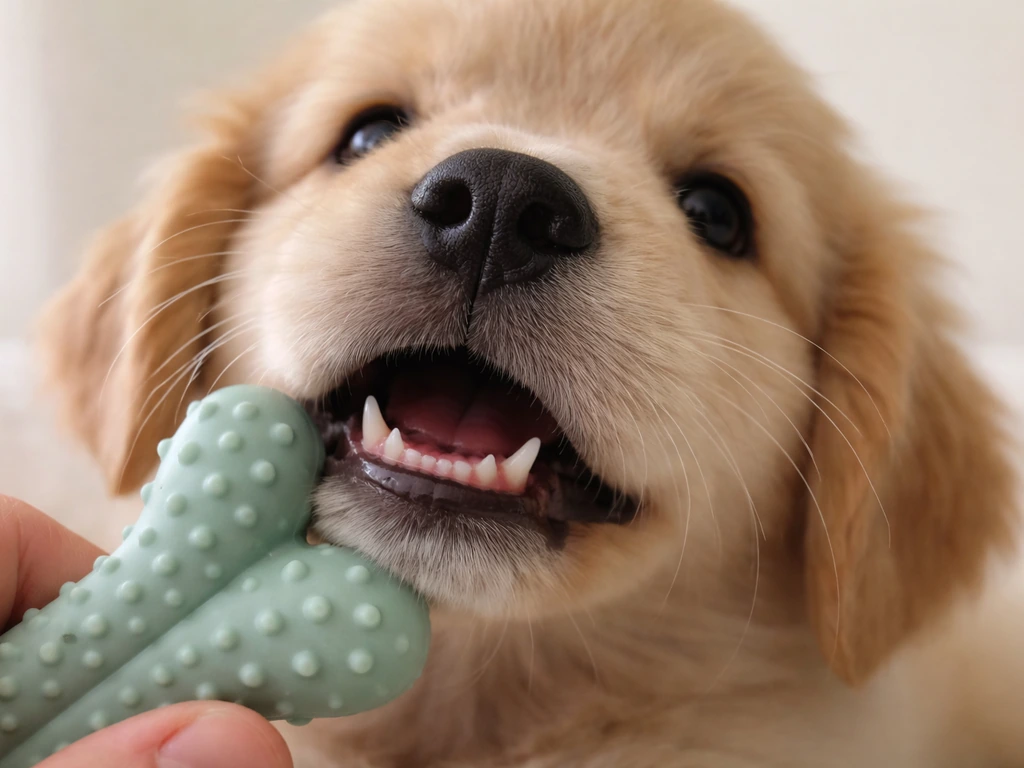
Can Dogs Grow New Teeth? Puppy Timeline and Facts
Learn if dogs can grow new teeth, puppy eruption timeline, canine tooth timing, and why adults dont regrow lost teeth.