Do sharks grow new teeth? The direct answer
Yes, sharks do grow new teeth, but not quite in the way most people picture it. It is not like a shark loses a tooth on Monday and a fresh replacement pops up by Friday in that exact same socket. The reality is more impressive than that: sharks run a continuous, assembly-line replacement system that churns out new teeth throughout their entire lives. From the moment a shark is born, replacement teeth are already queuing up behind the functional row, ready to slide forward when needed. So the short version is: yes, sharks grow new teeth constantly, and they never truly run out.
How shark teeth are actually made and replaced
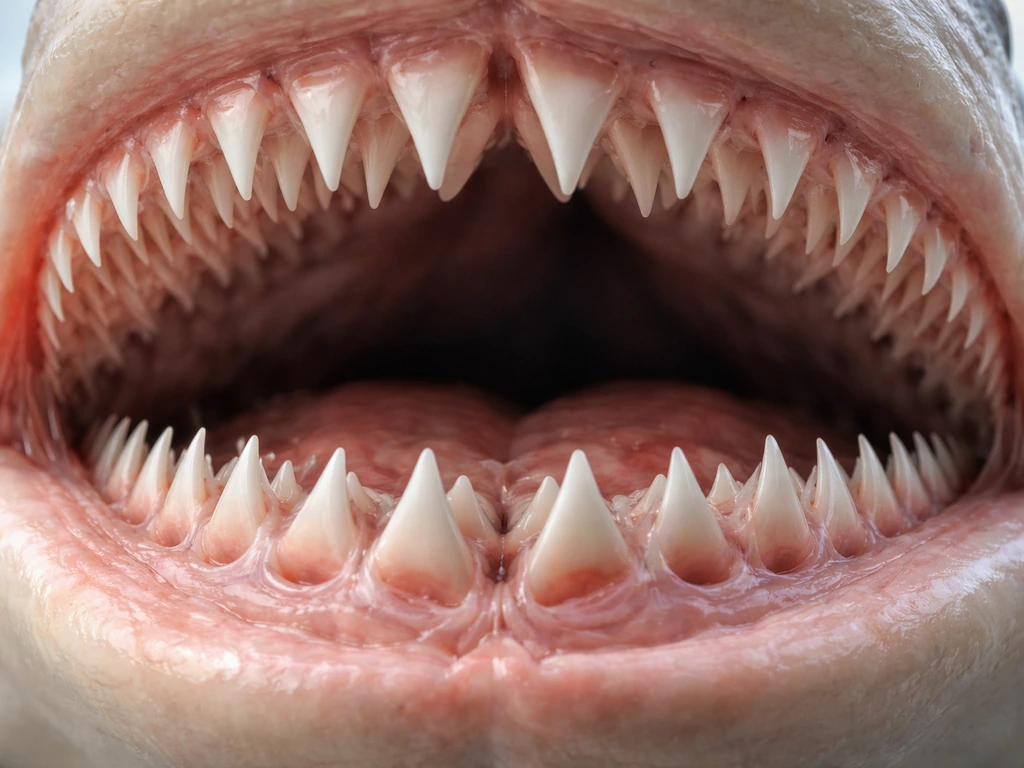
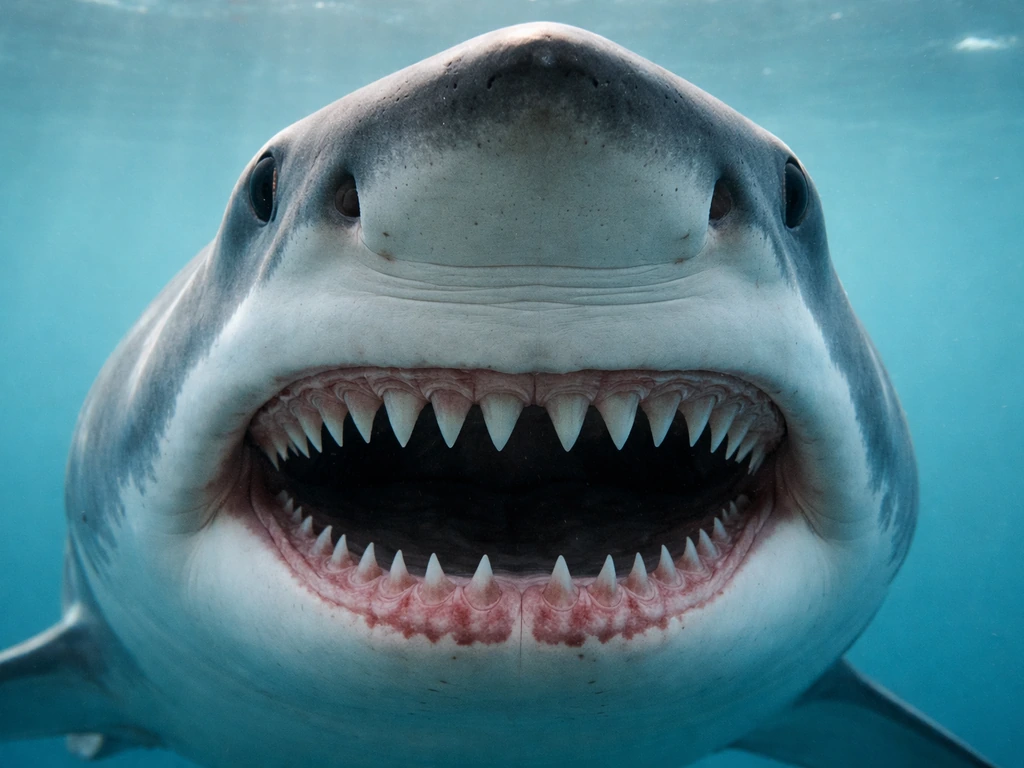
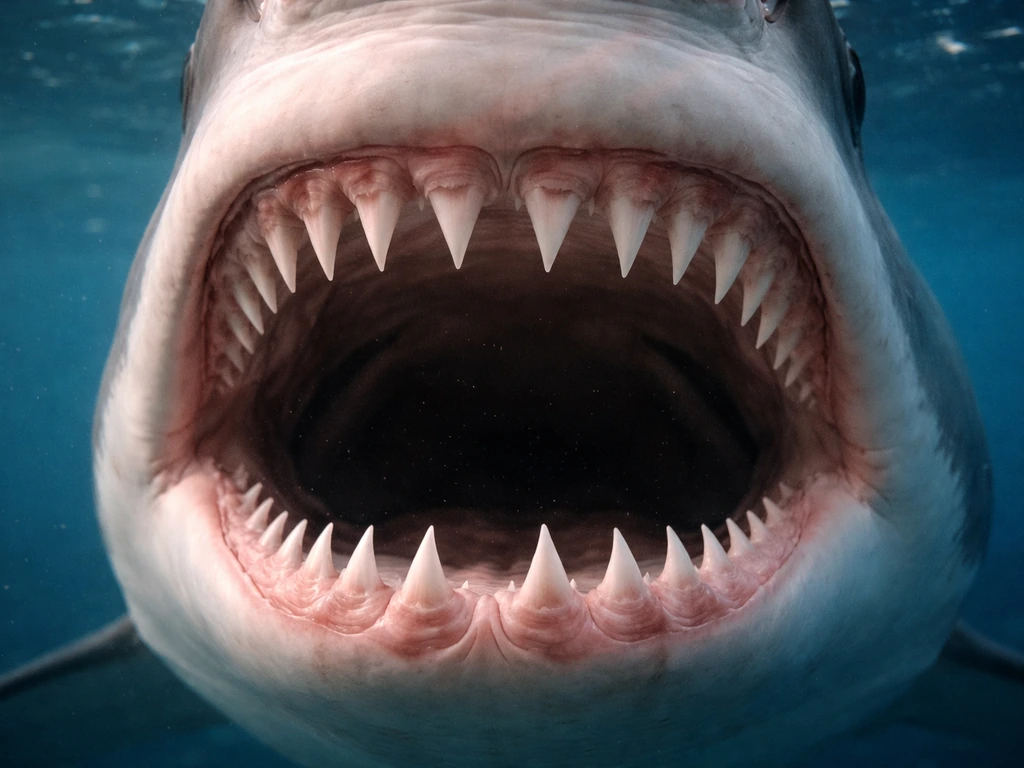
Shark teeth are not anchored in bone the way human teeth are. Instead, they are embedded in soft gum tissue and attached to the jaw by collagen fibers, which makes them much easier to shed. The real machinery behind replacement is a structure called the dental lamina, a band of epithelial tissue that runs the full length of the jaw. Think of it as a production line: the dental lamina continuously generates new teeth, which develop and mature in lingual rows (toward the tongue) before migrating forward into a functional labial position as older teeth are shed or worn down.
At any given moment, a shark may have multiple rows of teeth in various stages of development sitting behind the front functional row. This is the "conveyor belt" system you have probably heard about. New teeth form from the dental lamina, and as each developing tooth matures, it moves from its lingual starting point toward the labial (lip-facing) functional position. The older tooth in front either falls out naturally through wear, gets dislodged during feeding, or is pushed out as the replacement slides in to take its place.
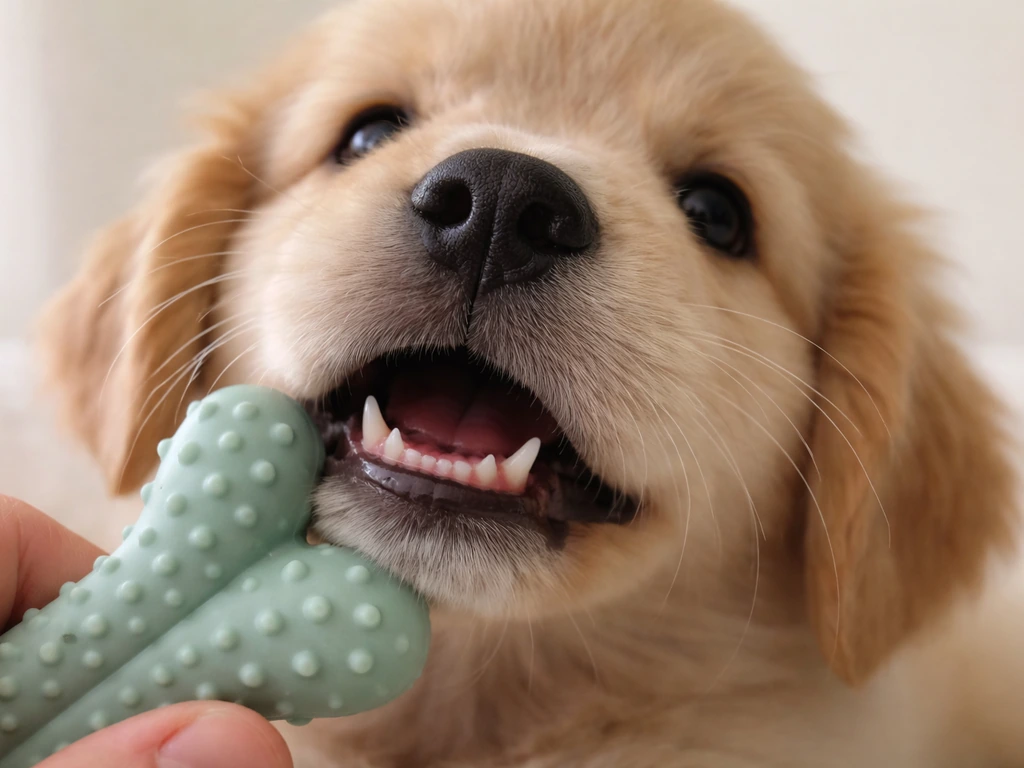
The stem-cell-linked machinery inside the shark dental lamina is what keeps this whole process running. Research has shown that this tissue maintains an actively regenerative character, very different from what happens in mammals. If you are curious how this compares to another group entirely, whether dogs can grow new teeth is a good comparison case, since dogs are mammals and face the same biological limits as humans once their adult set comes in.
"Growing teeth back" vs. continuous replacement: what's the real difference?
This is where a lot of the internet gets it wrong. Popular media often frame shark tooth replacement as "sharks grow their teeth back," which implies a shark loses one tooth and then regrows that specific tooth in that spot. That is not what happens. A shark does not regenerate a single lost tooth the way a lizard regenerates a tail. Instead, the replacement tooth was already developing in the row behind before the old tooth even fell out. The system is proactive, not reactive.
So technically, sharks do not "grow teeth back" in the regenerative sense. What they do is maintain a perpetual supply of ready-to-deploy teeth. The distinction matters because when people ask whether sharks can inspire human tooth regeneration treatments, the answer involves understanding this difference. Sharks have a dental lamina that never stops producing, while in humans, the dental lamina is active only long enough to produce two sets of teeth (baby teeth and permanent teeth) and then essentially shuts down. There is a detailed breakdown of the shark-specific mechanics worth reading if you want to go deeper: how sharks' teeth grow back covers the process step by step.
How fast and how often sharks replace their teeth
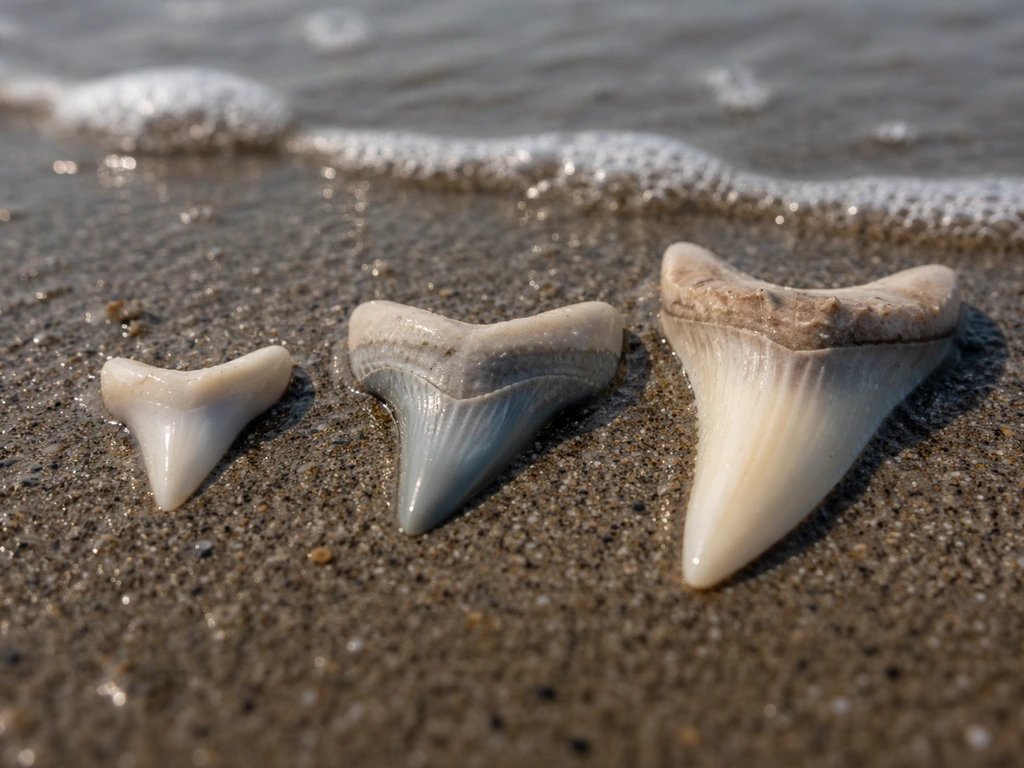
Replacement speed varies a lot by species, age, diet, and water temperature. That said, there are some solid quantitative benchmarks from actual research. Leopard sharks replace their teeth roughly every 9 to 12 days under normal conditions, while nurse sharks replace rows every 10 to 20 days during warmer months, slowing considerably to every 50 to 70 days in colder winter months. For sandbar sharks, row replacement has been estimated at about 18 to 36 days per row. These are not round numbers pulled from a general estimate; they come from studies tracking specific species under measurable conditions.
On a per-tooth basis, the spotted ragged-tooth shark (also called the sand tiger shark) has been documented losing and replacing teeth at an average rate of about 1.06 teeth per day. Over a lifetime, estimates suggest a great white shark may cycle through 20,000 or more teeth, though that figure should be treated as a rough order-of-magnitude estimate rather than a precise count. The key point is that tooth turnover in sharks is not occasional; it is essentially always happening.
Several factors influence how fast the system runs:
- Diet and feeding wear: sharks that eat hard, abrasive prey tend to wear through teeth faster, which can accelerate replacement turnover
- Water temperature: warmer water speeds up biological processes including tooth development, while colder water slows everything down
- Age: younger, faster-growing sharks may replace teeth more quickly than older adults
- Tooth morphology: teeth with different shapes and structures (cutting blades vs. crushing teeth) have different wear rates and therefore different replacement timelines
Tooth replacement driven by diet-related wear rather than just fracture or loss is an important concept. It means the replacement system is not just an emergency backup; it is an active maintenance program matched to how hard the shark is working its teeth. This kind of wear-matched replacement is actually seen in other animals too. For instance, horse teeth continue to grow throughout life to compensate for constant grinding wear, though that is continuous eruption rather than serial replacement.
Shark tooth replacement vs. human tooth regrowth: a real comparison
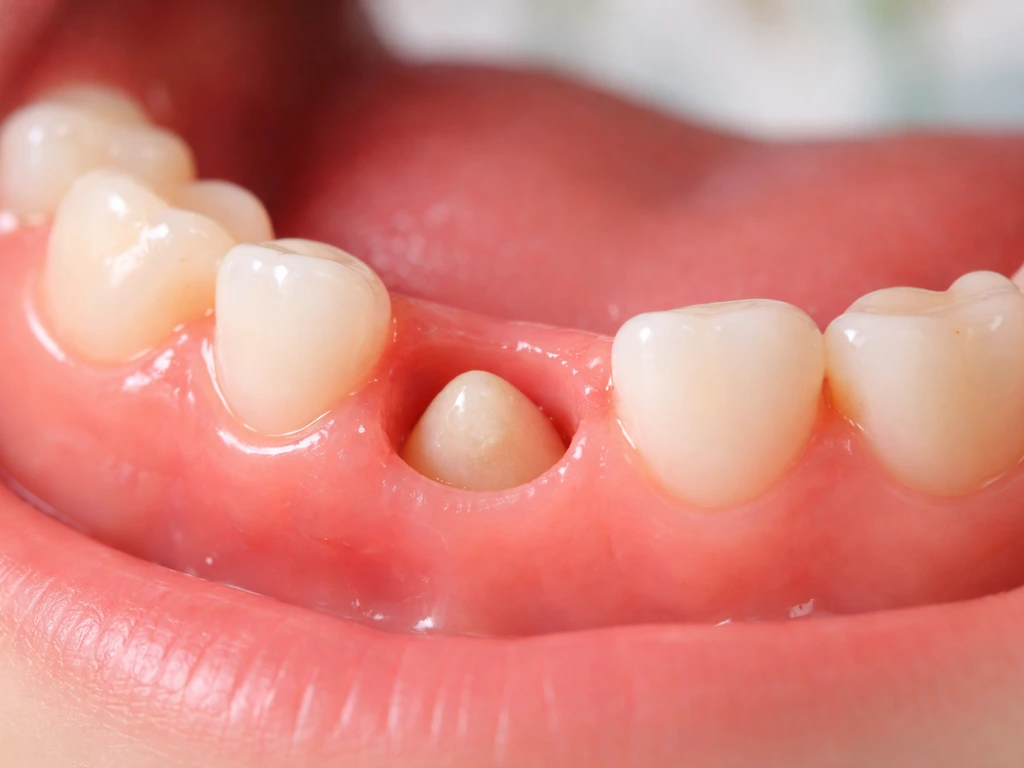
Humans get exactly two sets of teeth: a deciduous (baby) set and a permanent adult set. That is it. Once your adult teeth are in, the dental lamina that produced them has largely broken down, leaving only small pockets of inactive tissue rather than an ongoing production system. There are no replacement teeth queued up behind your molars. If you lose an adult tooth to decay, gum disease, or injury, nothing grows back naturally.
This is not a design flaw unique to humans; it is a feature of mammals broadly. Vertebrates like fish and reptiles can generate new teeth throughout life, but mammals have largely lost that capacity over evolutionary time. The dental lamina in mammals is active only long enough to produce those two generations of teeth and then degrades, leaving what researchers call "rested lamina" pockets that lack the regenerative machinery to produce a third set.
There is one exception worth knowing about: rodent incisors grow continuously throughout life because epithelial stem cells in a structure called the cervical loop stellate reticulum niche keep producing new tooth tissue. Rats actually rely on this system so heavily that tooth overgrowth is a genuine health concern if they cannot wear them down. The question of whether rats' teeth can grow into their brain is not just a curiosity; it illustrates what happens when continuous tooth growth goes unchecked. Similarly, squirrel teeth continue to grow throughout life for the same reason. But this is continuous elongation of existing teeth, not serial replacement of entire teeth the way sharks do it.
| Feature | Sharks | Humans | Rodents (incisors) |
|---|
| Number of tooth sets | Unlimited (continuous) | 2 (baby + adult) | 1 (continuously growing) |
| Replacement mechanism | New teeth from dental lamina conveyor belt | None after adult set | Continuous elongation from stem cell niche |
| Dental lamina activity | Active throughout life | Shuts down after 2nd set | Maintained in cervical loop niche only |
| Replacement timeline | Every ~9–36 days depending on species | No natural replacement | Continuous growth (not replacement) |
| Driven by wear | Yes, wear accelerates replacement | N/A (no replacement) | Yes, must wear down or overgrow |
| Stem cell involvement | Active regenerative dental lamina | Absent in adults | Cervical loop epithelial stem cells |
Researchers are actively working on ways to bridge this gap for humans. One major line of investigation involves blocking a protein called USAG-1 to stimulate dormant tooth-forming pathways. A first-in-human clinical trial involving USAG-1 inhibition to stimulate tooth regrowth began in 2023 in Japan, though this information should be treated as a cautious secondary reference [blocking a protein called USAG-1](https://en. wikipedia.
org/wiki/Tooth_regeneration). Blocking USAG-1 is being studied in a clinical-trial setting, with Phase 1 development reported as starting after October 2024 and last participant data collection completed in September 2025 [blocking a protein called USAG-1 to stimulate dormant tooth-forming pathways](https://www. smrj. go.
jp/incubation/report/2025/mimc180000002nry. html). As of 2025 and 2026, this approach has moved into clinical-trial progression, but it is not available as a treatment today. The bottom line for any adult who has lost a tooth: there is no natural regrowth happening.
Dental implants, bridges, and partial dentures remain the real-world solutions, and that is exactly why CDC data on tooth loss and edentulism continues to frame tooth replacement as a public health issue rather than a self-resolving one.
What shark biology actually tells us about tooth regeneration
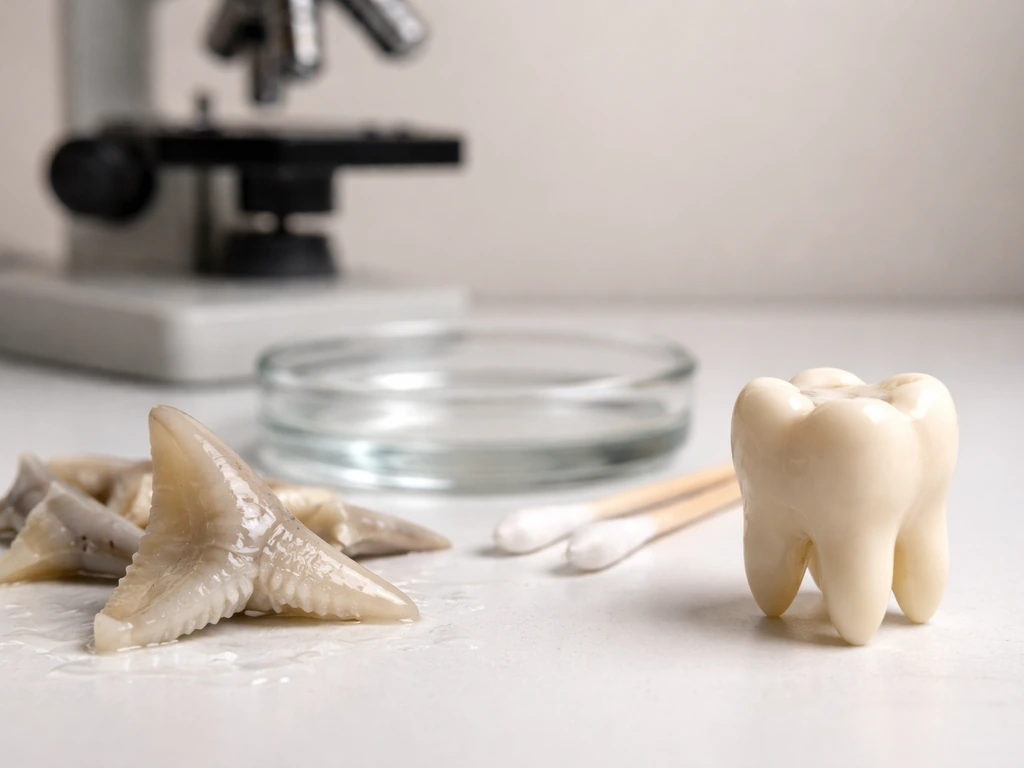
The reason shark tooth replacement gets so much attention in dental research is not because scientists think we can just copy the shark system directly into humans. It is because studying how the shark dental lamina maintains its regenerative capacity helps identify what biological switches mammals turned off over evolutionary time. Research has identified that the shark dental lamina shares certain stem cell characteristics with human rested lamina and even with a type of tumor called ameloblastoma, which tells scientists something important: the genetic and molecular toolkit for tooth formation still exists in humans in a dormant or corrupted form. The challenge is reactivating it safely.
Adult human teeth have no obvious ongoing source of the stem cells needed to produce new teeth. Any future regenerative dentistry approach will likely require introducing or reprogramming non-dental cells rather than simply awakening something that is already there waiting. That is a much harder problem than what sharks solve by just never switching off their dental lamina in the first place.
Other animals give us additional reference points for thinking about this. The leopard gecko, for example, replaces teeth at a rate of roughly once every 6.5 weeks per tooth position, showing that quantitative tooth replacement is not unique to sharks and can be studied across very different species. Across all these cases, the pattern is the same: animals with continuous or serial tooth replacement maintain active dental epithelial stem cell niches, while those without (like humans) have lost or suppressed that machinery.
How to think about tooth regeneration claims you read online
When you see headlines like "sharks regrow teeth instantly" or "scientists unlock shark secret to regrow human teeth," here is the filter to apply. Sharks do not regrow teeth instantly; they maintain a pre-loaded replacement queue that takes days to weeks per tooth depending on the species and conditions. Scientists studying sharks are identifying molecular mechanisms, not announcing a ready treatment. And no supplement, oil-pulling routine, or "natural remedy" you might read about triggers human dental lamina regeneration, because in adults that tissue is no longer functionally active.
If you have lost a tooth or are dealing with significant tooth damage, the most useful thing you can do right now is consult a dentist about evidence-based replacement options. Implants, bridges, and dentures are mature, well-studied solutions available today. Experimental regenerative approaches are genuinely promising but are still in clinical development. Do not wait on science fiction when real solutions exist.
The shark tooth story is fascinating and genuinely useful for research, but the practical takeaway for a human reading this is clear: you have one adult set of teeth, they do not regenerate, and protecting them matters more than any future promise of regrowing them. Sharks are extraordinary. Human dentition just works on completely different rules.