Do dogs grow new teeth?
The short answer: only once. Dogs get exactly two sets of teeth in their lifetime, a deciduous (baby) set and a permanent (adult) set. Puppies replace that first set naturally, but once the adult teeth are in, that's it. If an adult dog loses a tooth to injury, decay, or extraction, no new tooth grows back to replace it. There is no third set waiting in reserve. That's true for most mammals, and dogs are no exception.
This is one of the most common misconceptions dog owners run into, especially after a vet recommends pulling a damaged tooth. The worry is understandable: if the tooth is gone, is it gone forever? Yes, it is. Adult dogs do not regenerate teeth. What they can do, during puppyhood, is go through a very normal and well-documented process of losing baby teeth and growing permanent ones in their place. That process is worth understanding in detail, because it answers most of the "why isn't my dog's tooth in yet?" questions that bring people here.
Puppy vs. adult dentition: do dogs lose teeth and grow new ones?
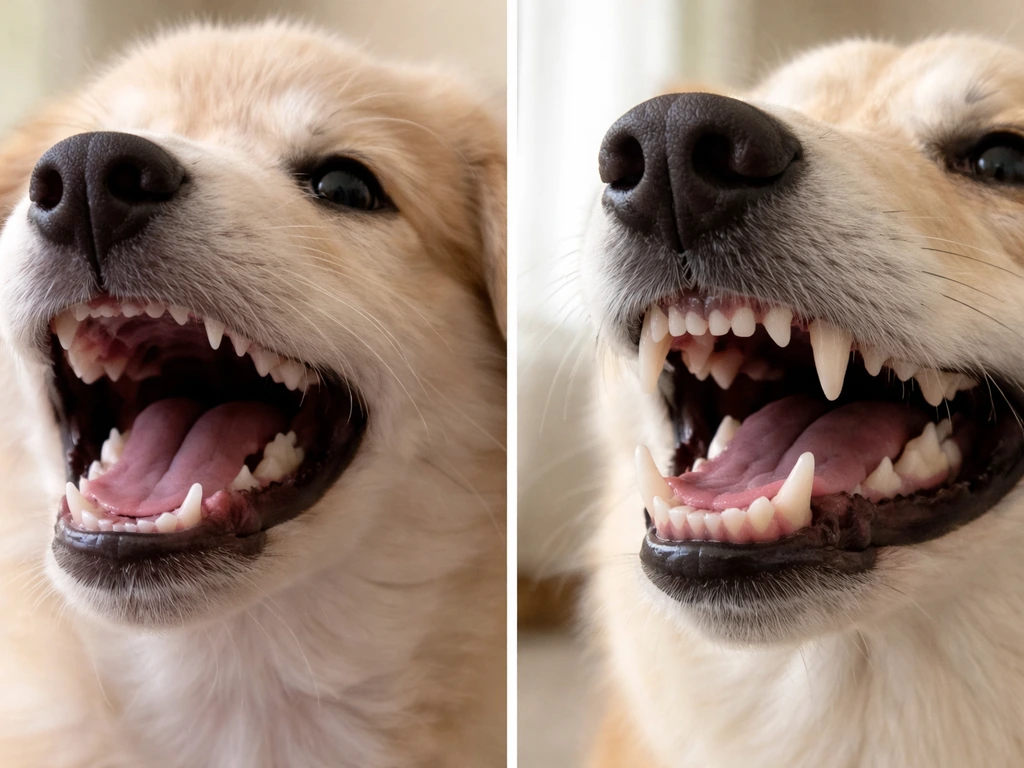
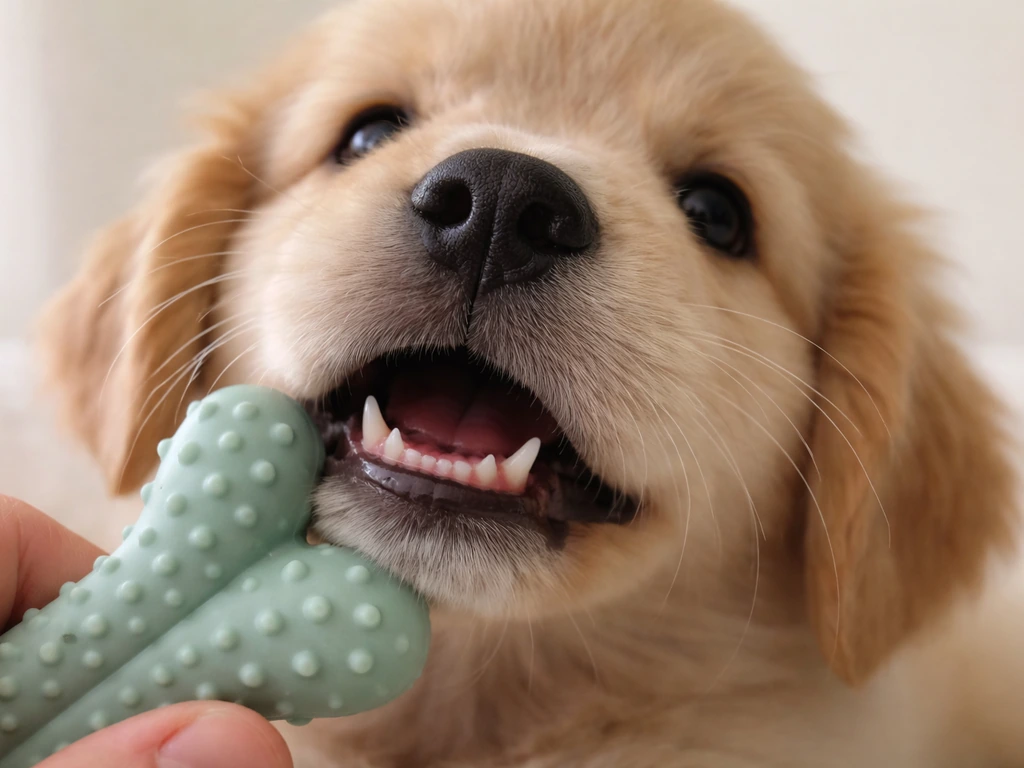
Yes, but only during puppyhood, and it happens exactly once. Puppies are born without teeth and develop a set of 28 deciduous teeth: 12 incisors, 4 canines, and 12 premolars (3 upper and 3 lower on each side). Starting at around 3 months of age, those baby teeth begin falling out as permanent teeth push up from below. The adult set that replaces them totals 42 teeth, including 12 incisors, 4 canines, 16 premolars, and 10 molars. That 14-tooth difference comes from the addition of molars, which have no deciduous predecessors at all.
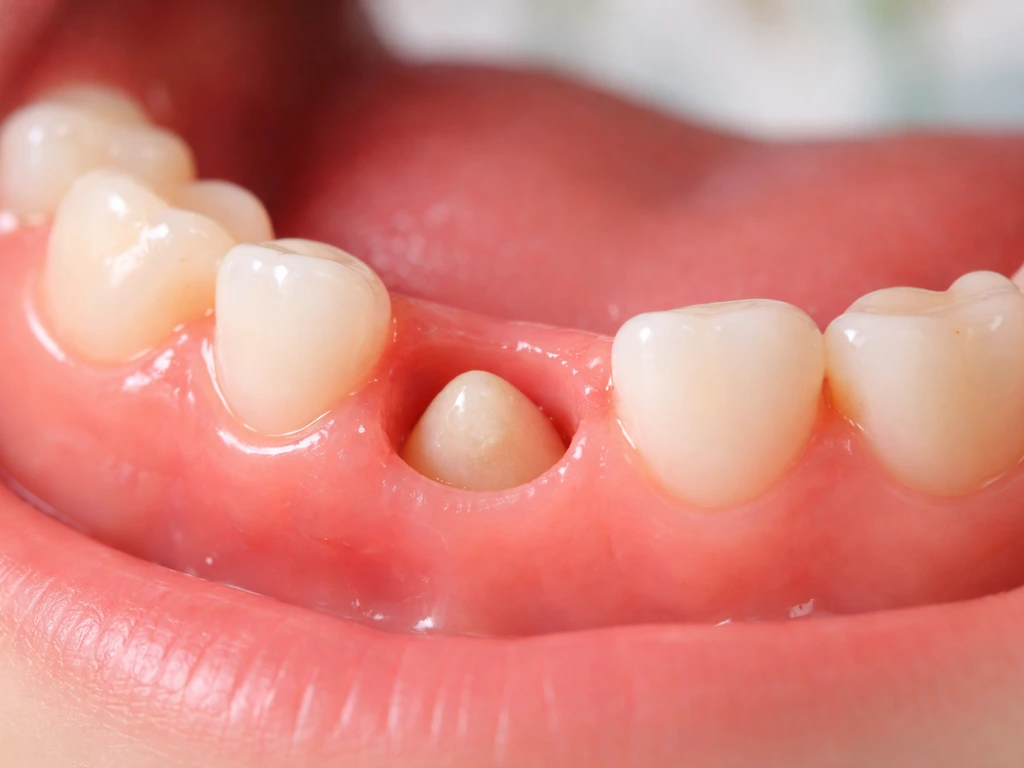
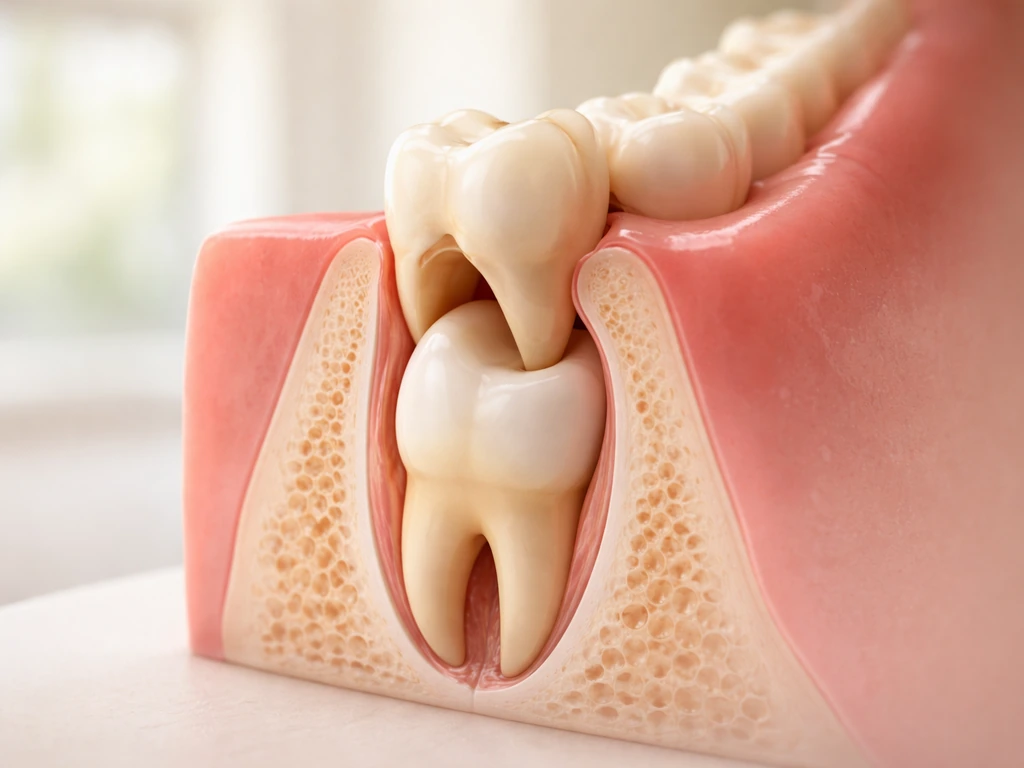
The mechanism behind exfoliation is biological, not random. As the permanent tooth develops and its crown pushes upward, it puts pressure on the root of the baby tooth above it. That pressure triggers resorption of the deciduous root, which is what loosens the baby tooth and eventually causes it to fall out. When the system works correctly, the permanent tooth slides into the space left behind. When it doesn't work correctly, you can end up with a retained deciduous tooth, which is a baby tooth that stays put even though the adult tooth is trying to erupt alongside it. That scenario causes problems and usually requires a vet's help.
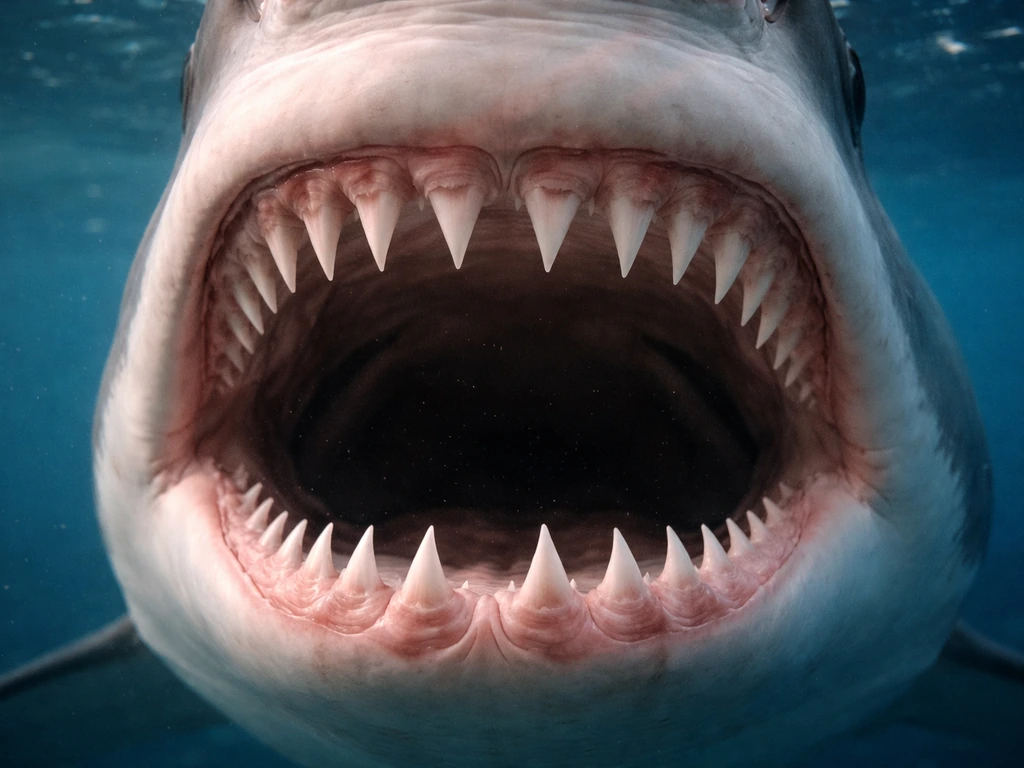
After this replacement phase is complete, no further tooth eruption or replacement occurs in a healthy adult dog. If you've ever wondered how this compares across species, it's interesting to note that some animals handle tooth replacement very differently. For instance, do sharks teeth grow back covers how sharks use a completely different biological strategy, replacing teeth continuously throughout their lives rather than relying on a fixed two-set system like dogs do.
When do dog teeth grow in and when are they fully grown?
The full eruption timeline spans roughly the first 7 to 8 months of a puppy's life. Deciduous teeth start emerging at about 3 weeks of age and the baby set is typically complete by 6 to 8 weeks. Then, starting around 3 months, the permanent teeth begin pushing through as the baby teeth fall out. According to USDA APHIS guidance, most dogs have their full complement of 42 adult teeth by about 7 to 8 months of age. The process isn't instantaneous; different tooth types come in at different times, and canines in particular take longer than the rest.
| Tooth Type | Deciduous Eruption | Deciduous Loss (Exfoliation) | Permanent Eruption |
|---|
| Incisors | 3–5 weeks | ~3–4.5 months (12–18 weeks) | ~3–5 months |
| Canines | 3–5 weeks | ~5–6 months (20–24 weeks) | ~5–6 months |
| Premolars | 4–12 weeks | ~4–7 months (16–28 weeks) | ~4–6 months |
| Molars | No deciduous predecessors | N/A | ~5–7 months |
By 6 months, most of the process should be wrapping up. If permanent teeth still haven't appeared by 7 months, that's when veterinary dental specialists consider delayed eruption a clinical concern worth investigating.
How dog teeth actually grow in (the eruption process, explained simply)
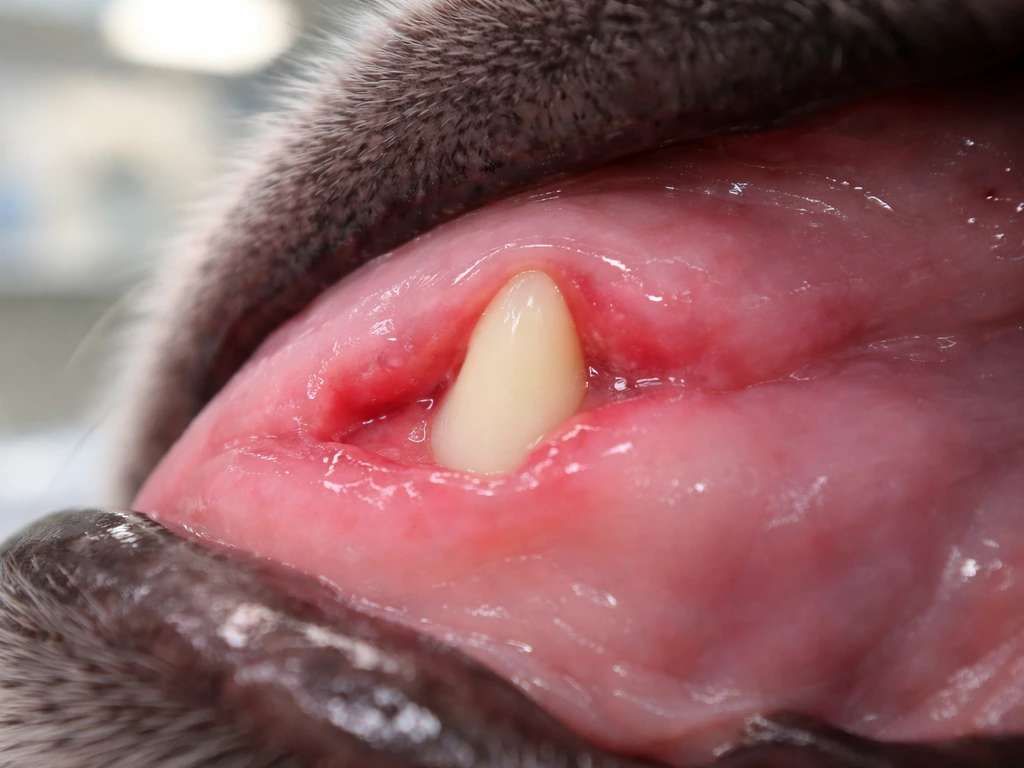
Teeth don't just pop through the gum one day. The process starts long before you can see anything. Each tooth begins as a "tooth germ," a cluster of specialized cells that goes through defined developmental stages: the tooth germ forms, then the crown calcifies, then the root begins to grow. Root growth is actually what drives eruption. As the root lengthens, it creates mechanical force that pushes the crown upward through the jawbone and then through the gum tissue.
Once the crown breaks through the gum (that's the moment we usually call "eruption"), the tooth continues to migrate upward until it reaches full functional height and makes contact with the opposing tooth. The whole journey from tooth germ formation to functional occlusion takes months, which is why teething is a prolonged process rather than a single event. During this time, puppies often chew more, may show mild gum swelling, and occasionally lose baby teeth you'll find on the floor or in their food bowl.
It's worth being clear about something here: eruption is a developmental process, not regeneration. The tooth was always there, forming in the jawbone. It's not "growing back" after being lost; it's completing a journey that started before the puppy was even weaned. This distinction matters because it explains why adult dogs can't do the same thing after losing a tooth to trauma or disease. There's no new tooth germ waiting to develop.
Why canine teeth take longer to grow in than the others
If you're watching a puppy's mouth and notice the pointy fang teeth seem to be lagging behind the rest, you're not imagining it. Canine teeth (the four fang-shaped teeth, one in each corner of the mouth) have a longer and more complex eruption path than incisors or premolars. They start forming deep in the jaw and have to travel a greater distance to reach their final position. The root is also proportionally longer and more robust than other teeth, and root growth takes more time.
Research on canine tooth impaction confirms that the eruption of permanent canines is among the most complex and lengthy processes in dental development, precisely because of the distance traveled and the tight spaces involved. Crowding in the jaw can slow things down further. If a baby canine is still firmly in place when the permanent one is trying to come through, the permanent tooth may deflect from its normal path. A retained deciduous canine is actually one of the leading risk factors for canine impaction, which is why vets often recommend extracting stubborn baby canines early rather than waiting.
This complexity is unique to canines and doesn't mean something is wrong. It just means canines follow their own schedule, and comparing them to the incisors (which usually come in first and fastest) will make them look delayed even when everything is normal.
How long canine teeth typically take to grow in
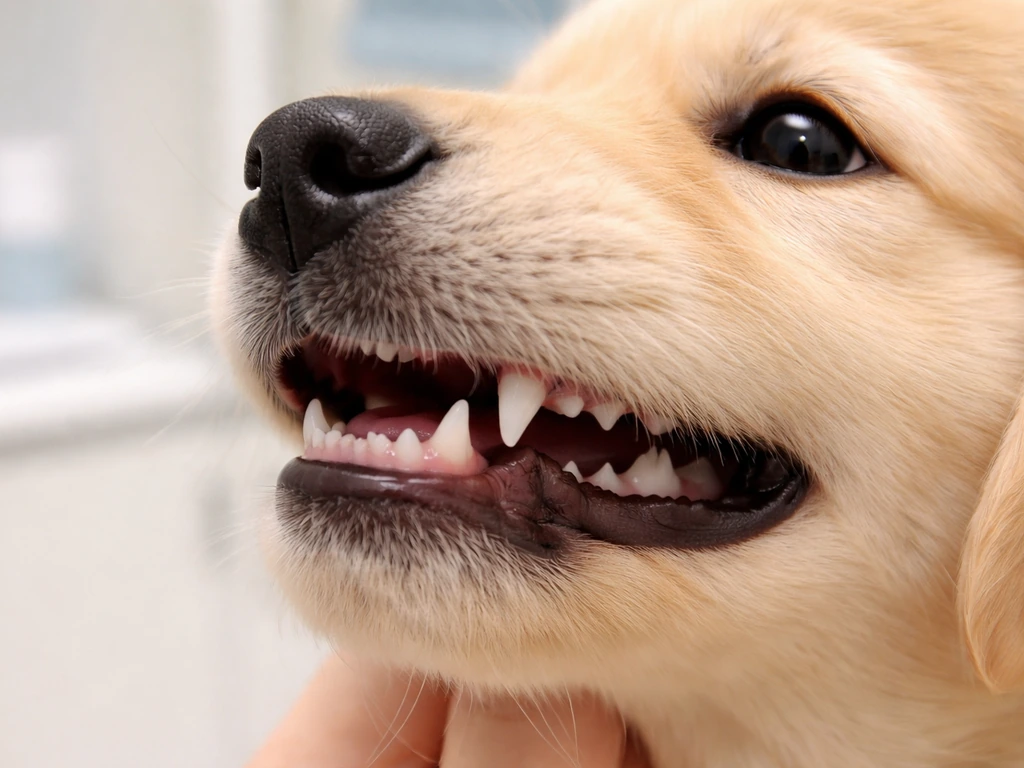
In practical terms, permanent canine teeth in dogs usually become visible between 5 and 6 months of age. The deciduous canines tend to fall out around the same window, between 20 and 24 weeks (5 to 6 months). If you're looking for a rule of thumb, by 6 months you should see the permanent canines starting to emerge, and by 7 months they should be clearly present and continuing to settle into their final position.
Texas Veterinary Dental Center guidance puts canine eruption at approximately 4 to 6 months, with the full adult set expected to be visible by 7 months. A practical clinic guideline from Maple Small Animal Clinic similarly notes that canines erupt at 5 to 6 months, a bit later than incisors, which typically arrive around 3 to 4 months. So if incisors are in and canines aren't yet by month 5, that's normal. If canines still aren't through by month 7, it's time to call your vet.
One thing that speeds things up or slows them down is whether the baby canine got out of the way. When a deciduous canine is retained (stays in), the permanent tooth can get deflected or stuck. Early identification and extraction of the retained baby tooth gives the permanent canine the best chance of erupting in the right place.
Do dogs keep growing teeth after teething, and when should you worry?
Once teething is done, typically by 7 to 8 months of age, healthy adult dogs do not continue to grow or erupt new teeth. The 42-tooth set is the final count. If you notice what looks like an extra tooth appearing in an adult dog, it's not regrowth. It's more likely a retained baby tooth that never fully fell out, or in rare cases a supernumerary tooth, which is an extra tooth arising from abnormal tooth bud development during the embryonic stage. Supernumerary teeth can be extracted only if they are causing problems, according to the Merck Veterinary Manual. Both the WSAVA 2025 Global Dental Guidelines and the Merck Veterinary Manual classify supernumerary teeth as developmental anomalies, not evidence of any ongoing tooth-generation ability.
Similarly, if a dog's tooth root fails to resorb properly during exfoliation, the remnant can persist in the gum and cause long-term problems including infection and interference with neighboring teeth. A ten-year retrospective study found that retained deciduous root remnants do not spontaneously resorb and can develop clinical complications over time, which is exactly why vets don't recommend taking a "wait and see" approach with them.
It's also worth noting that while dogs follow this strict two-set pattern, other animals operate very differently. Do horse teeth continue to grow explores how equine teeth work on a hypsodont system where the teeth grow continuously throughout life, which is a completely different biological setup from the fixed eruption pattern dogs follow. And for a look at the extreme end of the spectrum, do squirrels teeth continue to grow covers how rodent incisors never stop growing, a trait that requires constant wear to keep in check. Dogs are not built anything like either of those.
Warning signs that warrant a vet visit
- A permanent tooth still hasn't appeared by 7 months of age, this is the clearest sign of delayed eruption
- A baby tooth and a permanent tooth are both present in the same spot at the same time (retained deciduous tooth)
- The canine tooth is coming in at an odd angle or appears to be pushing against other teeth
- Gum tissue looks swollen, red, or thickened over a spot where a tooth should be emerging, as dense fibrous gum tissue can physically block eruption
- Any tooth appears after 8 months that wasn't there before, this is not regrowth and needs investigation
- Your dog seems to be in pain, avoiding chewing on one side, or pawing at their mouth during the teething window
The bottom line for adult dog owners who've had a tooth extracted or lost to injury: that space is permanent. Modern veterinary dentistry has good options for managing the consequences, from monitoring to dental implants in some cases, but the dog's own biology won't fill the gap. The American Veterinary Dental College (AVDC) sets the credentialing standards for veterinary dental specialists, and board-certified veterinary dentists are the right people to consult if you're dealing with a complicated eruption problem or a missing adult tooth and want to know what your options are.
For anyone curious about how other animals handle tooth loss more dramatically, it's worth knowing that do sharks grow new teeth answers that question in full. Their polyphyodont system, producing endless rows of replacement teeth throughout life, is about as far from the canine model as you can get. Dogs got two chances; sharks get unlimited ones. Do rats teeth grow into their brain also illustrates just how extreme continuous tooth growth can become when it goes unchecked, a problem dogs simply don't have.