Quick answer: do horse teeth keep growing?
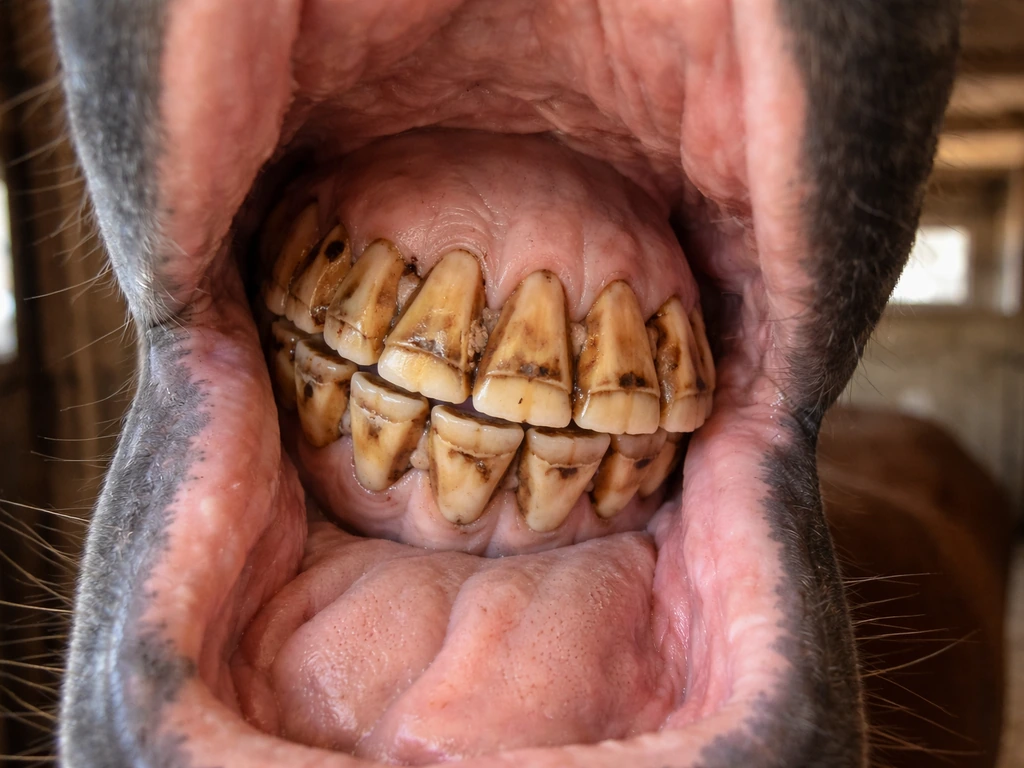
Yes and no, and the distinction matters. Horse teeth do not grow back after they are lost or severely damaged. There is no replacement tooth waiting in reserve for adult horses the way a permanent tooth replaces a baby tooth in humans or the way sharks continuously cycle through rows of teeth. What horses do have is a built-in biological strategy called hypsodont dentition: each tooth is extraordinarily long from root to crown, and it slowly erupts upward out of the jaw over the course of the horse's life. That gradual eruption replaces the surface that gets ground away by constant chewing. So the tooth is not regenerating. It is more like a very slow-moving elevator that was loaded at birth with a fixed amount of tooth, and it rides upward until the supply runs out.
Why horse teeth seem like they're always growing
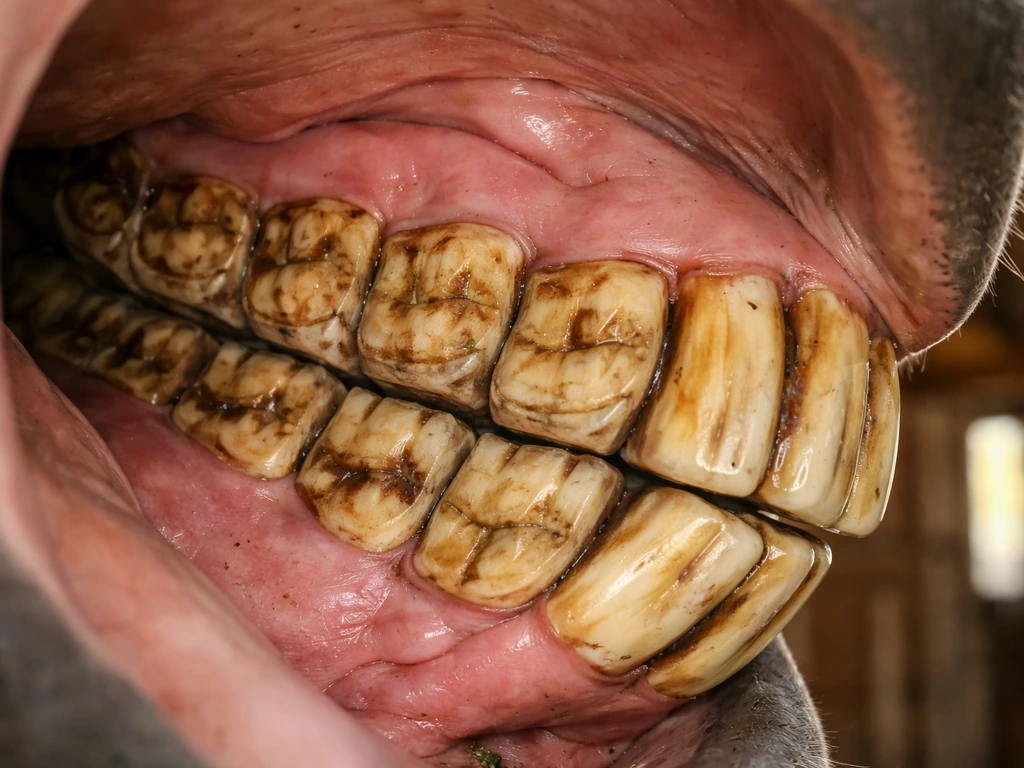
The confusion is completely understandable. Horses chew tough, abrasive forage for 16 or more hours a day, and the grinding surfaces of their cheek teeth would be worn to nothing within a few years if the teeth were shaped like ours. Evolution solved this problem by giving horses teeth with an enormous reserve of crown packed down into the jaw, plus a coating of hard cementum on the outside. As the exposed surface wears down, more crown erupts from below, keeping the chewing surface functional. This is continuous eruption, not continuous growth in the sense of new tissue being manufactured.
Think of it like a mechanical pencil. The lead does not regenerate, but you advance more of it as the tip wears down. The total amount of lead is fixed at the factory. For a horse, that factory is the developmental period before and shortly after birth, when the full reserve crown is laid down. From that point on, the tooth just reveals itself gradually. Researchers studying equine dental anatomy have noted that increased cementum deposition accompanies each newly erupting region of the clinical crown as it advances, which is part of why the process looks and feels so dynamic, but it is not true regrowth of tissue.
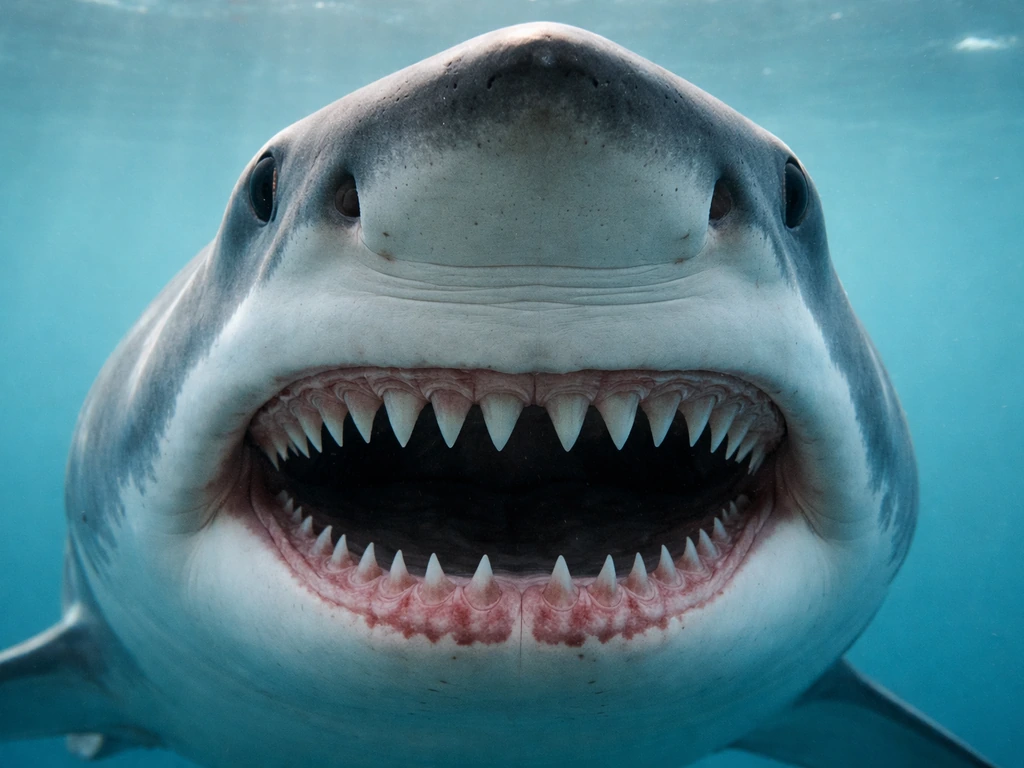
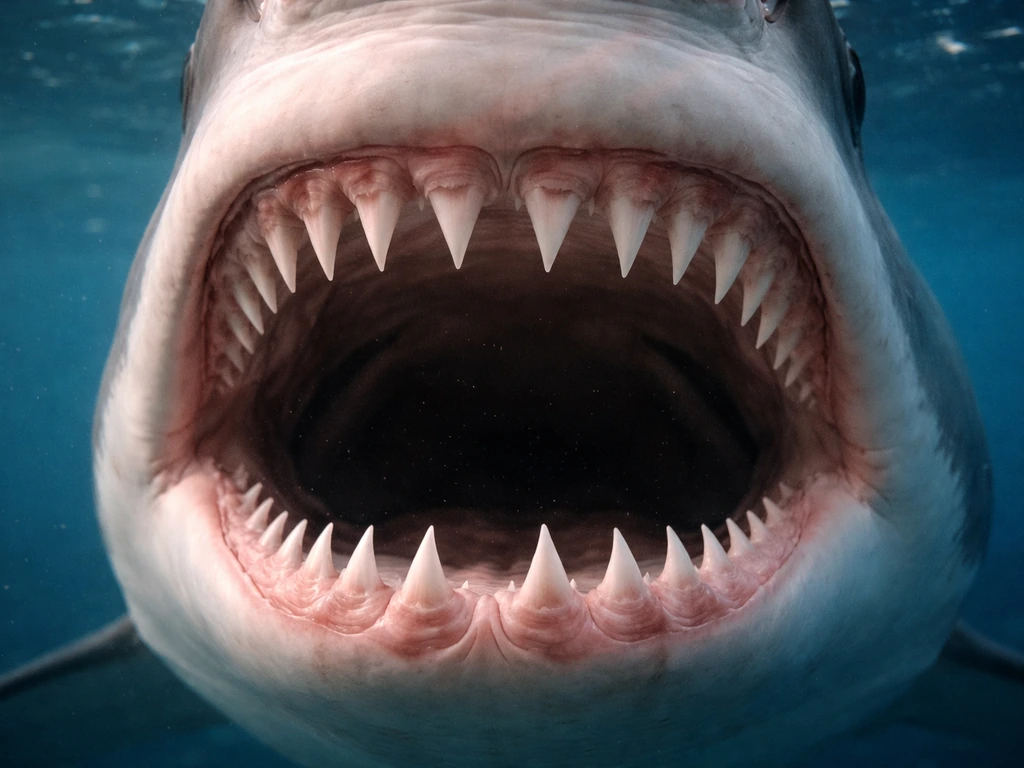
This is quite different from animals like sharks, which are polyphyodonts and genuinely produce new teeth in cycles throughout life. Do sharks grow new teeth? They are polyphyodonts, so they continuously replace teeth throughout life in cycles, rather than erupting one fixed reserve. Unlike sharks, which are polyphyodonts and replace teeth in cycles throughout life, horses have no third set waiting after adulthood sharks continuously cycle through rows of teeth. Horses, like humans, are diphyodonts: they get two sets (deciduous and permanent), and after that, there is no third set waiting.
Do horse teeth grow back after loss or damage?
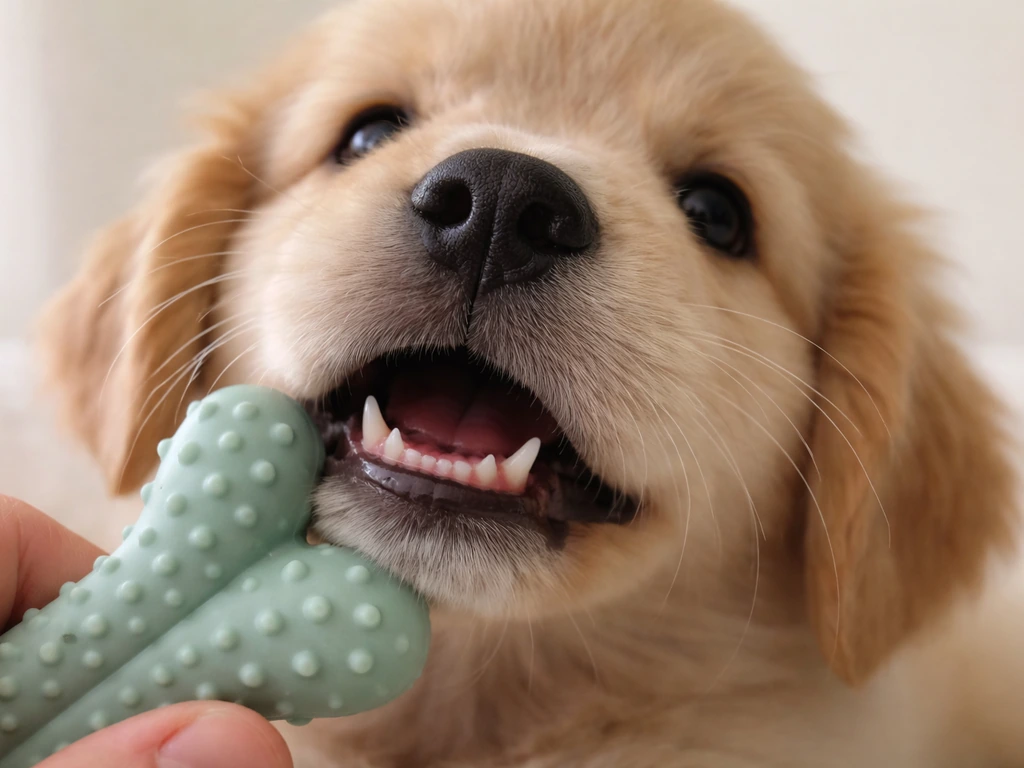
This is the part where internet folklore gets dangerously optimistic. You might be wondering if dogs can grow new teeth, but their dental biology is different from continuous erupting or cycling tooth patterns can dogs grow new teeth. No, horse teeth do not grow back after they are lost or badly damaged in adulthood. If a permanent tooth is knocked out by a kick or has to be surgically extracted because of a severe abscess or fracture, that tooth is gone for good. The neighboring teeth will gradually drift into the gap, opposing teeth may overgrow because they no longer have a surface to grind against, and the horse's ability to chew properly can be affected for years. None of that is reversible through any biological regeneration.
What can seem like regrowth to an inexperienced eye is simply continued eruption of a tooth that was damaged partway up the crown. If a horse chips the exposed portion of a cheek tooth and the root and reserve crown are still healthy, more of that tooth will eventually erupt into the space. That is not the tooth healing itself. It is the undamaged reserve continuing on its normal schedule. The damaged tissue does not repair. The horse is essentially burning through its remaining tooth supply faster on that side.
Deciduous (baby) teeth are the one genuine exception to the no-replacement rule, and only in young horses. Just as children lose milk teeth and permanent teeth emerge, foals lose their caps (deciduous premolars and incisors) and the permanent teeth come in underneath. That process is not regrowth. It is the second and final set arriving on schedule.
How much tooth a horse has, and how age changes everything
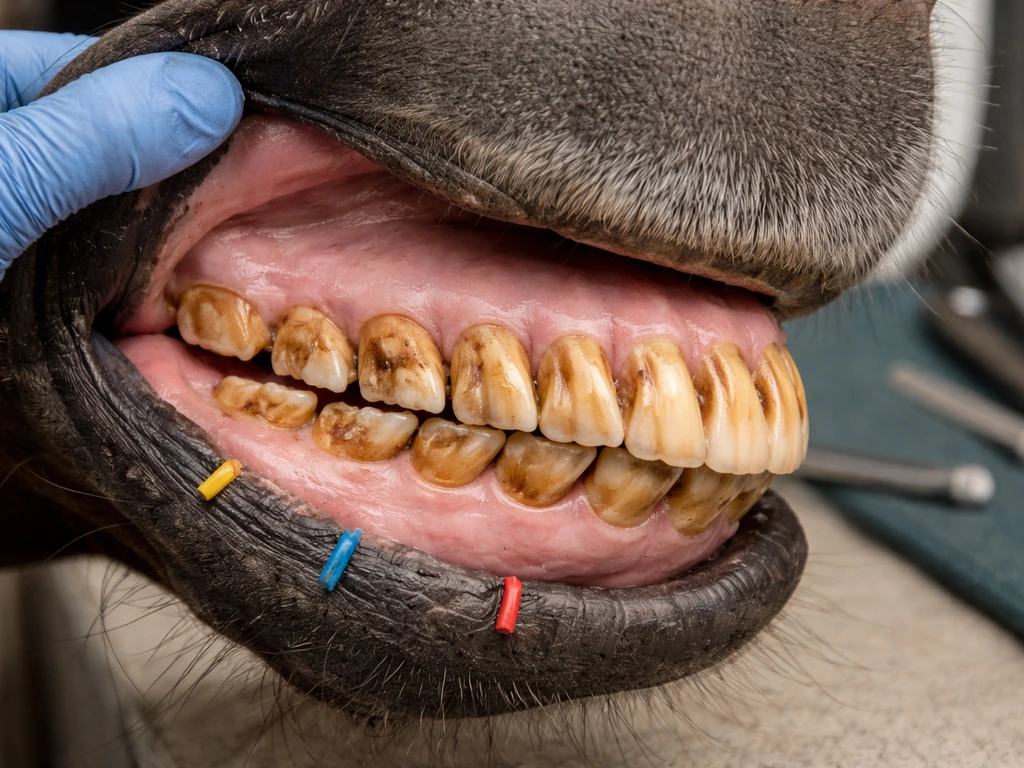
The total reserve of crown a horse is born with is roughly enough to last 25 to 30 years under normal wear conditions, which lines up with the typical lifespan of a domesticated horse. As each year passes, a measurable amount of crown is used up. Experienced equine vets and dentists have used this predictable rate of eruption for centuries as a way to estimate a horse's age by examining the wear patterns and angle of the incisors, a technique that gets less precise as the horse gets older because individual variation increases.
The wolf tooth (first premolar, P1) typically erupts at around 5 to 6 months of age and is often removed in performance horses because of the discomfort it can cause with bit pressure. The permanent incisors and cheek teeth come in on a fairly predictable schedule through the first 5 years of life. After that, the horse is considered to have its full permanent set, and the slow upward eruption continues from there until the reserve is exhausted in old age.
| Life stage | What is happening with the teeth | Key concern |
|---|
| Foal (0–6 months) | Deciduous incisors erupting; wolf tooth may appear around 5–6 months | Normal eruption, monitor for retained caps |
| Young horse (1–5 years) | Permanent teeth replacing deciduous set; significant dental activity | Caps, sharp points, malocclusion during transition |
| Prime adult (6–15 years) | Full permanent set, steady eruption compensating for wear | Sharp enamel points, hooks, annual floating needed |
| Mature horse (16–20 years) | Reserve crown reducing; eruption rate still active but reserve shrinking | Uneven wear, wave mouth, more frequent checks needed |
| Senior horse (20+ years) | Reserve nearly exhausted; teeth may become loose or smooth | Loose teeth, quidding, weight loss, soft diet considerations |
Signs of dental trouble you can spot at home
You do not need a speculum or a dental pick to notice that something is off. Horses hide pain well, but dental problems big enough to affect eating or comfort almost always show up in behavior and body condition if you know what to look for.
- Quidding: dropping partially chewed wads of hay or grass from the side of the mouth. This is one of the most reliable signs of mouth pain or tooth problems.
- Weight loss or poor condition despite eating: if the teeth cannot grind feed properly, the horse cannot extract enough nutrition from it.
- Whole grain in the manure: undigested grain passing straight through means the molars are not doing their job.
- Head tilting or one-sided chewing: horses favor the comfortable side when one area of the mouth hurts.
- Resistance to the bit, head tossing, or reluctance to flex at the poll in ridden horses: wolf teeth, sharp points, or hooks can make bit contact painful.
- Bad breath or nasal discharge from one nostril: can signal a tooth root abscess, particularly in the upper cheek teeth whose roots sit close to the sinus cavities.
- Slow eating or apparent reluctance to eat hard feeds: another flag for mouth discomfort.
- Facial swelling along the jaw or cheek: may indicate a tooth root infection or fracture.
None of these signs proves a dental problem on its own, but any of them is a reason to call your vet sooner rather than waiting for the next scheduled visit. In senior horses especially, dental issues and weight loss form a feedback loop that can deteriorate quickly once it starts.
What to do next: exams, floating, and when to get urgent help
Routine dental care
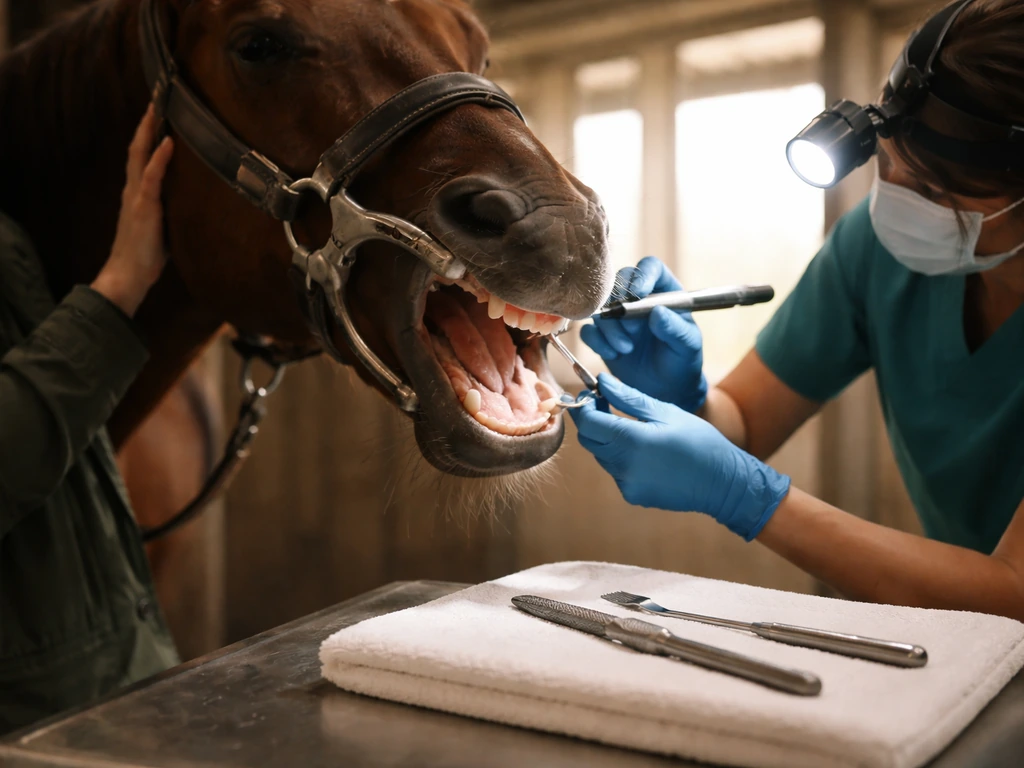
The American Association of Equine Practitioners blank" rel="noopener noreferrer">recommends that horses receive a dental exam at least once a year. For horses over 10 years old, every 6 months is often a better target because the reserve crown is shrinking, eruption patterns can become irregular, and problems compound faster. Younger horses going through the deciduous-to-permanent transition (roughly ages 2 to 5) also benefit from more frequent checks during those active years.
Floating is the most common procedure you will hear about. It means rasping down the sharp enamel points that form on the outer edges of the upper cheek teeth and the inner edges of the lower cheek teeth as a result of the slightly offset grinding motion horses use. Left alone, these points cut into the cheeks and tongue, cause pain, and interfere with proper chewing. Floating does not shorten the horse's total tooth supply in any meaningful way. It just keeps the working surface safe and functional.
Other common procedures
- Wolf tooth extraction: commonly done in young horses before bit training to prevent discomfort during riding.
- Cap removal: sometimes deciduous teeth (caps) do not shed on their own and need to be removed so the permanent tooth can erupt properly.
- Hook and ramp reduction: hooks form on the first upper cheek tooth and last lower cheek tooth when the jaw is slightly misaligned; they can cause significant pain and restrict jaw movement.
- Molar extraction: for severely fractured, abscessed, or infected teeth that cannot be saved; this is a significant procedure requiring sedation and specialist involvement in many cases.
- Dental radiography: increasingly common in equine dentistry to assess root health, tooth position, and sinuses before making treatment decisions.
When to call the vet today rather than waiting
If your horse shows sudden changes in eating behavior, noticeable facial swelling, one-sided nasal discharge, or rapid weight loss, those are not wait-and-see situations. A tooth root abscess can drain into the sinus and become a serious systemic problem. A fractured cheek tooth with a sharp shard can lacerate soft tissue with every chew. Get a vet out promptly rather than scheduling around the next routine visit.
The bottom line on horse dental biology is simpler than it sounds: horses are not perpetual tooth-growing machines, and they are not regenerating anything after damage. They have a long but finite supply of tooth that erupts gradually to match the rate of wear. Respecting that biological limit, scheduling regular exams, and catching problems early is the only practical way to keep a horse comfortable and well-nourished across its full lifespan. Other animals like squirrels and rats have genuinely open-rooted continuously growing teeth, which is a meaningfully different strategy. Do rats have continuously growing teeth that keep growing into adulthood do rats teeth grow into their brain. Horses are not in that category, and treating them as though they are leads to neglect of real dental problems.