
Here is the straight answer: human teeth grow back exactly once. You get your baby teeth first, they fall out, and your permanent teeth replace them. That is it. There is no third set waiting in your jaw, no biological reset button, and no natural process that will grow a new adult tooth after one is lost. If you have heard otherwise, it is almost certainly a myth, a misunderstanding, or wishful thinking.
How Many Times Do Your Teeth Grow Back? Facts

Marcus Holloway
12 Apr 2026
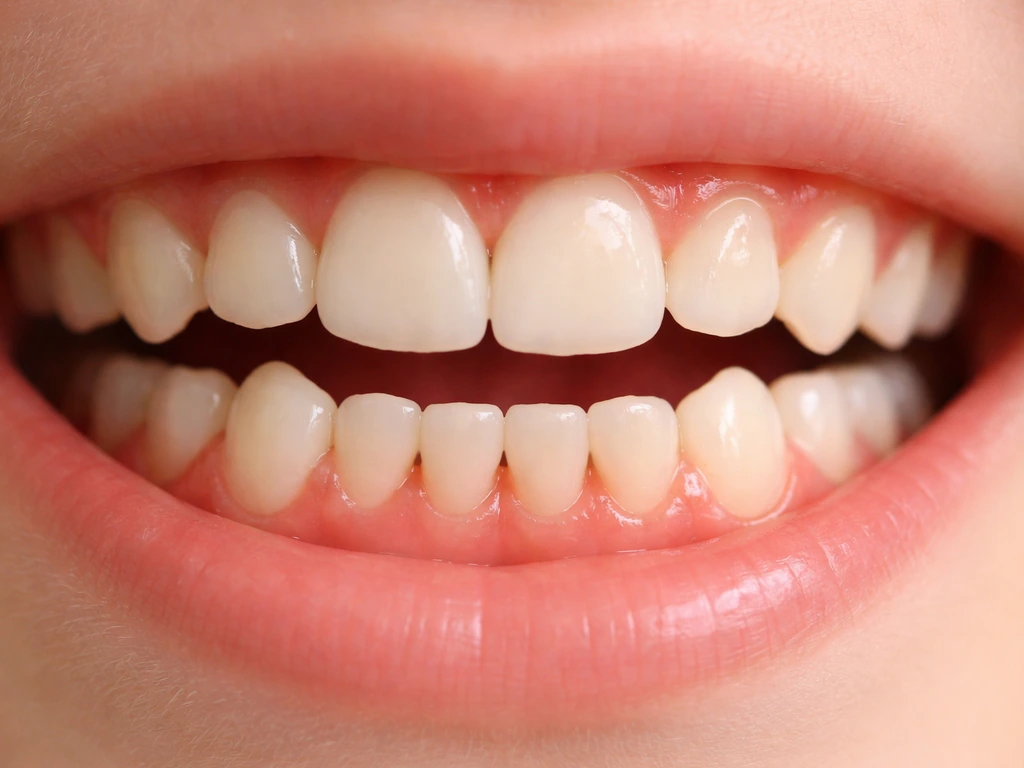
How Many Times Do Teeth Actually Grow Back
The count is simple: once. Humans are diphyodonts, meaning we develop two sets of teeth across a lifetime. Set one is the primary (baby) dentition, totalling 20 teeth. Set two is the permanent dentition, totalling 32 teeth including wisdom teeth. The biological sequence runs baby to permanent, full stop. There is no documented natural mechanism for a third set to appear in a healthy adult human. can teeth grow back 3 times is a question many people genuinely ask, and the honest answer is no, they cannot under any normal biological circumstances.
That single replacement is not universal across all your teeth, either. Which teeth grow twice matters here: only the teeth that have a baby predecessor actually go through a replacement cycle. Your permanent molars (the large back teeth) never had a baby version at all. They are called accessional teeth because they erupt into spaces that open up as your jaw grows, not in place of something that fell out. So in a technical sense, those molars only ever grow once, not twice.
If you want a more detailed breakdown of how many times a tooth can grow for different tooth types, the short version is: incisors, canines, and premolars go through two rounds (baby then permanent), while molars only go through one. Wisdom teeth are permanent molars and follow that same single-eruption pattern.
Why Adult Teeth Cannot Grow Back After They Are Lost
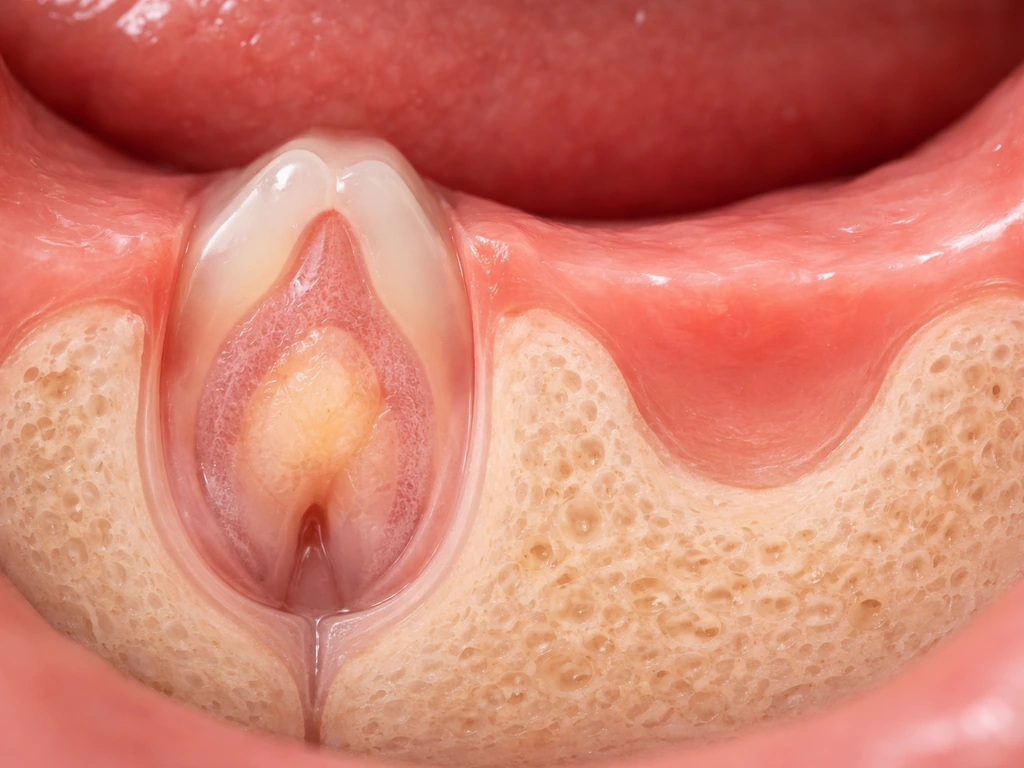
Once a permanent tooth is gone, whether from decay, trauma, or extraction, nothing in your body will grow a replacement. The reason comes down to biology: tooth development is a tightly timed process that happens during specific windows of childhood and adolescence. Once those developmental windows close, the signaling pathways that direct tooth formation become dormant. Your body simply does not have a standing supply of tooth-forming cells (called dental follicle cells) waiting on standby in adulthood.
The tooth germ, which is the embryonic structure that eventually becomes a tooth, forms before birth or in very early childhood. There is one tooth germ per tooth, and once it has done its job, it is gone. There is no backup. Why teeth only grow twice comes down to this one-tooth-germ-per-tooth reality. Evolution gave us a functional second set to carry us through adulthood, but it did not build in a third option.
Some animals, like sharks, are polyphyodonts and can replace teeth continuously throughout their lives. Humans are not built that way. The genetic switches that would allow continuous tooth replacement are present in our genome but are switched off after permanent tooth development completes. Researchers are actively studying whether those switches could be turned back on therapeutically, but that science is still experimental and years away from clinical use.
Tooth Replacement Timelines: Baby Teeth vs Permanent Teeth
Understanding what is normal helps you know when something might be off. Baby teeth typically start erupting around 6 months of age and the full set of 20 is usually in place by age 3. Then, starting around age 6, the primary teeth begin to shed. According to established dental biology research, primary teeth are typically exfoliated between ages 6 and 12, with permanent teeth replacing them in a fairly predictable order. The lower central incisors usually go first, followed by the upper central incisors, then lateral incisors, first molars, canines, and second molars.
If you are a parent watching your child's teeth fall out, knowing how long milk teeth take to grow back as permanent teeth can ease a lot of anxiety. The gap between a baby tooth falling out and the permanent tooth fully erupting can range from a few weeks to a few months, depending on the tooth type and the child's individual development.
| Tooth Type | Baby Tooth Eruption | Baby Tooth Loss | Permanent Tooth Eruption |
|---|---|---|---|
| Central Incisors | 6–10 months | 6–7 years | 6–8 years |
| Lateral Incisors | 9–16 months | 7–8 years | 7–9 years |
| Canines | 16–23 months | 9–12 years | 9–13 years |
| First Molars | 13–19 months | 9–11 years | 9–11 years (as premolars) |
| Second Molars | 22–33 months | 10–12 years | 10–13 years (as premolars) |
| Permanent Molars (no baby version) | N/A | N/A | 6–12 years (1st), 11–13 years (2nd) |
| Wisdom Teeth | N/A | N/A | 17–25 years |
One thing worth noting: the primary molars that children lose are not replaced by permanent molars. They are replaced by premolars (also called bicuspids). The permanent molars erupt further back in the jaw as the jaw grows longer, filling new space rather than taking over an existing spot. This distinction is important and something even many adults do not realize.
What Actually Causes Teeth to Fall Out (and What Does Not Trigger Regrowth)
In children, baby teeth fall out because the developing permanent tooth underneath resorbs the root of the baby tooth above it. The baby tooth becomes loose and eventually comes out, and the permanent tooth fills the space. This is a natural, programmed process. Do milk teeth grow back after they fall out naturally? No. Once a baby tooth is out, it is gone. What grows in its place is the permanent successor.
In adults, teeth fall out for very different reasons: advanced gum disease (periodontitis), untreated cavities that destroy the tooth structure, trauma from injury, or medical conditions. None of these triggers any regrowth mechanism. Losing a permanent tooth as an adult simply leaves a gap. Your body interprets that space as a wound to heal, not as a cue to grow a replacement. The surrounding bone will actually begin to shrink (resorb) over time if no tooth or implant is present to stimulate it.
Some people wonder whether milk teeth can grow twice if they fall out prematurely due to trauma or decay before the permanent tooth is ready to erupt. The answer is no. A baby tooth that is knocked out or removed early does not regrow. This is why dentists sometimes place a space maintainer after early primary tooth loss, to hold the gap open until the permanent tooth is ready to come in.
What Can Actually Heal: Enamel and Gums vs True Tooth Regrowth
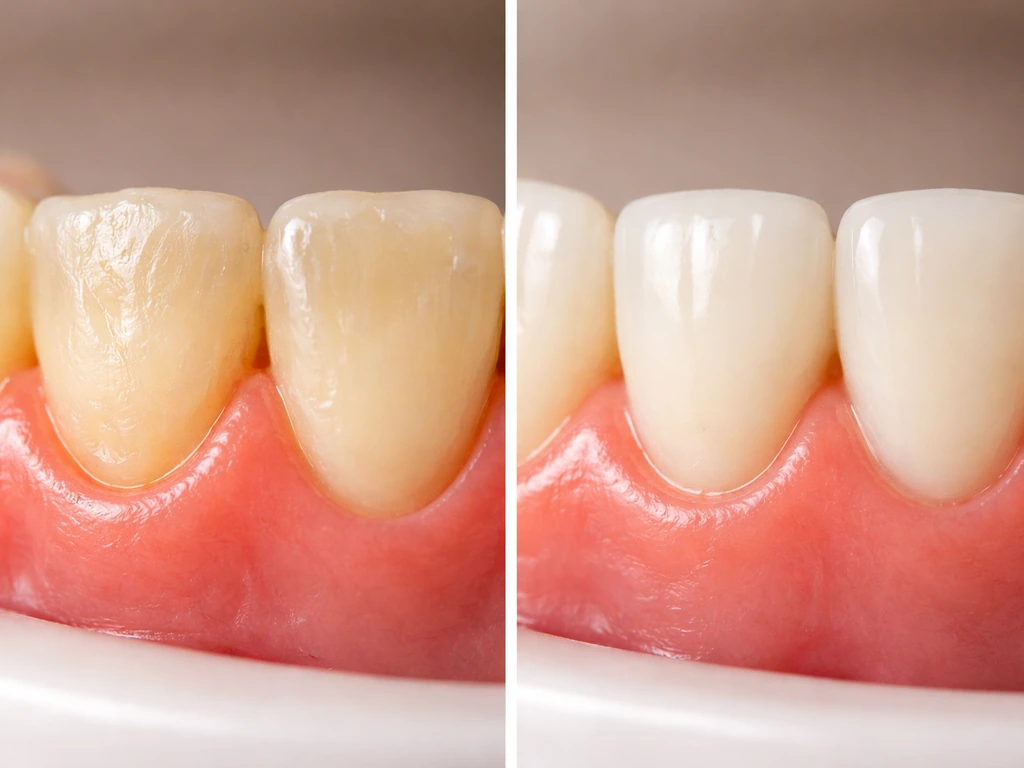
There is a lot of confusion online between healing and regeneration. They are not the same thing, and it matters practically.
blank" rel="noopener noreferrer">Enamel, the hard outer shell of your tooth, cannot regenerate. Once it is gone, it is gone. blank" rel="noopener noreferrer">Enamel is produced by cells called ameloblasts that die off after the tooth finishes forming. There are no ameloblasts left in an adult tooth to make new enamel. You might see products marketed as 'enamel repair' toothpastes, and while some of these can help remineralize very early-stage lesions (the very beginning of a cavity where enamel is softened but not yet physically gone), they cannot regrow enamel that has been lost. A full cavity requires drilling and filling. There is no shortcut.
Gums are a different story. Gum tissue can heal from cuts, irritation, and even mild inflammation. If you have early-stage gum disease (gingivitis), improving your oral hygiene and getting a professional cleaning can allow the gums to recover significantly. However, gums that have receded significantly due to advanced periodontitis generally do not grow back on their own. Gum grafting is a surgical procedure that can restore lost tissue, but that is a treatment, not natural regeneration.
Bone around the teeth can also partially remodel in response to treatment, which is why treating gum disease early matters. But significant bone loss is rarely fully reversed without surgical intervention. The key takeaway: healing is real and worth pursuing, but do not confuse it with growing a new tooth.
Real Scenarios: Cavities, Trauma, and Wisdom Teeth
Cavities
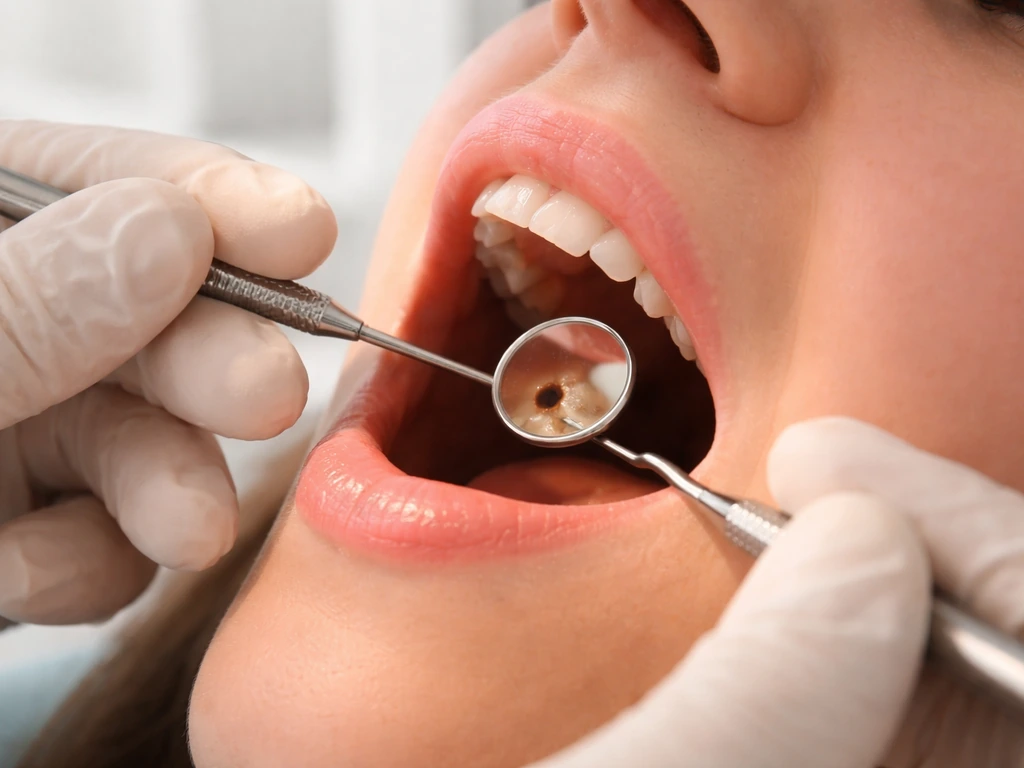
If you have a cavity, the damaged tooth will not heal itself and it will not be replaced by a new tooth. The decay needs to be treated. In the very earliest stages (a demineralized spot before a hole has formed), fluoride treatments and improved hygiene can sometimes halt or partially reverse the process. But once a cavity has progressed to the point of an actual hole, you need a filling. Left untreated, the decay reaches the pulp, which then requires a root canal or extraction. Once extracted, your options are a dental implant, a bridge, or a partial denture. No option involves natural regrowth.
Tooth Trauma
If you knock out a permanent tooth in an accident, you have a narrow window to potentially save it. A knocked-out adult tooth that is kept moist (ideally stored in milk or held in the cheek if you can) and brought to a dentist within 30 to 60 minutes can sometimes be reimplanted. The tooth does not regrow, but it can sometimes be successfully reattached. If reimplantation is not possible, a dental implant is generally the best long-term replacement. For a child who knocks out a baby tooth, the situation is handled differently because the baby tooth is not typically reimplanted, but the timing relative to when the permanent tooth is expected matters for space management.
Wisdom Teeth
Wisdom teeth are the last permanent teeth to erupt, typically arriving between ages 17 and 25, though timing varies. If yours have not come in yet and you are in your late teens or early twenties, it is possible they are still on their way. Many people have impacted wisdom teeth that need to be removed because the jaw does not have enough room. Once wisdom teeth are removed, they do not grow back. If you are experiencing wisdom tooth pain or pressure, see a dentist for X-rays to understand what is happening before assuming the worst.
Your Practical Next Steps
If you are reading this because you have lost a tooth or are worried about one, here is what to actually do:
- See a dentist as soon as possible. A lost or damaged permanent tooth is a time-sensitive issue. The sooner you get evaluated, the more options you have.
- Ask about dental implants for permanent tooth loss. A dental implant is a titanium post placed in the jawbone that supports a crown, functioning almost exactly like a natural tooth. It also prevents the bone loss that occurs when a gap is left unfilled.
- Consider a bridge or partial denture if an implant is not an option. These are prosthetic solutions that restore function and appearance without surgery.
- For early-stage issues like cavities or gum inflammation, commit to improved daily oral hygiene and get professional treatment. Early intervention is almost always cheaper and less invasive.
- For parents of young children: track your child's tooth loss and eruption against normal timelines. If a baby tooth has been gone for more than six months with no sign of the permanent tooth, have a dentist check with X-rays.
- Do not wait on a knocked-out tooth. Get to a dentist within the hour with the tooth kept moist.
The bottom line is straightforward: teeth grow back once in a human lifetime, moving from baby to permanent. After that, any tooth you lose stays lost unless a dentist steps in. The good news is that modern dentistry has excellent options for replacing missing teeth, but none of them are free or effortless. Protecting the permanent teeth you have is always going to be easier and cheaper than replacing them. Brush, floss, see your dentist regularly, and take a knocked-out or painful tooth seriously the same day it happens.
FAQ
If I lose a permanent tooth early (for example, from decay at age 10), will it grow back when I’m older?
No. A permanent tooth is still a once-in-a-lifetime eruption. If the tooth is removed or heavily damaged before adulthood, the empty space will remain, you may need a space maintainer or orthodontic management, and later replacement is typically with an implant, bridge, or denture depending on age and growth.
What if a baby tooth falls out late or early, could that change the number of times teeth grow?
It will not create a third set. Late or early loss changes timing, not biology. If a primary tooth is lost early, dentists sometimes place a space maintainer to prevent the neighboring teeth from drifting, which helps the permanent tooth erupt in the right place.
Do enamel “chips” or “worn-down” spots regrow if I fix my brushing and diet?
They cannot regrow once enamel is physically missing. Good habits can help with remineralization when the damage is very early (softened but not drilled-through), but a true enamel defect does not reform, it needs professional treatment like fluoride, bonding, sealants, or crowns depending on severity.
How can I tell if I’m seeing natural healing after losing a tooth versus real tooth regrowth?
Healing usually looks like gum closure, reduced swelling, or bone remodeling around a socket, but the tooth itself does not return. True regrowth would mean a new tooth structure forming in place of the missing one, which humans cannot do naturally.
If I lose a permanent tooth to gum disease, will my gums and bone fill in the gap?
They can partially remodel, but they generally shrink without a tooth root to maintain the area. Bone loss can occur after extraction or long-term severe periodontitis, so delaying treatment often makes later replacement more complex.
If my wisdom tooth was removed, can another tooth take its place later?
No. Removing a wisdom tooth only removes that specific permanent tooth, it does not trigger another tooth to erupt. The space may be closed by neighboring teeth over time, or orthodontics may be used depending on alignment and bite.
Can orthodontic treatment or braces cause teeth to “grow” back after extraction?
Braces can move existing teeth and create space by guiding eruption and positioning, but they do not regenerate missing teeth. If a tooth is missing, orthodontics alone cannot replace it with a new tooth.
What should I do right away if an adult tooth is knocked out to maximize the chance of saving it?
Seek urgent dental care. Keep the tooth moist, ideally in milk or held in the cheek if you cannot use milk, and get to a dentist or emergency service within about 30 to 60 minutes. The tooth might be reimplanted, but it still does not regrow like a new tooth would.
If I’m seeing an extra tooth or unusual tooth eruption, does that mean humans can have more than two sets?
Not usually. Supernumerary teeth can occur due to extra tooth development signals, that is an extra tooth, not a third full replacement cycle. Conversely, missing teeth or developmental variations can also make the pattern look unusual.
If there’s no replacement, why do baby teeth fall out at all?
Baby teeth are replaced by design because the permanent tooth underneath drives the baby tooth root to resorb. That programmed replacement only happens during childhood with the correct tooth development stage and tooth germ timing.
Next Articles
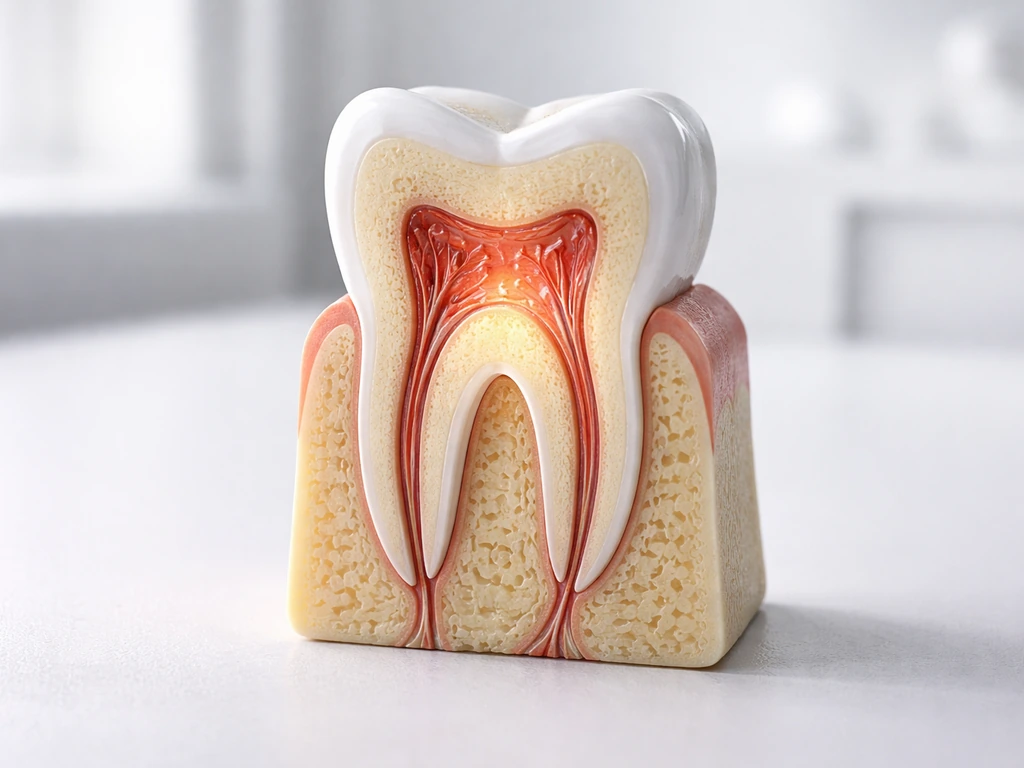
Is It Possible to Grow Another Adult Tooth Again?
Learn if adult teeth can regrow, what tissues can’t, and the real options to replace a lost tooth.
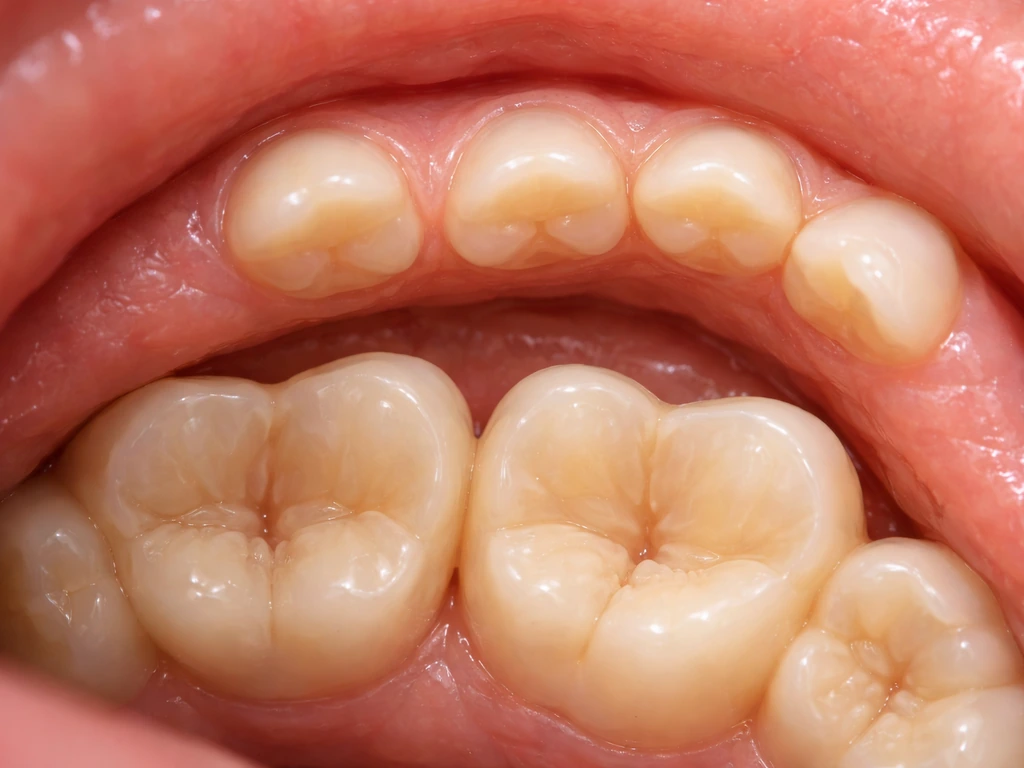
Why Do Humans Only Grow 2 Sets of Teeth and Can They Regrow
Explains why humans have only two tooth sets and what can regrow today, plus options for missing or damaged teeth.
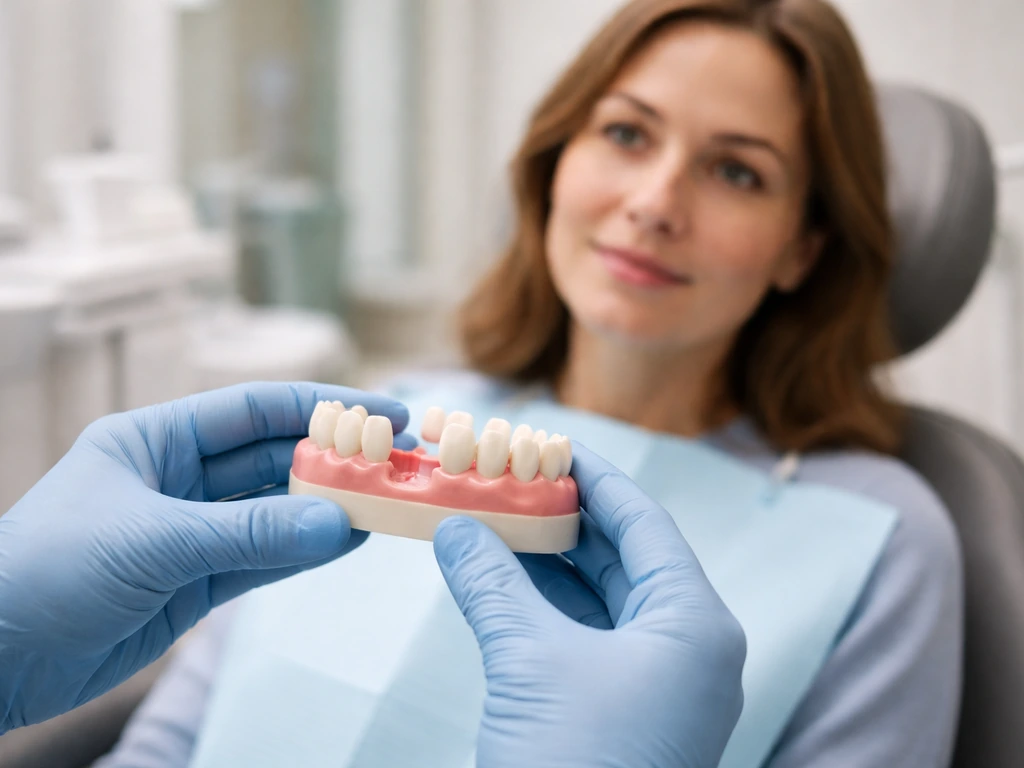
When Will We Be Able to Grow New Teeth Again?
Realistic timeline for regrowing missing teeth, what biology allows now, and which treatments are proven or experimental