
Humans grow exactly two sets of teeth because our biology is programmed that way from before birth. The first set, called deciduous or baby teeth, is built during early embryonic development starting around the 6th week of pregnancy. The second set, your permanent teeth, begins forming around the 20th week of fetal development and keeps erupting well into your late teens. After that, the biological machinery that builds teeth essentially shuts down. To understand why humans can't grow more teeth, it helps to know what those lamina signals stop doing after early development. There is no third set waiting in reserve, no hidden tooth buds, and no natural mechanism to restart the process in adulthood. Understanding why that is, and what you can realistically do about tooth loss today, is what this article is all about.
Why Do Humans Only Grow 2 Sets of Teeth and Can They Regrow

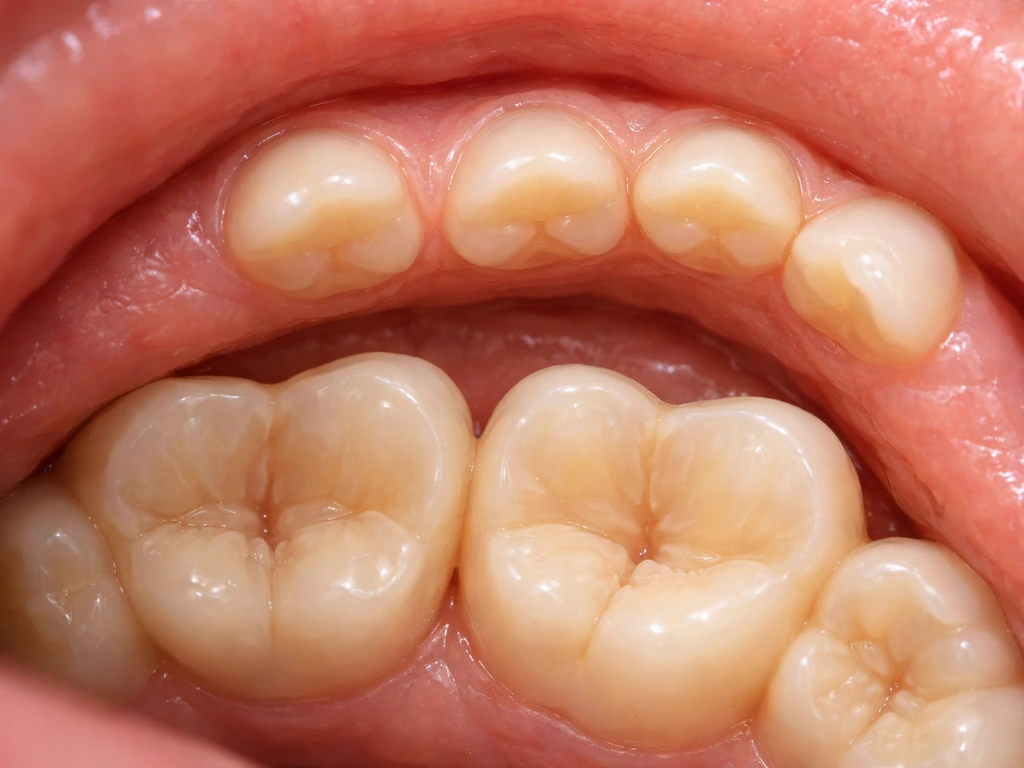
How your two sets of teeth actually develop
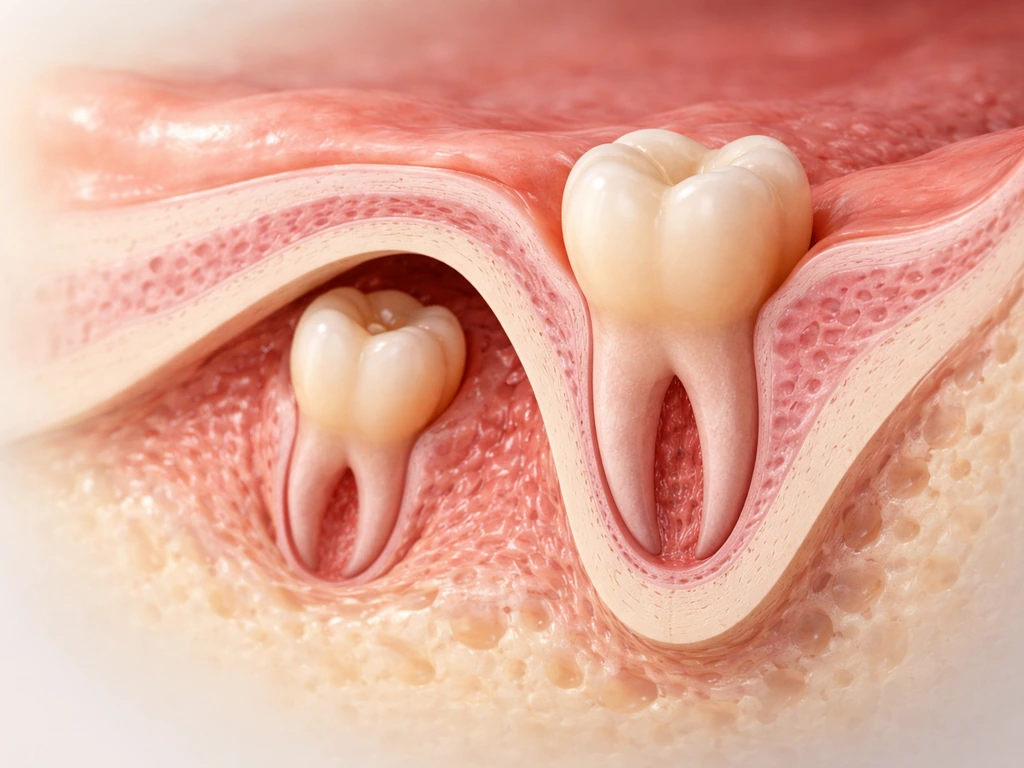
Both sets of teeth start the same way: a strip of tissue called the dental lamina forms from a thickening of the cells lining the mouth. This lamina grows down into the soft tissue underneath and triggers a back-and-forth chemical conversation between the epithelium (surface cells) and the mesenchyme (deeper tissue). That conversation, driven by signaling molecules like BMP4, guides cells through four stages: bud, cap, bell, and finally crown formation, where the actual hard tissues, enamel and dentin, get laid down. The process is tightly choreographed and has a defined beginning and end.
For the permanent teeth, a specialized extension of the original dental lamina called the successional lamina forms during the 3rd to 4th months of fetal life. This outgrowth sits on the inner (lingual) side of each primary tooth bud and is what generates the permanent successor tooth for every baby incisor, canine, and premolar. Your back molars are a bit different: they don't replace primary teeth at all. They grow from an extension of the dental lamina behind the primary tooth row as your jaw gets longer. That distinction matters, and we'll come back to it when we talk about wisdom teeth.
Why the biology stops at two sets
Here is the core reason: once the successional lamina has done its job and the permanent tooth buds are established, the lamina regresses. It breaks down through a combination of programmed cell death, basement membrane disruption, and a process where epithelial cells essentially transform into a different cell type and disappear. There is no third lamina waiting behind the second one. The signal that would normally keep the cycle going, including key factors like Sox2 in the lamina, fades out. Without that signal and without a new dental lamina, there are no progenitor cells left to seed another round of teeth.
Humans are what biologists call diphyodont, meaning two-toothed-generations. This is baked into our developmental genetics. Some animals like sharks are polyphyodont and replace teeth continuously throughout life. Crocodiles can cycle through dozens of replacement sets. But in humans, the regenerative lamina simply does not persist. Compare that to hair follicles, which maintain stem cell niches that allow repeated cycling. Tooth-forming tissues in mature humans lack that equivalent niche, which is why you can grow a new hair but not a new molar.
The tooth regrowth reality check
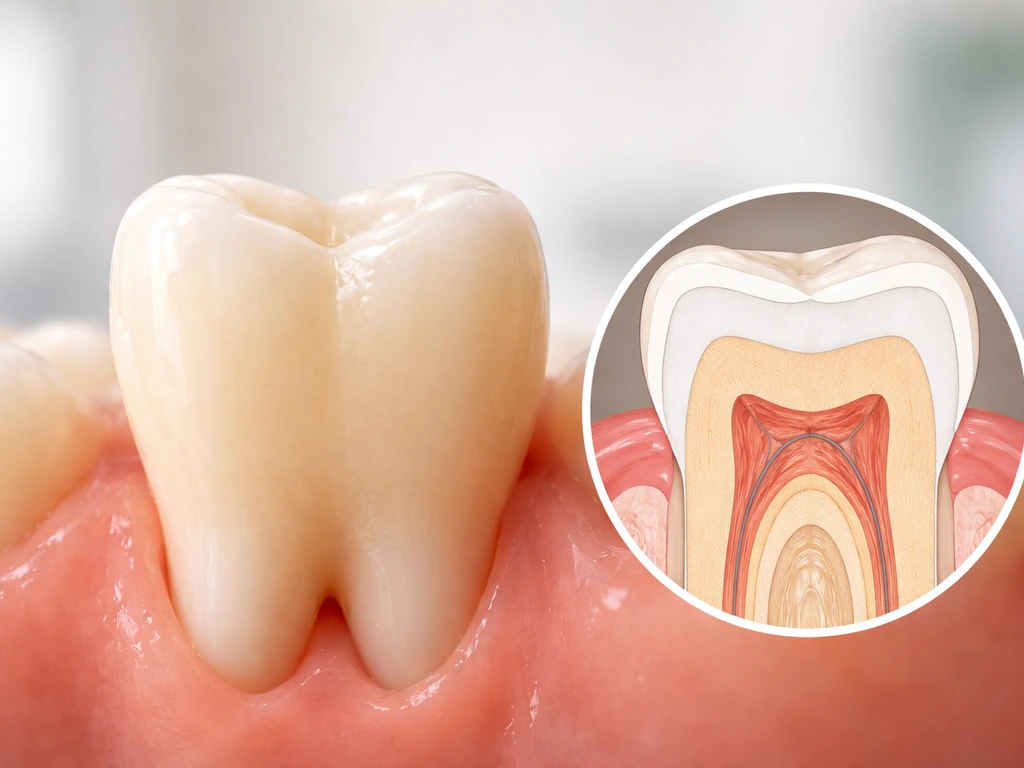
This is where a lot of internet misinformation circulates, so let's be direct about what can and cannot happen in your mouth after adulthood. If you're asking is it possible to grow another adult tooth, the short answer is that human biology does not provide a third replacement cycle.
What genuinely cannot regrow
- Enamel: Ameloblasts, the cells that build enamel, undergo programmed cell death after your teeth erupt. They are gone. Remineralization with fluoride or products like CPP-ACP can repair microscopic surface damage at the micrometer scale, but this is surface mineral deposition, not rebuilding the structured prism architecture of true enamel. A cavity is not going to heal itself.
- Whole teeth: There are no dormant tooth buds in adult jaws. Once a permanent tooth is lost, nothing in your body will replace it naturally.
- Root structure: The periodontal ligament and root cementum can partially respond to guided regeneration procedures, but spontaneous full root regrowth does not occur.
What has some real (if limited) regenerative capacity
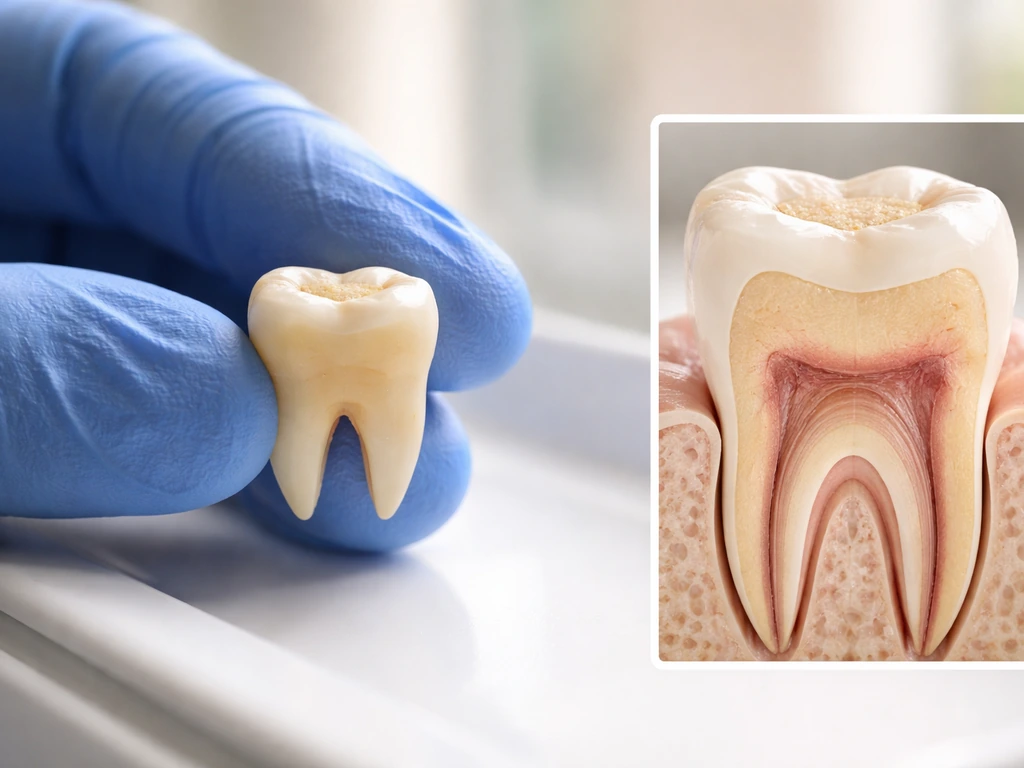
- Dentin: Secondary dentin continues to form slowly throughout life as a kind of defensive response to wear or mild irritation. Tertiary (reparative) dentin can form in response to a cavity approaching the pulp. This is not tooth regrowth, but it is real tissue activity.
- Dental pulp: Regenerative endodontics is an active clinical area. Studies have shown that implanting stem cells from deciduous teeth (baby tooth pulp stem cells) into injured permanent teeth can regenerate 3D pulp tissue with blood vessels and sensory nerves at 12 months. Clinical trials are ongoing, including trials using mesenchymal stem cells for pulp regeneration and allogeneic dental pulp stem cells for periodontitis. The evidence is promising but still developing, and this applies to pulp tissue inside a tooth, not growing a new whole tooth.
- Gum tissue: Gums can heal after injury and respond to periodontal treatment, including guided tissue regeneration (GTR) procedures that use barrier membranes to encourage regrowth of supporting bone and soft tissue around teeth.
- Bone: Jawbone can be regenerated with bone grafts and guided bone regeneration (GBR) techniques, especially in preparation for implants.
The bottom line on regeneration: partial tissue repair is real and clinically useful. Growing a whole new tooth from scratch in a human adult is not yet possible outside of early-stage research settings. If you are wondering whether can humans grow new teeth, the key point is that a true biological replacement tooth is not yet available in routine clinical care. Bioengineering a complete tooth with functional enamel faces the fundamental challenge that enamel requires living ameloblasts, and finding a reliable human cell source for those is an ongoing research problem. As of 2026, no approved clinical treatment will give you a biological replacement tooth.
When the second set shows up, and where wisdom teeth fit in
The timeline for the second set is longer than most people realize. Your first permanent teeth, usually the lower central incisors and the first molars (the famous '6-year molars'), arrive around age 6 to 7. The upper central incisors follow between 7 and 9 years. Canines and premolars fill in through the early to mid-teen years. By about 12 to 13, most kids have a full set of permanent teeth minus the wisdom teeth.
| Tooth Type | Approximate Eruption Age |
|---|---|
| Baby teeth begin (central incisors) | 6–9 months |
| Baby canines and first molars | 15–21 months |
| First permanent molars ('6-year molars') | Around age 6 |
| Permanent central incisors (lower) | 6–7 years |
| Permanent central incisors (upper) | 7–9 years |
| Permanent canines (lower) | 9–10 years |
| Permanent canines (upper) | 11–12 years |
| Wisdom teeth (third molars) | 17–21 years (root complete ~20–21) |
Wisdom teeth are a common source of confusion. People sometimes wonder if they represent a 'third set.' They don't. Wisdom teeth are simply the last four molars in the permanent set, and their tooth germs begin developing around ages 8 to 9, crown formation is visible radiographically by about 14, and the roots finish forming around 20 to 21. They erupt (if they erupt at all) between roughly 17 and 21. They are not replacements for any prior teeth. They are part of the same second set, just the last members of it to arrive. They are often impacted or need removal because the modern human jaw frequently doesn't have room for them, not because they represent some new generation of teeth. If you are wondering when will we be able to grow new teeth, the key point is that wisdom teeth are not a replacement cycle, they are just the last members of the permanent set arriving late.
What to do when you can't grow a new set: your real options
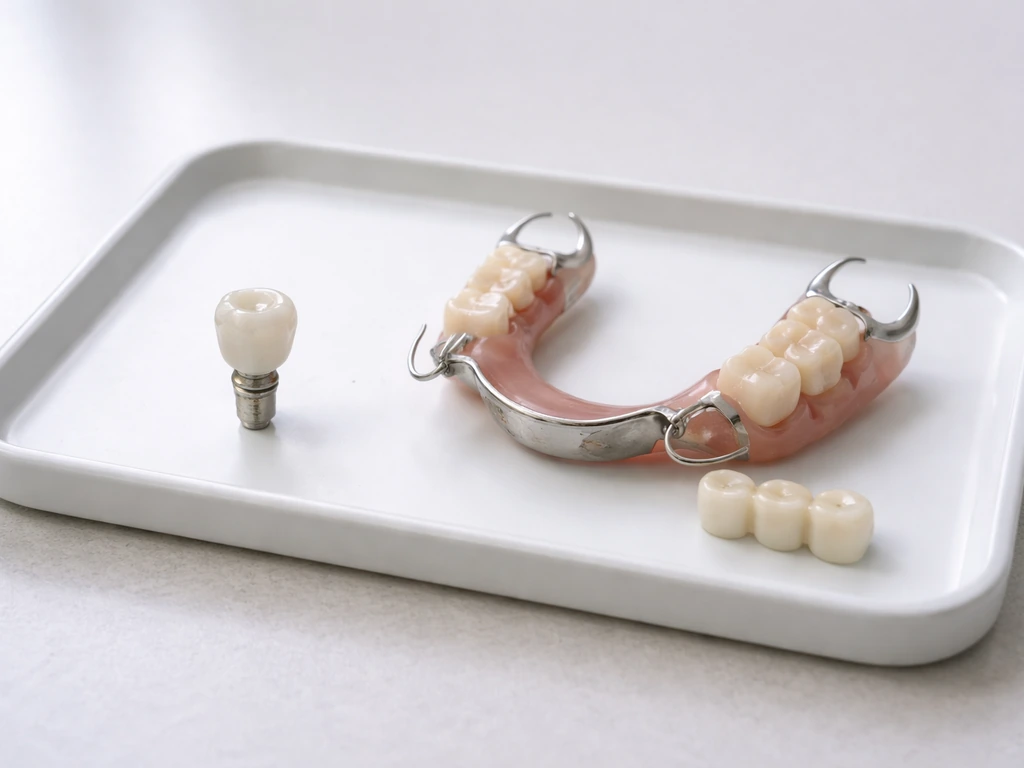
If you've lost a tooth or are worried about losing one, this is where we stop talking biology and start talking practical solutions. Modern dentistry has several well-established options, and the right one depends on your situation, how many teeth are involved, your budget, your bone health, and your age.
| Option | Best For | Key Consideration |
|---|---|---|
| Dental implant | Single missing tooth with adequate bone | Closest to a natural tooth; requires surgery and healing time; typically titanium post with a crown on top |
| Implant-supported bridge/denture | Multiple missing teeth | Combines implant stability with coverage of multiple spaces |
| Fixed bridge | One or two missing teeth with healthy adjacent teeth | Adjacent teeth are crowned to anchor the bridge; no surgery required |
| Partial denture | Multiple missing teeth, not implant candidate | Removable; less expensive; may feel less stable |
| Full denture | All teeth missing in an arch | Removable; requires proper fit and regular adjustment |
| Crown | Damaged but intact tooth | Covers and protects a cracked or severely decayed tooth |
| Filling | Small to moderate cavity | Restores tooth shape and function; materials include composite resin, amalgam |
| Root canal + crown | Infected or deeply decayed tooth | Saves the natural tooth; removes infected pulp; covered with a crown |
Dental implants are generally the gold standard for replacing a single missing tooth because they preserve jawbone, don't affect adjacent teeth, and function like a natural tooth. But they require adequate bone volume and a surgical procedure, so they aren't right for everyone. A fixed bridge is a strong non-surgical alternative. For people missing many teeth or who are not candidates for implants, well-fitted dentures remain a reliable functional solution. Your dentist can help you map out which approach makes the most sense given your specific anatomy and budget.
On the emerging science side: pulp regeneration and stem-cell-based therapies are moving into clinical trials, and tissue engineering for periodontal support structures is an active research area. But if you need a solution today in 2026, these are not yet ready for routine clinical use. The options in the table above are what you can walk into a dental office and actually get.
When to see a dentist and how to pick the right next step
If you're reading this because you've lost a tooth, have a painful tooth, or are wondering about a child's dental development, here is a straightforward guide to what warrants urgent attention versus a routine appointment.
Go to the emergency room or call a dentist immediately if:
- You have a toothache with face or jaw swelling and a fever over about 101°F (38.3°C). This is a possible spreading dental infection, which can become serious quickly.
- You have signs of a dental abscess (severe throbbing pain, swelling, pus, or a bad taste) and cannot reach a dentist the same day. A tooth abscess will not resolve on its own.
- A tooth has been knocked out: rinse it gently, keep it moist (in milk or saliva), and get to a dentist within 30 to 60 minutes for the best chance of reimplantation.
Book a routine dentist appointment soon if:
- You have a missing tooth and want to discuss replacement options. The sooner you act, the more bone you preserve for future implant options.
- A child is past age 7 and hasn't started losing baby teeth, or you're concerned about the timing of their permanent teeth coming in.
- You have a visible cavity, sensitivity to hot or cold, or pain when biting that isn't accompanied by fever or swelling.
- Your wisdom teeth are coming in and causing discomfort or you haven't had them evaluated.
When you do see a dentist, be upfront about your full picture: what you've lost or what hurts, how long it's been going on, and what your goals are (preserving a tooth, replacing a missing one, or just understanding what's happening). That conversation helps your dentist recommend the right tier of care, whether that's a filling, a referral to an endodontist for a root canal, a periodontist for gum and bone work, or an oral surgeon for an implant evaluation. You don't need to walk in knowing the answer, but you do need to walk in.
One last note worth flagging: if you've come across claims that certain supplements, oil pulling, or "remineralization diets" can regrow teeth or reverse cavities, treat those with real skepticism. Surface remineralization of very early enamel lesions (the kind a dentist might call 'incipient') is plausible with fluoride and good hygiene. But regrowing lost enamel or a lost tooth through diet or home remedies is not supported by evidence. The biology simply doesn't allow it, for exactly the reasons this article has laid out.
FAQ
Does everyone truly have only two tooth generations, or are there exceptions like extra sets or supernumerary teeth?
Most humans are diphyodont (two generations), but some people develop extra teeth because of supernumerary tooth germs, not because a third replacement cycle exists. These extra teeth are typically counted as additional members of the permanent set (or rarely related to delayed development) and are usually found on X-rays, often requiring orthodontic monitoring or removal if they crowd other teeth or cause cyst risk.
Can damage to baby teeth later make the body grow an extra replacement tooth?
No. If a primary tooth is lost early, the usual outcome is still permanent tooth eruption from the existing permanent tooth buds, not a new third cycle. Early loss can affect space and alignment, so dentists may recommend space maintainers or orthodontic follow-up to prevent crowding.
Why do some people seem to get “new” teeth later in life?
What looks like “new growth” is usually delayed eruption (especially for canines and premolars), wisdom teeth erupting later, or orthodontic changes that reveal teeth that were already present. True formation of brand new functional teeth after the normal developmental window is not established in routine human biology.
Are wisdom teeth considered a third set, and can they replace other missing teeth?
Wisdom teeth are part of the second (permanent) set, they are not replacements for earlier teeth. They can sometimes help with space in the back of the mouth if they erupt and are positioned well, but they do not become functional substitutes for missing incisors or premolars, and they are often removed when impacted or disease-prone.
If enamel does not regrow, can cavities ever reverse naturally after they start?
Very early enamel demineralization (incipient lesions) can sometimes be arrested and remineralized with fluoride and excellent plaque control, but this does not recreate lost tooth structure or reverse a cavity that has progressed through the enamel. A dentist can grade lesion depth on exam and imaging to determine whether reversal is realistic.
What are the most common reasons adults lose teeth, and do those differ from childhood causes?
Adults most often lose teeth due to gum disease (periodontal inflammation and bone loss), advanced tooth decay, or failed restorations, not because a tooth generation failed. The same underlying risks, like poor oral hygiene and smoking, contribute in different ways across the lifespan, so prevention and maintenance plans also change with age.
If I lose a tooth, when should I consider replacement options like implants or dentures?
The best timing depends on how much time has passed and your bone and gum health. Implant planning typically requires adequate bone volume and often a period of healing after extraction, while dentures are usually a quicker functional solution but can shift over time. Dentists often advise replacing missing teeth sooner rather than later to reduce tipping, drifting, and bite changes.
Can implants fail because the jawbone is not enough, and how do dentists check before placing one?
Yes. Inadequate bone volume is a major limiting factor, and it can lead to inadequate stability or the need for bone grafting. Dentists evaluate bone quality and height with clinical exam and imaging (often CBCT), and they may offer grafting, sinus lift (for upper back teeth), or alternative options if implantation is not feasible.
What’s the difference between replacing one missing tooth with a bridge versus an implant?
Bridges can work well but often require reshaping adjacent teeth to support the appliance, which can reduce those teeth’s long-term structure. Implants avoid altering neighboring teeth and can better preserve bite forces distribution, but they require surgery and commitment to long-term maintenance and gum health.
Are “stem cell” or “tooth regrowth” treatments available outside research studies?
Not as an approved, routine therapy for growing a whole biological tooth in adults. Research in pulp regeneration, tissue engineering, and stem-cell approaches is progressing, but most offerings marketed online are not the same as evidence-based clinical care, and the safety and effectiveness can be uncertain.
Why do some people have “adult tooth” eruption without a normal sequence, like missing permanent teeth?
Missing or delayed permanent teeth can happen due to developmental absence (agenesis), ectopic eruption, supernumerary teeth blocking eruption, or genetic and syndromic causes. This is often identifiable by age-appropriate dental imaging, and early orthodontic or restorative planning can prevent long-term spacing problems.
Do home remedies like remineralization toothpaste or oil pulling ever regrow a lost tooth?
They can sometimes help improve early enamel conditions and reduce plaque, but they cannot regrow a removed or fully destroyed tooth, nor rebuild dentin or enamel that has been lost beyond the earliest stage. For pain, deep cavities, or missing teeth, rely on diagnosis and treatment planning rather than expecting home care to reverse structural loss.
Citations
Primary (deciduous) teeth begin to erupt in typical infants at about 5–8 months of age, with the first permanent mandibular incisors erupting around 6–7 years (and maxillary incisors typically 7–9 years).
https://www.ncbi.nlm.nih.gov/books/NBK549878/
Typical eruption ages for primary teeth include: central incisor around 6–9 months, canine around 15–21 months, and first molars around 15–21 months (with a tabulated chart of eruption timings).
https://medlineplus.gov/ency/imagepages/1138.htm
Tooth development begins via localized thickening of oral epithelium forming the dental lamina, and the bell stage is characterized by disintegration of the dental lamina in preparation for hard-tissue formation.
https://www.ncbi.nlm.nih.gov/books/NBK560515/
Human tooth organogenesis progresses through four classic morphologic stages—bud, cap, bell, and crown/calcification—during which enamel, dentin, and pulp differentiation proceeds.
https://digitalhistology.org/organs-systems/digestive/oral-cavity/tooth/tooth-development/tooth-development-2/
Merck lists example primary eruption ranges: first primary molars around ~10–16 months; incisors around 6–8 years (as mapped to the eruption chart context for replacement/eruption timing in the table).
https://www.merckmanuals.com/home/multimedia/table/tooth-eruption-times
Human dentition is diphyodont (two generations): deciduous teeth followed by permanent teeth; tooth formation initiates with dental lamina invagination into mesenchyme.
https://www.ncbi.nlm.nih.gov/books/NBK557543/
Primary tooth formation initiates around the 6th week of embryology; odontogenesis of permanent teeth begins later (e.g., around the 20th week per the StatPearls overview).
https://www.ncbi.nlm.nih.gov/books/NBK557543/
In human development, the successional lamina is described as an epithelial outgrowth positioned on the mid-lingual aspect of the primary canine and is associated with forming the permanent successor (demonstrating a tooth-specific successor-lamina concept).
https://pmc.ncbi.nlm.nih.gov/articles/PMC4240045/
The successional dental lamina appears during the 3rd–4th months of intrauterine life and is stated to give rise to permanent successor teeth, including incisors, canines, and premolars.
https://www.mdpi.com/1422-0067/26/13/6209
The successional lamina forms when the primary dental lamina gives rise to permanent successors; subsequent processes can include changes in epithelial fragments and lamina behavior during the bell stage (as summarized in the overview).
https://en.wikipedia.org/wiki/Dental_lamina
Failure of further replacement initiation in monophyodont contexts is investigated in relation to regression of the successional dental lamina and progenitor deficiency; loss of Sox2 signal in the successional lamina is proposed as a mechanism contributing to failed replacement initiation.
https://pmc.ncbi.nlm.nih.gov/articles/PMC4444311/
The paper notes that in many species replacement is limited to two generations; it describes regression of the dental lamina involving cell death, disruption of basement membrane, and epithelial-to-mesenchymal transformation—mechanisms that prevent further tooth development.
https://journals.biologists.com/dev/article/146/3/dev171363/48942/
The StemBook entry states that human teeth do not regenerate like some other organs (e.g., hairs) and therefore lack stem cell niches that would house progenitors for de novo tooth formation.
https://www.ncbi.nlm.nih.gov/books/NBK27071/
A diphyodont (two-generation) description is provided for humans, supporting the idea that the biology is organized around only deciduous then permanent functional teeth.
https://www.ncbi.nlm.nih.gov/books/NBK557543/
The review describes that BMP4 signaling is involved in transferring odontogenic potential from dental lamina epithelium to mesenchyme during tooth bud formation, with inhibitors/activators (e.g., Dkk2, Osr2, Msx1) regulating odontogenic competence.
https://pmc.ncbi.nlm.nih.gov/articles/PMC6987083/
A stated limitation: during development, ameloblasts secrete enamel matrix then undergo programmed cell death/withdrawal after eruption; remineralization is limited to micrometer-scale repair at the enamel surface and cannot regenerate bulk enamel or restore prism architecture once lost.
https://scielo.org.za/scielo.php?pid=S0011-85162025000900001&script=sci_arttext
A systematic review/meta-analysis reports that outcomes for enamel surface hardness using remineralization agents (e.g., fluoride vs CPP-ACP/other materials) can be synthesized, while also rating certainty as very low for some outcomes—highlighting clinical-translation constraints.
https://pmc.ncbi.nlm.nih.gov/articles/PMC12488510/
The review concludes that regenerative endodontics evidence is mixed/“disputable” regarding what regenerated tissue actually becomes and how reliably—despite reported successes—especially regarding the regenerative protocol and tissue nature.
https://pmc.ncbi.nlm.nih.gov/articles/PMC7374232/
The mini-review emphasizes that bioengineering whole human teeth with functional enamel is constrained by needing suitable enamel-producing epithelial cell sources; it notes development of enamel requires interactions where epithelium signals mesenchyme for enamel and dentin lineage differentiation.
https://pmc.ncbi.nlm.nih.gov/articles/PMC7077079/
For periodontal regeneration, guided tissue/bone regeneration (GTR/GBR) is described as a current approach aimed at rebuilding damaged periodontal tissue and bone (rather than regrowing a whole tooth).
https://pubmed.ncbi.nlm.nih.gov/37631412/
The review frames periodontal regeneration as requiring restoration of supporting bone and elimination of interference from non-osteogenic tissue, describing a key requirement/constraint for achieving effective periodontal bone regeneration.
https://www.frontiersin.org/articles/10.3389/fmats.2023.1220420/full
Permanent tooth eruption examples in the MedlinePlus table: upper/lower central incisors erupt around ~6–8 years (with specific paired upper/lower ages) and canines show eruption ranges like ~11–12 years (upper) and ~9–10 years (lower).
https://medlineplus.gov/ency/imagepages/18162.htm
StatPearls states that the first permanent teeth to emerge are first molars, typically around age 6 (the “6-year molars”).
https://www.ncbi.nlm.nih.gov/books/NBK549878/
A radiographic/developmental timeline is cited: typical development of third molar tooth germs begins around ages 8–9 years; crown visibility by ~14 years; and root formation considered nearly complete by ~20–21 years.
https://pmc.ncbi.nlm.nih.gov/articles/PMC3386422/
Colgate states wisdom teeth typically erupt for most people between about 17 and 21 years of age, and notes that they often begin growing earlier (e.g., high-school/college age range with earlier development).
https://www.colgate.com/en-us/oral-health/wisdom-teeth/what-age-do-wisdom-teeth-come-in
Third molars are not replacement teeth (they erupt after permanent dentition begins) which helps explain why laypeople can perceive a “third set,” even though humans are diphyodont with respect to replacement.
https://www.ncbi.nlm.nih.gov/books/NBK549878/
The permanent first (6-year) molars are described as coming into the mouth just behind the last primary molars and therefore do not replace any teeth—undercutting the idea of a “third set” that replaces prior teeth.
https://www.ncbi.nlm.nih.gov/books/NBK557543/
ClinicalTrials.gov entry describes a human clinical trial titled “Encapsulated Mesenchymal Stem Cells for Dental Pulp Regeneration,” including a focus on dental survival in mature apex context over a one-year period.
https://clinicaltrials.gov/study/NCT03102879
A clinical study (with animal models plus a reported randomized controlled trial enrollment) reports that human deciduous pulp stem cell (hDPSC) implantation led to regeneration of 3D pulp tissue with blood vessels and sensory nerves at 12 months versus apexification in the study groups.
https://pubmed.ncbi.nlm.nih.gov/30135248/
A 2020 review summarizes that dental tissue-derived cell-based regenerative medicine approaches have progressed into clinical trials, but provides an evidence/feasibility framing for translation and gaps.
https://stemcellres.biomedcentral.com/articles/10.1186/s13287-020-01683-x
A 2025 report describes a multicenter randomized clinical trial of allogeneic dental pulp stem cells in periodontitis, including a Phase I component with specified date ranges and dosing groups.
https://nature.com/articles/s41392-025-02320-w
A 2024 randomized controlled trial compares scaffolds for pulp regeneration in permanent mature teeth with apical lesions, reflecting that tissue engineering variables (scaffold type) are actively being tested clinically.
https://pubmed.ncbi.nlm.nih.gov/39704629/
CDC’s dental infection control guidance emphasizes standard precautions for dental settings, including screening/management of patients with signs of illness to reduce risk during urgent dental care.
https://www.cdc.gov/dental-infection-control/hcp/summary/standard-precautions.html
Cleveland Clinic advises emergency evaluation for toothache accompanied by face/jaw swelling and fever, including a cited threshold of fever over ~101°F (38.33°C).
https://my.clevelandclinic.org/health/diseases/10957-toothache
Cleveland Clinic notes that a tooth abscess won’t heal on its own and advises emergency-room evaluation when abscess symptoms come with systemic illness/serious features, while dentists may use dental X-rays to identify sources.
https://my.clevelandclinic.org/health/diseases/10943-abscessed-tooth/
Mayo Clinic recommends seeing a dentist promptly for tooth abscess symptoms and going to an emergency room if there is fever and facial swelling and you cannot reach a dentist.
https://www.mayoclinic.org/diseases-conditions/tooth-abscess/symptoms-causes/syc-20350901
AAE patient guidance frames abscess treatment as requiring endodontic care and explains that ongoing symptoms should be managed by an endodontist specializing in infected teeth and pulp.
https://www.aae.org/patients/dental-symptoms/abscessed-teeth/
ADA guidance states dentists should prioritize definitive dental treatments (e.g., pulpotomy/pulpectomy/nonsurgical root canal/incision and drainage) and reserve systemic antibiotics for cases with systemic involvement (e.g., fever/malaise).
https://www.ada.org/resources/research/science/evidence-based-dental-research/antibiotics-for-dental-pain-and-swelling/
The ADA evidence-based guideline summary includes conditional/strong recommendations on not prescribing oral systemic antibiotics as an adjunct for immunocompetent adults with symptomatic irreversible pulpitis and similar localized conditions, while recommending urgent referral when deeper-space infection/systemic threat exists.
https://www.ada.org/-/media/project/ada-organization/ada/ada-org/files/resources/research/ada_chairside_guide_antibiotics_ta.pdf
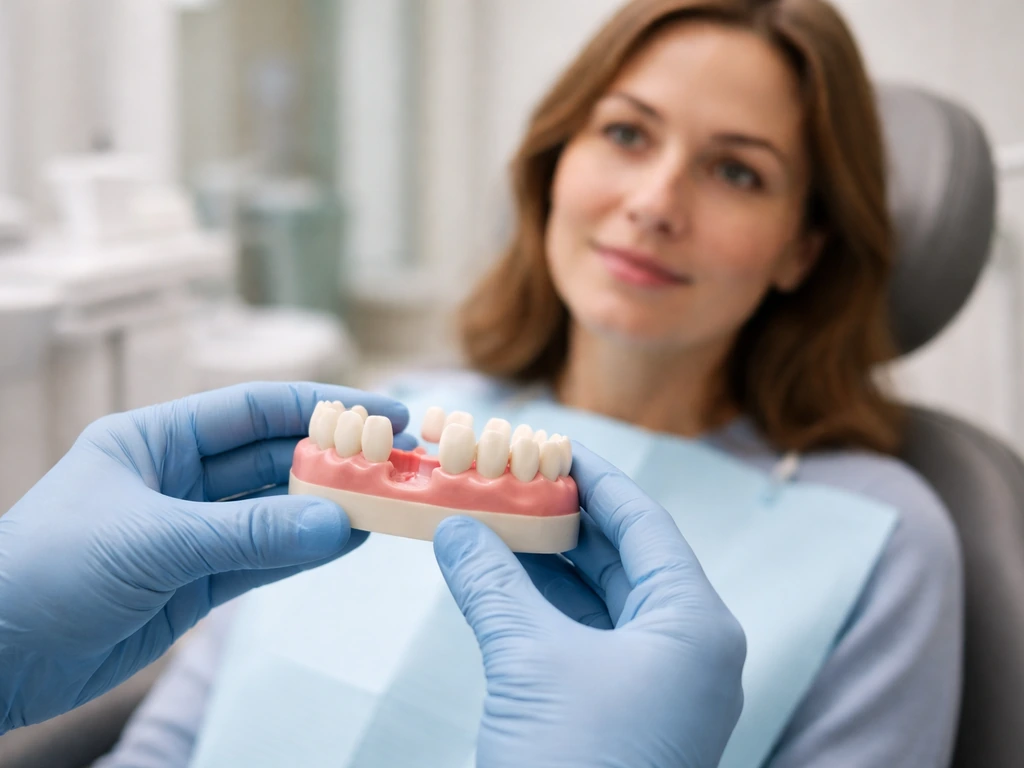
Realistic timeline for regrowing missing teeth, what biology allows now, and which treatments are proven or experimental
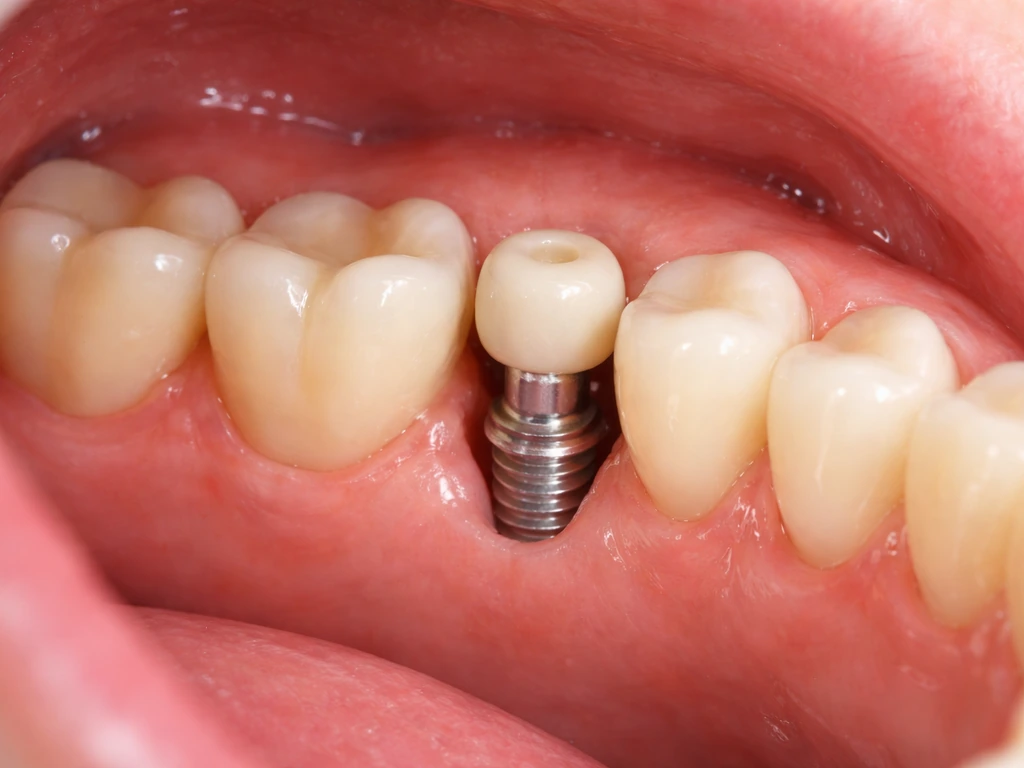
Can humans grow new teeth? Evidence on regeneration science, what works today, and realistic replacement options
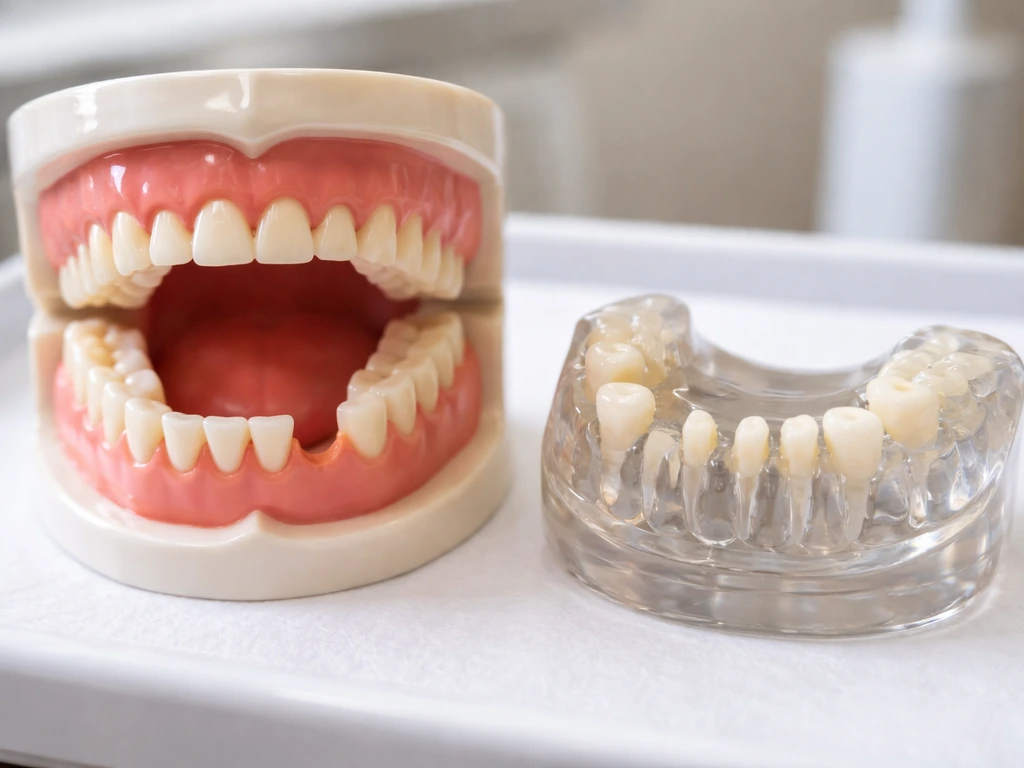
Learn why humans don’t grow back adult teeth, what natural healing can do, and today’s options like implants and bridges