Human teeth grow in two sets over a lifetime, and that's it. You get 20 baby teeth (also called primary or milk teeth) starting around 6 months of age, and then 32 permanent teeth that replace them from about age 6 onward. There is no third round, no spare set waiting in reserve, and no natural mechanism that regrows a lost adult tooth. Once your permanent teeth are gone, they're gone, unless you get a dental replacement.
How Many Times Can Teeth Grow After Childhood

Marcus Holloway
21 May 2026
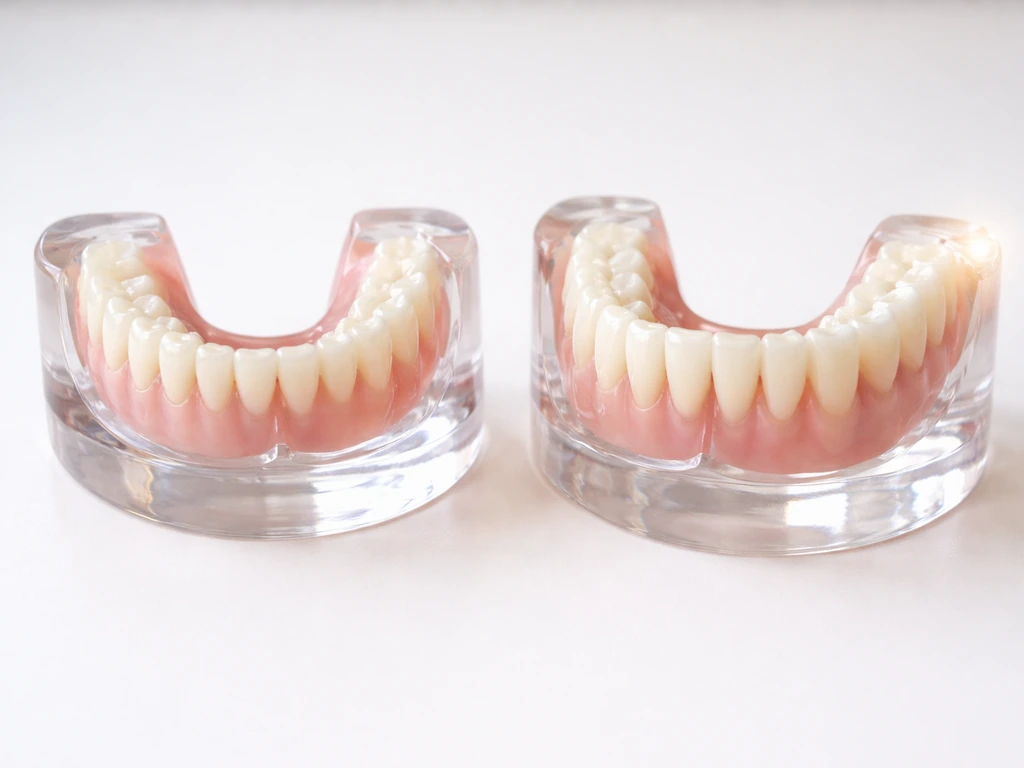
The two sets of teeth you actually get
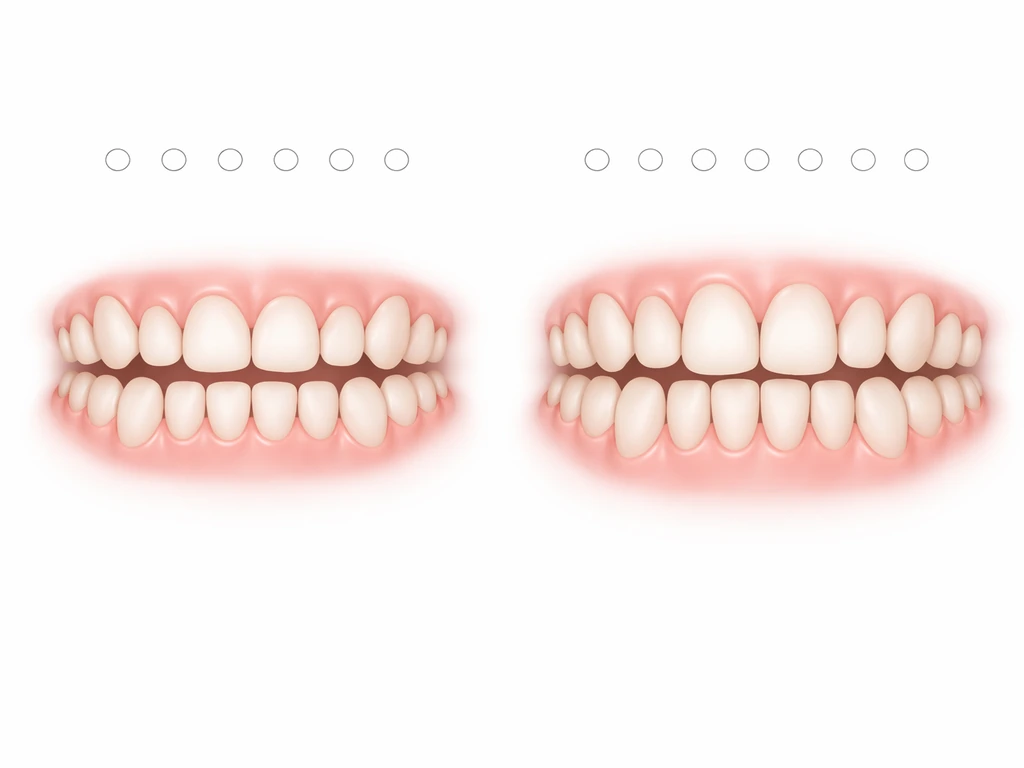
The word 'grow' is doing a lot of work in this question, so it helps to be precise. When people say teeth 'grow,' they usually mean two different things: the eruption of new teeth through the gums (which happens twice in a normal human life), and the actual formation of tooth structure inside the jaw (which happens before eruption, during development). Neither process repeats after the permanent teeth are in place.
Your first set, the 20 primary teeth, typically finishes coming in by around age 2.5 to 3 years. If you’re wondering how long milk teeth take to grow in and when they start coming out, the first baby teeth typically erupt around 6 months and the full first set finishes by about age 2 5 to 3 years.. These are the teeth kids lose starting around age 6, which is also when the first permanent teeth start erupting. The permanent set eventually totals 32 teeth if all four wisdom teeth come in, though many people end up with 28 if wisdom teeth are removed or never erupt. By the mid-teens, most permanent teeth other than wisdom teeth are fully erupted.
Baby teeth vs. permanent teeth: what 'growing' actually means
Baby teeth aren't just placeholders. They're fully formed teeth with enamel, dentin, pulp, and roots, and they serve real functions for years: chewing, speech development, and holding space in the jaw for the permanent teeth that follow. When a baby tooth falls out, it's not because the adult tooth 'pushed it out' in a simple mechanical sense. The root of the baby tooth actually dissolves (a process called resorption) as the permanent tooth develops underneath it, which is why a baby tooth that falls out looks rootless.
The permanent teeth that replace them aren't regrowing the baby teeth. They're entirely separate teeth that formed on their own schedule inside the jaw. This is why losing a baby tooth early can be a real issue: the permanent successor might not be ready to erupt for months or years, and without the baby tooth holding the space, neighboring teeth can drift and crowd things out. That's exactly why dentists sometimes recommend space maintainers when a primary tooth is lost too early.
So to be clear about the count: teeth erupt twice. Once as primary, once as permanent. That's two rounds of eruption across a normal human life, not two rounds of regrowth. Milk teeth can only be replaced once by the permanent set, so they do not grow twice in the way this question suggests can milk teeth grow twice.
What happens when a permanent tooth is lost
This is the part where a lot of people hope for good news, and unfortunately the biology is straightforward: permanent teeth do not grow back. Unlike some animals (sharks being the classic example, with their endless conveyor belt of teeth), humans have no stem cell system that produces new teeth after the permanent set is established. Research confirms there's no active stem cell niche in the adult jaw that can trigger a new tooth to form from scratch.
There is one narrow exception worth knowing: if a permanent tooth is knocked out cleanly and you act fast, it may be possible to save it by replanting it. The survival window is tight. The periodontal ligament cells on the root surface start dying after about 30 to 60 minutes out of the socket. The American Association of Endodontists and clinical trauma guidelines consistently frame it this way: the sooner the tooth goes back in, the better the prognosis, with outcomes dropping sharply after 60 minutes of dry time. If you or your child knocks out a permanent tooth, the guidance is to keep it moist (in milk or saline, or between the cheek and gum), call a dentist immediately, and get there within the hour. This isn't tooth 'regrowth,' it's tooth preservation.
For teeth that are already gone and can't be replanted, your real options are dental implants, bridges, or partial dentures. Implants are generally considered the closest thing to a natural tooth replacement because they anchor into the jawbone like a root. Bridges use adjacent teeth as anchors for a fixed replacement. Partial dentures are removable. Each has tradeoffs in cost, longevity, and candidacy requirements, and a dentist or prosthodontist is the right person to walk you through which makes sense for your situation.
Wisdom teeth: why people think they're a 'third set'
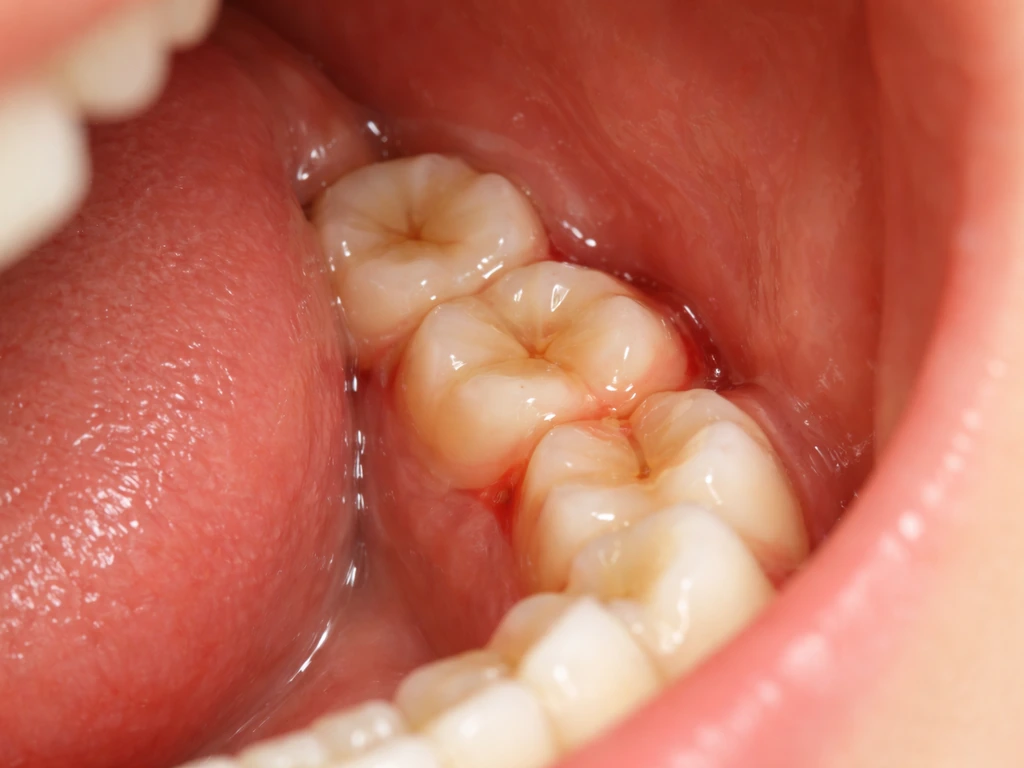
Wisdom teeth are the most common source of confusion around the idea of teeth 'growing again.' They're the third molars, and they typically erupt between ages 17 and 21, sometimes even later. For a lot of people, this happens years after the rest of their permanent teeth came in, so it genuinely feels like a new wave of teeth showing up out of nowhere.
But wisdom teeth aren't a second set of adult teeth or a new round of tooth development. Even wisdom teeth do not represent a third round of tooth regrowth, so teeth generally cannot grow back three times new growth cycle. They're part of the original permanent set, just the last ones in the schedule. The reason they show up so late is simply that they're the last to develop and the last in line for space. Because the jaw is often already crowded by the time they try to erupt, about 24% of people over 17 have at least one impacted wisdom tooth, meaning it's blocked from fully emerging. Impacted wisdom teeth can cause pain, infection, and crowding, which is often why they get removed. But again, their late arrival isn't a new growth cycle. It's just the tail end of the one permanent cycle you were already on.
The truth about enamel and gum 'regrowth'
While teeth themselves don't grow back, people often wonder about the components: can enamel regrow? Can gums regenerate? The answers are nuanced, and there's a lot of internet misinformation to wade through here.
Enamel: limited self-repair, not true regrowth
Enamel is the hardest substance in the human body, but once it's fully formed, it becomes acellular, meaning no living cells remain in it. There's nothing left to produce new enamel tissue. This is why the NIDCR is careful with its language: enamel can 'repair itself' using minerals from saliva and fluoride in a process called remineralization, but that only works for very early, surface-level damage before a cavity actually forms. If you have an actual cavity (a cavitated lesion), no amount of fluoride will fill it back in. You need a filling. Fluoride helps rebuild the mineral content of the outer enamel layer, but it's not generating new enamel structure. Think of it as patching the surface, not regrowing the wall.
Gums: they don't grow back either, but treatment helps
Gum tissue that recedes due to periodontal disease or aggressive brushing doesn't naturally regrow on its own. The tissue that's lost is gone without intervention. There are surgical procedures (like gum grafting) that can restore coverage, but this is not spontaneous regeneration. The practical implication: if your gums are receding, don't wait and hope they'll recover. See a periodontist and deal with it before the recession gets worse.
What to do if something seems off with your teeth
Whether you're a parent worried about a child's delayed tooth eruption, an adult dealing with a lost tooth, or someone who's been told they need a filling and is wondering if there's a natural fix, here's practical guidance for each scenario.
If a child's teeth aren't coming in on schedule
Primary teeth typically start erupting around 6 months, though there's natural variation. If no teeth have appeared by 12 to 18 months, a pediatric dentist visit is warranted. For permanent teeth, most should be erupting between ages 6 and 13 (excluding wisdom teeth). If a child loses a baby tooth early from decay or injury, ask the dentist about a space maintainer to keep room open for the incoming permanent tooth. Don't assume things will sort themselves out; early loss of primary molars without space maintenance can cause crowding that's expensive to fix later.
If you've knocked out or lost a permanent tooth
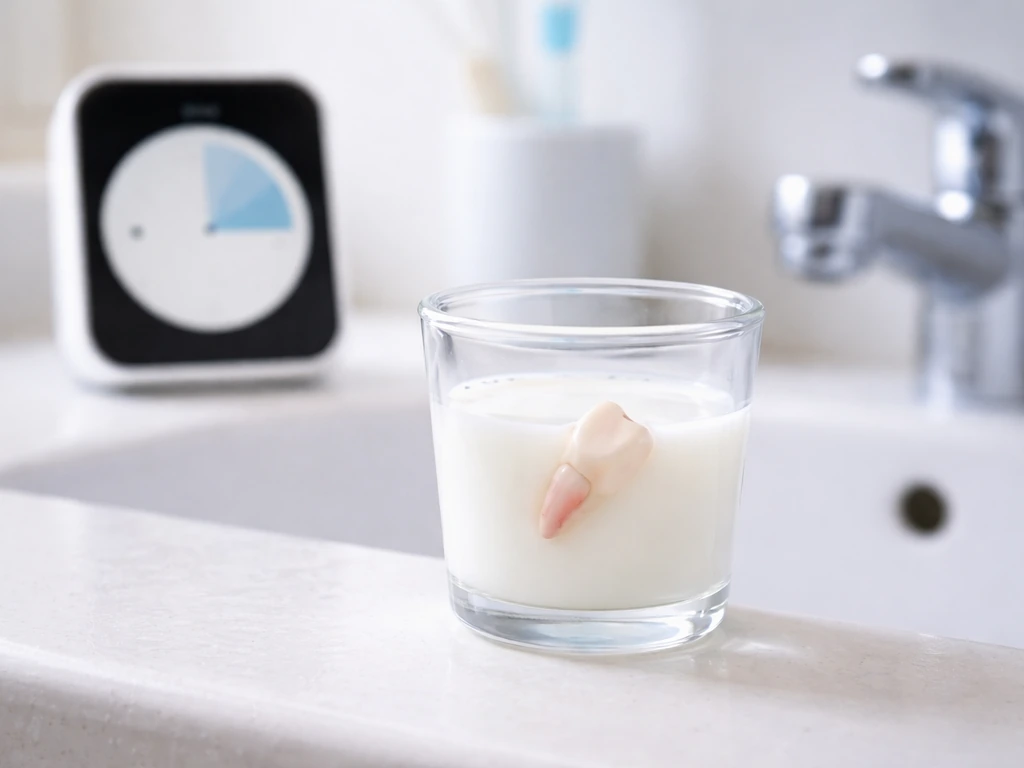
For a freshly knocked-out tooth: keep it moist (milk or saline works, saliva is fine, water is a last resort), don't scrub the root, and get to a dentist within 30 to 60 minutes. For a completely avulsed tooth, the Merck Manual Professional Edition notes that permanent retention may be possible if you replace it in the socket with minimal handling within about 30 minutes to 1 hour within the hour. For teeth already missing, make an appointment to discuss implants, bridges, or dentures. Getting a replacement sooner rather than later matters because jawbone in the area of a missing tooth starts resorbing over time, which can complicate implant candidacy later.
If you have a cavity or enamel damage
If a dentist has spotted an early lesion that hasn't fully cavitated yet, remineralization through fluoride toothpaste, fluoride treatments, and diet changes (cutting back on acidic and sugary foods) can genuinely help. Ask your dentist whether your lesion is at the remineralization stage or past it. If it's a real cavity, get the filling. There is no natural remedy that fills a cavity once it's formed. The longer you wait, the deeper it goes, and the more expensive and invasive the fix.
Questions worth asking your dentist
- Is this early enamel damage (remineralizable) or an actual cavity that needs a filling?
- My child lost a baby tooth early. Do they need a space maintainer?
- I'm missing a tooth. Am I a candidate for an implant, and is my bone density sufficient?
- My wisdom teeth are coming in late. Should they be monitored or removed?
- Are my gums receding, and if so, what are my treatment options now?
The bottom line is simple but worth repeating: you get two sets of teeth in your life, and no natural third round exists. Enamel can be strengthened early but not regrown once destroyed. Lost permanent teeth need dental intervention, not watchful waiting. The sooner you act on any of these issues, the more options you have. For blank" rel="noopener noreferrer">regenerative endodontic procedures, expert consensus describes them as using stem or progenitor cells, signaling, and scaffolds, and notes that protocols vary widely, which can help you ask the right “what’s possible” questions.
FAQ
If wisdom teeth erupt later, does that mean teeth can grow three times?
Wisdom teeth often feel like “extra” teeth because they erupt years after the rest of the permanent set, but they are still part of your original permanent teeth schedule, not a third round. If they are impacted, they may not fully come in and can cause crowding or infection, which is why removal is sometimes recommended.
What happens if my child loses a baby tooth early, can the adult tooth still come in normally?
If a baby tooth is lost early, it can affect how the permanent tooth erupts because the space may be lost as neighboring teeth drift. That is why dentists may recommend a space maintainer, especially when a primary molar is lost well before the permanent successor is ready.
If a permanent tooth is knocked out, how fast do we need to act for replanting to work?
A permanent tooth knocked out cleanly is a time-sensitive emergency, and replantation is not guaranteed. The key decision factor is timing, keep the tooth moist (milk, saline, or held in the cheek), do not scrub the root, and seek dental care within about 30 to 60 minutes for the best chance of survival.
Can fluoride or remineralization reverse a cavity that has already started?
Enamel does not regrow after a cavity forms, so fluoride can help only at the very early stage where the enamel has not been cavitated. Ask your dentist whether the lesion is still in the “white spot” stage, because once it is a real cavity you typically need a filling.
Why do my teeth look like they are getting smaller or “wearing down,” is that the teeth growing back?
Teeth structure can wear down and look “shorter,” but that is not new tooth growth. Treatments may involve bonding, crowns, or fillings depending on whether the issue is surface enamel loss, decay, or exposed dentin.
How long can I wait before replacing a missing permanent tooth, and does it affect implant options?
If you lose a permanent tooth, replacement options are chosen based on bone levels, nearby teeth, your bite, and overall health. A major practical factor is that the jawbone can shrink over time, which can make later implant placement harder, so delaying treatment can reduce your options.
If teeth shift with braces, does that mean the missing tooth will eventually grow back into the gap?
Repositioning or orthodontic treatment can move existing teeth into space, but it does not create a new tooth. If you are missing a tooth, only prosthetic or surgical replacements restore the missing tooth, such as an implant, bridge, or partial denture.
When should delayed tooth eruption in a child be checked by a dentist?
If no teeth have erupted by about 12 to 18 months (or there are no signs of eruption when expected), a pediatric dentist should evaluate the child. Delayed eruption can be related to normal variation, but it can also be linked to developmental issues that are easier to address earlier.
Next Articles
Can Teeth Grow Back 3 Times? What’s Real and Next Steps
Debunks can teeth grow back 3 times. Explains natural tooth replacement once, enamel remineralization, and real treatmen
How Many Times Do Your Teeth Grow Back? Facts
Teeth rarely regrow after permanent set: most people get one replacement only. Learn limits, myths, and what to do next.
Is It Possible to Grow Another Adult Tooth Again?
Learn if adult teeth can regrow, what tissues can’t, and the real options to replace a lost tooth.